admin
admin 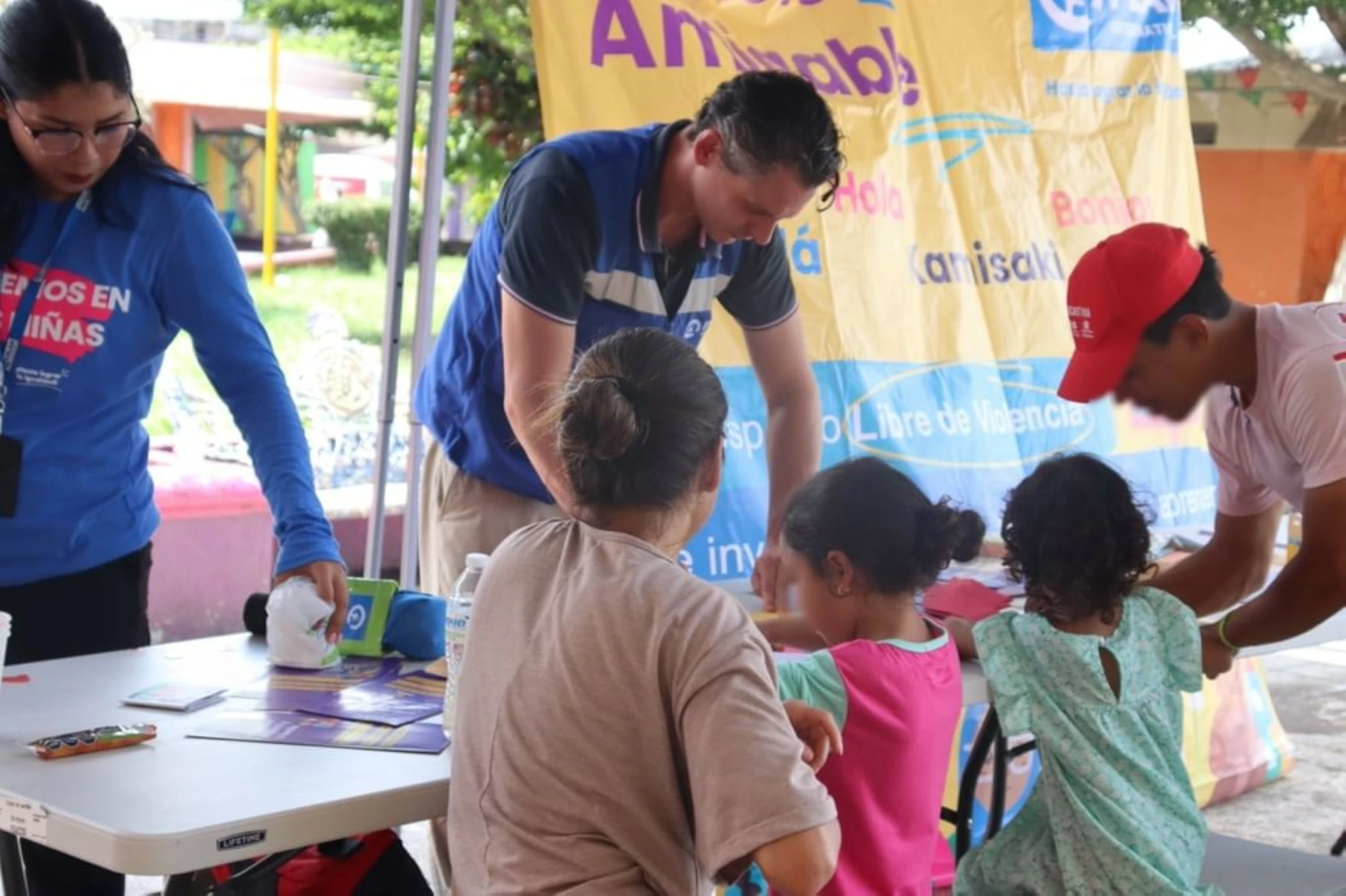
The Khalid Bin Sultan Al Qasimi Humanitarian Foundation (KSQF) has underscored the importance of early intervention to protect children and adolescents on migration routes from the risks of human trafficking and exploitation.
In a statement marking World Day Against Trafficking in Persons, observed annually on 30th July, the foundation highlighted the impact of its Guardians of Children programme, implemented in partnership with Plan International in Mexico, which provides protection and care services for around 7,000 migrant children and adolescents in Tapachula, Mexico City and Ciudad Juárez.
The programme also reaches more than 15,000 indirect beneficiaries through awareness and community capacity-building activities, bringing the total number of direct and indirect beneficiaries to more than 22,000.
The foundation said these efforts come amid growing risks facing children and adolescents travelling through Mexico.
During the first nine months of 2024, Mexican authorities recorded 113,542 cases of irregular migration involving children and adolescents, including nearly 6,700 unaccompanied children, leaving them more vulnerable to trafficking, exploitation and violence.
The foundation noted that migration does not necessarily result in children becoming victims of trafficking, but the absence of safe shelter, education, healthcare and trusted support increases their vulnerability. Trafficking networks may exploit children’s need for transport, work or accommodation to subject them to different forms of exploitation.
Through the Guardians of Children programme, KSQF provides preventive and protective services, including safe spaces, psychosocial support, mobile healthcare and referrals to specialised child protection services.
The programme also trains shelter staff, healthcare workers, volunteers and members of local communities to identify indicators of trafficking, exploitation and abuse, and respond in line with established child protection procedures.
Lujan Mourad, Director of the KSQF, said protecting children from trafficking begins with prevention and early intervention among those most at risk.
“A child who lacks safe shelter, healthcare and trusted support is more vulnerable to exploitation. Through this programme, we provide integrated services that protect migrant children and adolescents while safeguarding their rights and dignity,” she said.
The Guardians of Children programme forms part of KSQF’s wider global efforts to protect children from exploitation, forced labour, forced marriage, trafficking, and the consequences of conflict and natural disasters.
In 2025, the foundation launched humanitarian initiatives in Morocco, Mexico and Zanzibar benefiting more than 36,000 people. In Morocco, the foundation supports community-based child protection systems and services for children in street situations. In Zanzibar, it is expanding medical, psychosocial and legal support for survivors of gender-based violence.
On World Day Against Child Labour, KSQF also announced a programme with the United Nations Children’s Fund (UNICEF) in the Democratic Republic of the Congo to combat child labour and exploitation in mining communities. The programme aims to help 200 children leave hazardous work, support 100 families, and train 100 child protection service providers.
The foundation said its programmes in Mexico, Zanzibar, Morocco and Congo reflect a unified approach centred on early intervention, addressing risk factors and preventing the exploitation of children.
WAM