admin
admin 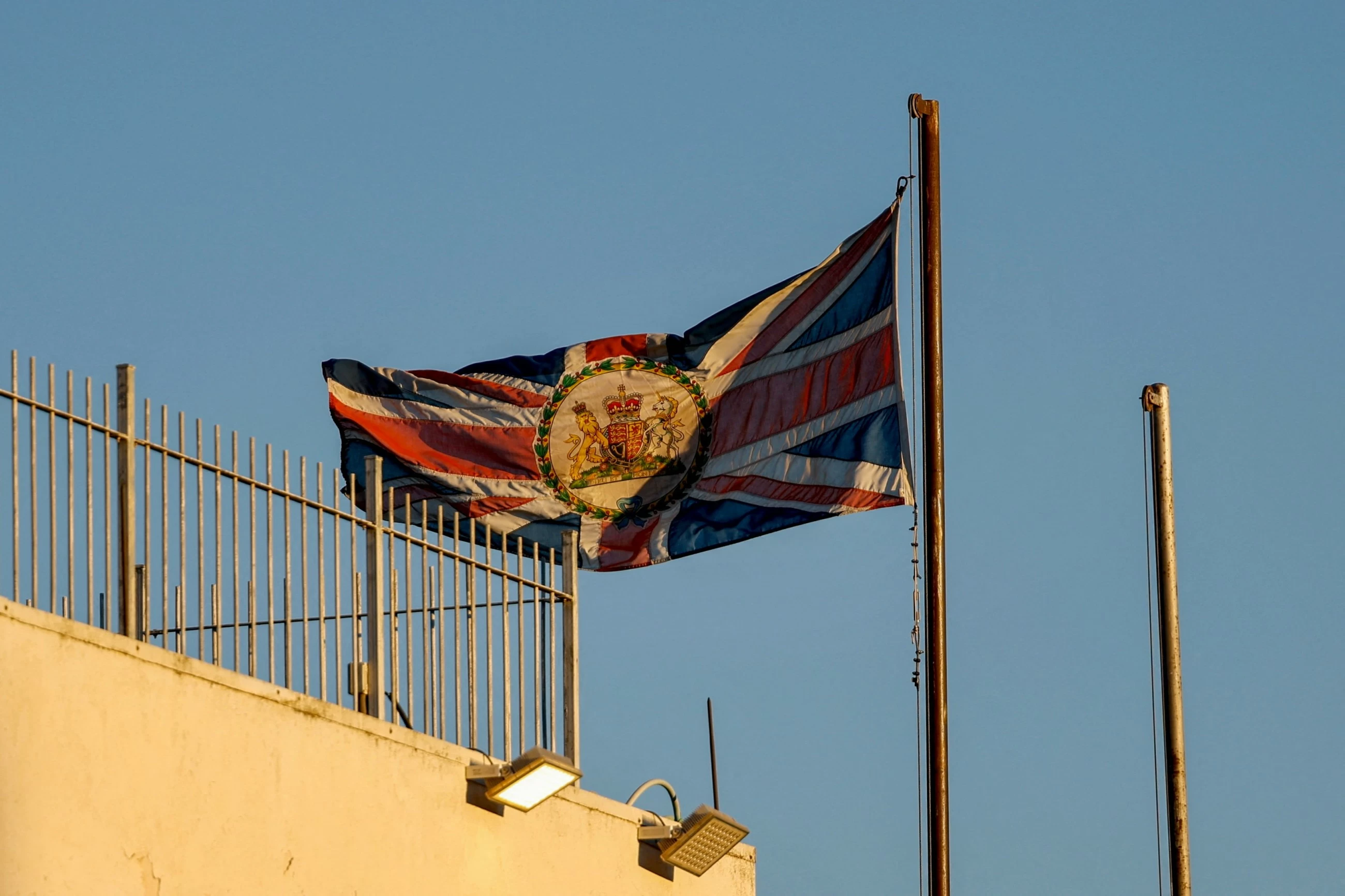
Israel has told Britain it must close its East Jerusalem consulate within a month, Israeli officials said on Wednesday, as a retaliatory step against sanctions that Britain, France and Canada have announced against settlements.
The sanctions are among the strongest collective actions taken by major Western allies of Israel over Israeli settlements, and have prompted intense pushback in Israel weeks before it holds a general election.
While the effect of the sanctions may be mostly symbolic, they highlight Israel’s growing isolation among countries it once counted as close allies over its war in Gaza and expansion of settlements in the West Bank.
The US ambassador to Israel, Mike Huckabee, a staunch supporter of Israel, has condemned the sanctions and accused the British government of “Jew hate,” but neither the White House nor the State Department issued strong criticism of the move.
Two Israeli officials and two other sources familiar with the matter said London had been given 30 days to close the consulate, which represents Britain in Jerusalem, the West Bank and Gaza on Palestinian issues.
Israel has also barred 12 British politicians from visiting the country, told British officials and diplomats in the West Bank and a Gaza coordination centre in Israel to leave, and said Britain can no longer train Palestinian security forces in the West Bank.
It has not yet announced actions against France or Canada, which joined Britain in saying they will halt trade with settlements, or against nine other countries that endorsed the UK sanctions.
Although the UK sanctions were widely anticipated, Israeli parliamentary opposition leader Yair Lapid said on Tuesday that “no one knew” the other countries were going to endorse the move.
British Foreign Secretary Ed Miliband said on Wednesday he regretted Israel’s decision to order the consulate to close, but that it was not a surprise.
“We weighed the costs and benefits of acting (…) and we thought we simply could not stand by because we feared Israeli action,” he told BBC TV.
On Tuesday Miliband, describing himself as a “proud British Jew,” said that Israel had “turned a blind eye” to violence carried out by settlers against Palestinians and that Britain’s move was aimed at keeping alive a two-state solution to the Israeli-Palestinian conflict.
MUTED RESPONSE FROM US
Prime Minister Benjamin Netanyahu’s office did not respond to a request for comment on the consulate closure.
Israel’s Foreign Minister Gideon Saar said on X that he had thanked Kemi Badenoch, the leader of the British opposition Conservative Party, for her criticism of the sanctions.
Badenoch wrote in the Sun newspaper that the Labour government was “putting its own party-political interests ahead of our national interest.”
Saar had earlier called the action by Britain “morally distorted” and accused the UK of “blatant interference in the affairs of a sovereign state and its electoral process.”
Miliband on Tuesday told lawmakers that, in addition to banning imports of goods from Israeli settlements in the West Bank, the UK would also take measures against companies and individuals providing services to settlements including “construction, infrastructure, financing, or real estate.”
France and Canada said they too would ban the import of products from Israeli settlements, while nine other countries including Denmark and Portugal endorsed the British action.
There has so far been a muted response from the United States, with US Secretary of State Marco Rubio saying Washington did not want to see “anything destabilising” in the West Bank while declining to specifically comment on the UK sanctions.
Reuters