admin
admin RIYADH: Saudi Arabia lifted warnings of potential danger in four southern cities on Monday after a series of attacks by Yemen’s Iran-aligned Houthis heightened security concerns along the Kingdom’s border with Yemen.
The Saudi Civil Defense issued alerts for Najran, Khamis Mushait, Jazan and Abha before declaring the areas safe. It later issued renewed warnings for Khamis Mushait and Abha and subsequently lifted those as well.
The attacks have drawn strong condemnation and expressions of solidarity from Gulf and Muslim organizations as well as Arab and regional governments, with the Gulf Cooperation Council, Muslim World League and Organization of Islamic Cooperation among those backing Saudi Arabia and condemning attacks on its territory and vital infrastructure.
The alerts came after several days of Houthi missile and drone attacks targeting southern Saudi Arabia, including civilian and economic facilities.
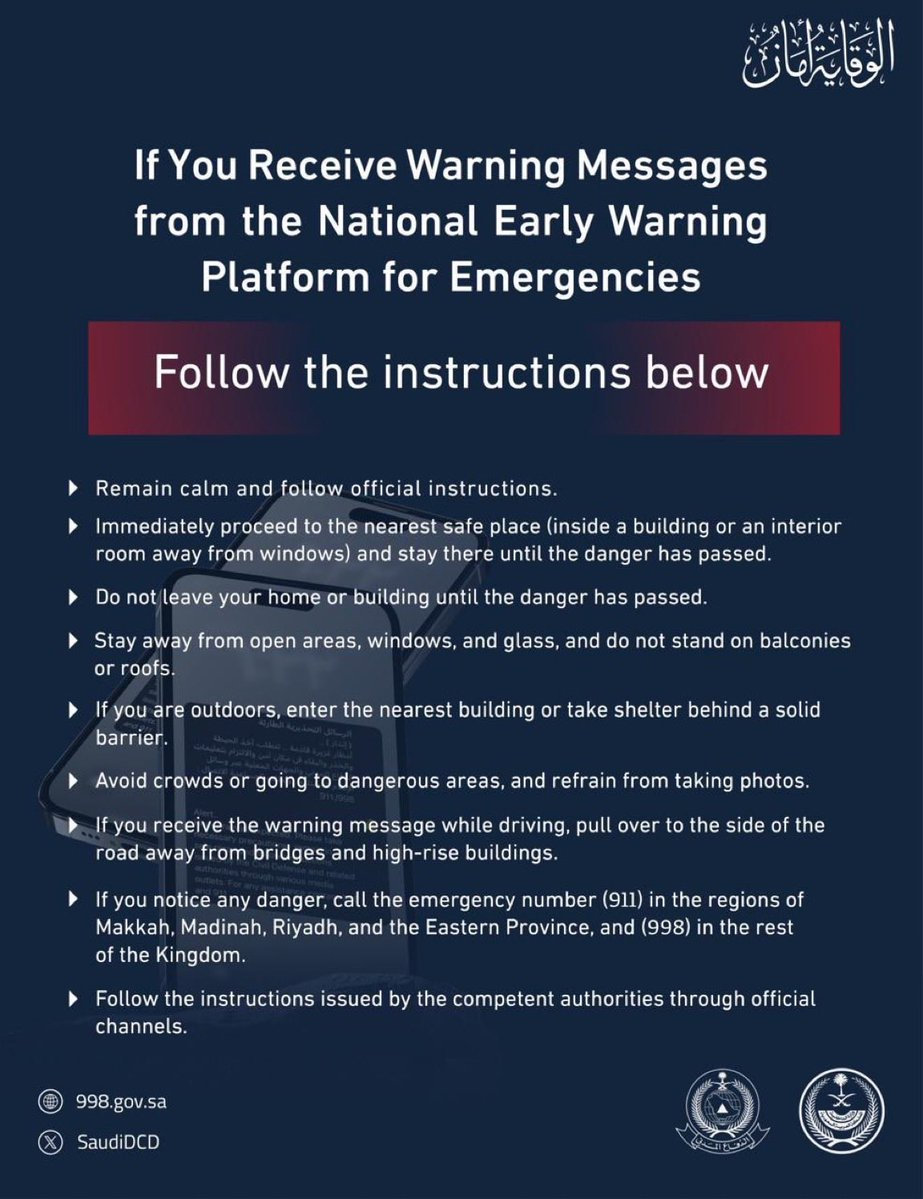
Two people were injured Saturday when a projectile launched by the Houthis struck Al-Tuwal governorate in Jazan, damaging a mosque, several buildings and vehicles, according to Saudi Civil Defense.
The attack followed Houthi strikes earlier in the week on Abha, Khamis Mushait, Jazan and Najran that injured 73 people, including women and children.
The escalation comes as tensions across the region have put Saudi Arabia’s security and energy infrastructure under increasing pressure.
The Houthis, who control much of northern Yemen and the country’s most populous areas, have intensified attacks toward the Kingdom since declaring a naval blockade against Saudi Arabia in July, with strikes also targeting Saudi-linked shipping in the Red Sea.
Energy infrastructure comes under threat
The Houthi attacks on southern Saudi Arabia have coincided with a separate strike on one of the Kingdom’s most important oil transportation routes.
Several drones launched from Iraqi territory targeted Saudi Arabia’s East-West oil pipeline last week, causing injuries and material damage in the Riyadh and Madinah regions.
The Energy Ministry temporarily shut the pipeline as a precaution while emergency and specialized technical teams secured the facility and assessed the damage.
Saudi Arabia said it would not retaliate immediately following a request from Iraqi Prime Minister Ali Al-Zaidi, instead giving Baghdad an opportunity to prevent its territory from being used to launch attacks against the Kingdom and neighboring states.
Iraq condemned the attacks and ordered an investigation, saying its territory and airspace would not be allowed to serve as a launchpad for attacks against other countries.
The pipeline is particularly important because it provides Saudi Arabia with an alternative route for transporting crude to global markets without relying on the Strait of Hormuz.
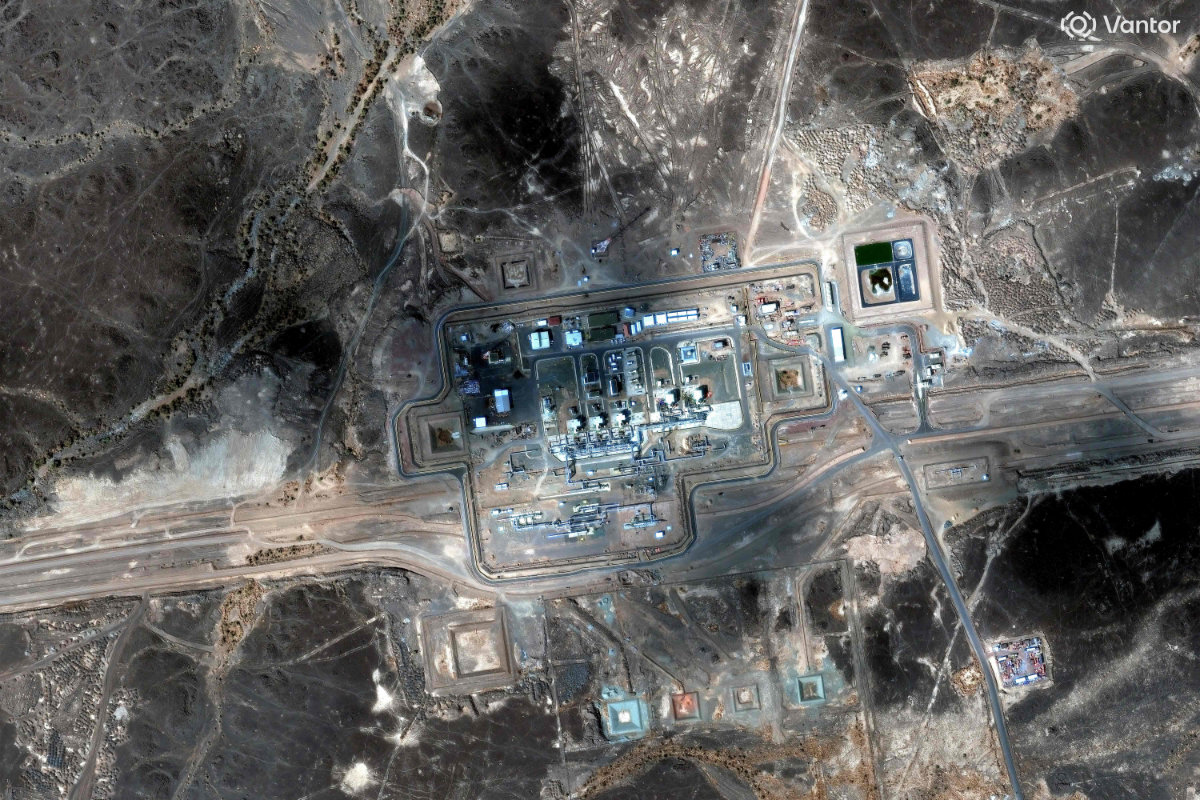
The roughly 1,200-kilometer East-West pipeline carries Saudi crude from oil fields in the Kingdom’s east to the Red Sea port of Yanbu. Its route allows exports to bypass the strategic waterway at the entrance to the Gulf.
The pipeline attack therefore added another layer of risk to regional energy supplies at a time when the wider conflict has already disrupted oil production, shipping and export routes.
Bab Al-Mandab adds another risk
Concerns are also growing over the security of the Bab Al-Mandab Strait, the strategic waterway connecting the Red Sea with the Gulf of Aden and the wider Indian Ocean.
The Houthis’ military presence along Yemen’s western coast and their reported advances toward the Bab Al-Mandab area have raised fears that further escalation could threaten one of the world’s key maritime trade routes.
The group has previously attacked commercial shipping in the Red Sea, forcing many vessels to take longer routes around the Cape of Good Hope and adding to transportation costs and delivery times.
Any sustained disruption around Bab Al-Mandab could compound pressure on global energy markets, particularly if it occurs alongside threats to shipping through the Strait of Hormuz.
Together, the two waterways are critical to Gulf energy exports and international trade. A serious disruption at both would leave oil producers and shipping companies with fewer options for moving supplies to global markets.
The risk has increased following major Houthi gains along Yemen’s western coast, including the seizure of the Red Sea port city of Mokha and advances toward the Bab Al-Mandab area.
Pressure also builds around Marib
The renewed attacks come as Yemen’s internal conflict shows signs of intensifying on several fronts.
Yemeni government forces have warned that the Houthis may be preparing for another offensive around Marib, a strategically important province that has remained under government control despite repeated Houthi attempts to seize it.
Brig. Yahya Al-Hatemi, director of the Yemeni army’s military media, said government forces were better organized, equipped and experienced after more than a decade of fighting.
The reported Houthi buildup around Marib followed their recent advances along Yemen’s western coast, raising concerns that the group could seek to expand its territorial gains.
Marib is strategically important because it contains major oil and gas fields, military bases and a key power station, while hosting more than 2 million displaced people.
The Houthis launched a major offensive to capture the province in 2021, but the campaign largely subsided after the UN-brokered truce in April 2022.
Yemeni officials now say the military is better prepared to confront any renewed assault. The armed forces have also been restructured and supplied with equipment, while Yemen’s air force has recently been reactivated after an 11-year absence.
Regional solidarity with Saudi Arabia
The attacks have drawn strong condemnation from Gulf and Muslim organizations as well as Arab and regional governments.
The Gulf Cooperation Council, Muslim World League and Organization of Islamic Cooperation condemned the strike on the East-West Pipeline, while Qatar, Bahrain, Oman and Egypt expressed solidarity with Saudi Arabia and warned that attacks on vital civilian and energy infrastructure threatened regional stability.
Pakistan’s Prime Minister Muhammad Shehbaz Sharif also condemned the Houthi attacks on Saudi Arabia during a phone call with Crown Prince Mohammed bin Salman on Sunday.
Sharif denounced attacks on the Kingdom’s sovereignty and territorial integrity and specifically condemned strikes against vital oil infrastructure. He also backed Saudi Arabia’s efforts to address threats while supporting diplomatic efforts to prevent further escalation.
The recent developments have placed Saudi Arabia at the center of a widening security challenge involving Yemen, Iraq and the region’s strategic waterways.
For Riyadh, the immediate priority remains protecting its population and critical infrastructure while avoiding a wider escalation.
But the combination of renewed Houthi attacks in the Kingdom’s southwest, the strike on the East-West Pipeline and growing instability around Bab Al-Mandab has highlighted the vulnerability of regional energy infrastructure and transport routes.
Any further disruption to either Bab Al-Mandab or the Strait of Hormuz could put additional pressure on an already strained global oil market, making the security of Saudi Arabia’s alternative export routes increasingly important.