admin
admin 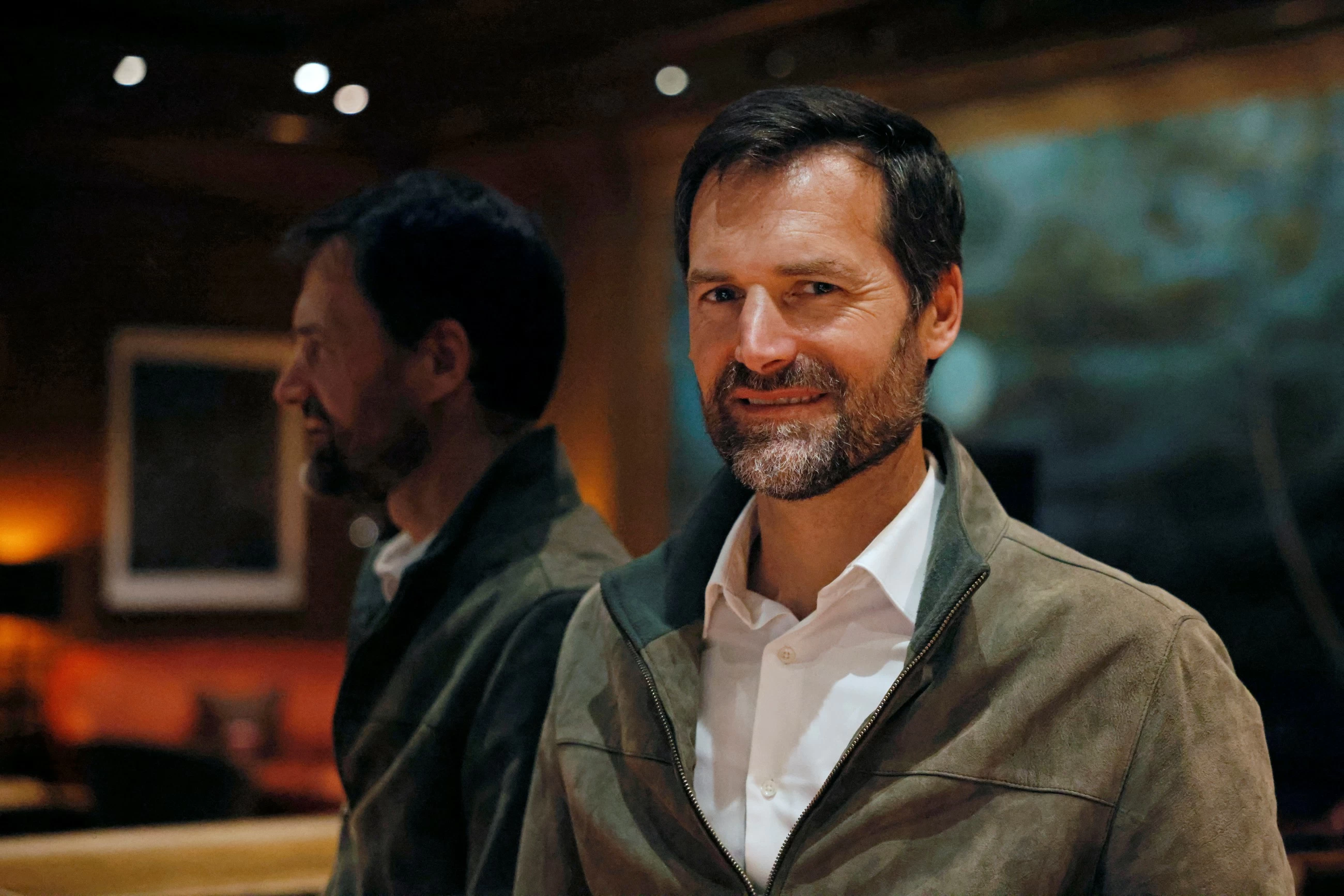
Founded at the start of the 20th century by French tyre-makers, the Michelin Guide has evolved from being a practical handbook for motorists to the world’s star-studded reference in gastronomy and hospitality.
Yet despite its global reach, there are still places beyond the Michelin Guide’s reach — something that its international director Gwendal Poullennec is seeking to change. In an exclusive interview with Reuters, Poullennec discusses the history and influence of the Michelin Guide on global gastronomy, its role in exporting the French “art de vivre,” and where its focus may expand to next. This interview has been edited for length and clarity.
What first drew you to the Michelin Guide?
It was really a dream job for me. I applied to work for the guide because I was willing to work not only in that industry, but also to discover world food cultures. I’ve been able to travel in more than 70 different countries to discover different food cultures and to meet the people that are shaping this industry. The world has evolved tremendously. Today there are a lot of new culinary scenes emerging almost everywhere.
Can you walk us through the history of the Michelin Guide and explain what it represents today on the global culinary and hospitality scene?
The guide was born in 1900, and at the beginning it was very practical. The Michelin Guide was a brand and marketing tool for tires because it is owned by the Michelin Tyre Company, (and) it was designed to help early motorists to find their way, to fix their car, (and) to change their tyres, but also to find places to rest and to eat. Gradually, it turned into a lifestyle reference with the introduction of the famous Michelin stars in the late 1920s. Today, it is a media platform influencing not only tourism trends, but also culinary trends and putting destinations on the world culinary map.
What impact does the Michelin Guide’s arrival have on a new destination?
The Michelin Guide can be a life changer for the chefs. For a destination, the guide can also really be a game changer because food has a real influence on travel trends. It can be a real catalyst for economic development. For example, 10 years ago, the Michelin Guide established its very first selection in Thailand, starting with Bangkok, and awarded stars to some of the street food stalls. It was a recognition of food culture on the global stage. And then we were able to extend the Michelin Guide across all of Thailand, contributing to the emergence of the high-quality culinary scene (there).
What are themain criteria the Michelin Guide considers when expanding into new territories?
When we cover a new territory, we have to have new people (and) we need to train them, so it takes some time. And we do not want to compromise with the value of the ratings. So for sure, there are still today a lot of destinations that are worth being recognized and deserve the spotlight of the Michelin Guide. Yet, what we will consider before expanding to new territory is the maturity of the culinary scene: the number of restaurants, but also the quality and the dynamism: Whether you feel real creativity, whether you feel a real push, and you have the feeling that there is a potential for much more.
Many countries still do not have Michelin-starred restaurants. How does the guide help shine a spotlight on those culinary scenes?
Today, the Michelin Guide is not yet in India, whereas Indian food is one of the prominent food styles in the world. Yet we are already recognising Indian chefs outside of India, even at a three-star level. So we are already open to all the food cultures. In the years to come, there will be new destinations on the Michelin Guide culinary map. I have little doubt that India or some countries in Africa will be part of the Michelin Guide selection. Stay tuned.
Reuters