admin
admin 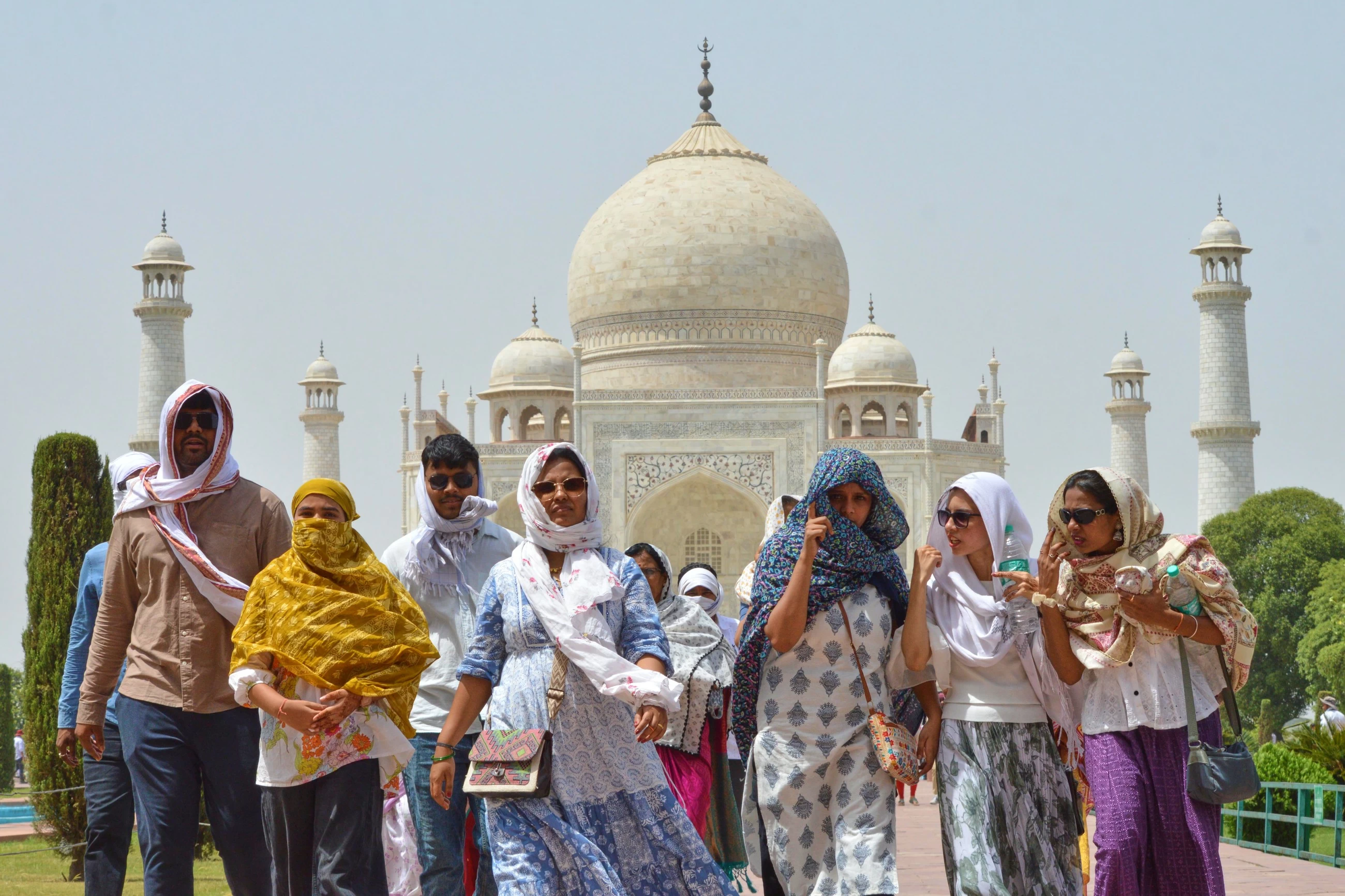
Roads and markets have emptied during afternoons and some farmers have switched to nighttime work to avoid scorching temperatures as a heatwave grips large parts of India.
The India Meteorological Department forecast maximum temperatures Thursday of around 45 degrees Celsius (113 Fahrenheit) in the capital, New Delhi, where authorities have opened temporary “cooling zones” to help people cope.
The weather department warned conditions will likely persist across several northern regions in the coming days, with temperatures staying well above seasonal averages. Authorities urged people to stay indoors during the hottest hours and take precautions against heat-related illnesses.
Residents of the National Capital Region (NCR) are grappling with an unrelenting spell of heat, with discomfort now extending well into the night.
Not just the daytime, but warm and humid nights are making conditions increasingly unbearable, as temperatures stay above normal levels.
According to the latest India Meteorological Department (IMD) forecast, the region is likely to continue experiencing heatwave conditions over the next six days.
Daytime temperatures are hovering around 45 degrees Celsius, while the minimum temperature remains unusually high, ranging between 30 and 32 degrees Celsius. The lack of nighttime cooling has worsened public discomfort.
The IMD has issued a warning of heatwave conditions accompanied by strong surface winds during the afternoon and evening hours, along with the possibility of a ‘warm night’.
Similar conditions are expected to persist on Friday, with the maximum temperature at 45 degrees and the minimum around 31 degrees Celsius. Heatwave warnings remain in place, with strong winds likely during the latter half of the day.
From May 23 to May 24, the temperature is projected to remain steady at around 45 degrees Celsius, while minimum temperatures are likely to stay near 31 degrees. Heatwave conditions and strong surface winds are expected to continue during the afternoon and evening hours.
For May 25 and 26, the IMD has forecast no relief, with maximum temperatures likely to stay at 45 degrees and minimum temperatures hovering around 30 degrees Celsius.
India declares a heatwave whenever temperatures are above 40 C (104 F) in the plains and 30 C (86 F) or more in its hilly regions.
The extreme heat has disrupted daily life across several northern states.
In some parts of Uttar Pradesh state, India’s most populous, roads and markets have closed in the afternoons as people stayed indoors while some traders shifted work to early mornings. Farmers began working at night because daytime conditions became unbearable.
The heat also disrupted schools, with authorities in several areas announcing early summer vacations and suspending classes as the maximum temperature shot up to 48.2 C (118.8 F) on Tuesday in the city of Banda.
Health authorities urged people to avoid going outdoors during peak afternoon hours, stay hydrated and seek medical help if they experience symptoms such as dizziness or high fever.
In New Delhi, residents and tourists sought relief from the heat inside cooling shelters set up across the capital. The shaded space provides air coolers, fans, drinking water and oral rehydration solutions to help people deal with the extreme heat.
Inside one tent on Wednesday, people rested beside air coolers as officials distributed cups of water mixed with rehydration salts.
“We had come here for outing. But it is too hot here. The cooling system here is good for us,” said Basharat Ahmad Malla, a 25-year-old tourist.
Climate experts say India’s rising temperatures are part of a broader global pattern linked to climate change.
India has faced more frequent and intense heatwaves in recent years, with all of its warmest years on record occurring in the last decade.
“India has warmed considerably as a result of anthropogenic (human-made) climate change in the last decade compared to previous years. Northwestern India has warmed much faster than many other parts of the country,” said Anjal Prakash, author of several United Nations climate reports and professor of public policy at Pune-based Flame University.
Agencies