admin
admin
Amazon Plane Crash
Cockpit Warnings …
We’re Too Fast, Too Low!!!
Published
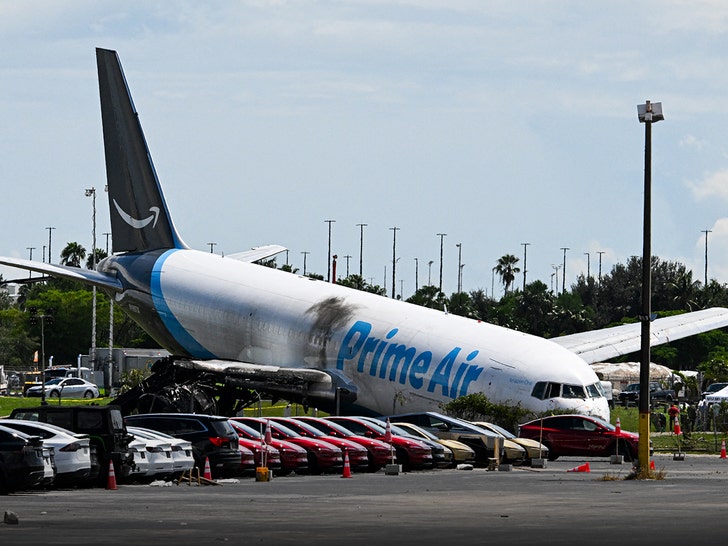
The Amazon cargo jet that crashed at Miami International Airport had multiple warning signs before it skidded off the runway — including a pilot repeatedly calling out and saying the plane was coming in too fast and too low.
New details released by the National Transportation Safety Board show an audio transcript of the crew’s communication and landing despite a series of increasingly alarming warnings inside the cockpit.
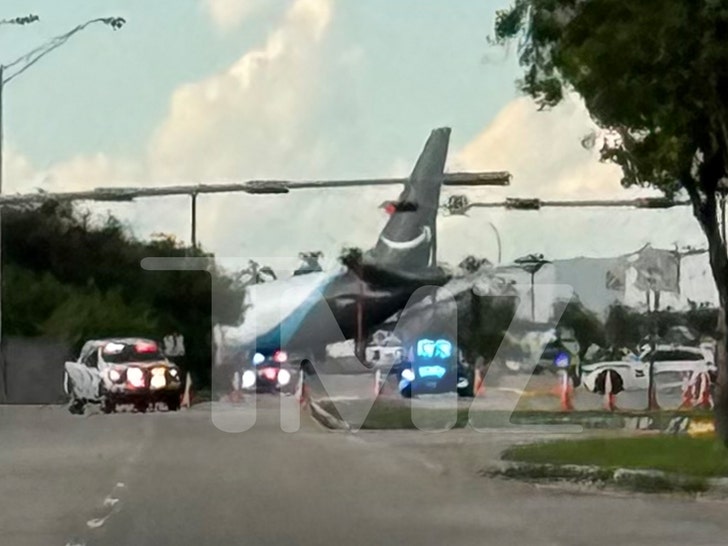
The Boeing 767, operated by 21 Air for Amazon, was approaching Runway 30 on September 6 when one pilot cautioned that the aircraft was traveling too fast. According to information posted by the NTSB from the cockpit voice and flight data recorders, the warning came about 1 minute and 42 seconds before the end of the recording.
The pilot continued making comments about the aircraft’s excessive speed, but the NTSB said there was no consistent verbal response from the other pilot.

The aircraft’s automated systems issued repeated “sink rate” warnings, followed by multiple “too low terrain” alerts. The NTSB says the autopilot also disconnected during the approach … despite those warnings, the crew continued toward the runway.
The aircraft touched down with the nose and right main landing gear traveling at 158 knots — roughly 182 mph — according to the NTSB’s preliminary flight-data analysis.
The pilots applied the brakes, but about 15 seconds before the end of the cockpit recording, the throttles were increased to a level consistent with a go-around attempt. Just seconds later, the throttles were pulled back to idle, and the brakes were applied again.
The NTSB says there was no indication in the recorded data that the aircraft’s speed brakes or thrust reversers were deployed. The 767 continued approximately 1,300 feet beyond the runway before slamming into vehicles near the airport and catching fire.
As we previously reported, five people on the ground were killed when the aircraft struck a van containing workers. Five others were injured, while both pilots survived the crash.
The NTSB has emphasized that the information released so far is preliminary and subject to change as the investigation continues. The agency is examining the cockpit recordings, flight data, weather, aircraft history, crew actions and other potential factors.
For now, the recordings raise a major question investigators will have to answer … why did the crew continue an unstable approach after receiving repeated warnings that the aircraft was too fast and too low? The investigation remains ongoing.