1. Home
  2. World

Category: World

World
G7 allies press Rubio on US Iran plans

G7 allies press Rubio on US Iran plans

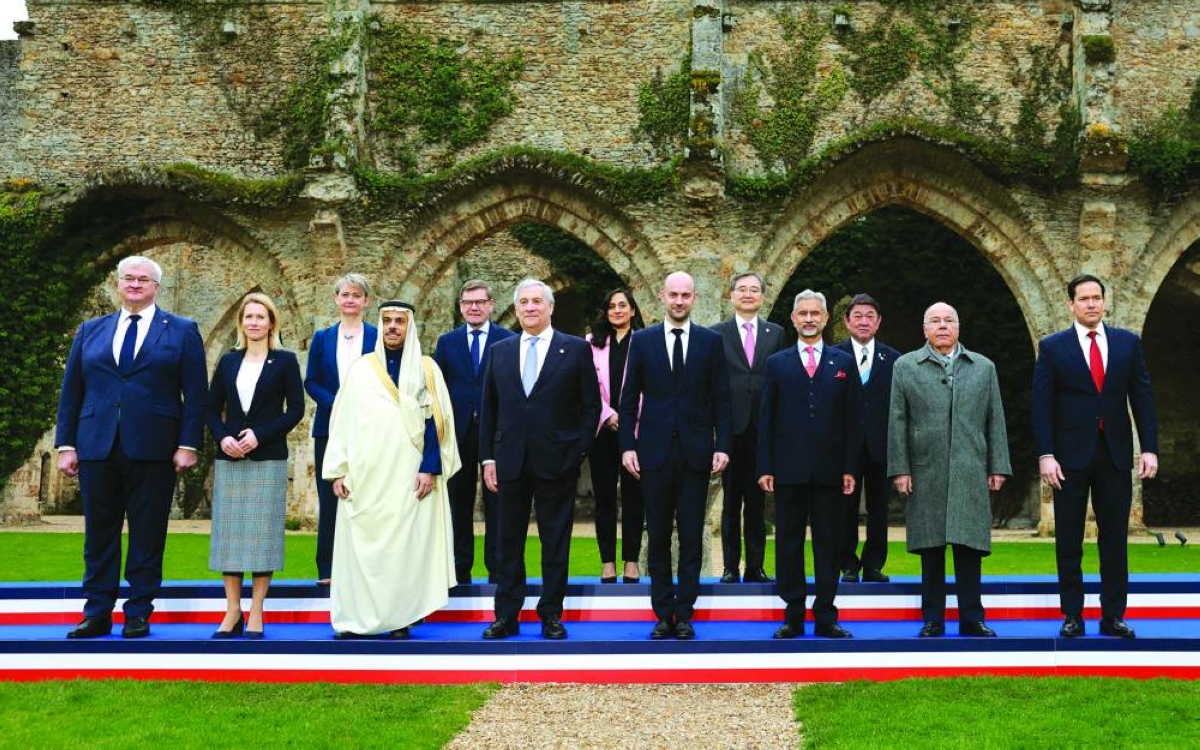
Ministers pose for a family photo on the second day of the G7 Foreign Ministers' Meeting in Vaux-de-Cernay Abbey in Cernay-la-Ville near Paris, yesterday. (Reuters) G7 allies were yesterday pressing US Secretary of State Marco Rubio for clarity on American plans for Iran almost one month into the war in the Middle East, with concern also intensifying over the extent of co-operation between Russia and the Islamic republic.Having skipped the first day of the meeting at the historic monastery turned luxury hotel complex outside Paris, Rubio arrived at the Vaux-de-Cernay Abbey for a full day of talks with counterparts from leading industrialised democracies.German Foreign Minister Johann Wadephul said the international community needed to collaborate even more closely now it was dealing with two wars — including the conflict sparked by Moscow's invasion of Ukraine — in which Russia and Iran were co-operating."We need to strengthen our unity. Given that Iran and Russia are working together in the closest way, we must stand even closer together," Wadephul told reporters.He told German radio earlier ahead of the talks that allies needed to know "how the US will proceed" in Iran. Rubio, he said, would "perhaps explain this more precisely".In contrast to usual protocol, and in a sign of the distance between the US and its allies, there is to be no joint communique at the end of the meeting.Instead, the G7 presidency, which France holds this year, will issue a statement, said a diplomatic source who asked not to be named.The UK's foreign minister Yvette Cooper urged a "swift resolution to this conflict that restores regional stability".She echoed concerns over the ongoing de facto blockade by Iran of the key Strait of Hormuz, which has driven up global oil prices and left vessels queueing up to enter the energy bottleneck."Frankly, Iran cannot be able to just hold the global economy hostage as a result of a Strait which is about international shipping routes and the freedom of navigation," she said.It is Rubio's first trip abroad since the US and Israel launched the war with the air strikes on February 28 that killed supreme leader Ali Khamenei.Before leaving for France, Rubio said Thursday that it was in the "interest" of all G7 nations to push for the reopening of the Strait of Hormuz.Defending the war, he said: "The president is not just doing a favour to the US and to our people. This is for the world."With Ukraine's Foreign Minister Andrii Sybiha in attendance, European ministers are keen to emphasise support for Kyiv must not be forgotten over four years after Russia's full-scale invasion."Putin is cynically hoping that the escalation in the Middle East will divert our attention from his crimes in Ukraine," Wadephul said."This calculation must not succeed," he said, warning that any compromising on Ukraine's defence capabilities would "play into Putin's hands".Writing on X, in his first comment on the meeting, Rubio said he had reiterated at the G7 "that President Trump is committed to reaching a ceasefire and negotiated settlement to the Russia-Ukraine war as soon as possible".France is eager to broaden the scope of the elite G7 club — whose origins go back to the first G6 summit held in the nearby Chateau de Rambouillet in 1975 — and which now comprises Canada, Germany, France, Italy, Japan, UK and US.It has invited foreign ministers from key emerging markets Brazil and India, as well as Saudi Arabia and South Korea.The event is leading up to a G7 summit in the French Alpine lakeside resort of Evian in June to be chaired by President Emmanuel Macron.The South African presidency Thursday alleged Washington had urged Paris to disinvite President Cyril Ramaphosa from that summit. But French Foreign Minister Jean-Noel Barrot said Kenya — rather than South Africa — had been invited. "We did not give in to any pressure," he said. 
World
Energy crisis may force Germany to run coal plants longer: Merz

Energy crisis may force Germany to run coal plants longer: Merz

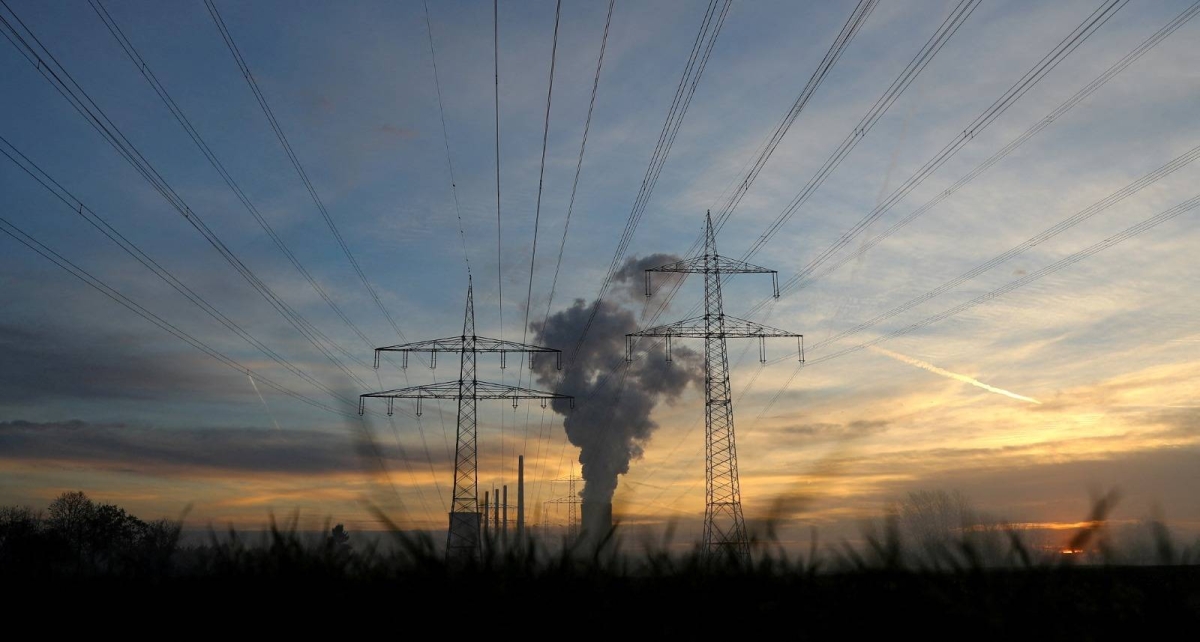
Chancellor Friedrich Merz said yesterday that if the energy crisis sparked by the Middle East war dragged on, Germany might have to keep running coal-fired power plants longer than planned.Germany has committed as part of its climate plans to gradually shutting down plants fired by anthracite and lignite and complete the coal phase-out by 2038 at the latest.'If the energy crisis continues and a shortage actually occurs, we may even have to keep existing coal-fired power plants online for longer,' Merz told a forum in Frankfurt organised by the FAZ newspaper.'We have to supply this country with electricity. I am not prepared to jeopardise the core of our industry just because we have decided on phase-out plans that have become unrealistic.'Europe's biggest economy has for decades pushed an energy transition away from fossil fuels and nuclear energy by building up wind, solar and other clean and renewable energy sources.While the Merz government has pledged to stick to national climate targets, it has prioritised boosting the stagnating economy and scrapped some green energy initiatives.Under Merz, Germany has lobbied for the EU to weaken the phase-out of combustion engine car sales, proposed ending subsidies for rooftop solar panels and reversed a law mandating green heating for buildings.His Economy and Energy Minister, Katherina Reiche, speaking at an oil and gas conference in Houston, Texas this week, called for more 'flexibility' in EU plans to reach carbon neutrality by 2050, sparking protests at home and abroad.Yesterday, Merz said he was committed to the further expansion of renewable energies, but said they must be supplemented by new gas-fired power plants.Under ex-chancellor Angela Merkel, Germany moved to shut down nuclear power in the aftermath of the 2011 Fukushima disaster.Merz said yesterday the decommissioned reactors would have to stay shut for technical reasons.But he also said that he envisions Germany participating in research on small modular nuclear reactors, and, ultimately, building nuclear fusion reactors. 

World
S. Korean budget airlines cut flights on high fuel costs

S. Korean budget airlines cut flights on high fuel costs

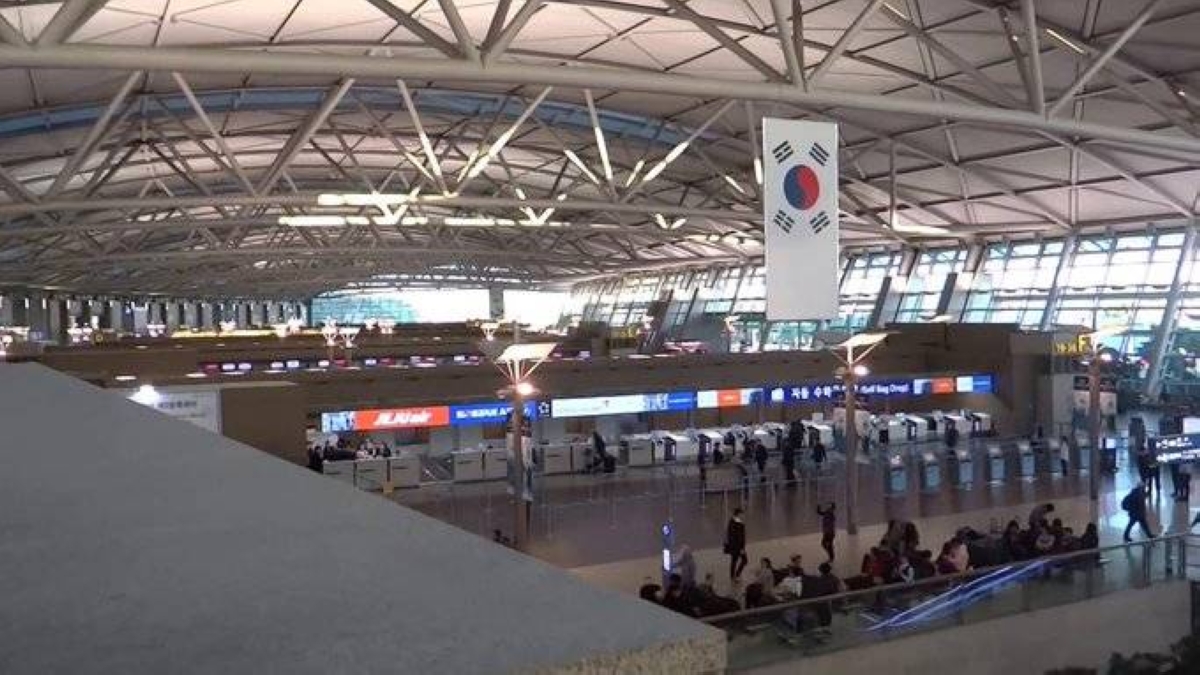
South Korea's low-cost carriers (LCCs) are cutting international flights to mitigate the impact of surging fuel costs amid prolonged tensions in the Middle East.Aviation industry sources reported Thursday that some companies plan to suspend 50 flights between April 20 and May 31, citing limited local refueling conditions in Vietnam.The country's three largest LCCs are also considering cutting services on select Southeast Asian routes, according to industry watchers.Jet fuel prices in Asia and Oceania rose 16.6% to $204.95 per barrel in the week of March 13-20, compared with the previous week, and were sharply higher than the prior month's average, according to the International Air Transport Association (IATA).

World
S. Korea to expand fuel tax cuts

S. Korea to expand fuel tax cuts

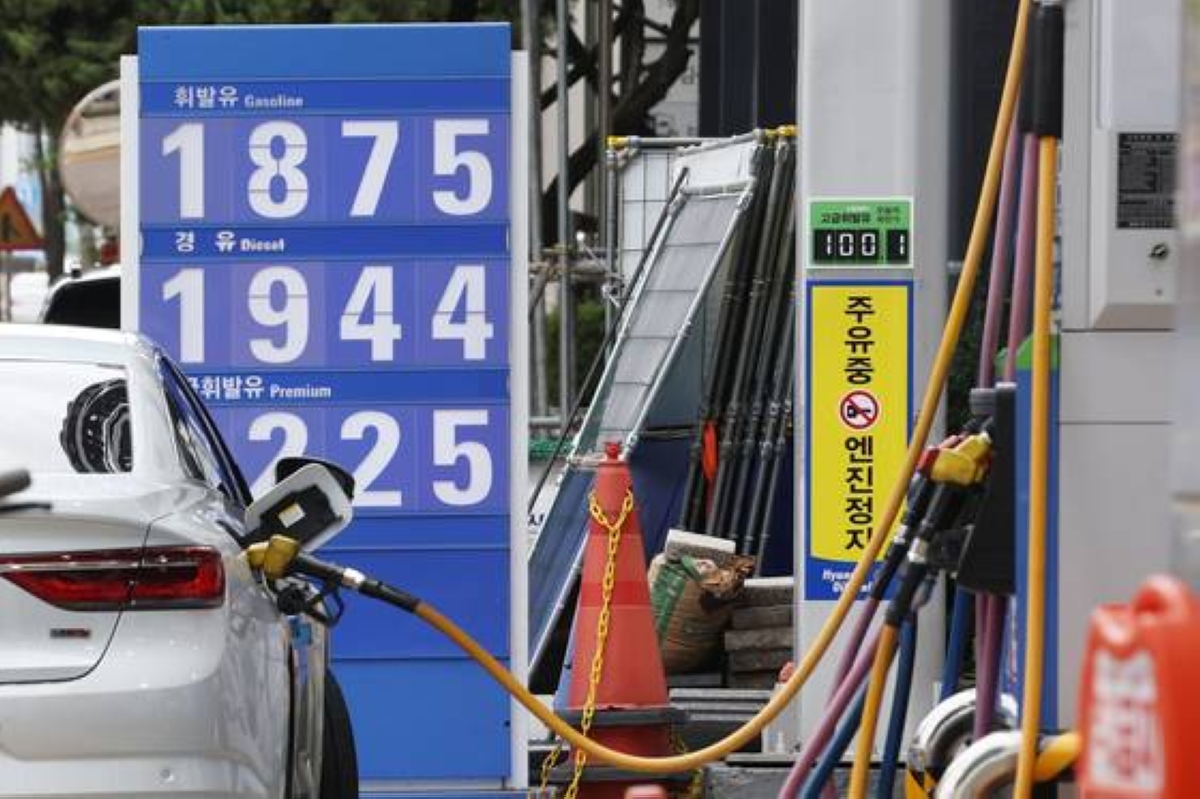
The Ministry of Finance and Economy of South Korea announced on Thursday that South Korea will significantly expand its temporary fuel tax cut in a bid to ease the financial burden on consumers amid the prolonged conflict in West Asia.Under the latest measures, the tax reduction rate on gasoline will rise from 7 percent to 15 percent, and on diesel from 10 percent to 25 percent, as part of the government's efforts to support living costs.The measure, which had been set to expire in April, will be extended through the end of May, according to the ministry.As a result, fuel taxes per liter, including value-added tax, will fall by KRW 65 (USD 0.04) to KRW 698 for gasoline and by KRW 87 to KRW 436 for diesel.The decision is aimed at easing the burden of rising oil prices and supporting small and midsize businesses, as well as vulnerable households affected by the prolonged conflict.South Korea first introduced the fuel tax cut in November 2021 as a response to rising energy prices. The government has since extended the measure, adjusting the rates in accordance with changes in the global energy market. 

World
18 Killed after passenger bus plunges into river in Bangladesh

18 Killed after passenger bus plunges into river in Bangladesh

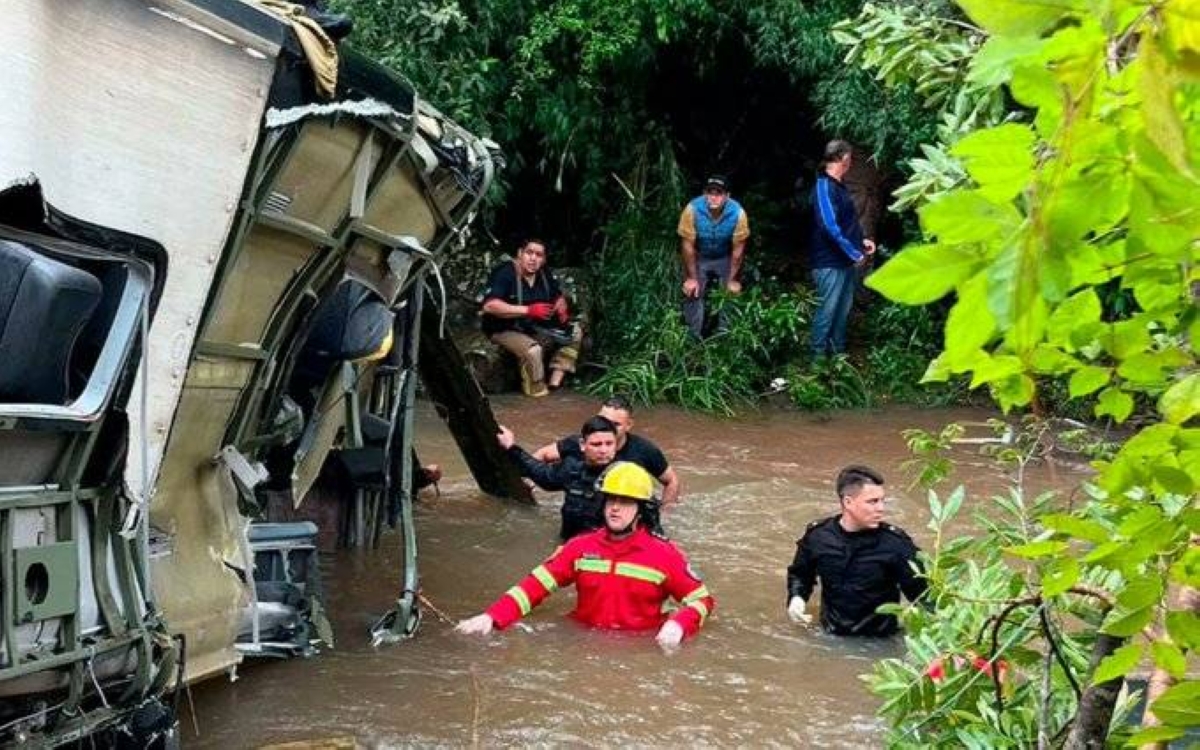
At least 18 people were killed after a passenger bus carrying about 40 people plunged into the Padma River in central Bangladesh while attempting to board a ferry.Local authorities reported that the accident occurred after the driver lost control of the bus as it approached the ferry. The bus was traveling from Kushtia to Dhaka.Rescue teams managed to recover the bus and continued the search despite difficult weather conditions. Bodies, including those of women and children, were recovered Thursday morning, while the fate of some passengers remains unknown.Officials fear that others may still be missing. Hundreds of people die every year in road and ferry accidents in Bangladesh.  

World
Japan starts release of state-held oil to stabilize supplies amid Iran war

Japan starts release of state-held oil to stabilize supplies amid Iran war

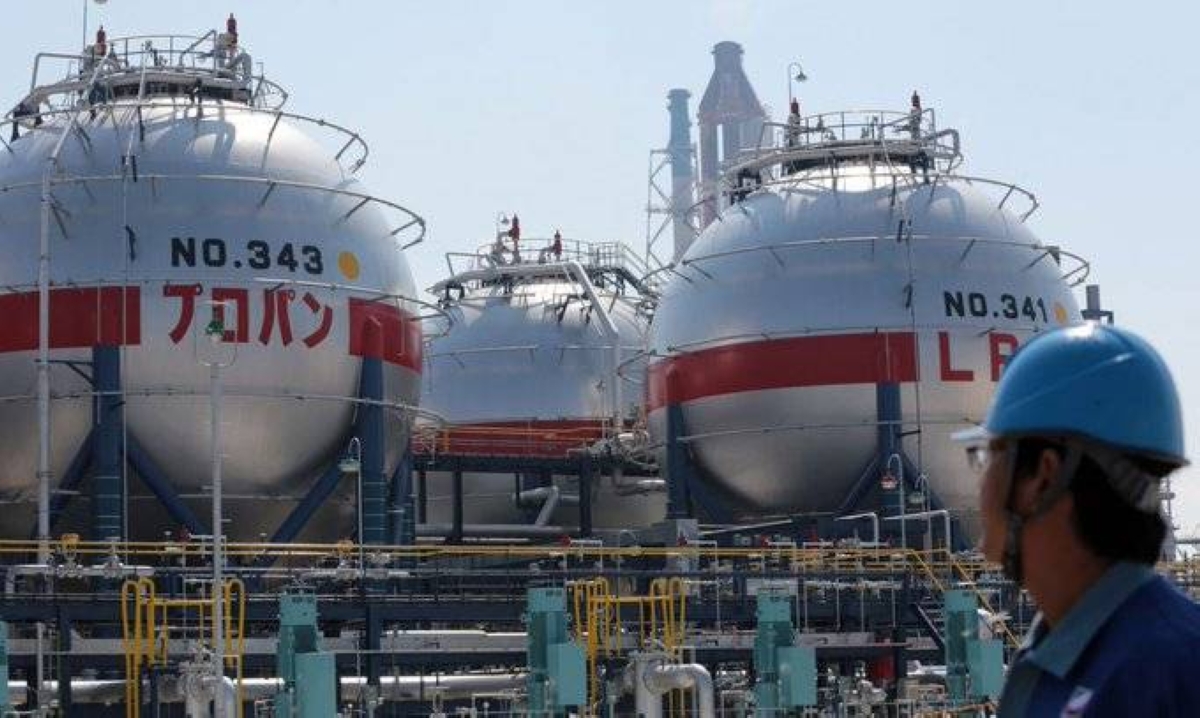
The Japanese government on Thursday started releasing state-held oil to stabilize supplies amid the ongoing US-Israeli war with Iran, as part of the largest-ever drawdown of reserves stockpiled in the country.The release of oil equivalent to 30 days of domestic demand, or around 8.5 million kiloliters, is set to conclude by the end of April and follows the freeing up of 15 days' worth held by the private sector, which commenced last week.According to Japan's Kyodo News Agency, there is growing concern about an oil supply shortage in Japan, which relies on the Middle East for over 90% of its crude oil imports, as Tehran has effectively blocked the Strait of Hormuz - a vital waterway for global energy supplies - following the attacks on Iran launched by the US and Israel on Feb. 28.To deal with the energy supply disruption, the Japanese government decided to release about 80 million barrels of oil, equivalent to 45 days' worth of domestic consumption and 1.8 times the amount released after the massive earthquake and tsunami in 2011 that devastated Japan's northeast.The average retail price of gasoline in Japan rose to a record-high 190.80 yen per liter in mid-March, with the government resuming state subsidies to bring down the price.While the number of oil tankers arriving in Japan after passing through the Strait of Hormuz has fallen drastically, the chemical sector is also facing difficulties in procuring naphtha, a liquid derived from crude oil that is used to produce ethylene, a raw material for plastics and synthetic fibers. 

World
Russian oil arrives as Philippines battles ‘energy emergency’

Russian oil arrives as Philippines battles ‘energy emergency’

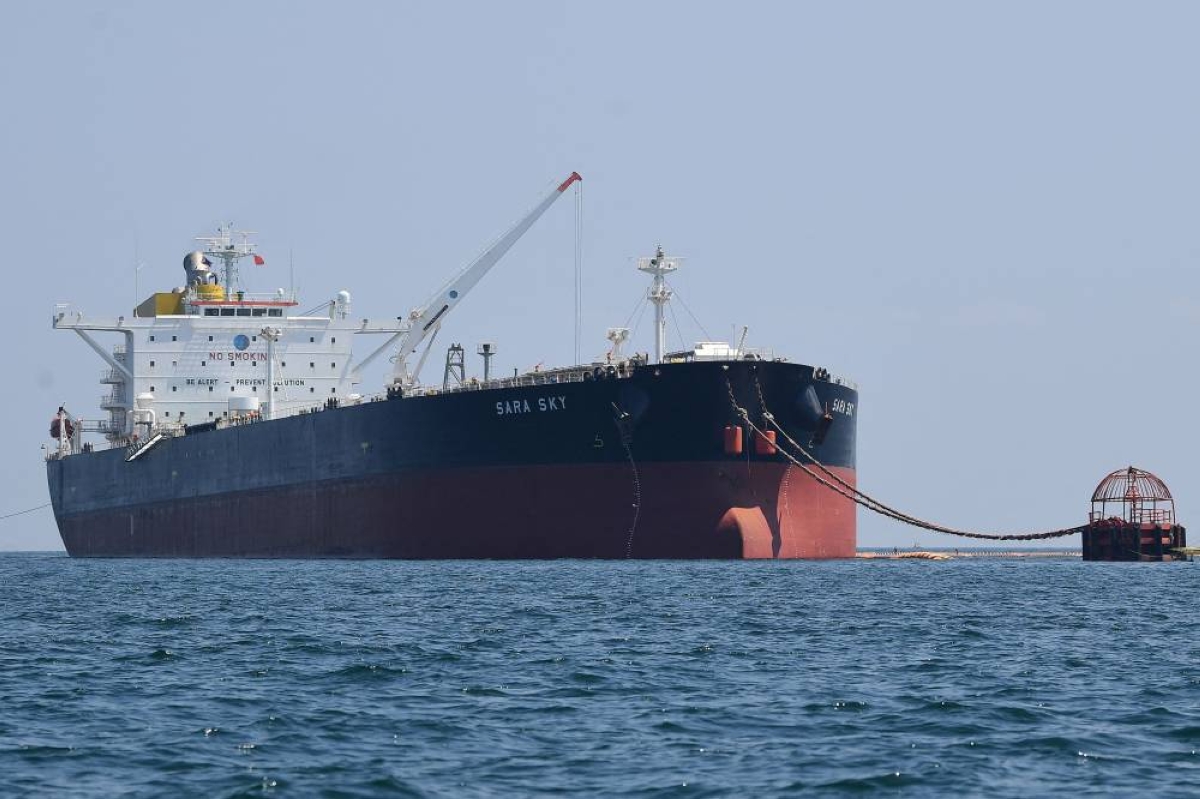
The Sierra Leone-flagged Sara Sky, which is carrying crude oil from Russia, is seen anchored at Limay port, Bataan province, Thursday. (AFP) A ship carrying more than 700,000 barrels of Russian crude oil has arrived in the Philippines, a source with knowledge of the matter told AFP Thursday, days after the country declared a national energy emergency over the Middle East war.The purchase, unthinkable before long-time treaty ally the US eased sanctions tied to Russia's war in Ukraine, comes as the import-dependent archipelago scrambles to expand its options in a suddenly volatile oil market.The Sierra Leone-flagged Sara Sky and its cargo from Russia's ESPO pipeline arrived Monday, with documents showing the consignee as Petron Corp, operator of the Philippines' sole oil refinery, said the source, who asked to remain anonymous as they were not authorised to speak to the press.The Philippines has seen the price of fuel hit historic highs since the US-Israeli war with Iran forced the partial closure of the Strait of Hormuz, with President Ferdinand Marcos saying the country's dwindling stocks could last about 45 more days.Presidential spokeswoman Claire Castro later confirmed the Russian oil purchase to reporters in a group chat on a messaging app.An AFP journalist Thursday saw the Sara Sky at anchor in Limay port just outside Manila, where the Petron refinery is located. It is believed to be the first shipment of Russian oil to the country in five years.Ramon Ang, CEO of Petron, told AFP last week the company was "in talks" to potentially purchase Russian oil. Ang declined Thursday to confirm the arrival of the shipment.President Marcos said on Wednesday that the Philippines was casting a wide net in its search for fuel."We have not only gone to our... traditional oil suppliers, we have tried to explore other sources that are not affected by the war that is ongoing in the Middle East," he said in a press briefing addressing the state of emergency."Nothing is off the table. We are looking at everything, everything that we can do."Asked about the Russian oil, the Philippines' foreign affairs department told AFP Thursday the country would co-operate with "all possible partners to contribute to regional and global stability, balanced with our duty to protect and secure Philippine national interests".The US this month eased some restrictions on sales of Russian crude, allowing countries to purchase oil that was already at sea until April 11.Ateneo de Manila University economist Ser Pena Reyes said buying the Russian crude — equivalent to about two days of national demand — was a pragmatic move that might help stabilise prices in the short term.Ongoing geopolitical volatility, however, made Moscow less attractive as a long-term partner, he told AFP."Russia can be a useful supplementary supplier... but the Philippines will likely benefit more from a balanced approach, maintaining strong ties with traditional partners while gradually investing in renewable energy and regional energy cooperation," Pena Reyes said.The Department of Energy on Thursday separately announced the arrival of 142,000 barrels of government-procured diesel, part of its target of "up to 2mn barrels of additional supply for the country", it said in a statement.Energy secretary Sharon Garin told AFP the shipment had come from Japan.Earlier in the day, Garin said the department had taken the "proactive step" of activating a 20bn-peso ($332mn) emergency fund aimed at securing fuel supplies.  Related Story

World
UNHRC adopts resolution on Iran’s unprovoked attacks on GCC

UNHRC adopts resolution on Iran’s unprovoked attacks on GCC

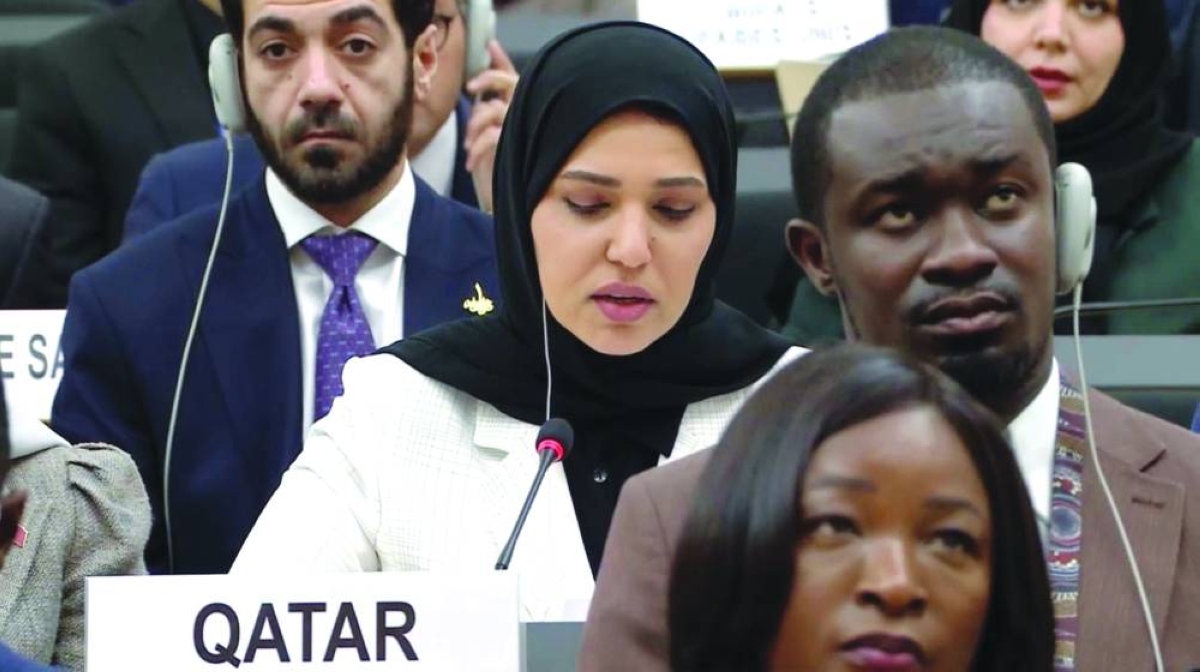
The UN Human Rights Council (UNHRC) has unanimously ratified a resolution condemning the human rights implications of Iran's missile and drone attacks on Qatar, the United Arab Emirates, Saudi Arabia, Bahrain, Oman, Kuwait, and Jordan. The resolution, adopted without a vote, was co-sponsored by more than 100 countries.The decision followed an urgent debate convened by the Council in Geneva on Wednesday, during which Qatar's Her Excellency Permanent Representative to the UN Office in Geneva, Dr Hind Abdulrahman al-Muftah, delivered a robust condemnation of the strikes on behalf of Doha.Qatar described the attacks as a flagrant violation of its national sovereignty and territorial integrity, and a direct breach of the UN Charter's prohibition on the threat or use of force. Al-Muftah told the Council the debate had been convened under "extremely perilous circumstances," warning that the ripple effects of Iran's offensive threatened not only regional stability but the full enjoyment of human rights across the affected nations.She stressed that the strikes — targeting civilians and civilian infrastructure — were in clear violation of international humanitarian and human rights law. Critical facilities struck included airports, ports, energy installations, and water desalination plants. Qatar itself sustained ballistic missile and drone strikes that caused civilian casualties, injuries, and widespread disruption to basic services including water and energy supplies — breaches, she said, of the rights to life, health, education, and safety.HE Al Muftah further warned that attacks on energy and desalination infrastructure carried grave environmental consequences, undermining the right to a clean and sustainable environment. She noted that the most vulnerable — women, children, the elderly, and persons with disabilities — were disproportionately affected, in contravention of international conventions designed to protect them.The Qatari representative also raised alarm over strikes targeting maritime shipping lanes, including the Strait of Hormuz, cautioning that disruption to one of the world's most critical waterways would have far-reaching consequences for global supply chains, energy security, and the socioeconomic rights of nations worldwide.HE Al-Muftah underscored that Qatar had played no part in the underlying conflict and had not permitted its territory or airspace to be used in any combat operations, making Iran's targeting of Qatari soil a particularly egregious violation of international law. Qatar, she noted, had consistently pursued dialogue and mediation as its preferred approach to regional disputes.She welcomed UN Security Council Resolution 2817 (2026), which formally condemned Iran's attacks and determined they constituted a serious threat to international peace and security, and called for effective remedies and full reparations for victims and affected states.Concluding her address, Al-Muftah urged an immediate halt to the escalation and called on all parties to prioritise diplomatic solutions. She appealed to Council member states to back the resolution and reaffirm the international community's commitment to upholding human rights, halting violations, and ensuring such attacks are never repeated.  Related Story

World
Leaked Nepal report into deadly uprising calls for prosecuting ex-PM

Leaked Nepal report into deadly uprising calls for prosecuting ex-PM

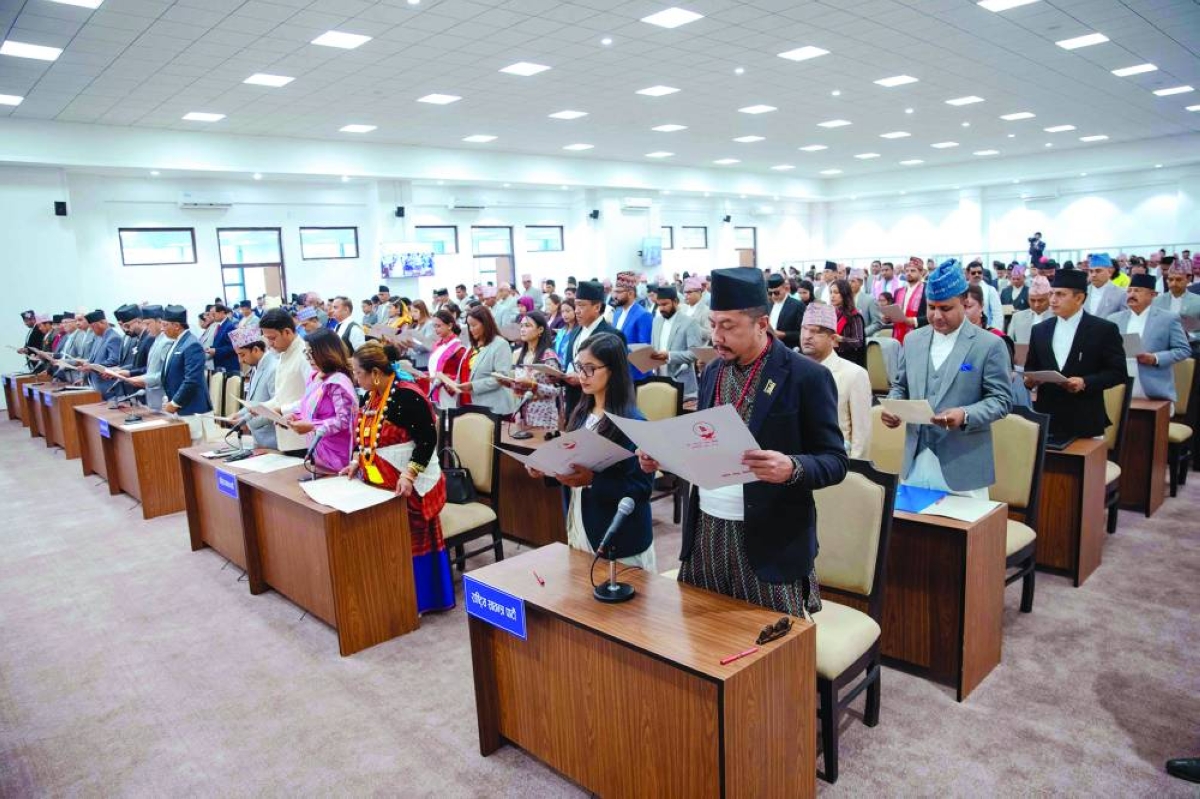
Newly elected lawmakers taking an oath during a swearing-in ceremony at the parliament in Kathmandu Thursday. (AFP) A Nepal commission has recommended the prosecution of ex-prime minister KP Sharma Oli in connection to the deadly September 2025 uprising that toppled his government, according to a leaked report.At least 77 people were killed in the anti-corruption youth uprising on September 8 and 9, which began over a brief social media ban but tapped into longstanding fury over economic hardship.Four-time prime minister and Marxist leader Oli, 74, was defeated in the polls this month by the 35-year-old rapper-turned-politician Balendra Shah, whose Rastriya Swatantra Party (RSP) won in a landslide after promising to oust an ageing elite, stem corruption and fix the economy.The commission's recommendations, set out in a report leaked by Nepali media, came ahead of the swearing-in Thursday of newly elected members of parliament."It was decided to recommend to the Government of Nepal that an investigation, inquiry, and prosecution be carried out against the then executive head, Prime Minister KP Sharma Oli," reads a copy of the report seen by AFP Thursday.At least 19 young people were killed in a crackdown on the first day of protests.No one has been convicted of the killings.Former interior minister Ramesh Lekhak and ex-police chief Chandra Kuber Khapung should also be investigated and prosecuted, according to the recommendations in the report.Lekhak bore "overall responsibility for home administration, security agencies, and maintaining law and order", the report said, adding that he and Oli "did not appear to have made any effort on the afternoon... to prevent further human casualties".The report said it was "not established that there was an order to shoot", but "no effort was made to stop or control the firing and, due to their negligent conduct, even minors lost their lives".The report said victims in 48 out of 63 completed autopsies died of bullet wounds, and that the majority were struck in their chest or head.The nationwide unrest in September saw the parliament and government offices set ablaze and led to Oli's ouster.Former chief justice Sushila Karki took on the role of interim prime minister and established a commission to investigate the violence.The commission's report was submitted this month and protesters have demanded that its findings be released.Commission member Bigyan Raj Sharma told reporters the team had questioned more than 200 people and submitted a 900-page report — with more than 8,000 additional pages of evidence.Karki's office said on Wednesday evening that she would release the report but the official version was not out yet.The March 5 election returned a new 275-seat lower house of parliament, with the RSP winning a commanding majority of 182.New lawmakers took the oath of office Thursday in a hall within the newly constructed parliament building.The national anthem played as RSP's president Rabi Lamichhane and soon-to-be prime minister Shah stood next to each other, before the parliamentarians were sworn in.Shah, who kept his trademark dark sunglasses on for the ceremony, has yet to give a formal speech since winning his seat.Shah, popularly known as Balen, is expected to be sworn in as prime minister around midday today.  Related Story

World
Bangladesh rescuers recover 24 bodies after bus plunges into river

Bangladesh rescuers recover 24 bodies after bus plunges into river

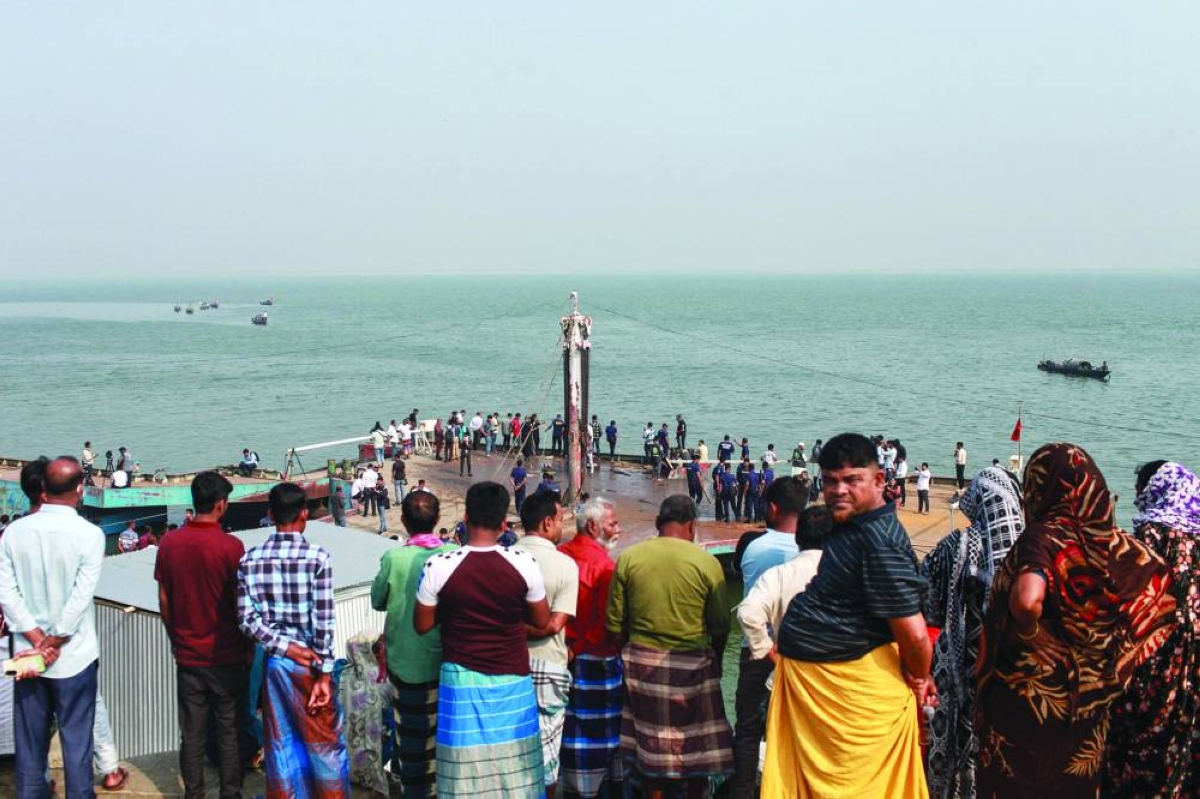
Onlookers gather near the scene of an accident involving a bus that plunged into the Padma River in Goalanda in Bangladesh’s Rajbari district Thursday. (AFP) Rescue teams including navy divers in Bangladesh have recovered 24 bodies from a bus that plunged into a river at a ferry crossing, officials said Thursday.The bus sank into the deep waters of the Padma river in Goalanda on Wednesday, about 65 kilometres (40 miles) west of the capital Dhaka. It had around 50 passengers on board, many of whom managed to escape.A fire service report said that 24 bodies, including those of five children, had been recovered by midday Thursday.Some were pulled out by fire service officers, others by locals who come to help, as well as by the navy divers."The bus was waiting to board a ferry, when it fell into the river," said Noor Jahan Begum, 35, who saw the accident."Some passengers got out of the bus, but their family members died, trapped inside."Deadly crashes are relatively common in the South Asian nation, because of poor roads, badly maintained vehicles and reckless driving.Bangladesh's Road Safety Foundation reported over 200 deaths during the just-concluded Eid holidays. In one incident, a train rammed into a bus, killing 12.The World Health Organisation says that while reported road traffic fatalities in Bangladesh are around 5,000 a year, it estimates that actual deaths are far higher, at more than 31,500, according to figures from 2023.That translates to more than 85 a day in the country of 170mn people.In neighbouring India, at least 13 people were killed in a bus crash Thursday in Andhra Pradesh state, which Prime Minister Narendra Modi called "tragic". The bus burst into flames, burning the bodies.India, with 1.4bn people, recorded more than 177,000 road traffic deaths in 2025, according to the roads ministry, or 485 a day.