1. Home
  2. World

Category: World

World
Canada Prime Minister calls for De-escalation

Canada Prime Minister calls for De-escalation

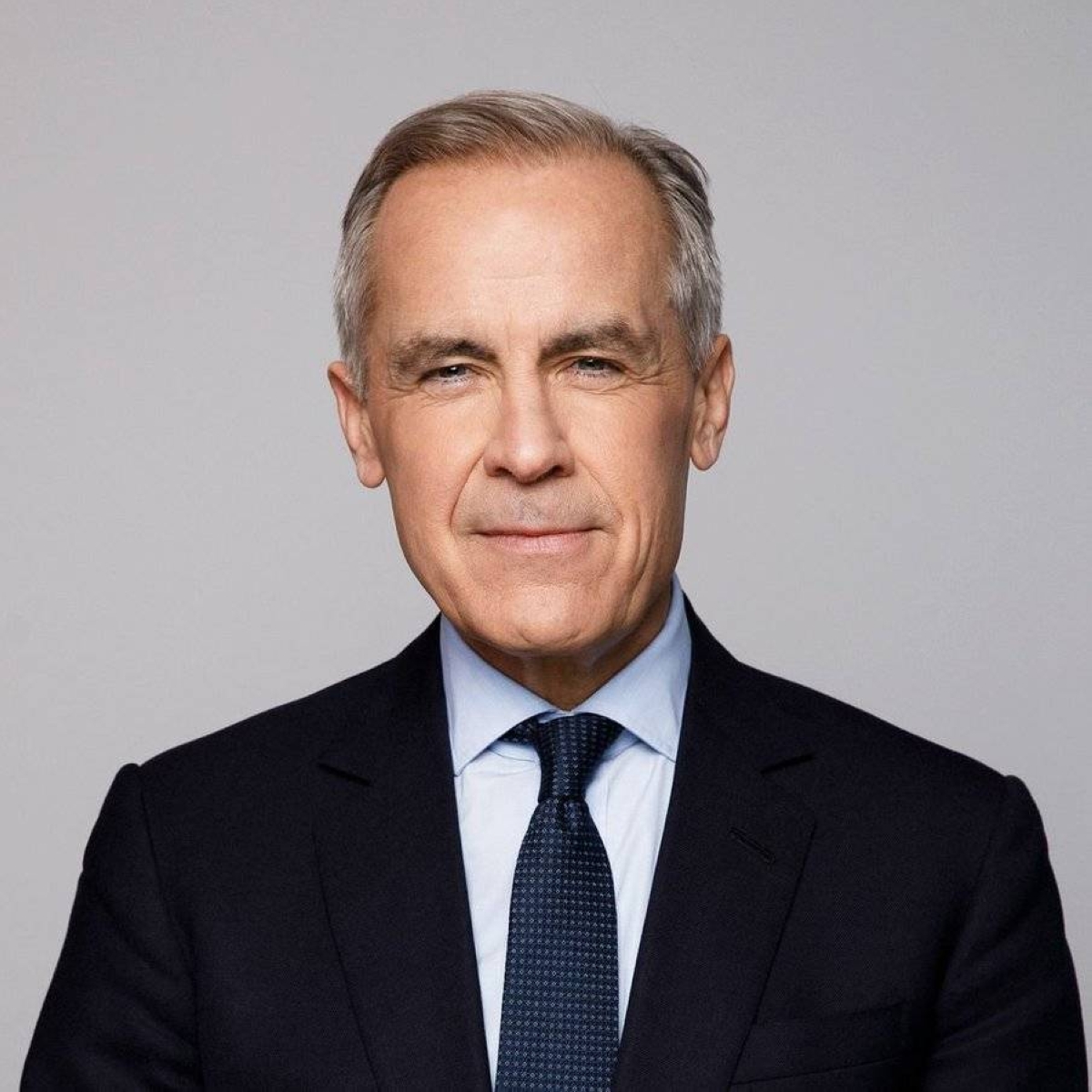
Canada's Prime Minister Mark Carney called today for de-escalation in the Middle East, on the back of US-Israeli strikes on Iran. Carney called on all parties involved to adhere to international law and the rules of engagement.In a speech he gave in Sydney, Carney said that Canada calls for containing the acts of aggression and that the country was willing to help support this goal.  

World
French President announces dispatching aircraft carrier Charles de Gaulle to Mediterranean

French President announces dispatching aircraft carrier Charles de Gaulle to Mediterranean

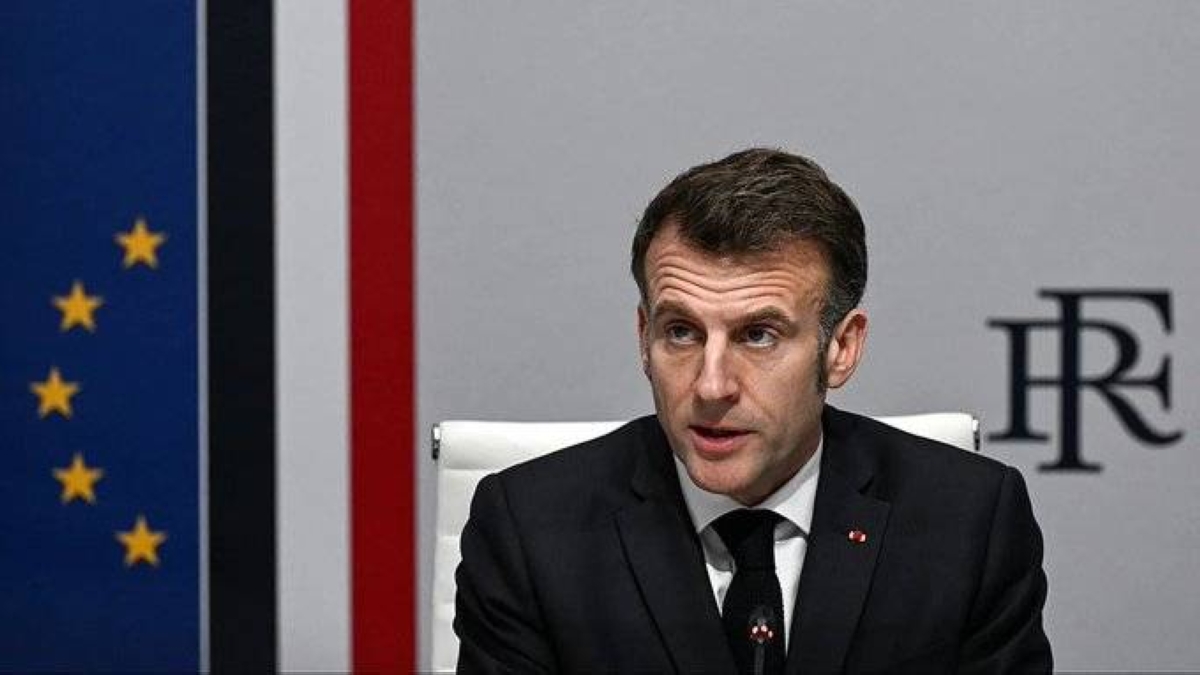
French President Emmanuel Macron announced Tuesday that he has ordered the aircraft carrier Charles de Gaulle, along with its air assets and escorting frigates, to sail to the Mediterranean, in response to the current situation in the Middle East.In a televised address tonight, he said urgent measures must be taken in the wake of the closure of the Strait of Hormuz and the threat to the Suez Canal and shipping lanes in the Red Sea, as the conflict expands."We have economic interests that must be protected, as oil, gas, and international trade are heavily affected by this war," he added.Macron pointed out that France has sent a frigate to Cyprus and has intercepted drones over the skies of its Gulf allies, with Rafale aircraft among the assets used, adding "We have defense agreements linking us with Qatar, Kuwait, and the United Arab Emirates".He explained that France is assisting its citizens wishing to leave the region, and that two flights are scheduled to arrive in Paris this evening, stating that security measures have been reinforced at certain locations in France.Macron said Iran itself bears primary responsibility for the US-Israeli action, but he recalled that the United States and Israel decided to carry out military operations, and they executed them outside the scope of international law, which is something France cannot endorse.

World
IMF: Economic impact of Middle East war depends on conflict duration, extent of damage

IMF: Economic impact of Middle East war depends on conflict duration, extent of damage

The International Monetary Fund (IMF) stated that the economic impact of the war in the Middle East will depend on its duration and the extent of the damage it inflicts on the region's infrastructure and industries.During a conference organized by the Milken Institute in Washington Tuesday, Dan Katz, First Deputy Managing Director of the IMF, said that these effects will depend largely on the duration of the energy price increases, whether they are short-term or long-term.He explained that the conflict has the potential to significantly impact the global economy across a range of indicators, such as inflation and growth.He added that it is too early to form a firm conviction about the potential impact, noting that the economic effect will be determined by geopolitical developments and the duration of the conflict.Earlier Tuesday, oil prices continued their rise for the third consecutive day, influenced by increasing concerns about supply disruptions in the Middle East, with Brent crude futures rising by $1.10 per barrel, or 1.4 percent, to reach $78.83 per barrel.

World
US President: Iran launched attack on neighboring countries despite not being attacked by those countries

US President: Iran launched attack on neighboring countries despite not being attacked by those countries

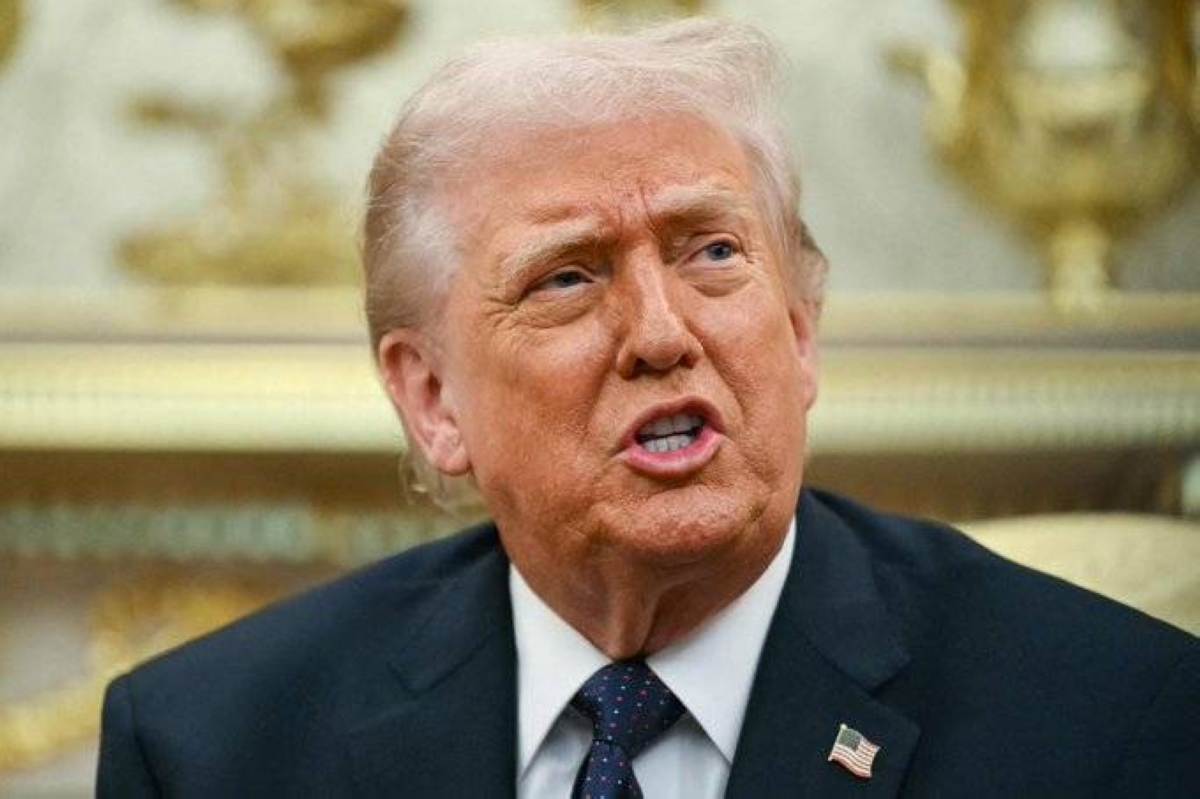
Iran launched an attack on neighboring countries despite not being attacked by those countries, said US President Donald Trump, noting that achieving peace in the Middle East would not have been possible if Tehran had been allowed to develop its nuclear and missile program.In remarks to the press Tuesday, Trump added that the war on Iran should have been launched at any time during the past 47 years, stressing that Tehran would have initiated an attack on the United States."I think they were going to attack first, and I didn't want that to happen," Trump said, predicting that Iranian forces would continue launching missiles for some time.Trump further pointed out that Iran's military capabilities are steadily deteriorating, indicating that it has started to suffer from shortages of ammunition, rocket launchers, and launch platforms due to their destruction.Trump continued: "We have unlimited amounts of ammunition and other things from the middle and upper layers; we are saving them and building them", adding the war could last 4 or 5 weeks or end within a few more days. 

World
Pro-Maduro demonstration in Caracas – Gulf Times

Pro-Maduro demonstration in Caracas – Gulf Times

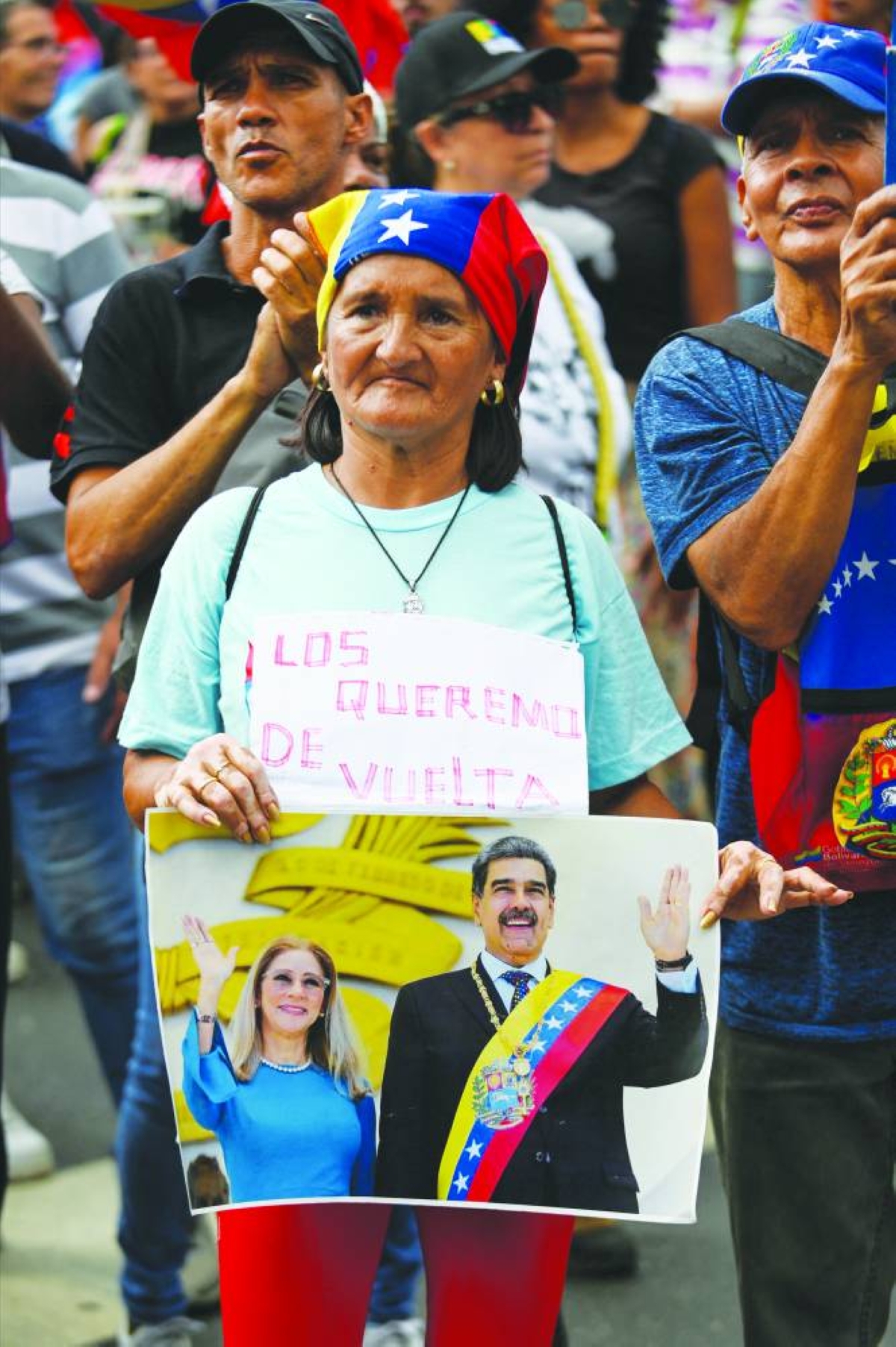
A woman holds a sign reading "We want them back" next to a photo of ousted President Nicolas Maduro and his wife, Cilia Flores, during a demonstration demanding their return, two months after their capture

World
At least 87 dead after US sinks Iranian warship

At least 87 dead after US sinks Iranian warship

A US submarine sank an Iranian warship off the coast of Sri Lanka Wednesday, killing at least 87 sailors and leaving dozens missing, officials said.The sinking came as the war sparked by a joint US-Israel attack on Iran continued to spread across the Middle East."An American submarine sunk an Iranian warship that thought it was safe in international waters. Instead, it was sunk by a torpedo," US Defense Secretary Pete Hegseth told reporters in Washington.He called the attack "quiet death" and the first US sinking of an enemy ship by a torpedo since World War II."Like in that war," Hegseth said, "we are fighting to win."The Sri Lankan navy recovered the bodies of 87 sailors from waters near the southern city of Galle, but 61 remained missing, police and defence officials said."A search is still on for the others," a navy official told AFP on condition of anonymity.Earlier, Foreign Minister Vijitha Herath said Sri Lankan forces had rescued 32 sailors, many wounded, from the stricken Iranian frigate IRIS Dena.The rescued sailors are being treated in Galle, where an AFP photographer saw the first batch of over two dozen bodies being transported into a hospital Wednesday evening.The vessel issued a distress call at dawn but had completely sunk by the time a rescue ship reached the area within an hour, leaving only an oil patch on the surface, said Sri Lankan navy spokesman Buddhika Sampath.The warship was travelling after reportedly attending a military exercise in India's eastern port of Visakhapatnam.The attack was just 40 kilometres (25 miles) south of Galle, the local navy said.Iran has not yet commented on the sinking. Tehran's ambassador in Colombo, Alireza Delkhosh, was not immediately available for comment.Sampath said Sri Lanka's response to the distress call was in line with its maritime obligations."This is within our search and rescue area in the Indian Ocean," Sampath told AFP.Sri Lanka has remained neutral and has repeatedly urged dialogue to resolve the conflict in the Middle East.Just over a mn Sri Lankans are employed in the region, and they are a key source of foreign exchange for the country emerging from its worst-ever economic meltdown in 2022.Both Sri Lanka's navy and the air force said they were not releasing footage of the rescue because it involved the military of another state.Police stepped up security outside the Galle hospital as the wounded Iranians were brought there.  Related Story

World
‘No to the war’: Spain digs in as rift with US deepens

‘No to the war’: Spain digs in as rift with US deepens

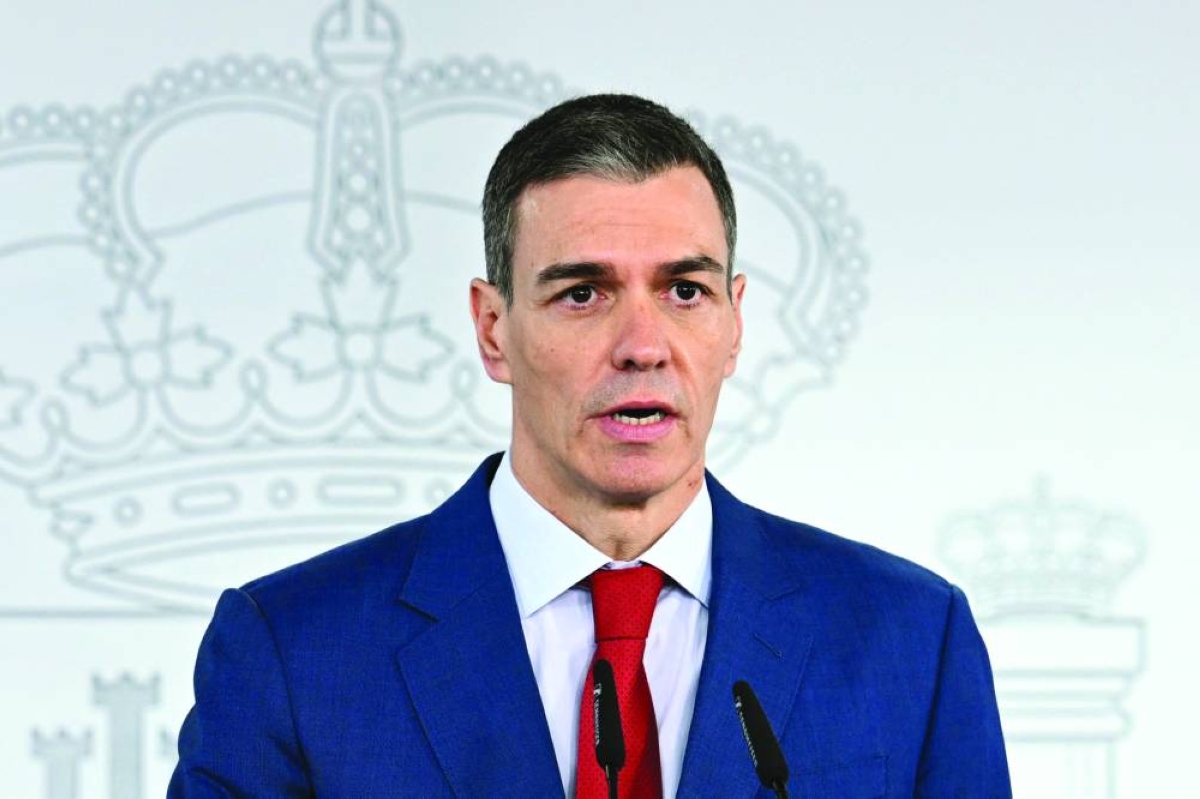
In this handout photo released by La Moncloa Wednesday, Spanish Prime Minister Pedro Sanchez delivers an official statement in response to US President Donald Trump's remarks, at La Moncloa Palace in Madrid. Spain's prime minister defiantly posted "No to the war" Wednesday, deepening a rift with the US after Madrid refused the use of its bases to attack Iran and Washington threatened trade reprisals.Spain's Socialist Prime Minister Pedro Sanchez had already angered US President Donald Trump with a series of other policies.Sanchez has refused to join Nato allies in a pledge to boost defence spending to five % of GDP as demanded by Trump, and has fiercely criticised Israel's war in Gaza.Trump lashed out at Sanchez's government on Tuesday, calling Spain a "terrible" ally and threatening to sever all trade with Spain.Sanchez defended his position Wednesday, saying his government's position "can be summed up in four words: no to the war"."We will not be complicit in something that is harmful to the world and contrary to our values and interests, simply out of fear of retaliation," he added in a televised address.Spain is part of the European Union, which allows goods to move freely between its 27 countries. This would complicate any bid to impose trade restrictions on a single member state."Trump's words don't always become policy. We will have to see if he follows through, and how," said Angel Saz Carranza, director of the Esade Center for Global Economy and Geopolitics, a Spanish think tank.European Council chief Antonio Costa wrote on X that he had called Sanchez to "express the EU's full solidarity with Spain"."The EU will always ensure that the interests of its member states are fully protected," Costa said.French President Emmanuel Macron also called to "express France's European solidarity in response to the recent threats of economic coercion targeting Spain," his office said.  'Oppose this disaster' US forces use the Rota naval base and Moron air base in southern Spain under an agreement signed in 1953 under the dictatorship of General Francisco Franco.During the 2003 invasion of Iraq, Spain, then led by conservative prime minister Jose Maria Aznar, staunchly backed the US by sending troops.Spain's participation in the Iraq war sparked huge street demonstrations and many Spaniards blame it for the March 11, 2004 Madrid train bombings that killed nearly 200 people.A branch of Al Qaeda claimed responsibility for the attacks and called for the withdrawal of Spanish forces from Iraq.Sanchez on Wednesday compared the Iran attacks to the Iraq war, which he said increased terrorism, increased energy prices and led to a less secure world."We oppose this disaster," he said in reference to the Iran war.In contrast, neighbouring Portugal authorised the US to "conditionally" use an airbase on the Azores archipelago in the Atlantic Ocean for the Iran strikes, Prime Minister Luis Montenegro told parliament on Wednesday.The authorisation was granted as long as "these operations are defensive or retaliatory, are necessary and proportionate, and exclusively target military objectives", Montenegro said.The conservative leader said those conditions were "aligned with international law", but he declined to openly support Sanchez or take a stance on the US-Israeli strikes on Iran. Rally his base The Spanish prime minister has emerged as a prominent figure for Europe's disillusioned progressives, who see him as one of the few remaining openly leftist voices in a continent increasingly dominated by right-wing politics.His opposition to the use of the bases is seen by some analysts as an attempt to rally his supporters around an issue that unites the Spanish left.Sanchez, in power since 2018, heads a minority coalition government that struggles to pass legislation.Many on Spain's right consider Sanchez's opposition to Trump as motivated more by domestic politics than by a moral compass.The head of the main opposition conservative Popular Party which tops opinion polls, Alberto Nunez Feijoo, accused Sanchez on X of using foreign policy for "partisan" purposes.Left-leaning daily newspaper El Pais urged Sanchez in an editorial Wednesday to "resist the temptation" to "exploit widespread hostility towards Trump in Spanish society to boost his popularity".  Related Story

World
South Africa’s Lekota, who led breakaway from ANC, dies at 77

South Africa’s Lekota, who led breakaway from ANC, dies at 77

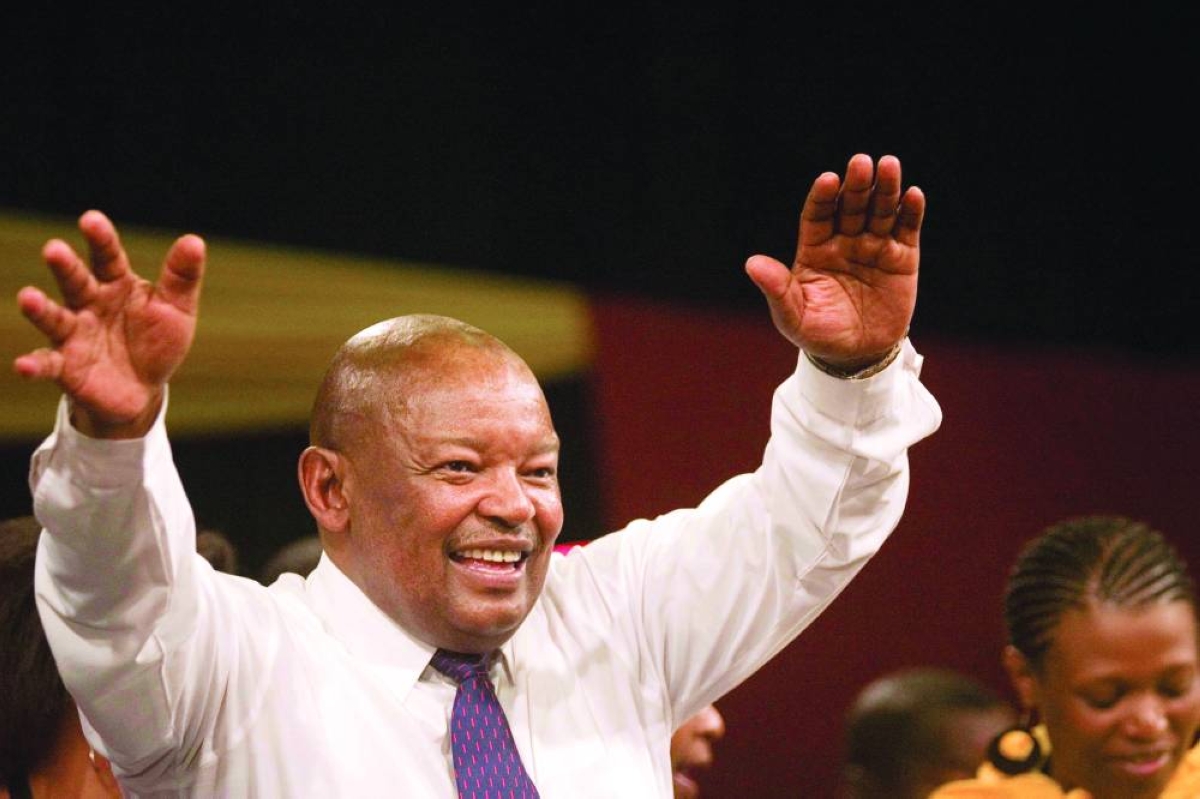
File photo of Mosiuoa Lekota. South African anti-apartheid activist Mosiuoa Lekota, who broke away from the African ‌National Congress to found ​a new ‌political party, died in the ‌early ⁠hours ‌of Wednesday morning, ‌his party said in a statement. ⁠He was 77 years old.Lekota died after a period of illness and had stepped back from active politics. He was a close ​ally of former President Thabo Mbeki and served as South Africa's ‌defence minister from ⁠1999 to ​2008. Lekota, nicknamed "Terror" for ​his fearsome skills on the soccer pitch as young man, quit in protest at Mbeki's ousting and was voted off the ANC's National Executive Committee after repeated criticism of Mbeki's successor, Jacob ‌Zuma.He co-founded ‌the Congress ⁠of the People (COPE) party ⁠in 2008. ⁠COPE won roughly 7% of the vote in the first national election it contested, in 2009, but its vote share has ​been below 1% at every national election since then.Lekota worked as a student activist during the 1970s. He served jail time on Robben Island with the country's liberation hero Nelson Mandela. islam 

World
Turkiye says missile launched from Iran destroyed by Nato

Turkiye says missile launched from Iran destroyed by Nato

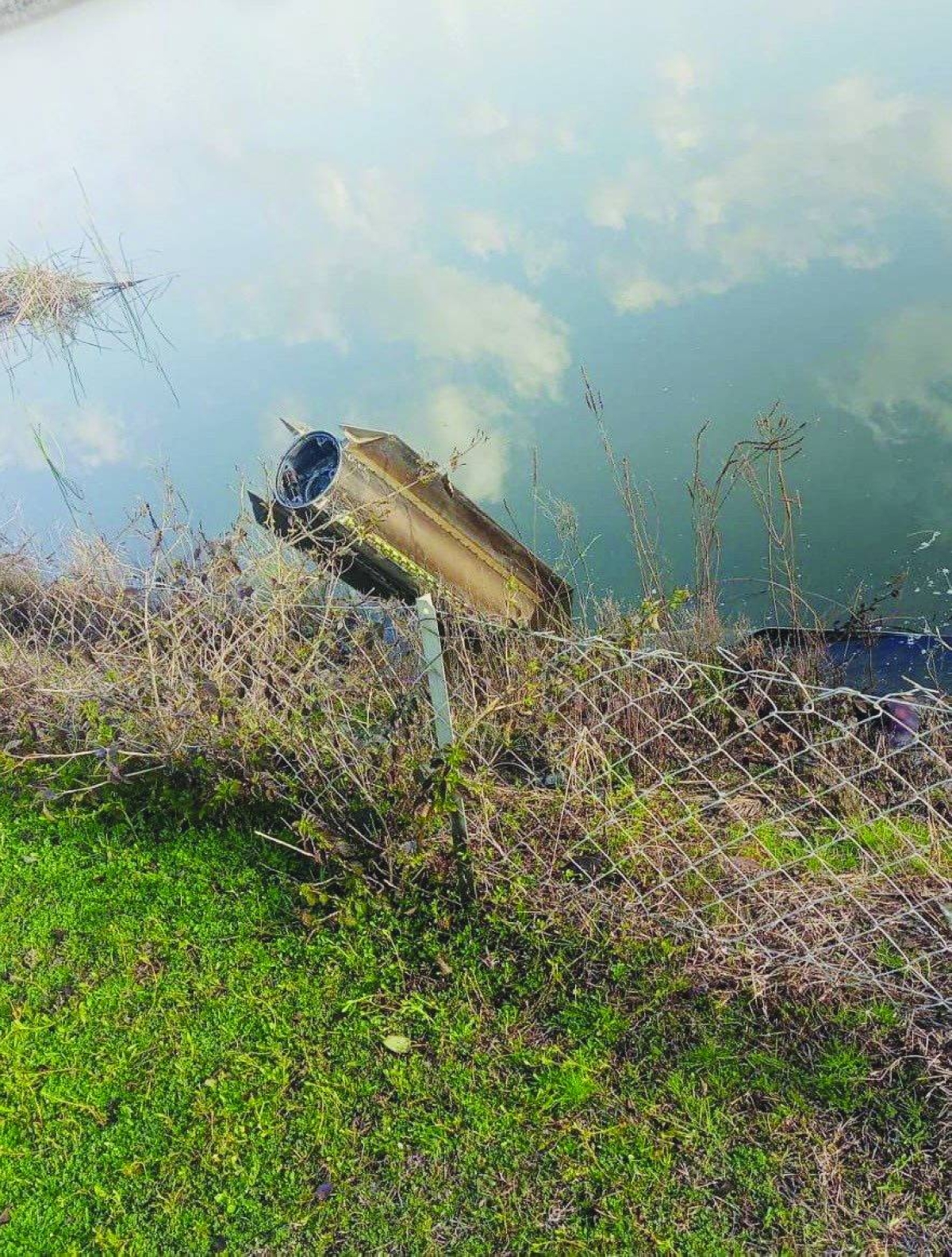
Debris of a Nato air defence system that intercepted a missile launched from Iran is seen in Dortyol, in southern Hatay province, Turkiye, Wednesday, in this screengrab from video. A ballistic missile launched from Iran and heading towards Turkish airspace via Iraq and Syria was destroyed by Nato air defence systems, Turkish officials said Wednesday.The defence ministry said it had been "engaged and neutralised by Nato air-and-missile defence assets deployed in the eastern Mediterranean".It did not specify the missile's intended target. Iran has been hitting sites across the region in retaliation after the US and Israel launched strikes against it on Saturday.A Turkish official, speaking to AFP on condition of anonymity, said the missile had been "aimed at a base in Greek Cyprus but veered off course".Officials said fragments that fell in the Dortyol district in southern Turkey, near the Syrian border, had been identified as pieces of the interceptor used to neutralise "the threat in the air".No casualties were reported.The incident drew condemnation from Nato."Nato stands firmly with all allies, including Turkiye, as Iran continues its indiscriminate attacks across the region," Nato spokeswoman Allison Hart said, using Turkiye's official name."Our deterrence and defence posture remains strong across all domains, including when it comes to air and missile defence."Ankara summoned the Iranian ambassador to convey its "reaction and concerns" over the incident while Foreign Minister Hakan Fidan warned Tehran against steps that could widen the conflict, a diplomatic source said.Fidan told his Iranian counterpart in a phone call that "any steps that could lead to the spread of conflict should be avoided", the source added.In an evening address, President Recep Tayyip Erdogan said Turkiye was "taking all the necessary precautions" in consultation with its Nato allies and was issuing "warnings in the clearest terms to prevent similar incidents from happening again"."If we, as a nation, want to live in peace and tranquility... we must constantly increase our deterrent capabilities. In these difficult times... we are leaving absolutely nothing to chance regarding the security of our borders and airspace," he said.Turkiye, a majority Nato member, shares a 500-kilometre border with Iran.Erdogan has described the US-Israeli strikes on Iran which sparked the conflict as "illegal" and Fidan also criticised Iran's retaliatory strikes against Gulf nations and beyond, saying it was the "wrong strategy"."The underlying strategy seems to be: 'If I am going to sink, I will take the region down with me'," Fidan said in an interview late Tuesday.Analysts said the trajectory of the Iranian missile and its destruction by Nato systems further raised the stakes for a widening regional war, even if there was no clear evidence Iran intended to strike Turkey."Turkiye will not want to become embroiled in the US-Israel attack on Iran, which it has criticised, but if Iran launches more missiles clearly aimed at targets on Turkish territory, Ankara will consider its own direct retaliation," said Hamish Kinnear of risk-intelligence firm Verisk Maplecroft.The defence ministry said: "Any steps necessary to defend our territory and airspace will be taken decisively and without hesitation.""We reserve the right to respond to any hostile actions directed at our country," it added.  Related Story

World
More repatriation flights as Mideast airspace shutdown leaves thousands stranded

More repatriation flights as Mideast airspace shutdown leaves thousands stranded

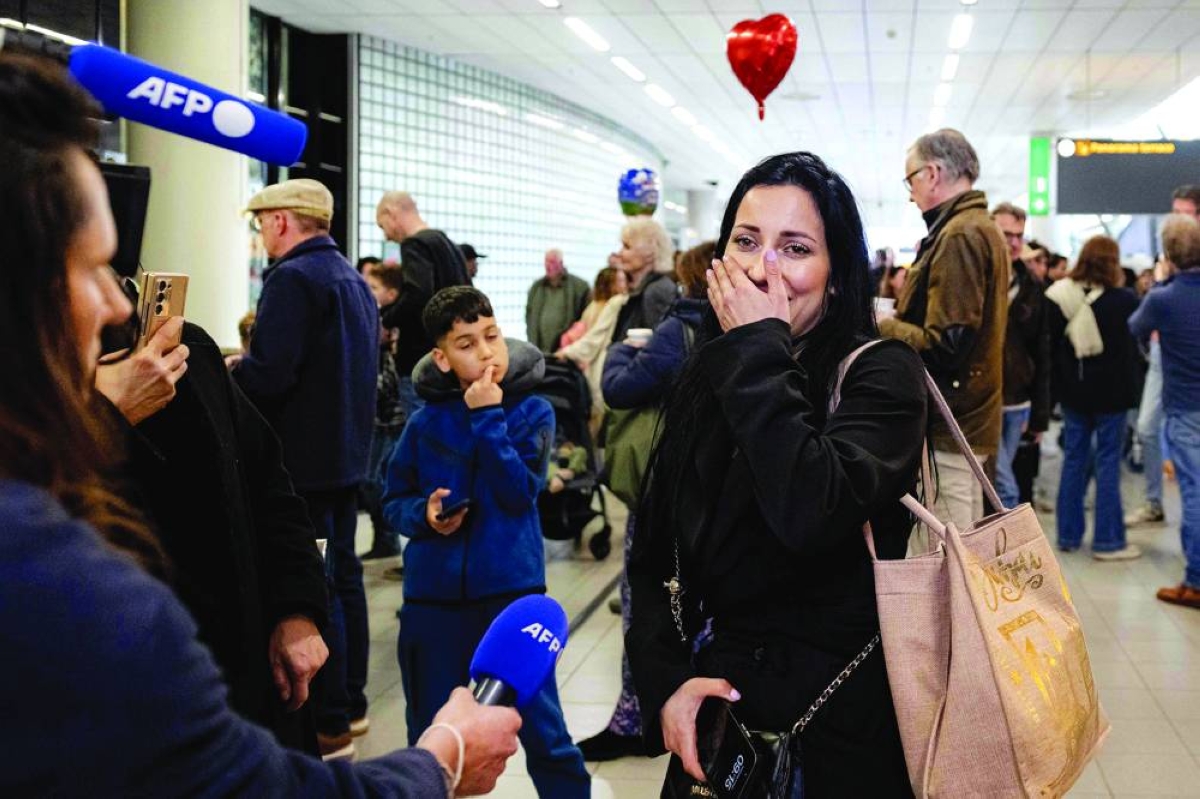
More than 120 flights expected to leave Dubai International on Wednesday, New Zealand government saysAirline shares stabilise after significant lossesSkies over swathes of Middle East still emptyWorst crisis for global travel industry since COVID-19 pandemicQantas brings Brits back from Australia Dozens ​of repatriation flights were due to depart from ‌the Middle East Wednesday as governments rushed to bring home tens of thousands of citizens stranded by ‌the intensifying U.S. and Israeli conflict ⁠with Iran.Commercial air traffic remained ‌largely absent across much of the region, with major Gulf ‌hubs - including Dubai, the world's busiest airport for international passengers - largely shut for a fifth straight day, in the biggest travel disruption since the ⁠Covid-19 pandemic.The first repatriation flights for Britain and France were due to leave later, while the United Arab Emirates opened safe air corridors to allow some citizens to return home. Under normal circumstances, thousands of commercial flights would depart the region each day.Some marooned tourists and expatriates have also tried to make their own way out."We're doing this cautiously," said French Finance Minister Roland Lescure. The French government said several repatriation flights were planned for its citizens, around 400,000 of whom are in the region.Polish Prime Minister Donald Tusk said Wednesday he had authorized the use of military aircraft to support the evacuation of Polish citizens from ​the Middle East.Britain's Foreign Office said a charter flight would leave Oman later in the evening, with priority given to vulnerable British nationals.Emirates, the world's largest international carrier, said routes to and from Dubai remained suspended until March 7, adding that it was operating a limited schedule from Dubai International and Al Maktoum ‌International.The Czech Republic has organised three government ⁠evacuation flights from Oman, Jordan and ​Egypt, bringing home 175 people, with more operations planned. Airline Smartwings is also operating return flights from Oman and ​Dubai, according to the CTK news agency and a government official.Slovakia said it had evacuated 127 people - mostly Slovak citizens, along with four Czechs and one Kazakh national - on two flights from Jordan that landed on Tuesday, and was preparing additional missions.New Zealand said a total of 121 repatriation flights were expected to depart Dubai International Airport on Wednesday.Qantas, meanwhile, was running extra flights to bring British people stuck in Australia back home, but would have to route them via a refuelling stop in Singapore as an alternative to the normal Middle East hubs.With airspace severely constrained, many airlines are carrying extra fuel or making additional refuelling stops to guard against sudden rerouting or longer flight paths through safer corridors.Air France said Wednesday it had extended its suspension of flights to and from Dubai and Riyadh until March 6, and had also prolonged the halt on services to Tel Aviv and Beirut ‌until March 8.Airline shares were less volatile Wednesday after double-digit percentage drops in the past few ⁠days, which wiped tens of billions of dollars from airlines' market value.Lufthansa was up 3% at 1306 GMT, while Qantas closed down 2.7%, having ⁠lost more than 10% of its value so far ⁠this week. BA-owner IAG was up 2%, having fallen more than 13% in the past three days.Airline executives have said that crew and pilots are now scattered across the world, complicating the process of resuming flights when airspace reopens. Soaring prices of oil will also add to carriers' costs.Analysts said flights will become more expensive if longer routes become the only options for international carriers.The Gulf is also a major hub for air cargo, putting further pressure on international trade routes following the disruption of Red Sea shipping routes.  Related Story