1. Home
  2. Opinion

Category: Opinion

Opinion
The comfort rewatch

The comfort rewatch

Feel-good films have a way of doing exactly what their name suggests, lifting your mood without demanding too much in return. This week we take a look at some of the best movies to settle

Opinion
Nasa’s lunar success sharpens focus on China’s 2030 crewed landing goal

Nasa’s lunar success sharpens focus on China’s 2030 crewed landing goal

As Nasa’s record-breaking Artemis mission bolsters the US path back to the moon, China’s bid to land astronauts there by 2030 is taking on greater geopolitical significance and putting ‌pressure on Beijing to meet or beat its timetable. Four US astronauts on the Artemis II mission this week flew ​past the moon’s shadowed far side, travelling ‌deeper into space than any humans before them and setting the stage for Artemis IV to land on ‌the moon in 2028. The planned US return after more than ‌half a century is being closely watched in China, which ‌is developing the full architecture for its first crewed landing on the moon, from the Long March-10 rocket to the Mengzhou spacecraft and Lanyue lunar lander. Beijing has made significant advances in recent years by becoming the first country to return robot-taken samples from both the near and far sides of the moon, and its crewed spaceflight programme has become proficient in operating space stations and handling emergencies in orbit. “There is no bigger prize for China on the table today than landing people on the moon, this is the essential next step for China on the road to preeminence in space,” said Clayton Swope, deputy director of the Aerospace Security Project at the US-based Center for Strategic and International Studies (CSIS). Washington and Beijing are also competing in institution-building efforts in preparation ​for a future when humans have a permanent presence on the moon, with the US-led Artemis Accords on lunar exploration matched up against the Chinese and Russian-led International Lunar Research Station (ILRS). “The question now is no longer simply who gets there first, but who can stay longer and do more,” Kang ‌Guohua, an aerospace professor at the military-linked Nanjing University of Aeronautics and Astronautics, told ​China’s state-backed Global Times last week. ENTIRELY NEW HARDWAREA major hurdle for Beijing will be proving an entirely ​new lunar mission architecture within the next four years, demonstrating all of the hardware being developed for the 2030 mission, from heavy-lift rockets to spacesuits, can work reliably on first use. China’s manned space agency said in 2023 that the mission would rely on two Long March-10 rockets, one launching a crewed spacecraft and the other a lunar lander. The two vehicles would rendezvous and dock in lunar orbit. Two astronauts would descend to the surface on the lander, collect samples, then return to lunar orbit, redock with the spacecraft and head back to Earth. The Mengzhou spacecraft can carry up to seven astronauts, according to China’s manned space agency, which has not yet announced the size and members of the 2030 mission team. China’s recent robotic lunar missions have given it valuable experience in communications, rendezvous, and docking operations around the moon. But crewed missions impose far stricter safety requirements and ‌critical parts of the mission chain are still being ‌tested, including the rocket and spacecraft. In February, China carried out the first low-altitude escape test for the Long March-10 with a Mengzhou spacecraft aboard it at a launch site on Hainan Island. The vessel’s return capsule successfully separated after an abort command and splashed down safely at sea. Last year, the Lanyue lunar lander’s ascent and descent capabilities were also tested in Hebei province. While these were important milestones, the pace of testing will need to accelerate if China is to certify the system for a crewed landing by 2030. Still, CSIS’ Swope said China appeared to be making steady progress and it seemed “very plausible” it would meet its deadline. “China has a history of setting deadlines for space activities and closely meeting those deadlines, there are no public signs of any missteps or setbacks to Beijing’s ​crewed lunar landing plans,” he said. GEOPOLITICAL STAKESThe stakes are not only technical but geopolitical. As the US-China rivalry deepens across trade, technology and military power, lunar exploration has become another arena of competition. US analysts point to China’s rising defence spending, use of space diplomacy to increase its influence overseas, growing private launch sector and successful robotic lunar missions as evidence that Beijing is highly motivated to reach the moon quickly, even if it avoids race rhetoric in public. “China might avoid directly using language that suggests there is a lunar or space race, but their overall strategic goal is to be the hegemon in space,” said Kathleen Curlee, a research analyst at Georgetown University’s Center for Security and Emerging Technology. At the same time, China may be moving faster than it admits. Wu Weiren, chief designer of ‌China’s lunar exploration program, told Reuters last ​year that the 2030 goal was intentionally conservative. “Eastern peoples always leave a little room when they speak,” he said. “If I can do a 10, I tend to say eight or nine.”     

Opinion
From Australia to Europe, countries move to curb children’s social media access

From Australia to Europe, countries move to curb children’s social media access

Australia in December became the world’s first country to ban social media for children under 16, blocking them from platforms including TikTok, Alphabet’s YouTube and Meta’s Instagram and Facebook. The ban comes amid mounting concerns over the impact of social media on children’s health and safety. Here is a summary of what countries and companies are doing to regulate access to social ‌media. Austria will ban social media for children up to ‌the age of 14, the conservative-led, three-party government said on March 27. Vice ‌Chancellor Andreas Babler and junior digitisation minister Alexander Proell said draft ‌legislation for the ban would be finalised by June. Similarly, Britain is considering an Australia-style ban on social media and tighter AI chatbots safety rules for children under 16 as early as this year, technology minister Liz Kendall said in February. Social media bans, curfews and app time limits will be tested in the homes of 300 teenagers to gauge the impact on children’s sleep, family life and schoolwork, the government said on March 24. In Asia, China’s cyberspace regulator has put in place a so-called “minor mode” programme that requires device-level restrictions and app-specific rules to restrict screen time depending on age. In the Indian state of Karnataka, home to the tech hub of Bengaluru, on March 6 became the first Indian state to ban social media for children under 16. Neighbouring states of Goa and Andhra Pradesh are also weighing restrictions. India’s chief economic adviser called for age restrictions on social media platforms in January, describing them as “predatory” in how they keep users engaged online. Indonesia will restrict access to social media platforms for children under 16, its communications and digital ministry said on March 6. From March 28, accounts owned by children under 16 on “high risk platforms”, including TikTok, Facebook, Instagram and Roblox , will be gradually deactivated, Communications and Digital Minister Meutya Hafid said. France’s National Assembly in January approved legislation to ban children under 15 from social media amid growing concerns about online bullying and mental health risks. The bill needs to pass through the Senate before a final vote in the ‌lower house. In Germany, minors aged 13-16 are allowed to use social media only if their parents ​provide consent. But child protection advocates say controls are insufficient. Greece will ban access to social media for children under the ​age for 15 from January 1, 2027, Prime Minister Kyriakos Mitsotakis said on April 8. Children under the age of 14 in Italy need parental consent to sign up for social media accounts, while no consent is required above that age. Malaysia said in November it would ban social media for users under the age of 16 starting from 2026. Spain will ban access to social media for minors ​under 16 and platforms will be required to implement age verification systems, Prime Minister Pedro Sanchez said early in February. It was unclear if the proposed ban would require approval by the country’s highly fragmented lower house. The Children’s Online Privacy Protection Act in the US prevents companies from collecting personal data from children under 13 without parental consent. Several states have passed laws requiring parental consent for minors to access social media, but they have faced court challenges on free speech grounds. The European Parliament in November agreed on a resolution, which is not legally binding, calling for a minimum age of 16 on social media. It urged a harmonised EU digital age limit of 13 for social media access and an age limit of 13 for video-sharing services and “AI companions”. Social media platforms including TikTok, Facebook and Snapchat say people need to be at least 13 to sign up. Child protection advocates ‌say the controls are insufficient, and official data ​in several European countries shows huge numbers of children under 13 have social media accounts.     

Opinion
Amid fragility of process, all eyes riveted on Islamabad

Amid fragility of process, all eyes riveted on Islamabad

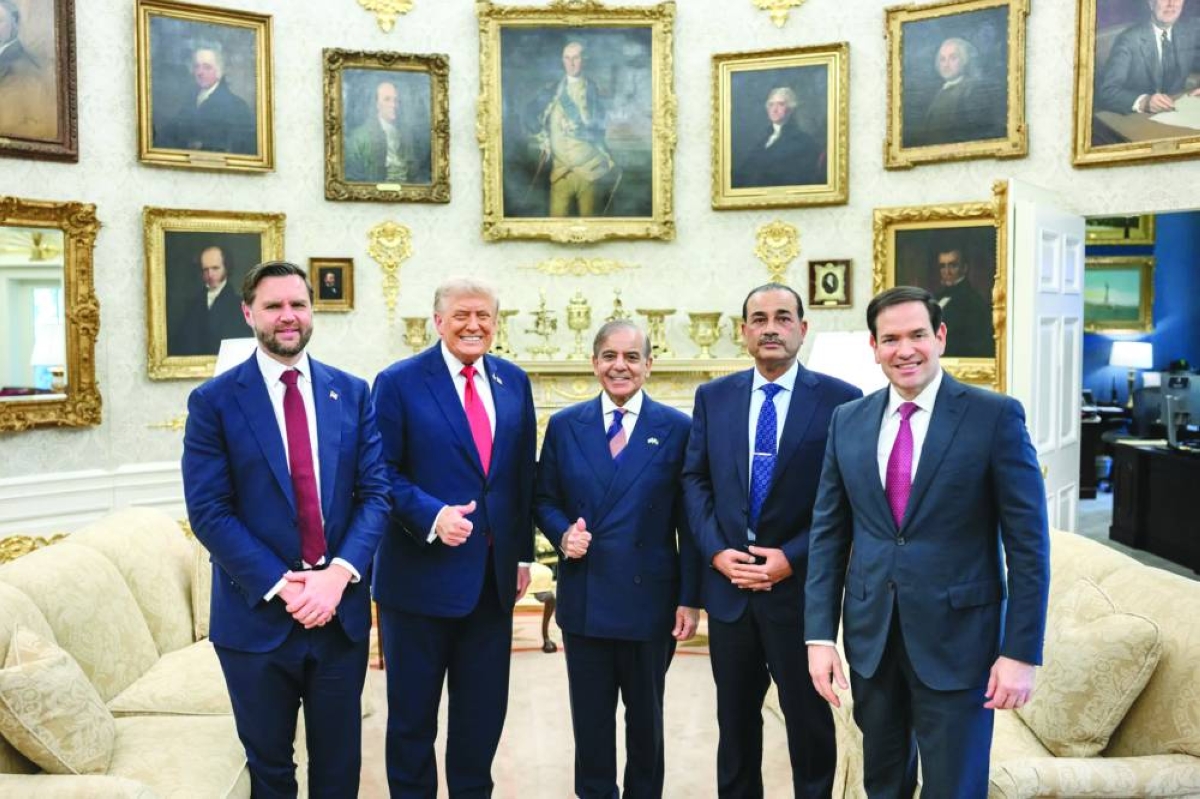
From L-R: US Vice-President JD Vance, President Donald Trump, Pakistan Prime Minister Shehbaz Sharif, Pakistan Army Chief Field Marshal Asim Munir, and Secretary of State Marco Rubio at the White House last September. Kamran Rehmat,

Opinion
Democrats should capitalize by nominating a solid candidate

Democrats should capitalize by nominating a solid candidate

Matt K. Lewis, Tribune News ServiceThanks in large part to President Donald Trump’s disastrous policies, Democrats have a decent shot at not just retaking the House, but maybe even flipping the Senate. Here’s the thing

Opinion
Italy discovers ‘silver housing’ as elder care buckles

Italy discovers ‘silver housing’ as elder care buckles

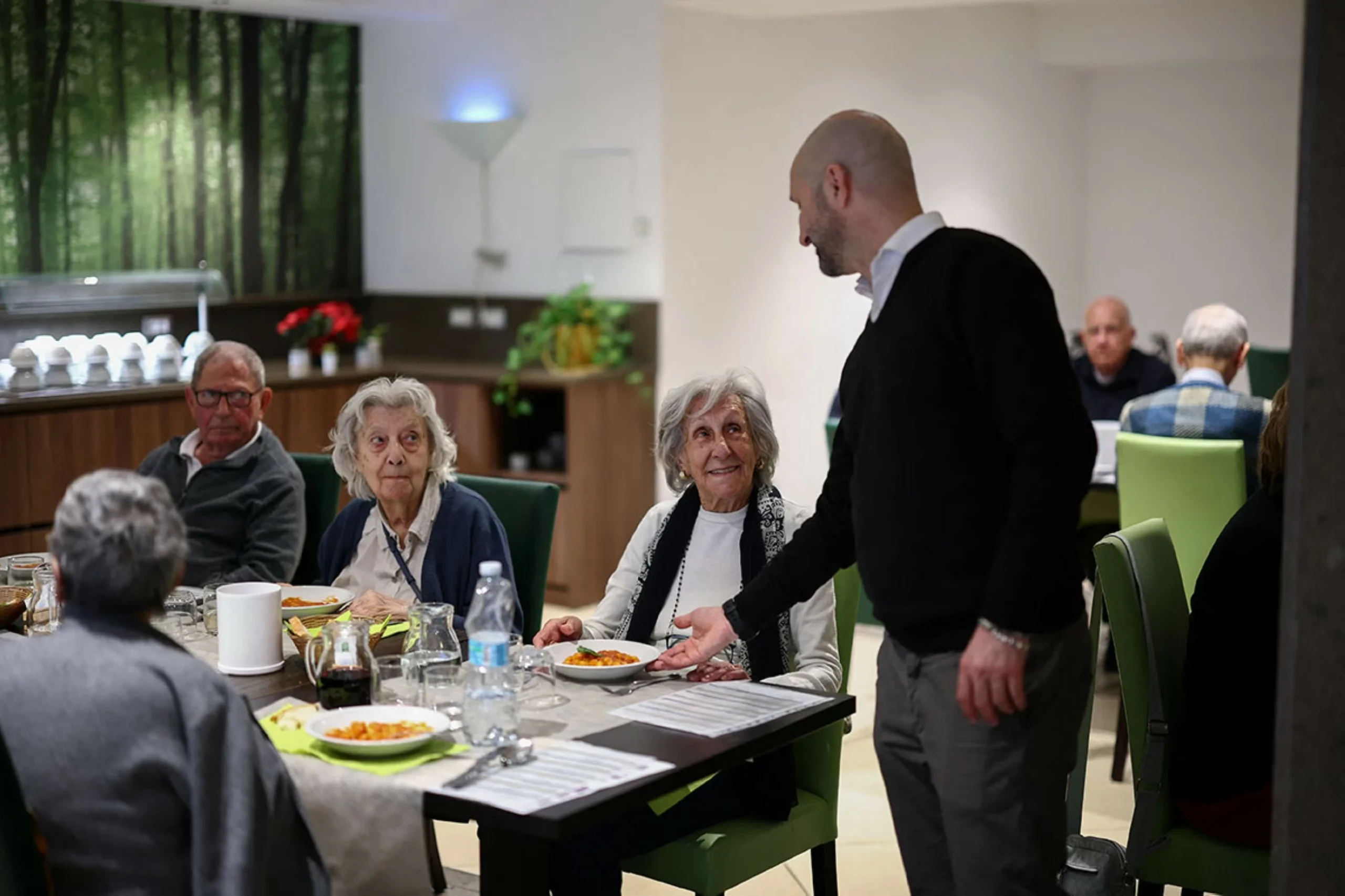
As Italians live longer and traditional family care weakens, growing numbers of sprightly seniors are tempted by new residential developments — known as “silver housing” — that promise independence with community life and services. These

Opinion
As you like it!

As you like it!

In the age of likes and dislikes I feel children should be given tips on how to stay confident and how to negate criticism because social media platforms like Instagram and Facebook have the potential

Opinion
Victory not enough

Victory not enough

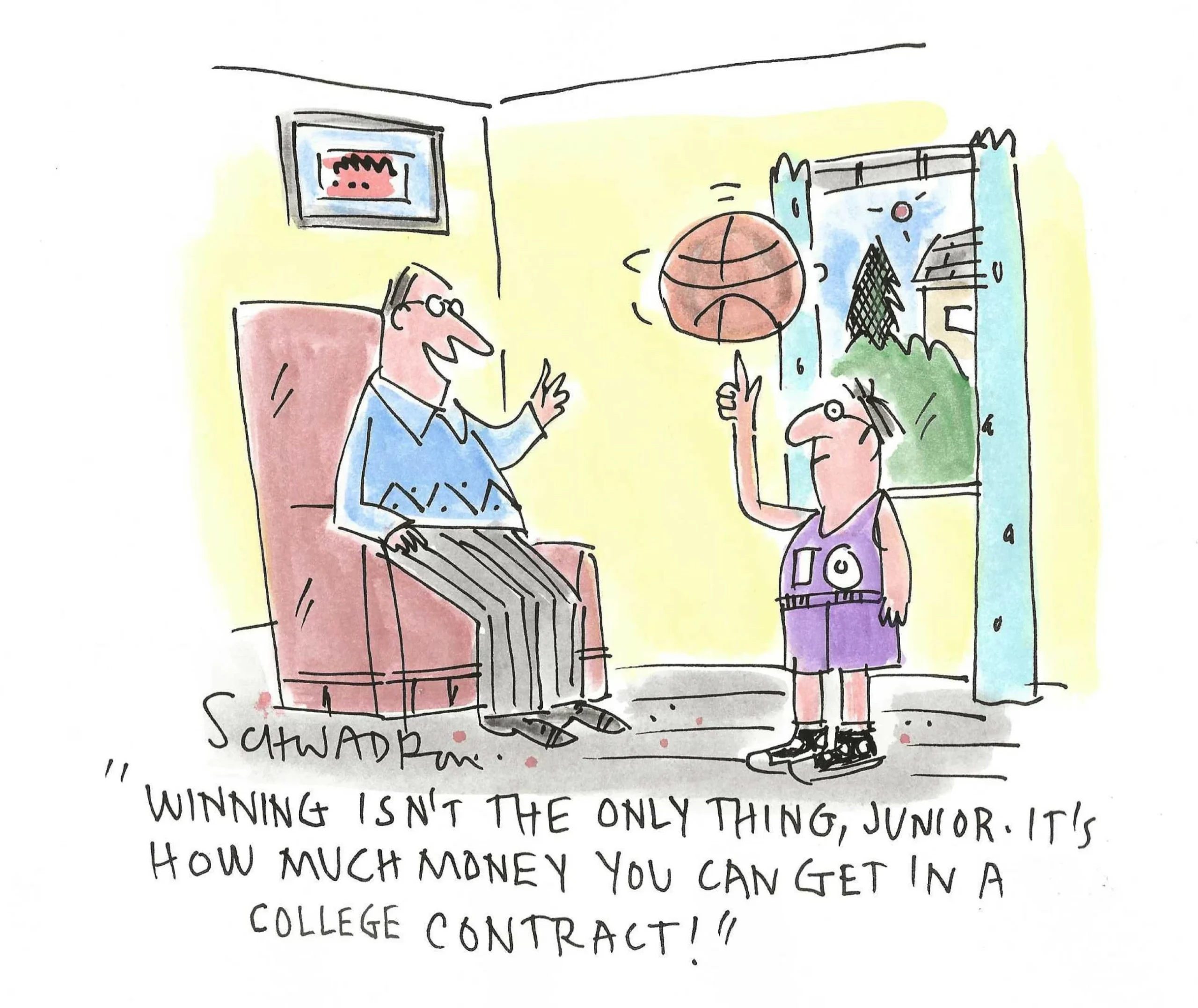
Victory not enough

Opinion
Soaring costs, fuel shortage fears drive Pakistan to electric motorbikes

Soaring costs, fuel shortage fears drive Pakistan to electric motorbikes

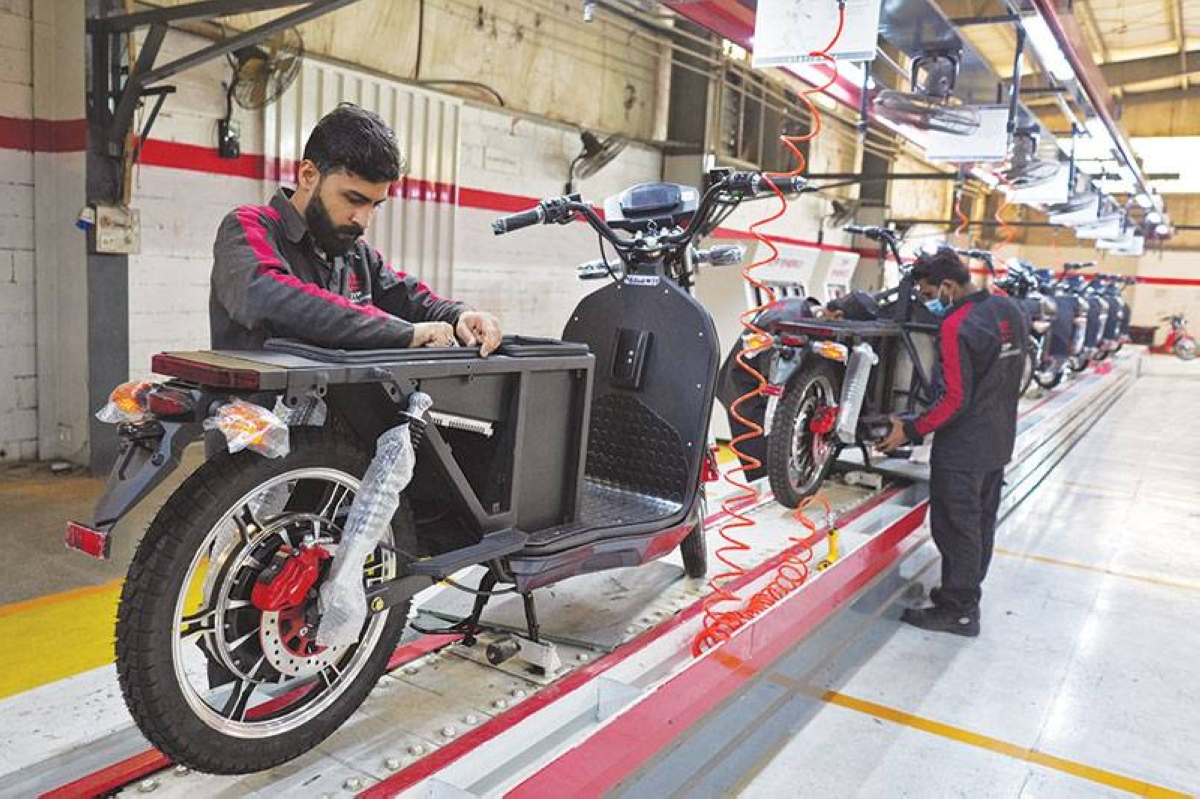
Days after Iran effectively blocked shipping through the Strait of ‌Hormuz following the start of US and Israeli attacks in late February, two Pakistani electric motorbike outlets 1,400km away found themselves ​overwhelmed with enquiries. Haseeb Bhatti, who retrofits petrol-fuelled bikes ‌with battery-powered motors in the northern city of Rawalpindi, said his March sales surged 70%. For Ali Gohar Khan, who owns a 7-year-old ‌electric motorbike retail franchise with branches across Pakistan, the recent surge in ‌sales is the steepest ever. “People have this fear that maybe ‌in the near future, they might not get petrol at all,” Khan said. The Middle East crisis has sent global fuel prices soaring, compounding pain for Pakistanis already hit by inflation and a post-pandemic economic downturn. As the nation imports nearly all its oil through the Strait of Hormuz, shortage rumours took hold despite the government’s supply assurances. About 40% of Pakistan’s petrol is used to fuel the 30mn two-wheelers and three-wheeled autorickshaws. Industry officials and analysts expect the crisis to supercharge an EV rush in Pakistan, which would stand out from a broader regional surge for the availability of cheap and plentiful solar power to charge e-bikes. A switch would also help lower oil imports and bolster foreign exchange reserves, and slash emissions in the world’s most polluted country in 2025. After the government’s 18% price hike last week, a Pakistani household ​earning the median wage now pays 31% of its daily income for a litre of petrol - more than all but 22 of 139 countries tracked by globalpetrolprices.com and Our World in Data. “My monthly salary is 30,000 rupees. I can barely cover expenses for my family of six with this. How am I supposed to fill my bike?” said Zahoor ‌Ahmed, a security guard in the southern city of Karachi. From working professionals to college students, ​more riders have been turning to EVs in recent months. Last year, higher petrol prices drove up EV sales nearly three-fold to ​90,000 units or 5% of all two-wheelers sold, data from consultancy Renewables First showed. This year, EVs have accounted for more than 10% of monthly two-wheeler sales for the first time, said Talha Khan, CEO at EV logistics planning company Orko, a transition he expects to accelerate as filling up with conventional fuel can be as much as 10 times more costly than charging. “Today, the war situation is bad, so petrol prices are going up. I think this (EV) is a very reasonable thing. Everyone should buy one,” said Noori Shahbaz, a housewife purchasing an electric bike in Lahore, in a country where female riders remain a small but growing minority. GENEROUS SUBSIDIES AND INTEREST-FREE LOANSA typical electric two-wheeler costs around 250,000 rupees and 56% more than the popular petrol-fuelled Honda CD 70, which costs about 160,000 rupees. In February, the government’s Pakistan Accelerated Vehicle Electrification (PAVE) plan came into force, providing a subsidy for a fifth of the price and interest-free loans for the rest. The plan targets electric bikes and ‌autorickshaws. It has already received about 270,000 applications - nearly seven times PAVE’s ‌first phase target ending June - Finance Ministry adviser Adnan Pasha told Reuters, adding that the government aimed to finance 2mn EVs over five years and fund the plan with existing levies on fuel sales. “Electrifying just 2mn vehicles could result in nearly half a billion dollars in annual savings, as we don’t have to import that fuel,” Pasha said. Many Pakistanis turned to solar after IMF-driven power tariff hikes in 2023, snapping up cheap China-made panels for their homes. Now the government aims to capitalise on that boom to drive EV growth. “Using solar can reduce electricity costs at charging stations, and make it more affordable to charge at home,” Pasha said.Ammar Habib, an adviser to Pakistan’s power minister, said EVs were also “great for the grid as the steady demand from electric vehicle charging will ease some of the daytime volatility linked to solar oversupply.” CHINESE PLAYERS AT HEART OF EV SHIFTLike its solar revolution, Pakistan’s embrace of electric two-wheelers is built ​on Chinese brands. Scooter makers such as Yadea and Jinpeng, and e-bikes assembled locally with batteries and components from firms including AIMA and Sunra are expected to meet rising demand. Chinese EV giant BYD, which launched its cars in Pakistan through a local partner also working with HUBCO Green to build charging stations across the country, said it plans to support broader electrification to eventually sell more passenger cars. Pasha said the government wants local companies to build charging stations and said he expected the 45% cut to charging stations’ power tariffs last year to continue boosting adoption. However, financial incentives could come under pressure if the war drags on, while a lack of local expertise and hard-to-scale charging infrastructure are other risks for Pakistan’s EV transition, said Ahtasam Ahmad, energy finance lead at Renewables First. Good servicing networks are critical as EVs are more sensitive to potholes, which are common on South Asian roads. In neighbouring India, riding e-scooters on poorly maintained roads has caused ‌major service backlogs. “When Chinese players flood the ​market, it may look promising on paper, but with virtually no after-sales service infrastructure, they risk eroding consumer confidence in the technology,” Ahmad said.

Opinion
Consumers want weight-loss pills for cost and convenience

Consumers want weight-loss pills for cost and convenience

Americans starting weight-loss medicines for the first time want lower cost and greater convenience as they consider pills from ‌Novo Nordisk or Eli Lilly, according to seven doctors who specialize in obesity. Novo’s Wegovy pill has been on the market ​since January, while Lilly’s just-approved Foundayo joins the fray ‌this week. Reuters interviews with the specialists show a promising landscape for oral weight-loss drugs as the companies compete for ‌share in the fast-changing obesity treatment market seen topping $100bn a ‌year in the next decade. Danish drugmaker Novo Nordisk launched injectable ‌Wegovy in 2021. The pill, like injectable Wegovy and Ozempic for diabetes, has the active ingredient semaglutide. In the three months since its approval, the oral version has appealed to patients for its lower cost and ease, the doctors said. The pills don’t need refrigeration, are more discreet and don’t require the use of needles, said Dr Christina Nguyen, an obesity and family medicine physician in Atlanta. “One person said I’d rather stay fat than ever use a needle. That’s a true fear,” she said. Lilly’s Foundayo pill, with active ingredient orforglipron, will begin shipping this week. All seven doctors said they had begun prescribing oral Wegovy, and three said they have prescribed the pill to about 10% of their patients. Of those patients, most are taking a GLP-1 for the first time, rather than switching from injectables, and have not ​yet reached the highest dose, the doctors said. “It is expanding access to people who are not sure that an injectable is something they would feel comfortable doing on themselves, might be leery of needles, and they’re excited to have an option that is easier and more familiar to take,” said Dr Stefie Deeds, an ‌internal and obesity medicine specialist in Seattle. If patients are tolerating an injectable GLP-1, ​doctors are reluctant to switch them to pills unless requested. “The patients we see who are taking medicines, whether it’s Wegovy ​or (Lilly’s) Zepbound, we’re not telling them to switch to oral Wegovy if they’re doing well,” said Dr Louis Aronne, director of the Comprehensive Weight Control Center at Weill Cornell Medical College. Aronne has consulted for Lilly and was an investigator on the orforglipron clinical trial, and is an advisory board member of both Lilly and Novo. Zepbound, with the active ingredient tirzepatide, has been shown in trials to reduce weight by some 20% or more. That makes it the preferred option for treating patients with severe obesity, especially those with more complex cases, doctors said. “For somebody who is in the lower end of the weight spectrum, people who are more likely to be seen by primary care physicians, they would be more likely to use the orals,” Aronne said. In trials, Foundayo led to an 11% reduction in body weight over 72 weeks and oral Wegovy led to about a 14% reduction over 64 weeks. Several of the ‌doctors said they were eager for Lilly’s pill, chemically ‌known as orforglipron, to be approved so they would have a more flexible option to present to patients. Oral Wegovy must be taken on an empty stomach with just a sip of water 30 minutes before any other medications or food and drink. Lilly’s Foundayo can be taken any time of day without food or water restrictions. Nguyen said that if the Lilly pill is competitive on price with oral Wegovy, “most likely everyone will go with the orforglipron.” Novo spokesperson Liz Skrbova said that based on its survey results, most patients would not find the timing restrictions to be disruptive. Semaglutide has also been found in trials to have other health benefits like reducing cardiovascular risks. A ​Lilly spokesperson said the company is still studying Foundayo and that many participants in its clinical trial saw some reduction in markers of cardiovascular risk. Patients consider many factors when picking a GLP-1, but by far the most significant is cost, the doctors said.