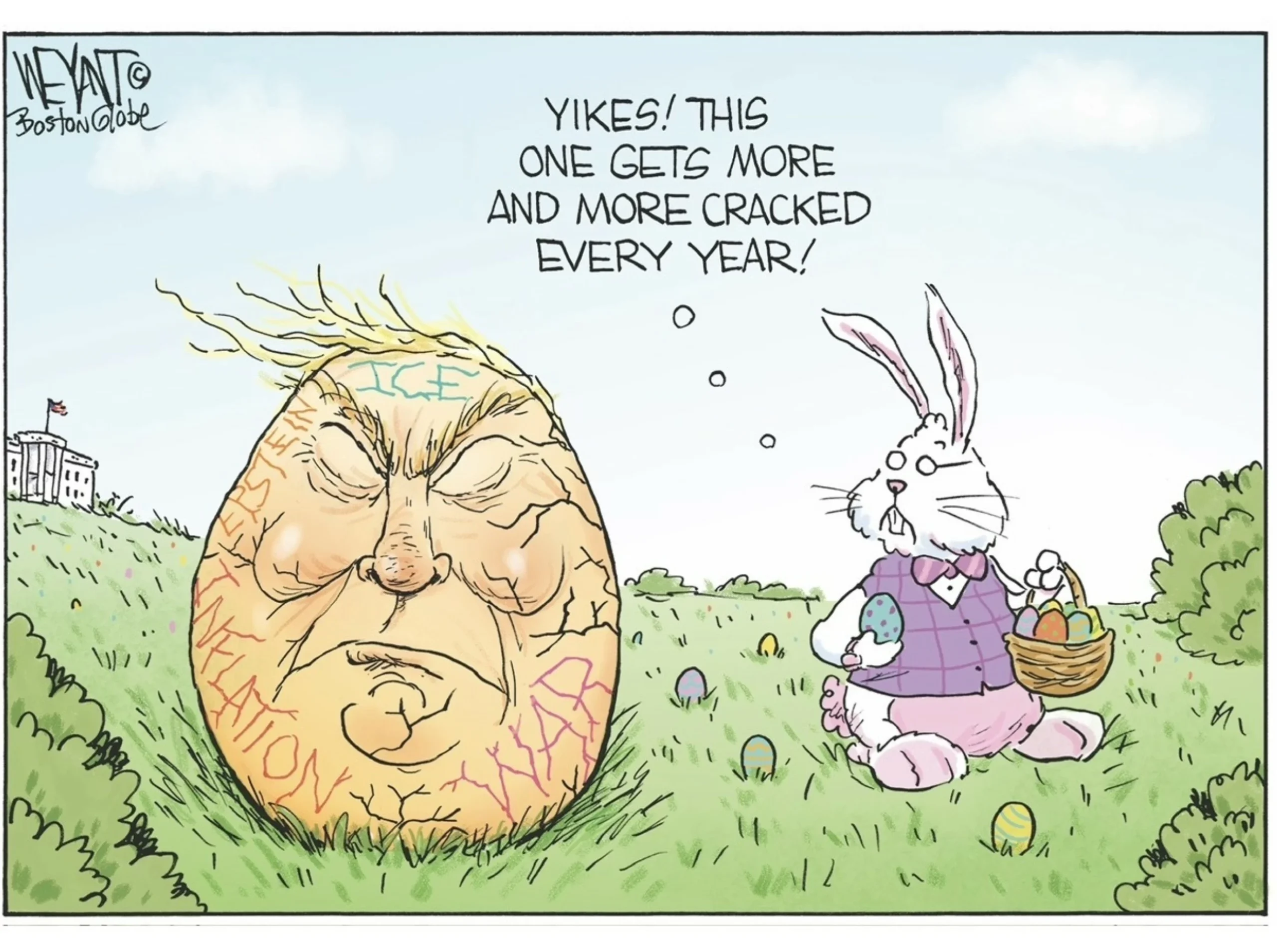
Cracking quickly
-
admin
- April 6, 2026
- 1
Cracking quickly

 admin
admin
Leading Russian state oil and gas companies Rosneft and Gazprom supported wartime camps where more than 2,000 Ukrainian children were taken, facilitating transportation and providing funds, Yale University research has alleged, prompting calls from some US lawmakers to reinstate sanctions on the two firms. The findings, released by Yale last week, provide the first “definitive public proof of these companies’ critical involvement in Russia’s systematic campaign of child deportation and indoctrination,” the Yale School of Public Health’s Humanitarian Research Lab (Yale HRL) publication said. With the support of the two energy giants, approximately 2,158 children were taken to the camps in Russian-occupied Ukraine and Russia between 2022-2025, it said, including for pro-Russian education. Yale’s conclusions were based on analysis of public statements by individuals, verified social media posts, corporate websites and records, it said. Reuters could not independently confirm the report’s findings. Russia’s foreign ministry and Ukrainian authorities did not respond to requests for comment. In response to a Reuters request for comment on details of the report, Gazprom said: “Gazprom owns several health resorts in Russia and Russian children spend summer vacations there.” Russia has consistently denied it forcibly took Ukrainian children, saying it removed them from danger on humanitarian grounds. It has dismissed earlier Yale reports as anti-Russian propaganda. Lawyers representing Rosneft said in a letter to Reuters that Yale’s report failed to find any evidence of participation in illegal activity by the company. At least 1,072 children from Russia-occupied Ukraine received vouchers from Gazprom subsidiaries and trade union organisations to attend pro-Russia camps in 2022 and 2023, Yale’s report said. Rosneft’s Interregional Trade Union sponsored 100 children from Ukraine to attend three camps in 2022, it said. Rosneft’s trade union did not respond to a request for comment. Rosneft’s lawyers said that the union was a separate legal entity, independently registered under Russian law. They also said Yale did not provide any evidence that Rosneft “directed, controlled, authorised or even knew” of the union’s alleged conduct. Michael McFaul, a professor of international affairs at Stanford who served as US ambassador to Russia from 2012-2014, dismissed the idea that Rosneft’s union was independent. “Rosneft is an arm of the Russian government... Tragically, Putin’s dictatorship no longer allows independent trade unions,” said McFaul, who served as Senior Director for Russian and Eurasian Affairs on the National Security Council from 2009 to 2012. Earlier in March, the US announced a temporary lifting of sanctions on the sale of Russian-origin crude oil and petroleum products to counter surging prices that followed the war in Iran. The White House did not respond to a request for comment. A bipartisan group of 12 members of US Congress cited Yale’s findings in an appeal to reimpose sanctions on Gazprom and Rosneft, which were also lifted under the waiver. A letter drafted by Ohio Representative Greg Landsman and shared with Reuters said that “the recent revelation of their direct involvement in Russia’s abduction of over 35,000 children from Ukraine is cause for significant alarm.” The letter, which was to be sent to Secretary of State Marco Rubio and Treasury Secretary Scott Bessent, called for 35 additional entities identified by Yale to be sanctioned, adding that the 30-day sanctions waiver for Russian oil sales will result in approximately $12bn of revenue for the two Russian companies. Under international law, the forced deportation and transfer of children from occupied territory to the territory of an occupying power or to that of any other country is a war crime, regardless of the motive, and Ukraine has classified it as a crime against humanity. Russian President Vladimir Putin and his commissioner for children’s rights, Maria Lvova-Belova, have been accused of the war crime of deportation for the illegal transfer of Ukrainian children. The International Criminal Court issued an arrest warrant for Putin and Lvova-Belova for their alleged roles in atrocities during the war that began with Russia’s 2022 invasion of Ukraine. The Office of the Prosecutor at the ICC did not respond directly to the assertions raised in the Yale report. Russia has rejected the court’s allegations.
 admin
admin
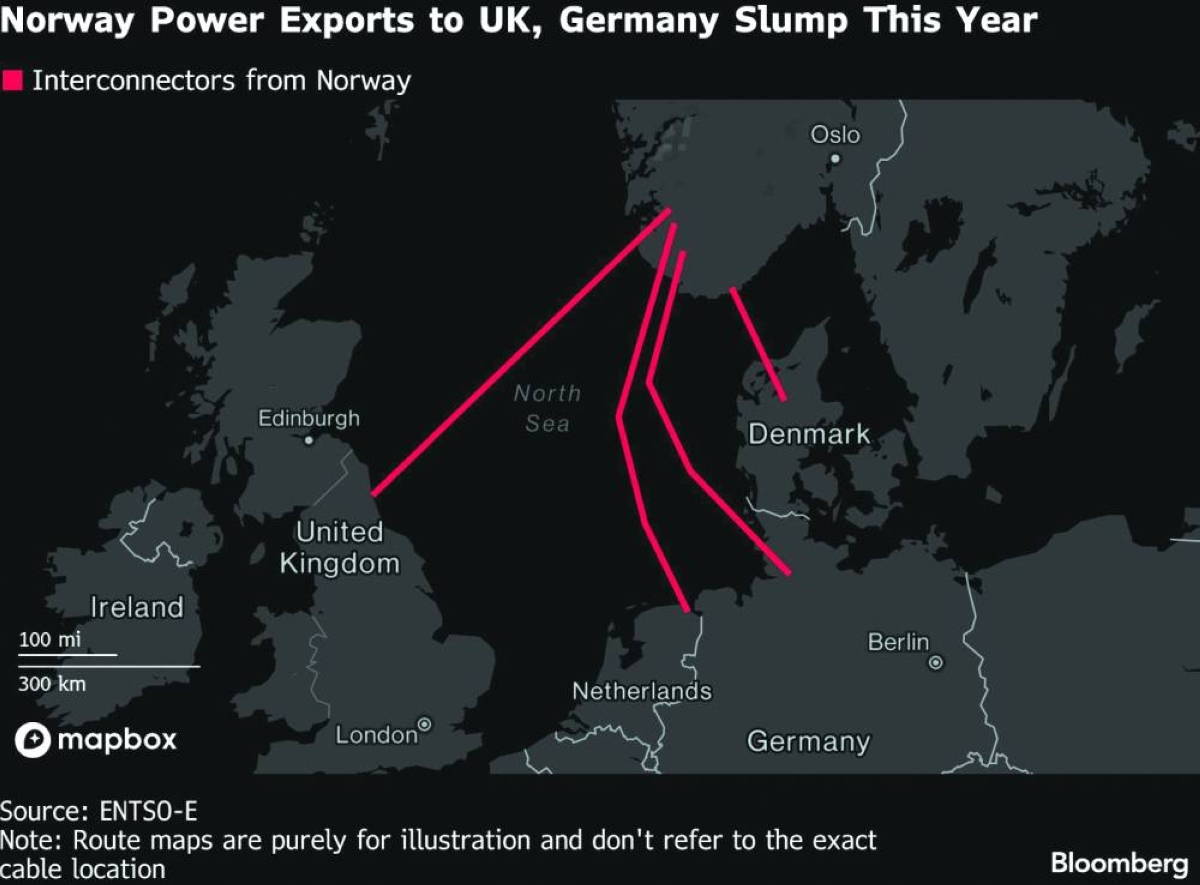
High in the mountains of southern Norway, where winter is usually measured in metres of snow, engineers are confronting an unfamiliar sight. Standing atop the Vatndals dam on a recent day, the hydrologist Sverre Eikeland looked out over craggy slopes that should still be blanketed in white powder. The reservoir, large enough to fill nearly half a million Olympic swimming pools, depends on spring melt to replenish and generate electricity. But after Norway’s driest winter in decades, the water level is far below where it should be, prompting companies to limit outflows. “Less snow means less energy stored in that snow,” said Eikeland, who advises power utility A Energi. “There should be more.” Norway, with its thousands of dams, is often called Europe’s biggest battery. Under normal conditions, the country’s hydropower system produces enough electricity to meet domestic demand and export large volumes. Last year, net sales abroad amounted to about 15% of its production. But months of dry weather have upended that pattern. This winter was Norway’s coldest since 2010, the result of persistent high pressure near Greenland that blocked flows of moist Atlantic air into the Nordic region. With little precipitation, snow reserves have fallen to their lowest levels in two decades, creating a deficit of about 25 terawatt-hours of energy, according to Tuomo Saloranta, a hydrologist at the Norwegian Water Resources and Energy Directorate. That’s nearly a fifth of Norway’s total hydropower output last year. The shortfall is already rippling through electricity markets, slashing exports to the UK and Germany and pushing Nordic prices sharply higher. More than half of the region’s supply comes from hydropower, and in Norway it accounts for nearly all generation. While hydro is generally more predictable than wind and solar, it still depends on sufficient precipitation and snow accumulation. “We’re a weather-based system,” said Kari Ekelund Thorud, executive vice president for energy at Norsk Hydro ASA, one of Norway’s biggest power users. “We are much more vulnerable if the weather goes the wrong way.” Waterways like the one Eikeland oversees are ubiquitous in Norway. Stretching more than 200 kilometres, the Otra river, fed by the Vatndals reservoir and surrounding lakes, runs through long, sparsely populated valleys dotted with small farms and holiday cabins. Forests on either side are home to moose, deer and beavers. Yet for all its seemingly untouched beauty, the river is highly managed through a network of hydropower stations, pumped-storage plants and dams. Strict rules govern how much the water can rise or fall. Nearly every drop is accounted for: Close to 80% of annual rainfall is captured, and only one waterfall remains undeveloped. Annual snowmelt is key to keeping the system balanced. This year, when A Energi measured the snowpack — using rods to extract cores and measure density — staff realised they had a problem. “There was no snow in February, and now none in March,” said Lars Erik Omland, who leads the company’s market analysis team. “We gradually realised that this would be a winter with little snow.” Consumers are already feeling the pinch. Electricity sales to the UK and Germany — major export markets — have plunged by about 50% and 40% this year, respectively, while winter energy prices in northern Sweden have surged to more than four times their 2025 levels. The Nordic region’s ski resorts have also come under pressure, facing the double burden of producing more artificial snow while struggling with steep electricity costs. In Sweden, Ulf Svensson, who heats his home with electric radiators, got a shock when he received his latest bill. “I never thought it would be this high,” he said, citing a monthly charge of more than 10,000 kronor ($1,000). “We’ve always had really low rates here up north.” Fading Price AdvantageThe surge in electricity prices comes at a difficult moment for Europe, as the region contends with higher gas prices tied to the war in the Middle East. In the UK, windier-than-average weather has helped keep the country supplied despite a drop in imports from Norway. Even so, the most expensive hours are still often covered by fossil fuels — a challenging dynamic as exports through the Persian Gulf have effectively come to a standstill. For traders, the scale of Norway’s shortfall is distilled into a single number. The so-called hydrological balance measures the amount of energy stored in snowpack, reservoirs and groundwater relative to seasonal norms, and is monitored several times a day alongside indicators like French nuclear output and European gas storage. The deficit widened in late February to its lowest level since 2011 and remained close to that mark through most of March before improving slightly this week. In southern Norway, which is linked to the continent and the UK by subsea power cables, snow levels are the weakest for this time of year since 1996. Nordic day-ahead power prices have this year traded just shy of Germany’s — a market that’s been 60% more expensive over the past decade. The convergence underscores how quickly the region’s traditional price advantage can disappear if water reserves shrink. “When the Nordic region has a hydrological deficit, the export of relatively cheap power to markets like the UK and Germany drops significantly,” said Staffan Bergh, head of analysis at industry consultant Bodecker Partners AB. “They then often have to rely on more expensive production, which typically drives up spot prices and volatility.” This year’s frigid winter has also boosted electricity demand. Oslo recorded more than 30 consecutive days with temperatures below 0C (32F), the longest such stretch in about 16 years, according to the Norwegian Meteorological Institute. Prolonged freezing conditions have raised heating demand and stored precipitation as snow and ice, delaying inflows to reservoirs. At the same time, wind generation has dropped sharply. Wind speeds across Scandinavia in January and February 2026 were well below long-term climate norms, sinking to the lowest levels recorded since 2013, according to the University of Maine’s Climate Change Institute. By contrast, the UK and Germany saw stronger output during the same period, which has helped stabilize the European market. For now, the depleted hydro balance is supporting forward power contracts through the end of the year, boosting returns for generators across the region. With winter ending, the window to rebuild reserves is closing fast. Rain storms alone likely won’t be enough. “It’s clear that more than a single event is needed to refill the reservoirs,” said Tarjei Breiteig, head of hydrology and meteorology at A Energi. “Even if it’s extreme, it has to be part of a longer trend over time to correct the situation. That said, it can swing really fast.”
 admin
admin
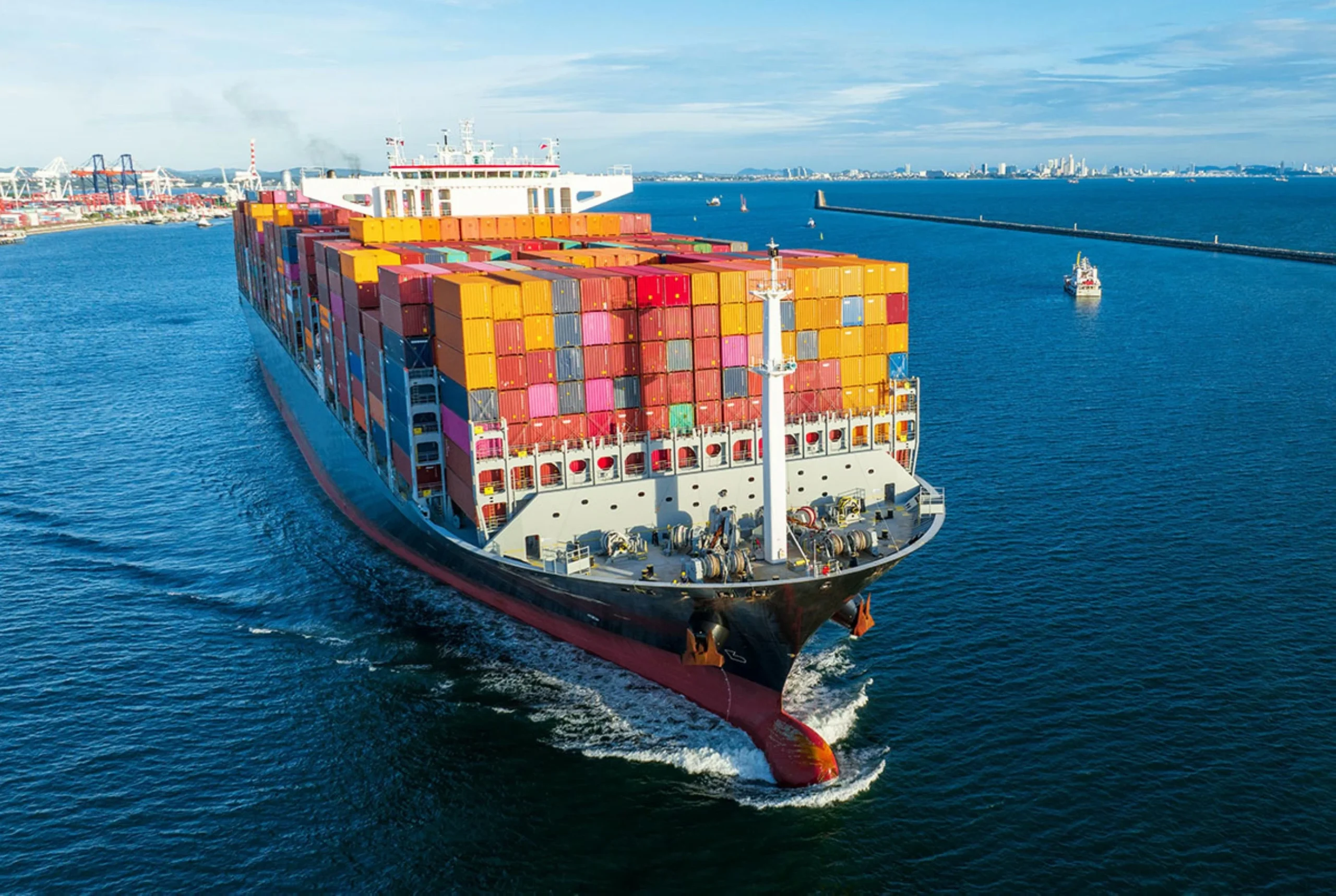
Medicines can stop pain, fight cancer and save lives but are worthless if they get lost in the mail, spoil in a hot warehouse or are stuck on a ship. This is where pharmaceutical logistics
 admin
admin
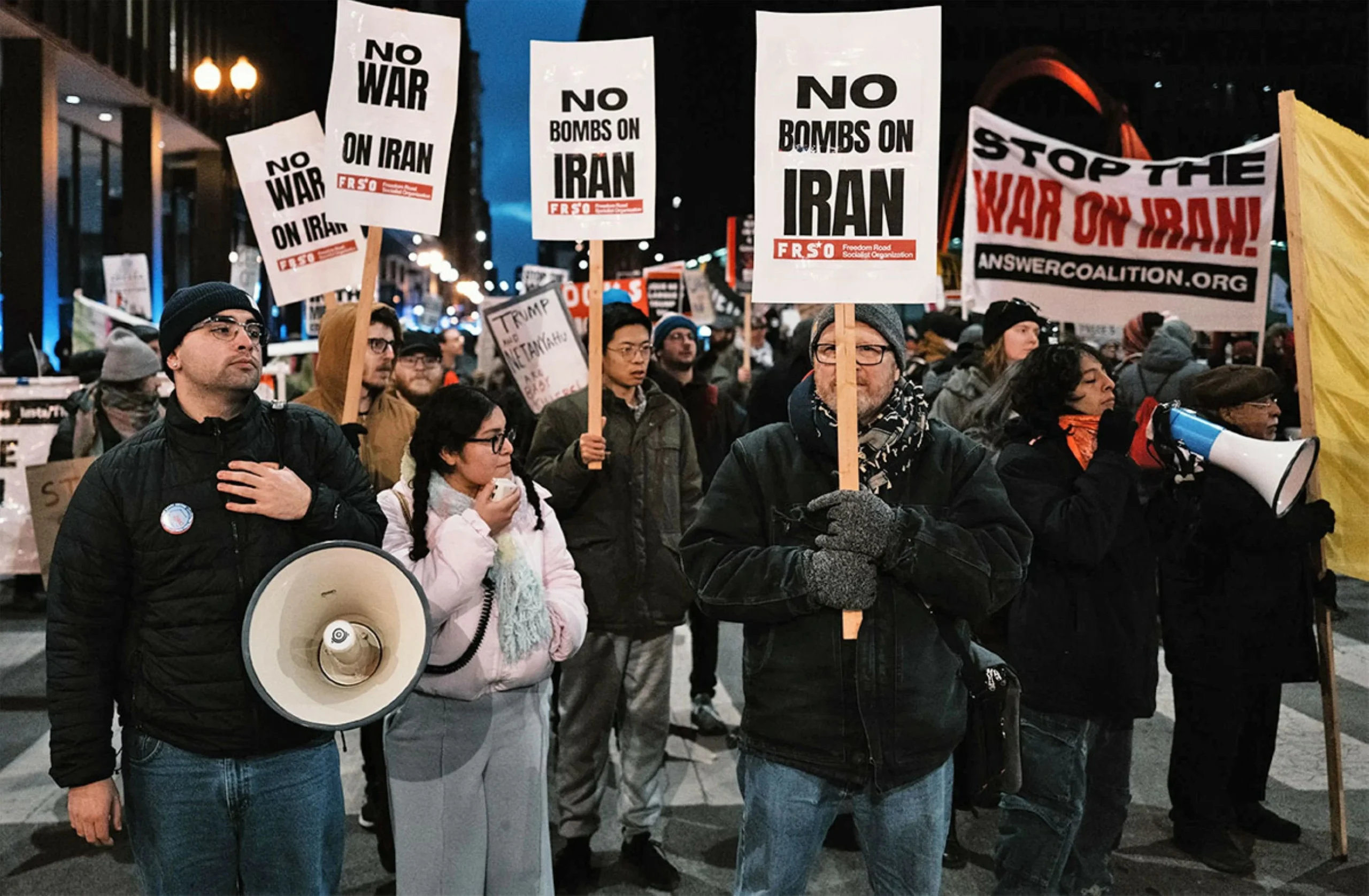
More than 100 US international legal experts and academics have been cited by the "Just Security" website as ruling that the war waged on Iran by the United States and Israel is a "clear violation
 admin
admin
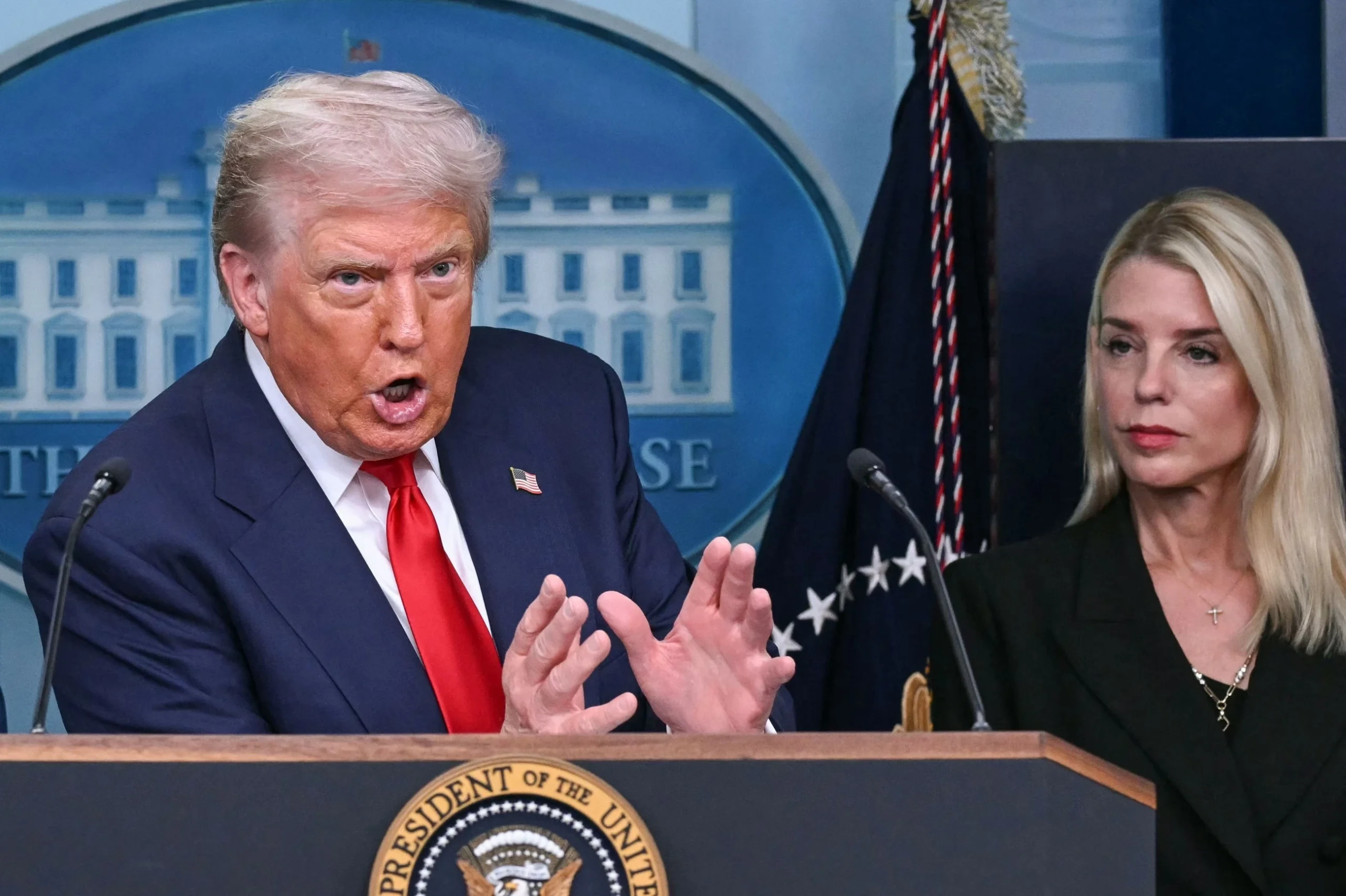
Mark Weisbrot, Tribune News ServiceIn the last year there have been a record number of legislative efforts to block military actions, threatened or carried out by the Trump administration, that are seen as illegal or
 admin
admin
Chennai Super Kings (CSK) failed to register their first win again on Friday. CSK are one of the most admired teams of the IPL. CSK’s fans dressed in yellow attire come in huge numbers to
 admin
admin
The global surge in fuel prices is exposing how unevenly South America is positioned to absorb the shock, with Argentina’s radical free-market experiment under President Javier Milei facing particular pressure.Among Argentina’s neighbours, import-dependent Chile has been among the hardest hit by fallout from the US-Israeli conflict with Iran. Fuel prices there are set to jump as much as 30% for gasoline and 60% for diesel after the government was forced to unwind its price-stabilisation scheme, citing strained public finances. In Brazil, state-run energy firm Petrobras this week raised jet fuel prices by about 55%. Central bank officials have warned that the oil shock could weigh on inflation even as Brazil’s status as a net oil exporter offers some cushion. Peru has also felt the strain, with inflation spiking in March amid higher fuel prices and domestic supply disruptions. Uruguay stands out as an exception, according to a Citi analysis, due to its providing fewer direct energy subsidies and having adequate international reserves. The price surge is hitting Argentines’ transport, food and household costs, undermining Milei’s argument that he is winning a fight with what had been runaway inflation through deep spending cuts and deregulation. “Prices are up and salaries stay very low,” said Agustin Pecora, a construction worker on a railway project in Buenos Aires province.In what has been posing a challenge to Milei’s inflation-slayer narrative, monthly inflation has stalled near 3% for nine months, or about 33% annually, and private forecasters were already raising 2026 estimates before crude prices surged in February. “The Iran shock has arrived at the worst possible moment for Milei’s counter-inflation programme,” said Mariano Machado, Americas analyst at Verisk Maplecroft.Gasoline prices in Argentina are up about 15% on average since late February, according to energy analyst Fernando Bazan at consultancy Abeceb, putting Milei’s goal of pushing monthly inflation below 1% by mid-year increasingly out of reach. Over the past week, officials have relaxed gasoline quality standards and postponed a tax hike on fuel, though Bazan said the impact will be limited.An Argentine government source told Reuters that no further measures were being contemplated and energy subsidies must remain capped at 0.5% of GDP this year to meet fiscal targets.At the centre of the dilemma is state energy firm YPF , which dominates Argentina’s fuel market and has so far raised prices more cautiously than global benchmarks. “If oil is at $120 or $150 per barrel, then YPF’s shareholders will pressure management to maximise returns,” said financial advisor Paula Bujia. Despite repeated assurances that price pressures would be transitory, YPF late on Wednesday introduced a 45-day buffer on gasoline prices, aiming to shield households from volatility in global markets.“During this period, YPF will not pass on the impact of new fluctuations in Brent prices to consumers,” Chief Executive Horacio Marin told local media, adding that the measure was “not a price cap” and prices would remain constant. Argentina’s position is structurally stronger than a decade ago. Development of the Vaca Muerta shale formation has turned a nearly $7bn energy deficit in 2013 into a surplus. Still, the country remains reliant on natural gas imports during peak winter demand, which begins in June. The experience elsewhere in the region underscores the political risks Milei faces. Fuel hikes in Chile have already triggered protests, denting the popularity of freshly inaugurated President Jose Antonio Kast.“A fuel price shock impacts an electorate lacking financial leeway, turning economic discomfort into a political grievance,” Machado said - one that could “provide the glue” for Argentina’sw fragmented opposition ahead of the 2027 presidential race. (Reuters)
 admin
admin
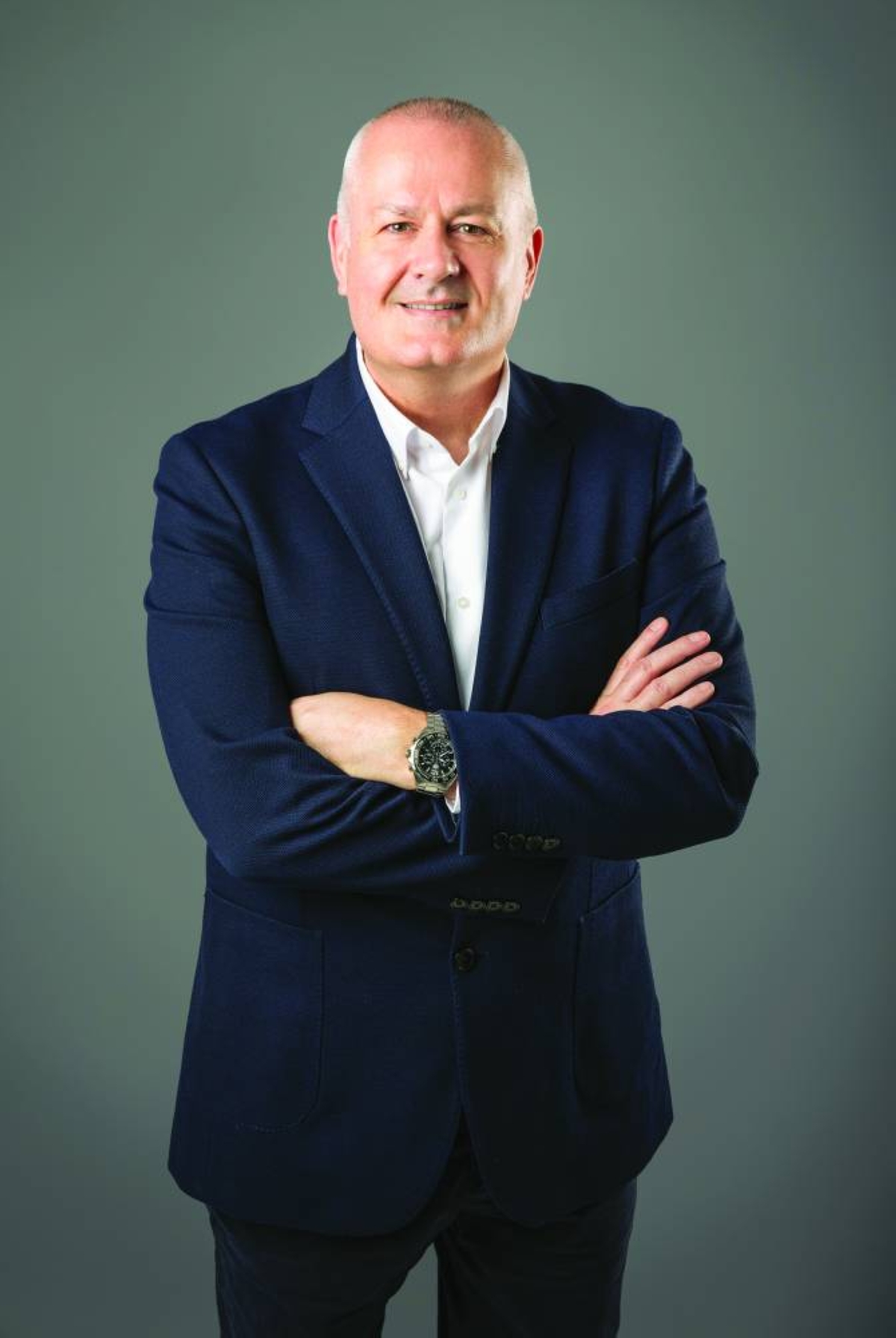
Having lived and worked in the Gulf for over 25 years, I can say with some confidence that this past year has witnessed the most significant period of change I have experienced in that time.The pace, the complexity, and the broader geopolitical context have combined to create a moment of genuine inflection for the region. And yet, within that, Qatar stands out as a market that has been deliberately preparing for precisely this kind of environment.In boardrooms across Europe, there is a familiar question: where next? Which markets offer not just growth, but a degree of certainty in an increasingly unpredictable world?Qatar is often part of that conversation and rightly so. It combines financial strength, political stability, and a clear sense of direction. But it is also, in my experience, one of the more frequently misunderstood markets.There is a tendency among some international firms to assume that Qatar is straightforward. That if you have succeeded elsewhere in the Gulf, you can replicate the model here with minimal adjustment. You cannot.Qatar is not a difficult market in the conventional sense, but it is a deliberate one. Decisions are thoughtful, grounded in consensus and long-term vision. And relationships are not a box to tick along the way; they are central to how business is done.For companies approaching the market with a short-term mindset, that can be frustrating. For those willing to take a longer view, it is precisely what makes Qatar attractive.Part of that strength lies in fundamentals. Qatar was built on a combination of substantial natural resources, prudent fiscal management, and a state apparatus that has historically taken a measured, strategic and pragmatic approach to development. The result is a country with deep financial reserves, a strong sovereign balance sheet, and the ability to invest counter cyclically when required.But financial strength alone does not explain resilience. Equally important is the regulatory and institutional environment that underpins it. Qatar has, over time, developed a legal and regulatory framework that is both increasingly sophisticated and aligned with international standards, particularly in areas such as financial services, dispute resolution, and foreign investment. Entities such as the Qatar Financial Centre and a growing ecosystem of specialised regulatory bodies have helped create a platform that balances openness with oversight.In many respects, Qatar has become a reference point for how a small, resource-rich state can leverage its wealth with foresight. Its regulatory evolution, strategic investment in human capital, and steady diplomacy all demonstrate a model of governance that others in the region increasingly look toward.For international businesses, this matters. In a region where regulatory approaches can vary significantly, Qatar offers a degree of clarity and consistency that is often underestimated. Processes are designed to ensure consistency and quality over speed – a reflection of Qatar’s preference for deliberation over haste.Requirements are clear. And once established, there is a level of institutional continuity that provides confidence over the long term.Much of this comes back to the country’s broader direction of travel. Qatar National Vision 2030 is often referenced, but not always fully appreciated. It is not simply a policy framework; it is actively shaping how institutions think, how projects are prioritised, and how partnerships are assessed.Increasingly, the conversation has moved beyond capability. Of course, delivery still matters. But the more important question now is whether a business adds something meaningful. Whether it aligns with national priorities around diversification, sustainability, and human capital.The companies that do well here tend to understand that instinctively. They take the time to get to grips with the local context. They resist the temptation to apply a standard “Gulf strategy.” And they invest in relationships in a way that is genuine rather than purely transactional.This all sits against a more complex regional backdrop. The current escalation involving the United States, Israel, and Iran has introduced a level of geopolitical tension not seen in years, with direct military exchanges, pressure on key energy routes such as the Strait of Hormuz, and wider economic ripple effects already being felt.For businesses, this reinforces an important point: stability in the Gulf cannot be taken for granted, but nor should it be misunderstood. Markets like Qatar have demonstrated a capacity for resilience, institutional continuity, and measured decision making, even in periods of regional uncertainty. If anything, the current environment places a greater premium on credibility, long-term thinking, and trusted partnerships.The post-World Cup period has only sharpened this dynamic. The infrastructure phase, at least at the pace we saw previously, has largely given way to something more targeted. The focus now is on making assets work harder, developing specific sectors, and ensuring that growth is sustainable.That creates opportunity, certainly, but it also raises expectations.It is no longer enough to simply be present in the region. Businesses need to demonstrate how they are relevant to Qatar’s next phase, whether that is through knowledge transfer, innovation, or supporting the development of local capability. This is particularly evident in sectors such as education, healthcare, technology, and advanced services, where the emphasis is increasingly on quality, localisation, and long-term value creation.There is also a reputational dimension that should not be overlooked. Qatar has, over the past decade, built a distinct international profile across investment, diplomacy, media, and sport. For companies operating here, that visibility cuts both ways. Alignment matters and so does how you communicate your role within the market.One of the more common mistakes I have seen is treating Qatar as interchangeable with its neighbours. There are similarities, of course, but the differences are significant, and they matter. Each Gulf market has its own rhythm, its own institutional culture, and its own priorities. Ignoring that in Qatar is a quick way to lose traction.None of this is to suggest the market is closed off. Far from it. Qatar remains open, well capitalised, and actively interested in international expertise. The direction is outward looking, and the ambition is clear.But the terms are evolving. Success here is less about how quickly you can enter, and more about how seriously you take the market once you are in.For those prepared to invest the time and effort, the rewards are real. Qatar offers a stable platform, access to long-term opportunities, and the chance to be part of something more substantive than a simple commercial transaction.Qatar’s story today is one of deliberate strength – financial, institutional, and strategic. In a region that continues to evolve at pace, it offers a model of calm confidence and purpose. For global businesses seeking long-term partnership over short-term gain, Qatar is not just an attractive destination; it is becoming a benchmark for how emerging markets can combine ambition with stability.• The writer is the Managing Director of Sovereign PPG Qatar, part of the Sovereign Group, a leading corporate service provider across the GCC.