1. Home
  2. Opinion

Category: Opinion

Opinion
Big Tech faces social media addiction trial amid global backlash

Big Tech faces social media addiction trial amid global backlash

Across the world, an estimated 95% of teens use social media and the United Nations has emphasised that tech companies must prioritise safety over profits, calling for stronger regulation and digital literacy. Currently, governments across the world are increasingly implementing or proposing legal curbs on social media for minors to combat rising rates of anxiety, depression, and online harassment. Now, two of the world’s largest social media platforms are facing a jury trial in the US over allegations that they intentionally designed their products to be addictive to young people, drawing comparisons to Big Tobacco’s reckoning with consumer addiction three decades ago. The trial in Los Angeles, the first of its kind, centers on a 20-year-old woman who says her nonstop use for more than a decade of sites including Meta Platforms’ Instagram and Google’s YouTube caused her to suffer anxiety, depression and body dysmorphia. The companies are exposed to potentially billions of dollars in damages and the possibility that they could be forced to overhaul core features of their platforms. Thousands of similar cases brought against the two companies as well as Snap and TikTok parent ByteDance are pending in court. The Los Angeles trial is the first of several planned for this year. More than 3,000 cases brought by children, adolescents and young adults — sometimes via their parents, siblings or other family members — based on claims of psychological distress, physical impairment and death have been filed across the US. Dozens of state attorneys general are also suing the companies. Additionally, public school districts have brought more than 1,200 complaints on behalf of students. The first trial among the school cases is scheduled to be held in Oakland, California in June. The plaintiffs say that Meta, Google, TikTok and Snap design their services to hook children, an audience that academic and medical studies show is particularly vulnerable to addiction because their bodies and minds are still developing. Addictive use of social media results in an array of psychological disorders, and in extreme cases self-harm and suicide, according to the lawsuits. Such addictive use delivers the most valuable prize for the Big Tech: troves of data about young users’ preferences, habits and behaviours that are used to target them with ads. The companies maintain that their products were not built to hook kids, and that they have settings and safeguards in place to protect young users. A lawyer for Meta argued at the start of the Los Angeles trial that social media actually helps young people connect with friends and family. European countries are currently taking their broadest swipe yet at social media, with a growing number weighing bans of the services for minors and setting the stage for a new showdown with some of the biggest US companies. The policy was first implemented in Australia, encompassing Instagram and Facebook, Snap, Elon Musk’s X, TikTok and Google’s YouTube. Spain became the latest country to propose a ban on services. At least 10 other countries — France, the UK, Portugal, Denmark, Greece, Norway, Poland, Austria, Ireland and the Netherlands — and the EU are weighing similar limits. The UN, through agencies like Unicef and Unesco, has highlighted that while social media offers opportunities, it presents severe risks to minors, including cyberbullying, mental health issues, sexual exploitation, and exposure to harmful content. While acknowledging the “genuine concerns” of governments across the world the Unicef has also said “age restrictions must be part of a broader approach that protects children from harm, respects their rights to privacy and participation, and avoids pushing them into unregulated, less safe spaces.” Regulation should not be a substitute for platforms investing in child safety and laws introducing age restrictions are not an alternative to companies improving platform design and content moderation,” according to the Unicef. 

Opinion
Amid major achievements, Kuwait to celebrate 65th National Day today

Amid major achievements, Kuwait to celebrate 65th National Day today

Kuwait will celebrate today its 65th National Day, which coincides with its 35th Liberation Day. These two occasions are milestones in Kuwait’s history, which features major challenges overcome thanks to the country’s wise leadership, the solidarity of its people, and the support of sisterly and friendly nations. On this occasion, Kuwaitis recall with pride their belonging to a homeland that draws strength from its glorious past while striving to join the ranks of nations aspiring to build an honourable present and a bright future. The anniversary reminds successive generations of Kuwaitis of their forefathers’ great efforts in laying the foundations of a state that has earned the appreciation and respect of the international community through its achievements, positive roles, and outstanding relations with all countries, as well as regional and international organizations. The Qatari people share in the joy and celebrations of their brothers and sisters in the State of Kuwait on this occasion, reflecting sincere bonds of brotherhood, affection, appreciation, and pride, which stem from both countries’ deep-rooted ties on all levels. Strong and profound, Qatari-Kuwaiti relations go far back to even before the establishment of formal diplomatic relations between the two states in the 1970s, as both peoples are bound by many decades of strong ties shaped by kinship, a sense of brotherhood, a shared history and destiny, and a common purpose. Qatari-Kuwaiti ties are built on mutual trust and deep understanding, solidified by close co-operation in various fields, including the political, economic, and cultural, in the service of both countries and peoples’ interests. Doha and Kuwait City continue to move steadily towards further progress and prosperity, thanks to the care and attention shown by the two countries’ wise leadership, and their ongoing efforts to expand co-operation and consolidate integration in a manner that reflects their close ties and one that keeps pace with future aspirations, with determination and confidence. To that end, the Qatari-Kuwaiti Joint Higher Committee for Cooperation held its 7th session in Kuwait on February 8, co-chaired by HE the Prime Minister and Minister of Foreign Affairs Sheikh Mohammed bin Abdulrahman bin Jassim al-Thani and Kuwaiti Minister of Foreign Affairs Sheikh Jarrah Jaber al-Ahmad al-Sabah. Bilateral integrationThe session reviewed ways to deepen co-operation and achieve greater bilateral integration across sectors, alongside an exchange of views on issues of mutual interest. During the meeting, HE the Prime Minister and Minister of Foreign Affairs highlighted the close fraternal ties between Qatar and Kuwait, stressing the shared commitment to further strengthening relations in the interests of both peoples. The 7th session of the Joint Higher Committee for Cooperation concluded with both sides signing the session’s minutes, in addition to several agreements and Memorandums of Understanding (MoUs). These included a co-operation and news-exchange agreement between the Qatar News Agency and the Kuwait News Agency, MoUs on consumer protection and competition protection, along with an MoU to enhance the two governments’ cooperation on cybersecurity. Back in January 2020, Kuwait signed a long-term agreement with the State of Qatar to import Liquefied Natural Gas (LNG) for 15 years, (2022-2036). Under the agreement, Qatar supplies Kuwait with 3mn tonnes of LNG annually via Kuwait’s LNG complex at Mina Al Zour. Kuwait is a strategic trade partner of the State of Qatar, with bilateral trade witnessing steady growth. The direct maritime shipping line launched between Hamad Port and Kuwait’s Shuwaikh Port in August 2017 has played a pivotal role in doubling trade volume between the two countries, providing an efficient and regular channel for the movement of goods to and from Qatar. Underscoring the depth and distinctiveness of Qatari-Kuwaiti relations, and within the framework of the strong ties between the two brotherly countries, and under the directives of His Highness the Amir Sheikh Tamim bin Hamad al-Thani, the corridor road project was named “Sabah Al-Ahmad Corridor” in honour of the late Amir of Kuwait, Sheikh Sabah al-Ahmad al-Jaber al-Sabah. The corridor represents a vital new artery in Qatar’s road network and stands as an expression of Qatar’s appreciation and affection for a distinguished Arab leader renowned for his honourable positions in support of his homeland, the Arab nation and the Islamic world. The inauguration of the road reflected the high esteem the late Amir received in Qatar, at the leadership, government and popular levels, and coincided with Qatar’s participation in Kuwait’s celebrations marking the 58th National Day and the 28th anniversary of Liberation. National celebrationsKuwait is marking its national celebrations under the wise leadership of Amir of Kuwait, Sheikh Meshal al-Ahmad al-Jaber al-Sabah. Since independence, it has made steady strides in comprehensive development, achieving notable progress across global and regional competitiveness indicators. In 2025, Kuwait reached a historic milestone, ranking first globally in 10 key indicators, including financial and political stability, innovation, technological advancement, and the quality of education and healthcare, underscoring its transition from an oil-based economy to a diversified and sustainable economic power. Kuwait has also continued to advance on the international competitiveness map, ranking 49th globally in the Social Progress Index, while recording strong performance in infrastructure and societal security indicators compared to other countries, placing it ahead of major economies. Projections for 2026 indicate continued upward momentum, with Kuwait expected to maintain its position among the top five regionally in 10 new strategic indicators. Since gaining independence, Kuwait has pursued a moderate and balanced foreign policy grounded in openness and communication, guided by a belief in friendship and peace, and focused on human development and economic prosperity for its people. Within a framework of co-operation with regional and international organizations, Kuwait has supported efforts aimed at enhancing global security and stability. Through its pioneering policies, it has built solid relations with sisterly and friendly nations, played a distinguished role in advancing the Gulf Cooperation Council’s process, supported international efforts to promote peace and security. Kuwait is committed to International legitimacy law and regional and international cooperation through the United Nations and Arab and regional organizations, and has become a global leader in humanitarian aid.   

Opinion
Islamic leaders in France underline Ramadan’s humanitarian values

Islamic leaders in France underline Ramadan’s humanitarian values

A number of representatives of the Muslim community, heads of mosques, and charitable associations in France affirmed that Ramadan reflects the humanitarian spirit of Islam and allows the Muslim community in France to demonstrate solidarity, do good, and promote the values ​​of volunteering, religiosity, and commitment. In exclusive statements to Qatar News Agency (QNA), they explained that the holy month represents an annual tradition for mosques and charitable associations to intensify activities and volunteer work, and to provide social assistance to the Muslim community. They noted the remarkable turnout of young Muslims in France at mosques, Tarawih prayers, and a deepened interest in the religion, customs, and heritage of their parents and grandparents. Sheikh Hassan Belmajdoub, president of the peace association and president of the Conseil Regional du Culte Musulman (CRCM) in Bordeaux, explained that Al-Salam Mosque and Muslim Cultural Centre in Bordeaux represents the heart of the religious and cultural life of the Muslim community in the Gironde region, Nouvelle-Aquitaine, southwest France. The region includes 16 mosques and associations under the supervision of the CRCM, headed by Sheikh Belmajdoub. He noted that Al-Salam Mosque was founded in 2006 and belongs to the Muslim community of Merignac, and is celebrating its 20th anniversary. He said that the main prayer hall in the mosque is the largest of its kind in the region, accommodating about 3,000 worshippers, which reflects the interest in providing a comfortable environment for practicing religious rituals, especially during Ramadan, which witnesses a large turnout, especially during the last 10 days and Tarawih prayers. ACTIVITIES MARKED BY DIVERSITYBelmajdoub explained that the educational and cultural activities in the mosque and the Islamic centre vary to include an Arabic language school in eight classrooms that receives about 600 students, in addition to an institute for Islamic studies for French speakers, where intensive programmes in Hadith, jurisprudence and Islamic law are offered for three years, which contributes to the formation of new generations of specialised scholars and imams. He added that the mosque’s Ramadan activities are characterised by diversity and comprehensiveness, as jurisprudence lessons are organised daily after the noon and afternoon prayers, in addition to providing religious consultation and guidance before the evening prayer, bringing in a select group of jurists and imams from Morocco and several Arab countries to enrich the scientific and religious content during the holy month. These efforts culminate in the last 10 days by honouring the outstanding memorisers of the Holy Qur’an and the Prophet’s Sunnah and awarding them prizes and certificates. Regarding charitable and social activities, Sheikh Belmajdoub emphasised that the mosque places great importance on providing support to those in need, achieved through the daily distribution of Ramadan food baskets daily to the poor, students, the homeless, and prisoners, ranging between 300 and 400. In addition, the mosque organises weekly and communal Iftar meals, benefiting large numbers of students, travellers, and those in need, reflecting the mosque’s commitment to the principle of social solidarity and fostering a spirit of co-operation among community members. Furthermore, the mosque ensures the distribution of Zakat al-Fitr (charity given at the end of Ramadan) to eligible recipients. PROMOTES RELIGIOUS, CULTURAL DIALOGUEIn his remarks to the QNA, Sheikh Belmajdoub pointed out that the mosque’s role is not limited to the local aspect, but also seeks to promote religious and cultural dialogue, as it organises group Iftars for French officials and representatives of various religions in the region. He also pointed out that one of the most prominent annual social initiatives is the White March, organised by the CRCM, with the participation of about 2,000 people from different religions and cultures, in a clear message of tolerance, co-operation, and peaceful coexistence. He stressed that there is a remarkable phenomenon that began after the disappearance of the coronavirus (Covid-19), which is the return of people and members of the Muslim community to the Islamic religion and their great turnout at various mosques in the region, as well as the conversion of many French people to the Islamic religion, especially during the holy month of Ramadan. Sheikh Hassan Belmajdoub concluded his statement by pointing out that the Al-Salam Mosque witnesses an unprecedented attendance of more than 10,000 worshippers every night during the last 10 days of Ramadan, on Laylat al-Qadr, and during Eid prayers. For his part, M’hammed Henniche, who is in charge of the Grand Mosque of Pantin and head of the Union des Associations Musulmanes de Seine-Saint-Denis (UAM-93), Paris, affirmed that the month of Ramadan constitutes a central milestone during which religious, humanitarian, and social initiatives abound, aimed at serving the Muslim community and enhancing its positive presence within French society. He explained that the UAM-93’s activities during the holy month include organising mosque Iftars, as well as preparing ready-made meals to be distributed to those wishing to break their fast at home or with their children, and daily distribution of dates, milk, and water to worshippers, in addition to special Iftars organised for representatives of local authorities and leaders of other religions. Henniche said that, like most mosques in France, the Grand Mosque of Pantin radically changes its organisation during Ramadan, in which they carry out a general cleaning of the mosque, including the prayer rugs. The main charitable activity during the holy month is the communal Iftar (breaking of the fast) at the mosque, where about 100 people break their fast daily. The charitable aid also includes the Ramadan food basket, which benefits more than 120 families. He pointed out that during the last 10 days of the month, the Union counts the needy families in preparation for distributing Zakat al-Fitr. On Eid al-Fitr, the Pantin Mosque takes care to bring joy to the hearts of children by acquiring toys that are distributed to them when they come with their families to perform the Eid prayer. M’hammed Henniche explained that the Union, which includes more than 100 mosques in the Seine-Saint-Denis region known as 93, has developed an integrated religious programme that includes sermons, jurisprudence lessons, and awareness lectures, in addition to organising the five daily prayers, Tarawih prayers, and Tahajjud prayers during the last 10 days. He also noted that 80% of mosque funding throughout the year comes from Ramadan donations. URGENT ASSISTANCE FOR SUFFERINGThe head of UAM-93 of Paris stressed that the Union has recently dedicated several evenings to collecting donations for the benefit of the affected Arab and Islamic people, especially in Palestine, Sudan, and some African countries, where these funds are transferred to humanitarian organisations. Henniche added that support efforts have doubled since the outbreak of the war in Gaza, in co-operation with associations active on the ground in Palestine, to provide urgent assistance and to alleviate the suffering of the population. Khalid Belkhadir, who is in charge of the grand mosque Al-Salam in the city of Carpentras in southeastern France, within the Vaucluse region (84), which is part of the Provence-Alpes-Cote d’Azur region, and president of the Regional Council of the Muslim Religion, explained that the holy month of Ramadan represents the peak of spiritual and social activity for the mosque. Belkhadir explained that the religious and cultural activities range from lessons in Islamic jurisprudence and Sharia law to religious consultations offered by the imam before the Isha prayer, as well as training programmes for new imams aimed at honing their skills in leading prayers and managing religious activities within the community. The mosque also organises competitions and awards for memorising the Holy Quran, the Prophet’s Sunnah, and Islamic teachings. These events culminate in the distribution of prizes on Laylat al-Qadr, marking the pinnacle of celebrating knowledge and learning during the holy month. On the charitable and social front, Belkhadir emphasised that the mosque prioritises supporting those in need. During Ramadan, food baskets are distributed to impoverished families, and food and financial assistance are provided to the homeless, travellers, and students. Additionally, Zakat is also distributed to the needy during Eid al-Fitr.   

Opinion
Mediation in a fragmented world: Qatar’s emerging role as a bridge builder

Mediation in a fragmented world: Qatar’s emerging role as a bridge builder

Ambassador Muhammad Aamer We live in an era marked by fragmentation. Geopolitical rivalries are intensifying, multilateral consensus is weakening and conflicts, both old and new, are testing the resilience of the international system. In such

Opinion
Tariff ruling restrains president’s leverage, keeps trade uncertain

Tariff ruling restrains president’s leverage, keeps trade uncertain

The US Supreme Court’s decision to strike down a large swath of President Donald Trump’s tariffs has weakened his ability to threaten and impose tariffs at a moment’s notice, but it won’t end gnawing uncertainty

Opinion
Power drought trips Ukraine’s economy into worst crisis since war’s first year

Power drought trips Ukraine’s economy into worst crisis since war’s first year

Ukraine’s economy is enduring its toughest period since the early months of Russia’s invasion after sustained air strikes left its power system in tatters as the war enters a fifth year, forcing firms to cut output and shrinking state revenues. From steel mills to miners, ‌cement makers and food producers, Ukrainian industry is being forced to cut output and absorb rising costs as it struggles to shift work ​schedules and save equipment from emergency shutdowns, executives at ‌eight companies said. Sergii Pylypenko, CEO of Kovalska Group, Ukraine’s largest producer of concrete and building materials, said the diesel generators it had bought ‌could not power the entire output of its large factories: “For more than two ‌months now, we have been working under emergency power cuts without ‌any predictable schedule. “In certain periods, the lack of a stable power supply can reduce production volumes by up to 50%.” Ukraine’s economy shrank by nearly a third in the first year of the war and, despite modest growth during subsequent years, it remains far smaller than before the invasion and heavily reliant on government spending. Nearly 6mn people have left Ukraine and more than 3mn are displaced within its borders, accounting for over a fifth of the pre-war population. In February, the monthly business activity recovery index of the Institute for Economic Research in Kyiv — which compares the number of companies reporting that business is worse or better than last year — turned negative for the first time since 2023. Ukraine’s economy is vital not only to provide tax revenues to finance the war and fund debt, and to produce armaments, but also to provide jobs and economic prospects ​for soldiers and returning refugees when peace finally returns. Oleksandr Myronenko, chief operating officer at Metinvest, a mining and metals group with annual revenues of around $7bn, said the long power outages made it difficult to restart production after Russian strikes. Metinvest — controlled by Rinat Akhmetov, one of Ukraine’s richest men — has been a major generator of tax revenues and steel for the ‌war effort. It has forecast growth this year in Ukraine, but failed to achieve that in the ​first two months owing to the impact of Russian bombardment, Myronenko said. “This included damage to generating capacities and also to the transport ​infrastructure, which affects not only steel makers but all producers in Ukraine: they have to decrease volumes,” he said. Nataliia Kolesnichenko, economist at the Centre for Economic Studies in Kyiv, estimated energy demand had exceeded supply by 30% in January and February. “The energy situation has deteriorated dramatically in recent months,” she said. Energy Minister Denys Shmyhal said on February 12 that, even though temperatures were warming, peak demand stood at 16.4 gigawatts, still well above the 12.3 gigawatts Ukraine was able to produce, and that it was importing almost 2 gigawatts at peak times. Businesses are having to contend with lower output, rising costs, disruption of supply chains and longer delivery times. These all affect competitiveness and will increase inflation, already running at around 7%, three economists said. The power crisis has already prompted Ukraine’s central bank to cut its forecast for economic growth this year to 1.8% from 2% - in line with the 1.8% growth expected to be announced for last year. Independent economists are more cautious. Dragon Capital, an investment house, forecasts growth of 1% this year due to the electricity ‌deficit, while ICU — a Kyiv-based asset manager and investment bank — ‌has downgraded its growth forecast to 0.8% from 1.2%. ICU said about 20-25% of economic output is reliant on steady electricity supplies. Many small businesses have struggled to stay afloat during the coldest, darkest winter of the war, contending also with the chilling effect of long blackouts on consumer demand. Prime Minister Yulia Svyrydenko said the energy crisis had cost the state budget about 12bn hryvnias ($280mn) in customs and tax revenues in January alone.      

Opinion
Ramadan in Gaza: War weary, but Palestinians continue to hold fast to their faith and patience

Ramadan in Gaza: War weary, but Palestinians continue to hold fast to their faith and patience

Amid the rubble of destroyed homes and between worn-out tents, residents of the Gaza Strip are welcoming the holy month of Ramadan for the third consecutive time since the outbreak of the Israeli aggression on October 7, 2023. This year, however, they hold onto hope that goodness and peace will prevail during the blessed month following a ceasefire agreement reached last October, despite little change on the ground as humanitarian suffering continues due to the Israeli blockade and restrictions on the entry of sufficient aid. Like Muslims everywhere, the people of Gaza observe Ramadan through prayer and devotion, including performing prayers and reciting the Holy Qur’an. At the same time, Palestinian women and homemakers strive to diversify the Ramadan table with renowned Palestinian dishes, drinks, and sweets that reflect the authenticity and deep-rooted heritage of Palestinian cuisine, alongside newly introduced foods that add variety and break the routine of everyday meals. Culinary traditionsGazans have long held on to culinary traditions and dishes that are inseparable from the holy month. However, the impact of the war, food shortages, and soaring prices — particularly for essential ingredients such as meat, poultry, and fish — has significantly altered Ramadan food customs in the Strip. Some traditional dishes have disappeared altogether due to the unavailability of ingredients or prices that have doubled compared to pre-war levels. Standing at the entrance of her tent in Gaza City, where she now lives with her family after their home was destroyed during the war, 50-year-old Um Bilal Muheisen said that many Palestinian families have inherited cultural traditions, including the preference to begin Ramadan with molokhia served with white rice and stuffed chicken on the first day of fasting. “This tradition has largely faded due to displacement, rising costs, poverty, and the limited means people now have,” she told Qatar News Agency (QNA). She added that the Gaza table was once rich with hearty Palestinian dishes, most notably “maqluba”, Gaza-style fatta made with saj bread (flatbread) soaked in broth and served with white rice and chicken or beef, and various stuffed vegetables. Time-honoured dishes such as maftoul, okra, cauliflower, green beans, stuffed zucchini, and the traditional sumagiyya were also staples of the Ramadan spread. Muheisen also highlighted other dishes that traditionally featured during Ramadan, including musakhan —roasted chicken served on taboon bread with generous amounts of olive oil, onions, and local sumac — which is considered a Ramadan essential. Another celebrated dish is qidra, regarded as one of Gaza’s most distinguished heritage meals. Cooked over fire or in clay pots, it consists of yellow spiced rice prepared with a special blend of Palestinian spices, onions, chickpeas, beef or lamb, and generous amounts of clarified butter. However, she noted that all these culinary traditions have become subject to the harsh economic realities and food shortages caused by the war, which has upended not only homes and neighborhoods but also long-standing dietary customs. Families now rely on limited food and drink options, as poverty and scarce resources prevent them from purchasing the variety and quantities traditionally associated with the holy month. For his part, Chef Moataz Abdo, owner of a well-known restaurant in Gaza City specializing in Eastern and Western cuisine, said the war has profoundly altered Ramadan food traditions and dining rituals that were once deeply rooted in Gaza’s social fabric. He explained that before the war, one of the most prominent Ramadan features at his restaurant was large communal banquets and family gatherings characterized by open buffets and diverse dishes. “All of that was affected last Ramadan,” he told QNA, noting that the difficult living conditions and loss of income among Palestinian families led to a sharp decline in demand for restaurant meals, with many relying instead on what they had at home or on aid distributed to displaced persons. Abdo added that both homes and restaurants in Gaza used to present a wide array of Eastern and Western dishes during Ramadan, particularly rice meals with grilled chicken, various mixed grills, salads, and appetizers such as stuffed kibbeh, grape leaves, tabbouleh, hummus, and an assortment of juices. Traditional beverages commonly served at the Gaza table included carob, hibiscus, tamarind, and qamar al-din, alongside fresh juices made from seasonal fruits. Iftar gatheringsHe further noted that the Ramadan table in Gaza traditionally featured a variety of sweets, most prominently qatayef, Nabulsi kunafeh with cheese, and Arabic kunafeh -one variety of which is produced exclusively in Gaza- along with kolaj, halawet al-jibn, basbousa, and nammoura stuffed with nuts and clarified butter. “Not all families can afford such foods, which are considered relatively expensive,” he said, adding that demand has grown for affordable popular foods such as hummus, foul, falafel, hummus fatta, pastries, and manaqeesh, which remain within reach for many amid the deteriorating economic conditions caused by the war. In the same context, psychologist and social specialist Noha Odeh said Ramadan food traditions in Gaza have been profoundly affected by the war and the resulting poverty, unemployment, and resource scarcity among Palestinian families. “Ramadan in Gaza has traditionally been marked by spiritual, familial, and culinary atmospheres,” she told QNA. “Streets and markets would be filled with countless varieties of food that made their way to family tables, becoming traditional and sometimes newly introduced dishes in line with the evolving Palestinian kitchen. But over the past two years, as we have spent Ramadan amid killing, displacement, hunger, and fear, these manifestations -especially food traditions- have largely disappeared.” Odeh explained that the forced changes imposed by war have affected all aspects of life in Gaza, including Ramadan customs. Communal iftar gatherings, once a hallmark of social solidarity, have nearly vanished, as families can no longer host large meals in their homes-many of which have been destroyed. For many breadwinners, the daily challenge has become securing a single iftar or suhoor meal for their families, while tens of thousands of displaced persons break their fast in shelters or amid the ruins of their homes. She added that iftar, once a social occasion, has become a daily ordeal for thousands of families facing food shortages and relying heavily on limited charitable assistance that often fails to meet the nutritional needs of those fasting. Concluding, Odeh said Ramadan in Gaza is no longer as it once was. Many families who were previously well-off now live in displacement and sorrow. Joy has turned into hardship, and long-standing Ramadan traditions have shifted under the weight of war. Yet despite the immense challenges, Palestinians in Gaza continue to hold fast to their faith and patience, striving to preserve their Ramadan traditions as much as circumstances allow.

Opinion
US Supreme Court ruling offers little respite for global economy

US Supreme Court ruling offers little respite for global economy

While the US Supreme Court’s ruling on Friday against President Donald Trump’s use of tariffs marks a clear setback for ‌his use of trade levies as an economic weapon, analysts say it offers little immediate ​relief for the global economy. Instead, they expect ‌another bout of activity-crimping confusion combined with near-certainty that Trump will seek other means to replace the ‌raft of global ⁠tariffs now struck down as unlawful. In ‌the meantime, a long list of uncertainties ‌remains — including what new tariffs Trump will seek to impose, whether the funds from the annulled levies will have to ⁠be refunded, and whether territories that entered deals with the US to mitigate their impact will see those pacts reopened for review. Responding to the ruling, Trump announced new global tariffs of 10% for an initial 150-day period and acknowledged it was not clear if or when there would be any refunds. On Saturday, he said, he will raise ‌temporary tariffs on almost all US ​imports from 10% ‌to 15%, the maximum level ‌allowed ⁠under the law. “In general, I think it will just bring in a new period of high uncertainty in world trade, as everybody tries to figure out what the US tariff policy will be going forward,” said Varg Folkman, analyst at the European Policy ​Centre think tank. “In the end it’s going to look pretty much the same.” Economists at ING bank agreed: “The scaffolding has come down, but the building remains under construction. No matter how the ruling reads, tariffs are here to stay.” Friday’s ruling concerns only ‌the tariffs launched by Trump on the basis ⁠of the International Emergency ​Economic Powers Act, or IEEPA, intended for national emergencies. So far, they are estimated to have ​brought in over $175bn in funds. By itself, the ruling chops the trade-weighted average US tariff almost in half from 15.4% to 8.3%, trade policy monitor Global Trade Alert estimated. For those countries on higher US tariff levels, the change is more dramatic. For China, Brazil and India, it will mean double-digit percentage point cuts, albeit to still-high levels. Yet no one expects this to remain the status quo: the Trump administration has served notice long before the ruling that it can and will use other legal vehicles to reimpose tariffs. At the same time, the couple of dozen countries which entered bilateral deals with the US to set tariffs and in some cases invest in the United States - will now assess whether the Supreme ‌Court ruling gives them leverage to ‌renegotiate. The lawmakers who must ratify the European ⁠Union’s pact with the United States will do that as soon as Monday, said Bernd Lange, chair of the trade ⁠committee of the European Parliament. “The era of unlimited, ⁠arbitrary tariffs ... might now be coming to an end,” Lange said on X. “We must now carefully evaluate the ruling and its consequences.” Britain meanwhile expects its privileged trading position with the United States to continue, the government said on Friday of the baseline 10% tariff it agreed with Washington. Indeed, many countries were learning to live with Trump’s tariffs, the bulk of which were being shouldered by Americans, according to a Federal Reserve Bank of New York report released this month. In the ​most recent update of its regular World Economic Outlook, the International Monetary Fund forecast global growth at a “resilient” 3.3% in 2026. China even reported a record trade surplus of nearly $1.2tn in 2025, led by booming exports to non-US markets as its producers adapted to the Trump onslaught. Thus, some countries may choose to stick with their existing bilateral deals with the US rather than “inviting the kind of uncertainty we saw in the spring in 2025,” EPC’s Folkman said of the chaos caused by Trump’s so-called “reciprocal” tariffs.    

Opinion
Ramadan: How do Muslims fast in countries where sun does not set

Ramadan: How do Muslims fast in countries where sun does not set

Worshippers perform Friday prayers during the first Friday of the holy month of Ramadan at the Grand Mosque in the holy city of Makkah, Saudi Arabia. In northern hemisphere where the sun does not set

Opinion
How will companies get refunds after US court ruling on tariffs?

How will companies get refunds after US court ruling on tariffs?

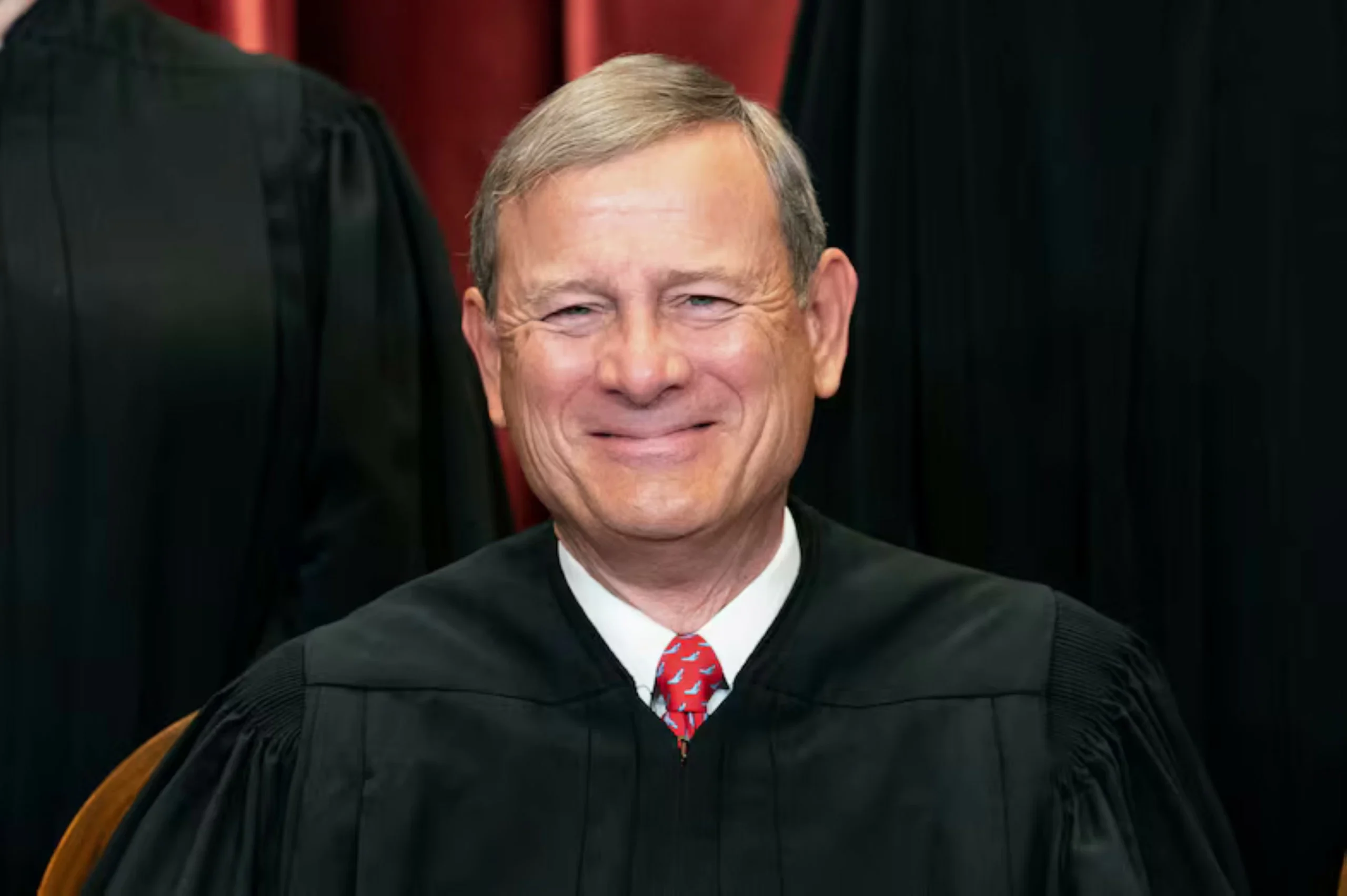
The US Supreme Court said yesterday that tariffs imposed by President Donald Trump under an economic emergency law were illegal. In a landmark 6-3 decision, the apex court struck down the sweeping global tariffs imposed by the US president under the International Emergency Economic Powers Act (IEEPA). The court ruled that the IEEPA, a 1977 law meant for national emergencies, does not authorize the president to impose broad trade tariffs. Chief Justice John Roberts noted that the Constitution grants the power to levy taxes and tariffs solely to Congress. The court did not say how the government should refund the illegal tariffs, worth an estimated $175bn. For nearly ‌all goods subject to tariffs, an importer posts a bond with the Customs and ​Border Protection agency and pays an estimated ‌tariff on the merchandise to bring it into the United States. The government makes a ‌final determination of the tariffs on those goods, ‌a process known as liquidation, which usually happens ‌314 days after entry of the goods. Excess payments are refunded or the importer must cover the shortfall. Importers filed suit at the US Court of International Trade to try to stop the process of determining final tariff payments while the Supreme Court was considering the case, but that court denied the request. Did the Supreme Court say how to refund the money? No. In a dissenting opinion, Justice Brett Kavanaugh said the court’s ruling was likely to generate serious practical consequences in the near term, including refunds. He noted it was acknowledged at oral arguments that distributing refunds was likely going to be “a ​mess.” The case will now go back to the Court of International Trade to sort through the refunds. More than 1,000 lawsuits have been filed by importers in the trade court seeking refunds, and a flood ‌of new cases is likely. The court ruled in December that ​it had the power to reopen the final tariff determinations and order the government ​to pay refunds with interest — an authority the Trump administration said in court it would not challenge. That decision removed potential legal complications to refunds, according to trade experts. Each importer might have to sue in the Court of International Trade to get a refund, and it is not clear that a class action could be formed to cover the broad range of companies that paid tariffs, legal experts said. Importers have two years to sue to claim a refund, under US trade law. The process could disproportionately hurt smaller businesses, many of which already suffered more from tariffs than well-funded companies like Costco. Lawyers for importers said some smaller ‌importers might abandon a potential refund ‌rather than pay thousands of dollars in legal and court fees to bring a case. The Court of International Trade has overseen large-scale refunds before. Congress enacted a harbor maintenance tax in 1986 that was assessed on the value of all cargo into and out of US ports. The Supreme Court ruled part of the tax was unconstitutional in 1998. The Court of International Trade oversaw a refund process involving more than 100,000 claimants that was managed by Judge Jane Restani, who remains on the court. Trade experts said the government has tracked tariff payments and improved ​recordkeeping systems that should make it easier to determine the size of refunds. Small businesses have called on the Trump administration to issue automatic repayments and have expressed concern that the government might scrutinize entry paperwork in a way that slows the refund process. Even if refunds are distributed, some companies that sought them might not get the money. That’s because the company might not have been the importer of record, which is the entity responsible for ensuring imported goods comply with regulations and paying duties. Once the refund is distributed, it will depend on the contractual arrangement between the company that paid the tariff and the importer of ‌record to determine who ​ultimately gets the money, creating another potential legal dispute. The process could take years, trade groups have warned.