admin
admin 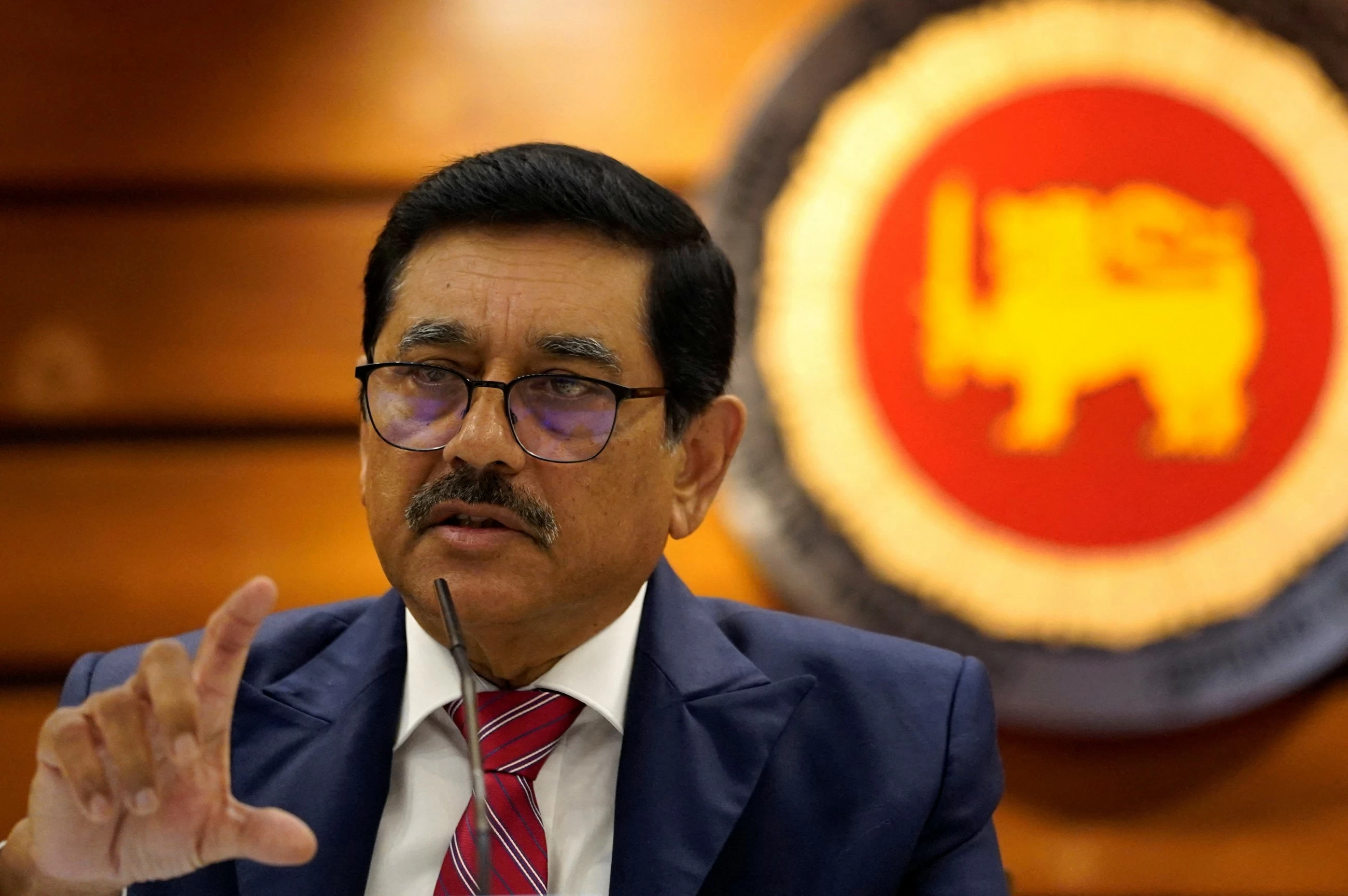
Sri Lanka’s central bank stunned markets by raising its policy rate by an outsized 100 basis points on Tuesday, the biggest hike in three years, as policymakers scrambled to stem inflation and support a currency buckling under soaring energy prices.
Economic growth in the South Asian nation, only just recovering from a devastating 2022 financial crisis that left businesses and households deeply scarred, is expected to take a hit from the turmoil in the Middle East.
The Central Bank of Sri Lanka (CBSL) raised the overnight policy rate to 8.75% from 7.75%, blaming higher inflation and a depreciating rupee due to the U.S.-Israeli war with Iran.
Seven out of a dozen economists and analysts polled by Reuters had forecast only a 25 basis-point or slightly higher change to the rate, citing the deepening impact on foreign reserves from the conflict and the rupee currency’s 8.7% tumble since early March.
“Today’s sharp increase in interest rates in Sri Lanka highlights the country’s vulnerability to the crisis in the Middle East, and is unlikely to be the last unless the crisis subsides soon,” Capital Economics’ senior Asia economist Gareth Leather said.
At a post-policy press conference, Governor P. Nandalal Weerasinghe said the CBSL’s expectation is for economic growth and inflation to maintain a “reasonable” pace.
“This hike will help stabilise exchange rates and inflation,” Weerasinghe said.
Sri Lanka, fully reliant on imported fuel, has been battered by the Iran war-driven energy shock that has forced a 40% fuel price hike, rationing, and even public holidays on Wednesdays.
Annual inflation has jumped from 2.2% in March to 5.4% last month, although that is well below the 70% peak during the crisis.
Headline inflation is likely to remain above the target of 5% in the period ahead, before easing and stabilising around it, the CBSL said in its statement.
Sri Lanka’s stock market was down 0.7% after the policy announcement, while the currency hugged tight ranges to fetch 321 rupees per dollar.
Tuesday’s rate hike – the first change since a 25-basis-point cut in May 2025 aimed at boosting growth – marked the largest increase since a similarly sized move during the depths of the financial crisis in March 2023.
“This 100bps rate hike suggests the CBSL is shifting gears from supporting growth to defending price stability,” said Udeeshan Jonas, strategy head at Colombo-based equity research firm CAL. He has cut his 2026 growth forecast to 3.0% from 4.2% following the move.
The central bank and finance ministry had forecast growth of between 4% and 5% in January. Governor Weerasinghe said Sri Lanka could still grow at the “lower band of the 4%-5%” projection.
Emerging economies are bearing the brunt of the Iran war as soaring energy prices, supply disruptions, and capital outflows threaten to trigger stagflation. India, which depends heavily on overseas crude imports, is grappling with a sharp decline in the rupee, forcing the central bank to step in to defend the currency.
Sri Lanka’s reserves decreased 3.8% to $6.7 billion in April after it spent $1.5 billion on fuel imports in the first four months of the year, with the fuel bill surging 77% in March alone.
The island, backed by a $2.9 billion International Monetary Fund programme, is clawing its way out of the 2022 upheaval triggered by a severe shortage of dollars. The IMF board meets on Wednesday to decide on a $700 million tranche to Sri Lanka under the programme, which would help bolster its reserves.
Meanwhile, Germany’s 10-year bond yield edged higher on Tuesday on concerns a Middle East peace deal may still be some way off after the US launched new strikes on Iran, although it remained near a roughly seven-week low hit the previous day.
US and Iranian negotiators remain in talks to end the three-month war that has severely disrupted Middle Eastern oil and gas supplies and pushed global inflation higher. Expectations of a breakthrough and a reopening of the Strait of Hormuz had supported bonds in recent days.
But optimism was tempered overnight after the US said it had carried out what it described as defensive strikes in southern Iran, suggesting any peace deal is not imminent.
“Some back and forth probably remains in the cards over the coming days but ultimately hopes for a reopening of the Strait of Hormuz prevail,” said Commerzbank rates strategists in a note.
Germany’s 10-year yield was up 2 basis points at 2.972%, after falling almost 9 bps on Monday to 2.93%, its lowest since April 8.
Agencies