admin
admin 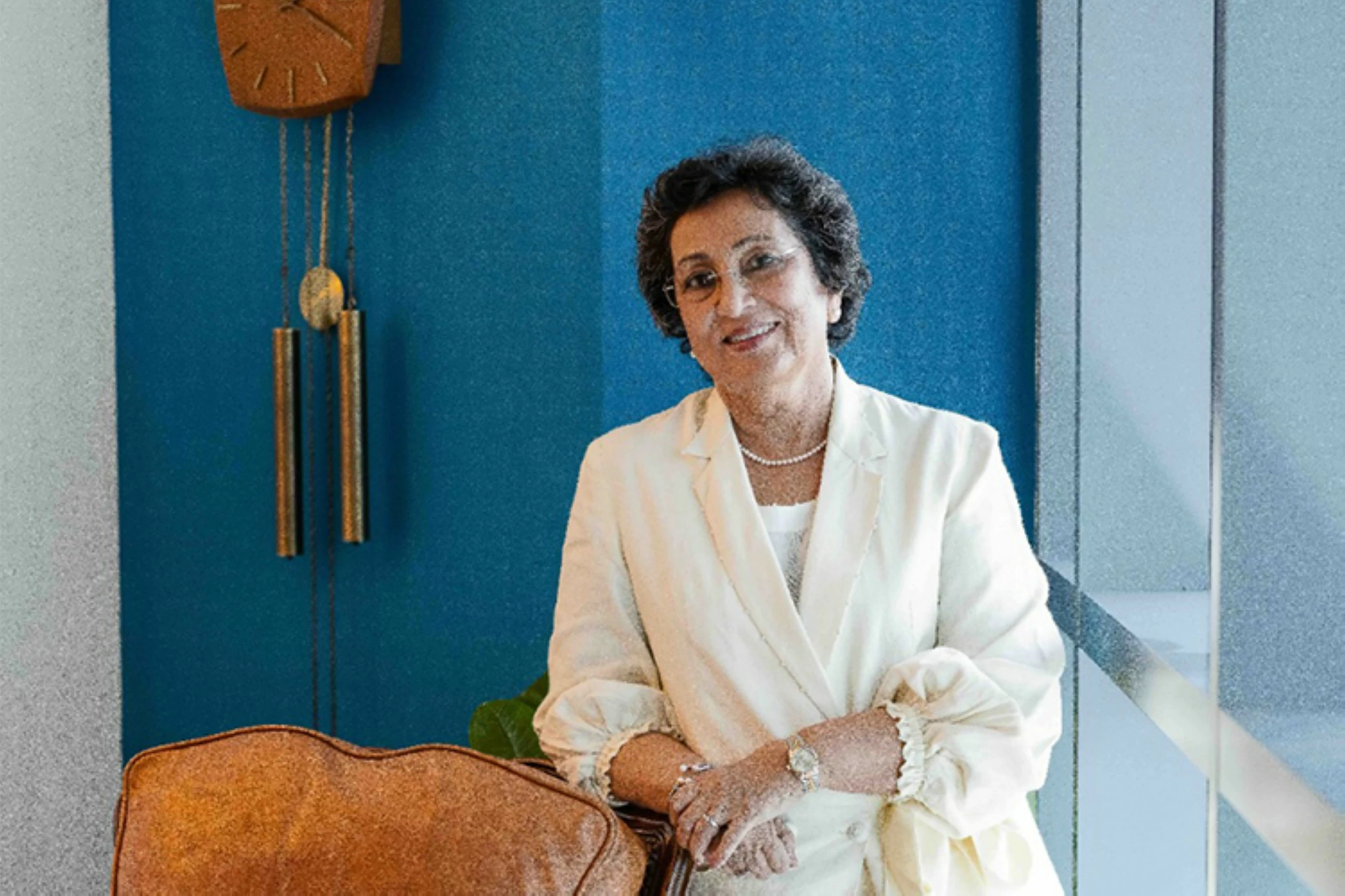
A more global next generation is pushing Gulf families to rethink how wealth is held.
When markets become unstable, people usually start by checking their portfolios, liquidity, exposure, and risk. But uncertain times also lead to deeper questions about where assets are kept, which legal systems apply, and how easily the next generation can access them.
Nazneen Abbas, founder of Ma’an, a platform for intergenerational wealth and legacy planning, says that market volatility often makes high-net-worth families rethink assumptions they had not questioned before.
“Volatile periods force families to move beyond portfolios and ask harder questions: where is wealth held, which legal systems govern it, and how easily can it move if circumstances change?” Abbas says. “Families are recognising that no jurisdiction is permanently fixed. Tax laws evolve, governments change, and regions once considered stable can quickly feel otherwise. The result is a move away from static planning toward structures that are flexible, periodically reviewed, and built to adapt.”
For many Gulf families, this reassessment is also linked to demographic changes. Wealth creators now realize their children may not return to the country where the family business started. Many children study abroad, settle in other countries, or marry people from different nationalities, so their personal and financial lives often span several legal systems.
Assets held in one jurisdiction may therefore need to support heirs living under different tax regimes, inheritance rules, and succession frameworks. This has made access, governance, and transfer planning far more central to wealth conversations than they may have been in the past.
“It changes the entire approach,” Abbas says. “Families are placing greater importance on globally accessible structures that account for estate taxes, inheritance taxes, and differing succession laws. The goal is to ensure wealth does not become an administrative or emotional burden for heirs domiciled globally.”
This is why wills, trusts, and foundations have become more important in regional planning. Abbas explains that these tools are no longer just paperwork to complete once and forget. When used together, they help clarify succession, protect assets across borders, and put family businesses into governance structures meant to last beyond one generation.
Abbas is glad these conversations are happening now. More families are starting early, before a crisis happens, by reviewing old assumptions, updating their plans, and preparing heirs for wealth that might need to move across countries and legal systems.
“The focus has moved from accumulation toward continuity,” she says. “Ensuring wealth can transition smoothly across generations, in a tax-optimised way, is now the central conversation