admin
admin 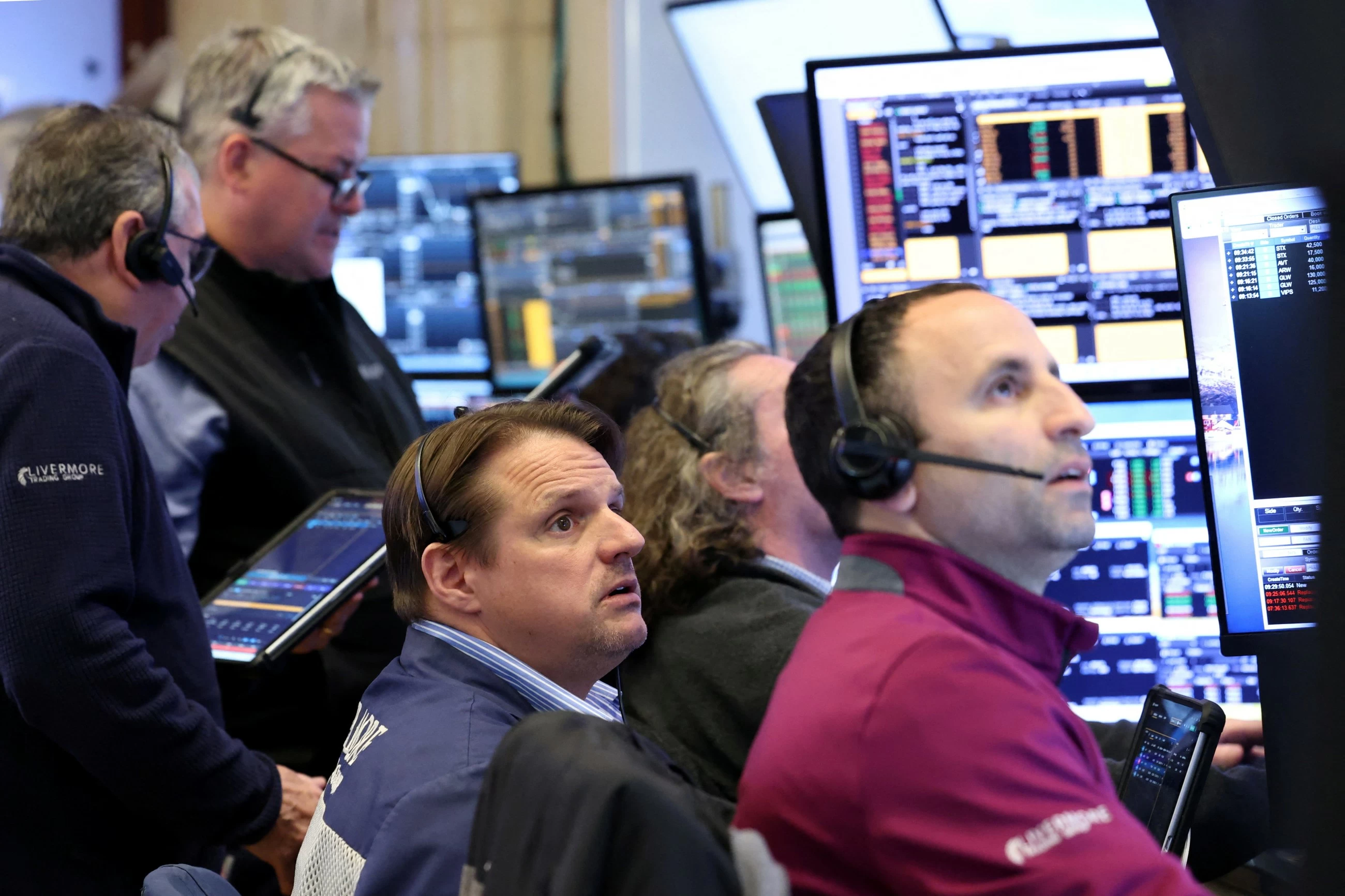
Oil futures rose on Monday as stalled US-Iran peace talks pointed to further disruption in Middle East energy exports, while global stocks were higher to start a busy week of tech earnings reports and central bank decisions.
Benchmark Brent crude futures were up just more than 1% at $106.47 a barrel, having traded around a multi-week high of $108.50 a barrel earlier in the session.
MSCI’s All-World index inched up around 0.2%, while Europe’s STOXX 600 added 0.53%. In Asia, markets in Tokyo and Seoul rose to trade around record highs, riding a fresh wave of AI-fuelled optimism, while Wall Street futures were broadly steady.
“It is an incredibly busy week ahead. Not only are we going to have inevitably another round of geopolitical headlines all over the place, we’ve also got five policy decisions across the G10, we’ve got five of the ‘magnificent 7’ (tech giants) reporting, and I think by market cap it’s about 45% of the S&P giving us results this week,” said Michael Brown, senior research strategist at Pepperstone.
While a ceasefire has frozen most fighting in the war triggered by U.S.-Israeli strikes on Iran two months ago, markets remain focused on the closed Strait of Hormuz, crossed by barely any ships carrying cargoes of oil and gas.
The outlook for peace talks remained uncertain.
US President Donald Trump called off a trip by his envoys over the weekend and said Iran should phone when it wanted a deal, while Iran’s foreign minister arrived in Russia on Monday to meet longstanding ally President Vladimir Putin.
Work has not halted to bridge gaps between the United States and Iran, sources from mediator Pakistan said.
Goldman Sachs analysts lifted year-end Brent oil price forecasts to $90 a barrel, from $80, basing the expectation of an end-June return to normal for Gulf exports.
“Non-linear price increases are likely if inventories drop to critically low levels, which we have not seen in the last few decades,” they warned in a note.
Equity investors tried to look past the oil shock, with renewed attention on the tech sector and the artificial intelligence trend that some view as unstoppable.
“AI is something that people are very optimistic about and very much considered a winner,” said Mike Seidenberg, senior portfolio manager for Allianz Technology Trust.
“It’s the top of the portfolio.” Intel’s forecast last week for second-quarter revenue exceeding Wall Street expectations set off the latest round of buying, pushing the total value of the chipmaker-heavy stock markets in Taiwan and South Korea above that of Germany.
Capital expenditure plans will be in focus for firms such as Microsoft, Alphabet, Amazon and Meta Platforms, set to report on Wednesday, while Apple will report a day later.
Major central banks are expected to keep policy on hold this week, including the US Federal Reserve – at what will likely be its last meeting with Jerome Powell in the chair.
The European Central Bank and Bank of England are also set to keep policy unchanged, but their tone and outlook could challenge market pricing for rate hikes later this year. The first central bank to meet, however, will be the Bank of Japan, which is expected on Tuesday to keep its short-term policy rate steady at 0.75%.
In currencies, the dollar nudged slightly lower on Monday, with the euro at $1.1740 and the Japanese yen pinned just below the crucial 160 level.
China stocks inched higher on Monday, led by technology shares, as strong industrial profit growth and renewed AI enthusiasm outweighed concerns over stalled peace talks between the US and Iran.
The Shanghai Composite index was up 0.2% at 4,086.34 points after a two-day slide. China’s blue-chip CSI300 index closed flat.
Technology stocks led gains, bolstered by renewed excitement about artificial intelligence spending that has lifted chip shares across the region.
The Nasdaq-style Star 50 Index rallied 3.8% to a three-month high. The CSI Semiconductor Index surged 6% to a three-month high and the CSI Info Tech Index jumped 3.3%.
In Hong Kong, the Hang Seng Index gave up earlier gains to end 0.2% lower at 25,925.65, and the Hang Seng Tech Index was up 0.8%.
Profits at China’s industrial firms grew at their quickest pace in half a year last month, adding to broader signs of an uneven economic recovery in the first quarter as policymakers brace for the impact of the Middle East war.
However, stalled U.S.-Iran peace talks kept investor sentiment in check after US President Donald Trump cancelled a trip to Islamabad by US envoys for talks on the weekend. “Equity markets have gradually returned to pricing on fundamental despite recurring external geopolitical headwinds,” analysts at Guotai Haitong Securities said in a note.
Thematic rotation has picked up pace and risk appetite is on the mend, with a shift from overseas supply chains to domestic substitution remaining a key theme to watch, they said.
Elsewhere, China’s top leadership will hold the April Politburo meeting this week to discuss economic policies for the coming months.
Agencies