admin
admin 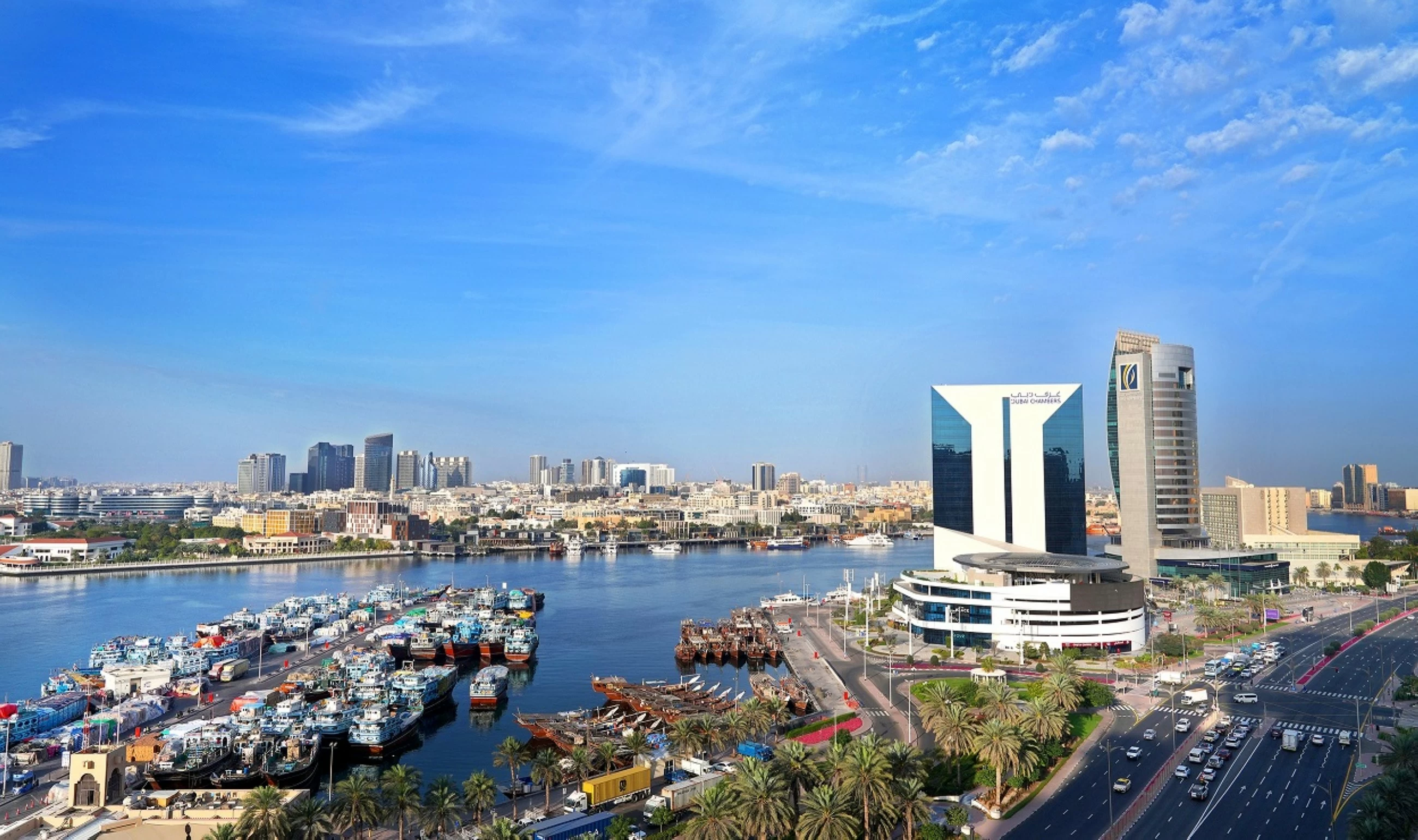
Dubai Chamber of Commerce, one of the three chambers operating under the umbrella of Dubai Chambers, recently organised an open discussion in collaboration with FedEx, the world’s largest express transportation company, focusing on the readiness of supply chains in Dubai amid current global developments and ways to enhance the resilience of logistics services across all sectors.
The meeting brought together 196 representatives of companies operating in Dubai and featured an interactive discussion on the logistics frameworks best suited to the current period.
Participants also explored ways to help companies adapt to disruptions in global shipping routes caused by current developments through transport services offering flexibility, speed, and efficiency, helping to support trade flows worldwide.
Maha Al Gargawi, Vice President of Business Advocacy at Dubai Chambers, said that close cooperation between the public and private sectors remains a key pillar of Dubai’s business environment. “Supported by advanced logistics infrastructure, the emirate is continuing to strengthen its position as a leading global hub for business and trade, with the resilience and agility to navigate evolving global conditions.”
Sammy Bousaba, Managing Director Sales at FedEx Middle East, Indian Continent and Africa, stated, “Global trade is more dynamic and less predictable than ever. The advantage today lies in intelligent, connected logistics networks that provide real-time visibility and enable faster, more confident decisions.”
The discussion explored how companies can proactively strengthen logistics resilience, which has emerged as a key priority across all sectors. It highlighted the role of artificial intelligence, alternative shipping routes, flexible operating models, and multimodal logistics services in supporting business continuity and improving preparedness for disruptions affecting global supply chains.
Participants examined the key lessons emerging from current global challenges, as well as ways to develop proactive and effective policies to address new international developments.
The discussion also explored the main trends expected to shape the future of the global logistics sector in the aftermath of current events.