admin
admin 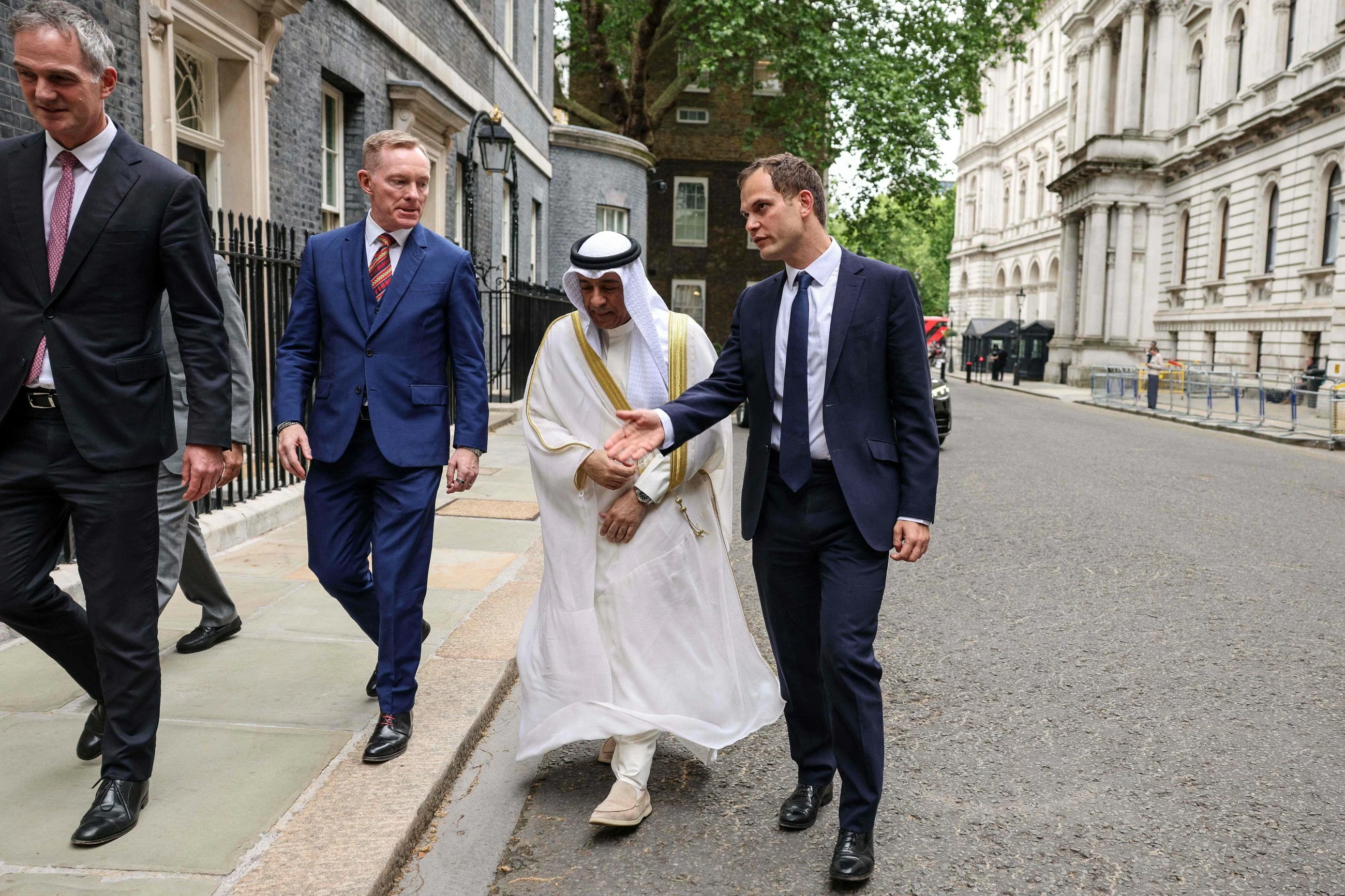
Britain said on Wednesday it had secured a trade deal with the Gulf Cooperation Council (GCC) worth $5 billion a year in the long run, deepening economic ties with allies in a region dealing with the fallout from the Iran war.
The deal with the GCC, which consists of Bahrain, Kuwait, Oman, Qatar, Saudi Arabia and the United Arab Emirates, comes after US-Israeli strikes against Iran in February triggering Iranian attacks on other countries in the region, putting strain on energy and food supplies.
“At a time of increased instability, today’s announcement sends a clear signal of confidence – giving UK exporters the certainty they need to plan ahead,” Britain’s Trade Minister Peter Kyle said.
The British government said the deal would be worth £3.7 billion ($4.96 billion) each year in the long term, more than double a previous estimate that it would be worth £1.6 billion, as the final deal went further on both trade liberalisation and service sector commitments than previously expected.
The deal will remove 93% of GCC tariffs on British goods, equivalent to the removal of £580 million worth of tariffs by the deal’s tenth year, with two-thirds of the tariffs being removed as soon as the deal comes into force.
The government said that autos, aerospace, electronics and food and drink would be among the sectors to benefit, with cereals, Cheddar cheese, chocolate and butter all becoming tariff-free.
In return, Britain has lowered tariffs to the GCC, though the countries’ main exports to Britain, oil and gas, are already tariff-free.
On services, Britain locked in current access to the GCC so businesses could expand without facing new barriers, while Gulf countries can also grow their own service sectors through the deal.
The deal doesn’t change or weaken British environmental or data protection standards, and also doesn’t contain any language around human rights, the UK government said. Some campaigners had warned the British government against ignoring human rights in any deal with the GCC.
Reuters