admin
admin 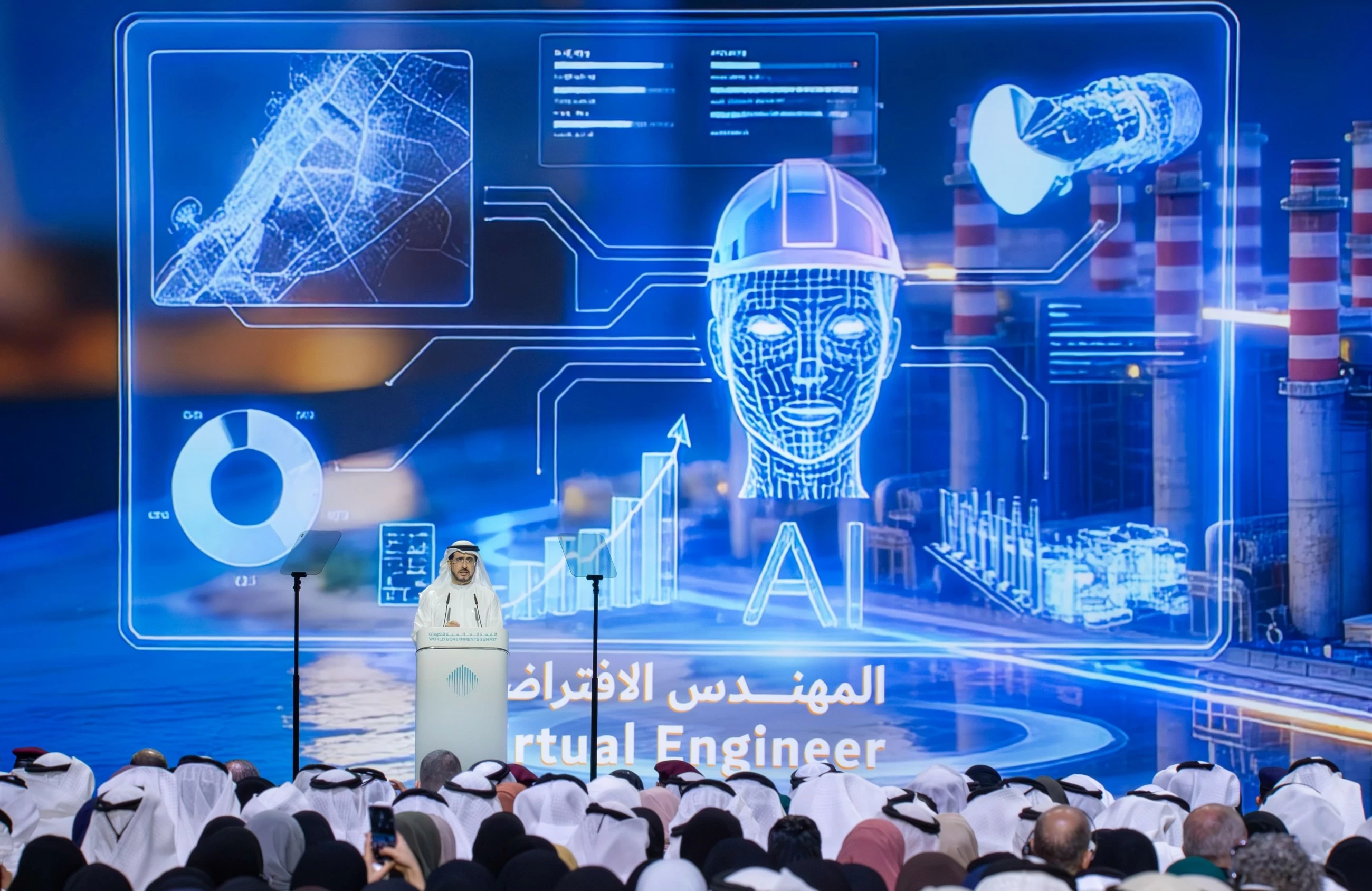
Saeed Mohammed Al Tayer, MD and CEO of Dubai Electricity and Water Authority (DEWA), reviewed in an article published by the authority the exceptional outcomes of its strategic road map to become the world’s first AI-powered utility.
He said the initiative has delivered tangible achievements, most notably reducing the time required to refund security deposits of up to Dhs4,000 from four days to just eight minutes. He also highlighted that Rammas, DEWA’s virtual smart employee, has independently handled more than 13 million customer enquiries since its launch in 2017, following its continuous enhancement through the integration of the latest generative AI technologies, including GPT-4o.
Al Tayer stressed that artificial intelligence is no longer an optional technology that organisations add to their operations, but has become a fundamental pillar of smart and sustainable cities, enabling the development of more efficient, resilient and proactive service ecosystems that support quality of life, resource sustainability and the economy of the future.
He noted that the UAE’s leadership laid the foundations for a forward-thinking approach that established innovation, digital transformation and AI as key drivers of development. He added that DEWA’s plans are fully aligned with the Dubai Economic Agenda D33, the UAE Strategy for Artificial Intelligence 2031, the UAE Net Zero 2050 Strategy, the Dubai Clean Energy Strategy 2050 and the Dubai Net Zero Carbon Emissions Strategy 2050, with the aim of building smart infrastructure and advanced digital services that support sustainable growth.
The MD and CEO said DEWA is deploying Agentic AI across its website, smart applications and internal platforms, directly enhancing the customer experience, improving service quality, raising corporate performance and supporting employees while boosting productivity.
He added that these advanced applications also strengthen the readiness of smart infrastructure, the reliability of electricity and water networks, predictive maintenance, demand management, the integration of power and water systems, and the optimal integration of clean and renewable energy, enhancing energy and water security and improving operational efficiency in line with Dubai’s rapid growth.
Al Tayer concluded by stressing that the future of smart and sustainable cities is not shaped by technology alone, but by the vision guiding it, the organisations deploying it effectively and the people who remain at the centre of every transformation. He affirmed that DEWA will continue supporting the vision of Dubai and the UAE to build a sustainable knowledge-based economy, reinforce the emirate’s position as a global hub for innovation, and harness AI to serve people, preserve resources and build a better future for generations to come.
In February, Saeed Mohammed Al Tayer stated that the world is undergoing a major transformation in the energy sector, a key pillar in building more sustainable and resilient systems.
This transformation is being driven by the integration of artificial intelligence (AI) across production, transmission, and distribution processes. By reducing environmental impact, enhancing competitiveness and infrastructure resilience, and improving resource efficiency, AI enables industries to grow and communities to thrive.
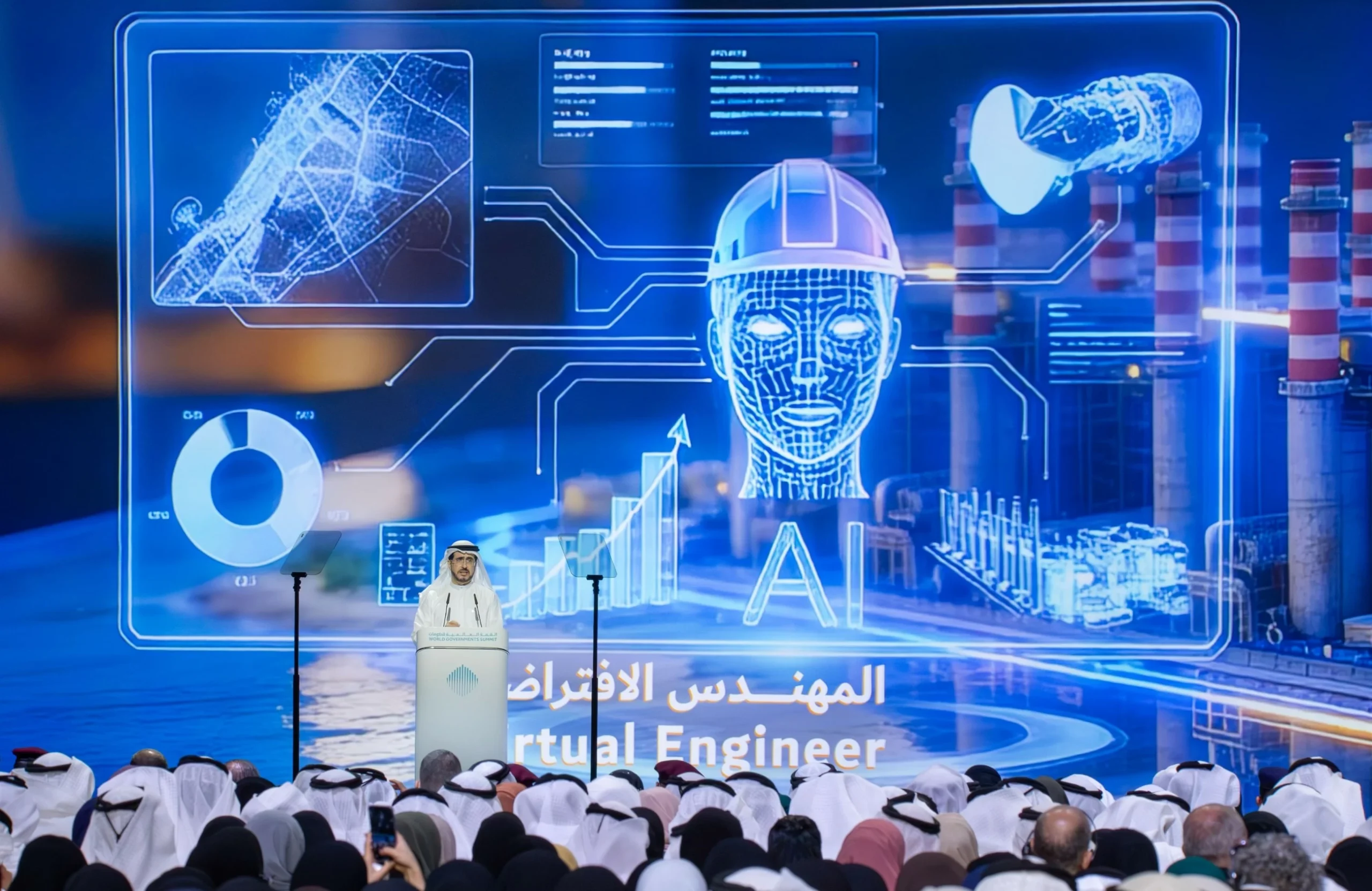
Al Tayer made these remarks in his speech titled ‘AI-Driven Energy Transformation’ on the final day of the World Governments Summit (WGS) 2026, where he highlighted the UAE and Dubai’s pioneering visions and leading experiences.
Al Tayer explained that the energy transition is not an end in itself, but a key driver of sustainable economic growth. He noted that a comprehensive transformation of the energy sector cannot be achieved without leveraging the Fourth Industrial Revolution technologies, especially AI, which is experiencing unprecedented global growth. The global AI market is projected to grow from approximately $300 billion in 2024 to $4.8 trillion by 2033.
Reports indicate that by 2027, 40% of control rooms in utilities worldwide will operate with AI-driven automation, predictive analytics and intelligent decision-making. This rapid expansion will significantly increase energy demand for advanced data centres. By 2035, global data centre electricity consumption is expected to exceed 2,000 terawatt hours annually, nearly five times the levels recorded in 2024.
“Guided by the vision and directives of the wise leadership of President His Highness Sheikh Mohamed Bin Zayed Al Nahyan, and His Highness Sheikh Mohammed Bin Rashid Al Maktoum, Vice President, Prime Minister and Ruler of Dubai, the UAE continues to consolidate its position as a global hub for sustainability and AI,” said Al Tayer.
He added: “Sheikh Hamdan Bin Mohammed bin Rashid Al Maktoum, Crown Prince of Dubai, Deputy Prime Minister and Minister of Defence, and Chairman of The Executive Council of Dubai, is the driving force behind Dubai’s transformative AI strategy.”
WAM