1. Home
  2. Author Blogs

Author: admin

admin

Sports
Vanderveen wins CSI5* Grand Prix of QEF Cup as Doha Equestrian Tour 2026 concludes

Vanderveen wins CSI5* Grand Prix of QEF Cup as Doha Equestrian Tour 2026 concludes

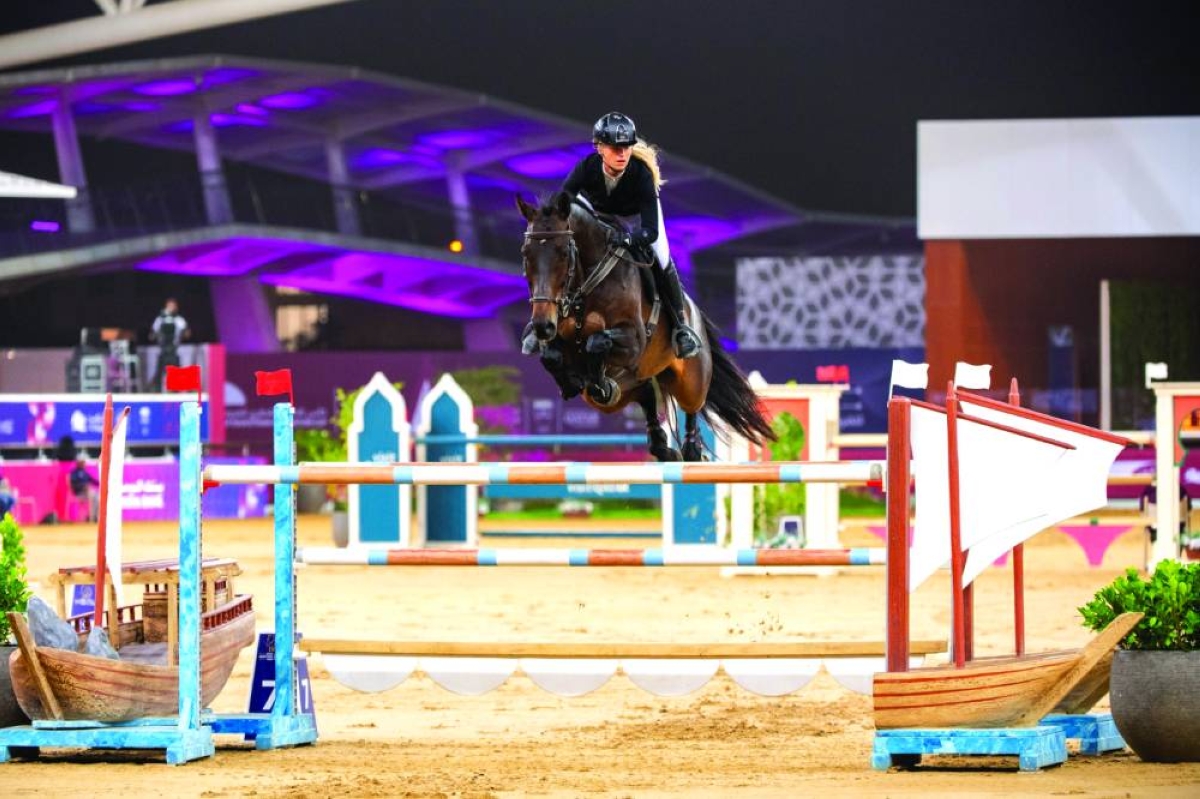
Kristen Vanderveen made it a memorable first in Doha for herself and her horses Sunday as she topped the CSI5* Grand Prix - Jump-Off - 1.60m concluding class of the Qatar Equestrian Federation Cup as the Doha Equestrian Tour 2026 came to a spectacular conclusion at Al Shaqab.Vanderveen displayed sizzling form as the American rider claimed wins in three top classes on the final day of the four-day event. Vanderveen topped a five-rider jump-off astride darkbay gelding Bull Run’s Jireh with a clear round in 44.07secs to finish ahead of Qatari Bassem Mohammed, who was second on chestnut gelding Wathnan Issem in 44.13secs. The third podium spot was claimed by Saudi Arabia’s Abdullah Alsharbatly, who rode bay stallion Skorphults Baloutendro and finished in 43.52secs picking four faults.Vanderveen received €97,500 besides the trophy for her win. Bassem Mohammed won €65,000 and Alsharbatly €48,750.Vanderveen said she felt lucky today. “I got a bit lucky in the first round today. I am very happy with my results and to have finished as a champion in the concluding event. It is very special for me. “It was my first Tour here in Doha and I have been delighted to be here. It was an amazing opportunity for the horses to ride on the vast expanse. Outside the event, I also got a chance to the beautiful culture here. It has been quite special and I would surely love coming back here,” she said.Britain’s Scott Brash topped the overall standings for the Doha Finals in the four- and five-star classes with a total of 199 points. He was followed by Abdullah Al Sharbatly (197 points), and Brit Harry Charles (144 points).In overall standings for the Star category, Qatari rider Saad Ahmed al-Saad topped the table with 90 points, followed by his compatriot Khalid Jassim al-Suwaidi with 89 points, and Qatari rider Hussein Saeed Haidan in third place with 69 points.The top finishers were crowned by Rashid Nasser Saree al-Kaabi, a member of the Doha Equestrian Tour 2026 Organizing Committee and a member of the Al Shaqab Board of Directors, and Bader bin Mohammed al-Darwish, President of the Qatar Equestrian Federation and a member of the Doha Equestrian Tour Organizing Committee.Assistant Tournament Director, Sheikh Talal bin Khaled al-Thani, congratulated the winners. “We had some very impressive competitions in all classes of showjumping, dressage and para dressage. Congratulations to all the winners,” he said. And added: “Special thanks to Sheikh Joaan bin Hamad al-Thani, Qatar Olympic Committee, for his unwavering support in the success of the tour. The next edition of the Doha Tour will start on December 30.”The final day of the championship featured five rounds, beginning with the three-star 135cm class which was also bagged by Vanderveen with a time of 58.67 seconds on Bull Run’s Lioness. Qatari rider Saeed Hamad Jumaa was second in 63.86 seconds astride Wathnan Diesel, while his compatriot, Mohammed Yousef al-Jaber, finished third in 64.56 seconds riding Christa 27.The winners were crowned by. Mohammed al-Suwaidi, the stable manager for the championship.The CSI3* - Table C - 1.40m class was clinched by Egyptian Zayed Ali claimed first place finishing in 64.97 seconds on Quirani van de Maltahoeve. Saudi rider Khalid al-Hadi was second in 65 seconds on Capoen, while Qatari rider Sultan Salem al-Nuaimi finished third with a time of 68.3 seconds on his horse Gannan de La Luce.The winners were honored by Engineer Lahdan al-Buainain, the tournament's venue manager.Qatar’s Mohammed Khalifa al-Baker won the CSI3* Grand Prix - Jump Off - 1.50m class clocking 44.86 seconds astride Dukhan 3 Abdullah Alsharbatly was second in 45.73 seconds on Quisandro, while Qatari Hussein Saeed Haidan finished third in 48.62 seconds on Icaterina. |The winners were honoured by Bader bin Mohammed al-Darwish, President of the Qatar Equestrian Federation and member of the Doha Equestrian Tour Organizing Committee.The CSI5* - Faults & Time - 1.50m was also claimed by Vanderveen who clocked the best 73.89 seconds on Starbucks. Egyptian Zein Shady Samir was second with a time of 81.27 seconds on Le Boss, and Qatari Bassem Mohammed ended in third in 73.48 seconds on Wathnan Zodiak.The winners were crowned by Mohammed al-Suwaidi, the tournament's stable manager.Khalifa al-Attiyah, Executive Director of the Doha Equestrian Tour, stated: "With the conclusion of the Doha Equestrian Tour 2026, Qatar has successfully translated its strategic vision into tangible reality through a comprehensive season that constituted one of the most prominent events on the international equestrian calendar, in terms of the level of organization, the scale of participation, and the diversity of the competitions."Mohammed Jaber al-Khayarin, Deputy Director of the Doha Equestrian Tour, said the exceptional season was a significant step in establishing Qatar's position as a leading global center for equestrian sports. “Doha successfully delivered a comprehensive season spanning several months, attracting the world's elite riders to a professional organizational environment and world-class infrastructure at Al Shaqab.” he said.  Related Story

Opinion
Fuel prices challenge Milei’s free-market gamble amid oil shock

Fuel prices challenge Milei’s free-market gamble amid oil shock

The global surge ‌in fuel prices is exposing how unevenly South America is positioned to absorb the shock, ​with Argentina’s radical free-market experiment under President ‌Javier Milei facing particular pressure.Among Argentina’s neighbours, import-dependent Chile has been among the hardest hit ‌by fallout from the US-Israeli conflict with Iran. Fuel ‌prices there are set to jump as ‌much as 30% for gasoline and 60% for diesel after the government was forced to unwind its price-stabilisation scheme, citing strained public finances. In Brazil, state-run energy firm Petrobras this week raised jet fuel prices by about 55%. Central bank officials have warned that the oil shock could weigh on inflation even as Brazil’s status as a net oil exporter offers some cushion. Peru has also felt the strain, with inflation spiking in March amid higher fuel prices and domestic supply disruptions. Uruguay stands out as an exception, according to a Citi analysis, due to its providing fewer direct energy subsidies and having adequate international reserves. The price surge is ​hitting Argentines’ transport, food and household costs, undermining Milei’s argument that he is winning a fight with what had been runaway inflation through deep spending cuts and deregulation. “Prices are up and salaries stay very low,” said Agustin Pecora, a construction worker ‌on a railway project in Buenos Aires province.In what has been posing a challenge to Milei’s inflation-slayer narrative, monthly inflation has stalled ​near 3% for nine months, or about 33% annually, and private forecasters were already raising 2026 estimates before crude prices surged in February. “The Iran shock has arrived at the worst possible moment for Milei’s counter-inflation programme,” said Mariano Machado, Americas analyst at Verisk Maplecroft.Gasoline prices in Argentina are up about 15% on average since late February, according to energy analyst Fernando Bazan at consultancy Abeceb, putting Milei’s goal of pushing monthly inflation below 1% by mid-year increasingly out of reach. Over the past week, officials have relaxed gasoline quality standards and postponed a tax hike on fuel, though Bazan said the impact will be limited.An Argentine government source told Reuters that no further measures were being contemplated and energy subsidies must remain capped ‌at 0.5% of GDP this year ‌to meet fiscal targets.At the centre of the dilemma is state energy firm YPF , which dominates Argentina’s fuel market and has so far raised prices more cautiously than global benchmarks. “If oil is at $120 or $150 per barrel, then YPF’s shareholders will pressure management to maximise returns,” said financial advisor Paula Bujia. Despite repeated assurances that price pressures would be transitory, YPF late on Wednesday introduced a 45-day buffer on gasoline prices, aiming to shield households from volatility in global markets.“During this period, YPF will not pass on the impact of new fluctuations in Brent prices to consumers,” Chief Executive Horacio Marin told local media, adding that the measure was “not a price ​cap” and prices would remain constant. Argentina’s position is structurally stronger than a decade ago. Development of the Vaca Muerta shale formation has turned a nearly $7bn energy deficit in 2013 into a surplus. Still, the country remains reliant on natural gas imports during peak winter demand, which begins in June. The experience elsewhere in the region underscores the political risks Milei faces. Fuel hikes in Chile have already triggered protests, denting the popularity of freshly inaugurated President Jose Antonio Kast.“A fuel price shock impacts an electorate lacking financial leeway, turning economic discomfort into a political grievance,” Machado said - one that could “provide the glue” for Argentina’sw fragmented opposition ahead of the 2027 presidential ‌race. (Reuters) 

Opinion
Why Qatar stands out as a market built for long term

Why Qatar stands out as a market built for long term

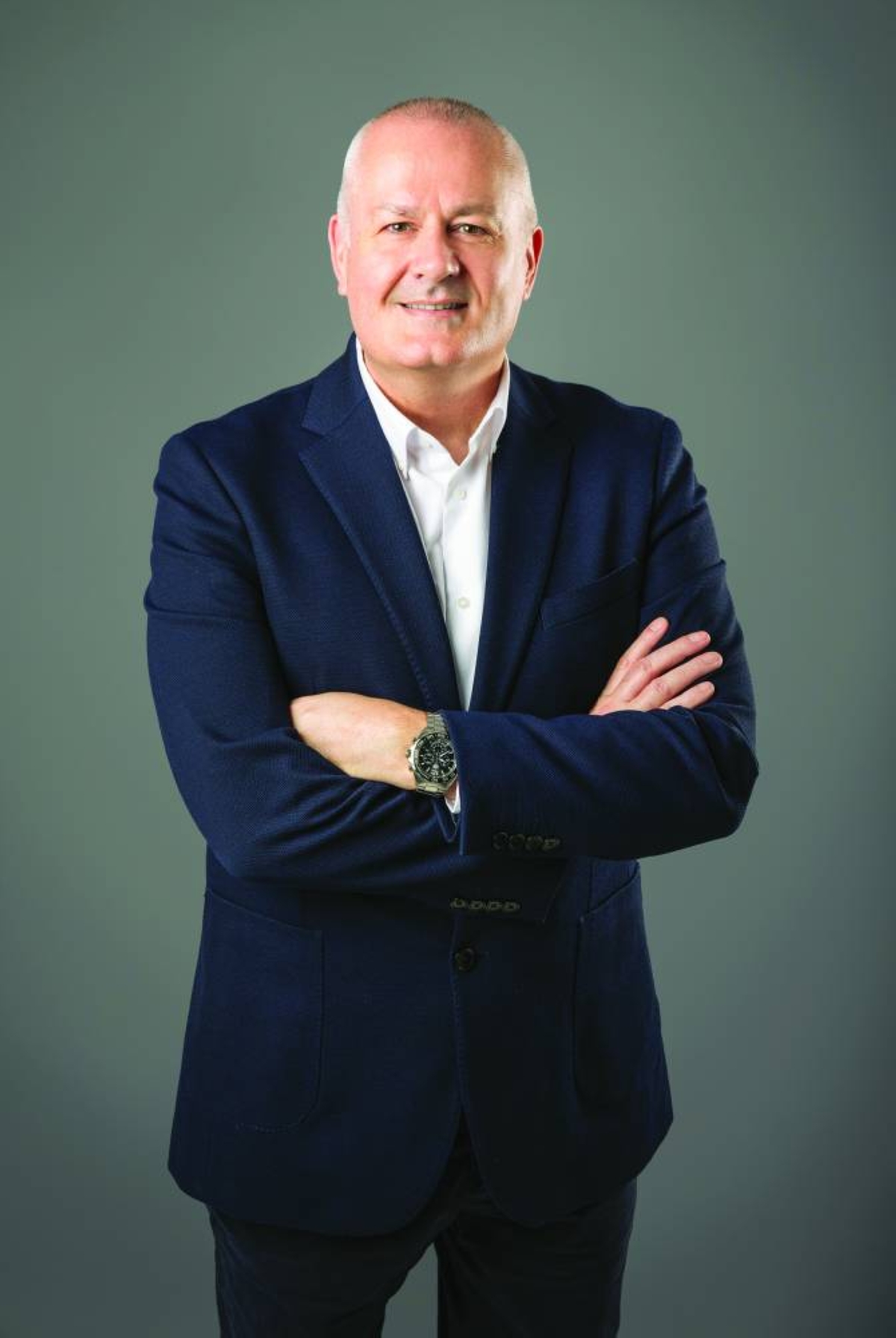
Having lived and worked in the Gulf for over 25 years, I can say with some confidence that this past year has witnessed the most significant period of change I have experienced in that time.The pace, the complexity, and the broader geopolitical context have combined to create a moment of genuine inflection for the region. And yet, within that, Qatar stands out as a market that has been deliberately preparing for precisely this kind of environment.In boardrooms across Europe, there is a familiar question: where next? Which markets offer not just growth, but a degree of certainty in an increasingly unpredictable world?Qatar is often part of that conversation and rightly so. It combines financial strength, political stability, and a clear sense of direction. But it is also, in my experience, one of the more frequently misunderstood markets.There is a tendency among some international firms to assume that Qatar is straightforward. That if you have succeeded elsewhere in the Gulf, you can replicate the model here with minimal adjustment. You cannot.Qatar is not a difficult market in the conventional sense, but it is a deliberate one. Decisions are thoughtful, grounded in consensus and long-term vision. And relationships are not a box to tick along the way; they are central to how business is done.For companies approaching the market with a short-term mindset, that can be frustrating. For those willing to take a longer view, it is precisely what makes Qatar attractive.Part of that strength lies in fundamentals. Qatar was built on a combination of substantial natural resources, prudent fiscal management, and a state apparatus that has historically taken a measured, strategic and pragmatic approach to development. The result is a country with deep financial reserves, a strong sovereign balance sheet, and the ability to invest counter cyclically when required.But financial strength alone does not explain resilience. Equally important is the regulatory and institutional environment that underpins it. Qatar has, over time, developed a legal and regulatory framework that is both increasingly sophisticated and aligned with international standards, particularly in areas such as financial services, dispute resolution, and foreign investment. Entities such as the Qatar Financial Centre and a growing ecosystem of specialised regulatory bodies have helped create a platform that balances openness with oversight.In many respects, Qatar has become a reference point for how a small, resource-rich state can leverage its wealth with foresight. Its regulatory evolution, strategic investment in human capital, and steady diplomacy all demonstrate a model of governance that others in the region increasingly look toward.For international businesses, this matters. In a region where regulatory approaches can vary significantly, Qatar offers a degree of clarity and consistency that is often underestimated. Processes are designed to ensure consistency and quality over speed – a reflection of Qatar’s preference for deliberation over haste.Requirements are clear. And once established, there is a level of institutional continuity that provides confidence over the long term.Much of this comes back to the country’s broader direction of travel. Qatar National Vision 2030 is often referenced, but not always fully appreciated. It is not simply a policy framework; it is actively shaping how institutions think, how projects are prioritised, and how partnerships are assessed.Increasingly, the conversation has moved beyond capability. Of course, delivery still matters. But the more important question now is whether a business adds something meaningful. Whether it aligns with national priorities around diversification, sustainability, and human capital.The companies that do well here tend to understand that instinctively. They take the time to get to grips with the local context. They resist the temptation to apply a standard “Gulf strategy.” And they invest in relationships in a way that is genuine rather than purely transactional.This all sits against a more complex regional backdrop. The current escalation involving the United States, Israel, and Iran has introduced a level of geopolitical tension not seen in years, with direct military exchanges, pressure on key energy routes such as the Strait of Hormuz, and wider economic ripple effects already being felt.For businesses, this reinforces an important point: stability in the Gulf cannot be taken for granted, but nor should it be misunderstood. Markets like Qatar have demonstrated a capacity for resilience, institutional continuity, and measured decision making, even in periods of regional uncertainty. If anything, the current environment places a greater premium on credibility, long-term thinking, and trusted partnerships.The post-World Cup period has only sharpened this dynamic. The infrastructure phase, at least at the pace we saw previously, has largely given way to something more targeted. The focus now is on making assets work harder, developing specific sectors, and ensuring that growth is sustainable.That creates opportunity, certainly, but it also raises expectations.It is no longer enough to simply be present in the region. Businesses need to demonstrate how they are relevant to Qatar’s next phase, whether that is through knowledge transfer, innovation, or supporting the development of local capability. This is particularly evident in sectors such as education, healthcare, technology, and advanced services, where the emphasis is increasingly on quality, localisation, and long-term value creation.There is also a reputational dimension that should not be overlooked. Qatar has, over the past decade, built a distinct international profile across investment, diplomacy, media, and sport. For companies operating here, that visibility cuts both ways. Alignment matters and so does how you communicate your role within the market.One of the more common mistakes I have seen is treating Qatar as interchangeable with its neighbours. There are similarities, of course, but the differences are significant, and they matter. Each Gulf market has its own rhythm, its own institutional culture, and its own priorities. Ignoring that in Qatar is a quick way to lose traction.None of this is to suggest the market is closed off. Far from it. Qatar remains open, well capitalised, and actively interested in international expertise. The direction is outward looking, and the ambition is clear.But the terms are evolving. Success here is less about how quickly you can enter, and more about how seriously you take the market once you are in.For those prepared to invest the time and effort, the rewards are real. Qatar offers a stable platform, access to long-term opportunities, and the chance to be part of something more substantive than a simple commercial transaction.Qatar’s story today is one of deliberate strength – financial, institutional, and strategic. In a region that continues to evolve at pace, it offers a model of calm confidence and purpose. For global businesses seeking long-term partnership over short-term gain, Qatar is not just an attractive destination; it is becoming a benchmark for how emerging markets can combine ambition with stability.• The writer is the Managing Director of Sovereign PPG Qatar, part of the Sovereign Group, a leading corporate service provider across the GCC. 

Entertainment
Kate Beckinsale Says Mark Ruffalo is Lucky to Have a Penis After Alleging Agent Dropped Her

Kate Beckinsale Says Mark Ruffalo is Lucky to Have a Penis After Alleging Agent Dropped Her

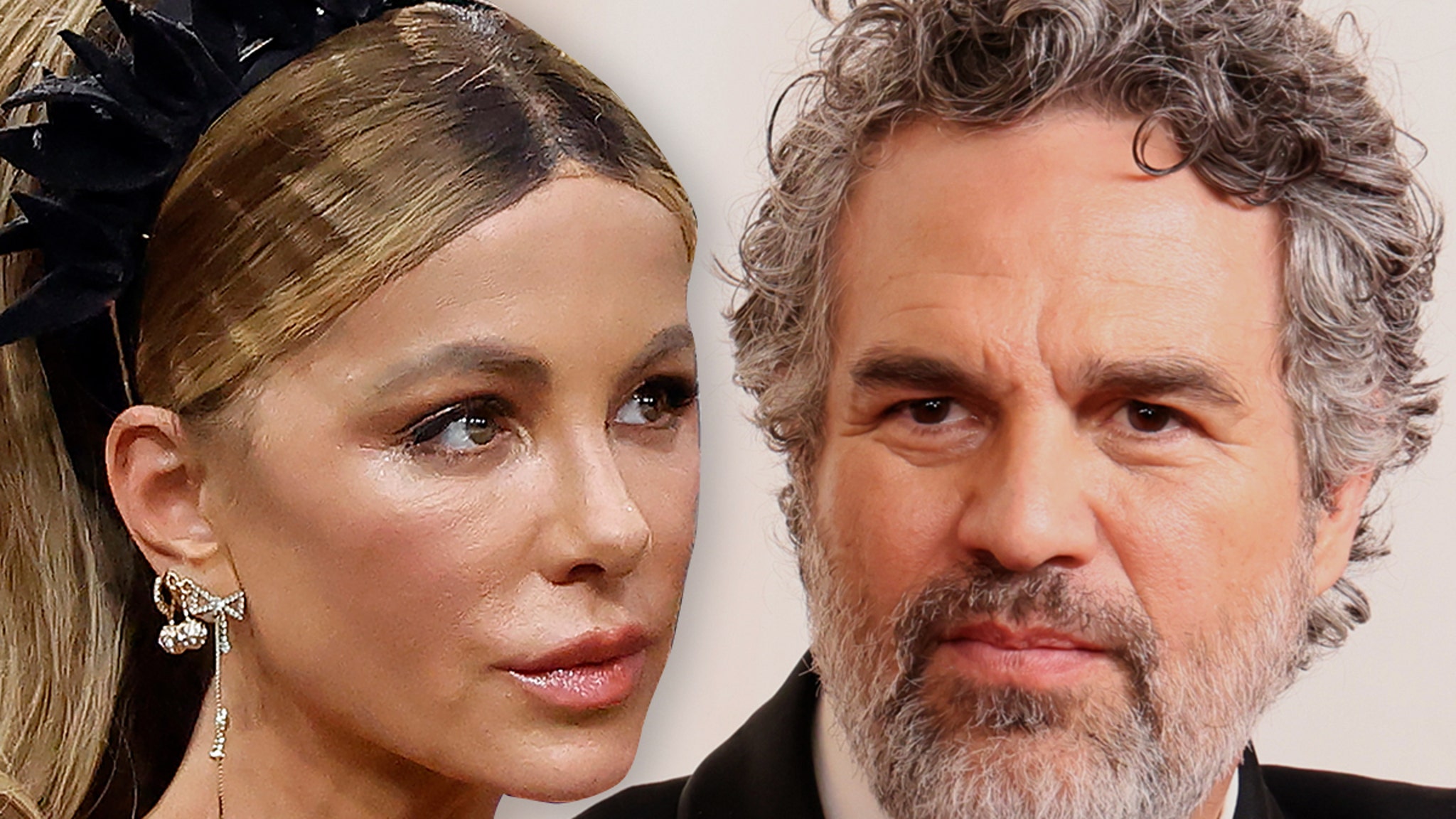
Mark Ruffalo's little Hulk means he can keep smashing it in Hollywood ... so says Kate Beckinsale. The actress went on a tirade on social media Friday after Ruffalo appeared in a video posted to

Entertainment
Shar Jackson Says She Won’t Write Memoir to Respond to Stories About Her

Shar Jackson Says She Won’t Write Memoir to Respond to Stories About Her

Shar Jackson I Don't Need a Memoir after K-Fed and Britney I Have the Truth on My Side!!! Published April 4, 2026 12:44 PM PDT Play video content TMZ.com Shar Jackson says she's excited to

News
More US-Israeli strikes on Bushehr nuclear plant would en…

More US-Israeli strikes on Bushehr nuclear plant would en…

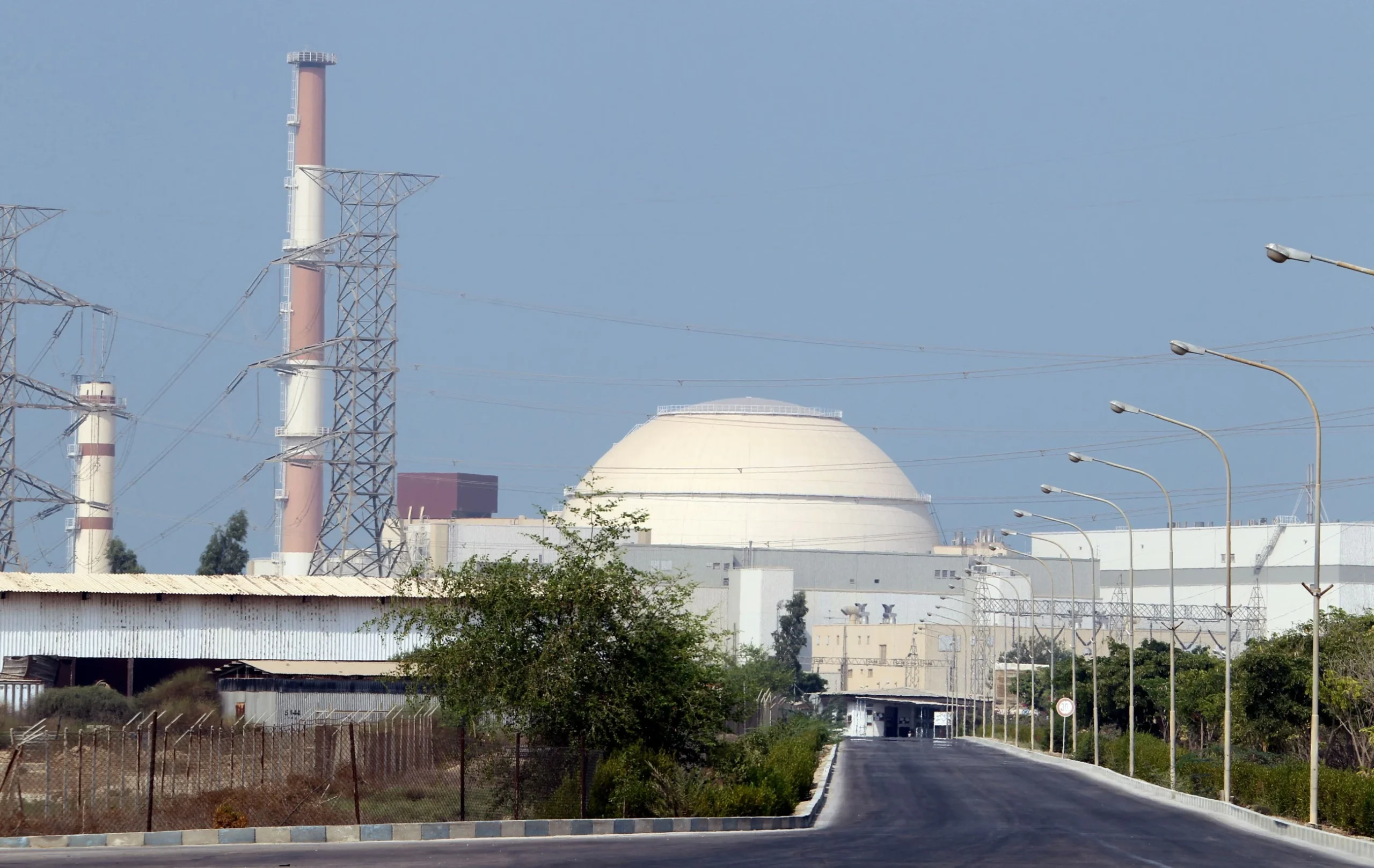
US-Israeli strikes hit an area near Iran's Bushehr nuclear power plant on Saturday, prompting its foreign minister to warn that the effects of any fallout would be felt most keenly by the country's Gulf neighbours.The

News
US revokes green cards and visas of several Iranian nationals

US revokes green cards and visas of several Iranian nationals

The Trump administration has revoked the green cards or US visas of at least four Iranian nationals connected to the current or former Iranian government, including two who have been detained by immigration authorities and

Sports
23rd edition of Dubai International Arabian Horse Champio…

23rd edition of Dubai International Arabian Horse Champio…

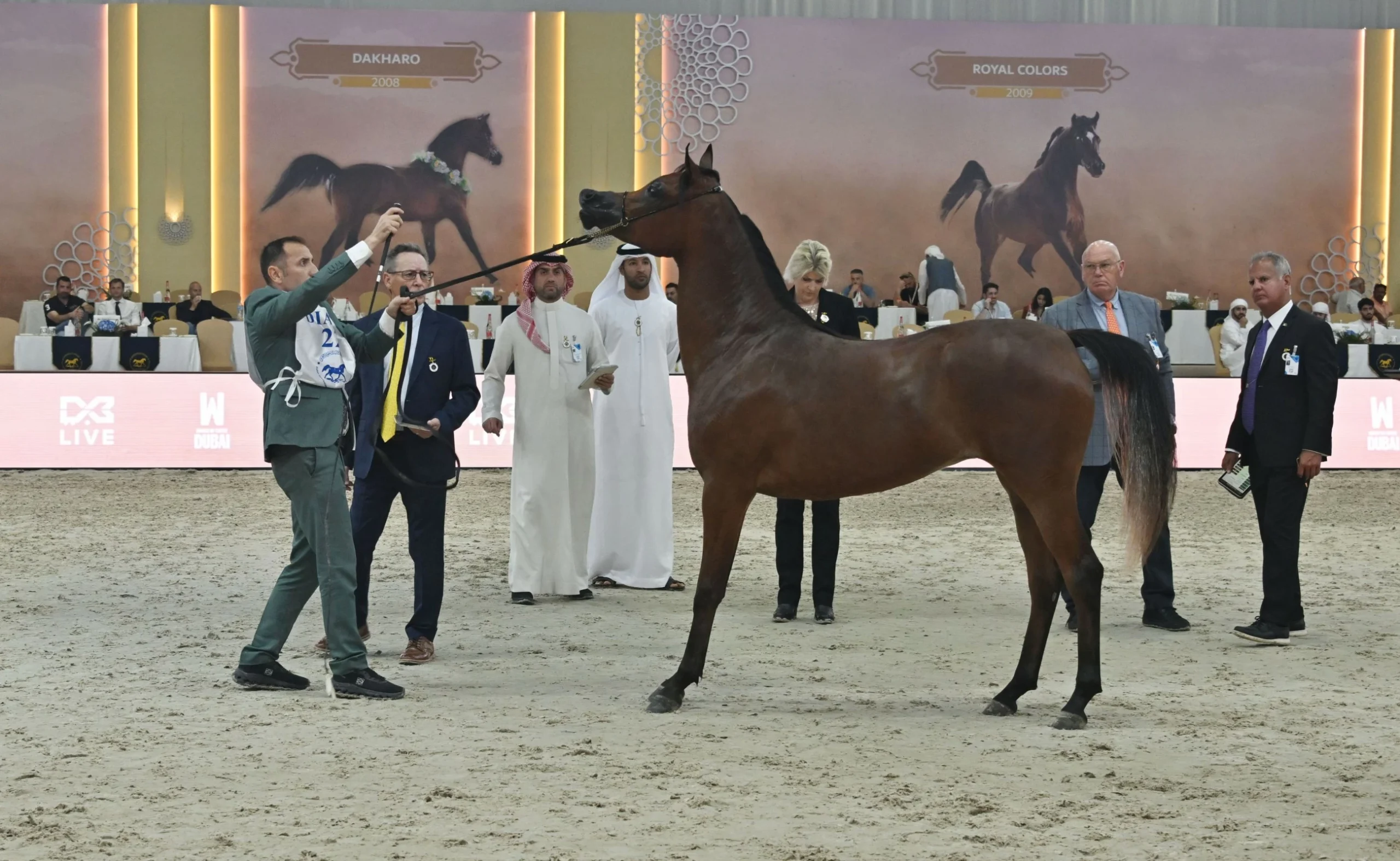
The 23rd edition of the Dubai International Arabian Horse Championship kicked off at the Dubai World Trade Centre, further cementing the UAE's reputation as a premier global hub for equestrian excellence.With 155 horses representing 12

News
Attacks on embassies reflect a security flaw in host coun…

Attacks on embassies reflect a security flaw in host coun…

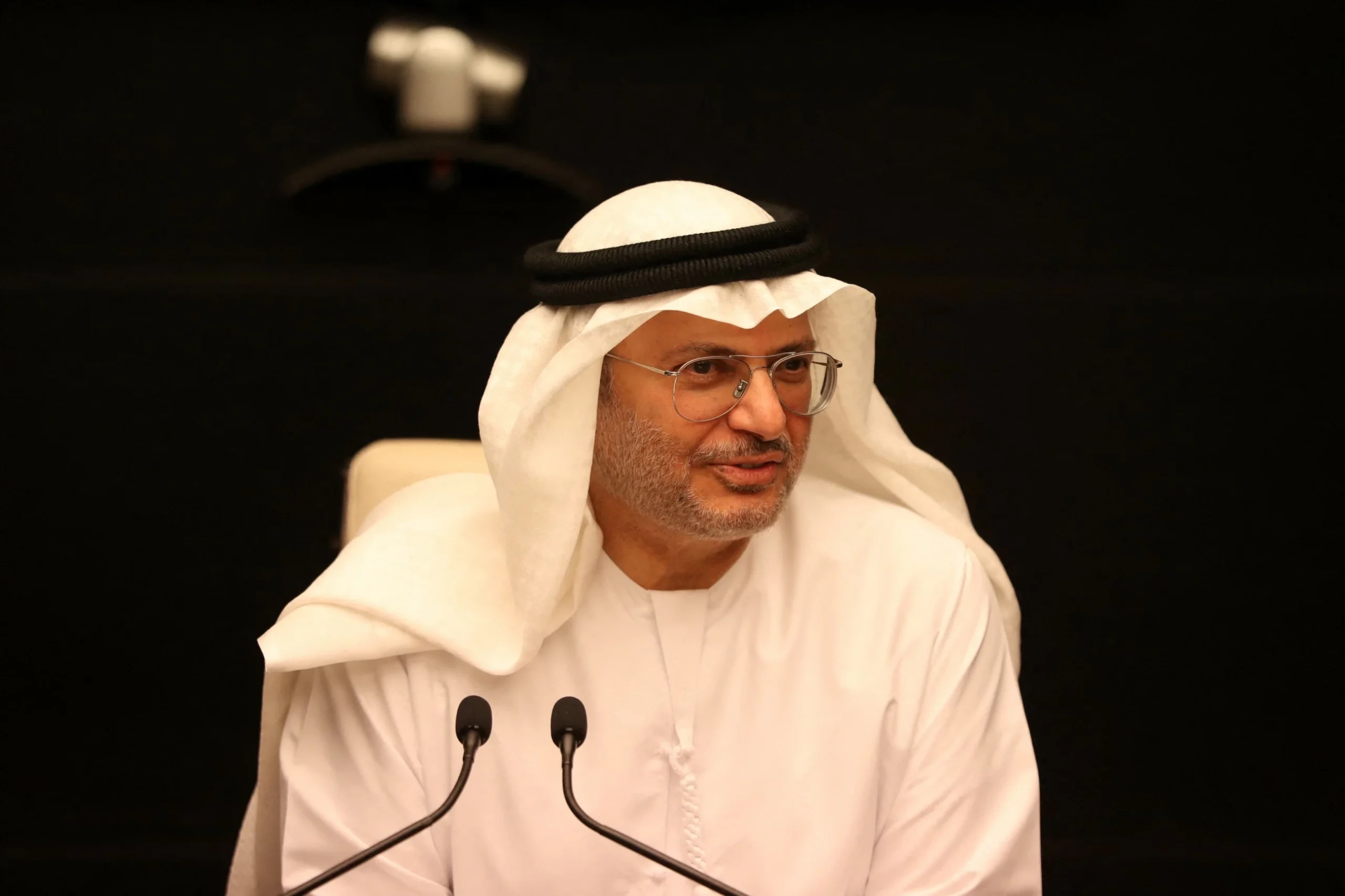
Dr. Anwar Bin Mohammed Gargash, Diplomatic Advisor to His Highness the President of the UAE, affirmed that attacks on embassies and diplomatic missions are not only a blatant violation of international law, but also reflect

Entertainment
Ciara Miller Steps Out in NYC After Amanda Batula, West Wilson Confirm Romance

Ciara Miller Steps Out in NYC After Amanda Batula, West Wilson Confirm Romance

Ciara Miller Not Hiding in My (Summer) House From the Drama!!! Published April 4, 2026 11:31 AM PDT Ciara Miller's not letting Amanda Batula and West Wilson's controversial romance get her down ... she's putting