1. Home
  2. Author Blogs

Author: admin

admin

Opinion
Four propositions for resolving deadlock in the Middle East

Four propositions for resolving deadlock in the Middle East

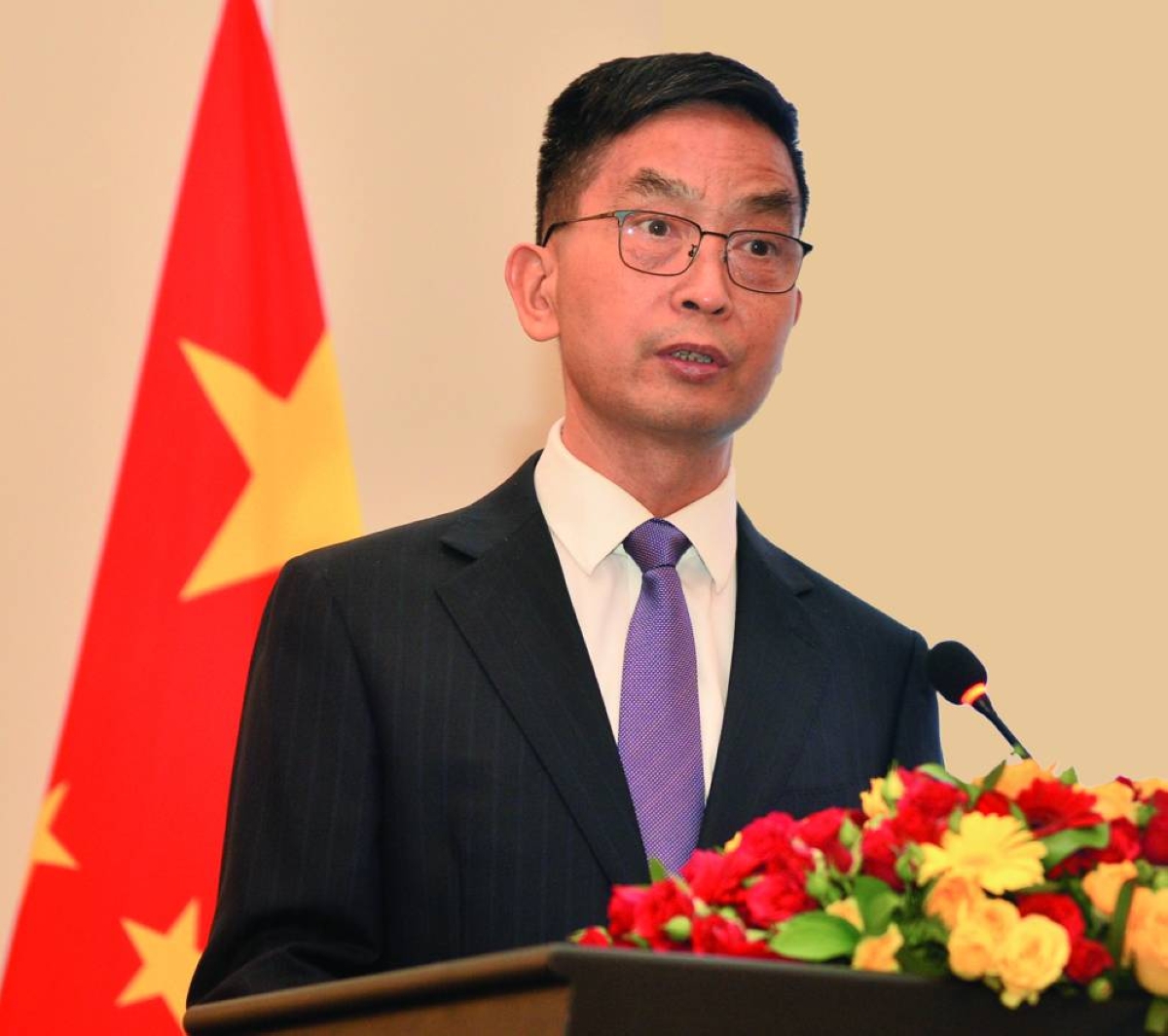
Cao Xiaolin, China’s ambassador to Qatar The Middle East now stands at a critical juncture between war and peace. Recently, Chinese President Xi Jinping put forward Four Propositions on safeguarding and promoting peace and stability in the Middle East, offering the Chinese approach for the region to move toward lasting stability and injecting much-needed certainty into a Middle East — and indeed a world —shaken by turmoil. First, stay committed to the principle of peaceful co-existence. The Gulf states in the Middle East are close neighbours that cannot move away. It’s important to support the Gulf states in improving their ties, work to build a common, comprehensive, cooperative and sustainable security architecture of the Middle East and the Gulf region, and consolidate the foundation for peaceful co-existence. Second, stay committed to the principle of national sovereignty. Sovereignty serves as a foundation for all countries, especially developing countries, to survive and thrive, and it must not be violated. The sovereignty, security and territorial integrity of the Gulf states should be earnestly respected, and the safety of their personnel, facilities and institutions vigorously safeguarded. Third, stay committed to the principle of international rule of law. We should safeguard the authority of international rule of law, reject selective application, and prevent the world from returning to the law of the jungle. It is important to firmly uphold the international system with the United Nations at its core, the international order based on international law, and the basic norms governing international relations underpinned by purposes and principles of the United Nations Charter. Fourth, stay committed to a balanced approach to development and security. Security is a prerequisite for development, and development serves as a safeguard of security. All sides should work to create a sound environment for and bring positive energy to the development of the Gulf states. China stands ready to share with the Gulf countries the opportunities through Chinese modernization, and work with them to nurture a fertile ground for regional development and security. As a permanent member of the United Nations Security Council and a responsible major country, China has consistently acted to promote peace talks through concrete efforts. China’s Foreign Minister Wang Yi has met and made phone calls with his counterparts from relevant countries nearly 30 times. The Special Envoy of the Chinese Government on the Middle East Issue, Zhai Jun, conducted shuttle diplomacy across several countries to ease tensions in the region. China has also maintained close coordination with all parties through the United Nations and other platforms, with the objective of advancing a ceasefire, ending hostilities, and promoting dialogue and negotiation. China’s efforts, commitment, and sense of responsibility in pursuing peace have won broad recognition from regional parties and the wider international community. A ceasefire does not equal peace. The spillover risks of the war remain, the regional security architecture is badly fractured, with a serious loss of trust between all parties. Any accidental escalation could once again push the situation toward the abyss. As the Chinese saying goes, “When strength is pooled, nothing is unconquerable; when wisdom is combined, nothing is unattainable.” Peace in the Middle East must ultimately be safeguarded by the people in the Middle East. China stands ready to work with all peace-loving nations, guided by Chinese President Xi’s Four Propositions, to jointly advance a common, comprehensive, cooperative, and sustainable security architecture for the Middle East, and to strive tirelessly for enduring peace and stability in the region.  Related Story
World
Republicans’ midterm strategy moves focus away from Trump

Republicans’ midterm strategy moves focus away from Trump

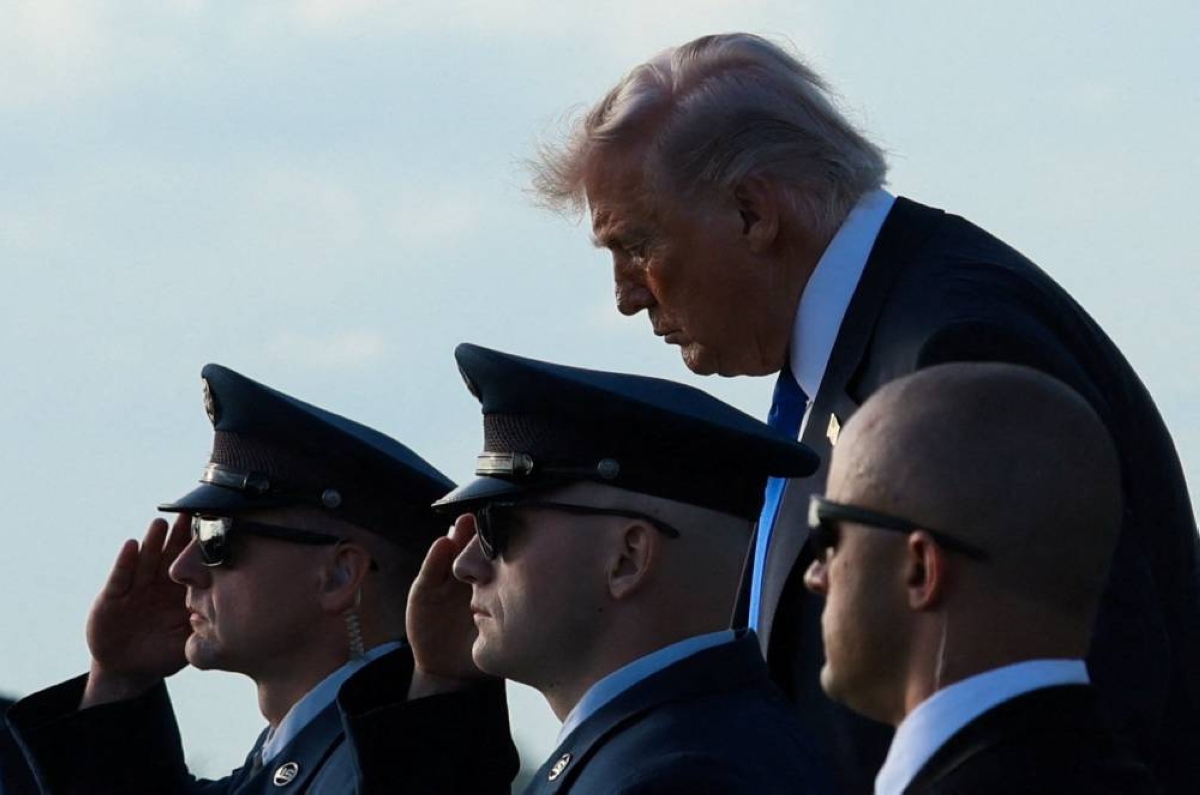
With US gas prices up, President Donald Trump’s approval ratings down and the Iran war dragging on, Republicans are recalibrating their blueprint ahead of November’s midterm elections. The strategy? Seek to tap Trump’s ‌turnout power without making the races a referendum on an increasingly unpopular president. In a closed-door meeting this week with top conservative campaign officials, ​Trump’s political advisers, including White House chief of staff ‌Susie Wiles, political chief James Blair and longtime pollster Tony Fabrizio, outlined a plan for candidates to promote Republicans’ tax cuts and inflation-fighting ‌policies, according to four people familiar with the gathering. But Republicans want to avoid ‌making Trump himself the focus of the campaign, as strategists worry ‌that his sagging political fortunes could hurt candidates in competitive congressional races. Trump’s party faces an uphill battle to keep its House of Representatives majority, and a growing risk of losing control of the Senate. Among some Republican operatives, concern is increasing that Trump’s presidency — and political clout — are running out of gas, according to three of the people, plus another seasoned Republican campaign source, who spoke on the condition of anonymity to discuss private meetings and offer candid assessments. Trump appears mired in a deadlock with Iran, with both military and diplomatic efforts falling far short of denuclearising the Islamic Republic and reopening the Strait of Hormuz after two months of war. Rising gas prices — the national average is near $4 per gallon – threaten to neutralise new tax policies from Republicans’ “One Big Beautiful Bill Act,” the signature legislative achievement of Trump’s second term. Only 36% of Americans approve of Trump’s job performance, the lowest of his current term, a Reuters/Ipsos poll ​found. And many Americans, including some Republicans, have some concerns about the 79-year-old president’s temperament and mental sharpness following a series of explosive outbursts. “Are going to try to nationalise the election and say we’re a rubber stamp for Trump,” a Trumpworld political strategist told Reuters. “We have to break out of that and show race by race why we’re the better ‌choice.”Inside the president’s political operation, enthusiasm remains strong that Trump is an effective messenger. Kiersten Pels, ​national press secretary for the Republican National Committee, said that Trump would remain “the most powerful driver” of conservative voter turnout in the ​midterms, and that Republican candidates are eagerly seeking his endorsement. White House spokeswoman Olivia Wales said Trump was the “unequivocal leader of the Republican party and he is committed to maintaining Republicans’ majority in Congress.” Over coffee and pastries in the meeting on Monday held at what was once Trump’s luxury Washington hotel, now the Waldorf Astoria, Trump’s team asked guests to sign non-disclosure agreements, then predicted Republicans would win a redistricting election the next day in Virginia. The mood was optimistic, the people familiar with the gathering said. Details of the meeting leaked immediately. A day later, Virginia voters approved the new congressional map Democrats drew to favor their party in November. “If the people framing this approach are confident about Virginia and they get beat in Virginia, you have to question, are they overconfident about the whole package?” one of the people familiar with the meeting said. Some Republican insiders are quick to point out that the midterm elections are months away, and that much can change before voters go to the polls. If armed hostilities with Iran slow, gas prices ‌could fall and inflation could cool more broadly. “The panic is ‌people looking at things right now, but I think the key is to project where it could be over the summer, and it’s still very fluid,” said David McIntosh, president of the Trump-aligned Club for Growth.Headed into the election cycle, Republicans planned to promote Trump as the party’s standard-bearer, and as the figure who, in his oft-repeated phrase, turned the US into “the hottest country anywhere in the world.”Wiles in December said Republicans would upend the traditional midterm playbook by putting Trump “on the ballot,” rather than keeping the sitting president at a distance. Now, the people said, that plan is less attractive. Republicans will look to emphasise local issues rather than allegiance to the president, they added. “The politics have changed,” said another of the people familiar with the meeting. “In January, nationalising the race around him made some sense. “Voters don’t feel the president is doing enough to make their lives cheaper, but they still believe Republicans want to do that,” the person said. The Trumpworld strategist added that the ​Democratic Party’s low popularity gives Republicans an effective foil with which to contrast policy ideas. Trump’s faltering support could give Democrats fertile ground to attach Republican candidates to the president’s shortcomings, making some conservative campaign operatives skeptical of the White House’s political approach. After campaigning in 2024 as a critic of “stupid wars” and styling himself as a “peace president,” Trump is now overseeing the largest US military operation since the 2003 invasion of Iraq.Critics say Trump’s administration showed little consideration of how Iran would respond to the joint US-Israeli attack or the vast economic fallout, including an unprecedented global energy supply shock and the threat of a worldwide financial downturn. Trump’s decision on Tuesday to indefinitely extend what was originally a two-week ceasefire was widely viewed as a retreat, with Tehran maintaining its grip on the Strait of Hormuz and commitment to a nuclear program.Aaron David Miller, a former Middle East negotiator for both Democratic and Republican administrations, said Iran believes it holds leverage with Hormuz and ‌can also endure economic pain. 

World
Malaysia offers rare earths alternative to China

Malaysia offers rare earths alternative to China

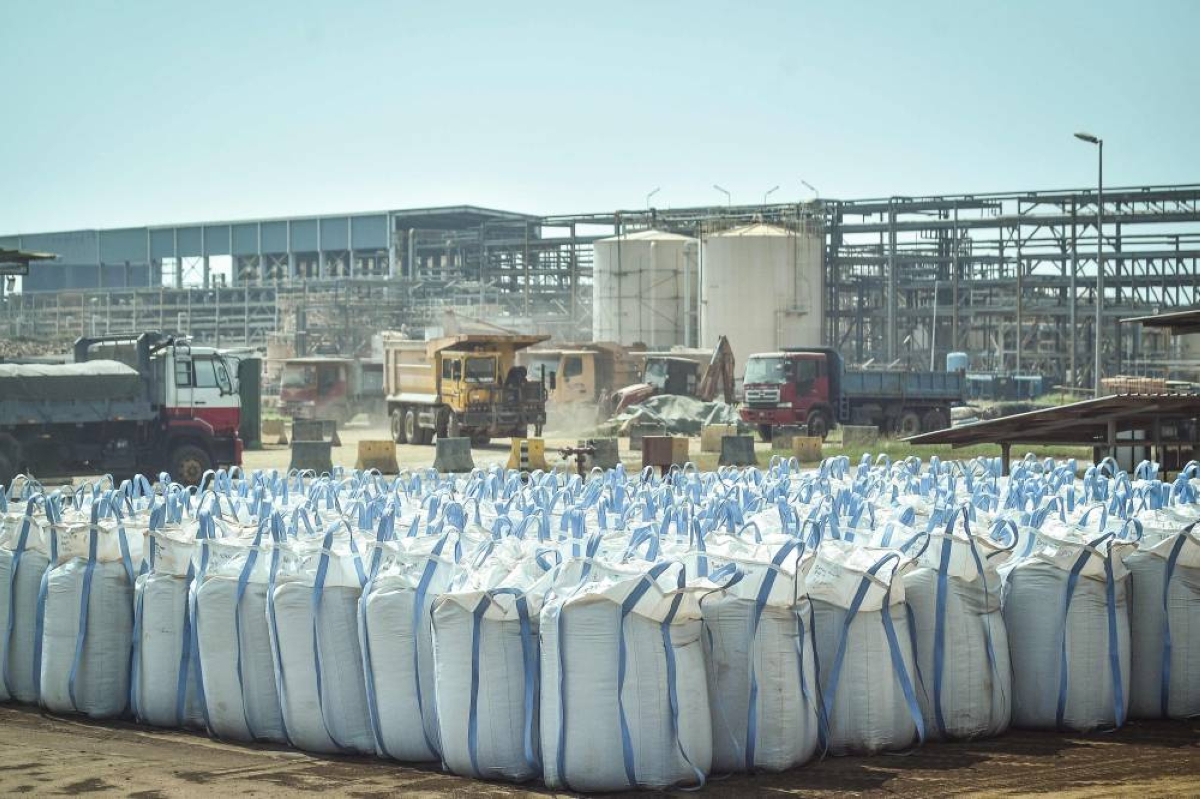
Tonnes of packaged rare earth minerals sat ready for shipping from a Malaysian plant to loosen China's grip on supplies of the critical elements. (AFP) Workers load tonnes of rare earth minerals into bags ready for shipping at a refinery in eastern Malaysia, fuelling the global pushback against China’s grip on the critical sector. Rare earths are a key ingredient in products ranging from smartphones to fighter jets, electric cars and wind turbines — and increasingly for hardware powering the artificial intelligence (AI) boom.Global jitters about Beijing’s dominance as a rare earths producer have kicked Australian mining giant Lynas into action, expanding its portfolio of rare earths refined in Malaysia as it hopes to boost its approximately 10% share of the market. China makes up the other 90% of the world’s market, stoking fears about Beijing’s ability to choke global supplies. “China has built its success on executing a clear industrial plan — it takes us to be serious about it,” Lynas company’s chief executive Amanda Lacaze told AFP. Pushing against Chinese dominance will “take discipline, focus and clear planning”, she said during a rare press visit to the company’s sprawling chemical plant in Malaysia’s Gebeng industrial hub, near the coastal city of Kuantan. The Lynas facility in Gebeng is now the world’s largest single rare earths processing plant. Since 2012, the facility has been refining pure metals from raw materials mined in Western Australia, in an intensive and complicated separation procedure.It currently handles 11 of the 17 rare earths — a number that is increasing — with plans to expand even further to include “heavies” such as yttrium and lutetium, used for lasers, medical imaging and cancer therapy. From the plant, the bags are transported to Port Klang on the other side of Malaysia, and leave on a ship for Japan, where the metal powders are turned into high-performance magnets used in advanced industries such as electronics and aerospace. Most bags contain NdPr, short for neodymium-praseodymium, a rare-earth mixture and key magnet material, which sells for around $100,000 per bag.Smaller quantities of other separated heavy rare earth oxides like dysprosium, terbium and samarium are sold in 25kg tins.Rare earths are so vital for the global economy that they have become a flashpoint in the blistering trade war between the US and China. Beijing leveraged its grip on the precious minerals in spectacular fashion last October, reaching a deal with Washington to pause the trade war after its curbs on exports rattled markets and snarled supply chains.Supply of rare earths is expected to be a key discussion point at an upcoming summit between US President Donald Trump and his Chinese counterpart Xi Jinping in Beijing set for mid-May. But the challenge for Lynas is not its production capacity, chief operating officer Pol Le Roux said.Instead, incentives are needed to boost downstream capacity — the ability to turn raw minerals into a finished product — which is “growing too slowly”, he told AFP. Lacaze said the company was already partnering with magnet makers to close the gap between rare-earth processing and manufacturing.However, she stressed: “We won’t just say that we are going to wake up tomorrow and be a magnet maker.”Producing rare earths requires heavy chemicals and can produce toxic waste, with cases including illegal operations polluting Mekong tributaries in Myanmar, Laos and Cambodia with arsenic and cadmium. Lynas got the green light last month from the Malaysian government to process rare earths there for another 10 years. The licence was issued as environmental watchdogs such as Greenpeace raised concerns over the management of radioactive by-products. Under the latest agreement, the government said the company must now halt all activities that produce radioactive waste within five years of its renewed operating licence. Lynas however, says its by-product from rare earth refining produces a non-toxic, non-radioactive magnesium-rich gypsum and an iron phosphate with a very low level of naturally occurring radioactive material.Existing by-product is already stored in a permanent disposal facility “constructed and managed to ensure the material does not impact on the surrounding environment,” the company said.Lynas also has ambitions to diversify further into producing rare earths as catalysts over the next decade.Rare earths are particularly important as a low-cost catalyst in the hydrogen supply chain, for instance, in the recovery process when the gas is transported long-haul as ammonia.“In 10 years from now, I expect this to be a substantial part of the business,” Le Roux said. 

World
Turkiye may consider role in Hormuz demining: FM

Turkiye may consider role in Hormuz demining: FM

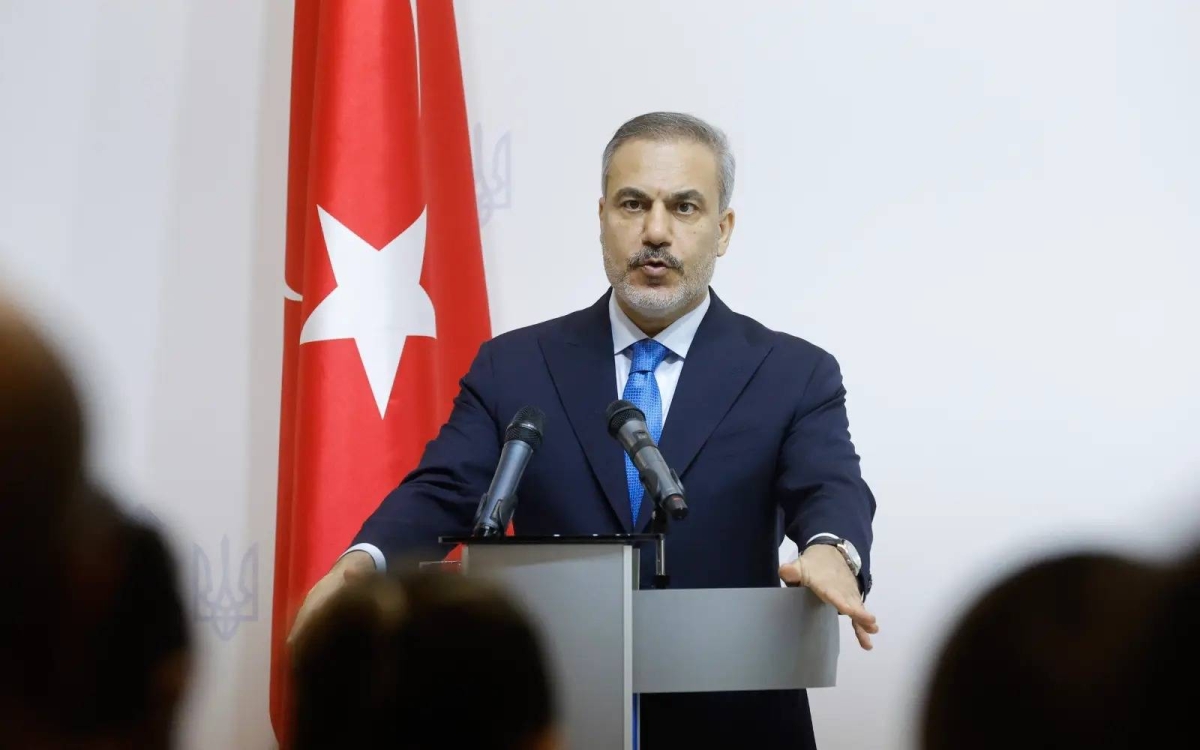
 Turkish Foreign Minister Hakan Fidan said that Turkiye could consider ‌taking part in demining ​operations in ‌the Strait of ‌Hormuz following ‌a possible peace agreement ‌between Iran and the United States. Fidan said any demining work would be carried out by a technical team from various countries, formed after a possible Iran-US peace agreement Turkiye would ‌have “no problem” with participating in mine-clearing operations under those conditions Fidan cautioned that Turkiye would reassess its position if any future technical coalition of countries became ​a party to renewed conflict Fidan also said he believed issues related to Iran’s nuclear programme could be resolved at the next round of talks in Pakistan. 

World
Ukraine signs pacts with Azerbaijan in drone push

Ukraine signs pacts with Azerbaijan in drone push

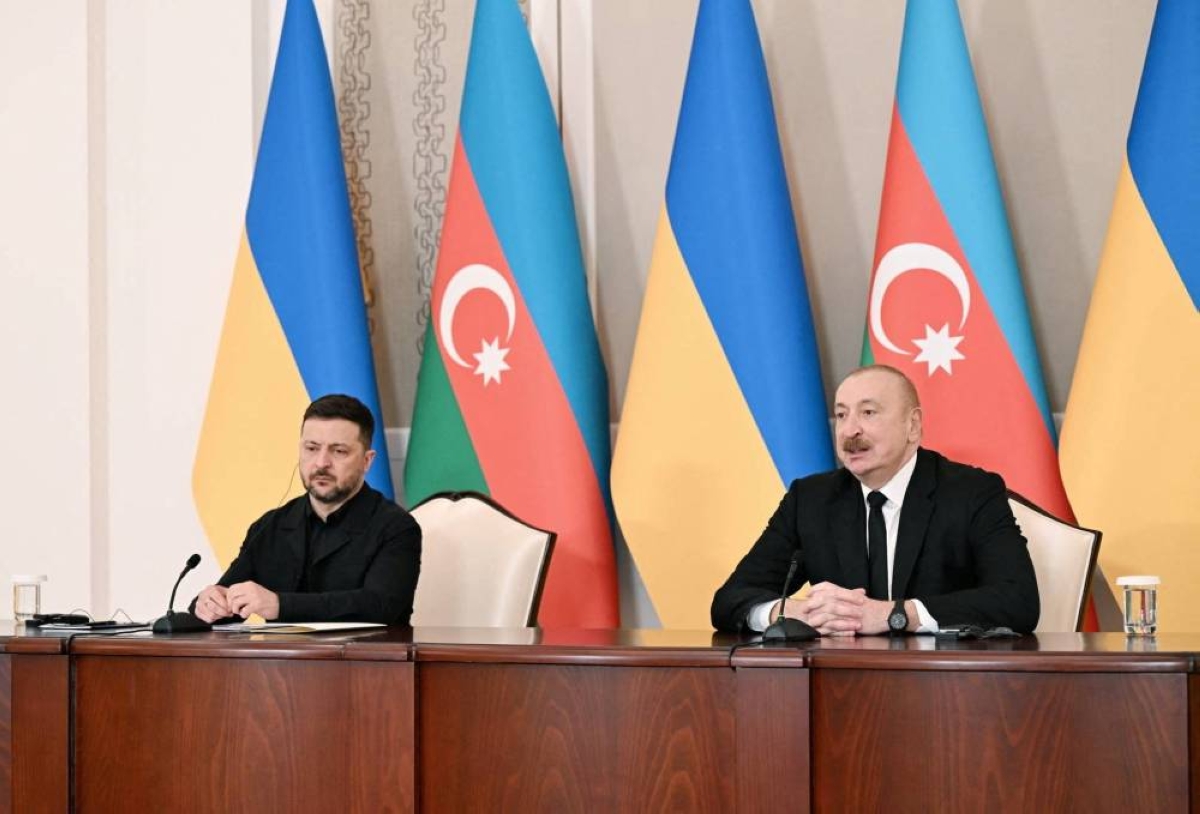
Azerbaijani President Ilham Aliyev and Ukrainian President Volodymyr Zelensky attend a press briefing following their meeting in Qabala, Azerbaijan, yesterday. (Reuters)  Ukraine and Azerbaijan signed six co-operation agreements yesterday, President Volodymyr Zelensky said, as he pushes to share Kyiv’s drone expertise amid the Middle East war.Zelensky has clinched several defence deals with Gulf countries that suffered Iranian drone attacks with Kyiv offering its experience and expertise after more than four years of relentless Russian strikes.“We have signed six documents today,” said Zelensky in the Azerbaijan capital Baku, without specifying which fields. “Today, the number one area is security. This concerns the defence-industrial complex,” he said. “We have shared our experience in countering the aggressor today”.Speaking alongside Azerbaijani counterpart Ilham Aliyev, Zelensky said Ukrainian drone experts were already working in Azerbaijan, a former Soviet republic on the Caspian Sea that borders southern Russia. In early March, drones launched from Iran hit an Azerbaijani airport and exploded near a school, wounding four people and raising fears of a spillover of the conflict into the Caucasus.Since then, already tepid relations between Baku and Tehran have declined further. The Ukrainian president also said he was ready to hold trilateral talks on ending the war with Russia in Azerbaijan, if Moscow showed a willingness to do so.“We shared with the president of Azerbaijan that we are ready for trilateral talks,” said Zelensky. Azerbaijan repeatedly expressed support for Ukraine’s territorial integrity and sent humanitarian aid after the Russian invasion in 2022.Ties between Moscow and Baku have cooled over the past year, after an Azerbaijani passenger plane was mistakenly hit by a Russian anti-aircraft missile in 2024, causing a crash that killed 38. 

Sports
France’s Cherif tops Diamond Round at Hathab Tour

France’s Cherif tops Diamond Round at Hathab Tour

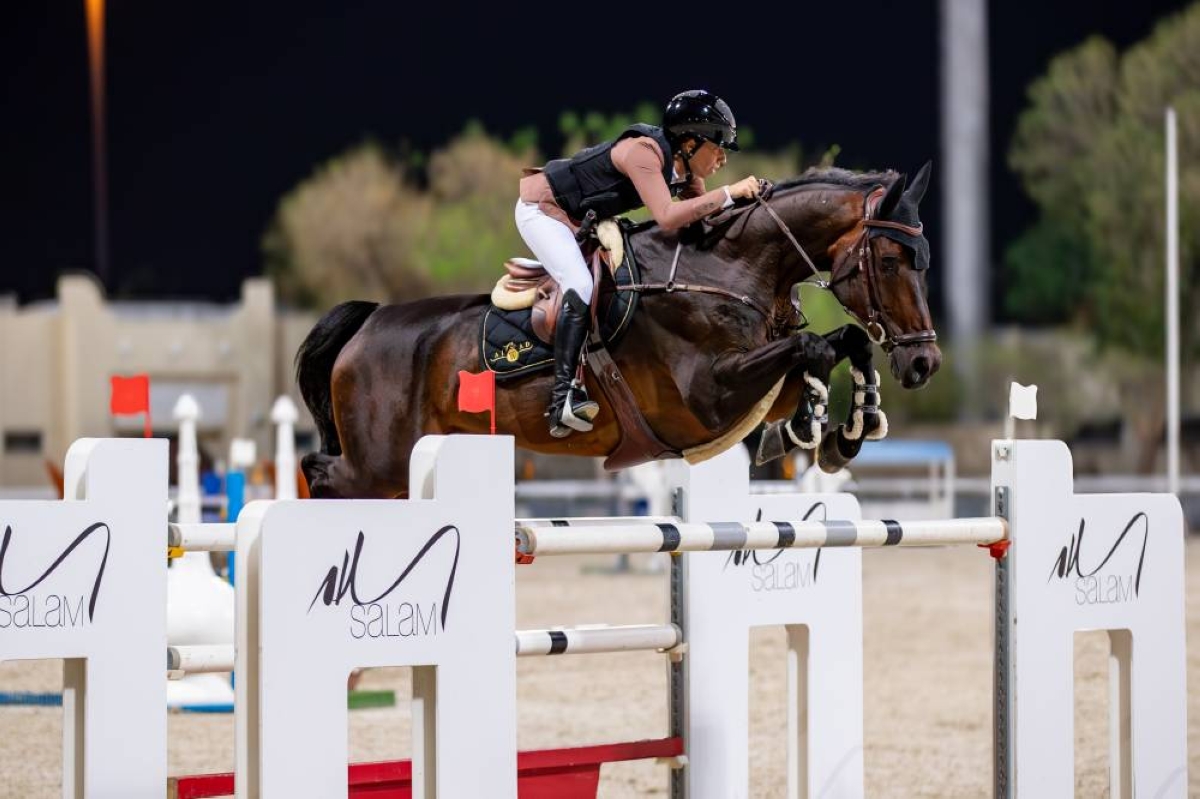
France’s Cyrine Cherif delivered a composed performance to win the Diamond Round 150cm class during the eleventh round of the Longines Hathab – Qatar Equestrian Tour held at the main arena of the Qatar Equestrian Federation yesterday. Cherif guided Triple T Calamando Blue to a faultless finish in 31.48 seconds. Saudi Arabia’s Khaled al-Eid secured second place aboard Rakker Dmc in 32.11 seconds, while Qatar’s Mohammed Saeed Haidan finished third riding Wathnan Stand By Me in 32.36s seconds. Speaking after her victory, Cherif said: “My horse was a bit slow today so I was cautious and stayed steady and it worked. I’m glad to have won but I would have been happy with any podium finish. My horse had too much to do through the season and the Doha Equestrian Tours. But yes, having won a Grand Prix at DET, even 1.50m now appears smaller when I go into the arena.” In the Bronze Tour 120cm, Qatar’s Hussain Saeed Haidan claimed first place riding D Saucedo in 28.77 seconds. Saudi Arabia’s Khaled al-Hadi finished second aboard Carlton de Sauvageonn in 29.33 seconds, while Kuwait’s Annaz al-Annaz took third place with Be Bop de Lyons in 29.41 seconds. In the Bronze Tour Teams event, Marwan Al Shaqab secured first place with a clear round in 61.93 seconds, followed by Ajwad in second place with 72.89 seconds, while Gazal Al Shaqab finished third after incurring four faults in 63.70 seconds. In the Future Riders 90cm class, Qatar’s Salha Khalid al-Obaidli claimed first place riding Violet Van Het Koetshuis in 21.57 seconds. Alqaqaa Tamim al-Thani finished second aboard Bon Suela in 22.34 seconds, while Fahad Talal al-Naimi secured third place with Kroaat Van Orchid’s in 23.05 seconds. Meanwhile, in the first dressage competitions, Sharifa Ahmed al-Ansari was crowned Amateur (Introductory Level) champion in Group 7 with a score of 70.119 points. Georgina Roy Khan won the Introductory Level 2 title in Group 7 with 72.625 points, while Hamad Nasser al-Marri recorded 71.5 points to top the Junior category for the Introductory Level 2 test. Michelle Grimes also claimed first place in the Dressage Level 1 class in Group 7 with 70.425 points. 

Sports
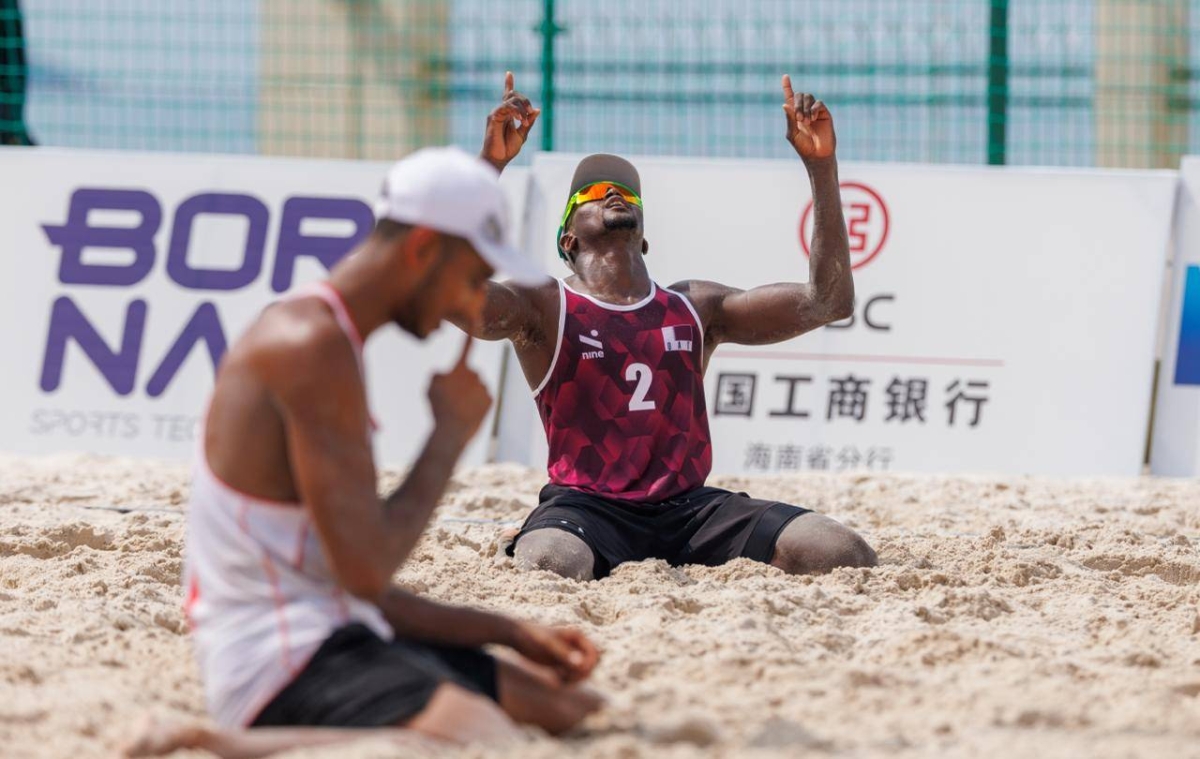
All-Qatari beach volleyball clash seals quarters spot

All-Qatari beach volleyball clash seals quarters spot

Cherif Younousse and Ahmed Tijan will face compatriots Mohamed Ehab and Moussa al-Khair today After impressive group-stage performances, the country’s two men’s teams will meet in an all-Qatari round of 16 clash in the beach volleyball competition at the Asian Beach Games - Sanya 2026 today.The first team of Cherif Younousse and Ahmed Tijan booked their place at the top of Group B after a hard-fought 2-1 (21-11, 21-23, 15-13) victory over Iran yesterday, underlining their strong title credentials. Meanwhile, the second team of Mohamed Ehab and Moussa al-Khair finished runners-up in their group following a 0-2 defeat to hosts China, setting up a direct encounter with their compatriots. The fixture guarantees Qatar a place in the quarter-finals and reflects the teams’ impressive group-stage performances. Younousse and Tijan had earlier secured wins over the Maldives and Uzbekistan, while Ehab and al-Khair recorded victories against Saudi Arabia and Macau before their loss to China. In the women’s competition, Haya Abu Issa and Laila Mohammed exited after a 0-2 defeat to China.Qatar is represented by four teams—two men’s and two women’s—reflecting growing participation and the sport’s expanding continental presence. Meanwhile, Qatar’s beach handball team faces Thailand today, aiming to secure a place in the semi-finals and continue its title defence. The team enters the match in strong form, having recorded five consecutive wins against Pakistan, Oman, Bangladesh, Mongolia and Jordan to top the group with 10 points. Drawn in a competitive group that also includes the Maldives and Thailand, Qatar has maintained a high level from the outset. Today’s match is key to confirming top spot and shaping the knockout path, ahead of the final group fixture against the Maldives tomorrow. The semi-finals are set for Tuesday, with the final on Thursday, as Qatar looks to extend its winning run and move closer to another title. Bright start for Qatar’s men’s 3x3 basketball team Qatar’s men’s 3x3 basketball team opened their Asian Beach Games – Sanya 2026 campaign with two wins, defeating Bahrain 21-11 and Kazakhstan 22-15 to boost their qualification chances.The team delivered strong performances in both matches, imposing a fast pace and making the most of scoring opportunities through effective teamwork to secure a perfect start. In contrast, the women’s team lost their opener 5-21 to China. The men conclude the group stage against India tomorrow, a key match for their progression, while the women face Kazakhstan next. The knockout rounds begin on Tuesday, with the competition concluding on Wednesday with the semi-finals and final. The men’s squad includes Mohammed Bashir, Dejan Janic, Nadim Muslic and Osman Deng, while the women’s team features Sama Jasser, Tania Al-Tawil, Mona Al-Sayed and Alaa Suleiman, reflecting continued efforts to support and expand the sport. Elsewhere, Qatar’s sailing team continue its participation, with Tamim Shams set to compete in the sixth and seventh races of the Optimist class for boys, while Thani Shams will race in the sixth and seventh rounds of the ILCA 4 class. The competition follows a cumulative format in which all sailors take part in every race, with final standings determined by the total results across ten races running through Tuesday. This system requires consistent performance, while also allowing competitors to improve their positions with each race amid close competition, as the Qatari sailors aim to achieve strong results and enhance their overall standings. China extended its lead in the medal standings after yesterday’s events, with 19 medals (9 gold, 8 silver, 2 bronze). Thailand moved into second with eight medals (3 gold), followed by the Philippines in third with six (3 gold). The United Arab Emirates ranked fourth with six medals (2 gold), while Vietnam placed fifth with five medals (2 gold), as competition remains tight heading into the final stages. 

World
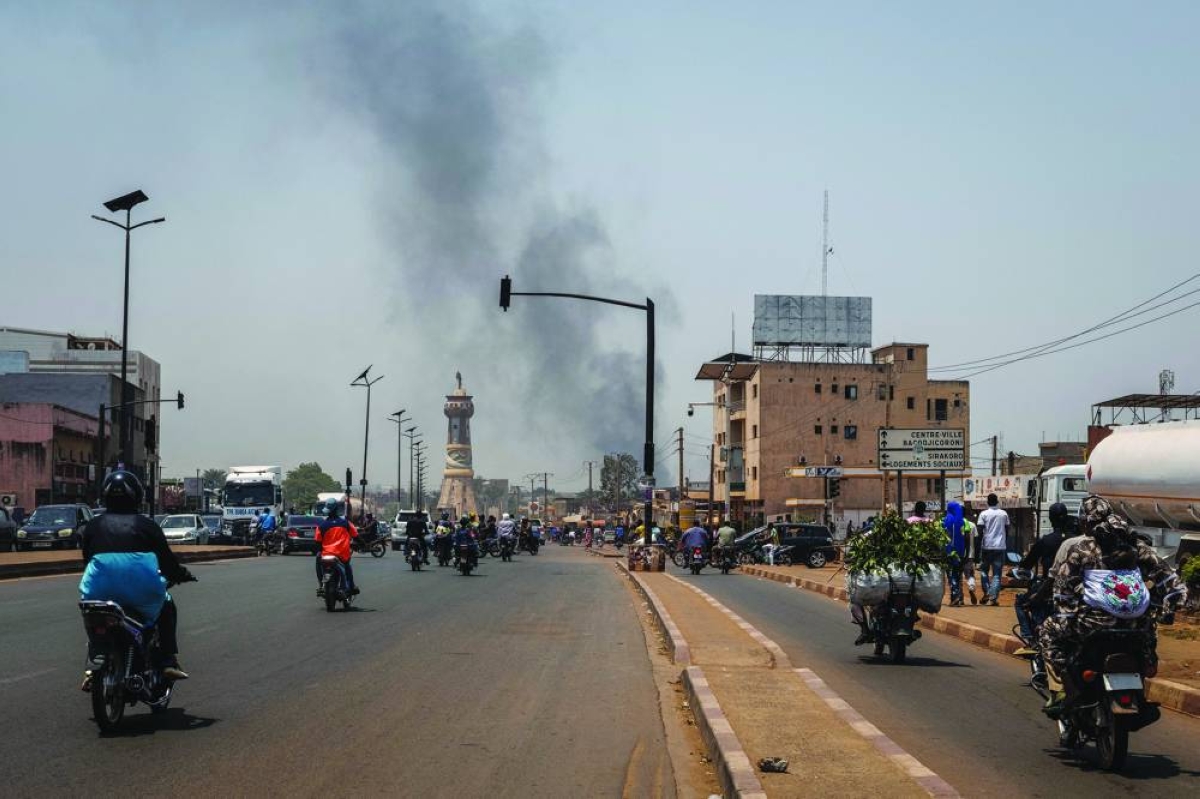
New fighting in Mali’s Kidal between army and rebels

New fighting in Mali’s Kidal between army and rebels

A column of black smoke rises above buildings as traffic passes the Africa Tower monument in Bamako on April 26, 2026. April 25, 2026's shock attacks, synchronised by Tuareg rebels of the Azawad Liberation Front

World
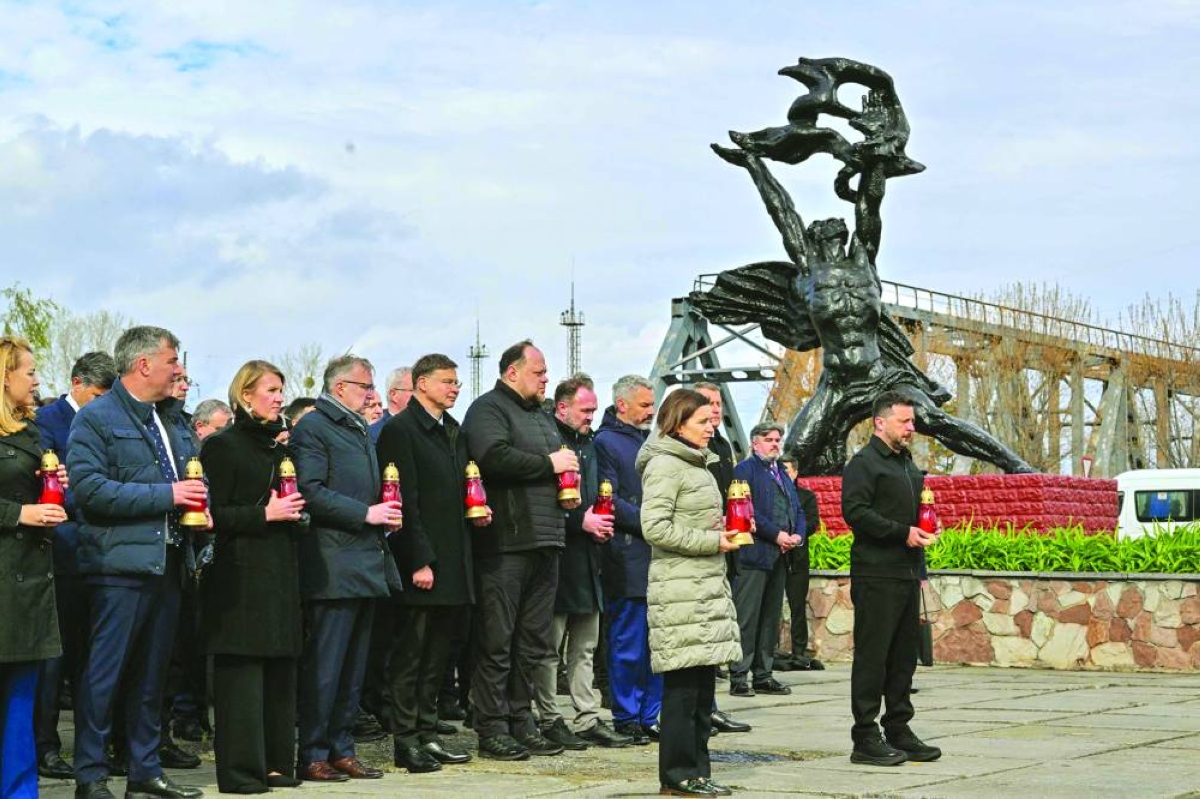
Zelensky accuses Russia of ‘nuclear terrorism’ on Chernobyl anniversary

Zelensky accuses Russia of ‘nuclear terrorism’ on Chernobyl anniversary

Ukraine's President Volodymyr Zelensky and President of Moldova Maia Sandu (front left) with other participants pay their respects at a memorial to commemorate the 40th anniversary of the Chernobyl nuclear disaster at the Chernobyl Power

Opinion
NPT: Between aspirations and challenges

NPT: Between aspirations and challenges

Governments from most countries around the world are set to participate in the 11th Review Conference of the Treaty on the Non-Proliferation of Nuclear Weapons (NPT), which opens today at United Nations headquarters and runs through May 22.Held every five years, the conference assesses the effectiveness of the treaty – born out of Cold War tensions more than half a century ago – and examines whether it can advance disarmament, restraint, and co-operation amid mounting global security challenges.The NPT is one of the most widely adhered-to multilateral agreements and a cornerstone of international security.Entering into force in 1970 and regarded as a landmark diplomatic achievement of the United Nations, the treaty aims to prevent the spread of nuclear weapons by prohibiting their development, testing, production, acquisition, transfer, use, or threat of use.It also promotes co-operation in the peaceful use of nuclear energy and advances the goal of general and complete nuclear disarmament.To date, 191 states have joined the treaty, which formally recognises five nuclear-weapon states – the United States, Russia, the United Kingdom, France, and China – on the basis that they conducted nuclear tests prior to January 1, 1967.However, non-signatory states possessing nuclear weapons remain a major challenge to the treaty’s effectiveness, as they operate outside its legal and verification framework.The UN High Representative for Disarmament Affairs, Izumi Nakamitsu, said the review conference provides an opportunity for countries to identify common ground despite an increasingly difficult security environment and escalating rhetoric.She warned that the risk of nuclear weapons use is rising and must not be allowed to become normalised.Despite the treaty’s success in preventing the use of nuclear weapons in conflict for over five decades, the global non-proliferation regime is facing what many describe as its most serious crisis in years.The international security landscape is marked by rising nuclear risks and deepening mistrust, while many Cold War-era agreements have either collapsed or expired.In February, the New START treaty between the United States and Russia – which capped deployed strategic nuclear warheads – expired without a replacement.At the time, UN Secretary-General Antonio Guterres warned that the world is entering uncharted territory, with no legally binding limits on the nuclear arsenals of the United States and Russia, which together possess the vast majority of the world’s nuclear weapons.This era of mistrust was reflected in the previous two NPT review conferences in 2015 and 2022, both of which concluded without agreement on a substantive final document.All Arab states are parties to the NPT and have placed their nuclear facilities under comprehensive safeguards of the International Atomic Energy Agency (IAEA); a step Israel has yet to take despite repeated international calls and UN resolutions.Qatar has consistently emphasised, across international forums, the importance of adhering to all agreements and treaties related to nuclear disarmament and weapons of mass destruction.In February, Qatar participated in the high-level segment of the Conference on Disarmament in Geneva, represented by Jawhara bint Abdulaziz al-Suwaidi, the charge d’affaires at Qatar’s Permanent Mission in Geneva.She stated that the international system is undergoing a critical phase marked by increasing armed conflicts, declining adherence to international law and the UN Charter, rising geopolitical polarisation and competition, accelerated nuclear modernisation programmes, and the integration of emerging technologies into military systems.Al-Suwaidi noted that 2026 represents a pivotal moment for the global nuclear order with the convening of the 11th NPT Review Conference.She stressed that the treaty remains the cornerstone of the non-proliferation regime and a fundamental basis for pursuing nuclear disarmament, emphasising that disarmament is a humanitarian, security, and developmental necessity.She further underscored that establishing a Middle East zone free of nuclear weapons and other weapons of mass destruction remains a priority for enhancing regional security and stability. – QNA