1. Home
  2. Author Blogs

Author: admin

admin

World
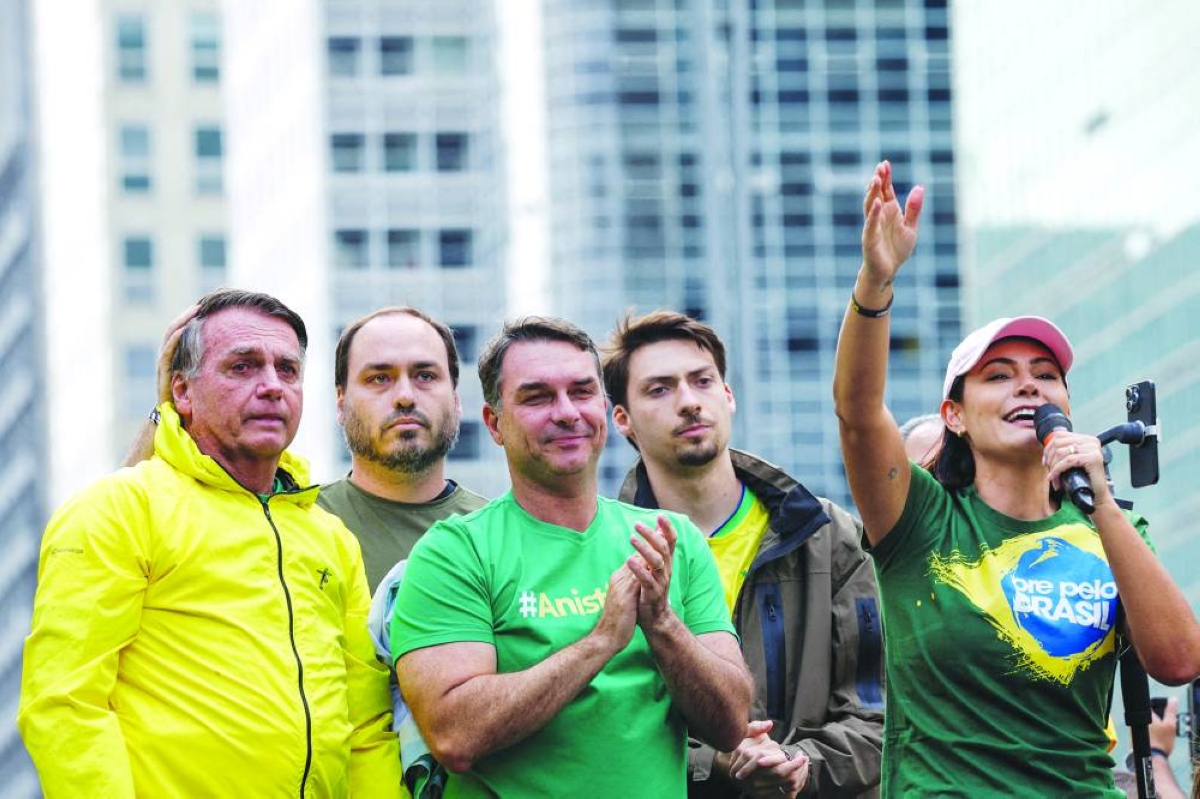
In Brazil, a Bolsonaro family rift exposes the right’s struggle with women voters

In Brazil, a Bolsonaro family rift exposes the right’s struggle with women voters

Former Brazilian president Jair Bolsonaro and his wife Michelle Bolsonaro attend a demonstration against Jair Bolsonaro's judicial process and to demand the amnesty of all accused of taking part in allegedly conspiring to overthrow the

World
Macabre night in La Guaira, Venezuela’s earthquake epicentre

Macabre night in La Guaira, Venezuela’s earthquake epicentre

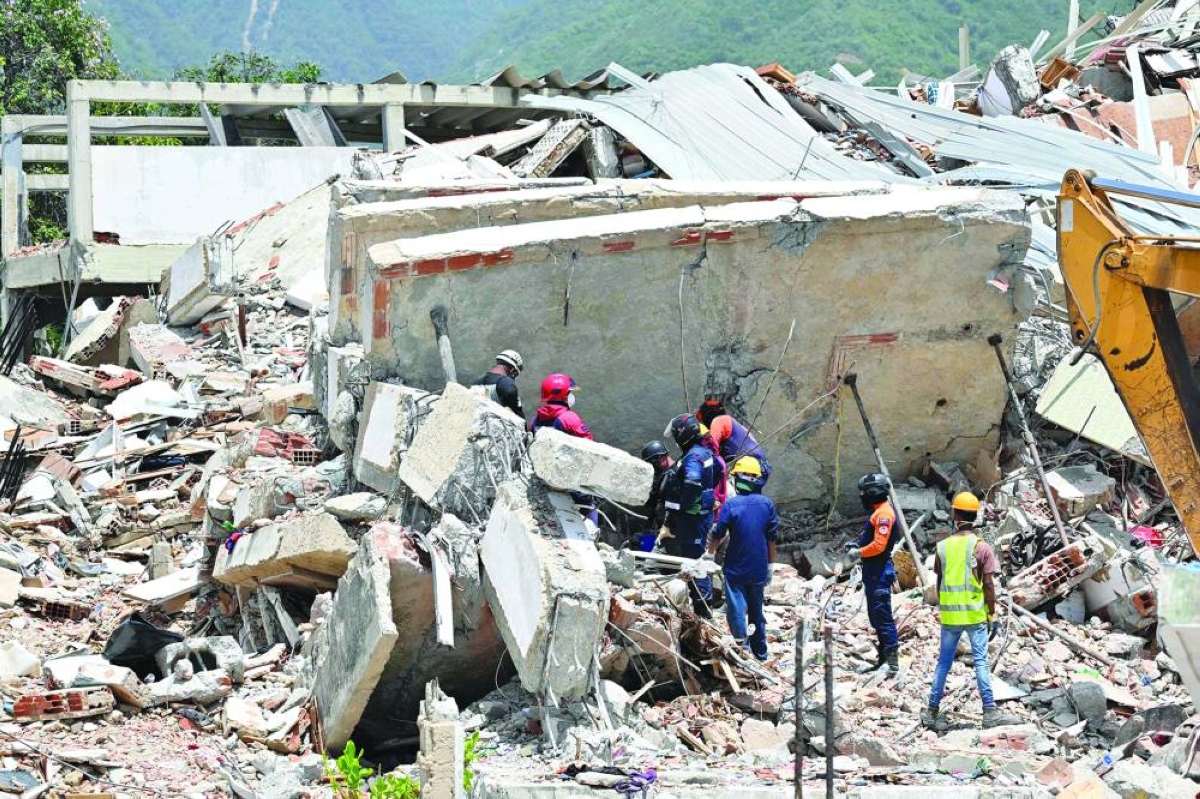
A macabre darkness, the glare of spotlights, the droning of generators and jackhammers, and often the stench of decomposing corpses: eight days after the double earthquake in Venezuela, nighttime in La Guaira, once a festive seaside resort, has transformed into a grim scene of survival and despair.The vast majority of the nearly 2,300 dead and thousands missing from the tragedy of June 24 are concentrated on the coast of La Guaira, where entire neighbourhoods have been razed.Nearly 200 buildings have completely collapsed, according to official figures, but local people say the number is higher.Some 15,000 homeless people are sleeping in tents in the streets, sports facilities, parks, vacant lots after one of Latin America's worst ever earthquake disasters.Everywhere, relatives, volunteers, and rescue workers are racing to recover bodies with the slim chance of finding survivors.But there have been glimmers of hope. Hernan Gil, 43, was astonishingly rescued from the rubble Thursday, eight days after the earthquakes, in Playa Grande, a neighbourhood of Catia La Mar."Sandwich of slabs" On a neighbouring plot of land, under the glare of floodlights, about 10 people are working to excavate a six-metre-high mountain, the remains of an eight-story building that collapsed "like a sandwich of slabs," explained Manuel Alejos, a crane operator."We're breaking slab by slab to free the bodies... Their families need the bodies to say their goodbyes," said the crane operator, who has already pulled seven bodies from the building."We still have the basement to do," he said, still hoping to find survivors.The stench of corpses filled the air.Angelo Gonzalez, a 27-year-old motorcycle taxi driver, and his friends arrived with water and pasta: "We're helping our brothers. We all have the same blood."On the docks, people wait on plastic chairs. A makeshift morgue has been set up to meet the demand.Owuar Herrera and 12 members of his family have been waiting since 5pm. He brought the bodies of his granddaughter, 10-year-old Dasleidy Herrera, and her grandmother, 50-year-old Mildred Moreno, both killed in the earthquakes."After a week of work, we found them today. They were embracing," he says.In Caraballeda, the other hardest-hit area, only a pile of rubble remains of the upscale Coral Beach residence.At the top, men were also working with spotlights to recover the body of Dennis Velasquez, 26, the son of their friend.Plastic bottles had been placed over the protruding metal to prevent injuries. The men worked like ants, forming a chain to pass buckets of small concrete blocks."We went past the penthouse, the 12th floor, and on the 11th we pulled out a family of six with a six-year-old child. On the 10th, there's my son," one of the rescuers, Carlos Velazquez, said."I've been here since day one. Even if I have to pull him out with my own fingernails, my son will rest in a proper cemetery," Velazquez said, his eyes filled with sadness but determination.His son's body was recovered shortly afterward.Cesar Gonzalez, 54, a Mexican firefighter and veterinarian, gives his two dogs, Zeus and Bom, water: "One is for detecting the living, the other for the dead. The more time passes, the less hope there is. Just two days ago, hope was much greater. Now, it would be a miracle," he explains.Already looted Police and soldiers are patrolling to prevent looting. Sergeant Yonder Maita, 24, is patrolling to protect rescue workers but especially to prevent theft: "There are people who break into houses to steal. Sometimes they pretend to be relatives. They take advantage of the situation."On many walls, the words "Already looted" are painted in black.On a soccer field, Maria Arteaga, 33, a mother of four, is preparing to sleep in an improvised shelter made of tarpaulins and a Venezuelan flag.On the floor, dirty mattresses found in the street will serve as sleeping quarters for nine people."The house... Everything, we've lost everything... Except our lives! We're even barefoot.""We didn't have much to begin with, but we've lost everything," adds a neighbour, Alexis Ramirez, 25, a tyre repairman.He lives with his two-year-old daughter, Mia, his wife, Fabiola, who is seven months pregnant, and his disabled mother-in-law.Is he afraid of becoming homeless? Of more aftershocks? Of thieves?"We've lost our fear."  Related Story

World
Korean shops turn to robots, self-service to escape labour woes

Korean shops turn to robots, self-service to escape labour woes

A robot arm serves coffee at an unmanned cafe in Seoul, South Korea. (Reuters) Unstaffed coffee shops, ramen eateries and flower outlets are ‌spreading across Republic of Korea as owners turn to robots and self-service to overcome ​rising labour costs in a business ‌model that relies on the widespread honesty of users.Such stores, usually open 24 hours, ‌were estimated to ⁠number 9,000 nationwide by ‌the end of 2024, the National Fire ‌Agency said, while payments provider Samsung Card said their number probably grew four times by 2025 from ⁠2020."The population of baristas in their early twenties is drastically declining," said Kim Dongjin, chief executive of Lounge X, where a robot arm named "Baris" serves paper cups of Americanos and matcha lattes to fill orders from on-site kiosks.His company runs eight such 24-hour coffee shops, entirely unstaffed, across Korea, most of them in Seoul, the capital, although human employees prepare coffee drinks in four more.Stores with no staff are not uncommon globally, with cashier-free grocers in countries such ​as Britain and the United States, but the concept has spread wider in Korea to encompass even pet supply stores and clothing boutiques.Owners of such stores cite difficulties in finding suitable staff and rising wage ‌costs as reasons for adopting the ⁠model, particularly as rates of ​petty crime are low in Korea, where customers are generally rule-abiding.Korea ​has a rapidly ageing population, with one of the world's lowest birth rates leading to a labour crunch. The government expects the population of 51.8 million to shrink by almost a third to 36.2 million by 2072.Hiring expert baristas has become increasingly harder, said Kim, a 20-year-veteran of the coffee industry who joined Lounge X's parent, Korean XYZ Robotics, seven years ago to launch the unstaffed coffee shops in 2024.They first tested the waters with a hybrid model employing one or two baristas in each store. Now each requires just one hour-long morning visit by a human worker to top up inventory such as coffee beans ‌and bakery goods, and run clean-ups.While ‌sales at a human-staffed coffee shop ⁠still tend to be higher, Kim said, the savings on labour boost the profitability of each unstaffed ⁠store to more than 40%, from ⁠roughly 10% to 15% at the conventional equivalent."Although there has been an incident of theft, the vast majority of customers use the store conscientiously," said Hyun Sun-Joo, who took over an unstaffed ramen eatery last year to bring in some income after years spent as a stay-at-home mother.Hyung said the self-service format, in which customers pick their choice of instant ramen off wall shelves to add hot water and ​preferred toppings, lets her juggle her children's schedules and housework, freeing her up from managing staff.One customer, student Kim Hee-yeon, said she ate there at least once a week, as the operating hours suited her irregular eating habits."I like to eat quietly while looking at my phone, so I do feel psychologically more comfortable when there isn't anyone around," she said, adding that a hiccup with the shop systems she once faced had taken just minutes to resolve."It is slightly inconvenient that they aren't right next to me when I have a problem," she said. "But last time... ‌they came and resolved it ​within about three minutes, so I don't think that was a major inconvenience."  Related Story

Opinion
A look at Qatar’s FDI surge and the discipline behind it

A look at Qatar’s FDI surge and the discipline behind it

There is a kind of confidence that does not announce itself. It surfaces not in slogans but in ledgers — in the deliberate decision of a company to build something new in a place it has studied with care. Invest Qatar’s 2025 Annual Report, out this week, is written largely in that quieter register. Its headline figure — $3.4bn in foreign direct investment capital expenditure across 373 projects — is striking enough on its own. Yet the more instructive story lies in what those numbers reveal about how the world now reads Qatar. Consider the shape of the money, not merely its size. New projects rose 52% in a single year, and more than half of all capital expenditure went into greenfield ventures — investors building from the ground up rather than buying into what already exists. Close to half the projects fell into the medium-to-high-tech bracket. This is not simply more capital; it is a different quality of capital. Greenfield builders commit for the long haul, and high-tech ventures come looking for skills, research and a settled environment in which ideas can compound. That such investors chose Qatar in a year shadowed by regional conflict and global uncertainty is the report’s most eloquent line, though it is nowhere stated as such. The breadth is equally reassuring. Five sectors — consumer products, business services, food and beverages, software and IT services, and textiles — accounted for more than two-thirds of all projects, a spread that binds legacy industries to newer, knowledge-intensive ones. This is diversification in its truest sense: not a single audacious bet, but a widening base, precisely the ambition set out under the Third National Development Strategy. None of this, as HE the Minister of Commerce and Industry Sheikh Faisal bin Thani bin Faisal al-Thani rightly observed, was the work of fortune. Behind the figures sits a year of patient institution-building. Invest Qatar opened representative offices in London, New York, Paris, Mumbai and Istanbul, placing the country within reach of investors in the markets that matter. It launched a $1bn incentives programme aimed at advanced industry, logistics, technology and financial services, and rebuilt its digital Gateway into a single channel that now guides more than 15,000 users and 900 companies from market entry to expansion. These are the unglamorous foundations of trust — the plumbing, not the facade — and they explain why the numbers moved. The external verdicts followed. Qatar entered the top 10 of the IMD’s global competitiveness rankings for the first time and vaulted 21 places to 12th on fDi Intelligence’s greenfield performance index. Invest Qatar’s chief executive, Sheikh Ali Alwaleed al-Thani, framed the year as one of purposeful progress, and the phrase is apt: what stands out is less the scale of the numbers than the sense of direction behind them. Such endorsements are welcome, but they are best read with a measure of restraint. Rankings describe a year already lived; they are a report on the past, not a guarantee of the future. The harder task, as the agency acknowledges, is to sustain the momentum once the applause fades. That is where reflection should settle. Foreign investment is, at its heart, a statement of belief in a country’s tomorrow — a wager that stability, talent and openness will endure. The 15,000-odd jobs created last year are the human measure of that wager, the point at which macroeconomic strategy becomes a livelihood. The challenge now is neither to celebrate the figures too loudly nor to take them for granted, but to keep faith with the confidence they express — to ensure that those who chose to build here find, year after year, that they were right to do so.

World
India’s capital announces permanent anti-pollution curbs for toxic winter months

India’s capital announces permanent anti-pollution curbs for toxic winter months

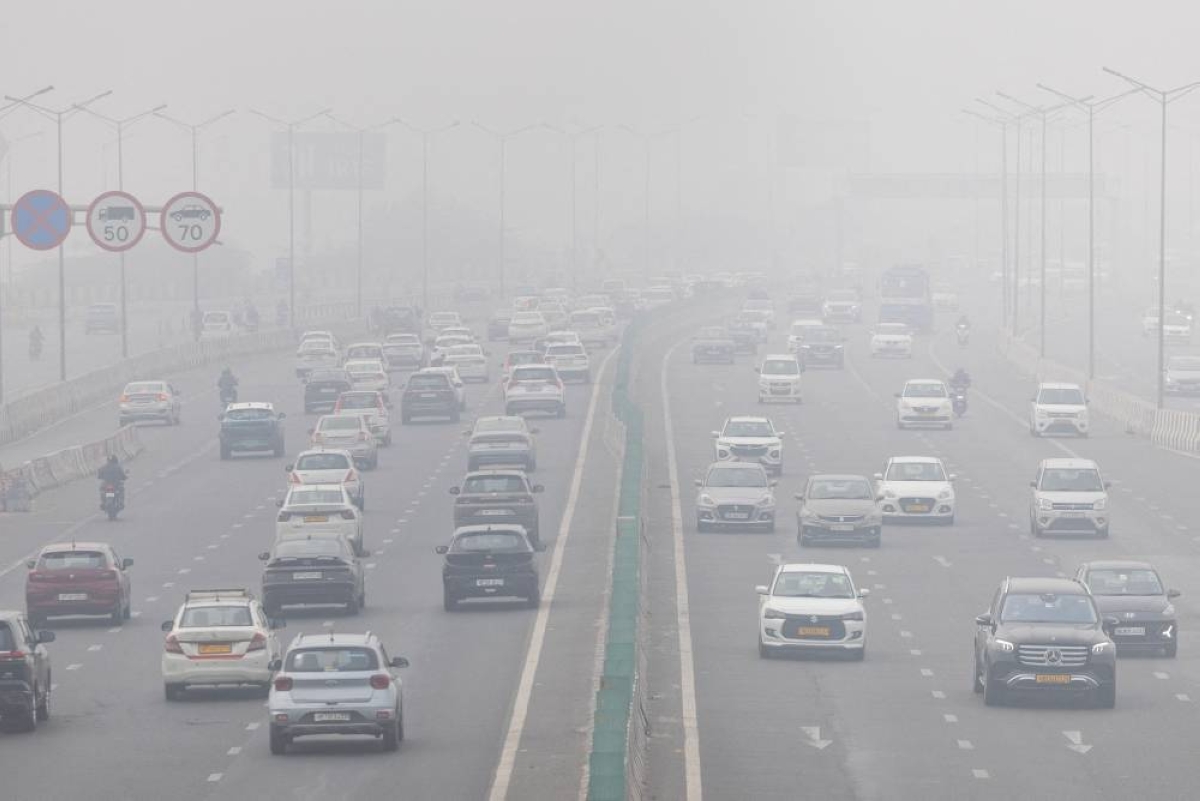
Traffic moves along a highway amidst air pollution in New Delhi. (Reuters/File picture) The government of India's national capital territory of Delhi has announced a ‌spate of measures to curb air ​pollution during ‌winter, months ahead of the annual ‌season ⁠when the ‌city often becomes ‌the world's most polluted.Government data from ⁠the last three years indicates that Delhi's air quality deteriorates from November 1 to February 15, when the average air quality index (AQI) generally ranges from 312 to 342. An AQI of 0-50 ​is considered to be "good".Authorities earlier imposed anti-pollution measures during this period according to a ‌graded action plan ⁠when ​air quality dropped below a certain level.Under the new curbs announced on Wednesday, they will now be in place continuously from November 1 to February 28, irrespective of AQI.These include doubling of parking charges to discourage use of private vehicles, staggered timings at all government offices, and ‌a ban on ‌all outdoor civil ⁠construction activity except essential public infrastructure projects.Between ⁠November 1 and January 31, all government and private offices will also be mandated to operate with half their staff physically present and the rest working from ​home.Violators will face penal action, including prosecution, the announcement said.The government this week also announced a cash incentive of over $1,000 to car owners willing to scrap their old vehicles for EVs as part of a new policy aimed ‌at reducing ​pollution. 

Opinion
Responding to climate change through strategic research

Responding to climate change through strategic research

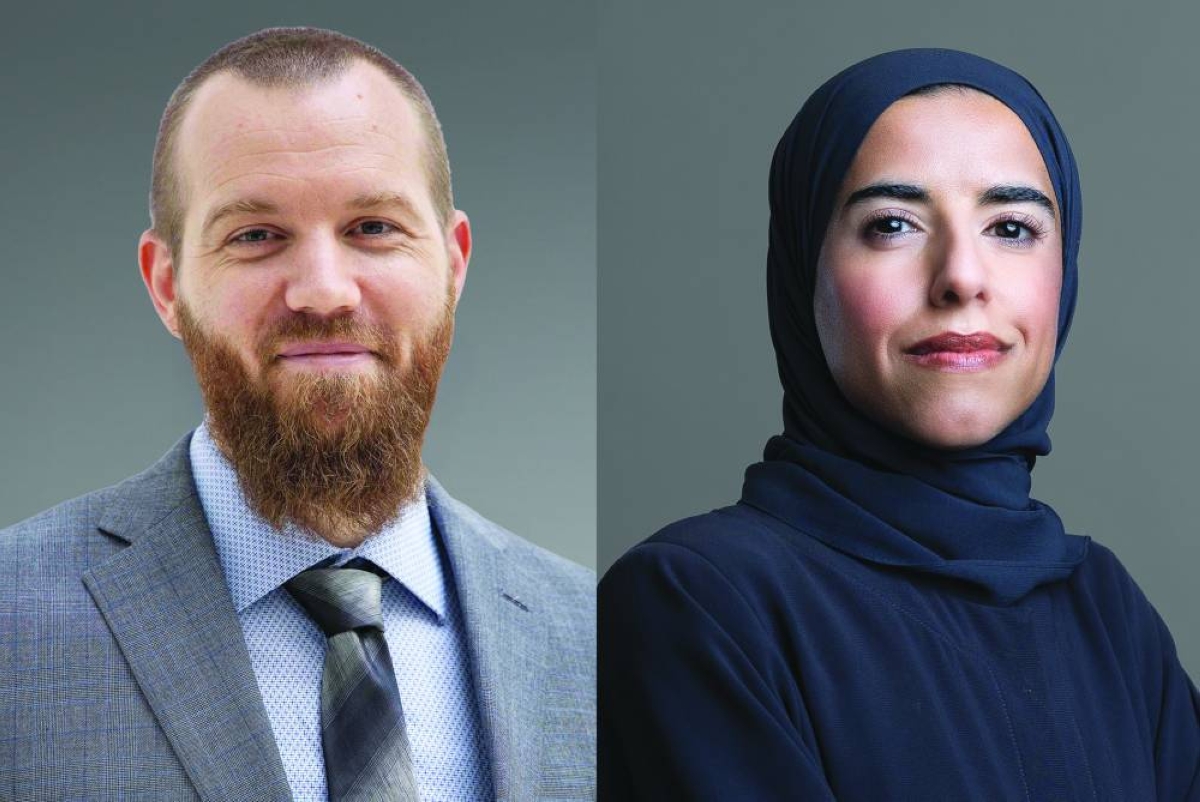
The Arabian Peninsula is at the forefront of climate change, experiencing some of its most visible and consequential effects. The challenges are serious: rising temperatures, heat waves becoming more prolonged, and sea level rise affecting coastal infrastructure, all of which impacts the well-being of people and the economy. By prioritising long-term resilience, Qatar could lead global innovations for living in arid environments. Doing so requires innovation, evidence, and strategic planning. Research to ImpactOver the last 25 years, the Gulf Cooperation Council states have invested in climate change-related research, with output increasing from virtually no published papers in 2000 to over 300 annually by 2023. While welcome, much of the research is technical and insufficiently studies the systems responsible for translating evidence into action. Our review of climate change studies across the Gulf identified three blind spots: people, policy, and price. The next phase of the region’s research agenda needs to advance evidence-to-impact pathways, which requires studies on governance, legal frameworks, public attitudes, and economic incentives. While the best models will help us understand the risks, failure to integrate the social sciences into these research agendas may leave the results sitting on the shelves. This requires new ways of working, specifically by breaking down disciplinary barriers and working beyond borders. Much of the Arabian Peninsula shares similar challenges and areas of interest. We share coastlines and aquifers, air quality transcends borders, and urban heat islands are a feature of cities across the region. Climate change is not a national issue, but research has been. Working together has the double benefit of reducing duplication of effort and enabling faster implementation of solutions. The region has the human capacity and financial resources to invest in research and innovation, ensuring that the outcomes lead to meaningful changes in policies, practices and people’s lives. We are already on the adaptation pathway, from emerging smart cities, expanding public transportation networks, and investment in cooling infrastructure, what comes next should be coordinating efforts to meet the scale of the challenge. Going ForwardHow can we move the next agenda ahead? The current research landscape is fragmented. Water experts, energy researchers, and policy leaders often work separately. In reality, these systems are deeply interconnected. Cooling demand affects desalination needs, which in turn influences grid stability and carbon emissions, all of which shape governments policy choices. Translating technical evidence into real adaptation requires systems thinking that treat the region’s sustainability challenge as one integrated problem rather than separate technical puzzles. Building on this, four priority areas should be considered. First, technical projects should embed social scientists, government experts, and economists. This can be a requirement by research donors and supported by research institutions. Second, we need to build bridges beyond borders in research, which can accelerate regional development. Mutual environmental challenges call for shared solutions and enable countries to progress together. Third, we need to be strategic in funding research and innovation for lasting impact. Investments in carbon capture and green tech, can be paired with measures such as improved building codes and urban design. Fourth, focus should be on addressing structural vulnerabilities across the region. This includes developing heat- and salt-tolerant crops, regionalisng vertical farming, advancing water recycling, and improving aquifer management. It also means making the current system more efficient by cutting food loss, localising diets, and positioning the region as a testbed for pioneering breakthroughs in arid agriculture. We have the opportunity to turn the narrative around: The Arabian Gulf need not be viewed as a hotspot for climate change risks when it can be at the forefront of resilience. The talent, motivation and resources are in place. The next step requires coordinated, interdisciplinary, and region-wide efforts that connect evidence to policy and action. If that happens, the region won’t just adapt to a changing climate, it will export local knowledge and solutions to other vulnerable communities around the world. The Arabian Gulf was built on turning hostile environments into prosperity. Climate change is simply the next test. Pass it together, and the desert can teach the rest of the world how to live. About Hamad Bin Khalifa UniversityInnovating Today, Shaping TomorrowHamad Bin Khalifa University (HBKU), a member of Qatar Foundation for Education, Science, and Community Development (QF), is a leading, innovation-centric university committed to advancing education and research to address critical challenges facing Qatar and beyond. HBKU develops multidisciplinary academic programmes and national research capabilities that drive collaboration with leading global institutions. The university is dedicated to equipping future leaders with an entrepreneurial mindset and advancing innovative solutions that create a positive global impact.For more information about HBKU, its colleges, research institutes, and initiatives, please visit www.hbku.edu.qa.To stay up to date on our social media activities, follow our accounts on: LinkedIn, Instagram, X, and Facebook.For any media inquiries, please contact: [email protected]. Dr Logan Cochrane is Dean of Hamad Bin Khalifa University’s College of Public Policy and Professor in Public Policy.Dr Dhabia al-Mohannadi is Associate Professor at the same institution’s College of Science and Engineering.(This piece has been submitted by HBKU’s Communications Directorate on behalf of its author. The thoughts and views expressed are the authors’ own and do not necessarily reflect an official University stance). 

World
Nato plans to replace AWACS with Saab GlobalEye jets, sources say

Nato plans to replace AWACS with Saab GlobalEye jets, sources say

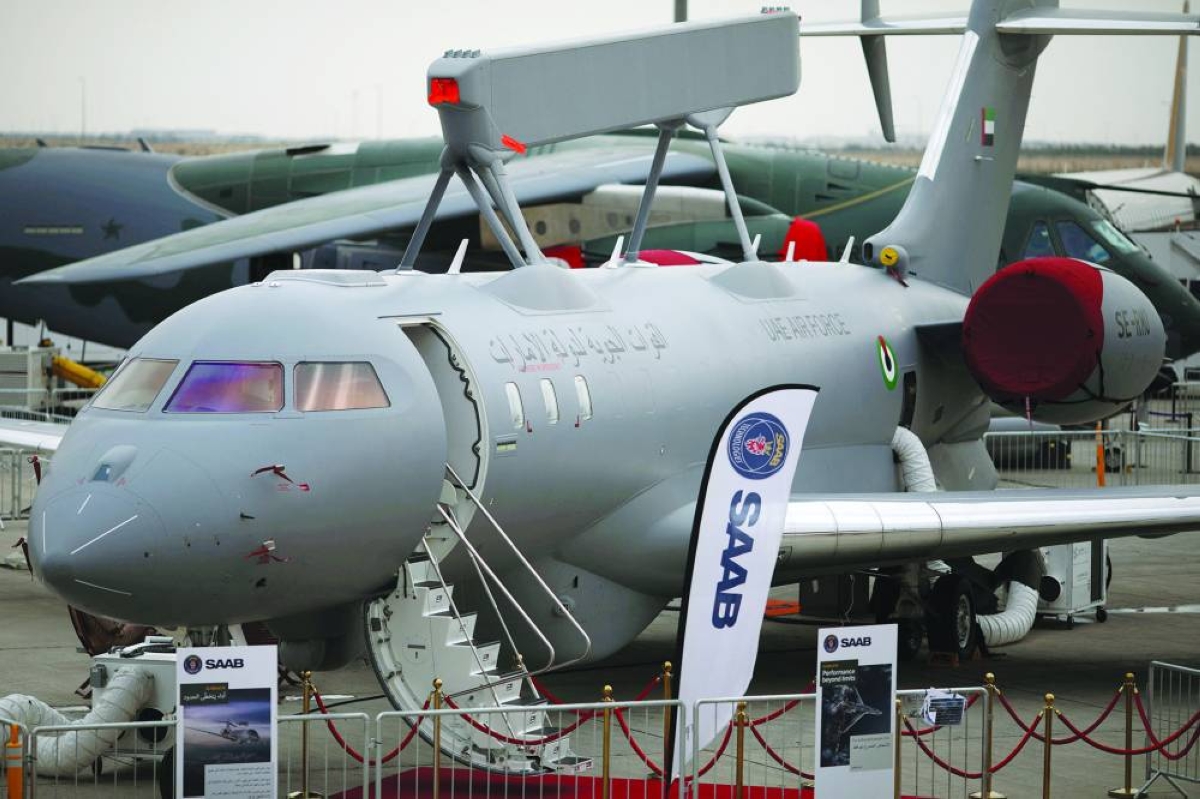
A GlobalEye aircraft, manufactured by Saab Technologies, on static design during Dubai Airshow. (Reuters/File picture) Nato plans to replace its ageing fleet of US-built AWACS surveillance ​aircraft with a Swedish alternative, four ‌sources told Reuters, in a move that could jar with President Donald ‌Trump, who has ⁠urged allies to buy ‌more US defence equipment.Trump has repeatedly criticised ‌European allies for relying on the US for their security, while pressing them to boost defence ⁠spending and buy more US equipment. He has also threatened at times to pull Washington out of Nato.The sources said the purchase of Saab's GlobalEye surveillance aircraft would be announced at a Nato summit in Ankara on July 7-8.A spokesperson for the alliance confirmed that a decision on the AWACS replacement would be announced at the summit but declined to provide details. Saab declined to comment.With their distinctive nine-metre-wide radar ​domes, Nato's 14 Airborne Warning and Control System aircraft have served as the alliance's eyes in the sky since 1982.Based at Geilenkirchen air base in Germany, the fleet has played a key role in ‌surveillance missions along Nato's eastern flank ⁠since Russia launched its ​war in Ukraine.Under the replacement plan, Geilenkirchen could eventually become home to ​the world's largest fleet of GlobalEye aircraft, the sources familiar with the situation said.The system, which entered service in 2018, is designed to detect and track threats across air, land and sea. It is based on the Global 6500 business jet built by Canada's BombardierGlobalEye competes with Boeing's E-7 Wedgetail, an early warning and command-and-control aircraft based on the 737 jetliner and designed to oversee and direct battle.Nato dropped plans in 2025 to buy six Boeing E-7 Wedgetail aircraft after the Pentagon, its largest prospective customer, scrapped plans to acquire 26 of the jets and instead put ‌greater emphasis on satellite-based capabilities.Under pressure from ‌US lawmakers, however, Defense Secretary Pete Hegseth ⁠told a Congressional panel in May that the Pentagon was seeking to restore funding for ⁠the programme.The planned Nato announcement ⁠comes weeks after Canada, which has said it wants to reduce its dependence on US defence suppliers, announced plans to buy six GlobalEye aircraft, the largest order for the jet so far.Nato's purchase is expected to be larger, although it was not immediately clear how many jets it would involve. One source said the final number could depend on whether the alliance opts for a ​more expensive version capable of mid-air refuelling.The current AWACS fleet can be refuelled in flight, a capability that has proved valuable for missions near Ukraine by extending time on station.The aircraft, among the few military assets owned directly by Nato, are operated by crews from 21 of the alliance's 32 member states.In a conflict, they can provide a common radar picture for allied fighters, ships and control centres, while directing Nato combat jets to their targets.The fleet has supported missions in the Balkans, Afghanistan and Iraq, as well as security operations ‌during the 2006 World Cup ​in Germany and major international summits.  Related Story

World
Venezuelan rescue brings hope to nation in mourning

Venezuelan rescue brings hope to nation in mourning

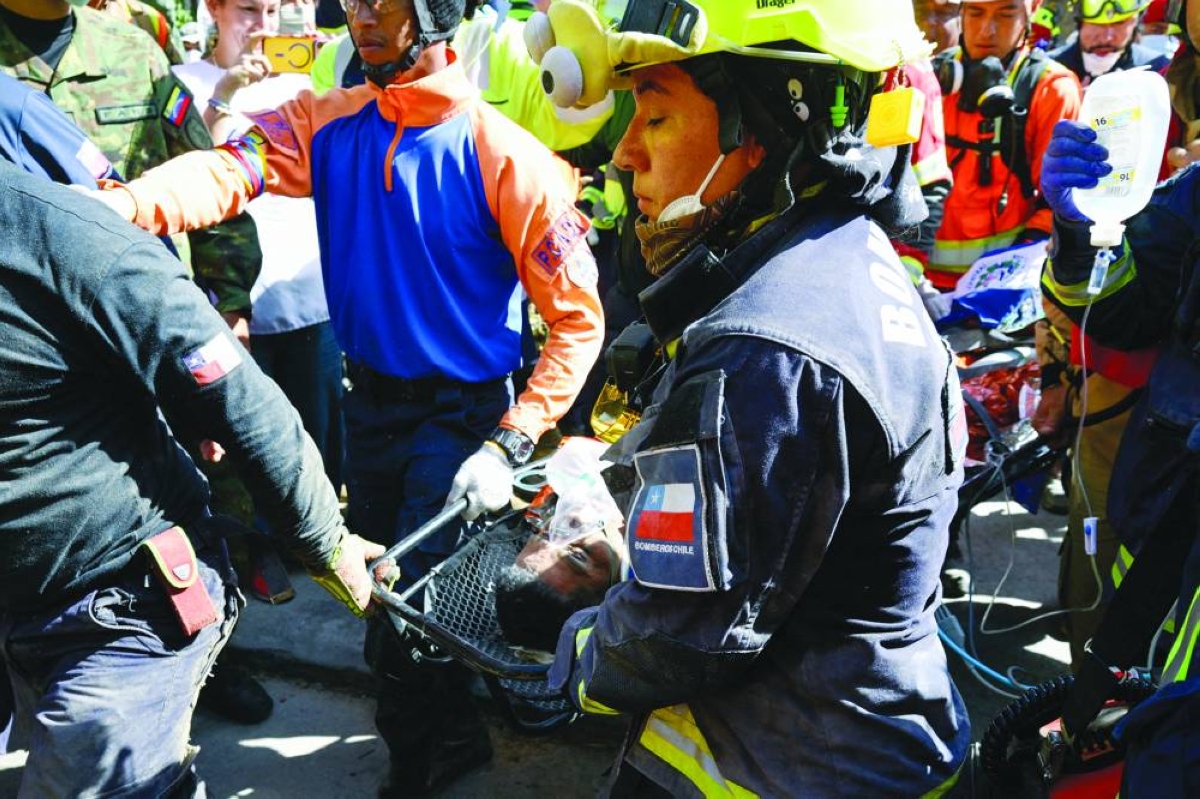
Rescue workers transport survivor Hernan Alberto Gil, who was trapped for over a week following June 24 earthquakes, from a collapsed mall in La Guaira, Thursday. (Reuters) Hernan Gil survived nearly eight days trapped beneath the ruins of a partially collapsed building in Venezuela before being extricated Thursday in a dramatic operation involving rescuers from seven countries.The 43-year-old security guard has become a symbol of hope for a nation in mourning after one of the worst earthquakes in Latin American history.Now only remote chances exist for finding more survivors from the two earthquakes that killed nearly 2,300, destroyed entire residential buildings and left tens of thousands missing.After a dramatic operation launched on Monday, Gil emerged in Catia La Mar, in the state of La Guaira, the area hardest hit by the June 24 earthquakes."I am completely surprised. It's the first time I've seen so many countries come together like this for a single cause, to save one person," his wife Gusbimar Gonzalez said. "This is truly a miracle."Gonzalez nervously watched the rescue operation throughout."He wasn't hurt, he has no trauma, he managed to hide under a table and a chair," she said shortly before he emerged to the applause and cheers of his rescuers.Gil was taken out on a stretcher and transferred to an ambulance that transported him to Caracas, 40 kilometres (25 miles) away.Gil was brought out through a tunnel about three metres (10 feet) long. In the final phase of the operation, about 30 people worked in the building's parking lot removing debris, while two rescuers dug the tunnel.Rescuers from seven countries — Venezuela, Chile, the US, Portugal, Costa Rica, El Salvador, and Mexico — were involved in the painstaking operation.Gil was trapped in the security booth of the seven-story building where he worked as a guard in Catia La Mar."The movement caused the booth to shift; it became trapped between the walls," his wife, with whom he has a 10-year-old son, told AFP.Rescuers learned on Sunday there was a man alive in the rubble of the partially destroyed building.Gil is among the few people who have been miraculously rescued days after the earthquakes.But chances of finding anyone alive beneath deep rubble dwindles rapidly after a critical 72-hour window for rescuing trapped people.'Complicated' The rescue crews had set up bases at the site to work day and night to pull out Gil.They shored up the building's foundations with wood and steel to prevent the partially destroyed structure from collapsing further.Venezuela has been hit by a string of aftershocks since the initial earthquakes.An initial plan to build a 60-by-60-centimetre (24-by-24-inch) tunnel was discarded on Tuesday when the building shifted slightly."This is a rather complicated structure to access," Chilean rescuer Cristian Vera told AFP."With very large pillars...It wasn't easy to reach the exact spot."On Wednesday, rescuers advanced along two routes simultaneously to reach Gil.Their efforts were rewarded Thursday when Gil emerged from the rubble, as rescuers cheered, hugged and crowded around the man they worked so hard to save.  Related Story

World
Ukraine, Russia vow escalation after Moscow attack kills 21 in Kyiv

Ukraine, Russia vow escalation after Moscow attack kills 21 in Kyiv

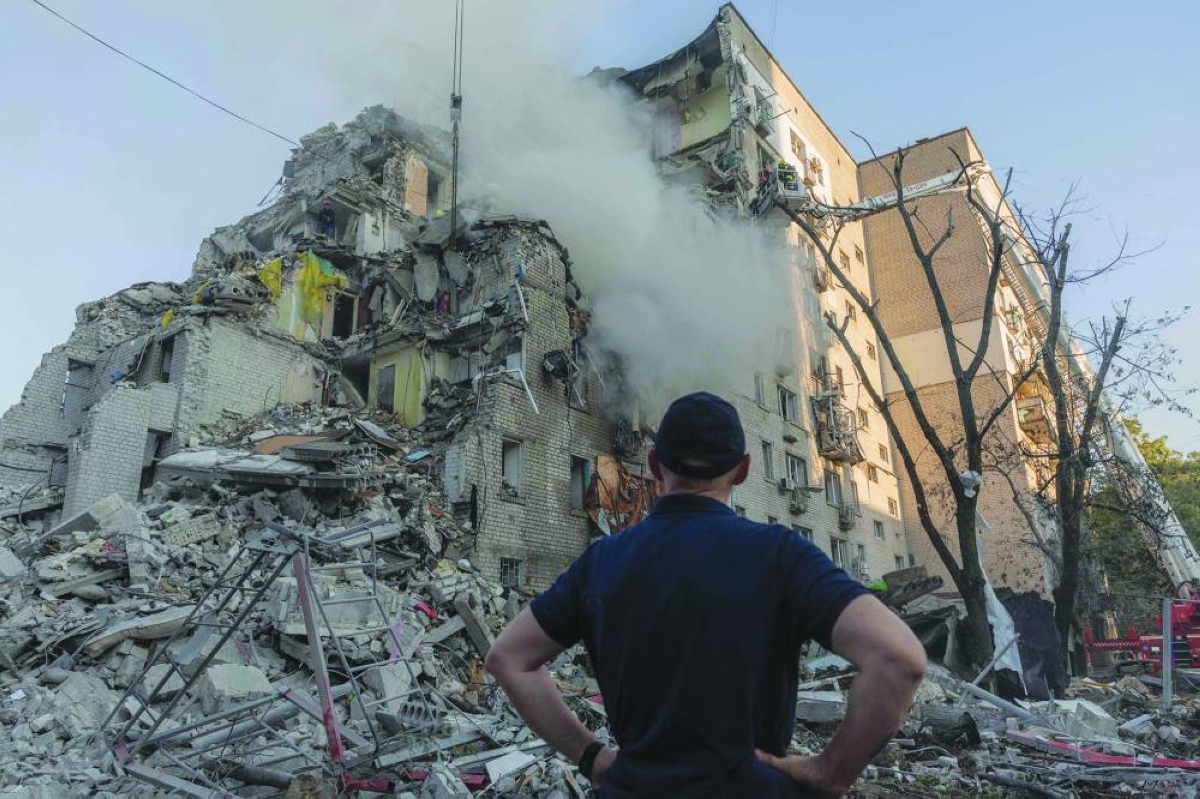
A man looks at a residential building damaged following a Russian air attack on the Ukrainian capital of Kyiv Thursday. (AFP) Ukraine and Russia Thursday vowed fresh assaults in their four-year war after Moscow launched a massive barrage on Kyiv, killing at least 21 people, tearing open apartment buildings and sending tens of thousands to shelters.Ukrainian President Volodymyr Zelensky said his forces would "definitely" retaliate for the overnight pummelling of the capital as he inspected the site of an apartment block partially destroyed in the attack.In Moscow, the Kremlin vowed to further ramp up the "pressure" on Kyiv, sticking to its no-compromise rhetoric as rescuers in Kyiv scoured the rubble for survivors.The European Union's top diplomat proposed new sanctions on Moscow, while Zelensky asked the US for licences to manufacture Patriot air defence missiles.Russia has routinely launched waves of missiles and drones at Ukrainian cities during its invasion, which has become Europe's deadliest conflict since World War II.AFP journalists in central and eastern Kyiv heard more than a dozen explosions and saw residents — some with children and pets — rushing to shelter in metro stations.In the morning, locals stood on the rubble of destroyed apartment blocks ripped apart by the barrage, as smoke poured over the Kyiv skyline.At one spot, a mother cried as she embraced her son in front of the smouldering debris.Blasts started echoing out late on Wednesday, lasting into the early hours of Thursday as Russian missiles and drones rained down on residential areas in the city centre.Mayor Vitali Klitschko described it as the "enemy's most massive attack on the capital", without elaborating.The state emergency services said at least 21 people were killed and 85 were wounded, including two children.The Ukrainian branch of the Red Cross said that its key warehouse was "destroyed" in the attack with around $2mn worth of humanitarian aid lost.Debris from the pummelling also damaged a building that was "hosting a number of diplomats", EU spokesperson Anitta Hipper told AFP, adding that "EU diplomats were affected" but "safe".Kyiv urged its allies to send more air defence."Air defence supplies for Ukraine are an absolute and critical priority," Zelensky said in a post on Facebook."We also very much count on a decision by the US regarding licences for Patriots."Ukraine is seeking to manufacture munitions for the US-made missile interceptor system, one of its only ways of defending against Russian ballistic missiles, although defence experts say it will take time to set up production domestically.Russia fired 496 drones and 74 missiles, including hard-to-intercept ballistic projectiles, Ukraine's air force said.It said it shot down 48 of the missiles and 476 drones.AFP reporters met several Kyiv residents outside an apartment building largely destroyed in the attack."Half the building has been destroyed. The roof is gone," said 32-year-old factory worker Sabina Mambetova, standing outside the rubble of her home in the eastern Darnytskyi district."I've been left without an apartment, alone with my child. I don't know what to do now."An AFP journalist at the site saw rescuers extracting the body of another victim of the attack, which ripped a multi-storey building open.Some 52,000 people, including 4,500 children packed into underground stations to shelter from the barrage — the highest number in recent years, according to the Kyiv metro.Others hunkered down in basements or corridors through the night as blasts shook buildings across the city."It's hard. My child is used to sleeping in complete silence and darkness," 32-year-old doctor Kateryna Kucheryava told AFP from the metro as the attack was unfolding."I picked her up and carried her down. She woke up and now she's not sleeping anymore."Along station platforms, locals set up tents and lay on air mattresses and camping chairs, while mothers tried to sleep clutching babies to their chests.The EU's top diplomat Kaja Kallas said she would propose new sanctions on Moscow over the attack.But the Kremlin showed no signs it would back down, more than four years into an invasion that has killed hundreds of thousands.The attack came hours after Zelensky cut short a visit to Dublin on Wednesday, citing intelligence reports of an impending Russian strike.Zelensky said Russian President Vladimir Putin "has been preparing this massive strike against Ukraine for some time now".Ukraine has stepped up long-range drone attacks inside Russia in recent weeks, targeting energy infrastructure and military targets.Russian officials have reported repeated strikes in border regions, while Moscow has said its air defences have intercepted hundreds of drones from Ukraine in recent days.US efforts to broker an end to the conflict have so far failed.  Related Story

World
Germany charges Nord Stream suspect with attacking pipeline on behalf of Ukraine

Germany charges Nord Stream suspect with attacking pipeline on behalf of Ukraine

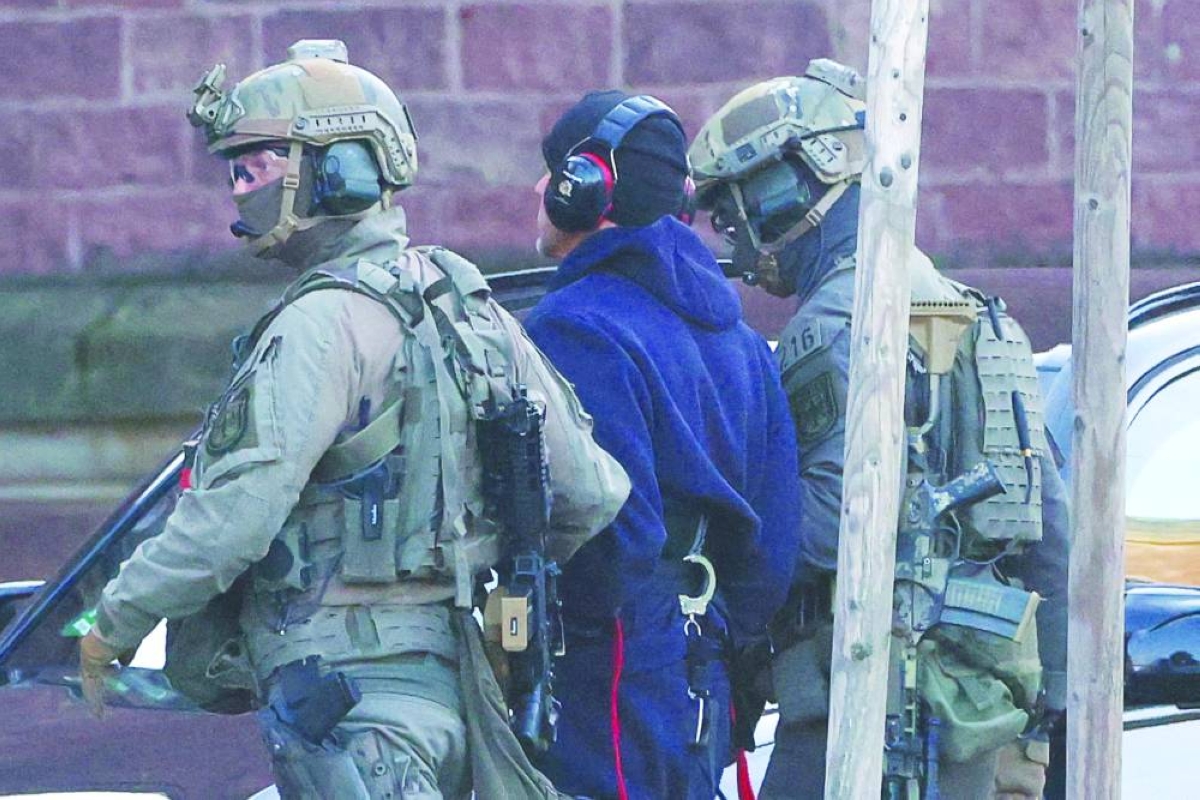
Police escort Serhii K from a helicopter before a hearing with the German Federal Public Prosecutor in Karlsruhe, Germany. (Reuters/File picture) German federal prosecutors have charged a former Ukrainian army officer with being the co-perpetrator of ​a war crime over the ‌2022 Nord Stream gas pipeline blasts, accusing him of acting on behalf of ‌Ukrainian state entities.Prosecutors said Thursday they had ‌filed charges against Serhii K - identified under German ‌privacy rules only by his first name and initial - before a regional court in Hamburg.They accuse ⁠him of acting as a co-perpetrator in a war crime involving an attack on civilian objects, causing an explosion, destroying infrastructure and disrupting public services.Authorities in Kyiv said Thursday that they did not have enough information about the case to respond in detail to German prosecutors' allegations.Ukrainian President Volodymyr Zelensky said on Wednesday that he had yet to receive full details of the indictment, which had been served that day. The list of charges was published on Thursday."The relevant ​authorities of our countries will get in touch, and when we receive more details, we will probably be able to respond. For now, it is too early to speak," he said.Russia and Western ⁠countries have described the ​September 2022 blasts, which followed Moscow's full-scale invasion of Ukraine earlier that year, as ​sabotage.The explosions damaged the Nord Stream 1 pipeline, a vital route for Russian gas exports to Europe, as well as the Nord Stream 2 branch, which had yet to enter service.At the time of the alleged attack, Moscow had recently halted gas deliveries via Nord Stream 1, blaming Western sanctions and technical issues, though Europe accused it of weaponising energy supplies.According to the German indictment, Serhii K was an officer in the Ukrainian army in 2022 and, acting on behalf of Ukrainian state entities, helped develop a plan with other military personnel to destroy Nord Stream 1 and Nord Stream 2.The aim, prosecutors said, was to permanently halt ‌gas deliveries via the pipelines and prevent ‌Russia from using revenue from the natural ⁠gas trade to finance its war efforts.The defendant, leading a team of professional divers, a skipper ⁠and an explosives expert, entered Germany ⁠on a forged Ukrainian passport in September 2022 and boarded a yacht rented using forged identification documents, they said.