1. Home
  2. Author Blogs

Author: admin

admin

World
‘No to the war’: Spain digs in as rift with US deepens

‘No to the war’: Spain digs in as rift with US deepens

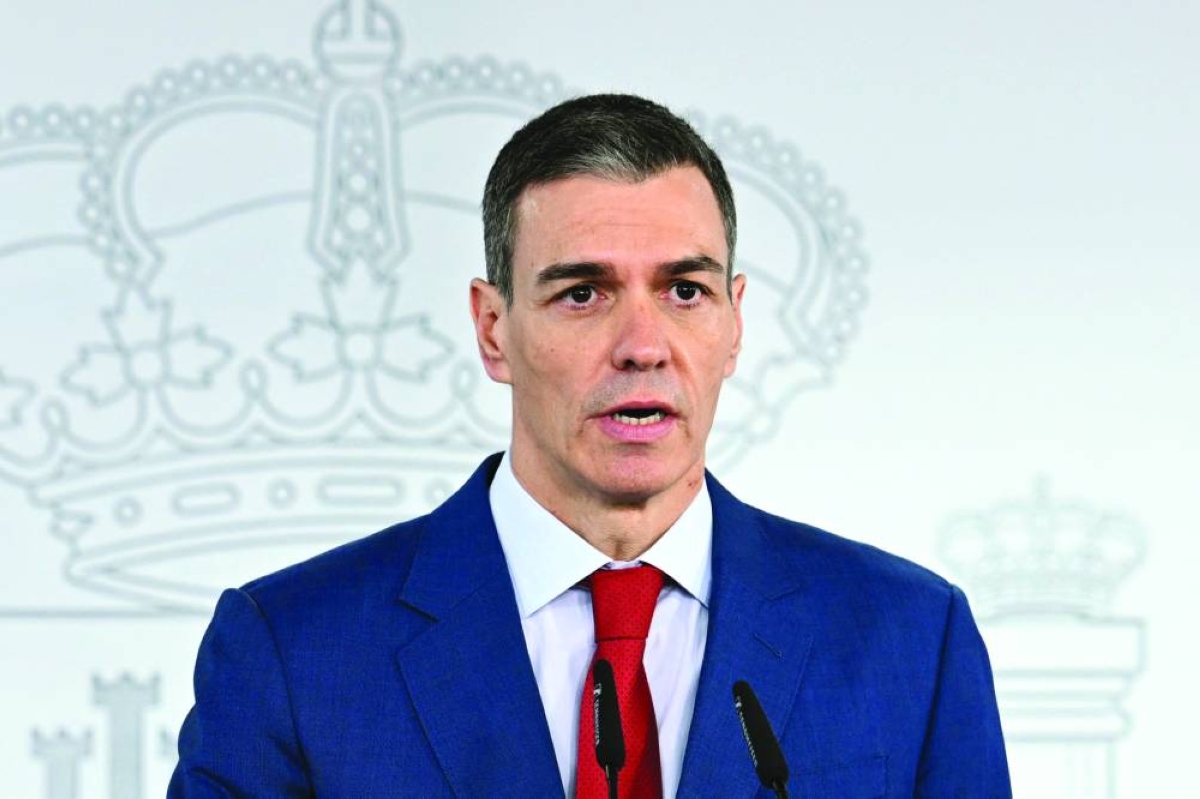
In this handout photo released by La Moncloa Wednesday, Spanish Prime Minister Pedro Sanchez delivers an official statement in response to US President Donald Trump's remarks, at La Moncloa Palace in Madrid. Spain's prime minister defiantly posted "No to the war" Wednesday, deepening a rift with the US after Madrid refused the use of its bases to attack Iran and Washington threatened trade reprisals.Spain's Socialist Prime Minister Pedro Sanchez had already angered US President Donald Trump with a series of other policies.Sanchez has refused to join Nato allies in a pledge to boost defence spending to five % of GDP as demanded by Trump, and has fiercely criticised Israel's war in Gaza.Trump lashed out at Sanchez's government on Tuesday, calling Spain a "terrible" ally and threatening to sever all trade with Spain.Sanchez defended his position Wednesday, saying his government's position "can be summed up in four words: no to the war"."We will not be complicit in something that is harmful to the world and contrary to our values and interests, simply out of fear of retaliation," he added in a televised address.Spain is part of the European Union, which allows goods to move freely between its 27 countries. This would complicate any bid to impose trade restrictions on a single member state."Trump's words don't always become policy. We will have to see if he follows through, and how," said Angel Saz Carranza, director of the Esade Center for Global Economy and Geopolitics, a Spanish think tank.European Council chief Antonio Costa wrote on X that he had called Sanchez to "express the EU's full solidarity with Spain"."The EU will always ensure that the interests of its member states are fully protected," Costa said.French President Emmanuel Macron also called to "express France's European solidarity in response to the recent threats of economic coercion targeting Spain," his office said.  'Oppose this disaster' US forces use the Rota naval base and Moron air base in southern Spain under an agreement signed in 1953 under the dictatorship of General Francisco Franco.During the 2003 invasion of Iraq, Spain, then led by conservative prime minister Jose Maria Aznar, staunchly backed the US by sending troops.Spain's participation in the Iraq war sparked huge street demonstrations and many Spaniards blame it for the March 11, 2004 Madrid train bombings that killed nearly 200 people.A branch of Al Qaeda claimed responsibility for the attacks and called for the withdrawal of Spanish forces from Iraq.Sanchez on Wednesday compared the Iran attacks to the Iraq war, which he said increased terrorism, increased energy prices and led to a less secure world."We oppose this disaster," he said in reference to the Iran war.In contrast, neighbouring Portugal authorised the US to "conditionally" use an airbase on the Azores archipelago in the Atlantic Ocean for the Iran strikes, Prime Minister Luis Montenegro told parliament on Wednesday.The authorisation was granted as long as "these operations are defensive or retaliatory, are necessary and proportionate, and exclusively target military objectives", Montenegro said.The conservative leader said those conditions were "aligned with international law", but he declined to openly support Sanchez or take a stance on the US-Israeli strikes on Iran. Rally his base The Spanish prime minister has emerged as a prominent figure for Europe's disillusioned progressives, who see him as one of the few remaining openly leftist voices in a continent increasingly dominated by right-wing politics.His opposition to the use of the bases is seen by some analysts as an attempt to rally his supporters around an issue that unites the Spanish left.Sanchez, in power since 2018, heads a minority coalition government that struggles to pass legislation.Many on Spain's right consider Sanchez's opposition to Trump as motivated more by domestic politics than by a moral compass.The head of the main opposition conservative Popular Party which tops opinion polls, Alberto Nunez Feijoo, accused Sanchez on X of using foreign policy for "partisan" purposes.Left-leaning daily newspaper El Pais urged Sanchez in an editorial Wednesday to "resist the temptation" to "exploit widespread hostility towards Trump in Spanish society to boost his popularity".  Related Story

World
South Africa’s Lekota, who led breakaway from ANC, dies at 77

South Africa’s Lekota, who led breakaway from ANC, dies at 77

File photo of Mosiuoa Lekota. South African anti-apartheid activist Mosiuoa Lekota, who broke away from the African ‌National Congress to found ​a new ‌political party, died in the ‌early ⁠hours ‌of Wednesday morning, ‌his party said in a statement. ⁠He was 77 years old.Lekota died after a period of illness and had stepped back from active politics. He was a close ​ally of former President Thabo Mbeki and served as South Africa's ‌defence minister from ⁠1999 to ​2008. Lekota, nicknamed "Terror" for ​his fearsome skills on the soccer pitch as young man, quit in protest at Mbeki's ousting and was voted off the ANC's National Executive Committee after repeated criticism of Mbeki's successor, Jacob ‌Zuma.He co-founded ‌the Congress ⁠of the People (COPE) party ⁠in 2008. ⁠COPE won roughly 7% of the vote in the first national election it contested, in 2009, but its vote share has ​been below 1% at every national election since then.Lekota worked as a student activist during the 1970s. He served jail time on Robben Island with the country's liberation hero Nelson Mandela. islam 

World
Turkiye says missile launched from Iran destroyed by Nato

Turkiye says missile launched from Iran destroyed by Nato

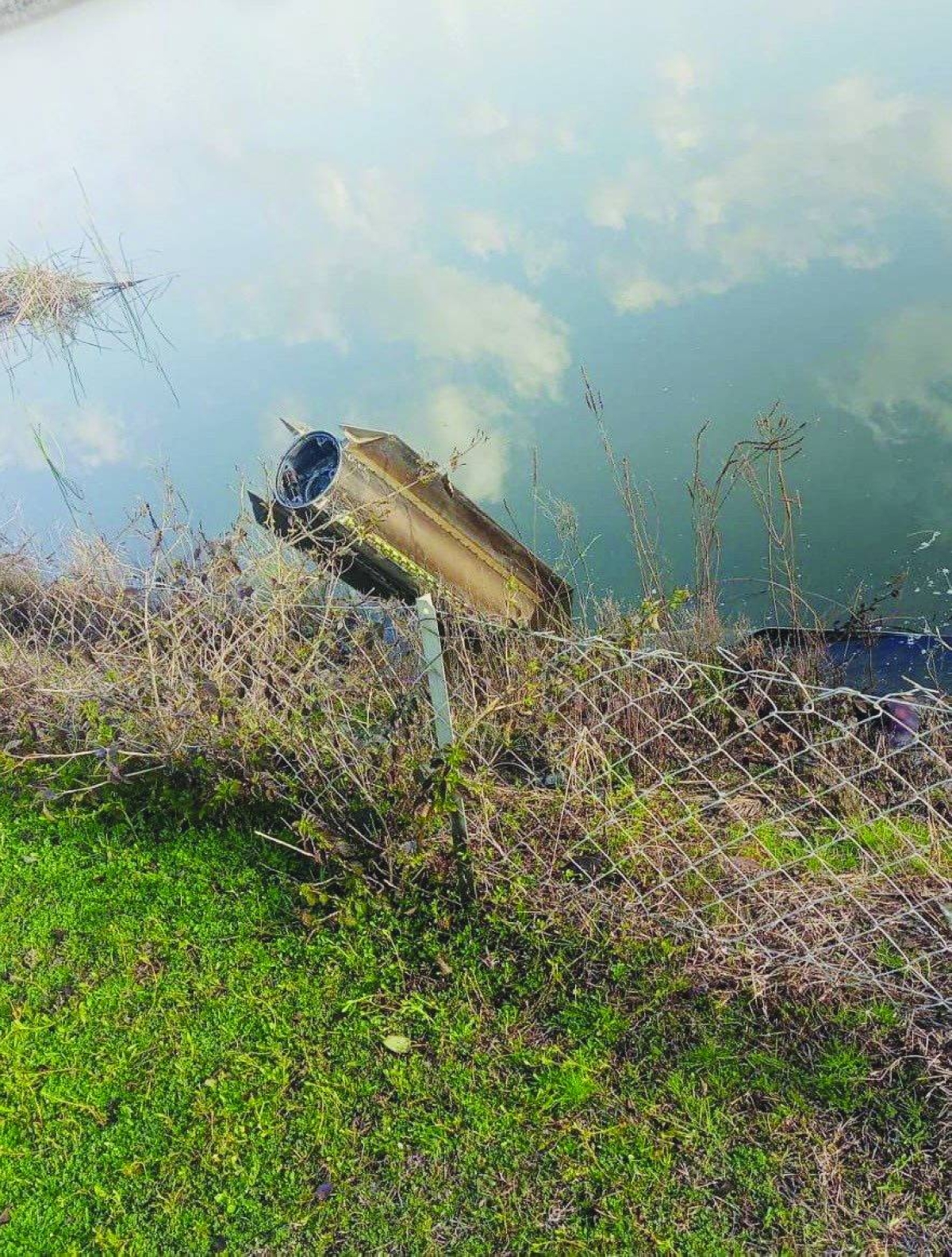
Debris of a Nato air defence system that intercepted a missile launched from Iran is seen in Dortyol, in southern Hatay province, Turkiye, Wednesday, in this screengrab from video. A ballistic missile launched from Iran and heading towards Turkish airspace via Iraq and Syria was destroyed by Nato air defence systems, Turkish officials said Wednesday.The defence ministry said it had been "engaged and neutralised by Nato air-and-missile defence assets deployed in the eastern Mediterranean".It did not specify the missile's intended target. Iran has been hitting sites across the region in retaliation after the US and Israel launched strikes against it on Saturday.A Turkish official, speaking to AFP on condition of anonymity, said the missile had been "aimed at a base in Greek Cyprus but veered off course".Officials said fragments that fell in the Dortyol district in southern Turkey, near the Syrian border, had been identified as pieces of the interceptor used to neutralise "the threat in the air".No casualties were reported.The incident drew condemnation from Nato."Nato stands firmly with all allies, including Turkiye, as Iran continues its indiscriminate attacks across the region," Nato spokeswoman Allison Hart said, using Turkiye's official name."Our deterrence and defence posture remains strong across all domains, including when it comes to air and missile defence."Ankara summoned the Iranian ambassador to convey its "reaction and concerns" over the incident while Foreign Minister Hakan Fidan warned Tehran against steps that could widen the conflict, a diplomatic source said.Fidan told his Iranian counterpart in a phone call that "any steps that could lead to the spread of conflict should be avoided", the source added.In an evening address, President Recep Tayyip Erdogan said Turkiye was "taking all the necessary precautions" in consultation with its Nato allies and was issuing "warnings in the clearest terms to prevent similar incidents from happening again"."If we, as a nation, want to live in peace and tranquility... we must constantly increase our deterrent capabilities. In these difficult times... we are leaving absolutely nothing to chance regarding the security of our borders and airspace," he said.Turkiye, a majority Nato member, shares a 500-kilometre border with Iran.Erdogan has described the US-Israeli strikes on Iran which sparked the conflict as "illegal" and Fidan also criticised Iran's retaliatory strikes against Gulf nations and beyond, saying it was the "wrong strategy"."The underlying strategy seems to be: 'If I am going to sink, I will take the region down with me'," Fidan said in an interview late Tuesday.Analysts said the trajectory of the Iranian missile and its destruction by Nato systems further raised the stakes for a widening regional war, even if there was no clear evidence Iran intended to strike Turkey."Turkiye will not want to become embroiled in the US-Israel attack on Iran, which it has criticised, but if Iran launches more missiles clearly aimed at targets on Turkish territory, Ankara will consider its own direct retaliation," said Hamish Kinnear of risk-intelligence firm Verisk Maplecroft.The defence ministry said: "Any steps necessary to defend our territory and airspace will be taken decisively and without hesitation.""We reserve the right to respond to any hostile actions directed at our country," it added.  Related Story

World
More repatriation flights as Mideast airspace shutdown leaves thousands stranded

More repatriation flights as Mideast airspace shutdown leaves thousands stranded

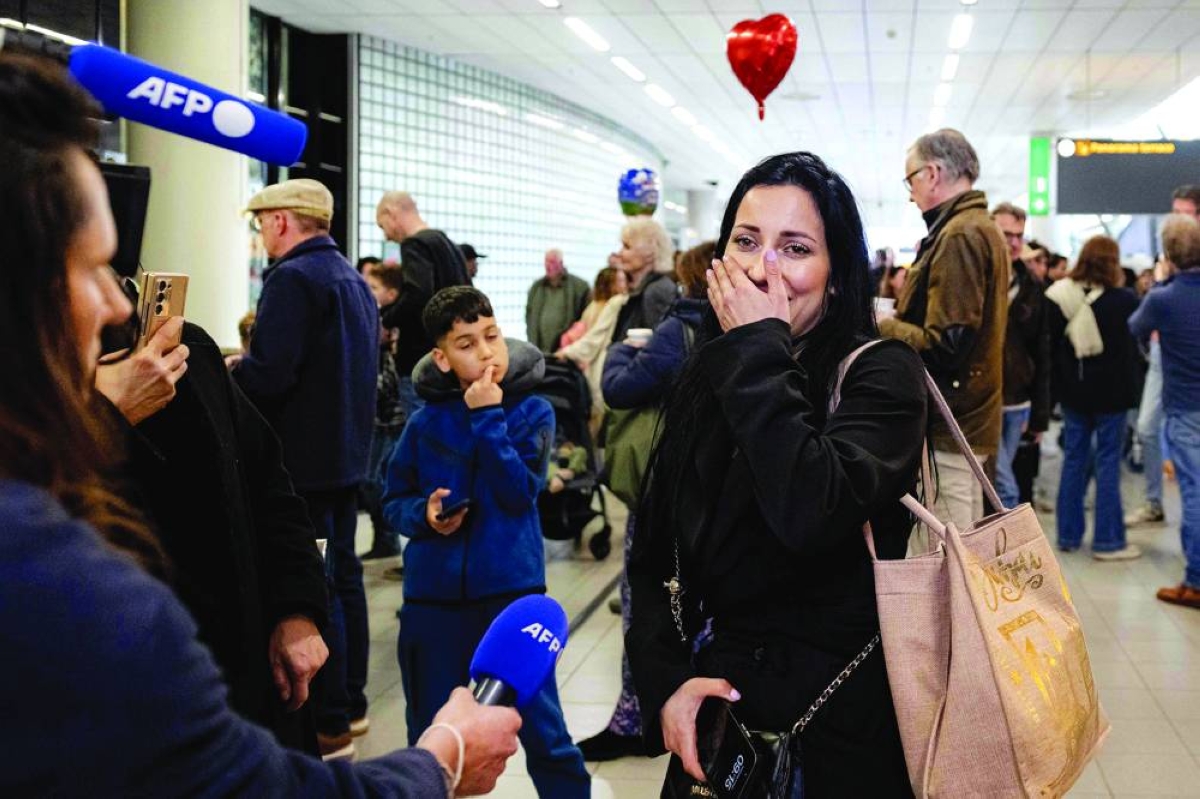
More than 120 flights expected to leave Dubai International on Wednesday, New Zealand government saysAirline shares stabilise after significant lossesSkies over swathes of Middle East still emptyWorst crisis for global travel industry since COVID-19 pandemicQantas brings Brits back from Australia Dozens ​of repatriation flights were due to depart from ‌the Middle East Wednesday as governments rushed to bring home tens of thousands of citizens stranded by ‌the intensifying U.S. and Israeli conflict ⁠with Iran.Commercial air traffic remained ‌largely absent across much of the region, with major Gulf ‌hubs - including Dubai, the world's busiest airport for international passengers - largely shut for a fifth straight day, in the biggest travel disruption since the ⁠Covid-19 pandemic.The first repatriation flights for Britain and France were due to leave later, while the United Arab Emirates opened safe air corridors to allow some citizens to return home. Under normal circumstances, thousands of commercial flights would depart the region each day.Some marooned tourists and expatriates have also tried to make their own way out."We're doing this cautiously," said French Finance Minister Roland Lescure. The French government said several repatriation flights were planned for its citizens, around 400,000 of whom are in the region.Polish Prime Minister Donald Tusk said Wednesday he had authorized the use of military aircraft to support the evacuation of Polish citizens from ​the Middle East.Britain's Foreign Office said a charter flight would leave Oman later in the evening, with priority given to vulnerable British nationals.Emirates, the world's largest international carrier, said routes to and from Dubai remained suspended until March 7, adding that it was operating a limited schedule from Dubai International and Al Maktoum ‌International.The Czech Republic has organised three government ⁠evacuation flights from Oman, Jordan and ​Egypt, bringing home 175 people, with more operations planned. Airline Smartwings is also operating return flights from Oman and ​Dubai, according to the CTK news agency and a government official.Slovakia said it had evacuated 127 people - mostly Slovak citizens, along with four Czechs and one Kazakh national - on two flights from Jordan that landed on Tuesday, and was preparing additional missions.New Zealand said a total of 121 repatriation flights were expected to depart Dubai International Airport on Wednesday.Qantas, meanwhile, was running extra flights to bring British people stuck in Australia back home, but would have to route them via a refuelling stop in Singapore as an alternative to the normal Middle East hubs.With airspace severely constrained, many airlines are carrying extra fuel or making additional refuelling stops to guard against sudden rerouting or longer flight paths through safer corridors.Air France said Wednesday it had extended its suspension of flights to and from Dubai and Riyadh until March 6, and had also prolonged the halt on services to Tel Aviv and Beirut ‌until March 8.Airline shares were less volatile Wednesday after double-digit percentage drops in the past few ⁠days, which wiped tens of billions of dollars from airlines' market value.Lufthansa was up 3% at 1306 GMT, while Qantas closed down 2.7%, having ⁠lost more than 10% of its value so far ⁠this week. BA-owner IAG was up 2%, having fallen more than 13% in the past three days.Airline executives have said that crew and pilots are now scattered across the world, complicating the process of resuming flights when airspace reopens. Soaring prices of oil will also add to carriers' costs.Analysts said flights will become more expensive if longer routes become the only options for international carriers.The Gulf is also a major hub for air cargo, putting further pressure on international trade routes following the disruption of Red Sea shipping routes.  Related Story

World
At least five hurt in Russian strikes on railway infrastructure in southern Ukraine

At least five hurt in Russian strikes on railway infrastructure in southern Ukraine

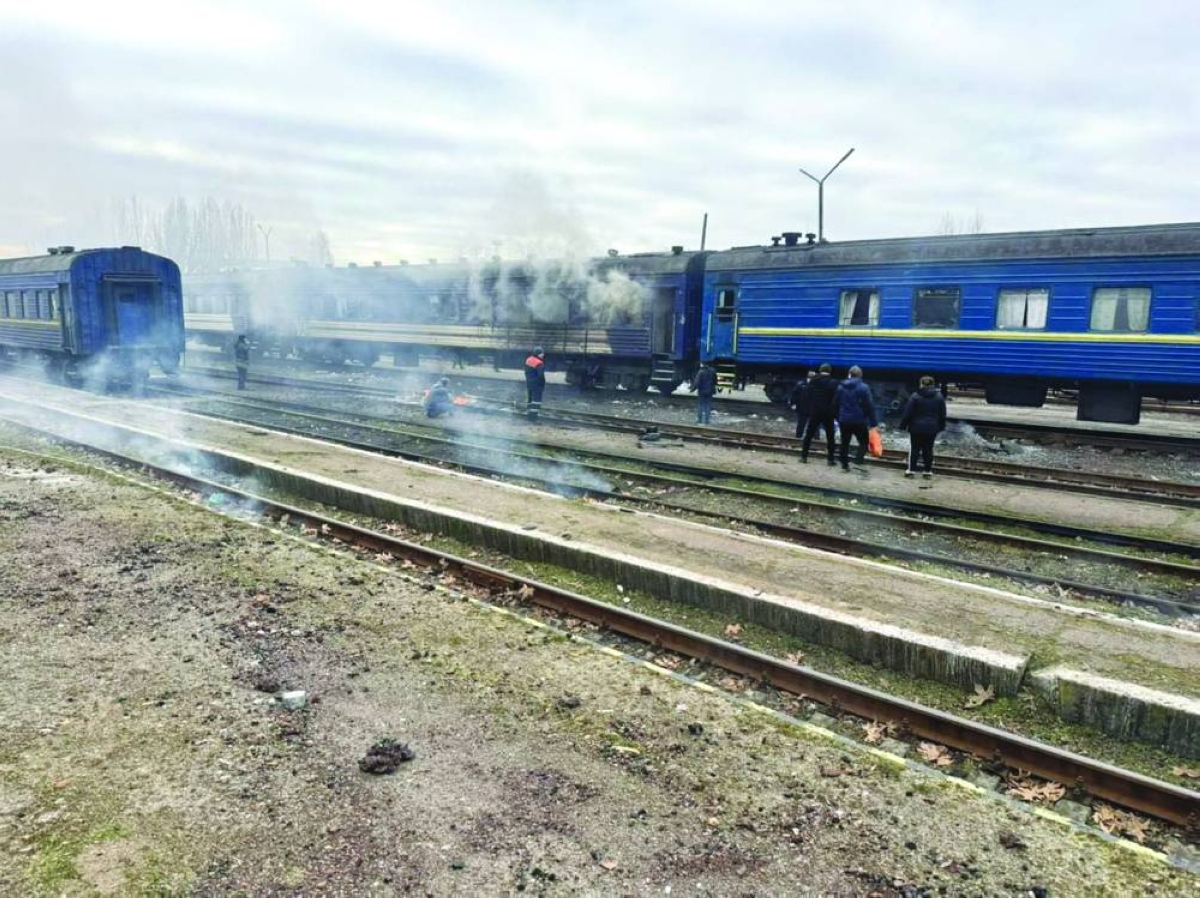
People stand next to a passenger train after it was hit by a Russian drone strike, amid Russia's attack on Ukraine, at a railway station in Mykolaiv region, Wednesday. At least five people were injured Wednesday in ‌two Russian attacks targeting railway infrastructure ​in southern ‌Ukraine, Ukrainian officials said.A railway ‌worker ⁠was hurt ‌in a drone ‌strike, which hit an empty passenger train ⁠in the morning in the Mykolaiv region, Deputy Prime Minister Oleksiy Kuleba said on the Telegram messaging app.Another worker and two children were hurt later when a Russian missile hit an administrative ​building at a railway station in the neighbouring Odesa region, he said.An official later updated ‌the number of ⁠injured ​in the missile attack to four, without ​saying who the fourth person was.Kuleba said there was also an attempted Russian drone attack late on Tuesday on a train operating between the eastern-central city of Dnipro and Kovel in northwestern Ukraine. It was stopped by railway workers and the drone ‌hit a few ‌metres away from ⁠the locomotive, he said.Ukrzaliznytsia, Ukrainian national railways, ⁠said ⁠Russia had intensified drone attacks on railway infrastructure, and that rolling stock was among the main targets.It reported that 18 strikes had been recorded since the start of ​March, damaging 41 facilities.Locomotives, freight cars and specialised equipment used to repair infrastructure have also been targeted, as well as railway depots and bridges, the operator said.On Monday, a Russian drone attack on a commuter train in Dnipropetrovsk region killed ‌one person ​and wounded seven others.  Related Story

World
Taiwan charges 62 people linked to Cambodia’s Prince Group

Taiwan charges 62 people linked to Cambodia’s Prince Group

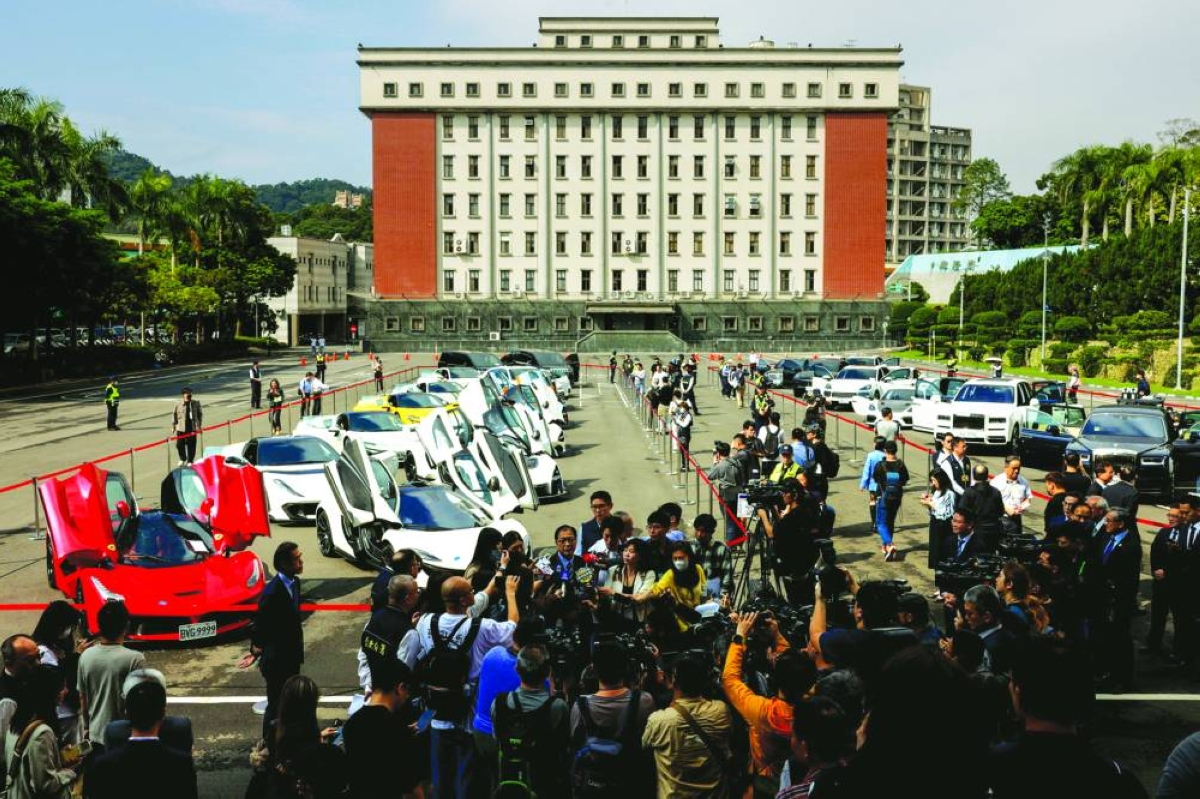
Luxury cars are on display, as Taiwan auctions off luxury cars linked to the Cambodian scam centre Prince Group, in Taipei, Taiwan. Taiwanese prosecutors charged 62 people and 13 companies Wednesday in connection with a Cambodian conglomerate whose founder is accused of running forced labour camps.Prince Holding Group founder Chen Zhi has been indicted by the US on fraud and money-laundering charges for allegedly running a multibillion-dollar cyberscam network from Cambodia.The Southeast Asian nation has emerged as a hotspot for crime syndicates running a multibillion-dollar fraud industry that sees scammers lure internet users globally into fake romantic relationships and cryptocurrency investments.Cambodia deported Chen to China in January. Beijing has called Chen "the ringleader of a major cross-border gambling and fraud criminal syndicate".The Taipei District Prosecutors Office said 62 people, including Chen, and 13 companies have been charged with offences that include "initiating, directing, manipulating, and commanding a criminal organisation".Other charges include large-scale money laundering, falsifying accounting records, operating gambling venues for profit and using forged business documents."The Prince Group, led by Chen Zhi,... established multiple companies in Taiwan from 2016 onwards to facilitate illegal gambling and money laundering operations," prosecutors said in a statement.More than $300mn was laundered in Taiwan using channels including foreign exchange transfers to Taiwanese companies, prosecutors said.Authorities also seized more than $170mn worth of assets, including luxury residences and high-end cars, as part of the investigation.Dozens of seized sports cars, including limited edition models for Porsche, Ferrari and other brands, have been auctioned off for more than $12mn.Taiwanese prosecutors are seeking jail sentences of between six and more than 20 years for the defendants. 

World
Malaysia anti-graft agency probes $280mn govt deal with UK chip giant

Malaysia anti-graft agency probes $280mn govt deal with UK chip giant

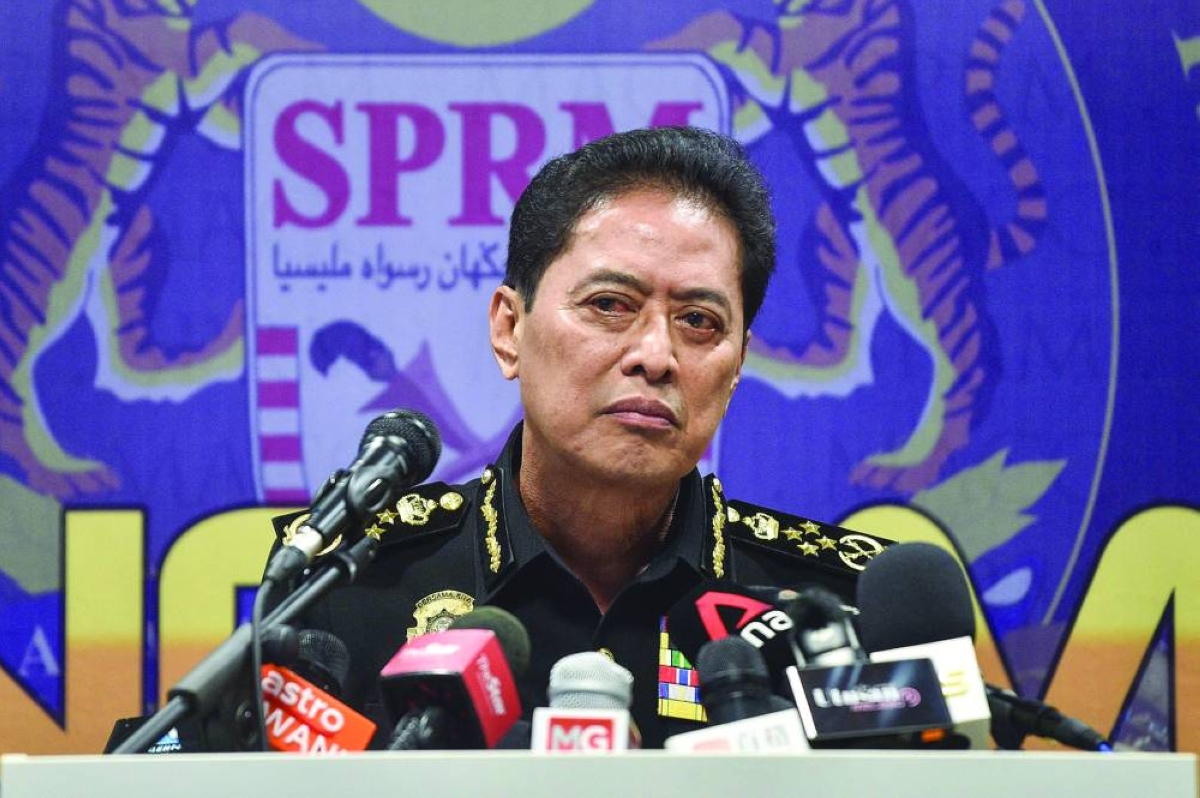
Malaysia's Anti-Corruption Commission (MACC) chief commissioner Azam Baki takes part in a press conference at the MACC headquarters in Putrajaya Wednesday. Malaysia's anti-corruption agency said Wednesday it was probing alleged abuse of power, fraud and governance issues linked to a 1.11bn ringgit ($280mn) deal between the Malaysian government and British chip giant Arm Holdings.The Southeast Asian country, which is one of the world's top chip exporters, signed an agreement with the firm last March to boost production of high-end semiconducters, as the US-China tech trade war shook global markets."We have summoned a total of 12 witnesses so far from various government agencies, especially from the economy ministry, Malaysia's investment development authority and also from the trade ministry and several other agencies," Malaysia’s Anti-Corruption Commission (MACC) chief Azam Baki said.A former minister was one of those called in to give a statement, Azam said, refusing to name the individual.Rafizi Ramli was Malaysia's economy minister at the time, while Tengku Zafrul Aziz held the investment, trade and industry minister portfolio.Malaysia is a key player in the vital chips sector but has been largely focused on packaging, assembly and testing services — the lower end of the market.The Arm Holdings agreement will see the Softbank-owned firm provide chip designs and other technology to Malaysia, helping the nation shift into more value-added production, such as wafer fabrication and integrated circuit design.Malaysia said at that time it would pay $250mn over a decade to receive support from the British company."We will investigate this matter in a fair and professional manner," Azam said, adding that more witnesses will be summoned to assist the probe.Malaysia's semiconductor exports were valued at 387.98bn ringgit ($87.48bn) in 2024, the Malaysia External Trade Development Corp said, making the country one of the world's top 10 chip exporters.Malaysia's northern island of Penang, home to a number of facilities, is often dubbed the country's Silicon Valley.Prime Minister Anwar Ibrahim announced plans in April 2024 to build a massive semiconductor design park, an effort to move the country beyond chips production.  Related Story

World
Swedish fighter jets patrol Iceland in show of force over Arctic

Swedish fighter jets patrol Iceland in show of force over Arctic

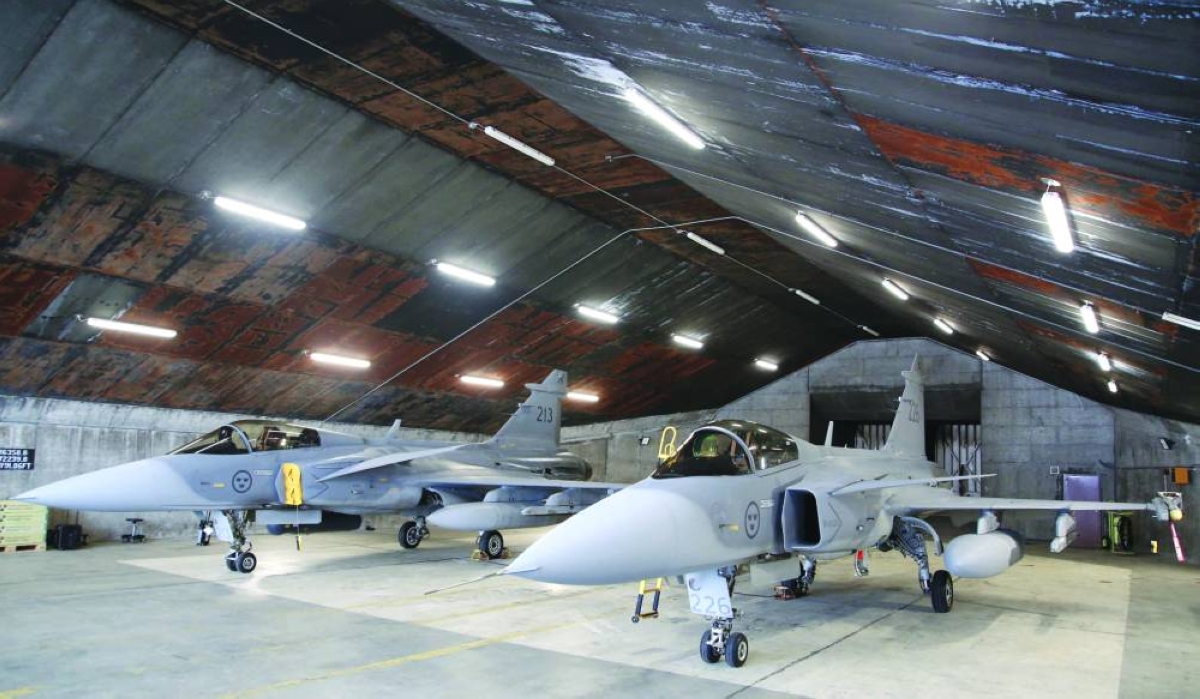
Swedish Air Force JAS 39 Gripen aircraft are parked in a hangar at the air base in Keflavik, Iceland. Swedish fighter jets are patrolling the skies around Iceland for the ‌first time, as Nato allies try to show both US President Donald ​Trump and his Russian counterpart Vladimir ‌Putin that they are serious about protecting the Arctic. Sweden has sent six of ‌its Saab Gripen ⁠fighter jets, the crown ‌jewel of its defence industry, as part ‌of Nato mission Arctic Sentry.The mission is seeking to strengthen Nato's presence in the strategically important ⁠Arctic region as part of an effort to defuse severe tensions within the alliance prompted by Trump's push for the US to acquire Greenland.Trump has forced Nato allies to sharply increase military spending, including in the Arctic. He has been particularly unimpressed by Denmark's military presence on Greenland, which he mockingly described as "two dog sleds".The Swedish fighters are mainly on the lookout for Russian long-range bombers that can take off from ​air bases on the Kola Peninsula, which is home to Russia's Northern Fleet and also has nuclear missile silos. "Iceland as well as all of the Arctic would be important (in case of a conflict) because that's ‌the warning chain for attacks against ⁠the US or Canada ​across the Arctic," said Major General Frode Arnfinn Kristoffersen, deputy chief of staff, operations, ​at Nato Joint Force Command Norfolk."Russia sees the Arctic as vital to becoming a great power and has also built up new Arctic bases and opened up former Soviet military sites, including deep-water ports and airfields," he said. Russia has repeatedly dismissed claims it is seeking to take over Greenland, or is a threat in the Arctic, saying they are false "horror stories" made up by Western leaders to justify their own behaviour.HARSH ARCTIC CONDITIONSKeflavik Air Base, built during World War Two and up until 2006 an American base, is home to the Nato air policing missions that have been done periodically since ‌2008.The cold and windy conditions are ‌the same as those on Greenland ⁠and the rest of the Arctic."We have experiences from operating in this kind of harsh environment...so ⁠for us, it's quite natural to ⁠also be able to operate here in Iceland," said Major General Jonas Wikman, Sweden's Air Force chief.The JAS 39 Gripen is a fourth-generation light single-engine supersonic multi-role aircraft, meaning it can do air-to-ground, air-to-surface, and air-to-air operations."It's perfectly suitable for this weather. It's built in Sweden for the Swedish climate, and this is basically what we have back in Sweden," said Lieutenant Colonel Robin Arvidsson, fighter ​pilot and squadron commander in the Swedish Air Force.It has a low logistical footprint and can be refuelled and rearmed by one officer and four conscripts in as little as 10 minutes.DANGEROUS BUILD-UPWhile Nato allies have rushed to increase the alliance's presence in the Arctic, some analysts and politicians have questioned the rationale behind the build-up, saying Russia does not currently pose a threat to Greenland."This is very dangerous because it leads to an action-reaction cycle," said Pavel Devyatkin, senior associate at Washington-based think tank, The Arctic Institute."There's a very high chance of ‌an accidental incident, ​of an escalation," he said. "These moves from Sweden and from Nato are basically appeasing President Trump," he said.  Related Story

Sports
Sabalenka backs ‘best-of-five’ Slam proposal, Swiatek against

Sabalenka backs ‘best-of-five’ Slam proposal, Swiatek against

World number one Aryna Sabalenka on Tuesday voiced her support for a proposal to make women's matches best-of-five sets during the later stages of Grand Slam tournaments.Speaking ahead of this week's ATP-WTA tournament in Indian Wells, the hard-hitting Sabalenka said she believed switching to five sets would benefit her game."Yeah, let's do that," the four-time Grand Slam singles champion said when asked about the idea, which was floated by incoming US Tennis Association chief Craig Tiley at the Australian Open earlier this year."I feel like I would have probably more Grand Slams," Sabalenka added. "Physically I'm really strong, and I'm pretty confident that my body can handle that. So let's do it."Tiley, the former head of the Australian Open who last week was named as the new USTA chief, told the New York Times in an interview last month that switching to five sets from the quarter-finals onwards at Grand Slams should be discussed."All the research shows interest grows as the match goes on," Tiley said. "As a sport, we need to evolve."But while Sabalenka backed the move, other women players were more circumspect."I mean, it probably would favor me, because I'm physically up there with the best, but I mean, I probably wouldn't want to see that happen," reigning French Open champion Coco Gauff told reporters."And if it were to happen, I would prefer it to be the whole tournament, not just the quarters. I think changing the format in the middle of the tournament defeats the purpose of the playing field."Six-time Grand Slam champion and former world number one Iga Swiatek was firmly against the idea, and questioned the suggestion it would boost audiences."I think honestly it's a weird approach in the world where everything is becoming faster, you know," Swiatek said. "So I don't know if the audience honestly would like that."Also, I don't know if we would be able to keep the quality for five sets. Well, that's a fact, like, men are more physically strong and they can handle it for sure better."Swiatek said the physical demands would also force players to adjust their schedules, potentially leading to them playing fewer tournaments."We have never practiced in a way to prepare for that, so we would need to change, I think, our whole calendar, because the Grand Slams would be so tough that I don't think we would have honestly time to prepare for any other tournaments," she said."I think it would change a lot. I don't think it would change anything for good."World number five Jessica Pegula echoed Swiatek's remarks, stating while five sets were well within the physical capabilities of women, a switch could be counter-productive."I think we have amazing female athletes that honestly I think we could do that," the American said. "I don't think it's the fact that we can't; I just don't necessarily think that we should."On that aspect, I don't even know how you would schedule tournaments. We'd have to add weeks. We can't even get through the schedule now. So I'm not really sure for like a fan experience how that would really work."  Related Story

Opinion
ECB wary of Iran-war inflation spike after missing last ‘transitory’ surge

ECB wary of Iran-war inflation spike after missing last ‘transitory’ surge

Having missed the onset of a historic inflation surge just years ago, European Central Bank policymakers are likely to avoid casting any ‌Iran war-induced price spike as “transitory” and may keep a lower bar for policy action than in past energy price ​shocks. In 2022 the ECB was one of ‌the last of the big central banks to tighten policy in response to the economic disruption caused by the ‌pandemic and Russia’s invasion of Ukraine, only lifting interest rates in ‌July of that year — months after the US Federal Reserve ‌and the Bank of England - calling the “inflation hump” merely transitory. It subsequently found itself having to raise rates at a record pace as price growth shot past 10%, five times its target and the highest level since the currency bloc was established. While the ECB will again react cautiously to any temporary, oil-led surges in inflation, this time it is mindful both of the lessons from 2022 and of the fact that the import-dependent euro zone economy is more exposed than others to rising energy costs, economists and policymakers said. “We must at all cost avoid describing inflation as ‘transitory’,” said one policymaker who requested anonymity so as to discuss policy deliberations candidly. “The ECB policy outlook is in the hands of military generals now,” the source added of how global prices would now ​depend on twists and turns in the conflict sparked by the US and Israeli strikes on Iran. The key lesson for the bank is that standard models are less reliable in exceptional shocks and more pragmatic analysis is needed, drawing on the lessons of similar episodes. The war has already pushed oil prices ‌20% higher this week, and fuel retailers are likely to pass this cost ​on to motorists within days, creating an instant feedback mechanism. The current environment is not fully comparable with 2022. Fiscal and monetary policies are tighter and there is no post-pandemic spending exuberance which aggravated supply bottlenecks. The war could also resolve quickly, reversing energy price increases. But domestic inflation is still too high. It was only an earlier fall in the oil price which lowered the headline figure below the ECB’s 2% target at the start of the year. Rapid inflation is still a recent memory for firms, so the central bank may be quicker than in the past to start adjusting prices. Global inflation is also still elevated. Even before the war, the US Federal Reserve said the risk of inflation running above its target was meaningful. Minutes from its January meeting ‌show several policymakers were open to rate hikes. “With ‌the 2022 inflation spike a fresh memory, risks are that inflation expectations are less anchored, and the ECB will try to not make the same mistake of reacting too late twice,” Nordea economists Tuuli Koivu and Anders Svendsen said. The ECB’s dilemma is that rate hikes only weigh on prices with a 12- to 18-month lag, so action is only warranted if it believes inflation will be persistent. Moreover, an energy price spike would hit growth, which in turn would be deflationary. But some say that should not be an excuse for inaction. “We had this debate in 2022 and we were clearly too timid,” another policymaker, who asked not to be named, said. “If we faced this growth-versus-inflation debate again, that lesson will be fresh on everybody’s minds and we would obviously need to act quicker.” Policymakers speaking on the ​record have cautioned against hasty action, arguing that the environment is volatile and time is needed before the outlines of a new normal emerges. Yannis Stournaras, Greece’s central bank governor, argued for flexibility while Martins Kazaks, Latvia’s central bank chief, said the ECB should sit tight while the impact of the war remains unclear.