admin
admin 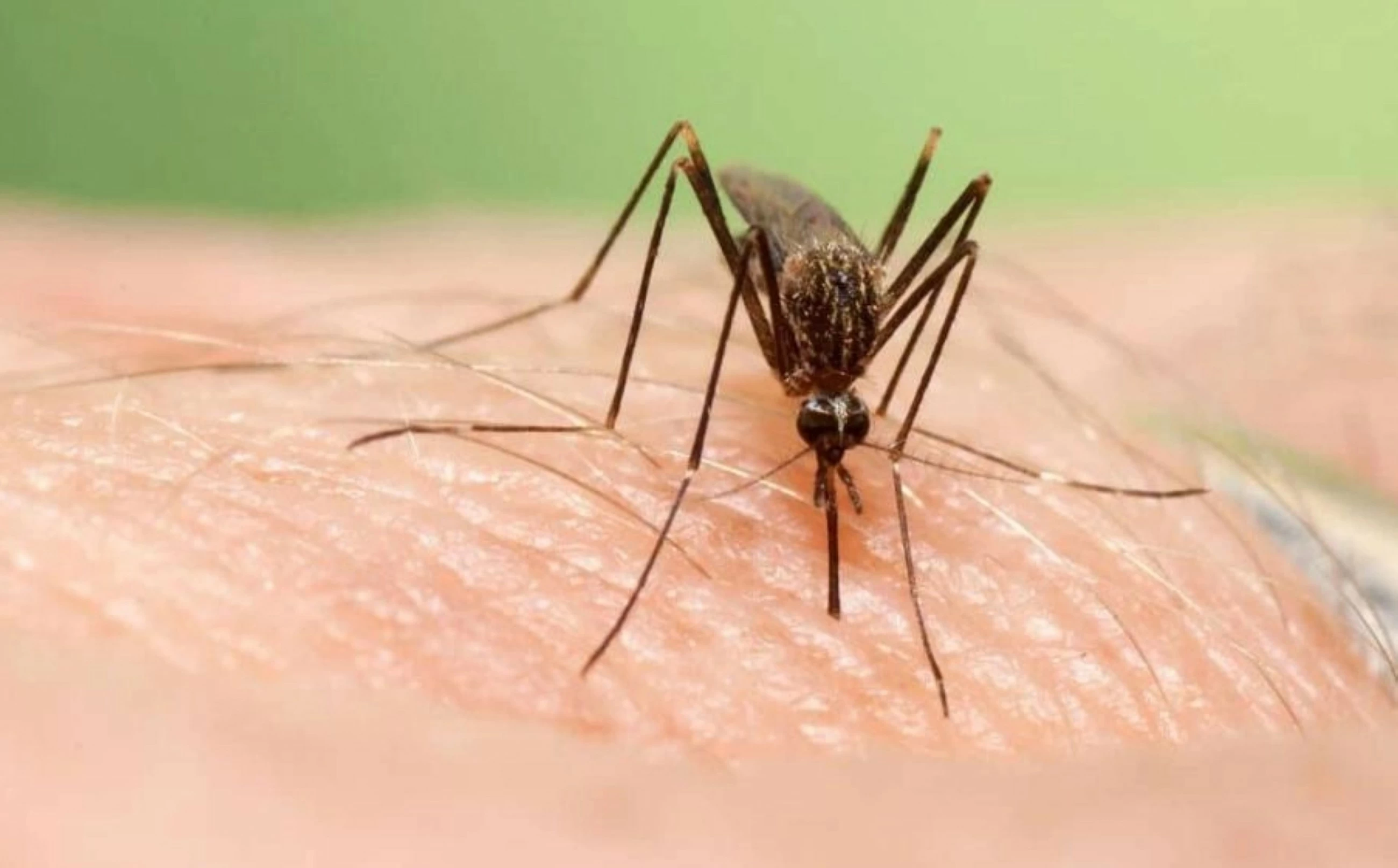
With continued rainfall and the resulting accumulation of stagnant water in many areas—creating a favourable environment for insects—residents have been asking how to eliminate mosquito breeding grounds.
The Ministry of Climate Change and Environment explained that reducing mosquito breeding sites is essential to improving public health and preventing associated risks. This can be achieved through simple and effective preventive measures, such as emptying containers holding stagnant water, cleaning rainwater collection areas, ensuring proper drainage, disposing of waste correctly, and regularly trimming grass and plants.
Additionally, using appropriate methods to control larvae and mosquitoes can help reduce breeding opportunities and limit their spread. Planting mosquito-repellent plants is also beneficial.
The Ministry is intensifying efforts to combat mosquito breeding, particularly after rainfall, through nationwide campaigns targeting breeding sites. These include pesticide spraying, clearing stagnant water, raising awareness about drying uncovered containers, and coordinating with local authorities on fogging and larval control.
The Ministry emphasised that eliminating the source—stagnant water—remains the top priority. This involves removing rainwater from gardens and rooftops, emptying plant containers, and conducting regular inspections and spraying.
In cooperation with municipalities, authorities are carrying out fogging campaigns to eliminate adult mosquitoes and applying chemical treatments to control larvae. Preventive advice for households includes tightly covering water tanks, properly disposing of waste and empty containers that collect rainwater, and using electric traps and window screens.