admin
admin 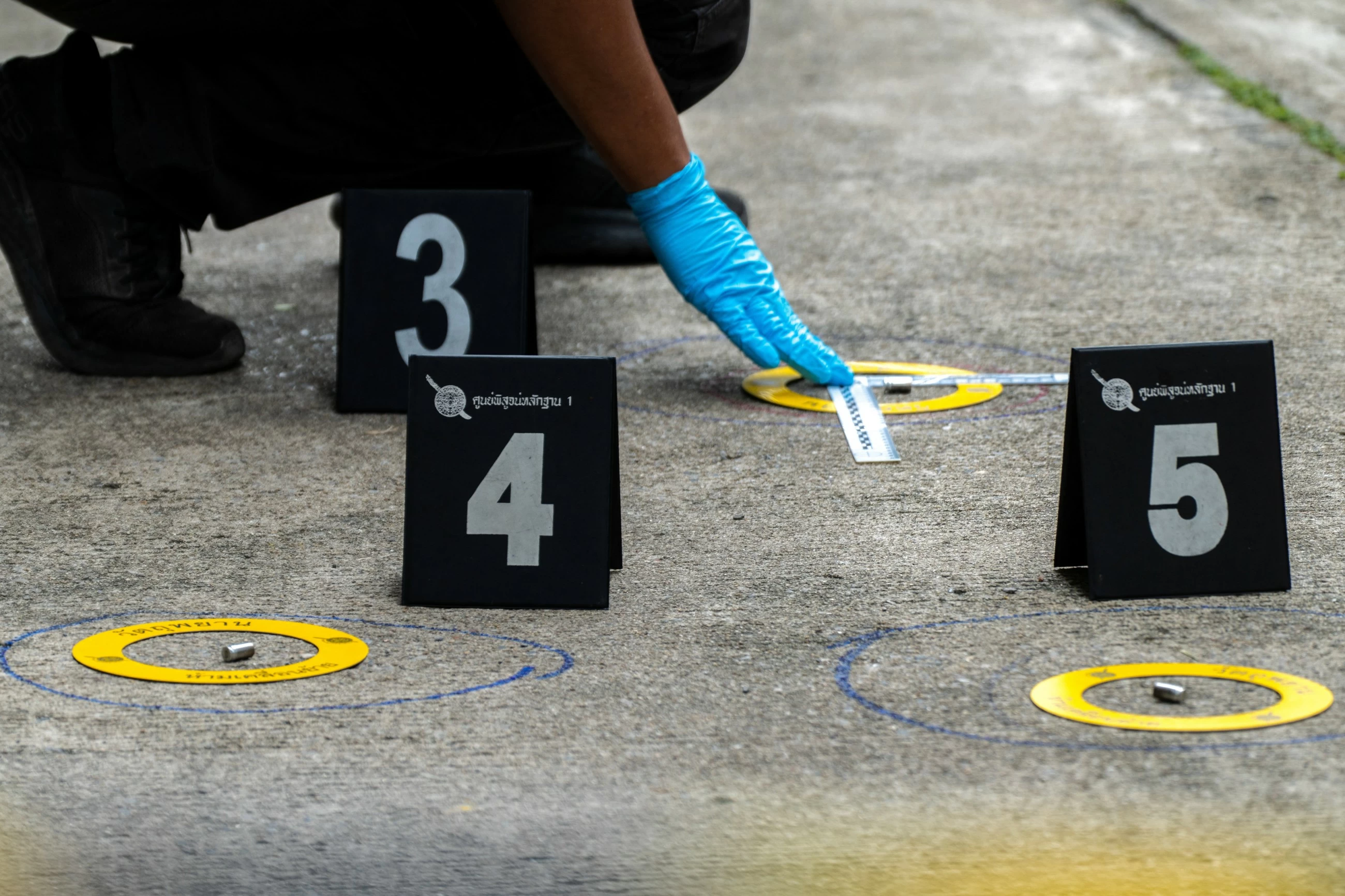
The bizarre shootout by a 14-year-old Thai student of Debsirin Nonthaburi School in Bang Kruai district has pushed the country into trauma and frenzy. The boy killed his grandparents and the weapon was his grandfather’s 9mm pistol. Then he went to the school shooting at teachers and students, killing nine and injuring 21 before shooting himself. There is intense speculation about the motives for the shooting. Police are trying to ascertain the facts.
Meanwhile Prime Minister Anutin Charnvirakul cautioned against speculation about the motives. He wanted to nip in the bud the inference that the boy went berserk because of bullying at school. Anutin urged people to wait for the facts to emerge.
Initial investigations show that his parents got separated when he was very young, and the boy was brought up by his grandparents. He had no problems with any of his schoolmates, though he seems to have been a loner, sitting alone in the back corner in the classroom. The boy’s friend known by the initial M, said the boy was not an angry teen, and he had no anger management problems.
On the day of the shootout, Friday, he attended classes in the morning. It was in the second session in the afternoon, during the maths class, that he brought out the pistol and began to fire at random. The friend revealed that the boy did bring guns to school, and he would show to his friends and boasted about the weapons. This was reported on one of the occasions, and the teacher confiscated the gun, and marked him negative for conduct. Investigating officer, Pol Maj Gen Atthapol Anusit, who is the deputy commissioner of Provincial Police Region I, said after a review meeting, “We found that several factors may have combined, including family issues, studies, friendships and the consumption of violent content on social media.”
It is unusual in any Asian country, including Thailand, for shootouts to happen because unlike in the United States and some European countries where these violent episodes do happen time and again, the family bonding and social relationships in general appear to be stronger. Individuals are not driven into despair because of lack of human connectedness. It is acknowledged that in Europe the individual is free but at the same time he or she is completely untethered, and a sense of overwhelming loneliness drives people into acts of brutal violence. It is felt that in Thailand too there is need to pass gun control legislation.
An issue of greater concern is the violent content on social media, and how youngsters have such a ready access to it. The parents and teachers are trying to restrict Internet access to the teenagers, but the youngsters have learned — they are many times Internet smart than the parents — to get around because they instinctively know how to cross over the cyber barriers. There is need for smarter thinking on the parts of parents, teachers and lawmakers to cut off unrestricted access to the Internet for the susceptible adolescent segment. This would need the cooperation of the llap to hardware architecture along with creating software that keeps the teenagers from the adult world.
Many developing countries, especially south-east Asia, which enjoy a fair amount of economic development and affluence, do not have supportive social infrastructure like child psychologists, educationists and sociologists. The changes are happening rather swiftly, and even before one can grasp the changes that technological innovations and improvements are bringing about, social mores are in a flux and family bonds have become tenuous or even non-existent. Technology shaping our lives is natural and even inevitable. What is of greater importance is to define the core values with regard to family. This cannot be carried out in fits and starts. There is need for deeper thinking and review of the ever changing external devlopments