admin
admin 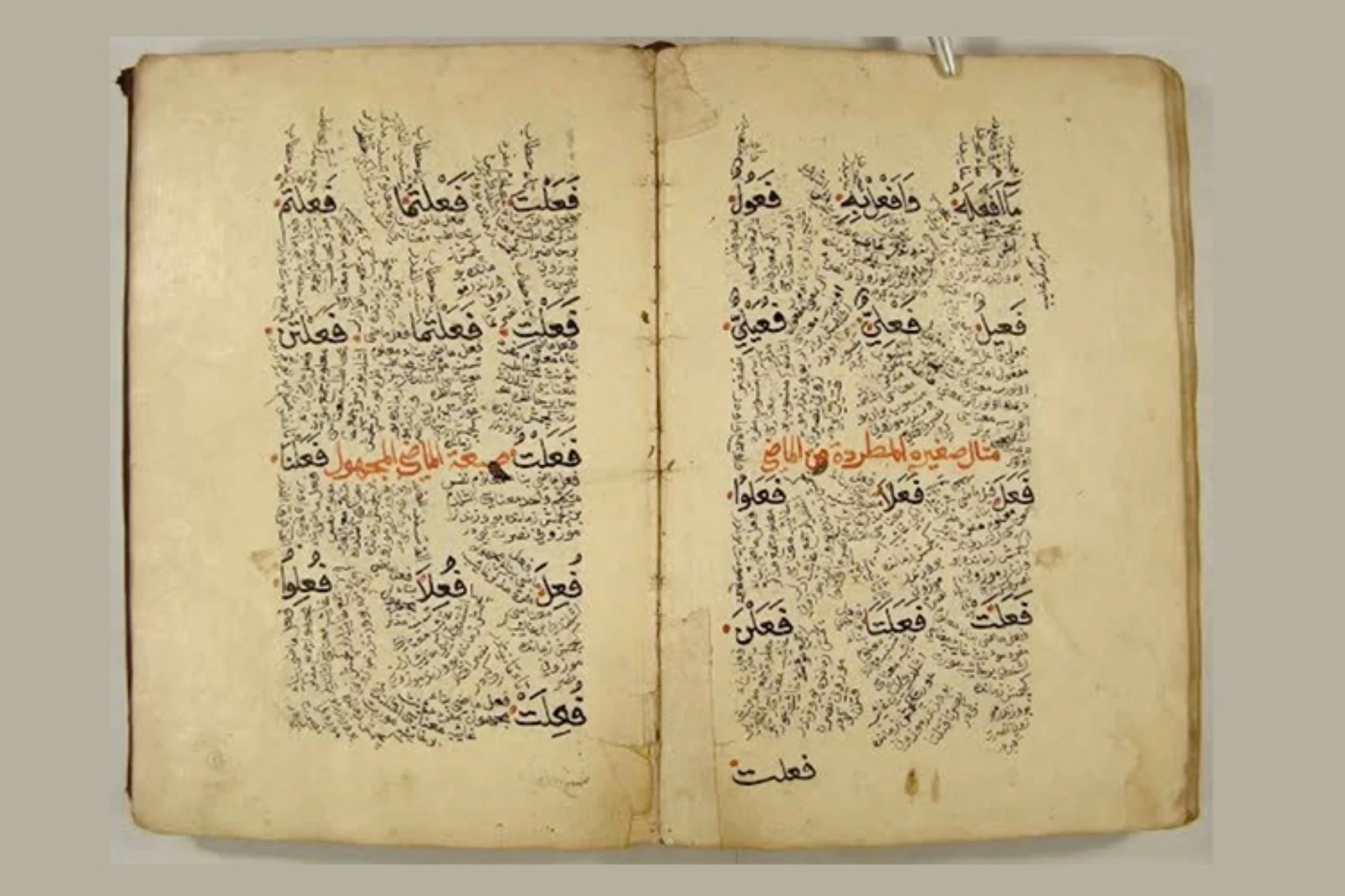
Scientists at the Institute of Oriental Studies of the Russian Academy of Sciences have developed artificial intelligence-based programs for the visual recognition, reading, and translation of Arabic texts. This initiative aims to accelerate the study and preservation of historical manuscripts, reducing routine work time by up to 90% and freeing up researchers to focus on scientific analysis.
The acting director of the institute, Alekper Alekperov, explained that Russia possesses one of the largest collections of Oriental manuscripts.
The institute in St. Petersburg alone houses approximately 200,000 documents, in addition to other collections located in Moscow, Kazan, Makhachkala, and Ulan-Ude.
However, the number of specialists qualified to study these manuscripts remains limited.
The system begins by digitizing the manuscripts, then enhancing image quality and removing imperfections that affect text readability. Finally, AI-powered visual recognition techniques are used to analyze the Arabic texts, taking into account the unique characteristics of Arabic script, its diverse forms, and the variations in calligraphic styles.
Alikberov pointed out that the program can utilize the context of the text to determine the correct pronunciation of words, even in manuscripts lacking diacritical marks or vowel points, thus reducing the errors that often accompanied the reading of ancient texts.
The researchers also developed a translation system focused on Classical Arabic texts, based on translations by Soviet and Russian Orientalists, to select the most appropriate linguistic equivalent according to the context, thereby enhancing the accuracy of historical and religious texts.
The researchers emphasized that these technologies are not intended to replace researchers, but rather to support them and expedite research. They anticipate that artificial intelligence tools will become an essential part of fields such as Oriental studies, history, and archaeology in the coming years.