admin
admin 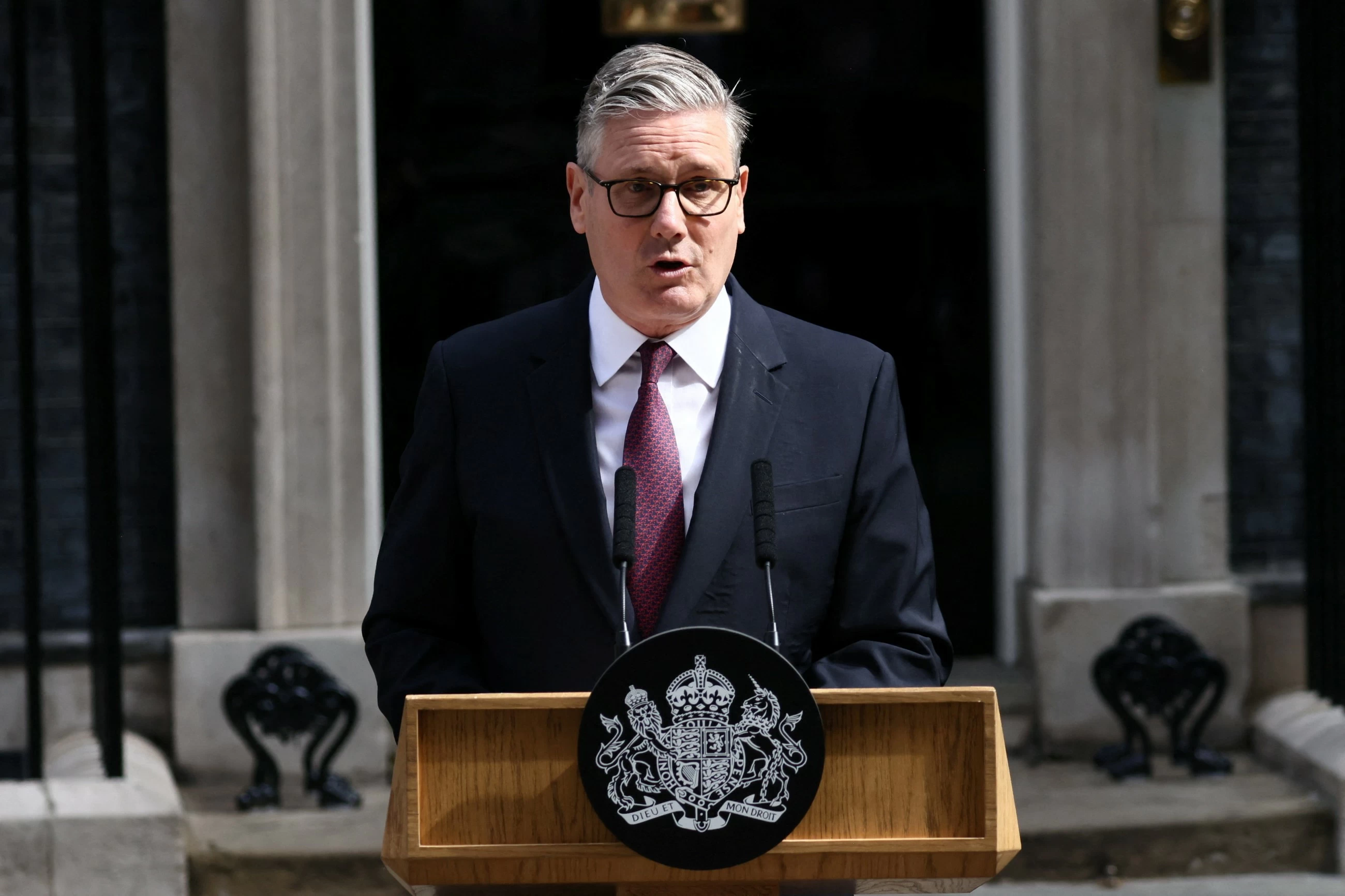
It can be said as a matter of routine observation, ‘Here goes another British prime minister’. Sir Keir Starmer, who brought the Labour Party to power through a landslide victory in 2024, has announced that he was stepping down as prime minister and as leader of the Labour Party. The pressure for him to quit was building within the party for more than a year now, and it all started with his appointment of Peter Mandelson as Britain’s envoy to Washington, the man who was associated with the Jeffrey Epstein, the millionaire involved in child sex abuse.
The other big scandal in Britain in the Epstein scandal is Prince Edward, younger brother of King Charles II. Starmer had a hard time defending what was clearly a misjudgment. Observers are likely to argue that the Mandelson issue was not the only factor why Starmer had to resign. They would point to his low popularity ratings, and the economy that was not turning around.
Britain continues to wade in its economic misery, with no jobs, and no signs of a growth turnaround. And it is also being said that whoever replaces Starmer as prime minister will not have it easy because he or she will also face the same challenges that Starmer was facing and unable to overcome. Andy Burnham, former mayor of Great Manchester has thrown the hat into the leadership contest ring, and as yet there are no other challengers, he could be the likely successor.
Britain has seen six prime ministers since 2016. Of the six, five were Conservative prime ministers, starting with the resignation of David Cameron in 2016, Theresa May in 2019, Boris Johnson in 2022, Liz Truss in 2022, Rishi Sunak in 2024. Cameron resigned after the referendum in which Britain voted to exit the European Union (EU), and May quit because she could not get Britain’s exit done. Johnson had to leave after the scandal that during the lockdown, his aides were indulging in drunk parties at 10 Downing Street. Truss lasted a little over a month after she stuck her neck out for Conservative Party’s market economics. Sunak did not have the charisma and energy to lead the party in the 2024 election. Starmer got the Labour Party its largest majority ever, 406 seats in the House of Commons out of 650. But that electoral triumph did not help him retain his position for the rest of the term.
Starmer proved himself a dependable and sturdy leader of the Opposition when the Labour Party had to replace Jeremy Corbin for his hardline pro-Palestinian position which was misinterpreted as a sign of anti-Semitism. Starmer did not claim to have any larger and bold vision to solve Britain’s economic woes. He was not old Labour like Corbin, nor was he an enthusiastic New Labour of the Tony Blair vintage. It became difficult to identify Starmer with any defined worldview except that he wanted Britain to do well on all fronts, and he was a staunch defender of liberal democracy. That is why, he was clear that Britain should oppose undemocratic Russia and defend Ukraine in the war between the two countries. On this issue, Starmer was one with his Conservative predecessors Johnson and Sunak.
Starmer’s Ukraine position was not however sufficient to sustain his position as Britain’s prime minister. He will likely go out as a forgettable prime minister in the mould of May and Sunak. But he was an honest and reliable politician, who did his job honestly and with dedication. Starmer is a middle-rung politician who showed that he is not the decisive leader who can turn the tables as it were.