admin
admin 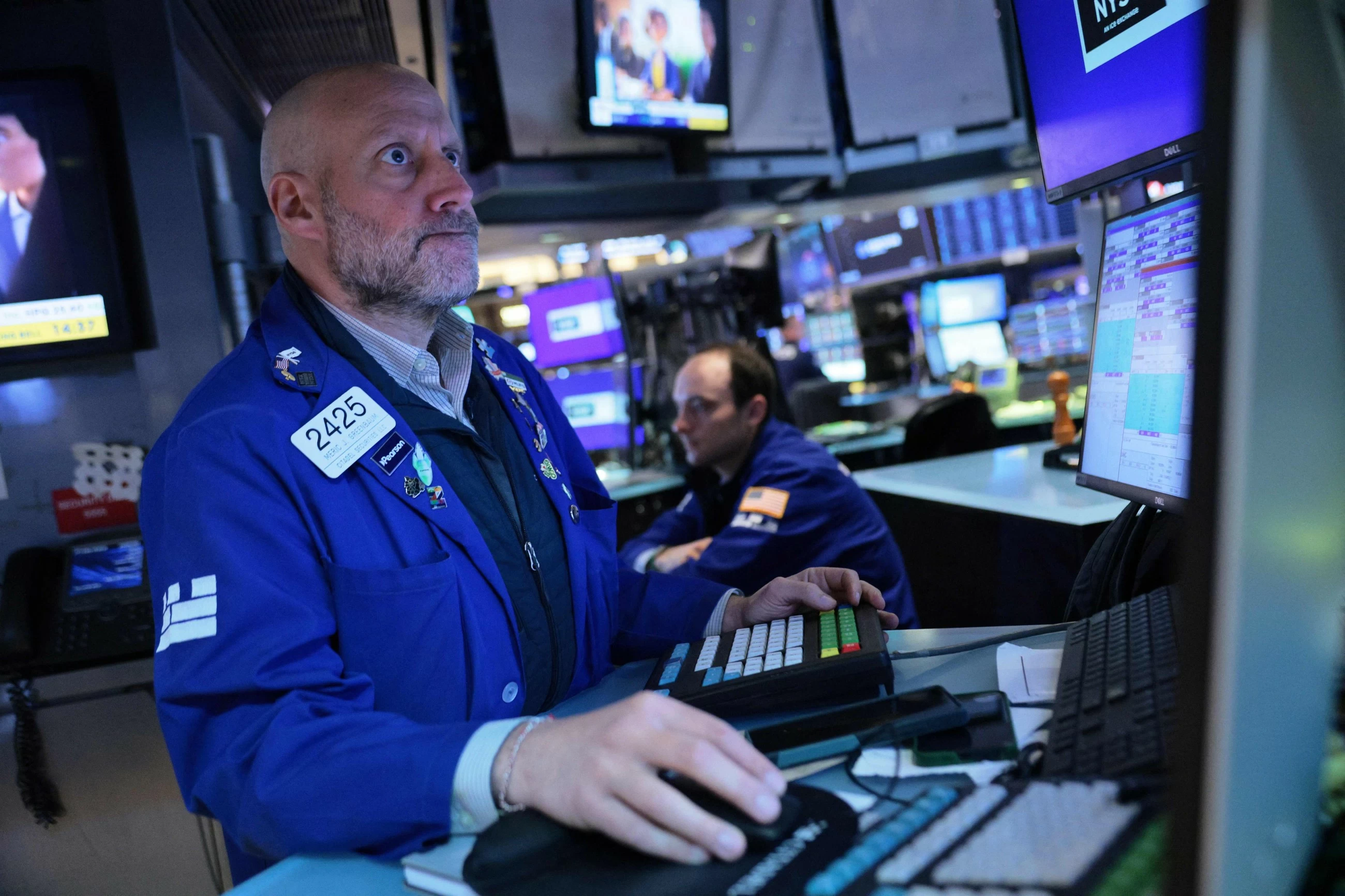
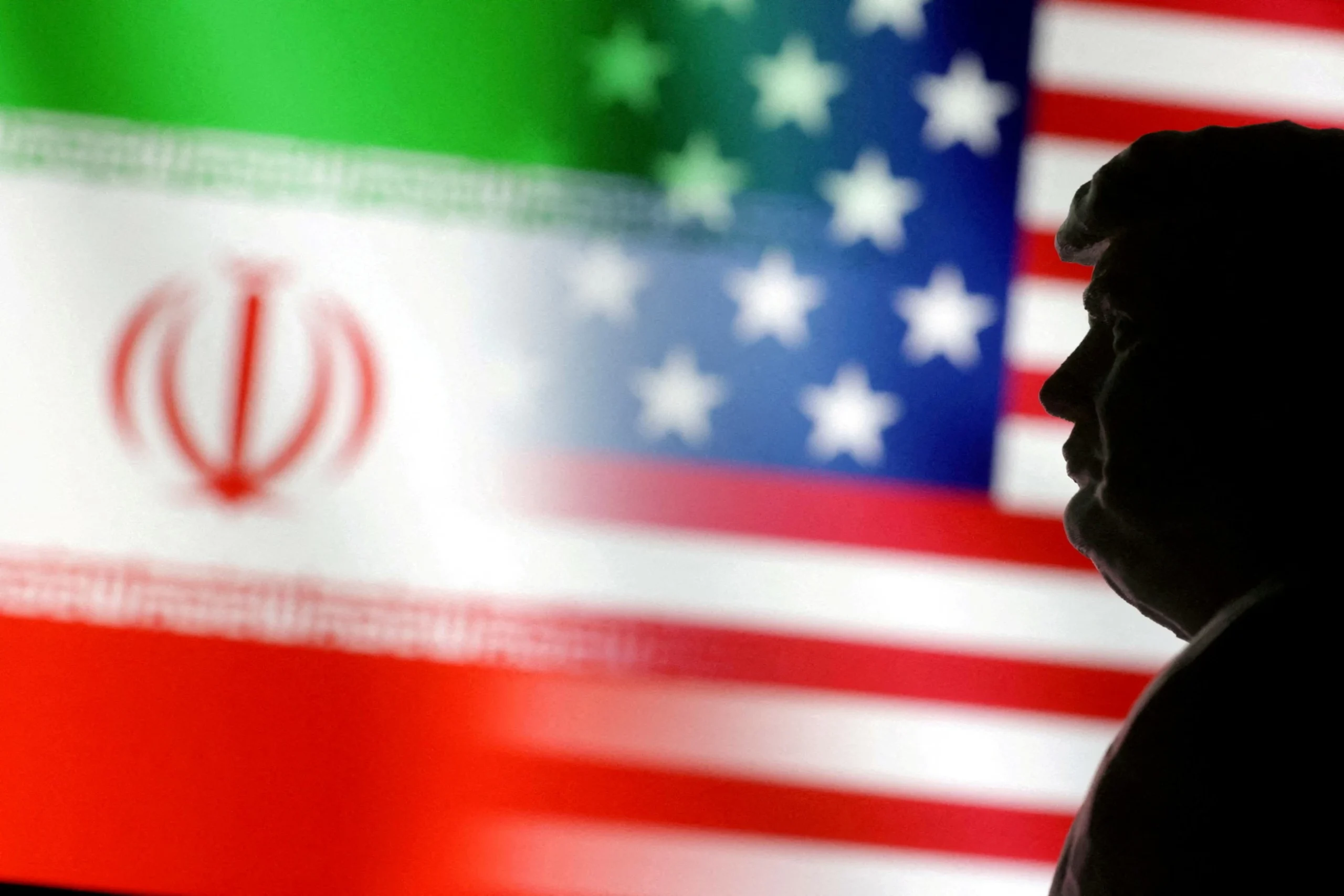
Oil prices rebounded slightly on Tuesday while stock markets were mixed and the dollar firmed after US military strikes on Iran deflated hopes of an imminent deal to reopen the Strait of Hormuz.
The United States and Iran have been working on an agreement to end the Middle East war and reopen the crucial waterway to tanker and cargo traffic since a fragile ceasefire on April 8.
Stock markets had rallied on Monday and crude futures dropped below $100 a barrel after reports that a deal could be announced in the coming days.
Those hopes were tempered when US forces said they attacked missile sites in southern Iran and boats trying to lay mines.
Brent North Sea crude, the international benchmark, jumped more than three per cent Tuesday, to move back to within a whisker of $100 a barrel.
“The increase in oil prices is modest, underlining the market’s strong belief that the Strait of Hormuz will reopen” said Arne Lohmann Rasmussen, a commodities analyst at Global Risk Management.
“There also appears to be an increase in traffic through the strait,” he said, citing Iranian media reports.
Equity markets were mixed with Wall Street seeing small early gains for the Dow, the tech-heavy Nasdaq and the S&P 500.
In Europe, Frankfurt and Paris were in contrast off half a per cent although London was just in the green as traders returned after a long holiday weekend in Britain.
British oil giant BP topped the losers’ chart, off more than four per cent after it unexpectedly removed Albert Manifold as chairman only months into his tenure, citing “serious concerns” about governance standards, oversight and conduct at the company.
Kathleen Brooks, research director at XTB, warned that Manifold’s departure, coming barely three years after former CEO Bernard Looney was replaced over allegations of misconduct, “suggests a lack of stability at the firm, which is bad news for shareholders”.
Overall, for AJ Bell investment director Russ Mould, “the FTSE 100 was playing catch up to European counterparts after progress on a potential agreement between the US and Iran”.
“However, continued doubts about the potential for a deal and an overnight pre-emptive US strike on Iran mean any euphoria is being kept in check,” he said, voicing concerns echoed by Brooks.
The US strikes came as top Iranian negotiators arrived in Doha for another round of talks to end three months of conflict.
In Asia, Seoul’s stock market hit a new record high above 8,000 points as chipmakers, carmakers and shipbuilders continued to outperform.
In Europe, investors were quick to express disappointment at Ferrari’s unveiling of its first electric model, with shares in the Italian luxury carmaker skidding six per cent. Traders will later in the week monitor how the US Federal Reserve reacts to key consumer inflation data and its potential effect on interest rates.
Higher prices triggered by the US-Israeli war against Iran will limit the likelihood of interest rate cuts by the Fed to boost US growth, many economists have warned.
New US Federal Reserve Chair Kevin Warsh vowed to be “reform-oriented” as he was sworn in at the White House last Friday, with President Donald Trump − who has long pushed for rate cuts − insisting the central bank chief would be “totally independent”.
European stock indexes gave up some recent gains on Tuesday and oil prices rose after new US strikes in southern Iran dampened investors’ hopes that a U.S.-Iran peace deal could be imminent.
Market sentiment had turned more positive over the past week as traders bet on a de-escalation in the U.S.-Israel war on Iran, which has severely disrupted Middle East oil and gas supplies since it began in late February.
But they readjusted this view on Tuesday after the US said on Monday it had carried out what it called defensive strikes in southern Iran. As talks continue, US Secretary of State Marco Rubio said on Tuesday negotiating a deal with Iran could “take a few days”.
At 1051 GMT, the STOXX 600 was down 0.2% on the day, but still close to its highest since the war began. London’s FTSE 100 was up 0.7% on the day, while Germany’s DAX was down 0.5%. The MSCI World Equity Index was flat, but up 3.8% so far this month.
Peter Schaffrik, global macro strategist at RBC Capital Markets, said that uncertainty in the Middle East was weighing on markets.
“It went from agreement is near to everyone needs to sign the Abraham Accords to bombing, so it’s not entirely clear what’s going on there,” he said, referring to US President Donald Trump saying on Monday he had told additional countries to sign the Abraham Accords as he tried to negotiate an agreement to end the war.
Still, Wall Street futures pointed to more gains for stocks in the US session, with S&P 500 e-minis up 0.7% and Nasdaq e-minis up 1.1% on the day.
Oil prices rose, with Brent crude futures up 2.4% on the day at $98.50 a barrel. US West Texas Intermediate was down 4.7% from Friday’s close at $92.04. There was no WTI settlement on Monday due to the US Memorial Day holiday.
Still, there was some underlying optimism in the market, Schaffrik said, as traders held on to hope that the Strait of Hormuz could reopen to traffic soon. Brent crude has come down significantly from its late April peak above $120.
Agencies