admin
admin 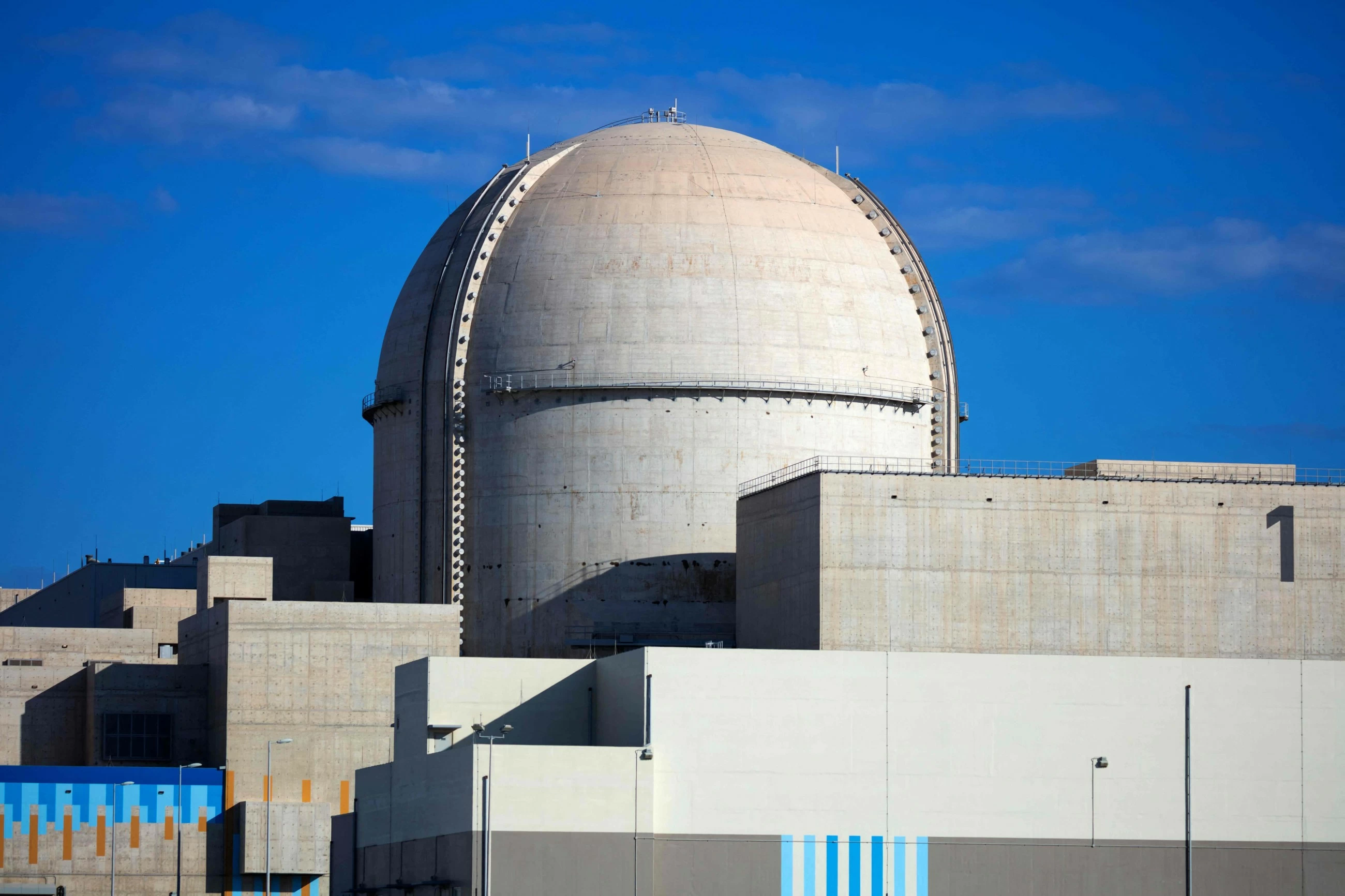
The UAE has condemned in the strongest terms the unprovoked terrorist drone attacks launched from Iraqi territory, including an attack targeting the Barakah Nuclear Power Plant on Sunday, which struck an electricity generator located outside the inner perimeter of the plant.
In a statement, the Ministry of Foreign Affairs (MoFA) affirmed the UAE’s strong condemnation and categorical rejection of the heinous terrorist attacks launched from Iraqi territory against critical civilian institutions across the GCC countries, in flagrant violation of their sovereignty, airspace, and in clear breach of the principles of international law, international humanitarian law, and the Charter of the United Nations.
The Ministry underscored the importance of the Iraqi government’s commitment to immediately and unconditionally halt and prevent all acts of aggression launched from its territory, emphasising the need to address these threats in an immediate and responsible manner, in accordance with relevant international and regional laws and charters.
Furthermore, the Ministry stressed the importance of Iraq fulfilling its role in strengthening security and stability in the region, thereby preserving its sovereignty and enhancing its position as an active and responsible partner within the region.
Rafael Mariano Grossi, Director-General of the International Atomic Energy Agency (IAEA), praised the authorities of the UAE for their continued cooperation and the timely and regular sharing of technical information regarding affected nuclear facilities and their respective sites, stressing that immediate engagement with the IAEA’s Incident and Emergency Centre is essential.
Grossi made the remarks in a statement delivered to the United Nations Security Council on Tuesday, affirming that the agency will continue providing public updates on the impact of the conflict on nuclear sites and the possible health and environmental consequences, while remaining in permanent consultation with governments in the region.
The IAEA chief informed the Security Council that the attack on the Barakah Nuclear Power Plant in the UAE threatened nuclear safety in the country, confirming that radiation levels at the plant remain normal and that no injuries had been reported.
He explained that a drone strike on Sunday caused a fire in an electrical generator located outside the inner site perimeter of the plant.
Separately, Saqr Ghobash, Speaker of the Federal National Council (FNC), held official talks with Roberta Metsola, President of the European Parliament, at the parliament’s headquarters in Strasbourg, during the official visit of the FNC delegation.
The talks addressed the latest regional developments and the repercussions of the recent escalation in the region on regional and international security and stability.
Ghobash underscored the importance of protecting maritime routes and restoring full and permanent freedom of navigation through the Strait of Hormuz without restrictions, explaining that international maritime security constitutes a direct European and global interest aimed at protecting the European economy from the repercussions of escalation.
He also praised the supportive stance of the European Parliament and the European Union towards the UAE and countries of the region in confronting Iranian attacks.
Meanwhile, US President Donald Trump said on Wednesday that negotiations with Iran were in the final stages, while warning of further attacks unless Iran agrees to a deal.
“We’re going to give this one shot. I’m in no hurry,” Trump said. “Ideally I’d like to see few people killed, as opposed to a lot. We can do it either way.”
Tehran, for its part, accused Trump of plotting to restart the war, and threatened to retaliate for any strikes with attacks beyond the Middle East.
“If aggression against Iran is repeated, the promised regional war will extend beyond the region this time,” the Revolutionary Guards said in a statement.
Parliament Speaker Mohammad Baqer Qalibaf, Iran’s top negotiator at peace talks, said in an audio message released on social media that “obvious and hidden moves by the enemy” showed the Americans were preparing new attacks.
In the latest diplomatic push, the interior minister of Pakistan – which hosted the only round of peace talks so far and has since been the conduit for messages between the sides – was in Tehran on Wednesday.
Agencies