Sports
Norway turn World Cup heartbreak into celebration as huge crowds pack capital

Norway turn World Cup heartbreak into celebration as huge crowds pack capital

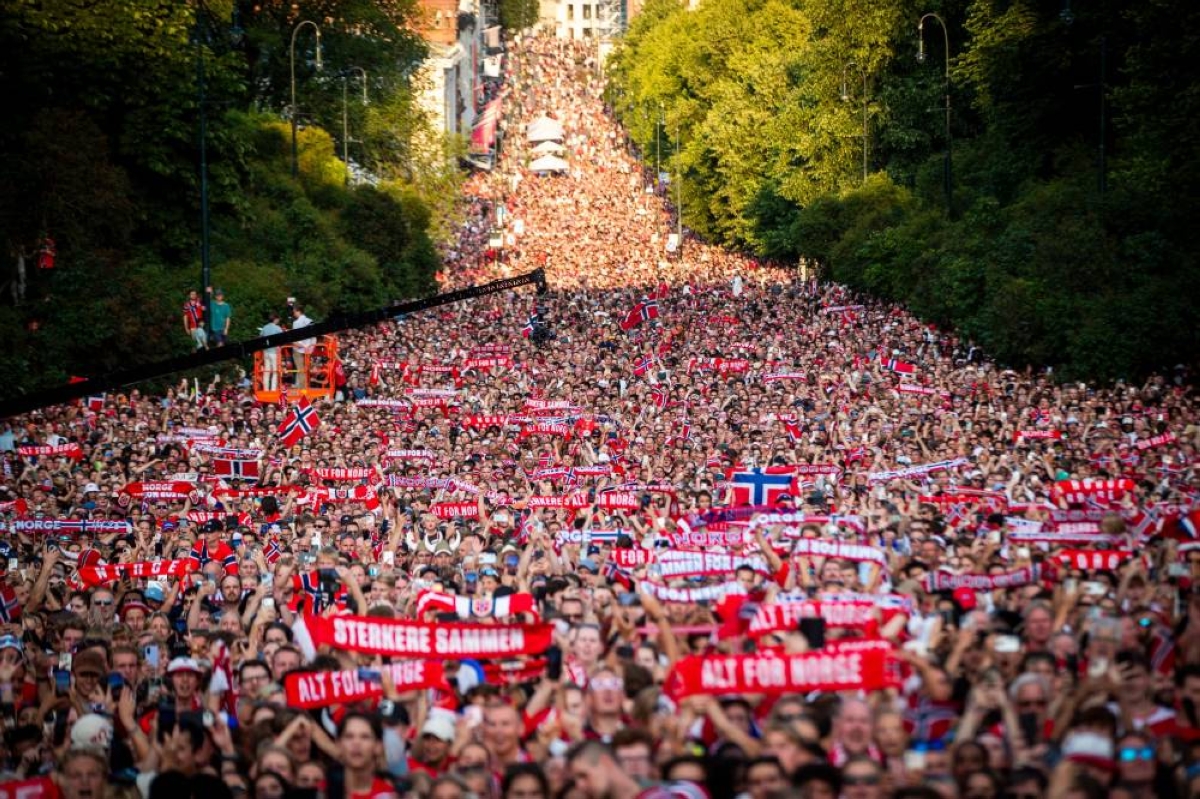
More than 100,000 fans flooded the streets ‌of the Norwegian capital Oslo on Monday to give their soccer team a ​heroes' welcome, turning the heartbreak of ‌their World Cup exit into a massive national celebration.A 2-1 extra-time defeat by ‌England on Saturday ⁠brought Norway's historic run ‌to an end in the quarter-finals, shattering ‌the Nordics' dreams of a place in the last four. However, it did not stop the country ⁠celebrating their heroes.Massive crowds under the Norwegian summer sun filled the grounds of the Royal Palace early on Monday afternoon, with an unofficial turnout estimated at more than 100,000 people.The Norway squad touched down to a traditional water cannon salute before commencing their homecoming parade in the capital.The line of supporters quickly packed the palace square before stretching far down the main street, Karl Johans gate, as the squad first attended an audience with King Harald."I have ​felt very proud, it has been amazing, I have been both at home and in Spain, and the atmosphere between the Norwegian people has been there all the time, so it has been unbelievable," Norway fan ‌Catherine Breiland told Reuters.The team stepped ⁠out to greet ​the fans with the Royal Guard standing to attention behind them.Striker Erling Haaland was ​noticeably absent from the final stage of the celebrations, having left early.His departure meant he missed joining his teammates on the palace steps for one last "Viking row", with tens of thousands of fans gathered below, which was led by Crown Prince Haakon on the drums."Erling and Sander (Berge) had to catch their plane as our trip from the U.S. was delayed four hours," coach Stale Solbakken said, as the squad prepared to continue the celebrations in an open-top bus parade around Oslo.Crowds slowed the bus to a halt through central Oslo, forcing it to reverse at one point as police escorts struggled to carve out a path. ‌Undeterred, Norway's players celebrated with beer ‌and waved as the party continued long ⁠after dark."The run the Norwegian team has had this year has been way beyond anything I've ⁠ever expected. I feel everybody in Norway ⁠should just honour the national team, which has done such an amazing job during this whole cup," said Nicolai Sivesind, who travelled to Oslo to take part in World Cup events. CABLES PAUSE NORWEGIAN CELEBRATIONSThere was a moment of irony when the parade was halted by low-hanging overhead cables. The players, who had been standing and waving flags on the top deck, were forced to sit down to ​clear the obstruction before the double-decker could proceed.Solbakken said earlier he was convinced the ball hit a camera cable above the pitch just before Jude Bellingham scored England's equaliser in the first half of the quarter-final.World soccer's governing body FIFA has repeatedly denied that the ball touched any wire before the goal.Hours after the parade began, it completed the 1.3-km route at City Hall Square, where tens of thousands of patient supporters were still waiting to welcome the team."I don't think anyone had imagined this," captain Martin Odegaard told Norwegian broadcaster NRK. "The support we have received in ‌the USA and here ​at home in Norway, has been beyond all expectations. It has been absolutely incredible to see."  Related Story
Sports
Rose says there’s still time to realise British Open dream

Rose says there’s still time to realise British Open dream

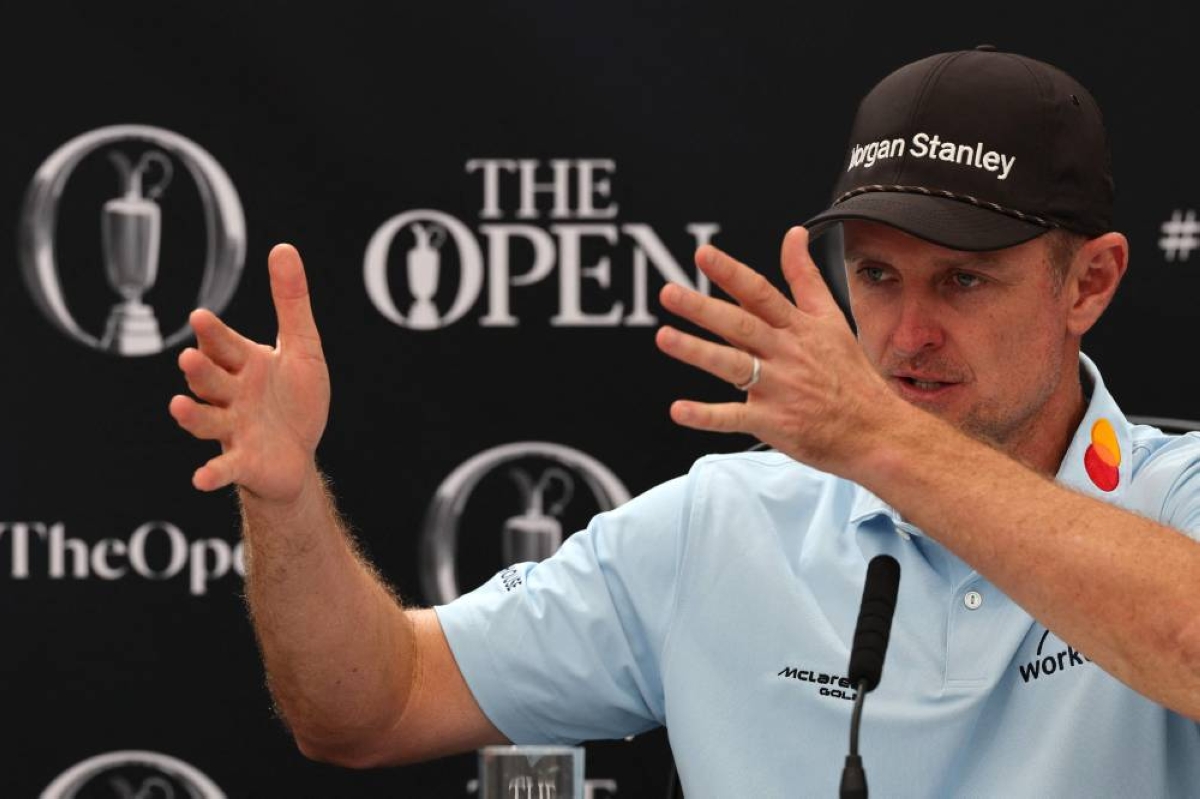
England's Justin Rose gestures during a press conference held ahead of the 154th Open Golf championship at Royal Birkdale Golf Club near Southport in north-west England on July 14, 2026. (AFP) Justin Rose is confident time is still on his side as he bids to win a first British Open title, with this year's edition taking place on the Royal Birkdale course where he made his name.Back in 1998, as a 17-year-old amateur, Rose spectacularly holed a pitch shot on the last hole in the final round of the British Open at the northwest course to finish joint fourth.He promptly turned professional only to experience 21 consecutive missed cuts.But 28 years on, Rose returns for his third appearance at Birkdale with a US Open title, an Olympic gold medal and 25 other professional wins to his credit.And he is adamant the clock remains in his favour as he bids to become the first Englishman since Nick Faldo in 1992 to win the British Open and lift the Claret Jug trophy."The Open Championship for a British player is the pinnacle of the game for sure," Rose told reporters on Tuesday, two days before the start of the tournament."It's the one that I would love to win the most, for sure," added the 45-year-old."To step through my career and not have a jug at the end of it, I'll always look back at it and go, 'yeah, that's a shame'."But I think the Open Championship offers you the longest runway of an opportunity to win one so there's plenty of time left."Rose's lone major success to date came at the 2013 US Open at Merion.Asked if his career had turned out as he hoped, Rose replied: "It's almost an impossible answer...I've had a very good career and 28 years later I'm playing in the Open Championship. If I think about it is still an amazing achievement, just to have the will to keep wanting to be here."I'm very happy with where I'm at. Could I have done more? Could I have won more of what I've already won? Yes. Would I love to be a multiple major champion? Yes. Do I feel I could have pushed towards close to a grand slam? Yes."Rose, however, added: "But ultimately, if I look at it, I got to world number one, I'm a major champion, Olympic gold medallist, FedEx Cup winner - I've kind of achieved pretty much what there is to achieve in the game, albeit once only."  Related Story

Sports
England face might of Messi's Argentina in World Cup semi-final

England face might of Messi's Argentina in World Cup semi-final

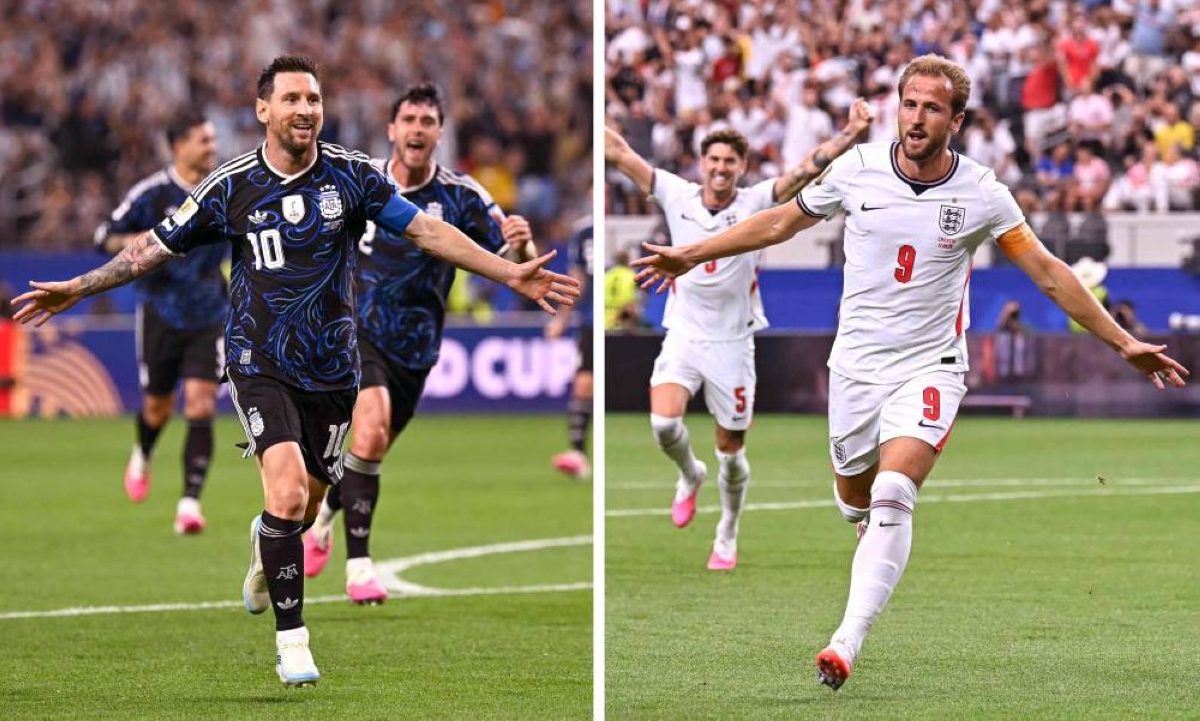
England are bidding to end Lionel Messi's dream of winning back-to-back World Cups and reach their first final in six decades as they renew their old rivalry with holders Argentina on Wednesday in a seismic semi-final showdown.An England team which has been dragged to this stage by the brilliance of Jude Bellingham take on Messi's Argentina under the roof of the spectacular arena in Atlanta, already the scene of a memorable victory by the defending champions at this tournament.It is the first competitive meeting of the sides since the 2002 World Cup and the fixture conjures so many memories, from Diego Maradona and the 'Hand of God' in 1986, to David Beckham's red card after tangling with Diego Simeone in 1998, while also thrusting the lingering sovereignty dispute over the Falkland Islands back into the spotlight.'The message is this is a football game. That's what I can say,' said Argentina coach Lionel Scaloni after his team's 3-1 quarter-final win over Switzerland.There is more than enough to focus on in purely footballing terms, with England one win from a first appearance in the World Cup final since they lifted the trophy in 1966.Argentina, meanwhile, are looking to reach a third final in four World Cups, and in doing so remain on course to become the first nation to retain the trophy since Brazil in 1962.'This squad does not get tired of making history. They keep wanting more,' said Messi after the Switzerland game.'It is not easy to have been world champions, to have won all that we have won, and to once again keep competing at this level and be back in the semi-finals.'Remarkably, the semi-final is also the first time Messi has ever played against England. Epic feel Neither team has enjoyed a smooth passage to this stage.Argentina cruised through the group phase, but the knockout rounds have been frenetic for the team coached by Scaloni, the one-time West Ham United full-back.Twice they were pegged back before beating Cape Verde 3-2 in extra time. Then they needed a late comeback to beat Egypt 3-2 in Atlanta, before requiring extra time to sink 10-man Switzerland 3-1 on Saturday.That game ended Messi's streak of scoring in nine consecutive World Cup outings, but extended the Albiceleste's unbeaten run at the finals to 12 matches since losing to Saudi Arabia in 2022.England began with a thrilling 4-2 win over Croatia but have struggled to hit the same heights since, even if their run in the knockout rounds has had an epic feel to it.They needed a late comeback, and two Harry Kane goals, to beat DR Congo 2-1, then held on with 10 men to defeat Mexico 3-2 in the Estadio Azteca in a World Cup classic in which Bellingham notched a brace.The Real Madrid star also scored twice, including an extra-time winner, as England fought back to beat Norway 2-1 in Miami at the weekend.And so here they are, in a fourth semi-final in the last five major tournaments.'We all know how good Messi is but we also know how good Argentina are. We can't solely rely on (stopping) Messi,' England goalkeeper Jordan Pickford said Monday.'We've got to focus on their other strengths and the weaknesses we can take advantage of.' Ageing lineupArgentina are an ageing side, and perhaps their exertions to reach this point will catch up with them - the average age of their starting line-up against Switzerland was over 30, while England's against Norway was 26.6.England have a doubt over Declan Rice, who has been struggling with illness, as they prepare to face Messi at last, right at the end of his glorious career.'I have played against everyone except England and it is special because they are a major nation, a powerhouse, and it is always nice to play against a side like that, especially in a World Cup semi-final,' said 39-year-old Messi.The last meeting of the teams was a 3-2 friendly win for England in November 2005, when Michael Owen scored twice.Messi was 18 at the time and had made his international debut three months earlier, but he did not play in that game. 

World
Wildfire rages near Paris as heatwave scorches Europe

Wildfire rages near Paris as heatwave scorches Europe

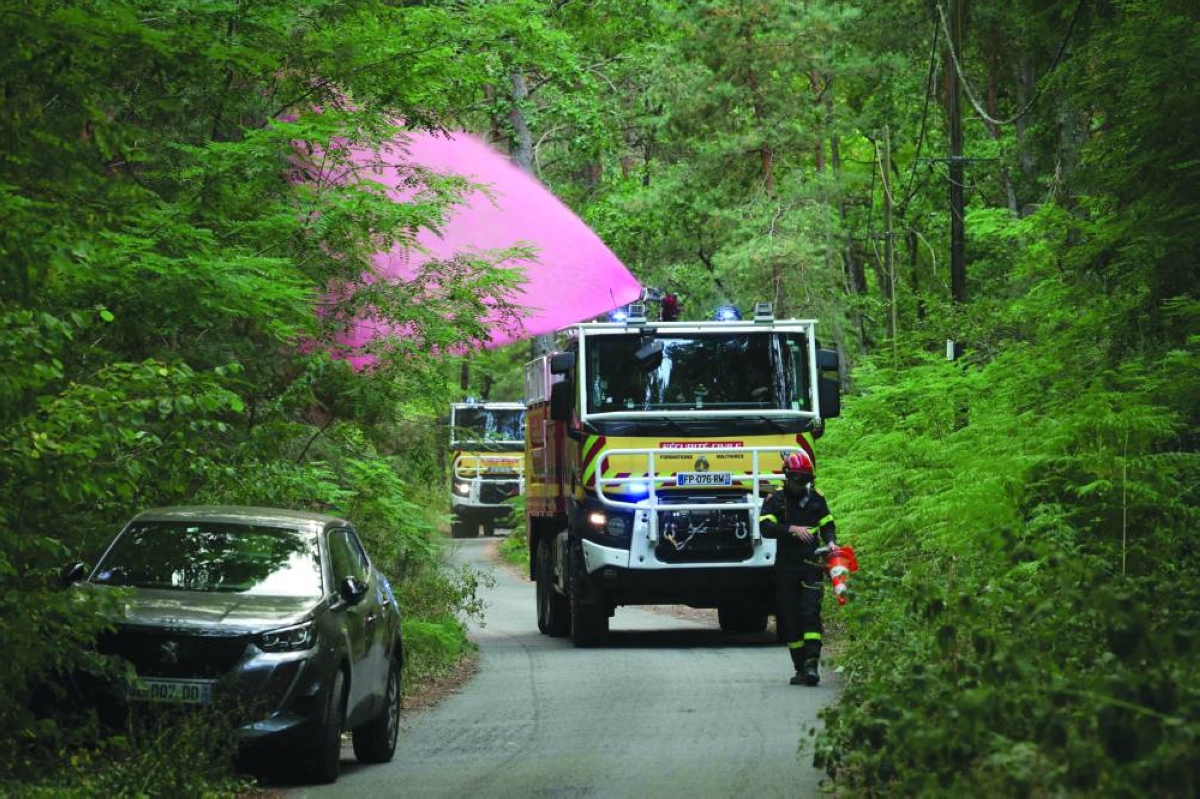
A fire truck sprays fire retardant into the Fontainebleau Forest on the outskirts of a wildfire near Noisy-sur-Ecole in France’s Ile-de-France region, Monday. (AFP) A wildfire tore through a historic forest near Paris Monday, ​forcing highway closures and mobilising water-bombing aircraft, ‌while Spain’s death toll from one of its deadliest wildfires rose to 13, as much of western Europe ‌simmered in a string of heatwaves. The region is ‌enduring its third heatwave of the summer, with tinder-dry vegetation ‌and high temperatures fuelling blazes from the Iberian Peninsula to France. Many scientists say climate change is making wildfires more frequent and difficult to combat. France deployed hundreds of firefighters to tackle a fast-moving blaze that broke out alongside a motorway near Fontainebleau, home to one of France’s best-known royal palaces. The death toll from last week’s devastating wildfire in Spain’s southern province of Almeria reached 13 after a 93-year-old British woman died from burns on Sunday, with 10 people still missing as of Monday, according to authorities. Visiting Almeria Monday, Prime Minister Pedro Sanchez called to reinforce fire prevention in the country. But the impact of the summer scorchers could be more grim. Scientists monitoring so-called excess deaths said there were thousands more fatalities recorded ​than normal during a heatwave that swept through Europe and Britain at the end of June. Just 70 kilometres (43.5 miles) from Paris, the Fontainebleau wildfire forced the closure of the A6 highway linking Paris with Lyon and the south, and, for ‌the first time in the Greater Paris area, the dispatch of air ​assets to contain the blaze which turned the skies black. Smaller fires in the area also disrupted high-speed ​train services. For the first time, Canadair water-dumping aircraft skimmed over the river Seine filling their tanks. Up to 800 people were evacuated from their homes. Although the fire was largely contained by Monday afternoon, wind gusts made the task challenging, authorities said. Interior Minister Laurent Nunez said the circumstances of the fire were suspicious: “There were around ten points where the fire started within a 1,000-metre radius, which suggests it may have been started deliberately.” French authorities say an estimated 32,000 hectares of land - roughly the size of Orlando, Florida - have burned so far this year, more than in the whole of 2025. Some 26 million people in France were under a red heatwave warning Monday, including the greater Paris region. Forecasters say the heatwave is expected to continue until the middle of the week. A new heatwave, expected to last ‌at least a week, is about to hit neighbouring ‌Italy, bringing high humidity and tropical nights, meteorologists say. Thermometers in inland areas of Sardinia could reach 42-43 degrees Celsius (108-109 Fahrenheit) today. The current bout of hot weather follows scorching temperatures at the end of May and the end of June, which broke several daily records. Extreme weather gripping the region has damaged crops, affected power output from nuclear plants and increased freight transport costs along the Rhine river in Germany, where lower water levels have prevented cargo vessels from sailing fully loaded. In Italy, farmers in the Emilia-Romagna region are forced to deploy more resources to ensure proper livestock management and maintain constant production of dairy products such as Parmesan cheese. European countries reported some 10,650 excess deaths during the record-breaking heatwave that engulfed the ​west of the continent in late June, official data showed.  Related Story

Opinion
Unwinding: How allies learned to live without America

Unwinding: How allies learned to live without America

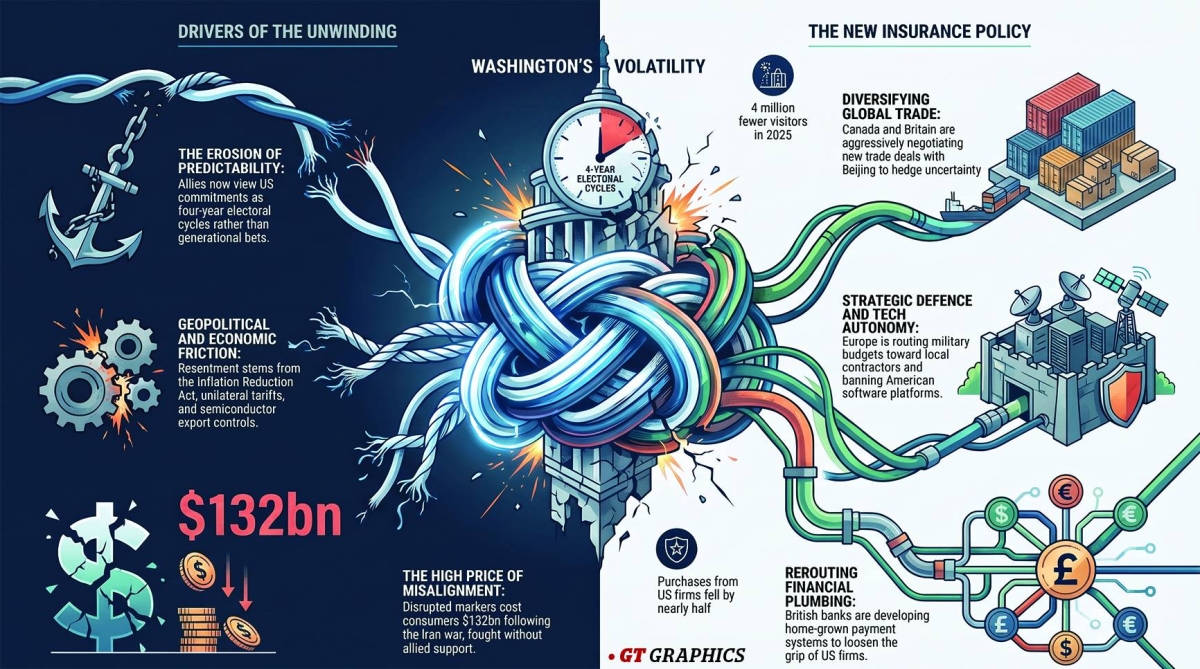
For three decades, the architecture of international politics rested on a single assumption so deeply embedded that few bothered to state it: that dependence on the United States was an asset. Access to its markets, shelter under its security umbrella, integration with its technology — these were the dividends of alignment, and nations competed for them. That assumption is now dead. What is remarkable is not that it died, but how quickly its funeral has been organised — and by whom. The mourners, it turns out, are the allies themselves. Across Europe, Asia and the Middle East, governments that once measured their standing by proximity to Washington are methodically engineering distance from it. The vocabulary is instructive. “De-risking” — a term Ursula von der Leyen coined in 2023 to describe Europe’s careful disentanglement from Chinese coercion — has been turned around and applied to the relationship with Washington itself, deployed openly by leaders and panellists at the Munich Security Conference. When the language designed for managing a rival is repurposed for managing a patron, something fundamental has shifted. The shift did not arrive from nowhere. Allied resentment had been accumulating for years — over extraterritorial sanctions, over the industrial favouritism of the Inflation Reduction Act, over semiconductor export controls that treated partners as afterthoughts. But the second Trump administration converted a grievance into a strategy. Tariffs against friends, musings about annexing Canada, designs on Greenland, the public berating of Spain and Denmark at the Ankara Nato summit, and above all the Iran war — fought without the diplomatic or military alignment of a single major ally — persuaded capitals from Ottawa to Tokyo that the problem was not a policy to be waited out but a structural condition to be insured against. The insurance policies are now being written at speed. Canadian Prime Minister Mark Carney told the World Economic Forum that allies must “diversify to hedge against uncertainty” amid a rupture in the global order — and received a standing ovation. His government has translated the applause into paper: a journey to Beijing to unfreeze Sino-Canadian trade, followed within days by Britain’s Keir Starmer arriving in the Chinese capital to negotiate deals of his own. Europe’s defence industrial strategy is deliberately routing the continent’s swelling military budgets away from American contractors; even as European defence spending surged, purchases from US firms fell by nearly half. France has ordered officials off American video-conferencing platforms; Britain’s major banks have opened talks on a home-grown card payments company to loosen the grip of Visa and Mastercard. Piece by piece, the plumbing of American primacy is being rerouted. Two rival readings of this moment are now contending, and both deserve a hearing. The first — the view from anxious quarters of Washington itself — holds that the unwinding is a self-inflicted catastrophe for the United States. The ledger of costs is already filling. The Iran war’s disruption of energy and fertiliser markets landed a blow on American consumers that Moody’s put at $132bn. Four million fewer visitors arrived in 2025 than the year before; foreign student enrolment has slumped, draining both university revenues and the pipeline of future skilled labour. Most corrosively, allies now plan their American relationships in four-year electoral increments rather than generational bets. The Australian submarine deal of 2021 — a multi-decade wager on American constancy — belongs to a category of commitment no capital is willing to repeat. A superpower whose word is discounted at four-year maturities is a superpower operating with a fraction of its former leverage. The second reading, gaining currency in allied capitals, is more unsettling for Washington precisely because it is more cheerful. On this view, the anticipated catastrophe of American abandonment has turned out, on inspection, to be survivable — even liberating. Canada’s worst-case tariff modelling suggested a painful but absorbable blow to growth; in the event, collapsing exports to the American market were almost entirely offset by new demand elsewhere. Commodities, it transpires, find buyers regardless of who is threatening whom. The chess maxim beloved of the hypermoderns — that the threat is stronger than the execution — has proved apt: once the feared rupture actually arrived, the paralysis of avoidance gave way to the energy of adaptation. On this reading, the United States has become a power that can still lash out but can no longer organise, and the rational response is not appeasement but exit. Both readings, it should be said, have their sceptics. James Lindsay of the Council on Foreign Relations notes that the depth of allied dependence on American technology makes de-risking a daunting, years-long prospect, with Europe’s atrophied defence industry unable to meet internal demand and neither Russia nor China acceptable as alternative suppliers. Alina Polyakova, an expert on transatlantic relations, European security, Russian foreign policy and technology policy, and Alexander Gray, chief executive of American Global Strategies, the advisory firm he co-founded with former Trump national security adviser Robert C O’Brien, have pressed the point further, warning that de-risking from America leads in only one direction — dependence on China — citing Beijing’s swift mineral-export retaliation against Japan as a preview of what political strings attached to Chinese investment look like. The hedgers, in other words, may simply be trading a capricious patron for a colder one. Yet even the sceptics concede the direction of travel. The question is no longer whether allies will reduce their exposure to the United States, but how far, how fast, and at what cost to both sides. And here the deepest change is psychological rather than material. What has been lost is not capability but predictability — the belief that American commitments outlive American elections. Many abroad have concluded that no successor administration, Republican or Democratic, can restore it; the volatility, they judge, is now in the system rather than the man. That belief may be wrong. But in international politics, as in banking, confidence once withdrawn is not restored by assurances. It is restored — slowly, expensively, if at all — by decades of boringly consistent behaviour. Whoever next occupies the White House will inherit a world no longer asking what America can do for it, but calculating, with new-found composure, how much it can do without America altogether. That calculation, once begun, is very hard to stop. The writer is Deputy Managing Editor, Gulf Times.  

World
Ukraine’s allies meet in Paris to boost air defence

Ukraine’s allies meet in Paris to boost air defence

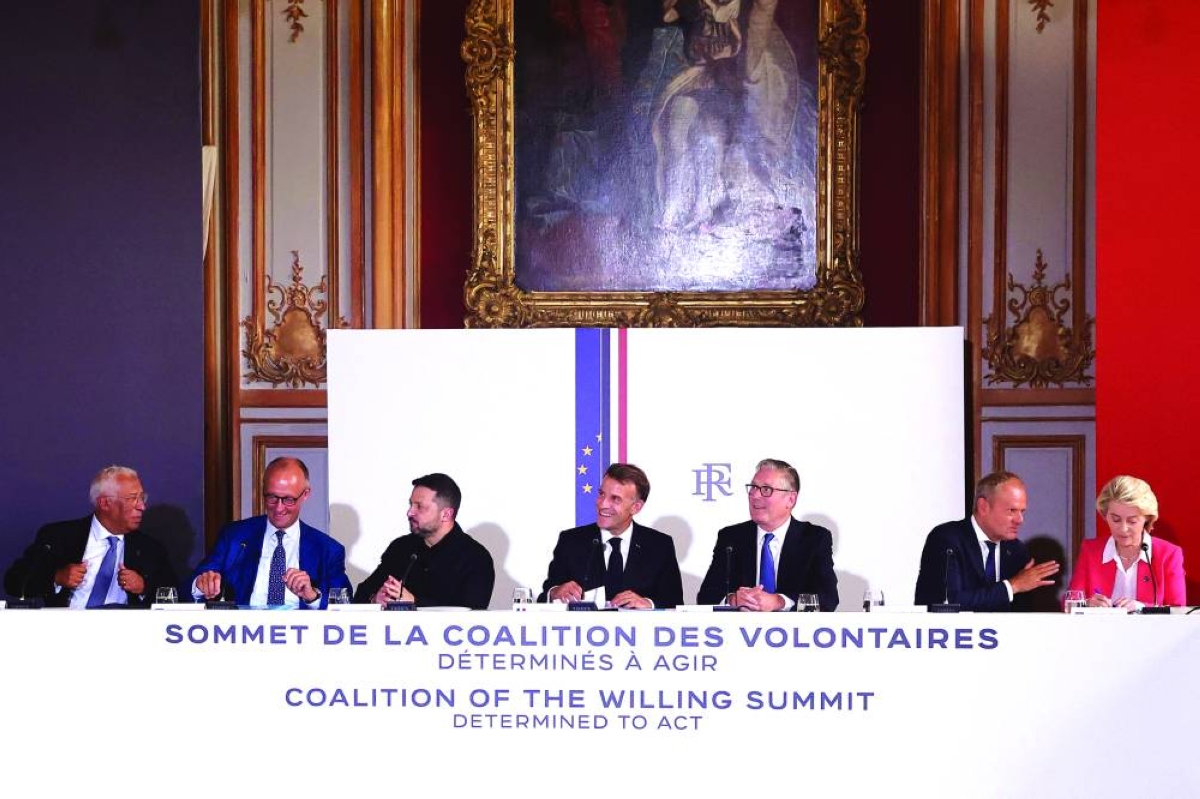
From left: European Council President Antonio Costa, German Chancellor Friedrich Merz, Ukrainian President Volodymyr Zelensky, French President Emmanuel Macron, British PM Keir Starmer, Polish PM Donald Tusk, and European Commission President Ursula von der Leyen

Opinion
Qatar musings: Where the riyal — and the good life — go further

Qatar musings: Where the riyal — and the good life — go further

There is a particular pleasure in watching the sceptics run out of arguments. For years, the wisdom about Gulf states held that oil could buy skylines but not liveability — that wealth measured in barrels never quite translated into the quieter arithmetic of a good day: a safe walk home, a doctor within reach, a salary that stretches to the end of the month with something left over. Qatar’s latest ascent up the global Quality of Life ladder quietly dismantles that assumption. The country has vaulted six places to rank 12th in the world in the mid-2026 Numbeo Quality of Life Index, lifting its score from 182.7 to 188.6 and settling among the planet’s top 15 nations — second only to Oman across the Gulf. The numbers, as ever, are the least interesting part of the story. What matters is the company Qatar now keeps, and the company it has left behind. Consider the table. Qatar sits ahead of Sweden, Australia, New Zealand, the United States and Spain — nations that have long served as the world’s shorthand for the good life. Further down, the United Kingdom and France trail by a full fifteen points and more. A generation ago, the notion of a Gulf state outscoring Scandinavia on liveability would have been dismissed as a rounding error or a rounding up. Today it is simply a line in a database, printed in black and white, requiring no defence. Look closer and Qatar’s particular strengths come into focus. Its purchasing power score of 173.5 ranks among the highest anywhere on earth, bettered only by Kuwait — which is to say that a riyal earned here does what a euro or a pound can only dream of doing in Europe’s squeezed capitals. Its safety score of 84.8 is likewise world-class, edged only by the UAE, and that figure is not an abstraction. It is the confidence of a parent whose child walks to the shop unaccompanied, the calm of a woman crossing a car park at midnight. And a property price-to-income ratio of 4.5 — against the double digits routine in London, Paris or Hong Kong — means a home remains something a working family can realistically own, not merely rent in perpetuity. None of this is accidental, and that is the deeper point. The National Planning Council rightly frames the leap as the dividend of a long game — sustainable infrastructure, deepened public services, a strengthened healthcare system, and, underpinning it all, the safety and stability without which every other metric is hollow. This is the visible harvest of Qatar National Vision 2030: the conviction, held patiently across two decades, that a nation is measured not only by what it exports but by how well its people live. There is a regional story here too. That two Gulf states now sit inside the global top 12 — Oman a remarkable third, Qatar close behind — signals a transformation larger than any single country. Across the peninsula, quality of life has become a marker of national ambition as potent as GDP once was, a friendly competition in which the ultimate beneficiary is the ordinary resident. Qatar should savour the moment without mistaking it for a destination. Twelfth is not a finish line; the Netherlands, on 205.6, shows there is altitude yet to climb, and the metrics that lag — commuting, climate, the eternal work on pollution and cost of living — are the next frontier. But a country that has climbed this far, this fast, has earned the right to a moment’s quiet pride. The riyal goes further here. So, increasingly, does the good life. That is no small thing to be able to say. 

Entertainment
‘RHONY’ OG Cast Headed Back to New York as Network Orders Extra Episodes

‘RHONY’ OG Cast Headed Back to New York as Network Orders Extra Episodes

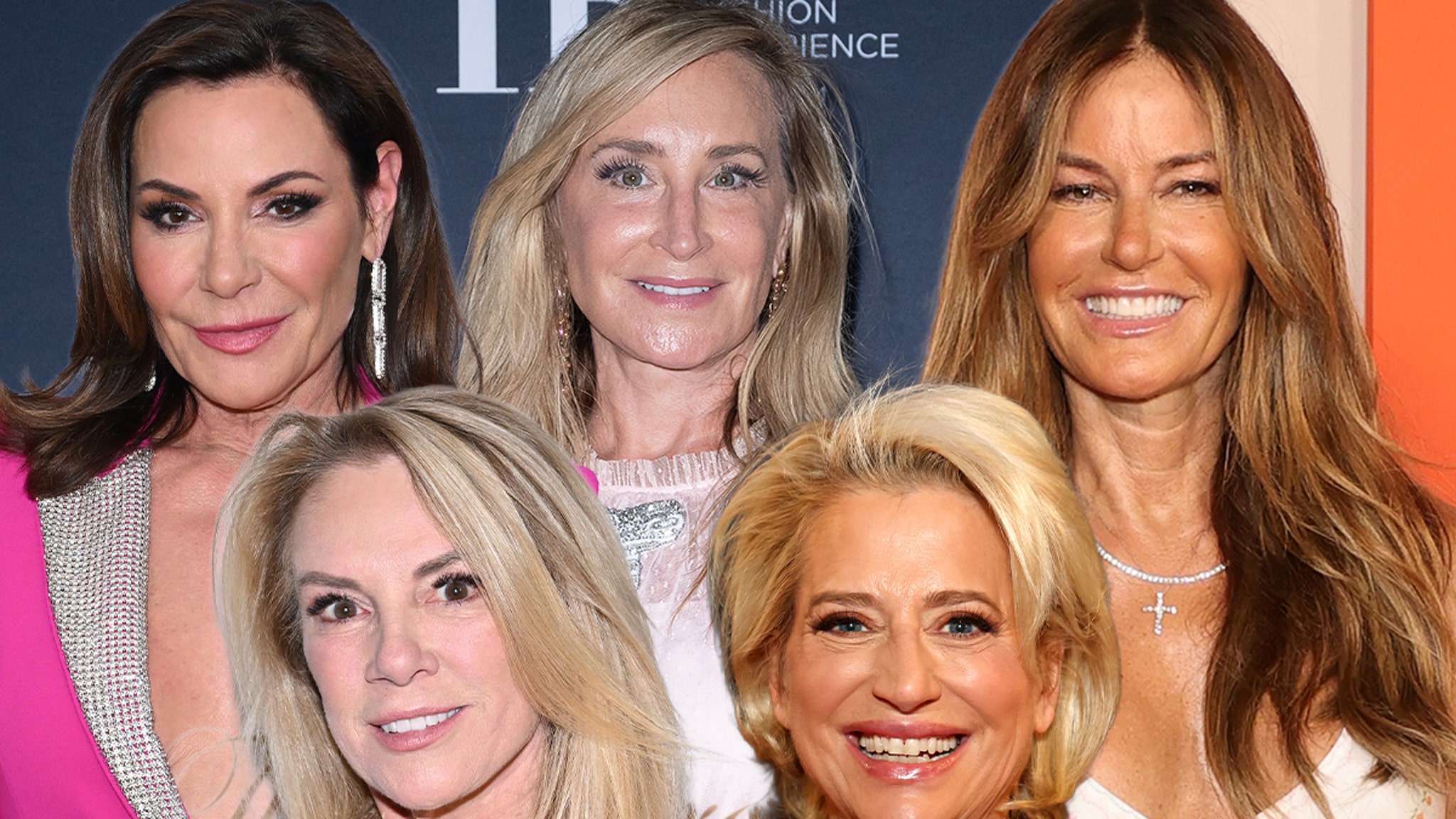
'RHONY' OG Cast Headed Back to NY!!! New Show Impresses Network Execs Published July 13, 2026 1:35 PM PDT The OG stars of "The Real Housewives of New York City" are getting even more screen

Entertainment
Davante Adams, Myles Garrett Fuel Aaron Donald Rams Comeback Talk

Davante Adams, Myles Garrett Fuel Aaron Donald Rams Comeback Talk

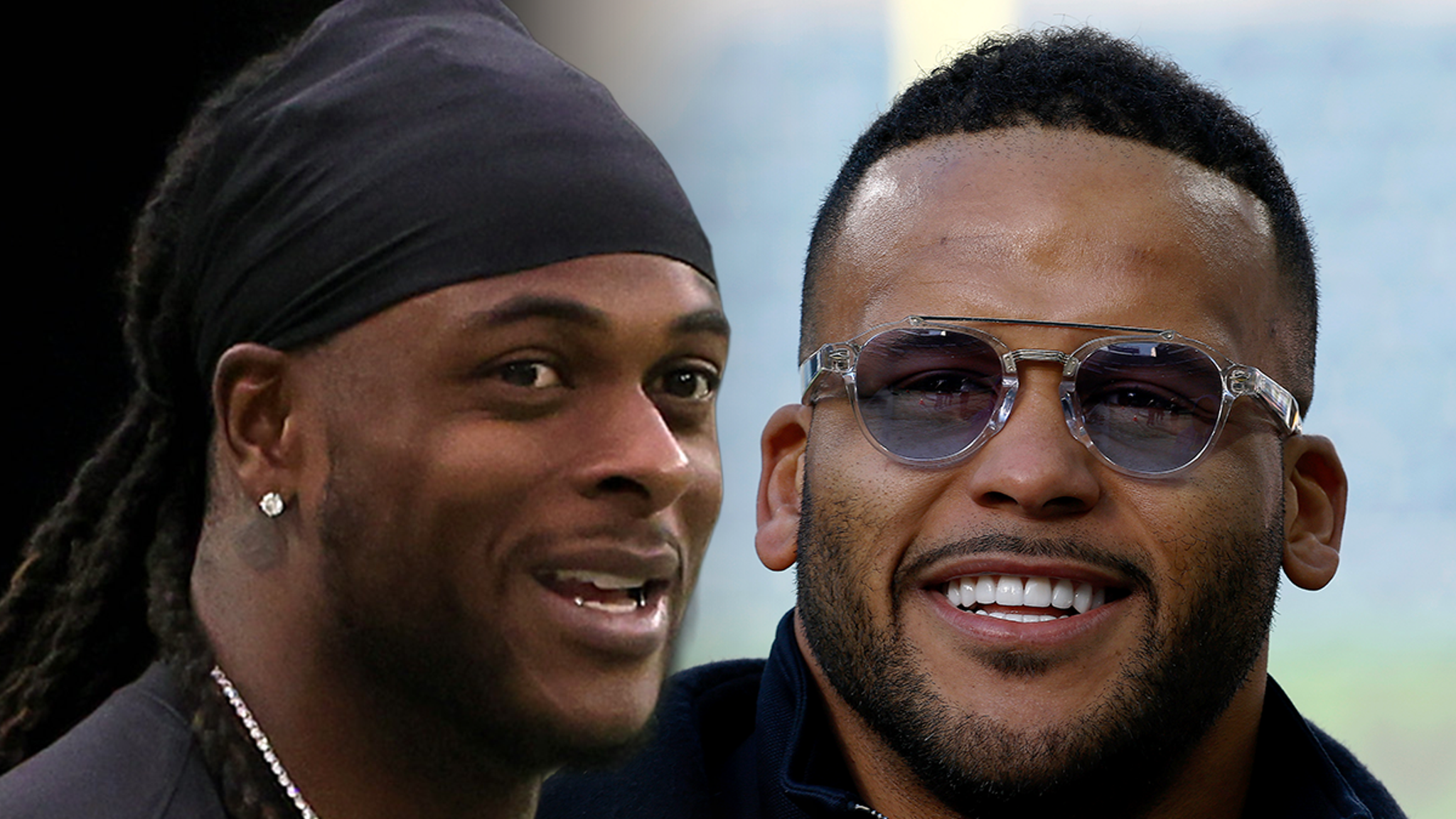
Davante Adams, Myles Garrett Throw Gas On AD Comeback Story ... Days After Rams Workout Published July 13, 2026 12:26 PM PDT Davante Adams just cranked the Aaron Donald comeback talk from "maybe" to "when

News
Sharjah has a solid bond with ‘books, knowledge, learning’

Sharjah has a solid bond with ‘books, knowledge, learning’

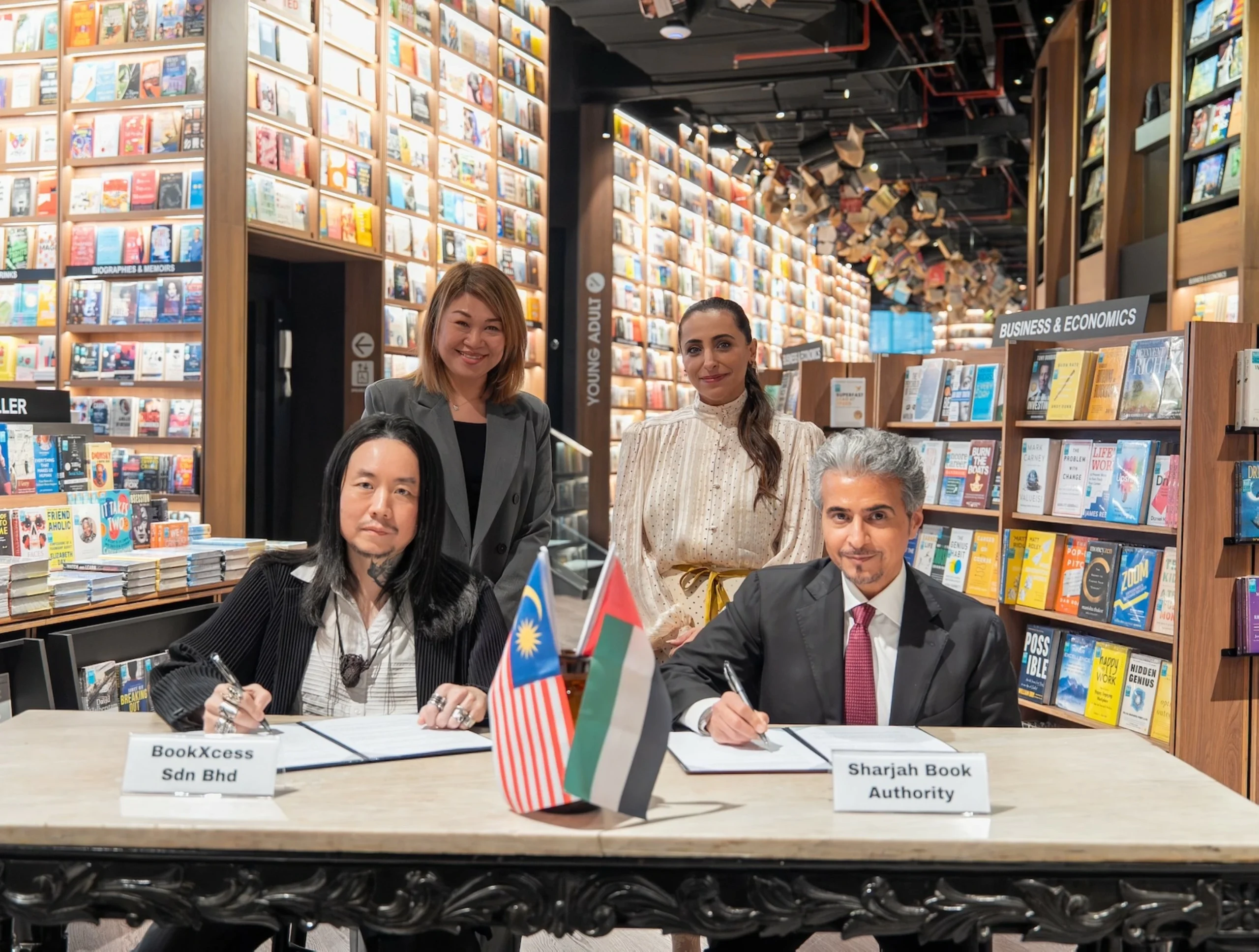
Sharjah has secured the exclusive rights to operate BookXcess bookstores across the Middle East and Africa, expanding its global role in publishing and strengthening its status as a leading centre for books, reading and knowledge.The