World
Nato plans to replace AWACS with Saab GlobalEye jets, sources say

Nato plans to replace AWACS with Saab GlobalEye jets, sources say

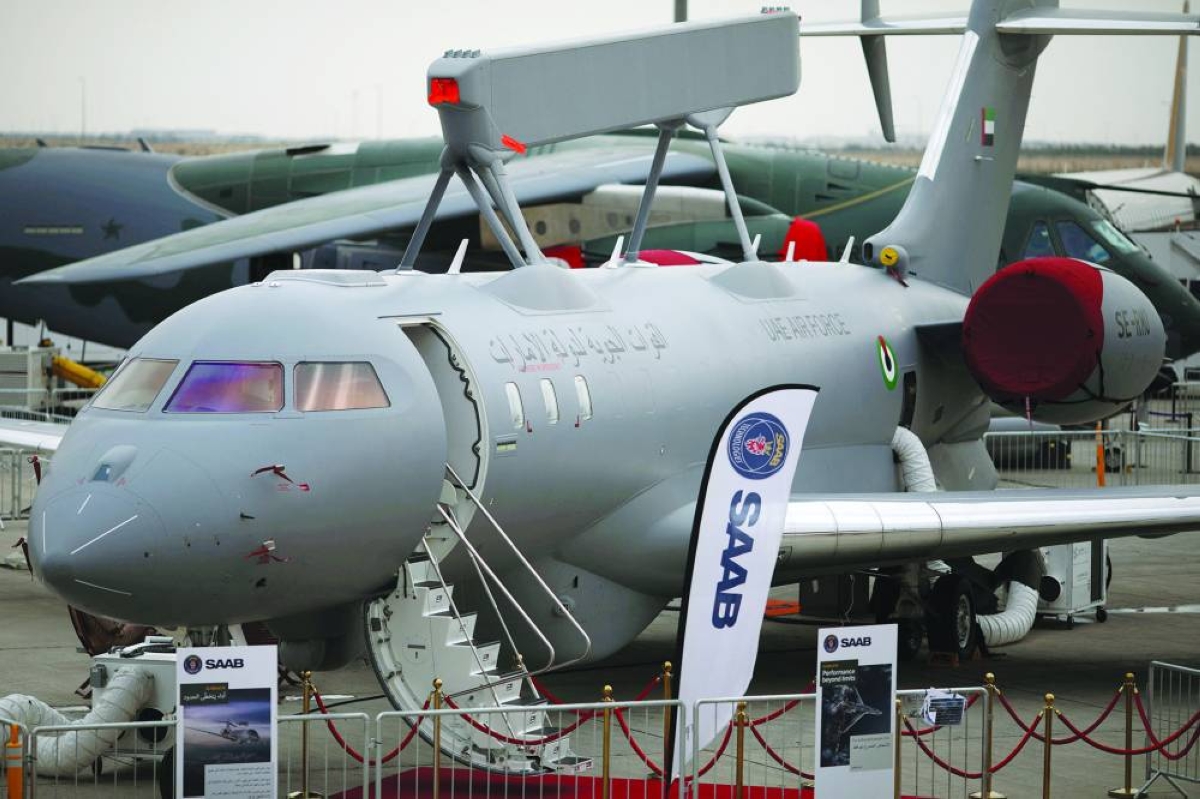
A GlobalEye aircraft, manufactured by Saab Technologies, on static design during Dubai Airshow. (Reuters/File picture) Nato plans to replace its ageing fleet of US-built AWACS surveillance ​aircraft with a Swedish alternative, four ‌sources told Reuters, in a move that could jar with President Donald ‌Trump, who has ⁠urged allies to buy ‌more US defence equipment.Trump has repeatedly criticised ‌European allies for relying on the US for their security, while pressing them to boost defence ⁠spending and buy more US equipment. He has also threatened at times to pull Washington out of Nato.The sources said the purchase of Saab's GlobalEye surveillance aircraft would be announced at a Nato summit in Ankara on July 7-8.A spokesperson for the alliance confirmed that a decision on the AWACS replacement would be announced at the summit but declined to provide details. Saab declined to comment.With their distinctive nine-metre-wide radar ​domes, Nato's 14 Airborne Warning and Control System aircraft have served as the alliance's eyes in the sky since 1982.Based at Geilenkirchen air base in Germany, the fleet has played a key role in ‌surveillance missions along Nato's eastern flank ⁠since Russia launched its ​war in Ukraine.Under the replacement plan, Geilenkirchen could eventually become home to ​the world's largest fleet of GlobalEye aircraft, the sources familiar with the situation said.The system, which entered service in 2018, is designed to detect and track threats across air, land and sea. It is based on the Global 6500 business jet built by Canada's BombardierGlobalEye competes with Boeing's E-7 Wedgetail, an early warning and command-and-control aircraft based on the 737 jetliner and designed to oversee and direct battle.Nato dropped plans in 2025 to buy six Boeing E-7 Wedgetail aircraft after the Pentagon, its largest prospective customer, scrapped plans to acquire 26 of the jets and instead put ‌greater emphasis on satellite-based capabilities.Under pressure from ‌US lawmakers, however, Defense Secretary Pete Hegseth ⁠told a Congressional panel in May that the Pentagon was seeking to restore funding for ⁠the programme.The planned Nato announcement ⁠comes weeks after Canada, which has said it wants to reduce its dependence on US defence suppliers, announced plans to buy six GlobalEye aircraft, the largest order for the jet so far.Nato's purchase is expected to be larger, although it was not immediately clear how many jets it would involve. One source said the final number could depend on whether the alliance opts for a ​more expensive version capable of mid-air refuelling.The current AWACS fleet can be refuelled in flight, a capability that has proved valuable for missions near Ukraine by extending time on station.The aircraft, among the few military assets owned directly by Nato, are operated by crews from 21 of the alliance's 32 member states.In a conflict, they can provide a common radar picture for allied fighters, ships and control centres, while directing Nato combat jets to their targets.The fleet has supported missions in the Balkans, Afghanistan and Iraq, as well as security operations ‌during the 2006 World Cup ​in Germany and major international summits.  Related Story
World
Firefighters battle blazes in southern France after European heatwave

Firefighters battle blazes in southern France after European heatwave

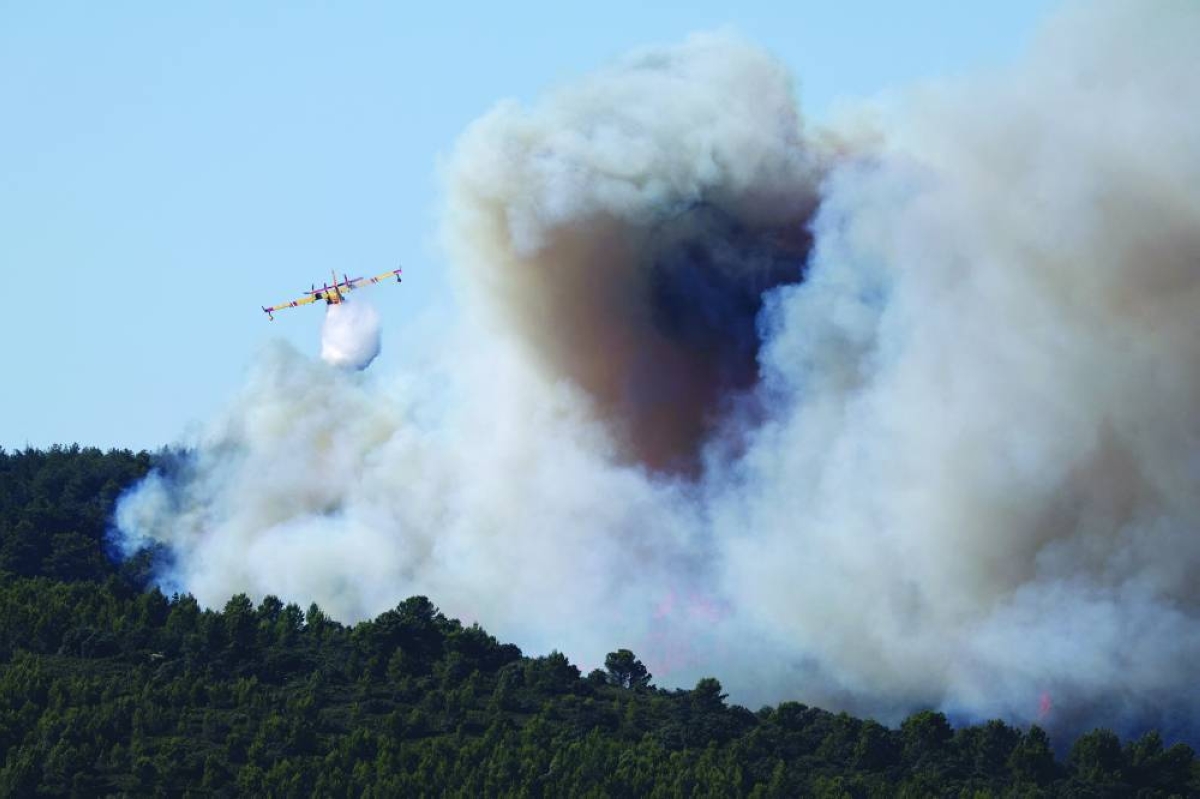
Firefighters were battling several wildfires fanned by strong winds in southern France Thursday, as ‌the country grappled with parched conditions following Europe's recent ​heatwave.Interior Minister Laurent Nunez ‌said three blazes, two of which broke out on ‌the western ⁠edge of ‌the Mediterranean port city of Marseille, ‌had scorched a combined area of 1,210 hectares (2,990 acres).As Prime Minister ⁠Sebastien Lecornu arrived Thursday afternoon in Marseille to hold a new crisis meeting on the heatwave and the wildfires, a new blaze had just started near the city of Roquemaure in the Gard area, firefighters told Lecornu.Lecornu, whose minority government faces a no-confidence vote in parliament on Monday that was put ​forward by Green Party lawmakers over its handling of the heatwave crisis, said Thursday that 8,700 hectares had burned in France so far ‌this season, including 1,200 on ⁠Wednesday alone, ​and that 2,000 firefighters had been mobilised.The World Meteorological Organisation ​last week warned that the record temperatures that baked Western Europe for over a week in late June would worsen the risk of wildfires, given the outlook for sustained high temperatures, very low humidity and dry vegetation.The biggest wildfire was burning in the Aude administrative department area near the border with Spain, with some 900 hectares burnt. Local authorities said high winds were making it more difficult for the 800 ‌firefighters to battle the fire.Meanwhile, ‌firefighters were tamping down ⁠a small blaze in Rognac near Marseille's airport and had brought ⁠another fire covering 260 ⁠hectares in Lancon-Provence under control. There were no casualties, local officials said.An acrid smell of smoke hung over the area and pilots on at least one flight landing at the city reassured passengers the smell was not coming from their aircraft, a Reuters witness said.Further ​east, in Frejus, a resort town in the Var department some 35km (22 miles) from Cannes, more than 2,000 people were evacuated from six campsites on Wednesday because of a nearby forest fire.France's weather office has warned that another spell of extreme heat could hit next week. Health authorities estimate the previous heatwave may have caused at least 1,000 excess deaths in the country during ‌record-breaking temperatures.  Related Story

World
India’s capital announces permanent anti-pollution curbs for toxic winter months

India’s capital announces permanent anti-pollution curbs for toxic winter months

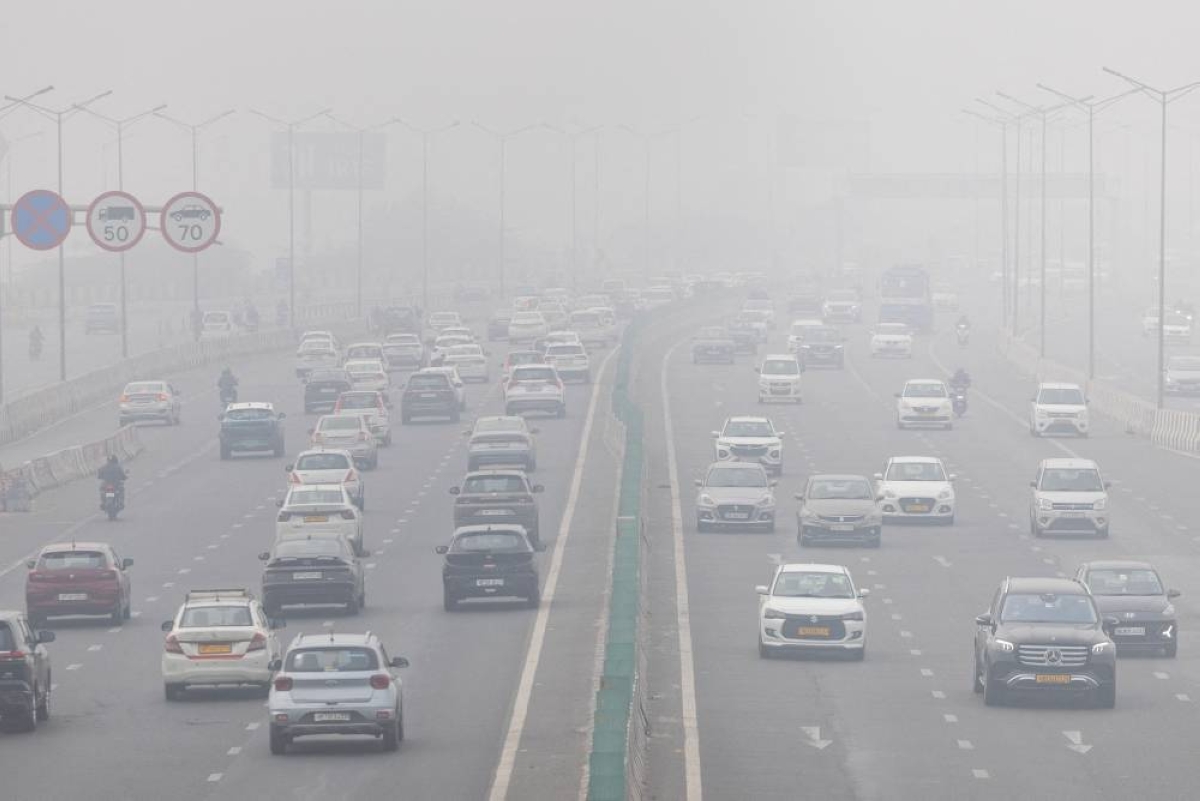
Traffic moves along a highway amidst air pollution in New Delhi. (Reuters/File picture) The government of India's national capital territory of Delhi has announced a ‌spate of measures to curb air ​pollution during ‌winter, months ahead of the annual ‌season ⁠when the ‌city often becomes ‌the world's most polluted.Government data from ⁠the last three years indicates that Delhi's air quality deteriorates from November 1 to February 15, when the average air quality index (AQI) generally ranges from 312 to 342. An AQI of 0-50 ​is considered to be "good".Authorities earlier imposed anti-pollution measures during this period according to a ‌graded action plan ⁠when ​air quality dropped below a certain level.Under the new curbs announced on Wednesday, they will now be in place continuously from November 1 to February 28, irrespective of AQI.These include doubling of parking charges to discourage use of private vehicles, staggered timings at all government offices, and ‌a ban on ‌all outdoor civil ⁠construction activity except essential public infrastructure projects.Between ⁠November 1 and January 31, all government and private offices will also be mandated to operate with half their staff physically present and the rest working from ​home.Violators will face penal action, including prosecution, the announcement said.The government this week also announced a cash incentive of over $1,000 to car owners willing to scrap their old vehicles for EVs as part of a new policy aimed ‌at reducing ​pollution. 

World
UK PM says ‘deeply sorry’ for decades of forced adoptions

UK PM says ‘deeply sorry’ for decades of forced adoptions

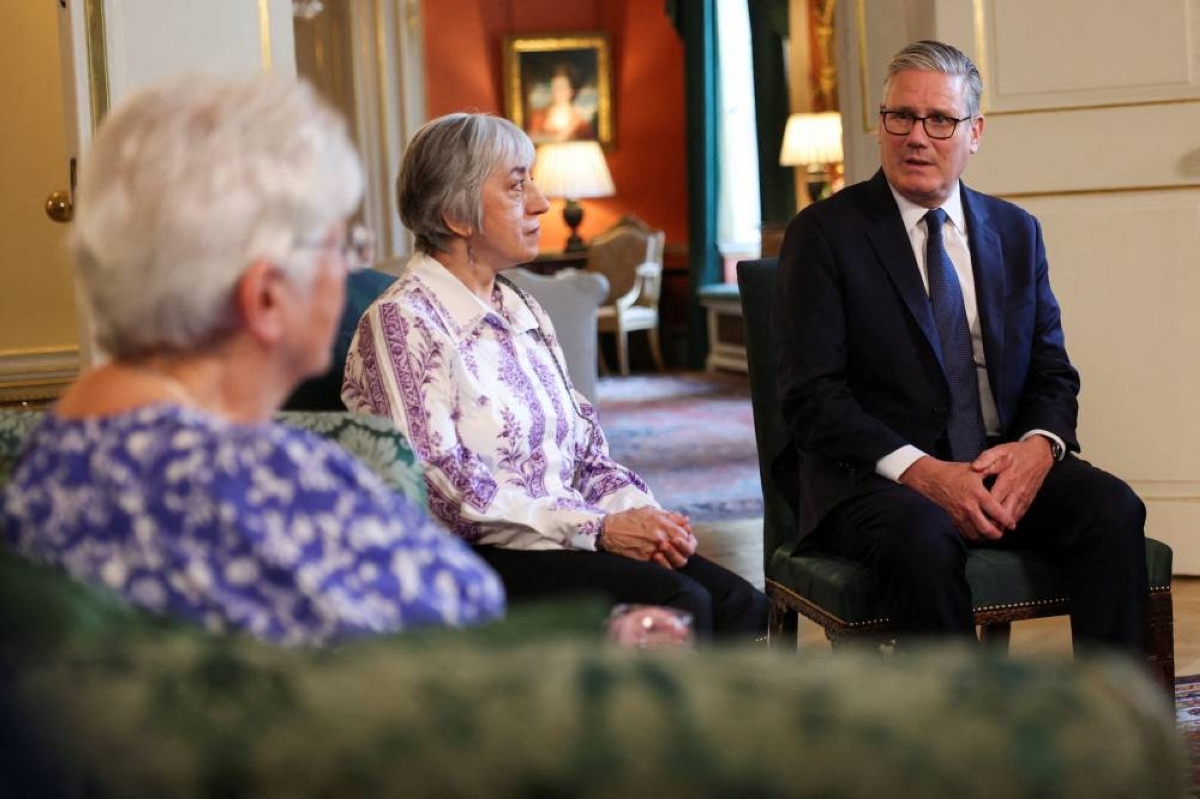
Britain's Prime Minister Keir Starmer attends a meeting with campaigners to discuss historical forced adoption, at Downing Street in London Thursday. (AFP) British Prime Minister Keir Starmer formally apologised Thursday for the forced adoption of an estimated 185,000 babies born to unmarried mothers in England and Wales between 1949 and 1976, calling it "a stain on our history".The scandal saw the mothers, including many who were teenagers, coerced into giving up their children, with social, institutional and family pressures used to persuade them that adoption was their only option."We are deeply and profoundly sorry to the mothers who were told they were unfit, who were prevented from caring for the children they desperately wanted ... and who have carried this loss for decades," Starmer told parliament."The shame is not yours. The shame was never yours. The shame is ours," he insisted.The premier paid tribute to survivors who had campaigned for the apology and the "extraordinary courage with which they have shared their harrowing testimonies and fought for the truth time and time again".The expression of regret comes four years after a parliamentary committee recommended an official apology.Australia's government issued a landmark apology in 2013 for forced adoptions and Ireland's did so in 2021."What happened to them — and to tens of thousands of mothers, children and families — should never have happened," Starmer told UK lawmakers after meeting a group of survivors at his Downing Street office."It is a stain on our history. Mothers, many young, vulnerable and without support were coerced, bullied or misled into feeling that they had no choice but to have their children taken away from them."He said the removal of the children had been systemic.The practice, he said, was "embedded within systems across local authorities, across voluntary and faith-based institutions, and in health and social care services".'Punishment' "The state bears responsibility for the systems it funded and legitimised, which enabled these practices to occur... For this systemic failure, I am truly sorry," he added.Ann Keen, a former Labour health minister, said her newborn son was abruptly taken away after she gave birth in Wales in 1966 when she was 17."I went to see my baby on the eighth day because I was told I could have him for 10 (days) and they said: 'Oh no, he's gone now. You were getting far too close'," she told BBC Radio.Speaking before Starmer's announcement she said she looked forward to being "released from my shame" because "we have always been accused of giving up our babies and we didn't give them up".The parliamentary committee that investigated the scandal found mothers were abused in multiple ways.Painkillers would be deliberately denied as "punishment" in hospital during childbirth and afterwards, its report found.Babies were sometimes pulled from their sobbing mother's arms to be taken away for adoption."Have you learnt your lesson now?" one woman recalled a doctor telling her while she was in labour.Another told parliament's Joint Committee on Human Rights: "A doctor told me that I should be sterilised as I must be a nymphomaniac".Last month, the Church of England last month said sorry for its role in the forced adoptions.Archbishop of Canterbury Sarah Mullally apologised for the "pain, trauma and stigma" caused to those affected, saying there was deep shame it had happened to people "in the care of Christian communities".Abortion was legalised in England, Scotland and Wales in 1967.But even after then, women faced practical barriers, such as objections by their doctors.Apologies were also made in 2023 by the devolved administrations in Cardiff and Edinburgh to people affected in Wales and Scotland.An apology is also expected in Northern Ireland but not until after a public inquiry has been carried out, following a recommendation from a 2021 report on mother and baby institutions, Magdalene laundries and workhouses.  Related Story

World
Korean shops turn to robots, self-service to escape labour woes

Korean shops turn to robots, self-service to escape labour woes

A robot arm serves coffee at an unmanned cafe in Seoul, South Korea. (Reuters) Unstaffed coffee shops, ramen eateries and flower outlets are ‌spreading across Republic of Korea as owners turn to robots and self-service to overcome ​rising labour costs in a business ‌model that relies on the widespread honesty of users.Such stores, usually open 24 hours, ‌were estimated to ⁠number 9,000 nationwide by ‌the end of 2024, the National Fire ‌Agency said, while payments provider Samsung Card said their number probably grew four times by 2025 from ⁠2020."The population of baristas in their early twenties is drastically declining," said Kim Dongjin, chief executive of Lounge X, where a robot arm named "Baris" serves paper cups of Americanos and matcha lattes to fill orders from on-site kiosks.His company runs eight such 24-hour coffee shops, entirely unstaffed, across Korea, most of them in Seoul, the capital, although human employees prepare coffee drinks in four more.Stores with no staff are not uncommon globally, with cashier-free grocers in countries such ​as Britain and the United States, but the concept has spread wider in Korea to encompass even pet supply stores and clothing boutiques.Owners of such stores cite difficulties in finding suitable staff and rising wage ‌costs as reasons for adopting the ⁠model, particularly as rates of ​petty crime are low in Korea, where customers are generally rule-abiding.Korea ​has a rapidly ageing population, with one of the world's lowest birth rates leading to a labour crunch. The government expects the population of 51.8 million to shrink by almost a third to 36.2 million by 2072.Hiring expert baristas has become increasingly harder, said Kim, a 20-year-veteran of the coffee industry who joined Lounge X's parent, Korean XYZ Robotics, seven years ago to launch the unstaffed coffee shops in 2024.They first tested the waters with a hybrid model employing one or two baristas in each store. Now each requires just one hour-long morning visit by a human worker to top up inventory such as coffee beans ‌and bakery goods, and run clean-ups.While ‌sales at a human-staffed coffee shop ⁠still tend to be higher, Kim said, the savings on labour boost the profitability of each unstaffed ⁠store to more than 40%, from ⁠roughly 10% to 15% at the conventional equivalent."Although there has been an incident of theft, the vast majority of customers use the store conscientiously," said Hyun Sun-Joo, who took over an unstaffed ramen eatery last year to bring in some income after years spent as a stay-at-home mother.Hyung said the self-service format, in which customers pick their choice of instant ramen off wall shelves to add hot water and ​preferred toppings, lets her juggle her children's schedules and housework, freeing her up from managing staff.One customer, student Kim Hee-yeon, said she ate there at least once a week, as the operating hours suited her irregular eating habits."I like to eat quietly while looking at my phone, so I do feel psychologically more comfortable when there isn't anyone around," she said, adding that a hiccup with the shop systems she once faced had taken just minutes to resolve."It is slightly inconvenient that they aren't right next to me when I have a problem," she said. "But last time... ‌they came and resolved it ​within about three minutes, so I don't think that was a major inconvenience."  Related Story

Opinion
Responding to climate change through strategic research

Responding to climate change through strategic research

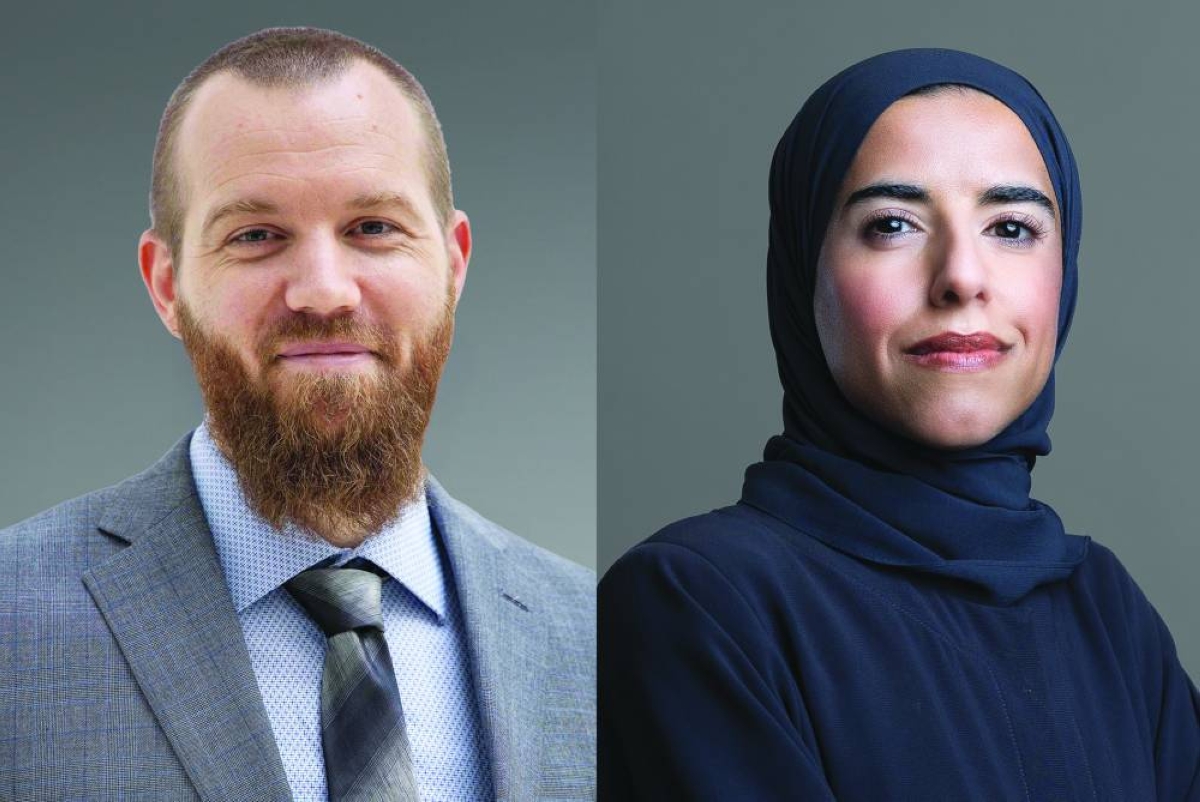
The Arabian Peninsula is at the forefront of climate change, experiencing some of its most visible and consequential effects. The challenges are serious: rising temperatures, heat waves becoming more prolonged, and sea level rise affecting coastal infrastructure, all of which impacts the well-being of people and the economy. By prioritising long-term resilience, Qatar could lead global innovations for living in arid environments. Doing so requires innovation, evidence, and strategic planning. Research to ImpactOver the last 25 years, the Gulf Cooperation Council states have invested in climate change-related research, with output increasing from virtually no published papers in 2000 to over 300 annually by 2023. While welcome, much of the research is technical and insufficiently studies the systems responsible for translating evidence into action. Our review of climate change studies across the Gulf identified three blind spots: people, policy, and price. The next phase of the region’s research agenda needs to advance evidence-to-impact pathways, which requires studies on governance, legal frameworks, public attitudes, and economic incentives. While the best models will help us understand the risks, failure to integrate the social sciences into these research agendas may leave the results sitting on the shelves. This requires new ways of working, specifically by breaking down disciplinary barriers and working beyond borders. Much of the Arabian Peninsula shares similar challenges and areas of interest. We share coastlines and aquifers, air quality transcends borders, and urban heat islands are a feature of cities across the region. Climate change is not a national issue, but research has been. Working together has the double benefit of reducing duplication of effort and enabling faster implementation of solutions. The region has the human capacity and financial resources to invest in research and innovation, ensuring that the outcomes lead to meaningful changes in policies, practices and people’s lives. We are already on the adaptation pathway, from emerging smart cities, expanding public transportation networks, and investment in cooling infrastructure, what comes next should be coordinating efforts to meet the scale of the challenge. Going ForwardHow can we move the next agenda ahead? The current research landscape is fragmented. Water experts, energy researchers, and policy leaders often work separately. In reality, these systems are deeply interconnected. Cooling demand affects desalination needs, which in turn influences grid stability and carbon emissions, all of which shape governments policy choices. Translating technical evidence into real adaptation requires systems thinking that treat the region’s sustainability challenge as one integrated problem rather than separate technical puzzles. Building on this, four priority areas should be considered. First, technical projects should embed social scientists, government experts, and economists. This can be a requirement by research donors and supported by research institutions. Second, we need to build bridges beyond borders in research, which can accelerate regional development. Mutual environmental challenges call for shared solutions and enable countries to progress together. Third, we need to be strategic in funding research and innovation for lasting impact. Investments in carbon capture and green tech, can be paired with measures such as improved building codes and urban design. Fourth, focus should be on addressing structural vulnerabilities across the region. This includes developing heat- and salt-tolerant crops, regionalisng vertical farming, advancing water recycling, and improving aquifer management. It also means making the current system more efficient by cutting food loss, localising diets, and positioning the region as a testbed for pioneering breakthroughs in arid agriculture. We have the opportunity to turn the narrative around: The Arabian Gulf need not be viewed as a hotspot for climate change risks when it can be at the forefront of resilience. The talent, motivation and resources are in place. The next step requires coordinated, interdisciplinary, and region-wide efforts that connect evidence to policy and action. If that happens, the region won’t just adapt to a changing climate, it will export local knowledge and solutions to other vulnerable communities around the world. The Arabian Gulf was built on turning hostile environments into prosperity. Climate change is simply the next test. Pass it together, and the desert can teach the rest of the world how to live. About Hamad Bin Khalifa UniversityInnovating Today, Shaping TomorrowHamad Bin Khalifa University (HBKU), a member of Qatar Foundation for Education, Science, and Community Development (QF), is a leading, innovation-centric university committed to advancing education and research to address critical challenges facing Qatar and beyond. HBKU develops multidisciplinary academic programmes and national research capabilities that drive collaboration with leading global institutions. The university is dedicated to equipping future leaders with an entrepreneurial mindset and advancing innovative solutions that create a positive global impact.For more information about HBKU, its colleges, research institutes, and initiatives, please visit www.hbku.edu.qa.To stay up to date on our social media activities, follow our accounts on: LinkedIn, Instagram, X, and Facebook.For any media inquiries, please contact: [email protected]. Dr Logan Cochrane is Dean of Hamad Bin Khalifa University’s College of Public Policy and Professor in Public Policy.Dr Dhabia al-Mohannadi is Associate Professor at the same institution’s College of Science and Engineering.(This piece has been submitted by HBKU’s Communications Directorate on behalf of its author. The thoughts and views expressed are the authors’ own and do not necessarily reflect an official University stance). 

Opinion
A look at Qatar’s FDI surge and the discipline behind it

A look at Qatar’s FDI surge and the discipline behind it

There is a kind of confidence that does not announce itself. It surfaces not in slogans but in ledgers — in the deliberate decision of a company to build something new in a place it has studied with care. Invest Qatar’s 2025 Annual Report, out this week, is written largely in that quieter register. Its headline figure — $3.4bn in foreign direct investment capital expenditure across 373 projects — is striking enough on its own. Yet the more instructive story lies in what those numbers reveal about how the world now reads Qatar. Consider the shape of the money, not merely its size. New projects rose 52% in a single year, and more than half of all capital expenditure went into greenfield ventures — investors building from the ground up rather than buying into what already exists. Close to half the projects fell into the medium-to-high-tech bracket. This is not simply more capital; it is a different quality of capital. Greenfield builders commit for the long haul, and high-tech ventures come looking for skills, research and a settled environment in which ideas can compound. That such investors chose Qatar in a year shadowed by regional conflict and global uncertainty is the report’s most eloquent line, though it is nowhere stated as such. The breadth is equally reassuring. Five sectors — consumer products, business services, food and beverages, software and IT services, and textiles — accounted for more than two-thirds of all projects, a spread that binds legacy industries to newer, knowledge-intensive ones. This is diversification in its truest sense: not a single audacious bet, but a widening base, precisely the ambition set out under the Third National Development Strategy. None of this, as HE the Minister of Commerce and Industry Sheikh Faisal bin Thani bin Faisal al-Thani rightly observed, was the work of fortune. Behind the figures sits a year of patient institution-building. Invest Qatar opened representative offices in London, New York, Paris, Mumbai and Istanbul, placing the country within reach of investors in the markets that matter. It launched a $1bn incentives programme aimed at advanced industry, logistics, technology and financial services, and rebuilt its digital Gateway into a single channel that now guides more than 15,000 users and 900 companies from market entry to expansion. These are the unglamorous foundations of trust — the plumbing, not the facade — and they explain why the numbers moved. The external verdicts followed. Qatar entered the top 10 of the IMD’s global competitiveness rankings for the first time and vaulted 21 places to 12th on fDi Intelligence’s greenfield performance index. Invest Qatar’s chief executive, Sheikh Ali Alwaleed al-Thani, framed the year as one of purposeful progress, and the phrase is apt: what stands out is less the scale of the numbers than the sense of direction behind them. Such endorsements are welcome, but they are best read with a measure of restraint. Rankings describe a year already lived; they are a report on the past, not a guarantee of the future. The harder task, as the agency acknowledges, is to sustain the momentum once the applause fades. That is where reflection should settle. Foreign investment is, at its heart, a statement of belief in a country’s tomorrow — a wager that stability, talent and openness will endure. The 15,000-odd jobs created last year are the human measure of that wager, the point at which macroeconomic strategy becomes a livelihood. The challenge now is neither to celebrate the figures too loudly nor to take them for granted, but to keep faith with the confidence they express — to ensure that those who chose to build here find, year after year, that they were right to do so.

Sports
Jovial Djokovic dismantles Tsitsipas to reach Wimbledon third round

Jovial Djokovic dismantles Tsitsipas to reach Wimbledon third round

Serbia’s Novak Djokovic waves as he leaves the court after winning against Greece’s Stefanos Tsitsipas in their second round match on the third day of the 2026 Wimbledon Championships at The All England Lawn Tennis

Entertainment
‘Baywatch’ Teaser Shows All The Steamy Stars Ready to Save Lives

‘Baywatch’ Teaser Shows All The Steamy Stars Ready to Save Lives

'Baywatch' Stars See Our Sexy Beach Bods in New Trailer Published July 1, 2026 1:41 PM PDT Brooks Nader, Livvy Dunne and co. have the best job in the world ... and we're finally getting

Sports
Kane rescues England from Congo calamity to reach World Cup last 16

Kane rescues England from Congo calamity to reach World Cup last 16

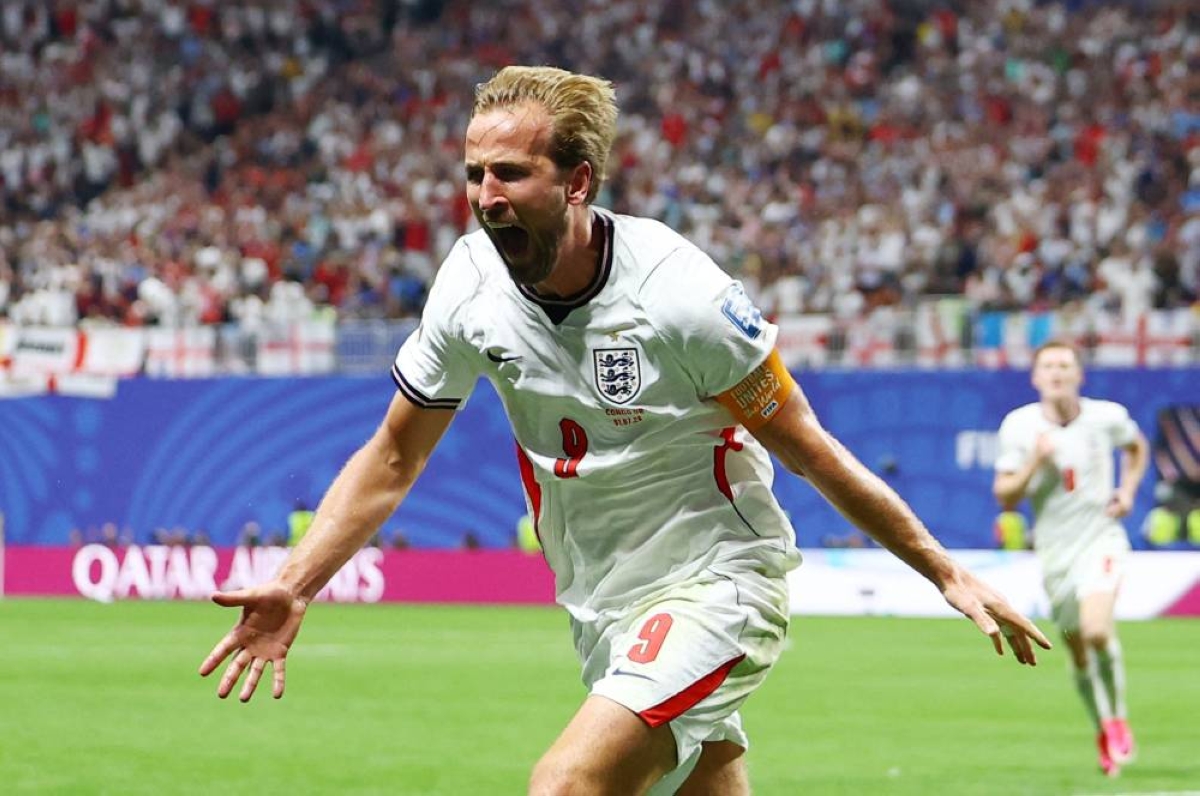
Harry Kane rescued England from a seismic World Cup shock with two late goals to beat the Democratic Republic of Congo 2-1 in Atlanta and secure a place in the last 16. Aiming to end a 60-year wait to win a major tournament, Thomas Tuchel's men escaped humiliation and one of England's worst ever World Cup exits thanks to their talismanic captain after Brian Cipenga's early goal gave Congo an early lead. But the Three Lions will need to improve for the daunting task of facing co-hosts Mexico at the Estadio Azteca in the last 16 on Sunday. Already England's all-time top goalscorer in the competition, Kane now has 13 World Cup goals and moves onto five for the tournament to remain in the the star-studded battle for the Golden Boot. 'What a crazy game, obviously,' said Kane. 'I think you have to stay patient in these games. 'Their keeper definitely made some unbelievable saves in that first half. And it was just about pounding the rock, keep pounding the rock, and our moments will come.' Defeat ended Congo's fairytale run on their return to the World Cup for the first time in 52 years. The Leopards had never even won a point or scored a goal at the World Cup until a few weeks ago, but had one of the tournament favourites teetering on the brink of elimination. Tuchel made two changes from victory over Panama as Declan Rice return in midfield, while Djed Spence came in at right-back with Reece James and Jarell Quansah both ruled out through injury. The German coach's decision not to select more specialist right-back cover in a 26-man squad will face more scrutiny after Congo took the lead down that flank. Spence was caught under Chancel Mbemba's cross as the ball fell for Cipenga. The Almeria winger's shot was low and hard but Jordan Pickford should still have kept it out at his near post. The vast majority of the nearly 70,000 crowd decked out in England red and white were silenced, while Tuchel's players were visibly rattled. Jude Bellingham was shown a yellow card for a lunge lunge and was then involved in a heated exchange with his coach during the mid-half hydration break. The stoppage in play at least allowed Tuchel the chance to restore order. Bellingham's powerful header from Declan Rice's cross finally forced DR Congo 'keeper Lionel Mpasi into action. Nervy first half Moments later Marcus Rashford's powerful effort was blocked on the line by London-born Aaron Wan Bissaka after Noni Madueke's jinking run opened up the Congo defence. Yet it could have been even worse for England at the break. Yoane Wissa's three goals in the group stage fired his country to the knockout stages of the World Cup for the first time and the Newcastle striker had a golden chance to double the DR Congo lead but hit the outside of the post from point-blank range. At the other end, Kane was furious when he went down as he tried to round Mpasi but the referee refused to point to the spot. Le Harve stopper Mpasi's inspired afternoon continued as he flew to his right to parry another bullet header from Bellingham and then denied Kane from a corner with the last action of the first half. After a bright start to the second period, England were beginning to run out of ideas until Tuchel unloaded his offensive weapons off the bench. Bukayo Saka, Anthony Gordon and Eberechi Eze were sent on by Tuchel in search of an equaliser. And it was new Barcelona signing Gordon who provided the cross as Kane finally found a way past Mpasi with a downward header 15 minutes from time. Gordon also got the assist for the 86th minute winner, but Kane did the hard work as he rifled a powerful drive into the roof of the net for his 84th international goal.