Opinion
Where the classroom meets the field: a scholarship worth its salt

Where the classroom meets the field: a scholarship worth its salt

There is a quiet but telling assumption behind the sports scholarship pathway unveiled this week by the Ministry of Education and Higher Education: that a young Qatari with a talent for sport should never be forced to trade a degree for a career on the field, or a career on the field for a degree. In offering both at once, the state has done more than open a new admissions track. It has restated a principle that runs through much of Qatari public policy — that the role of government is not merely to demand achievement from its citizens, but to build the environment in which achievement becomes possible. The mechanics of the scheme are sensible enough. Under the Government Scholarship Programme, gifted athletes nominated by the Ministry of Sports and Youth and the Qatar Olympic Committee may now win a government scholarship on the strength of their sporting talent, enrol across a range of disciplines at local universities, and study within a learning environment tailored to accommodate training and competition. Tuition at eligible private universities is covered under approved regulations, sporting authorities are brought into the arrangement, and graduates gain access to employment-linked scholarship opportunities designed to smooth their entry into the labour market. Applications for the second public-university admission period open on the Government Scholarship Platform between November 15 and December 30. Read the fine print, though, and a philosophy emerges. The state is not simply writing cheques. It is removing the obstacles that ordinarily force a hard choice. An athlete in most countries reaches a fork in the road early: the demands of elite sport and the demands of a degree pull in opposite directions, and one usually gives way. The young person who backs their talent and loses ends up with neither a medal nor a qualification. Qatar’s answer is to redesign the road so the fork need not appear at all. That is what an enabling environment means in practice — not the elimination of effort, which no policy can or should attempt, but the removal of the artificial barriers that waste it. This instinct is not new here. It is visible in the sustained investment in higher education, in the sporting infrastructure that made Qatar a credible host of world-class events, and in the broader ambition of Qatar National Vision 2030 to build a knowledge economy powered by capable citizens. What the new pathway adds is a bridge between two sectors that have too often been managed in separate silos. Education and sport now speak to one another through a single mechanism, and the young Qatari standing between them is the beneficiary. There is a demand implicit in the offer, and it is the right one. Scholarship holders must secure an unconditional university place and commit to maintaining their professional sporting pathway throughout their studies. The state is not lowering the bar; it is raising it, and then supplying the ladder. The graduate this produces — academically and athletically qualified, able to represent the country abroad and contribute to its development at home — is precisely the sort of citizen a small nation with large ambitions cannot afford to lose to a false choice. The measure of a policy like this will lie in its execution: in whether the promised co-ordination between ministries is real, whether universities adapt genuinely rather than nominally, and whether the athletes themselves seize the opening. But the intent deserves recognition. In telling its most promising young people that they need not choose between the classroom and the field, Qatar has again demonstrated that the surest investment a state can make is in the conditions that let its citizens succeed. 

Opinion
Qatar makes its bid to help write the rules of AI

Qatar makes its bid to help write the rules of AI

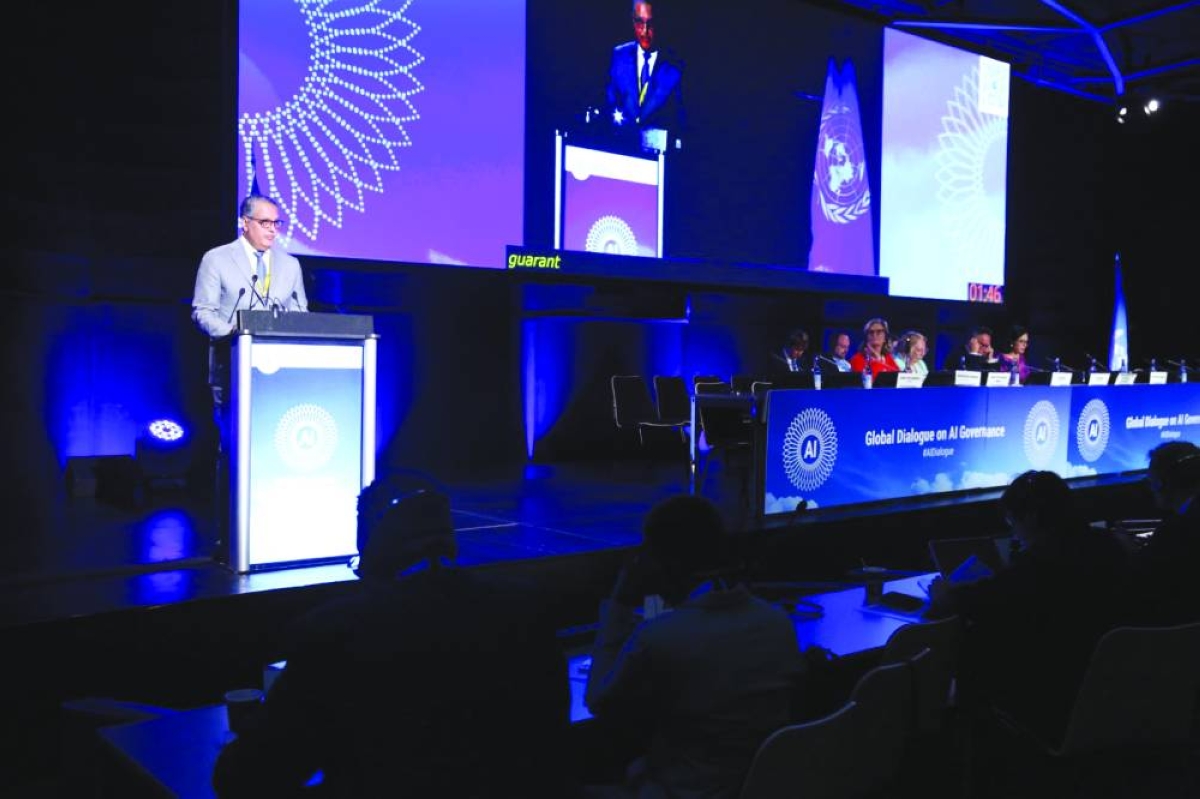
Qatar’s launch of the Global Alliance for AI Ethics (GAAIE) during the first session of the UN Global Dialogue on AI Governance in Geneva represents a significant milestone in the country’s journey towards establishing itself as an active partner in shaping the future of digital governance at the international level. The initiative reflects Qatar’s vision of building a knowledge-based and innovation-driven digital economy alongside developing an ethical and legislative framework that ensures the responsible use of AI technologies, safeguarding the rights of individuals and institutions and fostering trust in emerging technologies. HE Minister of Communications and Information Technology Mohammed bin Ali al-Mannai announced the initiative during his address at the high-level session of the UN Global Dialogue, emphasising that Qatar adopts an approach based on leveraging AI to serve sustainable development, while striving to build an international framework that strengthens co-operation between governments, academic institutions, the private sector, and international organisations to ensure the development of this technology in accordance with the principles of justice, transparency, and accountability. This approach is based on Qatar’s advanced national experience in digital transformation. The minister highlighted that Qatar’s approach to artificial intelligence builds on its national experience and is guided by Qatar National Vision 2030 and the National AI Strategy, through sustained investment in digital infrastructure, computing capacity, scientific research, and regulatory frameworks that foster trust in emerging technologies. The GAAIE is an initiative launched by Hamad Bin Khalifa University (HBKU), a member of Qatar Foundation, to foster a multi-stakeholder global dialogue on AI ethics. The Alliance seeks to ensure that diverse ethical values and cultural traditions contribute to the development of international technical and regulatory frameworks, while amplifying perspectives and experiences from across the world in global AI governance discussions. The Alliance aims to ensure that ethical values and cultural diversity across the globe contribute to shaping the regulatory and technical frameworks for AI by enhancing the inclusiveness of the international governance system and ensuring that diverse perspectives and experiences are represented in the development of future policies and standards, preventing their monopolisation by a limited number of countries or companies. This initiative is particularly important given the rapid transformations the world is witnessing in the AI field. The challenge is no longer limited to developing more advanced models but also extends to the ability of countries to establish legal and ethical frameworks that regulate the use of these technologies and mitigate their risks, while simultaneously maintaining an environment conducive to innovation and economic growth.In this context, the launch of the GAAIE aligns with the objectives of the UN Global Dialogue on AI Governance, established pursuant to the Global Digital Compact and the Global Pact for the Future, aiming to promote international co-operation, the exchange of expertise, and the development of more inclusive and flexible regulatory frameworks that ensure all countries benefit from the economic and developmental opportunities offered by AI, and that these benefits are not limited to the most advanced economies. The initiative also comes at a time when international calls are growing for unified rules for the governance of AI, as confirmed by UN Secretary-General Antonio Guterres during the opening of the global dialogue, when he warned that the pace of AI development has become faster than the ability of institutions to keep up with it, calling for strengthening international co-operation and setting co-ordinated global rules to limit potential risks, especially those affecting children and the fundamental rights of individuals. Experts said that the Qatari initiative represents a qualitative shift from simply advocating for AI ethics to establishing an international institutional framework for dialogue and co-ordination, thereby contributing to unifying international efforts and bridging differing perspectives on the principles governing this technology, especially given the multiplicity of regulatory initiatives and the varying legislation among countries. Mohammed Saeed al-Saqtri, a technology and cybersecurity expert, noted that Qatar and the Gulf states possess the economic resources and digital infrastructure that qualify them to actively participate in shaping the future of AI, thanks to significant investments in data centres, technological infrastructure, and the computing power necessary to develop and operate advanced models. He pointed out that the global race is no longer limited to possessing the most powerful models or the greatest computing power. Rather, it now revolves around who sets the ethical and regulatory standards, who owns the highest quality data, and who participates in formulating the international rules that governments and companies will adhere to in the coming years. He added that the GAAIE represents a strategic shift from the role of “technology consumer” to that of “partner in shaping its rules” — a transformation that empowers participating countries to exert greater influence on the future of the global digital economy and strengthens their role in shaping international AI policies. Al-Saqtri cited several international models that underscore the importance of legislation in shaping the future of technology, most notably the European Union AI Act, which has become a global benchmark, prompting many companies to adapt their products to its requirements. He also mentioned Unesco’s recommendations on AI ethics, which have become a reference point for many countries when drafting their national legislation. He emphasised that the Qatari initiative focuses on building a global AI governance model based on common, interoperable standards that will allow for the harmonisation of regulations and legislation across countries, similar to the practices in the civil aviation and cybersecurity sectors, thereby reducing regulatory disparities and fostering international co-operation. To achieve this goal, al-Saqtri said it is essential to agree on a set of fundamental principles, including obligating companies to conduct risk assessments before launching AI systems, disclosing the nature of the data used to train models, enhancing privacy protection, and documenting content produced using AI. He also emphasised the need for human oversight of high-risk applications and the establishment of an international mechanism for the mutual recognition of compliance standards, which would allow systems to operate in multiple markets without requiring redevelopment to meet the specific requirements of each country. He further identified four key priorities that should be addressed by the international community: combating deepfakes and misleading content; strengthening data protection as the most important strategic resource in the age of AI; countering cyber threats associated with the use of these technologies in developing malware and launching cyberattacks; and establishing principles of transparency and accountability. This would ensure that users are clear on when content is AI-generated and who bears legal responsibility for decisions made by intelligent systems, particularly in vital sectors such as health, energy, and financial services. This vision reflects a growing awareness that the future of AI will not be determined solely by technological advancements but also by the international community’s ability to build a balanced governance framework that harmonises fostering innovation, protecting rights, and mitigating risks, which underscores the importance of multilateral initiatives in the coming phase. From this perspective, the Qatari initiative opens broad horizons for enhancing international co-operation in research and development, establishing specialised centres for AI ethics, data governance, and AI security, attracting global companies to conduct research and experiments in the region, supporting startups, developing national expertise, and promoting regional integration in advanced technology. Overall, the launch of the GAAIE underscores Qatar’s growing role in shaping the global digital governance agenda through the adoption of initiatives that integrate technical, human, and developmental dimensions, contributing to a more inclusive, equitable, and transparent international framework. It also reflects the country’s commitment to ensuring that AI serves as a tool for promoting sustainable development and economic prosperity within a global system based on trust, co-operation, and accountability. This will guarantee that the benefits of this technology are maximised and harnessed to serve humanity and societies worldwide.  

World
Pakistan finds wreckage of cargo plane in sea, search for crew ongoing

Pakistan finds wreckage of cargo plane in sea, search for crew ongoing

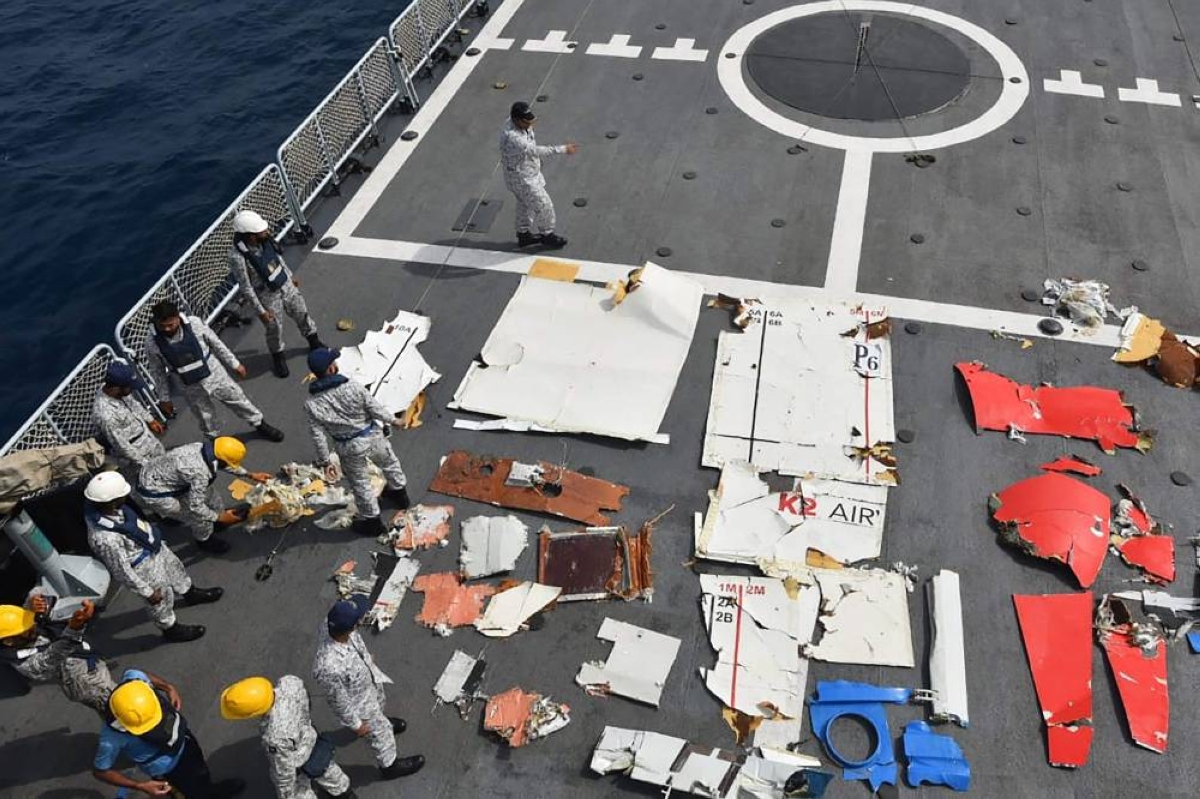
This handout photograph taken on July 8, 2026 and released by the Pakistan Airports Authority shows Pakistan Navy and Pakistan Maritime Security Agency personnel standing next to the wreckage of the K2 Airways Cargo Boeing

Opinion
The Gulf’s widening Asian security web

The Gulf’s widening Asian security web

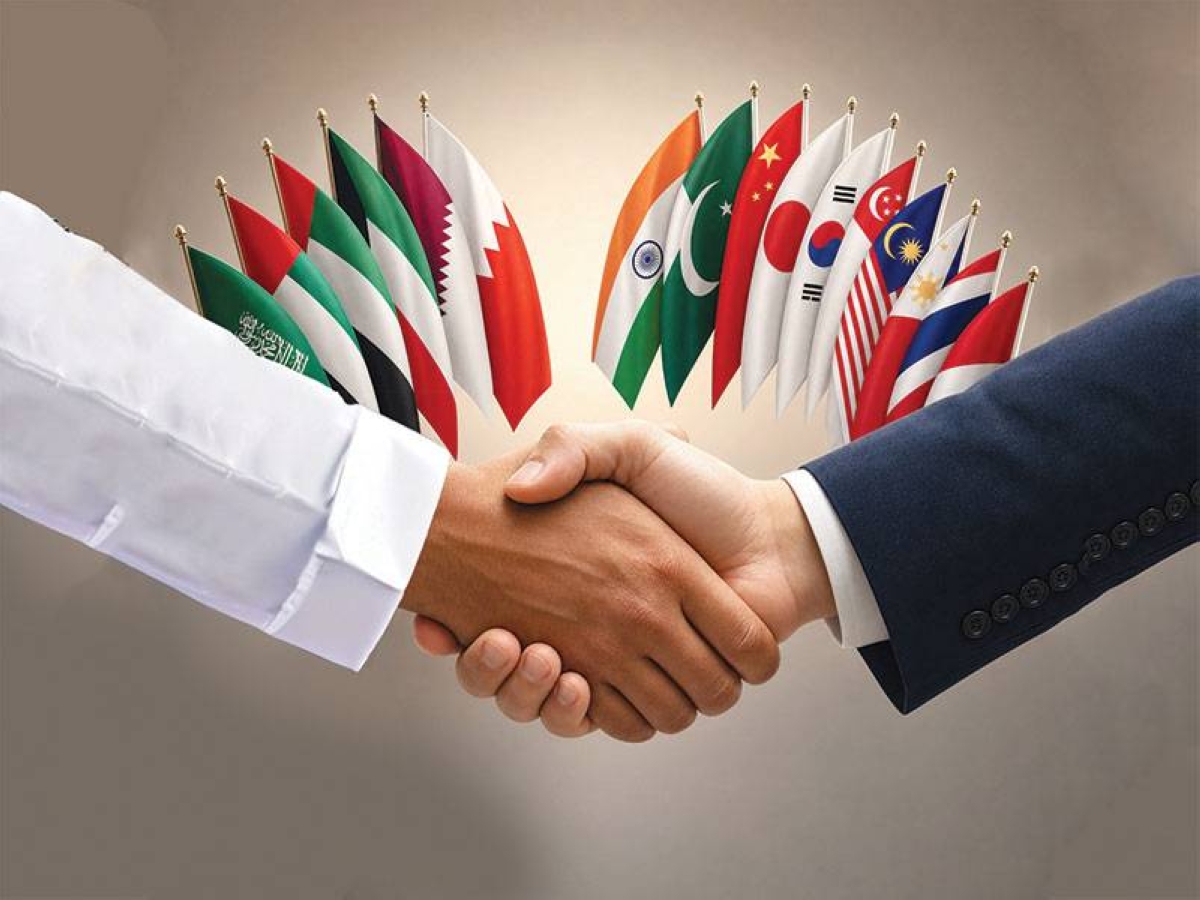
The recent US-Iran conflict has focused more attention than ever on the Arab Gulf’s long-anticipated pivot to China. An April headline in the Hong Kong based Asia Times summed up what is now an increasingly common view: “Gulf poised to move closer to China after the war.” This is understandable. China is the number one trading partner of the six GCC states, including their top oil and gas customer. Economic ties go far beyond energy. As a recent World Economic Forum paper put it, this is a “full-stack economic relationship spanning capital, technology, manufacturing, logistics, clean energy and industrial development”. This also has an important strategic dimension as it has led to a deep interdependence that allows Beijing to challenge US primacy in the Gulf region. When it comes to the GCC, China may be the biggest pebble on the Asian beach but it is not the only one. Other north-east, south and south-east Asian states have been active across the Gulf for many years. These include Japan, South Korea, India, Pakistan, Malaysia, Singapore, Thailand, Indonesia and Taiwan. Relations between the GCC states and these and other Asian actors are less known than those with China, but in many ways they are built on more common interests and shared realities. China is America’s main strategic competitor and a first rank military and economic player with Great Power interests all over the world. These other Asian actors, like their GCC counterparts, are small states and middle powers primarily focused on consolidating security in their home region using soft power. Many are enthusiastic members of ASEAN, and all value multilateralism and international institutions as frameworks for stability and order. For example, they are all much more preoccupied with maintaining order at sea through international law than China (and the US). These relationships often include a significant energy component. Japan, South Korea and India are the GCC’s most important oil and gas customers after China. Pakistan, Thailand, Taiwan and Singapore also rely heavily on GCC energy imports. As in the Chinese case, these actors are increasingly important players in several strategic sectors beyond energy. This matters greatly since the closure of Hormuz led many Asian states, at least temporarily, to look to energy suppliers outside the GCC. Japan is accelerating joint R&D in AI supply chains, space tech, and robotics. Singapore is more involved than ever in the digital technology and fintech sectors. Taiwan has a growing, albeit discreet, footprint in smart healthcare, EV production, and sustainable technology. South Korea has been involved in ship building, nuclear power and mega-infrastructure projects in the Gulf for decades. Now it is becoming a notable player in AI, clean energy and desalination. India is established in regional IT, banking, logistics and digital services. Asian and GCC actors share the same developmental state model as China. This enables them to use state-owned or state-linked enterprises to carry out high-cost, long-term projects that only offer medium-to-long term benefits. But partnering with Asian countries over China has an added political bonus: it avoids tensions with the US over co-operation with China in sensitive areas like tech. Much more than China, these Asian actors also share with GCC states a belief in the power of nurturing interdependence with countries across the globe not only to increase trade and influence but to promote global norms in the interests of regional security in a contested geopolitical environment. There is also a more explicit security component to these relations. Alongside China, these Asian actors first deployed naval vessels to the Gulf of Aden to counter Somali piracy in 2008-09. Since then, they have increased their cooperation with the GCC states on a range of maritime security threats. In 2020, Japan, which has a naval base in Djibouti, deployed a destroyer and a surveillance plane to the region. The following year, South Korea deployed its anti-piracy unit to the Strait of Hormuz after Iran seized one of its oil tankers. Japan and South Korea are also among eight Asian members of the 47-strong US-led Combined Maritime Force (CMF), the world’s largest multinational maritime coalition. The other Asian members are Malaysia, The Philippines, Singapore, Thailand, Pakistan and India. They work alongside all the GCC states except the UAE, which withdrew in 2023, to police the Strait of Hormuz, the Red Sea, the Bab-al-Mandeb Strait and the Gulf of Aden. This mandate, in waterways of vital importance to GCC and Asian countries, will be even more important going forward. On the bilateral level, India has the most developed maritime security partnership with the GCC. It holds regular naval exercises, and has upgraded naval interoperability and strategic port access across the Gulf. Beyond naval co-operation, South Korea has a special forces contingent based in the UAE that provides counter-terror and emergency response training. In February 2026, on the eve of the war, Saudi Arabia signed a defence agreement with Malaysia for military training. In mid-June, Qatar and Indonesia signed a similar agreement for military training and army and navy collaborations. These Asian states are still very much secondary security players in the Gulf compared to US Central Command (CENTCOM). But it would be a mistake to underestimate the mutual benifts of enhanced security cooperation for both the GCC and their Asian partners in the future. Like the GCC states, many of these Asian actors have long relied, and will continue to rely, on the US for security. But in today’s uncertain geopolitical environment, they have a common interest in working together to diversify their security partnerships. From the GCC perspective, these Asian actors are obvious partners in any future homegrown defensive security frameworks. Their pro-US credentials would also raise few red flags in Washington if they played a bigger role in the GCC build-up of sovereign defence-industrial capabilities. As relations develop, these opportunities may appeal to Asian states not only as revenue generators but as ways to protect their rising non-energy interests in the Gulf and to partially check Chinese strategic ambitions in the wider region. The writer is Professor of International Politics and Director of the Small States and Energy Studies Programmes at Georgetown Univeristy in Qatar @RoryDavidMiller

Opinion
Shepherds or gladiators: Israel’s October ballot

Shepherds or gladiators: Israel’s October ballot

On the morning of October 7, 2023, the Israeli state failed twice. It was caught off guard — the founding promise of the Jewish state, never again undefended, broken in a single dawn. And then, for weeks, it was simply absent. Civil society ran the rescue: volunteers organised evacuations, equipped reservists, housed the displaced, identified the dead. Ministers who ventured into public were met not with grief shared but with fury unconcealed. The government could not even perform sympathy. That double failure — of protection and of presence — is the wound at the origin of everything that followed. What followed was not strategy. It was compensation. A government that had failed as defender set out to overperform as avenger, rechanneling society’s outrage at it into outrage through it — outward, onto Gaza, then Lebanon, then Syria, with the prime minister and his ministers as active inciters rather than restrainers. The scale of devastation exceeded any security logic; it exceeded even the old Revisionist doctrine of the Iron Wall, which Jabotinsky conceived as pedagogy — force applied until the neighbor concedes your permanence, then negotiation. This was something else: the concentrated tragedy of centuries of pogroms, inverted and discharged upon others. Call it the reverse pogrom syndrome — a society formed by the memory of collective victimhood enacting collective ruin and cheering it on. That cheering is on the universal record now, alongside the record of the acts themselves: warrants from the International Criminal Court against the prime minister and his former defense minister, a UN commission’s finding of genocide, proceedings at the ICJ, recognition of Palestinian statehood by London and Paris, and the steady inversion of American opinion polls. Netanyahu coined the “ring of fire” to rally his public against encircling enemies; what closed around Israel is a wider ring — of rejection and damnation, forged by Israel’s own conduct. The afflicted man whose house was attacked turned and burned the neighbourhood, and the neighborhood has rendered its verdict: this is a danger, not a security-seeker. Now Israel votes, in October — a month that will forever carry the weight of the failure. And here is the disquieting finding of the campaign so far: the ring of damnation is on the ballot only as a competence question, never as a moral one. The election’s declared central issue is the state commission of inquiry into October 7 — the accountability instrument Netanyahu has spent three years evading, lately by legislating a politically appointed substitute whose passage he purchased from the Haredi parties with draft exemptions. Three-quarters of Israelis want him gone; more than 90% believe Iran came out ahead of the last war. Yet listen to the opposition’s indictment of the isolation: Lapid warns that Israel’s foreign relations will be “wiped out”; Eisenkot — the bereaved general now running neck-and-neck with Likud — protests that Netanyahu drove Washington to negotiate with Iran alone and finds it “inconceivable” that Israel needs American approval to strike in Lebanon. These are grievances of squandered assets and lost sovereignty, from men who backed the wars that produced the damnation. The contest, as Palestinian analysts have observed, is not between two projects but within one — a dispute over the management of the siege, not its cause. Netanyahu, for his part, has stopped disputing the isolation and enshrined it: his “Super-Sparta” is the garrison state as destination, permanent mobilisation as national identity, the world’s condemnation recast as proof of righteousness. Whoever wins inherits the harder question, the one no party is asking aloud: how does a society step back from the reverse pogrom? Not diplomatically — a change of prime minister will be accepted at face value by fatigued chancelleries and by Gulf capitals eager to resume normalisation. That transaction is cheap, and it is a trap. The monumental task is different: to give the region evidence of a new phase — evidence weighty enough that the victims, whose tragedy is now registered in the world’s courts and archives, are not left to harbour historical revenge as their inheritance, as Jewish memory itself harboured the pogroms. Peace that does not reckon with what was done will merely schedule the next eruption; the decades-long simmer that October 7 brought to violent boil will simmer on. Two temptations must be named, because both are already visible. The first is the manufacture of the next bogeyman. With Iran decapitated and half-broken, the machinery of perpetual mobilisation is turning toward Türkiye and Erdogan as the successor threat. This is pressure-cooker politics: it does not release the accumulated force in the region; it seals the lid tighter — and the pressure is already registering. The second temptation is restoration nostalgia — the belief, common to most of Netanyahu’s challengers, that returning to pre-October “conflict management” constitutes an answer. October 7 was conflict management’s verdict. There exists, and has existed for a quarter-century, a pressure-release valve of an entirely different order: the Arab Peace Initiative of 2002 — full normalisation with the entire Arab and Islamic world, including a settlement of relations that would encompass even a post-theocratic Iran’s reintegration, in exchange for a sovereign Palestinian state and an agreed resolution of the refugee question. It remains on the table, unwithdrawn through four wars. Israeli society has never been asked by its leaders to look at it squarely; it must be made aware that the choice is not between Sparta and surrender, but between the standing regional offer and endless war. Ending the Palestinian hemorrhage is not a concession to the ring of rejection — it is the sole path out of it. That is what this ballot decides, whatever its stated question. The arithmetic itself carries the message: the Jewish opposition cannot reach a majority without the ten seats of the Arab parties — the very citizens half the political map refuses to count. An electorate, not a court, will determine whether Israel’s next leaders are shepherds of peace or gladiators in an arena where the contest ends only when one side perishes. Societies do not often get to see the precipice before the fall. Israel’s, this October, will be looking straight at it. The Lebanese writer is former editor of Al-Hayat in London and The Daily Star in Beirut.  

Opinion
Confidence, quietly compounding

Confidence, quietly compounding

Numbers rarely tell the whole story, but occasionally they distil it. The 3,295 non-Qatari companies that registered in the country during the first quarter of 2026 are one such figure — not because the total is dramatic in isolation, but because of the conditions under which it was achieved. Global markets spent those months buffeted by uncertainty and geopolitical strain, much of it uncomfortably close to home. That international capital chose this moment, and this address, says something no promotional brochure could. The more interesting truth lies beneath the tally. Qatar is being rewarded not for a single incentive but for the patient, unglamorous work of making itself easy to invest in: reforms that streamline company formation, regulations that keep pace with the market, and the decision to let foreign investors own up to 100% of businesses in many sectors. Their power is cumulative. Confidence, like compound interest, builds quietly and then all at once. The Qatar Financial Centre, which added more than 800 firms for growth of around 57% year-on-year, is the clearest signal of that shift. Firms of this kind do not relocate on a whim. They come because they have concluded that Qatar offers a stable base from which to serve a wider region — a judgement worth more than any single mega-deal. Just as telling is the changing texture of what arrives. For decades the story here was about energy, and liquefied natural gas remains the cornerstone. But the capital now flowing into financial services, technology, artificial intelligence and the wider knowledge economy points to something more durable than a commodity cycle — diversification not as slogan but as observable fact, precisely the outcome Qatar National Vision 2030 was written to produce. A note of realism is warranted. Registrations are an opening, not an outcome, as competition for capital intensifies. Complacency is the one luxury a diversifying economy cannot afford. Yet the direction of travel is unmistakable. What these figures ultimately measure is trust — the considered verdict of businesses that could have gone anywhere and chose here. Trust is slow to earn and quick to lose, which is why the quiet, methodical manner of Qatar’s progress matters as much as its pace. This quarter, the world answered in kind.  

World
US to remove Syria from terror blacklist, in new boost to Sharaa

US to remove Syria from terror blacklist, in new boost to Sharaa

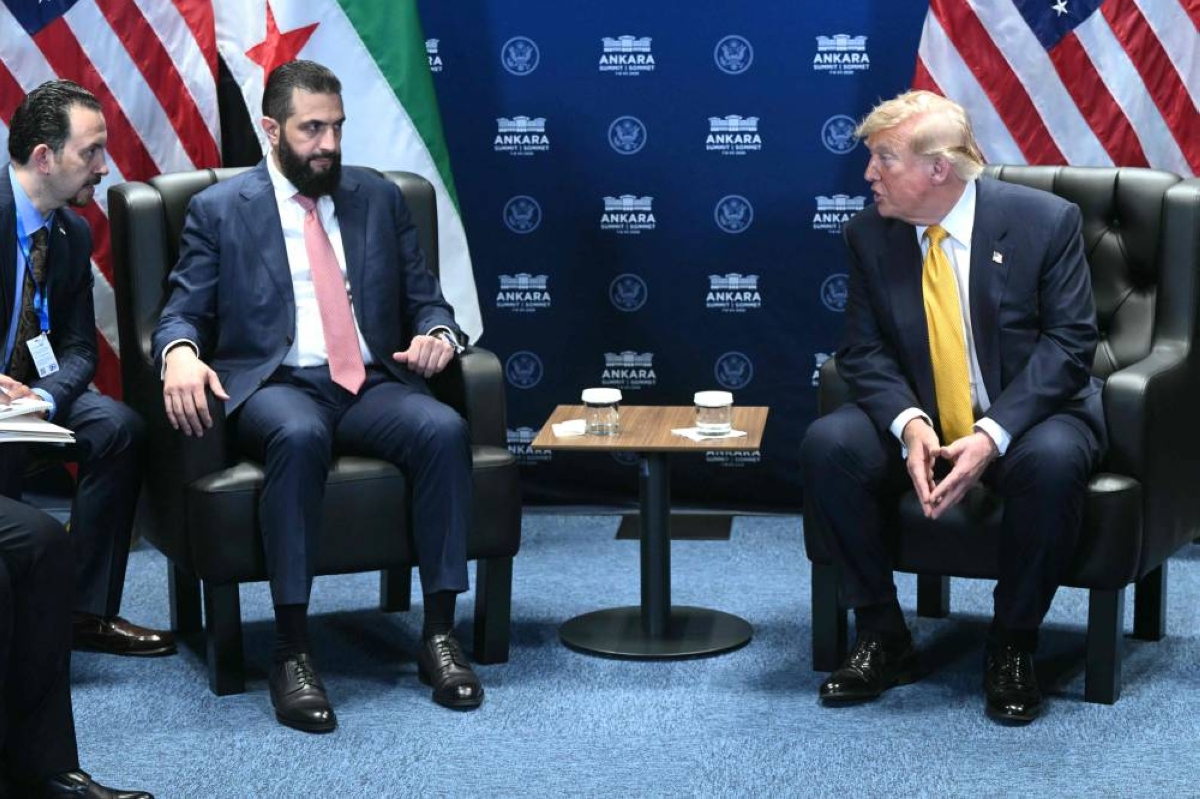
The United States said Wednesday it will delist Syria as a state sponsor of terrorism, a decades-old designation that severely impeded investment, in a new vote of confidence in leader Ahmed al-Sharaa.Secretary of State Marco Rubio notified Congress of the long-expected move, which will be effective in 45 days unless lawmakers take the unlikely step of blocking it.The step came as President Donald Trump met on the sidelines of a NATO summit in Turkey with Sharaa, a former jihadist who has sought to recast himself as a unifying figure after the 2024 toppling of the Assad family, which ruled with an iron fist for a half century.'This is yet another historic step by President Trump to give the Syrian people a chance at greatness,' Rubio said in a statement.'Lifting sanctions on Syria will unlock international trade and investment, give Syria a chance to rebuild, and open up a new chapter for the Syrian people,' he said.Trump's embrace of Sharaa comes despite misgivings from Israel, which has repeatedly launched airstrikes in Syria, one of its historic adversaries.Trump had earlier publicly pressed for Syria to make peace with Israel but went ahead with the delisting decision despite a lack of tangible progress.Rubio said in his statement that 'a stable, unified Syria at peace with itself and its neighbors benefits not only the region, but the entire world.'Syria is seeking economic support to rebuild after years of brutal war that helped rise to the Islamic State extremist group and generated a major refugee crisis.Meeting in Ankara with Sharaa, who has traded his guerrilla fatigues for a suit, Trump said, 'He's doing an unbelievable job in unifying Syria. What a job he's doing.''Syria was a mess with what happened with the previous government,' Trump said.

Entertainment
Armie Hammer’s ‘Citizen Vigilante’ Director Calls BS on Actor Being Distraught Over Film

Armie Hammer’s ‘Citizen Vigilante’ Director Calls BS on Actor Being Distraught Over Film

'Citizen Vigilante' Director Hammers BS Report About Armie Hating Flick Published July 8, 2026 1:11 PM PDT The director of Armie Hammer's upcoming film "Citizen Vigilante" is calling BS on a report claiming the actor

Entertainment
‘Born This Way’ Star Cristina Sanz Dead at 36

‘Born This Way’ Star Cristina Sanz Dead at 36

'Born This Way' Cristina Sanz Dead at 36 Published July 8, 2026 12:33 PM PDT Cristina Sanz -- who starred on A&E's show about adults with Down syndrome, "Born This Way" -- is dead after

News
Up to Dhs10 million fines proposed for damaging UAE heritage sites

Up to Dhs10 million fines proposed for damaging UAE heritage sites

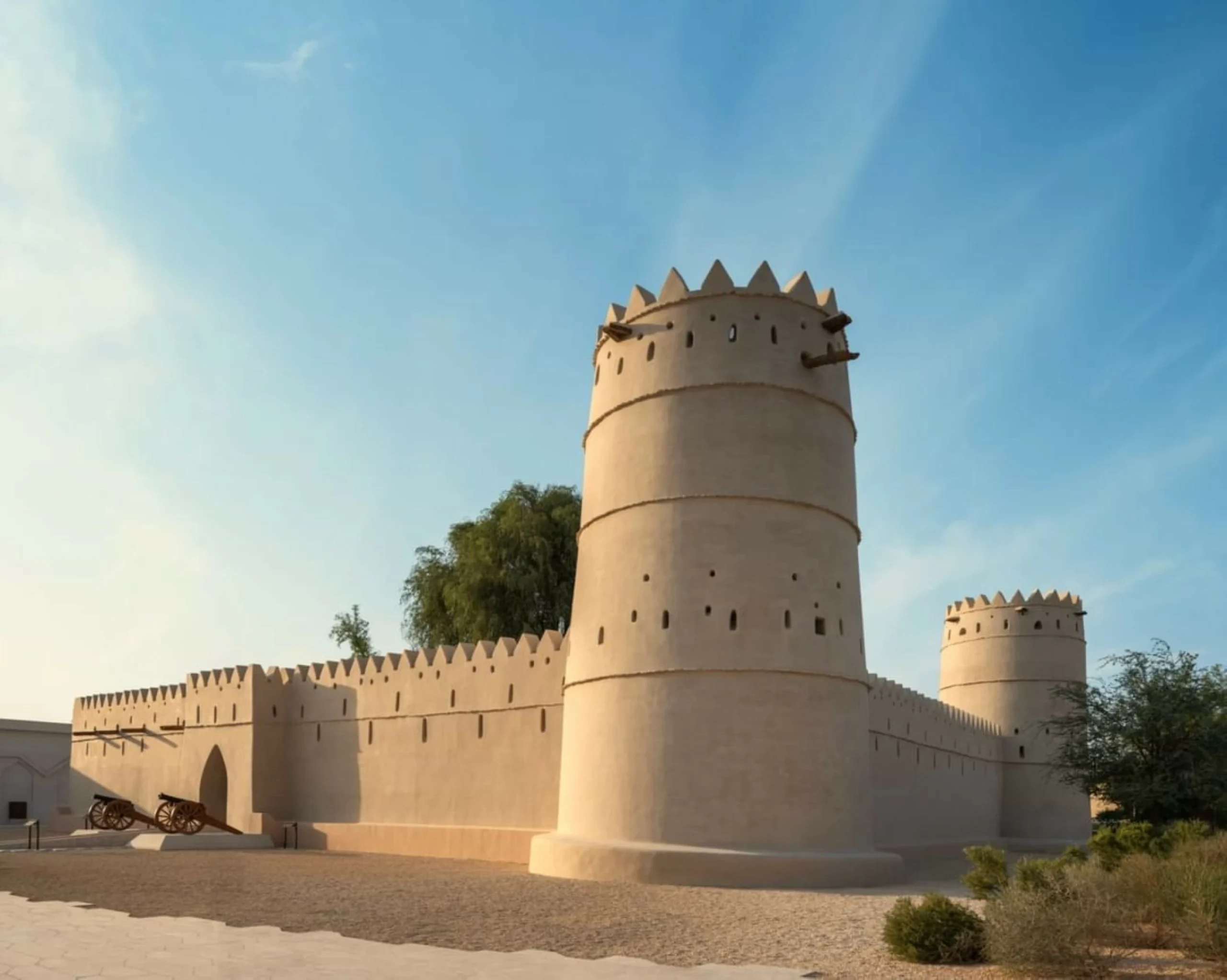
The Federal National Council (FNC) approved a federal draft law on Cultural Heritage. The session was attended by Sheikh Salem bin Khalid Al Qasimi, Minister of Culture.Before discussing the draft Cultural Heritage Law, the Council