Sports
Merlier wins eighth stage of the Tour de France in bunch sprint

Merlier wins eighth stage of the Tour de France in bunch sprint

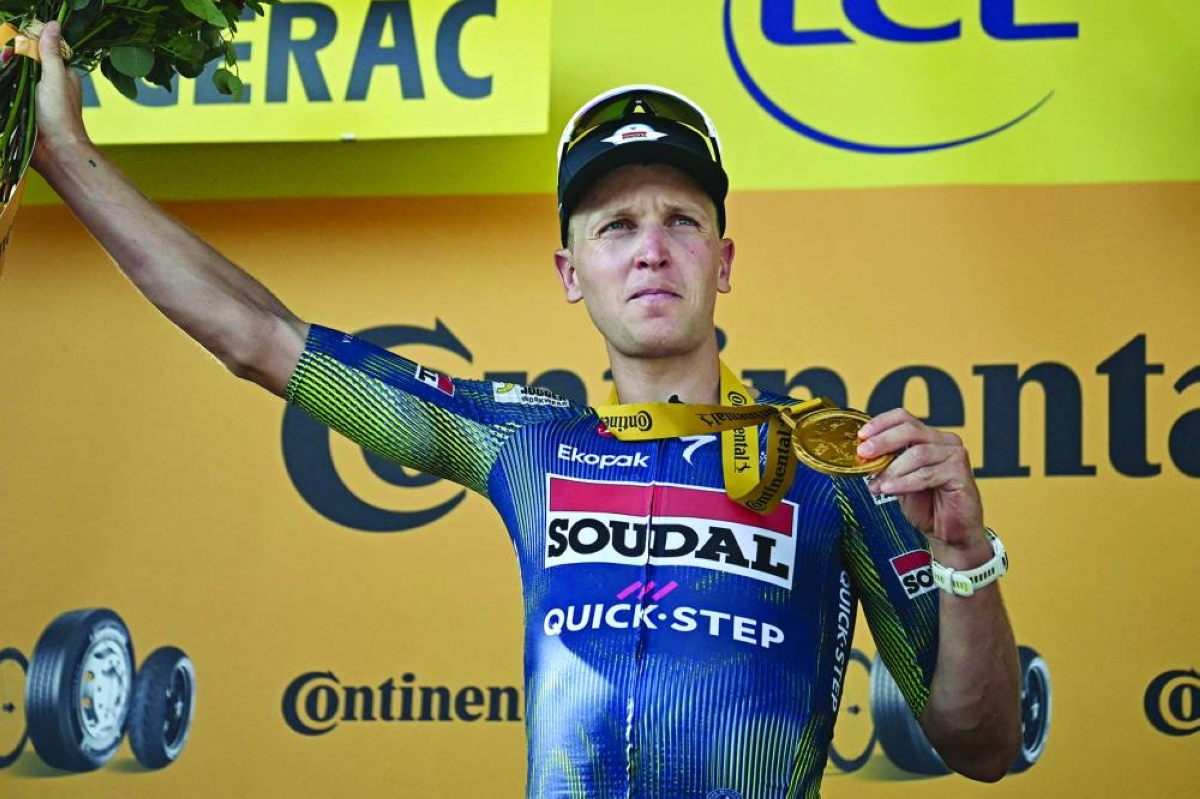
Belgian Tim Merlier dominated a bunch sprint finish for the second day running to claim victory in the eighth stage of the Tour de France on Saturday.Merlier seemed out of contention when he was caught out of position in the last few hundred metres but launched a long range charge to reel in all of his rivals and beat Ethiopian Biniam Girmay into second with Dutchman Olav Kooij third.It was Merlier's fifth stage victory in his third Tour appearance and also brought him to within 15 points of Dane Mads Pedersen in the sprinters' green jersey competition."If you win one, you can win a second, and I'm happy," said Merlier."Three (sprint) stages, I won two. (It's) definitely my Tour de France."The eighth stage in the Dordogne region, known for its 1,000 castles and ancient cave drawings, had always looked destined to finish with a bunch sprint.Belgian Liam Slock tried to upset the formbook, setting off alone with 40km left after spending most of the day in a three-man breakaway.But he was caught 1.3km from the line and while former world champion Mathieu van der Poel did his best to set up Alpecin-Premier Tech team-mate Jasper Philipsen for the victory, Merlier simply proved too strong once again."It didn't feel like this," said Merlier when it was suggested to him that he was the sprint boss. "I needed to fight for my position all the time until the last minute."Just before the corner, I was a bit boxed in, and then they almost crashed. I thought it was over, so I gave it a try to come back off the guys who did the lead out."I was coming with so much speed." Three-man breakawayHe had been caught the wrong side of a gap when Van der Poel dragged another six riders clear of the others, but the Belgian simply turned on the power, with Girmay in his wheel, and charged through to win.Kooij, who won the first sprint finish in Wednesday's fifth stage, darted out from behind Philipsen but could not match the acceleration of Soudal Quick-Step's Merlier.The last two sprint stages had seen one-man and two-man breakaways but this time, three riders headed off up the road together.One of those was Slock, who made headlines - and went viral on social media - last month when he claimed his first victory in the professional ranks.He crashed metres from the line as he lost control of his bicycle while celebrating early during the Gippingen Grand Prix in Switzerland.However, he had enough momentum to slide over the line on his side and claim that precious victory, with his own Lotto-Intermarche team joking about it when posting a video of his unconventional finish on social media.Slock was joined by Czech Jakub Otruba, who had been in the breakaway on Friday with Baptiste Veistroffer, and Frenchman Thibault Guernalec.They had a lead of over two minutes at one point but on the 2.2km Cote du Buisson-de-Cadouin, Otruba accelerated first and then Slock left him in his wake before forging on alone with 40km still to race.Slock held on admirably but as the kilometres ticked down, it became increasingly clear that he would not make it it.He was finally caught with 1.3km left, after more than 175km in a breakaway.  Related Story

Opinion
World Population Day: Less about numbers, more about nerve

World Population Day: Less about numbers, more about nerve

World Population Day passed quietly this year, as it usually does, folded into a news cycle crowded with sharper, louder stories. Yet beneath the modesty of the occasion lay a theme worth lingering on: the hopes and aspirations of young people, today and for the future. It was not an abstraction. It was, in effect, a mirror held up to every government that claimed to be planning for tomorrow while governing for today. The timing was apt. The observance drew on one of the broadest surveys of its kind, canvassing more than 108,000 young adults across 73 countries about the choices that shaped, or constrained, their paths toward relationships and parenthood. What it found was not despair, exactly, but something more unsettling: a widening gap between what young people wanted for their lives and what they believed was actually attainable. Many still hoped for partnership, for children, for stability. Fewer believed those hopes would survive contact with reality. That gap was the story. It was not a shortage of desire that defined this demographic moment, but a shortage of security — economic, social, structural — sturdy enough to let desire become plan, and plan become life. Qatar’s own positioning on the day reflected an awareness of this, whether by design or necessity. The country’s population policy, now more than two decades in the making, was framed not merely as an administrative exercise but as an extension of a national vision that placed family and human development at its centre. The ambition to raise fertility rates, to strengthen marriage as an institution, to widen workplace flexibility for women — these were not new commitments, but they arrived this year against a global backdrop that made them feel less like local policy and more like a considered answer to a worldwide unease. There was, too, a candour in the UNFPA’s own framing that deserved notice. Its executive director spoke of societies reshaped simultaneously by demographic ageing and demographic youth, by disruptive technology and by the blurring of information and misinformation. It was a rare acknowledgment, from within the machinery of international population policy, that numbers alone had stopped telling the whole story. What mattered now was whether young people could trust the systems around them enough to build a life inside them. Qatar’s healthcare ranking, its human development standing, its national strategy stretching to 2030 — these were the sort of credentials a state reached for on a day like this, and rightly so. But the more interesting measure, the one that would not show up in an index, was quieter: whether a young person in Doha, or Lahore, or anywhere else the survey reached, felt able to say yes to a future rather than merely hope for one. That, ultimately, was what made the day worth marking rather than skimming past. Population policy had long been treated as a numbers game — birth rates, dependency ratios, projections stretching to 2100. But the day’s real value lay in insisting, gently, that the numbers were downstream of something else: security, dignity, the basic sense that one’s choices were one’s own to make. Whether that insistence changed anything remained, as always, to be seen. Policies took years to bend a demographic curve, and surveys captured sentiment more readily than they captured outcomes. But the question Diene Keita posed, of how young adults saw their futures amid such flux, was not one that expired when the day did. It lingered, as it should, well past July 11.  

Opinion
Missile test shows submarine capabilities are key to China’s nuclear deterrent

Missile test shows submarine capabilities are key to China’s nuclear deterrent

China’s submarine-fired ballistic missile test into the southern Pacific on Monday gave its military leadership an opportunity to examine some of the most complex and sensitive operations of its evolving nuclear deterrent, analysts and diplomats say. Commanding, controlling and communicating with nuclear-armed submarines attempting to operate undetected pose immense challenges, they say – something felt acutely by a Chinese Communist Party leadership where the military’s political loyalty is paramount. “This aspect is certainly something that would have been very much evaluated, besides looking at the actual technical capabilities of the missile and submarine,” said Collin Koh, a security scholar at Singapore’s S Rajaratnam School of International Studies. “There are still challenges ahead but it would seem they are getting close to an operational strike capability here... they are probably trying to demonstrate that even if they can’t get into a position to hit the continental US, they could still target Guam and Hawaii,” he said. China’s test firing of the missile armed with a dummy warhead drew criticism from regional powers, with the US saying that it was an intercontinental ballistic missile (ICBM) that landed in the southern Pacific Ocean. Chinese state media and officials described the test as a “routine” military drill that was not directed at a specific target or country. Dismissing some reports as “pure distortion and hype”, the Chinese defence ministry said in response to Reuters’ questions yesterday that the test was made in accordance with international law and practice. “It should be emphasised that China’s efforts to modernise its nuclear forces are intended to safeguard national strategic security and maintain global strategic stability,” the defence ministry said. It was China’s most significant long-range ballistic missile test since September 2024, when the People’s Liberation Army fired a weapon into the southern Pacific Ocean from a mobile launcher on Hainan Island in the South China Sea. Monday’s missile was fired from one of China’s six Type-094 nuclear-powered submarines known as SSBNs, said analysts and academics. State media said it was a strategic missile submarine (SSBN), but did not identify the class. An SSBN is a nuclear-powered submarine designed to launch nuclear-armed ICBMs. Regional military attaches and analysts say China’s SSBN operations, based out of Hainan Island, are among the most closely watched elements of its ongoing military modernisation, given their importance to China’s nuclear deterrent to ensure a second-strike capability. If its nuclear-armed submarines can operate undetected, China can strike back if its more extensive land-based weapons are destroyed in a first strike by an adversary. This is widely seen as a particularly important factor for Beijing, which still maintains an official policy that it would not be the first to use nuclear weapons in a conflict. The US and its allies at times attempt to track Chinese submarines through naval vessels, networks of underwater sensors in key chokepoints, as well as air patrols with P-8 Poseidon aircraft, which are equipped with advanced maritime surveillance devices, military attaches and analysts say. Such operations are expected to increase as China’s capabilities grow. A Pentagon report in 2022 stated that China had begun operating near-continuous deterrence patrols with its SSBNs. The US, Russia, France and Britain have for decades routinely deployed such a nuclear strike capability, and India is now developing its own SSBNs. A study of China’s nuclear weapons released this week by the Bulletin of the Atomic Scientists, a Chicago-based organisation, said that while US officials have not publicly stated that China’s SSBNs were actually armed with nuclear weapons on such patrols, some US officials have said it to the authors privately. Noting the lack of official confirmation, the study says that “President Xi Jinping’s purge of military officials – including leaders of the People’s Liberation Army’s rocket force – make it seem unlikely that nuclear warheads would be handed over to the military under normal circumstances”. China’s Global Times newspaper has said the missile launch showed how China is continuously strengthening its “nuclear triad” of strategic forces – the ability to fire nuclear weapons from land, sea and the air. “This will compel external powers and their followers to abandon attempts aimed at forcing Chinese concessions through maximum military pressure or pre-emptive strikes, thereby fundamentally reducing the risk of large-scale conflict,” the Global Times editorial said. — Reuters    

Opinion
Trump wants to leave the Iran war behind… that won’t happen soon

Trump wants to leave the Iran war behind… that won’t happen soon

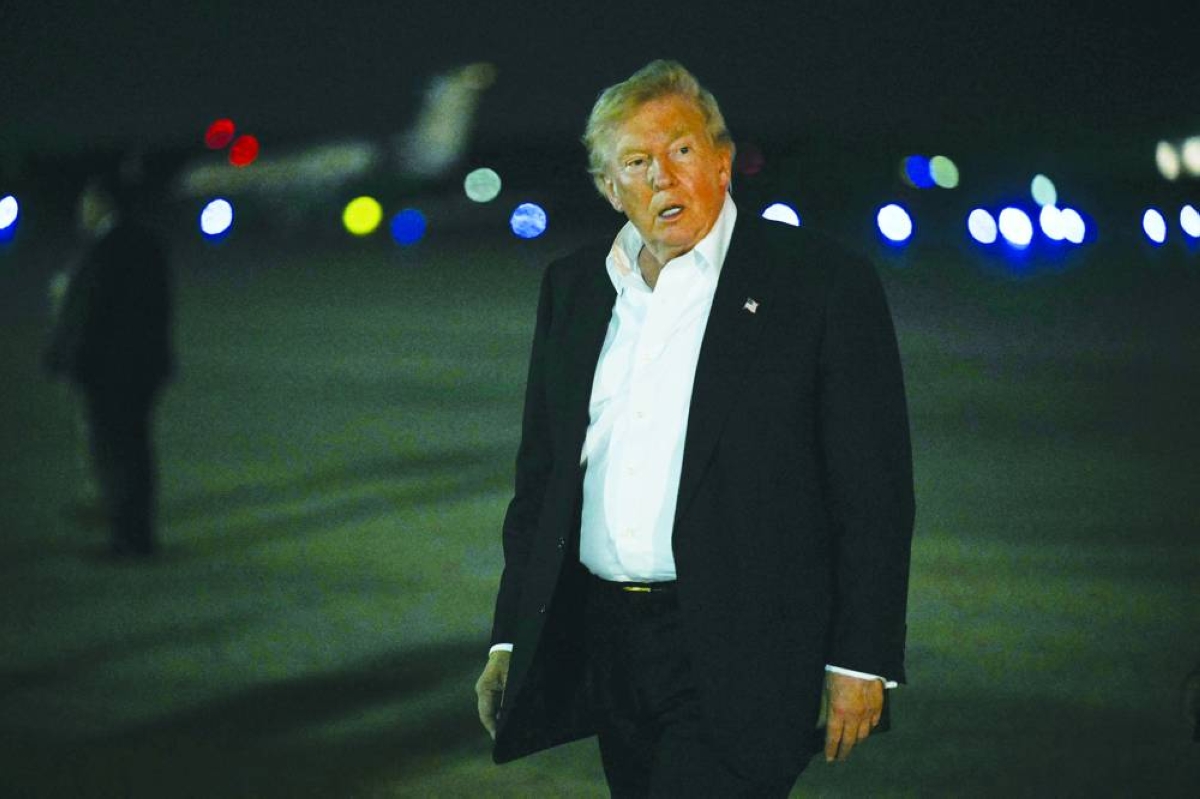
US President Donald Trump’s struggle to extricate himself from the unpopular Iran war has hit a new roadblock with the latest exchange of attacks between the two sides, leaving him with few good options and a faltering ceasefire. Trump declared that an interim agreement to end the conflict was “over” and ordered fresh strikes this week after Iran targeted US military sites in the Gulf region following the US bombing of Iranian targets in response to attacks on tankers in the Strait of Hormuz. More than three weeks after the signing of a memorandum of understanding (MoU) to begin a truce between the US and Iran, the flare-up has highlighted the difficulties Trump faces in forging a comprehensive peace deal and a face-saving exit from the war. His choices are limited and mostly bad, analysts say. Any heavy escalation beyond tit-for-tat strikes could risk a return to full-fledged war, even though Trump has insisted that the latest events would end “very quickly” as global oil prices spiked. However, backing down in the face of Iranian defiance could add to Tehran’s sense that it can assert leverage over the world’s most important oil-shipping channel, anytime it sees fit. Trump may be hoping he can bomb Iran back to the negotiating table for talks about the fate of its nuclear programme, which he set as his main war objective, but most experts see little sign that Tehran will make the kind of deep concessions he is seeking. “Trump has put himself in a box,” said Aaron David Miller, a former Middle East negotiator for Democratic and Republican administrations. “Whether through military or diplomatic means, he doesn’t look likely to gain much from Iran.” The White House did not immediately respond to a request for comment. Trump’s pursuit of an exit plan has come as he faces pressure to permanently end a war that has killed thousands, inflicted economic pain at home and driven down his approval ratings just months ahead of November’s US midterm elections. A June 23 Reuters/Ipsos poll showed Trump’s approval rating falling to 34%, returning to the lowest level of his second term and dimming his Republican Party’s chances of retaining control of Congress. The latest attacks, which overshadowed a North Atlantic Treaty Organisation (Nato) summit that Trump attended this week in Turkiye, dented hopes of turning the memorandum signed on June 17 into a final peace deal to end the war, which began with US-Israeli airstrikes on February 28. Most analysts are sceptical the two sides can craft a comprehensive settlement within the 60-day negotiating window laid out in the document. It kicked the hardest issues down the road to on-again-off-again discussions that have made little if any progress, and the next round of talks remains uncertain. Iran, which has suffered heavy damage to its economy and military capabilities, also faces mounting pressure after Washington revoked a waiver allowing Tehran to sell oil internationally, undoing one of its biggest gains under the interim agreement. Even so, its hardline rulers appear willing to withstand further blows and some analysts suggested this week’s strikes by both sides may have been aimed at staking out positions for future negotiations. Jonathan Panikoff, a former deputy US national intelligence officer for the Middle East, said this pattern was likely to continue for the foreseeable future. “The situation is not going to revert to full-scale war,” said Panikoff, now at the Atlantic Council think-tank in Washington. “But the default setting is now managed instability – recurring violence with no permanent off-ramp.” Trump, who campaigned for a second term on promises to avoid foreign interventions and focus on Americans’ economic concerns, has framed the interim agreement as a resounding US victory – even as Iran has made similar claims. Still, most analysts agree that Trump, who once demanded Iran’s “unconditional surrender”, has been stymied on many of his often-shifting goals for the war. At the root of the latest outbreak of hostilities are differing interpretations of what the preliminary deal means for control of the strait, where Iran showed its ability during the war to choke off one-fifth of the world’s oil shipments. Iran sees itself having a future role in managing the waterway, possibly even charging fees or tolls, while Trump and US Gulf allies insist on a return to free and safe passage. “The Iranians have judged that Trump doesn’t want to get sucked into an open-ended war, and the Gulf is desperate for normalcy,” said Jon Alterman of the Centre for Strategic and International Studies think tank in Washington. “Their bet is that Trump will fight for a few days (and) the Gulf Arab states will push for him to stop.” The looming US midterms, and concerns that high gasoline prices driven by the war could turn voters against his Republican Party, are also widely seen as a pressure point for Trump. “Haunted by former US president Hoover’s failed economic stewardship, Trump knows he needs to focus on the economy,” said Laura Blumenfeld, a Middle East expert at Johns Hopkins University, referring to Trump’s assertion that by continuing the war he would risk becoming like the president who governed at the start of the Great Depression.   

Entertainment
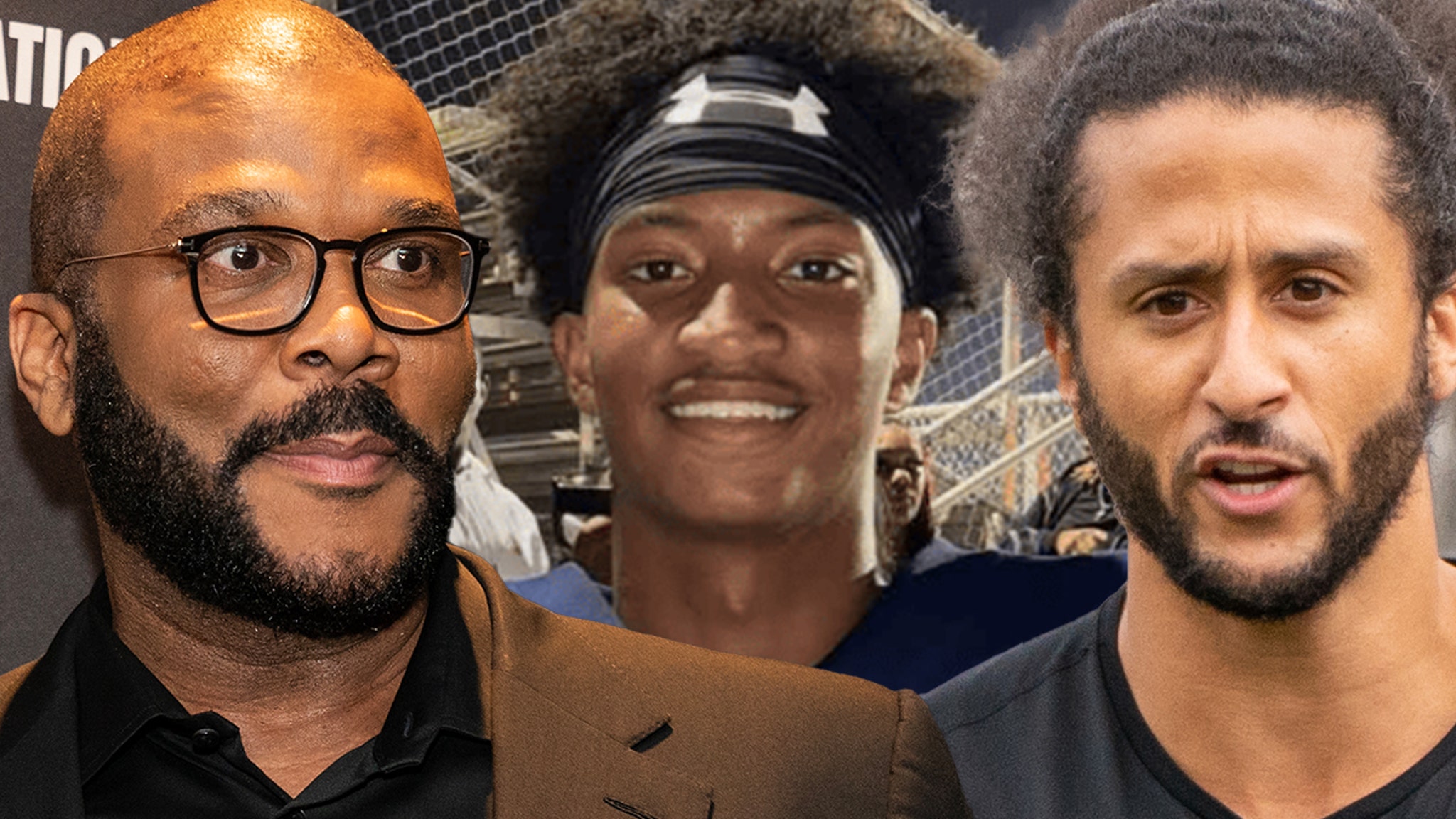
Tyler Perry and Colin Kaepernick Paying For Nolan Wells’ Funeral, Independent Autopsy

Tyler Perry and Colin Kaepernick Paying For Nolan Wells’ Funeral, Independent Autopsy

Tyler Perry and Colin Kaepernick Paying For Nolan Wells Funeral, Autopsy Published July 10, 2026 1:10 PM PDT Tyler Perry and Colin Kaepernick are stepping up to cover two huge expenses for Nolan Wells' family

Entertainment
Looksmaxxer Connor Murphy Was Injecting Liquid Gold Before Death, Friend Claims

Looksmaxxer Connor Murphy Was Injecting Liquid Gold Before Death, Friend Claims

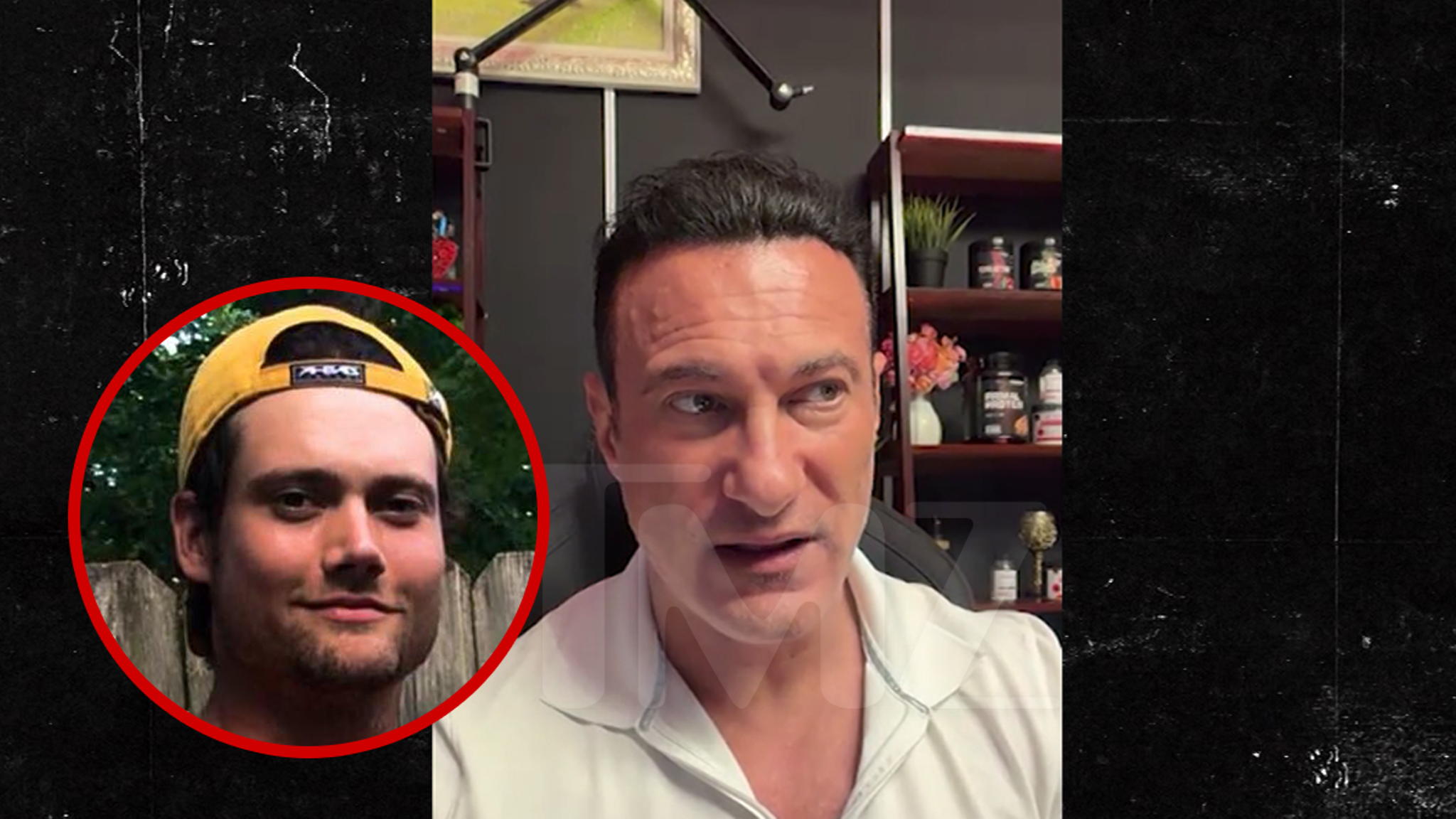
Looksmaxxer Connor Murphy Injecting Liquid Gold Before Death ... Friends' Shocking Claim Published July 10, 2026 12:27 PM PDT Play video content Looksmaxxer Connor Murphy was injecting liquid gold into his body before his death,

World
Pakistan PM Sharif urges Iran president to preserve ‘hard-earned’ peace

Pakistan PM Sharif urges Iran president to preserve ‘hard-earned’ peace

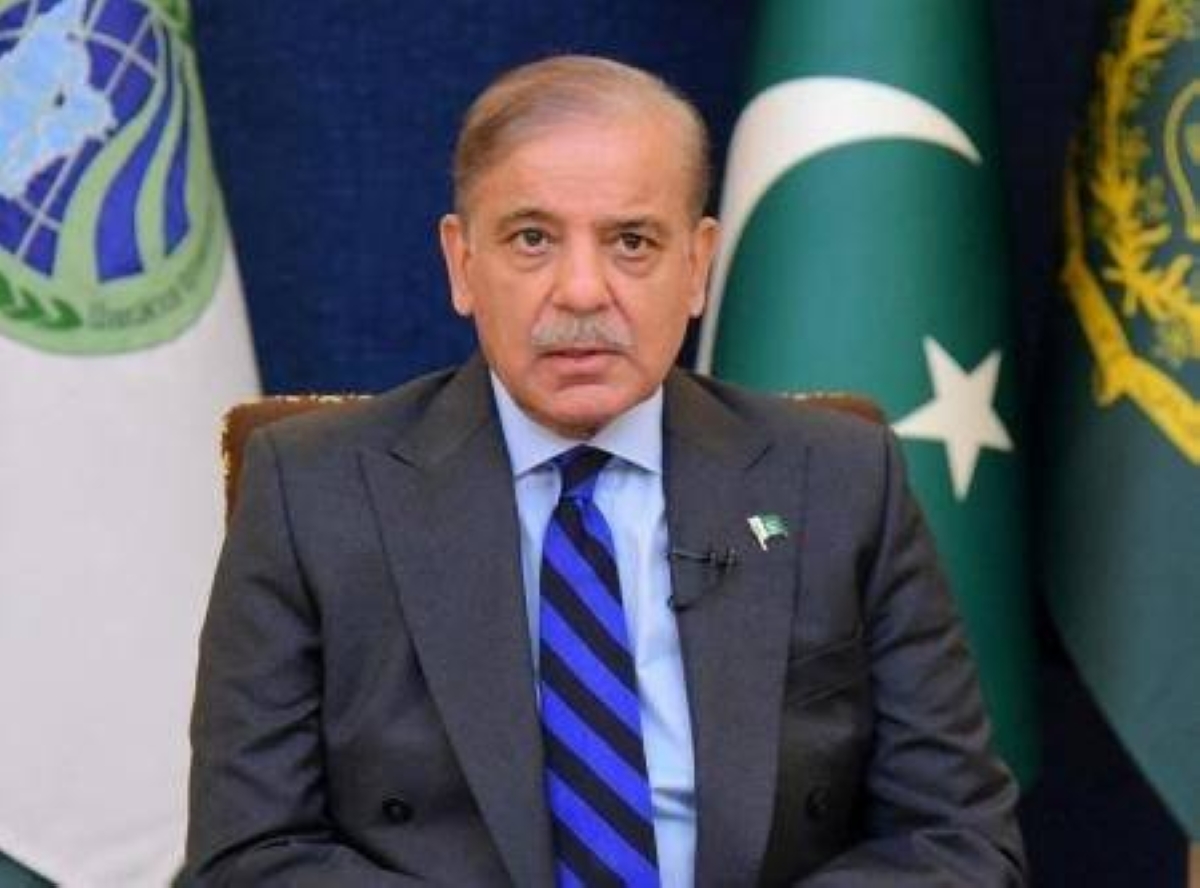
Prime Minister Shehbaz Sharif of Middle East conflict negotiator Pakistan on Friday urged Iran's president to safeguard the "hard-earned peace" after Tehran and Washington exchanged strikes this week."We discussed the evolving regional situation and underscored the imperative of restraint, dialogue and diplomacy to safeguard the hard-earned peace gains of recent months," Sharif posted on X of his conversation with Iranian President Masoud Pezeshkian.Sharif added that Pakistan remained ready to continue "as an honest and sincere mediator for lasting regional peace."

Lifestyle
UAE’s longevity sector is estimated to reach $32 billion …

UAE’s longevity sector is estimated to reach $32 billion …

Gulf Today, Staff ReporterDubai: The UAE's longevity sector is estimated to reach $ 32 billion by the end of 2026, accelerated by the establishment of the Dubai Longevity Authority under Law No. (17) of 2026.As

Sports
Djokovic expects to be back at Wimbledon next year

Djokovic expects to be back at Wimbledon next year

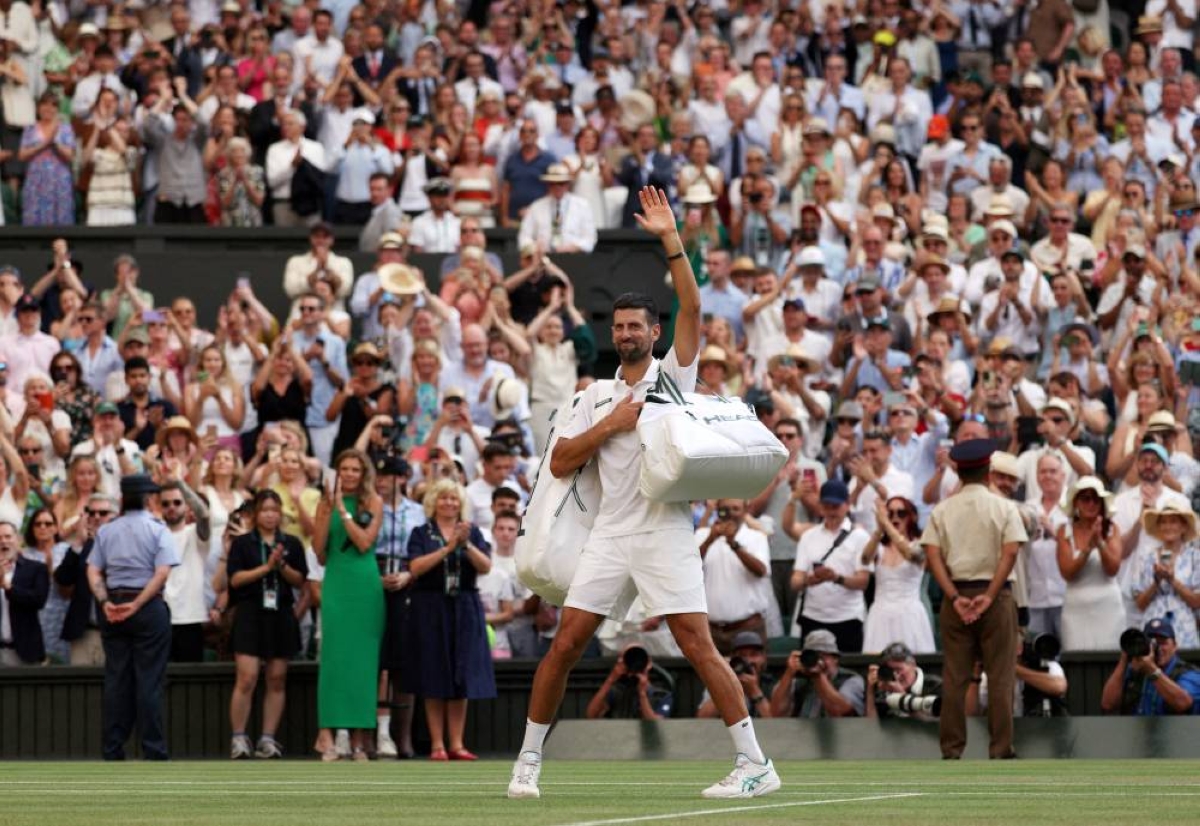
Novak Djokovic said he expects to play Wimbledon 'at least one more time' after the Serb's bid for an eighth All England Club title was shattered by Jannik Sinner in the semi-finals on Friday.Djokovic, who will be 40 by the time Wimbledon starts next year, is still chasing a record-breaking 25th Grand Slam triumph.He suffered a 6-4, 6-4, 6-4 loss to world number one Sinner on Centre Court as he missed out on an 11th Wimbledon final.'I would like to, at least one more time,' Djokovic said when asked if he would be back at the grass-court Grand Slam.Djokovic rolled back the years with an epic win over third seed Felix Auger-Aliassime in the longest Wimbledon quarter-final in history on Tuesday, but could not back up that performance against Sinner.'I'm proud of what I achieved three nights ago,' he said.'Proven to myself and others that I can still play at the highest level, and I have.'I reached the last four of Wimbledon. Losing in straight sets against the best player in the world, okay. It is what it is.'It's the reality you have to accept. But the tournament was positive in terms of the attitude on the court, the fighting spirit, the dedication.'Djokovic, who last won Wimbledon in 2022, has not clinched a major title since the 2023 US Open.He has suffered a string of near-misses in his bid to break out of a tie with Margaret Court at the top of the all-time list.Djokovic lost in the semi-finals at all four Grand Slam events last year, while he was also beaten in the 2024 Wimbledon final and this year's Australian Open final by Carlos Alcaraz.'I guess for 99 percent of the players, that would be a very good Grand Slam result,' said Djokovic, who would become the oldest Grand Slam champion in the Open era if he could win another major.'For me, it's good but not good enough, because I'm blessed and cursed to be used to something of the highest degree in terms of results and achievements.'It's kind of that internal battle really of what I've been through for the 20-plus years of my career, what the goals were always, the expectations, and trying to balance it out and really be a little more humble in that sense.'Djokovic will now turn his attentions to the American hard-court season and the US Open, where he is a four-time champion and lost to Alcaraz in the 2025 semis. 

Sports
Sinner, Zverev power into Wimbledon final

Sinner, Zverev power into Wimbledon final

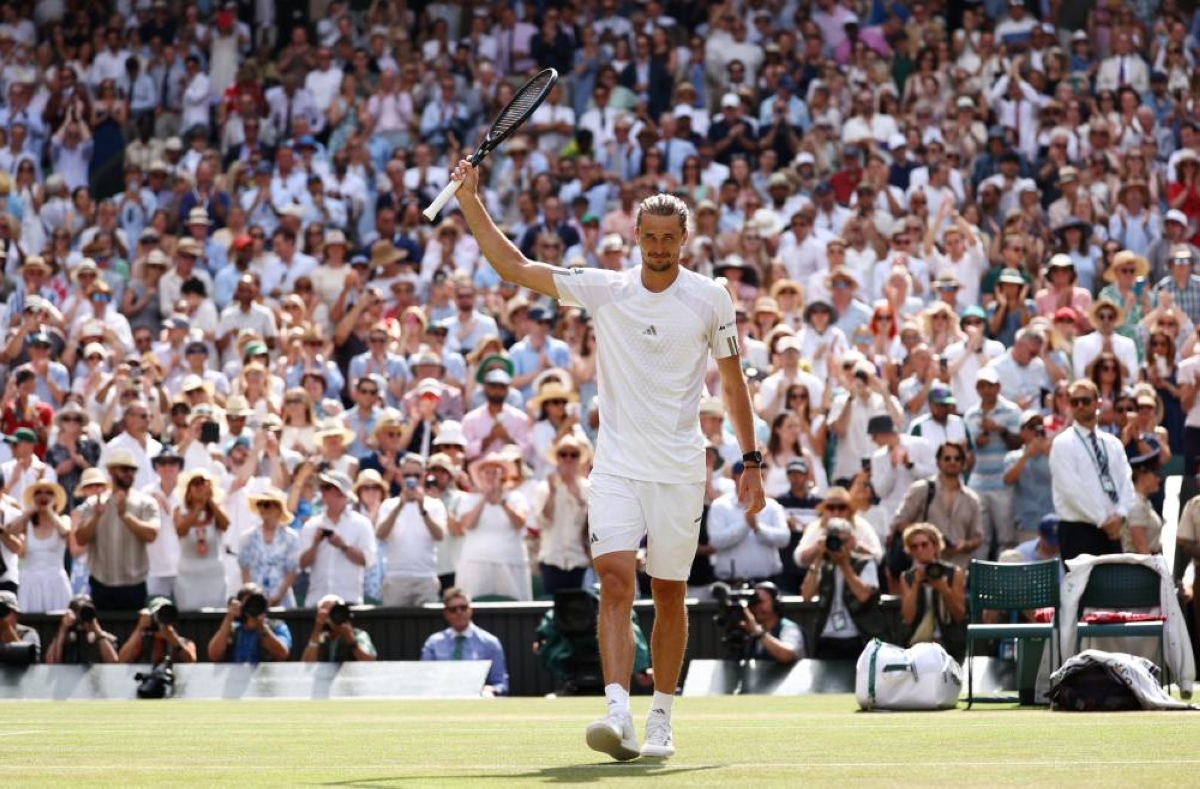
Jannik Sinner and Alexander Zverev swept into the Wimbledon final in ruthless style on Friday, leaving broken dreams in their wake as Novak Djokovic and Arthur Fery fell short in their bids to make history.Sinner is within touching distance of a second successive Wimbledon title after ending Djokovic's latest attempt to win a record 25th Grand Slam triumph with a 6-4, 6-4, 6-4 demolition of the seven-time champion.The Italian world number one will meet French Open champion Zverev in Sunday's title match following the German second seed's 7-6 (7/0), 6-2, 6-4 rout of British wildcard Fery.The Centre Court crowd hoped to witness the latest chapter in Fery's fairytale run, as well as another demonstration of the 39-year-old Djokovic's age-defying heroics.But instead they were left to applaud the brutally efficient combination of power-hitting and lethal serving that carried both Sinner and Zverev into the final.Sinner will be appearing in his second Wimbledon final as he chases a fifth Grand Slam crown, while Zverev, in search of a second major title, is through to his maiden showpiece at the All England Club.Sinner goes into the final as the firm favourite, having won his last nine meetings with Zverev, including four this year.While Sinner is on a 13-match winning streak at Wimbledon, Zverev has won his last 13 matches at Grand Slams.The Italian can notch his 100th Grand Slam match win by repeating his 2025 Australian Open final victory over Zverev."It means a lot to me to play one more final here. It's the most special tournament we have," said Sinner, who crashed out in the second round of the recent French Open. 'HAD TO RAISE MY LEVEL'Sinner, 24, will be competing in his seventh Grand Slam final and his first since losing to Carlos Alcaraz at the US Open last year.Sinner and Zverev have dropped just two sets each in this year's tournament, with the Italian coming from two sets to one down in a first-round scare against Miomir Kecmanovic."I knew mentally I had to raise my level, which I have done so I am very happy," Sinner said."I'm happy where I am, happy to be back in the final and we hope for a good final on Sunday."Zverev will be in his fifth Grand Slam final after finally shedding the unwanted tag as the most talented player of his generation never to win a major.The 29-year-old can become the seventh man in the Open era to win Roland Garros and Wimbledon back to back."Jannik has won Wimbledon last year. Again, I think the serve-return patterns are going to be very, very important," he said.Just 12 months ago, Zverev suffered an embarrassing Wimbledon first-round exit against Arthur Rinderknech.Now he is on the brink of becoming the first German man to win Wimbledon since Michael Stich in 1991.He is the first male German finalist at Wimbledon since Boris Becker in 1995.Asked if he felt liberated by his French Open final win over Flavio Cobolli, Zverev said: "Yes, one thing, for sure, once you win a major you know how to do it and you feel like you can do it again. You have this feeling inside of you."Djokovic will be 40 by the time he has another chance to draw level with Roger Federer's record eight Wimbledon titles, but he is planning to be back for another tilt."I would like to, at least one more time," he said when asked if he would return to Wimbledon next year.Djokovic's last Grand Slam title came at the 2023 US Open, since when he has lost six major semi-finals.For Fery, the frustration of failing to become the first wildcard to reach the Wimbledon final since Goran Ivanisevic in 2001 was tempered by his unbelievable run."I'm proud of how I handled the progression of the tournament and how I kept going in every match. It might have been just a step too far today," the world number 114 said.   Related Story