Opinion
Why Doha? Because the venue is its own verdict!

Why Doha? Because the venue is its own verdict!

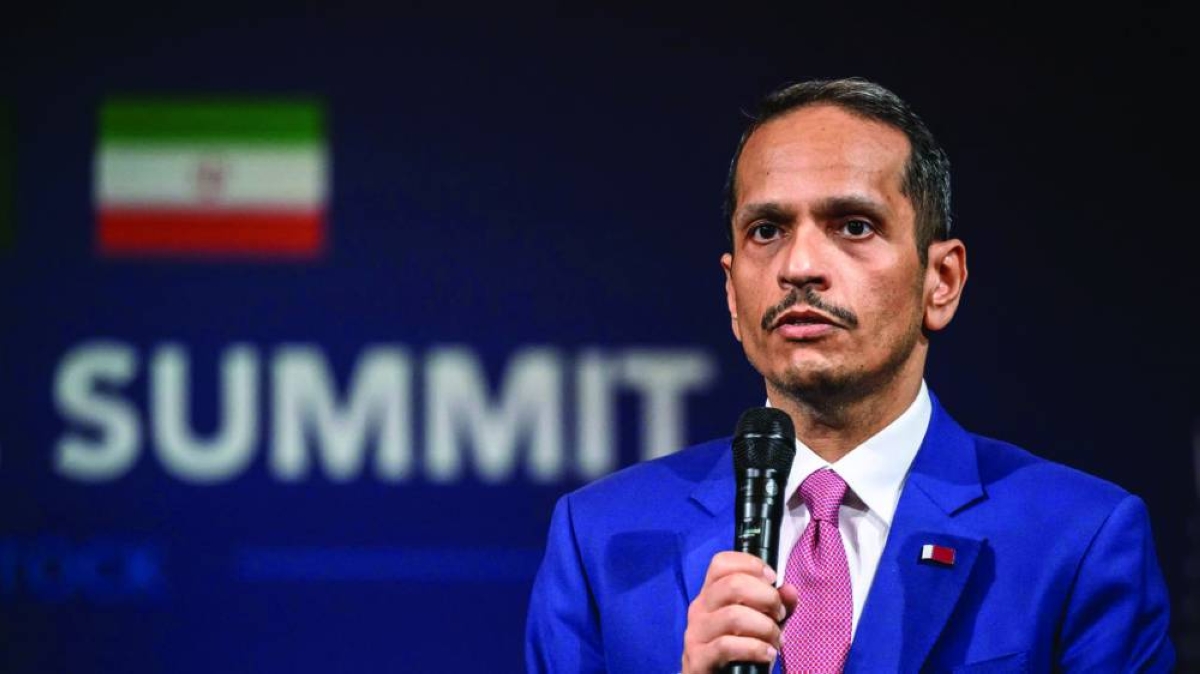
There is a particular reflex that separates the diplomat from the dealmaker, and Qatar’s prime minister displayed it twice in the same week, last week. The dealmaker announces a triumph and goes home. The top diplomat, a natural foreign minister if there is one, having signed the paper, looks up and says the labour is only now beginning. “Now the real work is actually starting,” Sheikh Mohammed bin Abdulrahman bin Jassim al-Thani told the Financial Times of the US–Iran understanding reached in Switzerland — a sentence delivered not as anti-climax but as a statement of method. It is the same instinct that ran through his earlier conversation with Al Jazeera, where he described the memorandum between Washington and Tehran less as a destination than as a “clear institutional framework,” scaffolding raised so that the talks can survive their own bad days. Read side by side, the two interviews are a small masterclass in how Doha understands the business of peace — and why, in a region that has spent the better part of two years learning the cost of escalation, that understanding has become indispensable. Begin with the texture of the thing. Most mediation is narrated to the public in the grand abstractions of “tracks” and “frameworks.” What is striking about the FT exchange is how quickly the prime minister descends from the cathedral of strategy into the plumbing. The crisis in the Strait of Hormuz, he explains, is not only a matter of mines and tankers but of mischief — of bad actors exploiting open shipping channels to impersonate authority. A vessel inching through the cleared lane might suddenly hear, over the radio, a voice claiming menace: “’Go back, we are going to fire, we are the IRGC’,” he recounts. “That’s what we are getting sometimes.” The remedy he describes is almost unglamorous in its practicality — a hotline whose entire purpose, in his words, is “to make sure that any ship that gets any type of threat is to be verified by Iran . . . and to let the ship pass safely.” This is diplomacy as defragmentation: the patient removal of the static and “disinformation” that allows a single rogue transmission to unravel a hard-won understanding. Few foreign ministers would bother to explain the wiring. That he does is a sign of a mediator who knows that wars resume not in summit halls but in the gaps between them. That same realism shapes his reading of the human factor. Asked about the risk of spoilers inside Iran, he does not pretend the danger away, nor does he weaponise it. “You will always have people who don’t like the deal, and you will have people who will try to sabotage,” he told the FT. “It happens in any kind of conflict with any party.” It is a remarkably even-handed sentence — the observation of a man who has sat across enough tables to know that every delegation contains its own internal opposition, and that the mediator’s job is to build a structure sturdy enough to absorb the inevitable attempts to break it. The Al Jazeera interview makes the design intent explicit: mechanisms, he says, have been put in place precisely so that the flare-ups over Lebanon and Hormuz that nearly derailed the opening round cannot do so again. Qatar’s “core message,” as he frames it, is that it has “strived to establish a framework that protects this negotiation process.” The verb matters. Not win. Protect. It would be easy, given the stakes, to forget that Qatar is also a casualty here — and the dignity with which Sheikh Mohammed carries that fact is its own quiet argument. The country’s Ras Laffan complex, the beating heart of the world’s second-largest LNG export machine, was struck twice; repairs to the worst-hit facility, he acknowledges, could run to five years, and the long-planned expansion of the North Field has slipped. A lesser interlocutor might have let grievance colour the diplomacy. Instead, he keeps the ledger sober and forward-looking. Production will return “within a few weeks, except the damaged facility,” he tells the FT; the tankers are already being readied; QatarEnergy will lift force majeure only “once the company sees they have addressed all the issues, and it’s safe to operate.” There is no triumphalism and no self-pity — only the unhurried confidence of a state that intends to be supplying the world long after the current crisis is a footnote. And it is the world, not merely Qatar, that he keeps in frame. One of the most useful passages in either interview is his warning that the war’s economic aftershocks have not yet fully arrived. “We stopped the damage from escalating and expanding,” he told the FT, “but the impact of that damage will also take some time to appear. We will see the consequences coming in September, October.” From the country that supplies the planet with the largest share of its helium — the gas without which MRI scanners fall silent — and a commanding share of its urea, this is not parochial accounting. It is a reminder that a strait closed in the Gulf is felt in a hospital in Lyon and a wheat field in the Punjab, and that Qatar’s interest in reopening it is continuous with everyone else’s. On the questions where moral clarity is required, he does not flinch, and he is careful to keep that clarity from curdling into belligerence. He calls Israel’s conduct in Lebanon “disproportionate” and accuses its government, in the FT’s telling, of “escalating the conflicts instead of de-escalating.” To Al Jazeera he is sharper still, pointing to the hundred dead in three days while a ceasefire was nominally in force, and insisting on an end to the occupation of Lebanese territory and respect for Lebanese sovereignty. Yet even here the destination is not denunciation but de-escalation: a dedicated working group for Lebanon, a verification mechanism stitched together from the Lebanese government, US Central Command, Iran and the mediators. The criticism is in service of the architecture, not a substitute for it. What elevates the whole performance from crisis management to statecraft is the horizon behind it. In both interviews the prime minister insists that the nuclear file is only one room in a much larger house — that the real prize is “this regional security framework between us and Iran,” as he put it to the FT, one that might in time carry “economic co-operation in the future between all of us — to bring the region back to stability.” He situates the entire effort within the priority set by His Highness the Amir Sheikh Tamim bin Hamad al-Thani and his fellow leaders: to extinguish the flames and reach calm. And he refuses to let the moment pass without naming the wound beneath all the others, telling Al Jazeera that complete stability is unattainable without “a just and comprehensive solution to the Palestinian issue” — a Palestinian state standing sovereign beside a region in which, as he envisions it, Israel too has a settled place. This is the connoisseur’s pleasure of these two interviews: they reveal a foreign policy that is patient where others are theatrical, granular where others are grandiose, and generous where it could so easily be aggrieved. Doha has spent a decade making itself the room where adversaries who cannot stand to share a building will nonetheless agree to share a city. The Hormuz hotline, the Lebanon working group, the Pakistani co-mediation, the careful sequencing of nuclear talks and regional security — all of it bears the same workmanlike signature. And as if to underline the point, the proof is arriving on schedule. The technical talks between the United States and Iran, once slated for Switzerland, are now reported by Axios to be convening in Doha. The venue is its own verdict. When the negotiators want somewhere the work will actually get done, they keep choosing the same address. The writer is Deputy Managing Editor, Gulf Times Related Story

Opinion
Qatar makes the case for holiday that is closer to home

Qatar makes the case for holiday that is closer to home

There is a quiet confidence in the numbers, and it is worth pausing over. Qatar welcomed 1.13mn visitors in the first quarter of 2026 — and as the summer holidays settle in, the country is bracing not for a lull but for a fresh wave. After a spring shadowed by regional tension and stubbornly high airfares, that is no small thing. It is the sound of a sector finding its feet again. The headwinds have been real. International arrivals dipped sharply in March, a reminder that tourism remains tethered to the mood of the wider region. But Qatar has been here before, and recovered before — rebuilding momentum after the pandemic, then turning a World Cup into a lasting calling card. The instinct now is not to wait anxiously for confidence to return, but to manufacture reasons for people to come, and to stay. Hence the season’s quiet pivot inward. Where once the summer meant airports and departure boards, more families this year are discovering that the holiday can begin at home. The maths is persuasive — a domestic break can cost more than 50% less than one abroad — but the appeal runs deeper than the wallet. With more than 10 beaches, from open natural stretches to fully integrated beachfront resorts, alongside nature reserves, historic forts, parks and the new draw of attractions such as Meryal Waterpark, the country has quietly assembled a holiday it no longer needs to import. Visit Qatar’s “Hello Summer” campaign, running from May to the end of September, is the engine of this push: the Qatar Toy Festival, concerts, mall activations, theme parks and water attractions, much of it pitched squarely at families with children. The aim, refreshingly, is to break the tired assumption that a Gulf summer is something merely to be endured. It is being reimagined as a season to be enjoyed. The foundations are sturdier than a single quarter suggests. Qatar drew 5.1mn international visitors across 2025, up 3.7% on the year, with hotel room nights surpassing 10.8mn and occupancy climbing to 71%. Hotel capacity has more than doubled since 2015, and the country now counts over 40,000 keys. The Q1 spread tells its own reassuring story: Gulf visitors led with 36% of arrivals, Europeans followed at nearly 27%, and travellers from Asia and Oceania made up another 21% — proof that the appeal is broad, not narrow, and that no single market carries the weight alone. What the experts call the “tourism square” — anchored by Hamad International Airport, linking Doha to more than 190 destinations across 35-plus airlines, and Qatar Airways with its 160-plus destinations and 140-plus daily flights — keeps the doors open to the world even when the world hesitates to travel. Crowned GCC Tourism Capital for 2026, Doha has earned its standing the unglamorous way: through clean arrivals, easy movement around a compact city, and the patient work of making visitors feel at home. Gulf families, who make up the largest share of arrivals, sense that hospitality instinctively. Europeans, the second-largest group, are increasingly drawn by the same. Ambition has not dimmed either. The QR20bn Simaisma coastal destination and the National Tourism Strategy 2030 point to a country building for the long horizon, not merely the next quarter. For now, the message is gentler and closer to hand. The world will return — it always does. And while it makes up its mind, Qatar is offering its own people a summer worth staying for.

World
Trump readies first flight on Qatar-gifted jet this week

Trump readies first flight on Qatar-gifted jet this week

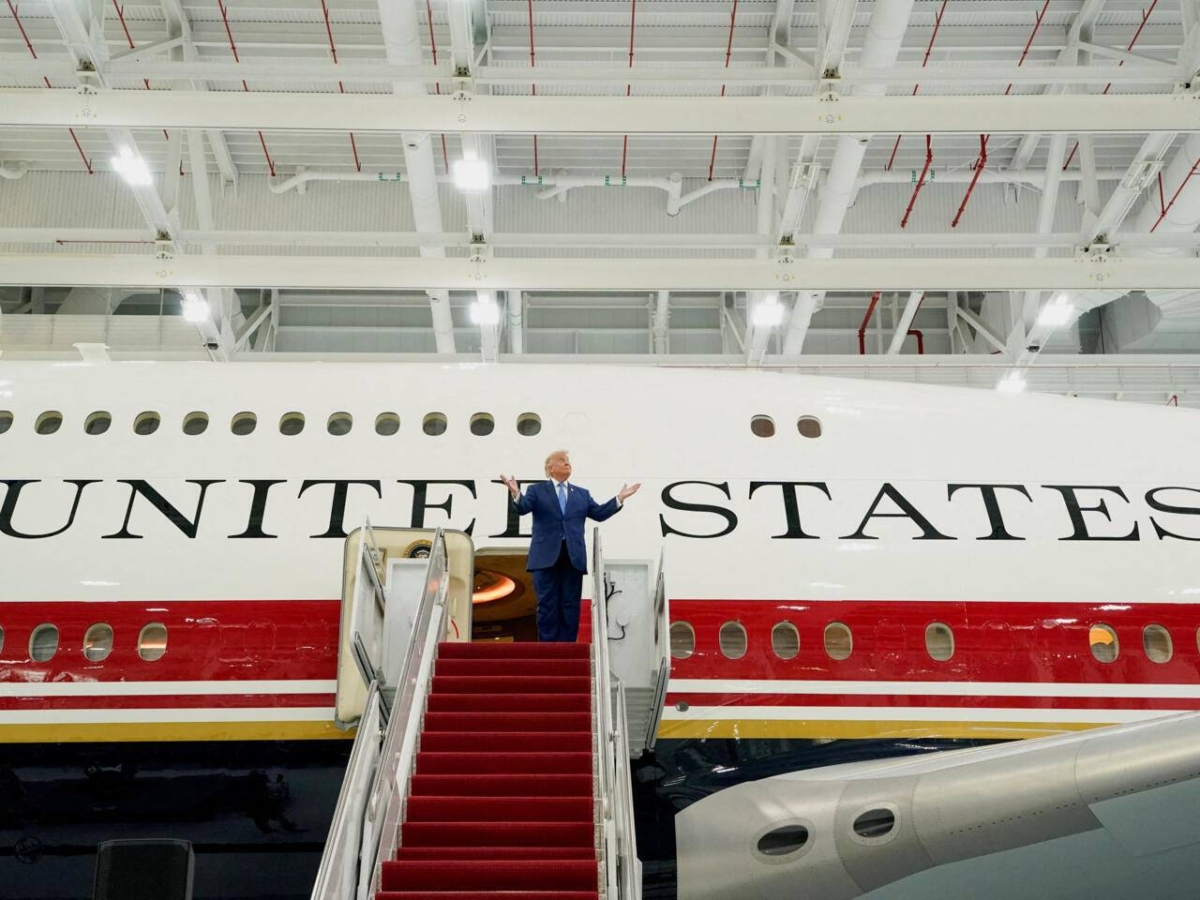
US President Donald Trump will make his first flight on a new Air Force One plane gifted by Qatar later this week, the White House said Monday.Trump will take the jet Wednesday to North Dakota for an event marking the 250th anniversary of US independence, a White House official told AFP.As he unveiled the plane earlier this month, Trump praised Qatar for being "so nice and providing" the modified Boeing 747, which previously served Qatari leadership.Billionaire Trump has been keen since his first term to replace the aging jets that serve as Air Force One, and he hand-picked the new plane's red, white and blue livery.Trump's administration has said the plane is a direct gift to the US Department of Defense and said the plane would eventually be donated to Trump's presidential library.The Qatari-gifted plane is meant to be a stopgap until US planemaker Boeing delivers two new 747-8 aircraft to serve as the presidential jet in a program plagued by delays and cost overruns.  Related Story

News
Israeli forces kill 15-year-old Palestinian in West Bank

Israeli forces kill 15-year-old Palestinian in West Bank

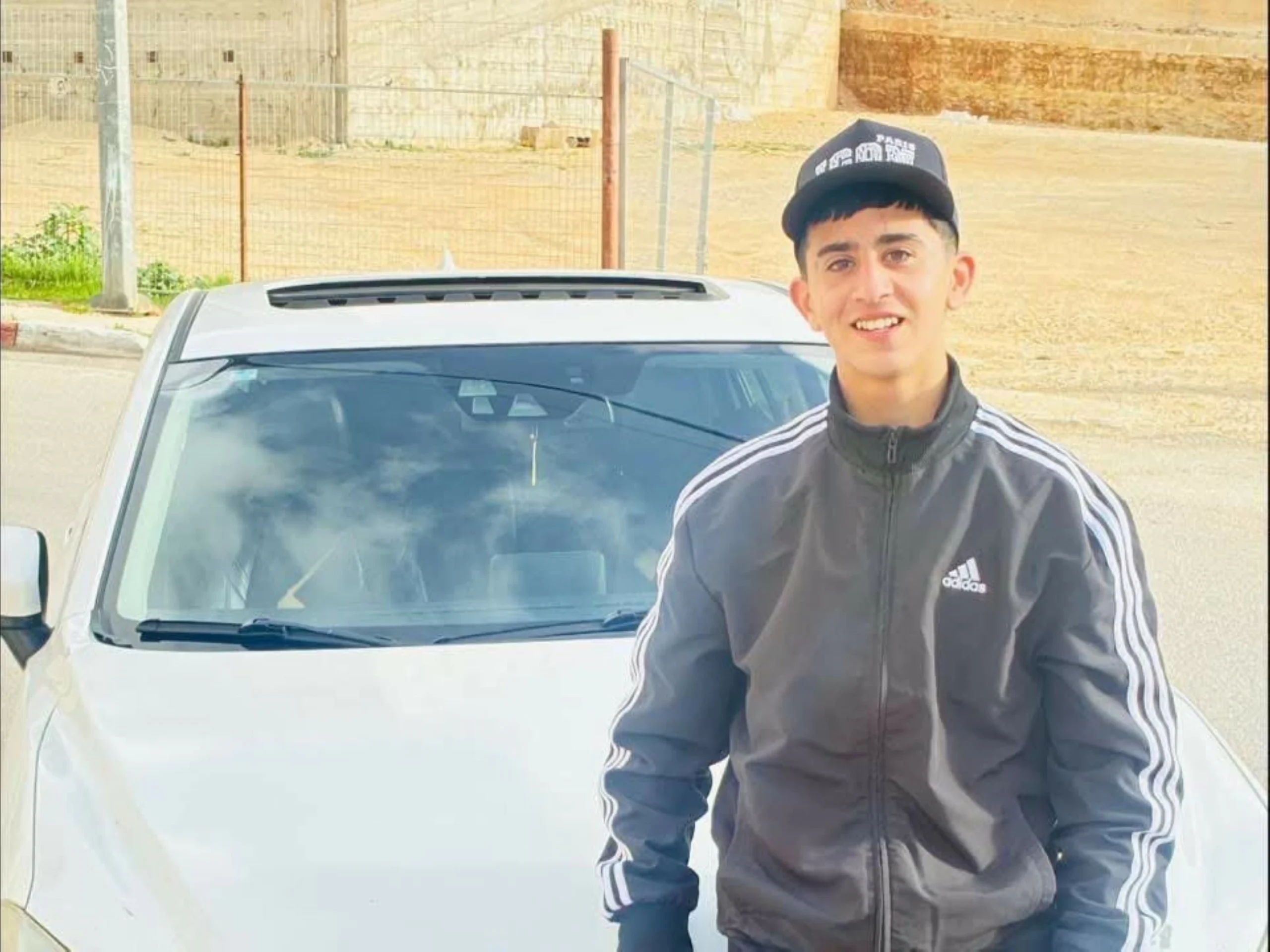
Israeli forces fatally shot a 15-year-old Palestinian teenager during a raid in the occupied West Bank on Monday, the Palestinian health ministry said, as violence surges in the Israeli-occupied territory."The child Amir Ahmad Jawad Jaber,

Sports
Martinelli scores in 95th minute to send Brazil into World Cup last 16

Martinelli scores in 95th minute to send Brazil into World Cup last 16

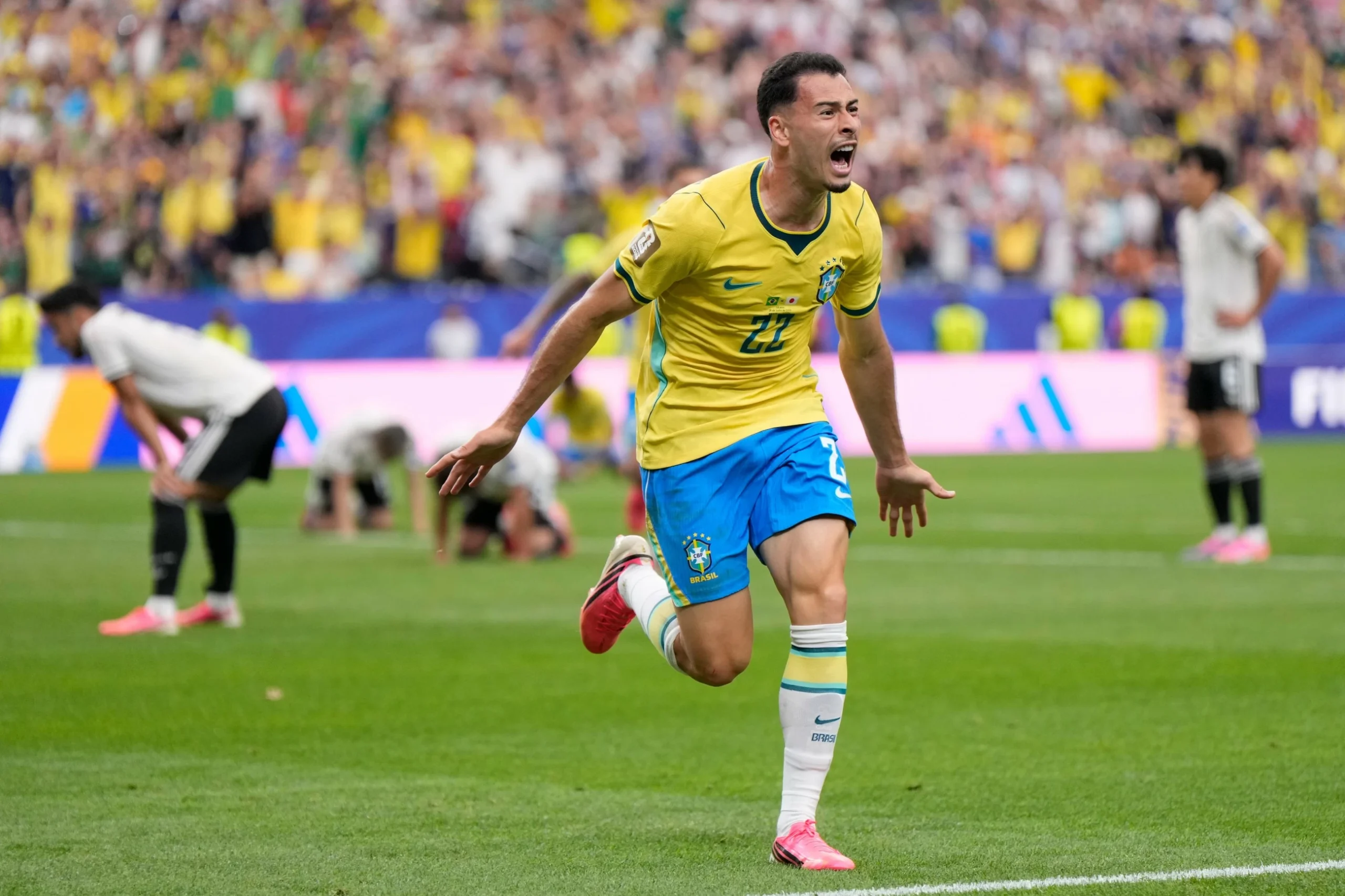
Substitute Gabriel Martinelli scored deep in injury time as Brazil beat a stubborn Japan 2-1 on Monday to roll into the World Cup last 16.Arsenal winger Martinelli struck in the 95th minute in Houston to

News
UAE allows its citizens to visit Lebanon with Twajudi service

UAE allows its citizens to visit Lebanon with Twajudi service

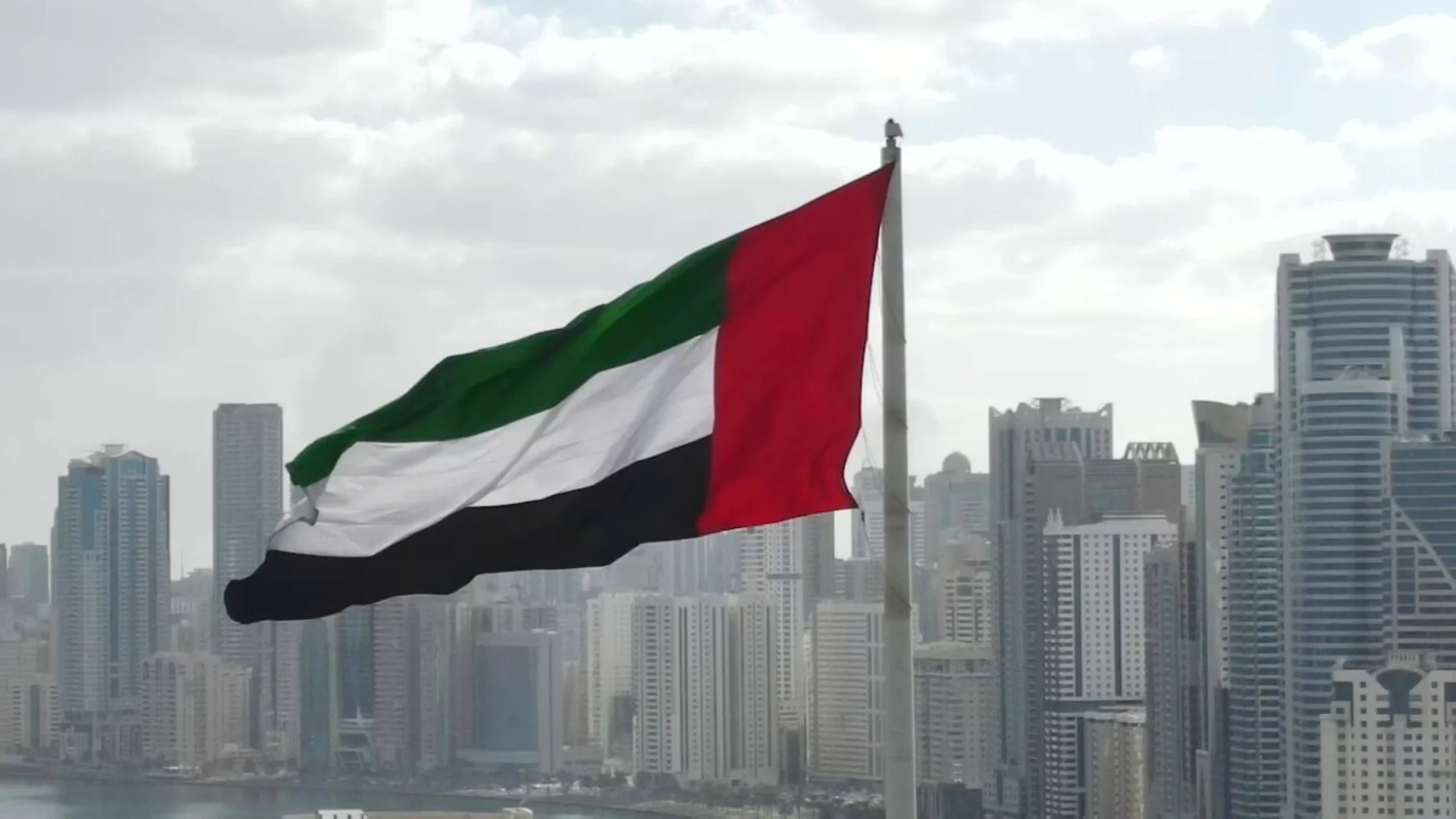
The UAE has said its nationals can travel to Lebanon, effective on Monday, lifting a weeks-long ban in place because of the Middle East war and concerns about Iran's influence.The Ministry of Foreign Affairs (MoFA)

Sports
Injured Draper follows Raducanu out of Wimbledon as British losses mount

Injured Draper follows Raducanu out of Wimbledon as British losses mount

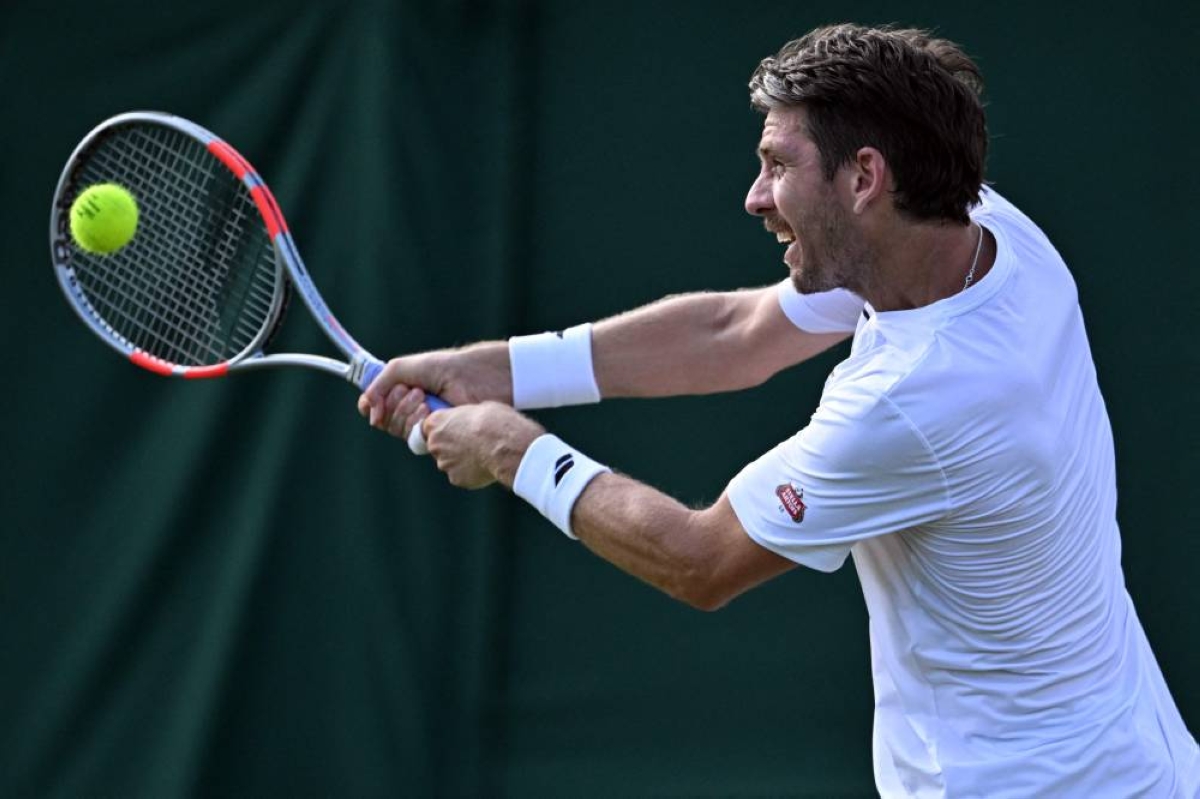
* Draper and Raducanu both withdraw injured* Departures leave draw without top British attractions* First day of play sees a string of home defeats* British number one Norrie beaten by qualifier Zheng   Cameron Norrie joined a ‌string of beaten Brits heading for the exit on the opening day of Wimbledon ​on Monday while popular hopes Jack ‌Draper and Emma Raducanu were gone without lifting a racket or hitting a ‌ball.Norrie, the 26th seed ⁠and British number one, ‌was dumped out 7-6(7) 2-6 7-6(2) 3-6 6-7(4-10) ‌by American qualifier Michael Zheng, who had five match points in the final tiebreak and needed only ⁠one.He was the sixth home player to lose at the first hurdle on the opening day, with the possibility of several more to come and now-retired Grand Slam winner Andy Murray no longer a saviour in waiting.Former world number four Draper had earlier announced his no-show due to an arm injury while fans queuing at the gates knew already that Raducanu would not be appearing after she posted an explanatory message on social media on Sunday.'ABSOLUTE WORST' TO MISS WIMBLEDON"Devastated to share ​that I have had to withdraw from my first round match due to a recurrence of my arm injury," said Draper, 24."There have been a lot of painful moments in the last 12 months but this one is ‌definitely the absolute worst as there is ⁠no greater honour for ​a British player than playing at Wimbledon."Draper, who had been due to play big-serving ​American world number seven Taylor Fritz in his first round match on Tuesday, was replaced in the draw by Serbian lucky loser Dusan Lajovic.The Briton had told reporters on Sunday that the number of injuries in men's tennis was a concern and tournaments would suffer if something was not done about it.Former U.S. Open champion Raducanu, 23, announced her withdrawal on Sunday as a result of a stress fracture in her lower right leg.The British women's number one had been scheduled to face Croatia's Antonia Ruzic on Court One, a slot that went instead to compatriot Harriet Dart vs Latvian Jelena Ostapenko.As the afternoon sun warmed the manicured grass of southwest London, the ‌familiar exodus of British talent was well ‌under way as a string of ⁠home hopes - some pluckier than others - came and went.Dart was among them - putting up a brave fight over ⁠2-1/2 hours before going down 6-3 3-6 ⁠6-4 to the 2017 French Open champion who served more double faults than aces in the first set and was no crowd favourite.SCOWLS FROM OSTAPENKO"I'm probably not the one who you wanted to win but anyway thank you, it was a really nice atmosphere," said Ostapenko, whose scowls and grimaces during the match were replaced with smiles of relief after having to work for every point."Sorry if I was a little ​bit emotional but I feel like first rounds are always tough, especially when you play someone who is from here," she added."When I play somebody local or just somebody that the crowd is supporting I feel like I'm angry inside ... I mean, this is a very good crowd for her but I feel like to prove that you guys should support me in the next match."Other early British casualties were 17-year-old Mika Stojsavljevic, who lost 6-2 6-1 to Swiss 11th seed and 2025 semi-finalist Belinda Bencic, and Max Basing who went out 6-3 6-0 6-0 to Japanese fellow qualifier Shintaro Mochizuki.Wildcard Felix Gill also ‌departed 6-3 6-3 7-5 ​to 19-year-old Spanish debutant Rafa Jodar, the 23rd seed, while wildcard Alicia Dudeney lost 6-3 6-3 to American Alycia Parks on Court Four.  Related Story

Sports
'Burnt out' Stokes leaves England facing tricky questions

'Burnt out' Stokes leaves England facing tricky questions

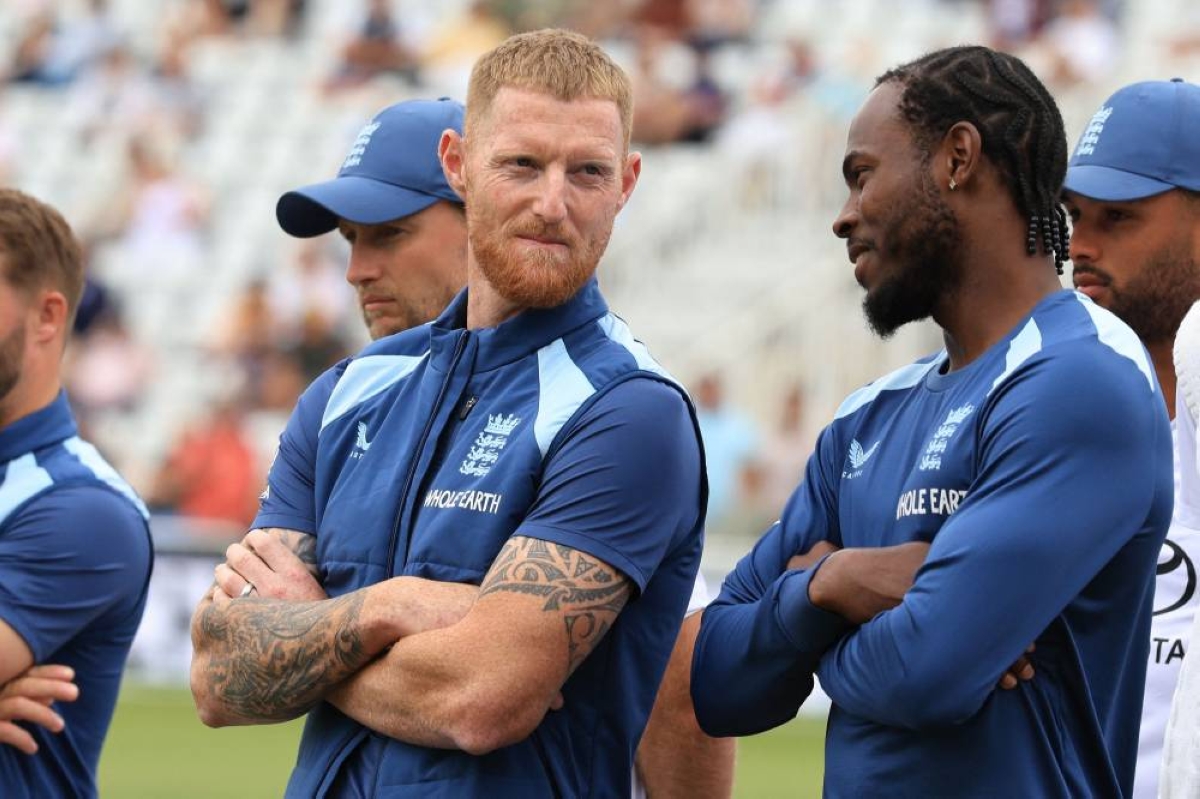
What happens next? That is the awkward question facing English cricket after Ben Stokes announced his retirement from international duty in the middle of a Test match.Stokes explained on Sunday that he felt 'burnt out' after four years as England's Test captain following an extraordinary day of drama in the third match of the series against New Zealand at Trent Bridge.Replacing him in the England set-up, both as captain or as a match-winning all-rounder, is going to be all but impossible.The announcement of the impending end of Stokes' England career came as the 35-year-old was involved in a marathon bowling spell, with the series on the line.It was the start of a scarcely credible sequence of events.The crowd in Nottingham gave Stokes a standing ovation before the skipper took a wicket with his next delivery -- a stark example of his ability to impact a game by sheer force of will as well as skill. MITCHELL'S GUTSY CENTURYDespite his heroics, the visitors were able to set England a stiff victory target of 373 after Daryl Mitchell's gutsy century.Stokes later promoted himself to open England's innings even though he is normally a middle-order batsman. He blazed his way to a tempestuous 30 off 20 balls, including two sixes, before he holed out -- showing little of the calculated risk-taking that underpinned some of his greatest innings.Stokes, who walked off to more applause, had played his last on-field role in an international career spanning 15 years.At stumps England had slumped to 103-4, facing defeat and a 2-1 series loss on Monday. The timing of the captain's announcement and his decision to promote himself to the top of the order, left him open to accusations of self-indulgence.'DRAINING'But if the all-rounder has had enough, perhaps it is no surprise. England suffered a chastening 4-1 Ashes loss in Australia in a series that ended in January and Stokes needed major facial surgery after being hit by a ball the following month.Then came a written warning following a disciplinary incident at a London nightclub after England's win in the first Test against New Zealand, which led to his omission from the second match of the series.'I'll never begrudge any moment where I've walked this team out,' Stokes told Sky Sports after stumps. 'It's simply the greatest honour you could ever put on your shoulders as a player.'But he added: 'As good as it is, there are bits where it does get to you, it does drain you, it does affect you in a negative way.' 'POTENTIALLY BURNT MYSELF OUT'Reflecting on England's victory in the first Test at Lord's, he said: 'I put so much time and effort into it I maybe, potentially burnt myself out.'Everyone I spoke to about the day it (retirement) happens, they just say it kicks you straight in the face. And I thought a few weeks ago that it did.'As I was putting my pads on (on Saturday) getting ready to go out there, that was the last nail in the coffin.'Stokes, whose international career was interrupted by a nightclub incident in 2017 that ended with his acquittal on a charge of affray, intends to play on with his county side Durham. 'AFFECTION TOWARDS CRICKET''Being back at Durham, I found not a reconnection but a new lease of life in my affection towards cricket,' he explained. 'And then I just couldn't get that same feeling back here this week (at Trent Bridge), as much as I was trying.'England looked a badly imbalanced team in the second Test at the Oval, with his predecessor as England captain Joe Root leading the side to a heavy defeat.Harry Brook is the official vice-captain but was left in the ranks after his altercation with a nightclub bouncer in New Zealand ahead of the Ashes -- an incident that led to the imposition of the curfew Stokes breached in London.Brook on Sunday tried to follow his skipper's lead with the attacking Bazball batting that has been a hallmark of England's style since Stokes and coach Brendon McCullum teamed up in 2022.He flayed his first ball for six and holed out off his ninth, prompting former England skipper Michael Atherton to write in The Times: 'He is not the Test captain in waiting.'But then, who is?  

Tech
OpenAI limits Sol launch amid cyber risks — Arabian Post

OpenAI limits Sol launch amid cyber risks — Arabian Post

OpenAI has begun a tightly controlled preview of GPT-5.6 Sol, a new flagship artificial intelligence model with stronger cybersecurity, coding and scientific capabilities, restricting access to vetted partners while it works with US authorities on

Sports
US men’s team to play in LA Games but women set to miss home Olympics

US men’s team to play in LA Games but women set to miss home Olympics

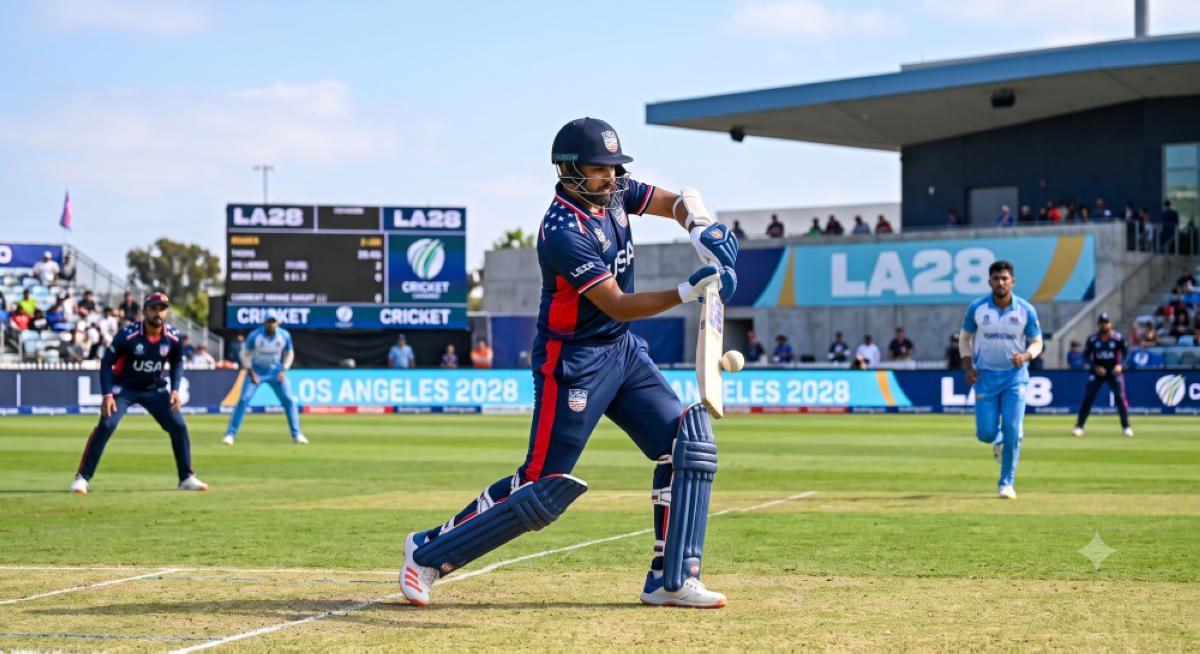
* US women's team set to miss home Olympics due to poor rankings * Regional tournament to pick which island country represents West Indies in global qualifier * ‌Australia vie with New Zealand for Oceania spot in ​men's T20  Reigning world champions India, Britain, South ‌Africa and ⁠hosts United States ‌are set to feature in ‌the men's Twenty20 competition when cricket returns to the Olympics at ⁠the 2028 Games in Los Angeles following a qualification pathway approved by the International Olympic Committee (IOC). One team each from Asia, Europe, Africa, and Oceania will be picked based on the International Cricket Council (ICC) rankings at a cut-off date on December 31, 2026, according to a decision approved by the executive board ​of the IOC.Australia and New Zealand will vie for the one spot from Oceania, while the US will carry the flag for the Americas ‌provided it does not ⁠slip out of ​top 15 in the ICC rankings. The sixth team ​will come from a global qualifier featuring the next eight highest-ranked teams, who have not yet qualified. The mix will include West Indies - a composite ICC member representing multiple Caribbean nations but not recognised as National Olympic Committee by the IOC. "If the West Indies is ranked among the eight highest-ranked teams not yet qualified, the ICC shall organise a West Indies Nations Regional Tournament to determine which NOC will represent ‌the region at the final ‌global Olympic qualification tournament," ⁠the IOC said in a statement on Monday. They will then ⁠join seven other teams - ⁠the highest-ranked sides not already qualified - in a global qualifier with the winner completing the six-team competition at Los Angeles. England's ranking has been used to select Britain.The women's competition will also feature six teams. Australia, Britain, South Africa and India have secured spots by ​virtue of being the four best-performing continental teams in the ongoing World Cup. Neither the US nor any team from the Americas features in the ICC's top 15. After the Champions Trophy next year, the unused host country's place will be awarded to the highest-ranked T20 team outside the four who have already qualified.As in the men's pathway, the Caribbean winner will enter an eight-team ‌global qualifier, with ​the winner claiming the final spot for LA 2028.  Related Story