World
Families of Pakistani hostages held by Somali pirates call for their rescue

Families of Pakistani hostages held by Somali pirates call for their rescue

Families of Pakistan's crew members of an oil tanker seized by pirates in Somalia demonstrate during a protest near Karachi Port Trust (KPT) in Karachi yesterday, urging the government to ensure the safe return of

World
No need for China’s help on Iran: Trump

No need for China’s help on Iran: Trump

US President Donald Trump has said he does not expect to need China’s help to end the war in Iran ‌and ease Tehran’s firm grip over the Strait of Hormuz, in remarks made before he arrived in Beijing yesterday for a summit with Chinese President Xi Jinping. The war is expected ‌to feature in talks between Trump and Xi over the ‌next two days, but Trump downplayed Beijing’s potential role in ending the conflict, which has choked off traffic through a key waterway that typically carries about one-fifth of the world’s oil supply. “I don’t think we need any help with Iran. We’ll win it one way or the other, peacefully or otherwise,” he told reporters in Washington before departing for China. Iran has appeared to firm up its control over the Strait of Hormuz in recent days, cutting deals with Iraq and Pakistan to ship oil and liquefied natural gas from the region, according to sources with knowledge of the matter. Iranian officials have signalled they see that control as a long-term strategic goal. An army spokesperson said supervision of the waterway could generate revenue amounting to twice Iran’s oil income, while strengthening its foreign ​policy leverage. “After this war ends, there will be no place for retreat,” the spokesperson said, according to comments carried by ISNA news agency. More than one month after a tenuous ceasefire took effect, US and Iranian demands to end the war remain far apart. Washington has called for Tehran to scrap its nuclear ‌programme and lift its hold on the strait, while Iran has demanded compensation for war damage, an end to the US blockade and a halt to fighting on all fronts, including in ​Lebanon, where Israel is battling Iran-backed Hezbollah. Trump has dismissed those positions as “garbage.” The Trump administration said on Tuesday that senior US and Chinese officials had agreed last month that no country should be able to charge tolls on traffic through the region, in an effort to project consensus on the issue ahead of the summit. China, a major buyer of Iranian oil that maintains close ties with Tehran, did not dispute that account. On Wednesday, a Chinese supertanker carrying 2 mn barrels of Iraqi crude sailed through the Strait of Hormuz, ship-tracking data showed, marking the third known passage by a Chinese oil tanker through the channel since the US and Israel launched strikes on Iran on February 28. Other countries are exploring shipping arrangements similar to Tehran’s deals with Iraq and Pakistan, sources said, potentially entrenching Tehran’s control of the waterway through which fertilisers, petrochemicals and other bulk commodities vital to ‌global supply chains normally flow. As the ‌costs of the conflict mount, Trump said Americans’ financial struggles were not a factor in his decision-making on the war. Data released on Tuesday showed that US consumer inflation accelerated in April, with the annual rate posting its largest gain in three years as food, rent and airfares rose. Asked to what extent the economic strain on Americans was motivating him to strike a deal, Trump replied: “Not even a little bit.”“I don’t think about Americans’ financial situation...,” Trump said before leaving for China. “I think about one thing: We cannot let Iran have a nuclear weapon.”The remarks are likely to draw scrutiny as cost-of-living concerns remain a top issue for voters ahead of November’s midterm elections. The conflict is weighing heavily on global energy markets. Global oil supply will fall by around 3.9 mn barrels per day across 2026 ​and undershoot demand due to disruptions caused by the Iran war, the International Energy Agency said on Wednesday, with more than 1 bn barrels of Middle East supply already lost. Brent crude futureswere steady at around $108 per barrel, after a three-day rally driven by the Hormuz deadlock. Surveys show the war is unpopular with US voters less than six months before nationwide elections. Two out of three Americans, including one in three Republicans and almost all Democrats, think Trump has not clearly explained why the country has gone to war, according to a Reuters/Ipsos poll. 

World
Bangladesh approves $2.8bn river project

Bangladesh approves $2.8bn river project

Bangladesh approved yesterday a mega river project worth $2.8bn that authorities hope would help the country address its persistent water crisis, often blamed on neighbouring India. The project highlights Dhaka’s efforts to secure water supplies for its agriculture-dependent economy, with river sharing a source of friction with New Delhi for decades. The scheme, which centres on building a 2.1-kilometre (1.3-mile) barrage on Bangladesh’s Padma river, is designed to store up to 2.9bn cubic metres of water. “At least 70mn people across one-third of the country will benefit from this project,” water resources minister Shahid Uddin Chowdhury Anee told reporters after a meeting chaired by Prime Minister Tarique Rahman.He said the project would help dry-season shortages in areas affected by reduced flows linked to India’s Farakka Barrage. Built in 1970, the Farakka Barrage, diverts a large volume of water during the dry season from the Ganges, known as the Padma when it flows into Bangladesh.India has long defended the Farakka Barrage, arguing Dhaka had not made efficient use of its own water resources.  

Opinion
Political turmoil and inflation threat vie to push up UK borrowing costs

Political turmoil and inflation threat vie to push up UK borrowing costs

Intense pressure on Prime Minister Keir Starmer is driving up British government borrowing costs — but the political uncertainty is by no means the only factor ‌making Britain’s bond yields the highest among major advanced economies. Yields on 10-year government bonds — which determine how much the government will ​pay for future borrowing — on Tuesday hit their ‌highest since 2008 at 5.13%. “There’s a lot of fear in the price with gilts,” said Gordon Shannon, a partner at ‌investment firm TwentyFour, which manages £23.5bn ($32bn) of fixed income ‌assets. Most of the potential contenders to succeed Starmer — who came ‌to power in July 2024 with a large parliamentary majority — are likely to want to borrow more, with the possible exception of health minister Wes Streeting, Shannon said. Greater Manchester mayor Andy Burnham — who would first need to be re-elected to parliament to succeed Starmer — might borrow an extra £50bn over five years — around a 12% increase on current borrowing plans — if, as he has suggested, defence spending was exempted from existing finance constraints, Shannon said. MEMORIES OF LIZ TRUSSStill weighing on British bonds’ international appeal is Liz Truss’ brief tenure as prime minister. Her attempt to slash taxes caused long-dated gilt prices to tumble and forced the Bank of England to step in to halt a firesale by pension funds as ‘bond vigilantes’ circled. Kevin Thozet, an investment committee member at the French investment manager Carmignac, said investors had charged Britain some “so-called moron premium” in the ​aftermath of the market crisis that Truss’ mini-budget unleashed, “and that could well be the kind of environment we’re heading into”. But TwentyFour’s Shannon saw no chance of a repeat of such a sharp selloff, saying British politicians who wanted to borrow more now knew they needed to trail those plans in advance and pull back if there was ‌an adverse market reaction. Britain’s 10-year gilt yields of 5.12% compare with 4.45% in the ​United States - where growth is more robust — and 3.10% in Germany — perceived as more fiscally disciplined. Since the start of the ​year, they have risen by 0.64 percentage points, more than double the increase in 10-year bond yields in the US and Germany. Rising gilt yields only affect the cost of newly issued debt, so the impact on government budget plans is not immediate. But Britain’s budget watchdog estimates that every percentage point rise in yields will cost the government an extra £15bn a year in debt interest by 2030. To meet its goal of a balanced current budget by 2029/30, it only has £24bn of leeway. UK SEEN AS MORE INFLATION-PRONEBritain’s higher borrowing costs cannot be put solely at the door of politics, said Alexandra Ivanova, a fund manager at Invesco, which holds around $500bn in bonds. “I need to remind investors of ‘Finance 101’,” she said. “You need to think what you’re getting paid for: liquidity risk premium, political risk premium, the term premium, inflation risk premium ... and in the case of gilts, I think each one of those elements tends to be higher than anywhere else.” Given ‌all these factors, UK gilts did not appear a ‌bargain, even with their higher yield, she said. Inflation risk is the easiest to grasp. The US-Israeli war with Iran has pushed up oil and natural gas prices by around 50% since the end of February. Britain relies on natural gas imports and the Bank of England forecasts that inflation — which erodes the value of bonds — could exceed 6% early next year if energy prices rise and are slow to fall. Before the conflict, it was forecasting that inflation would return to its 2% target. Inflation in the euro zone had been back to target before the conflict but it had been stickier in Britain, reflecting rises in regulated utility prices last year and higher wage growth since the Covid-19 pandemic. Financial markets now price in a rise in the benchmark BoE lending rate to 4.5% by February 2027 from 3.75% now, compared to forecasts of one or two cuts before the conflict. Many economists are ​more sceptical, however, given that the weak outlook for British growth will also curb inflation. UK GILTS MORE VOLATILE THAN OTHER SOVEREIGN BONDSA more subtle reason for higher gilt yields is the fact that British government bonds are more volatile in price than US or German debt. For much of the past 20 years, British pension funds and life insurers bought 30-year gilts to match their long-term liabilities. But companies’ shift away from defined-benefit pension schemes has ended that process. Gilt buyers are now more often foreign hedge funds, said Nicolas Trindade, senior portfolio manager at BNP Paribas Asset Management, and these are more price-sensitive and investing on much shorter time horizons. The risk of big day-to-day lurches in turn makes some investors demand a bigger yield. Some investors also blame the Bank of England’s programme of bond sales - currently running at £70bn a year - for pushing up gilt yields. Shannon thought that, over the medium ‌term, the political risk premium would narrow, but ​said it was harder to judge the other elements. But for now, political uncertainty looms large. “You need various foreign investors to be interested. And turning over prime ministers isn’t what people want to see.”

Sports
Qatar team soar to showjumping gold

Qatar team soar to showjumping gold

Qatar’s equestrian team clinched the gold medal in the team show jumping competition at the 4th Gulf Games Doha 2026, delivering a commanding performance on home soil at the Qatar Equestrian Federation’s indoor arena.The quartet of Faleh Suwaid al-Ajmi, Salman Mohammed al-Emadi, Khalid Mohammed al-Emadi and Bassem Mohammed dominated the 145cm event, which featured two rounds and a jump-off, to secure the top podium place. The UAE team claimed the silver medal through riders Mohammed Ahmed al-Owais, Abdullah Humaid al-Muhairi, Saeed Mohammed al-Mazrouei and Sheikh Ali Jassim al-Nuaimi while Kuwait secured the bronze medal with riders Yara al-Hunaidi, Annaz al-Annaz, Hussein al-Kharafi and Ali al-Kharafi. HE Sheikh Joaan bin Hamad al-Thani, President of the Olympic Council of Asia and Qatar Olympic Committee, and Chairman of the Organising Committee of the 4th GCC Games, crowned the winners. The individual show jumping competition will be held today, with riders competing at a height of 140cm in a two-round format with a jump-off. Badr bin Mohammed al-Darwish, President of the Qatar Equestrian Federation, hailed the gold medal as a significant milestone for Qatari equestrian sport, crediting the result to sustained preparation, teamwork and strong technical planning. He added that the achievement reflects the continued support for equestrian development in Qatar and the growing competitiveness of national riders on the regional stage.   Related Story

Entertainment
Celeb Hairstylist Chris Appleton Seen on Set Filming Scenes for ‘Baywatch’ Reboot

Celeb Hairstylist Chris Appleton Seen on Set Filming Scenes for ‘Baywatch’ Reboot

Celeb Hairstylist Chris Appleton From Blowouts to 'Baywatch!!!' Seen Filming Reboot Published May 13, 2026 1:45 PM PDT Chris Appleton's officially taking his talents from the glam chair to the lifeguard tower ... 'cause TMZ

Entertainment
Noah Syndergaard Addresses Alex Cooper Diss, Guess I Live Rent-Free In Her Head!

Noah Syndergaard Addresses Alex Cooper Diss, Guess I Live Rent-Free In Her Head!

Noah Syndergaard Claps Back At Alex Cooper ... Guess I Live Rent Free In Her Head!!! Published May 13, 2026 12:30 PM PDT Play video content It only took three years, but Noah Syndergaard is

News
China urges Pakistan to step up mediation in Middle East

China urges Pakistan to step up mediation in Middle East

Beijing: China’s top diplomat urged Pakistan to step up mediation efforts between Iran and the United States, and to help “properly” address the reopening of the Hormuz strait, Chinese state media said on Wednesday.Foreign Minister

Business
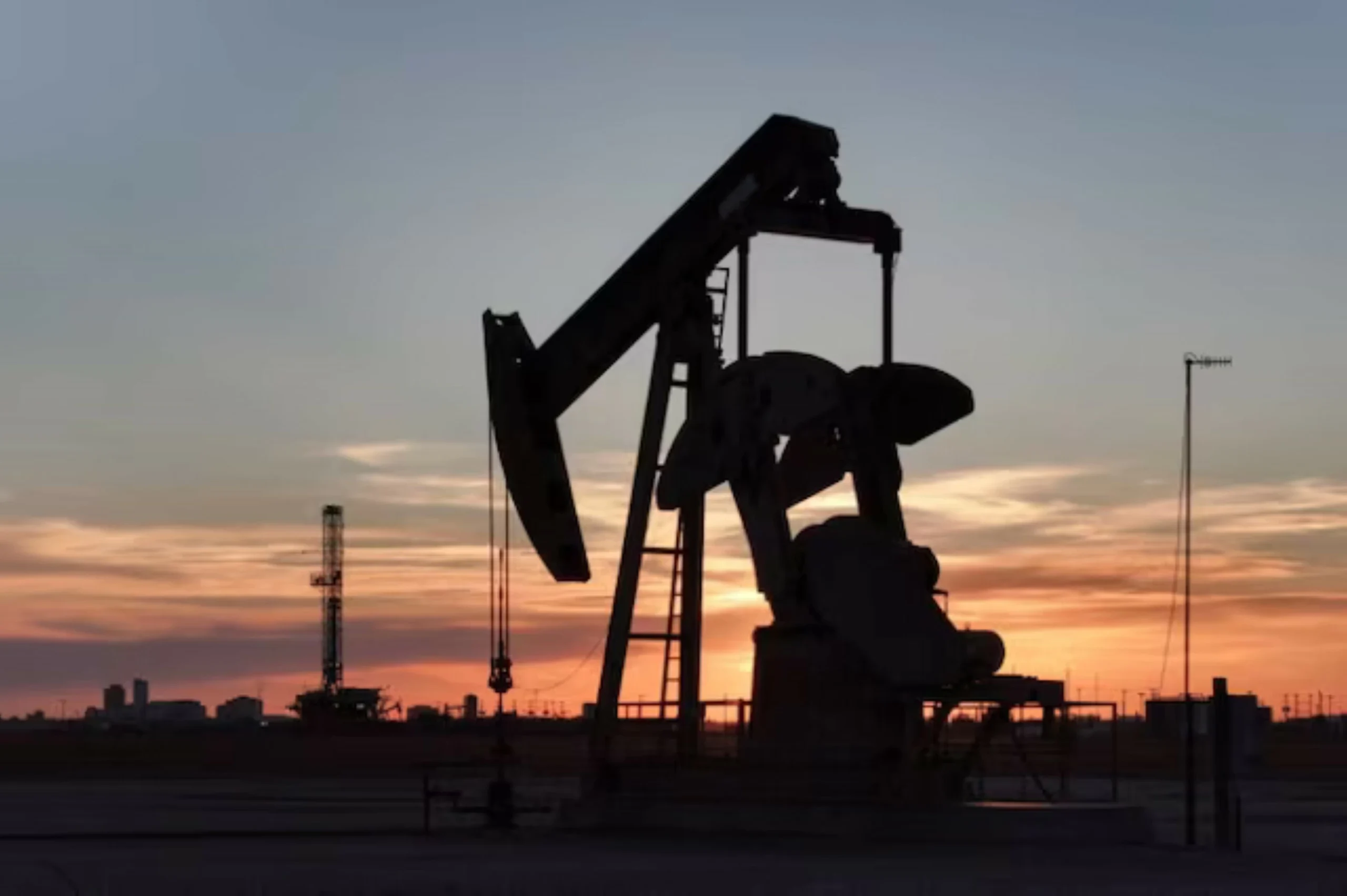
Global oil supply to plunge below demand this year due to war: IEA

Global oil supply to plunge below demand this year due to war: IEA

Global oil supply will fall short of total demand ​this year as the Iran war wreaks havoc on Middle East oil production and drains inventories at an unprecedented pace, the International Energy Agency ‌said on

Business
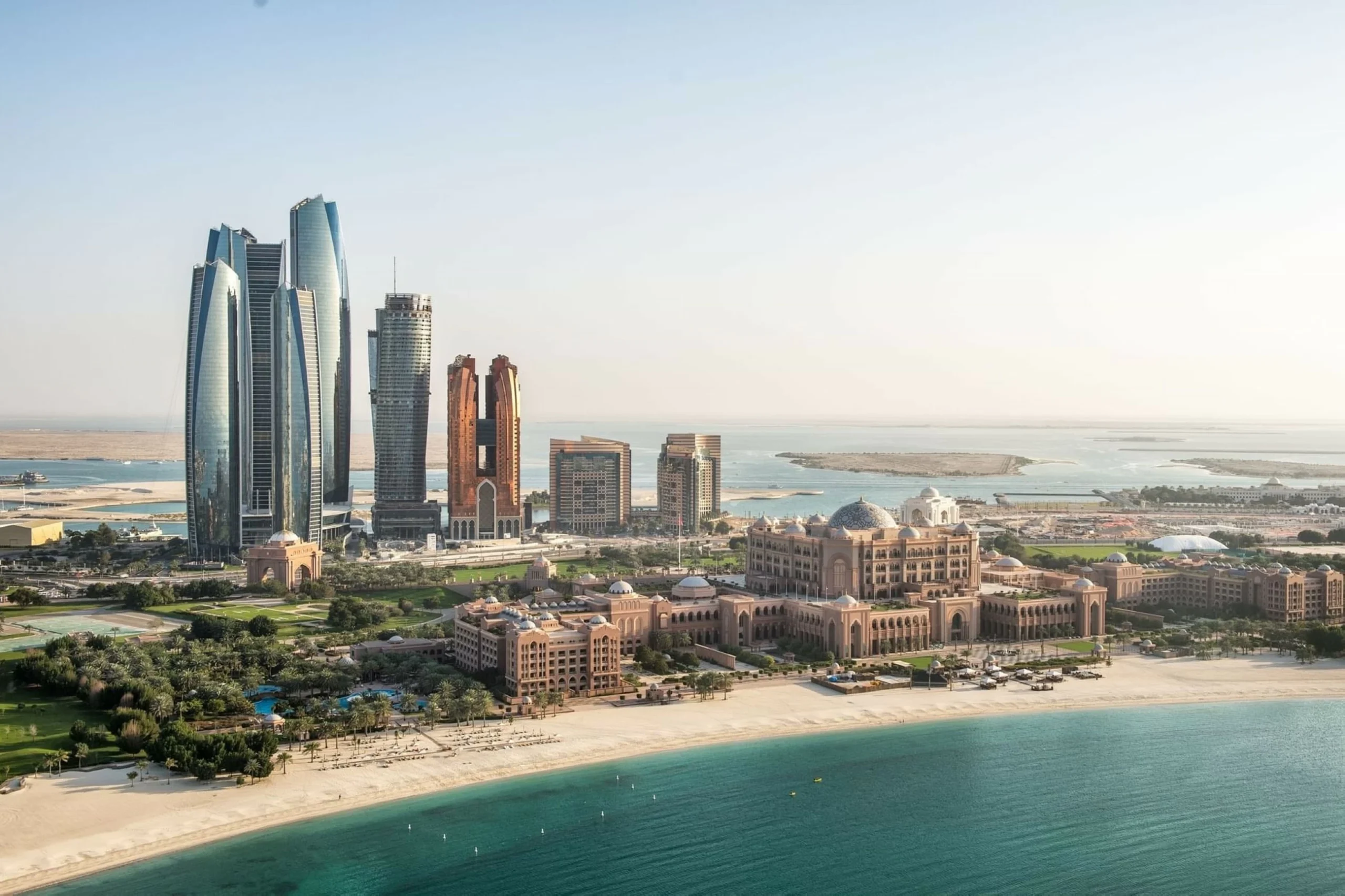
UAE and S.Korea forge strategic tech pact in AI, semiconductors

UAE and S.Korea forge strategic tech pact in AI, semiconductors

SEOUL: The Ministry of Investment has led a high-level delegation to the brotherly Republic of Korea to advance bilateral cooperation and unlock new partnership opportunities across the artificial intelligence (AI) and semiconductor value chain, reinforcing