South Korean court increases ex-first lady’s graft sentence
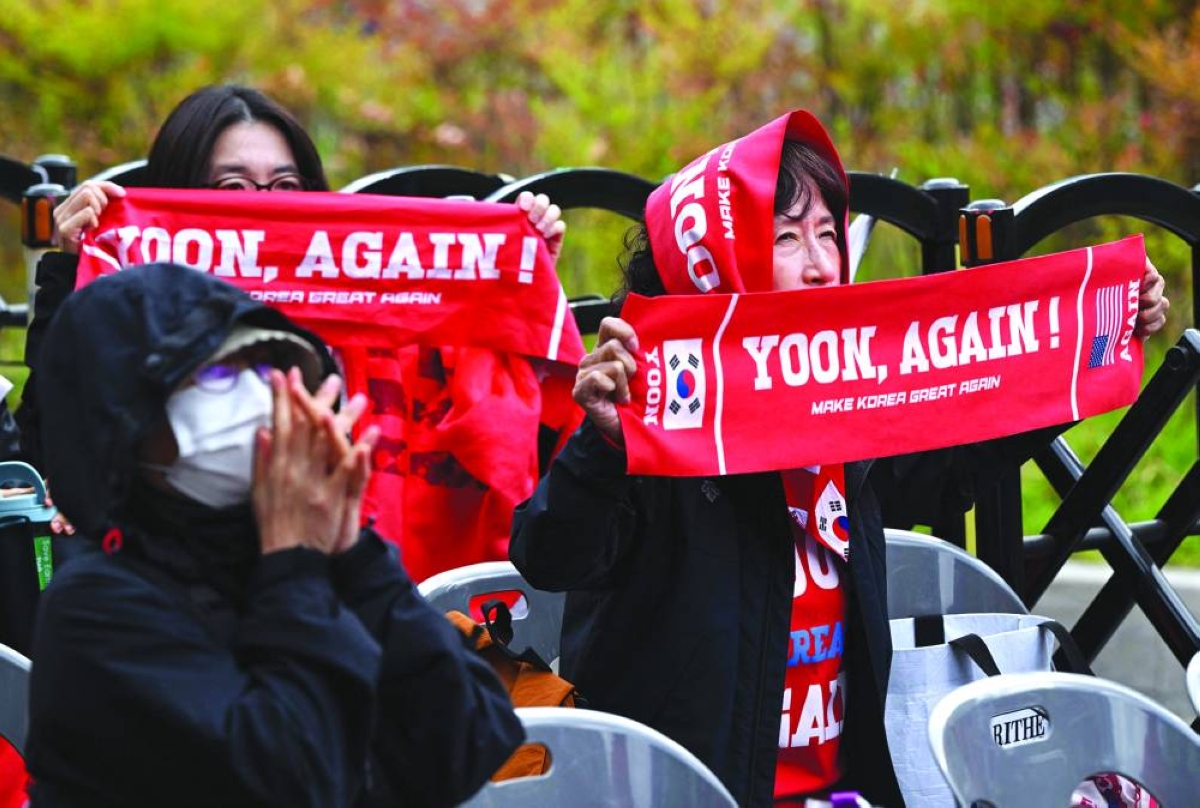
Supporters of South Korea's former president Yoon Suk-yeol and his wife Kim Keon-hee react as they watch a live stream of the trial of the former first lady on a street near the Seoul High
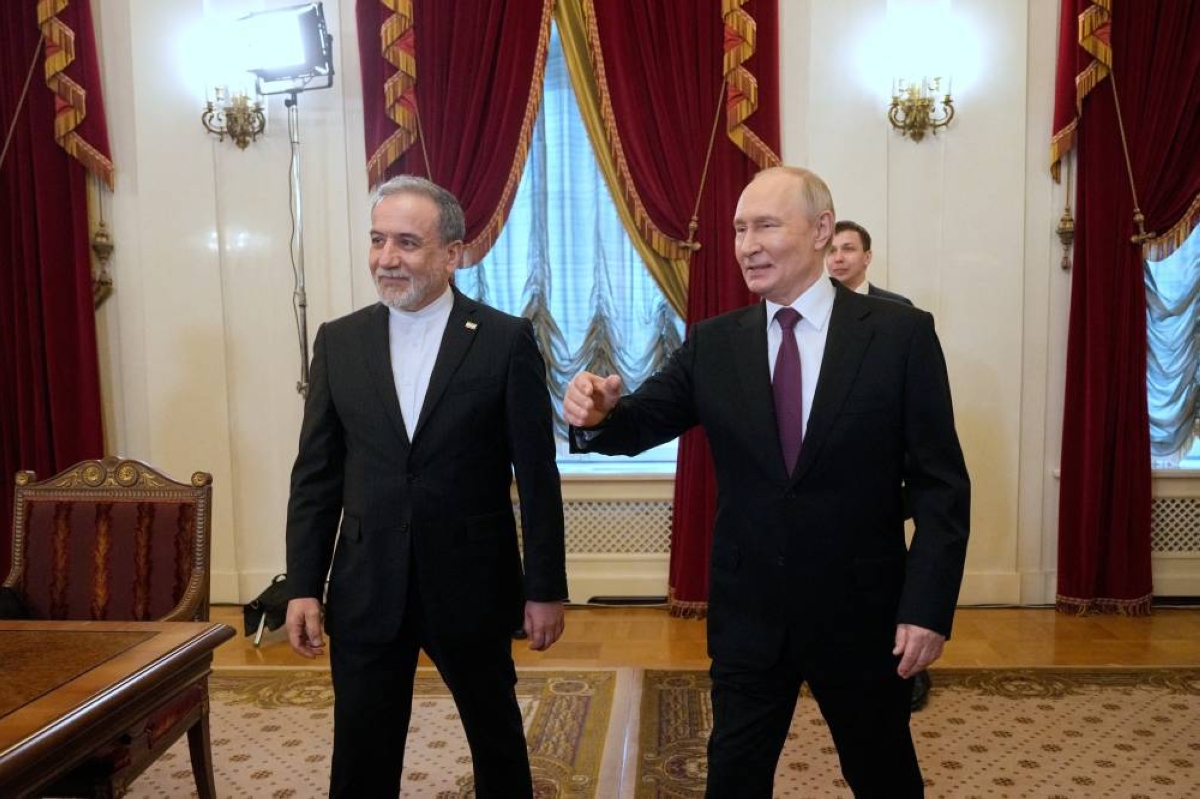
Russian President Vladimir Putin and Iranian Foreign Minister Abbas Araqchi attend a meeting at the Boris Yeltsin Presidential Library in Saint Petersburg, yesterday. (Reuters) Russian President Vladimir Putin yesterday praised the Iranian people for battling to stay independent in the face of US and Israeli pressure and said Moscow would do all it could to help Tehran. Russia has offered to mediate to try to help restore calm to the Middle East following US and Israeli strikes, which Moscow has strongly condemned. It has also repeatedly offered to store Iran’s enriched uranium as a way of defusing tensions, a proposal spurned by the US. “We see how courageously and heroically the Iranian people are fighting for their independence and sovereignty,” Putin told Araghchi, saying he hoped they could get through what he called a “difficult period” and that peace would prevail. “For our part, we will do everything that serves your interests and the interests of all the peoples of the region to ensure that peace is achieved as quickly as possible,” said Putin.Putin received Araghchi in the presidential library in Russia’s former imperial capital St Petersburg as sources from mediator Pakistan said work had not halted to bridge gaps between the US and Iran. Putin said he received a message from Iran’s new Supreme Leader, Mojtaba Khamenei, last week, and asked Araghchi to convey to him that Russia intended to continue its strategic partnership with Tehran. That 20-year agreement was sealed last year. Russia is building two new nuclear units at Bushehr — the site of Iran’s only nuclear power plant — and Iran has supplied Russia with Shahed drones for use against Ukraine, the production of which Moscow has since localised. Araghchi, who said he wanted to brief Putin on the situation around his country, thanked Putin for Moscow’s support.“It has also been proven to all that Iran has friends and allies, such as the Russian Federation, who stand by Iran precisely in difficult times,” he said.Dmitry Peskov, Putin’s spokesman, said that Moscow wanted to see the US and Iran continue negotiations. There should be no return to military action, he added, something he said was not in anyone’s interests.
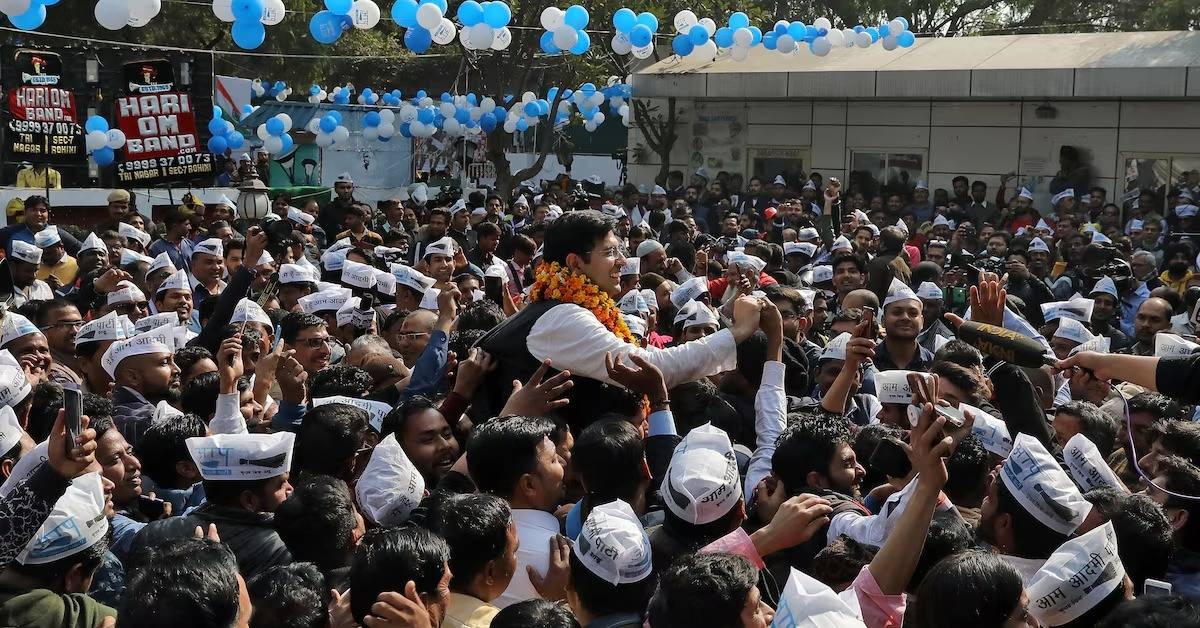
Indian Prime Minister Narendra Modi’s BJP party strengthened its position in parliament’s upper house after seven opposition lawmakers joined it, a parliamentary list showed yesterday, a shift that could ease the government’s passage of legislation. All seven defectors are from the Aam Aadmi Party (AAP), led by one of Modi’s most high-profile critics, Arvind Kejriwal. The party governs the northern state of Punjab and previously ran the national capital territory of Delhi. The defections leave the AAP with just three seats in the Rajya Sabha house, while Modi’s Bharatiya Janata Party now has 113 members, 10 short of a simple majority in the 245-member chamber. Modi’s broader National Democratic Alliance coalition holds about 140 seats in the house, also known as the Council of States. Rajya Sabha members are elected for six-year terms by elected members of state legislatures and federal territories with legislatures, using a proportional representation system. Modi’s coalition rules 19 of India’s 28 states and two of its three federal territories with legislatures. The defectors include former Indian cricketer Harbhajan Singh and Raghav Chadha, the de facto leader of the group who gained prominence by raising middle-class concerns such as the high cost of food at airports.Chadha accused the party of being run by “corrupt and compromised” people. The AAP said the defectors were being opportunistic. All but one of the former AAP members were elected from Punjab, where state polls are due next year and Modi’s party has never won a majority on its own. Several other AAP leaders, including Kejriwal, have faced court cases over corruption allegations. A New Delhi court in February declined to proceed with a trial against Kejriwal and other party colleagues in one such case, which the AAP has described as politically motivated. The matter is now before a higher court.
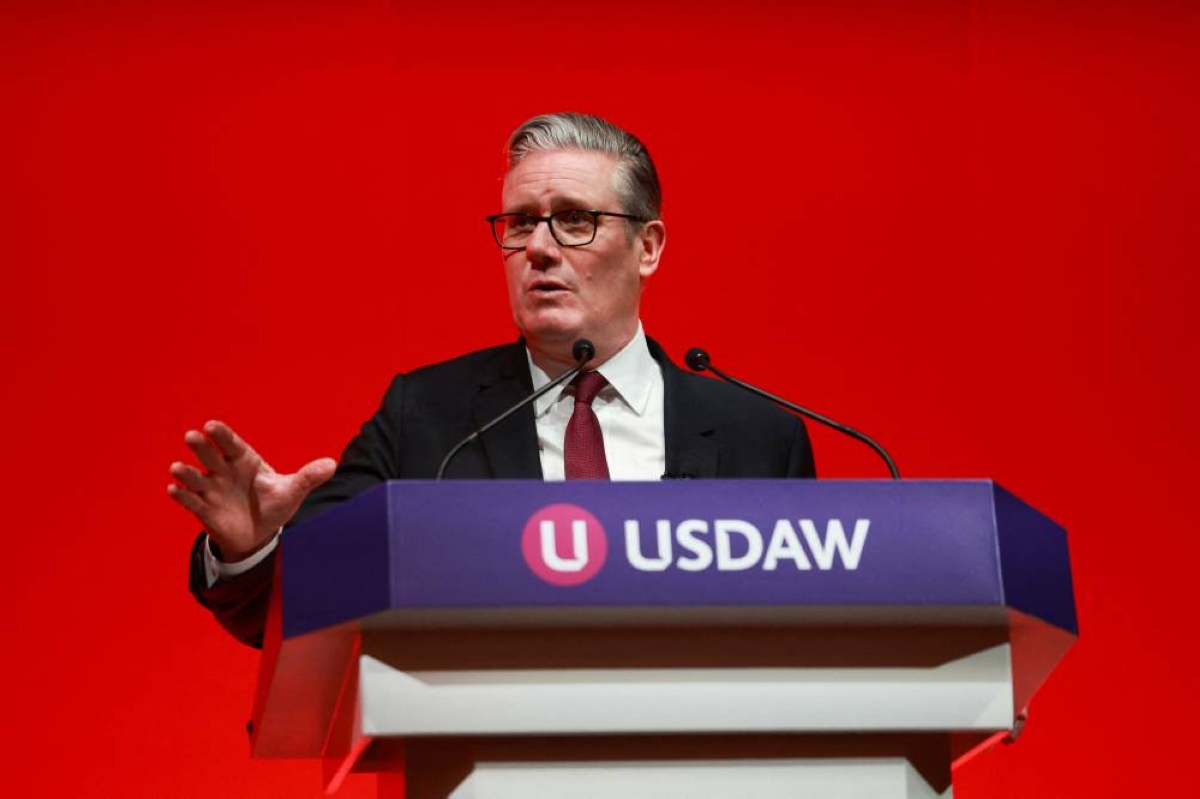
British Prime Minister Keir Starmer delivers a speech in North-West England, yesterday. (Reuters) British lawmakers will vote on whether embattled Prime Minister Keir Starmer should face a parliamentary probe over the Peter Mandelson scandal, the House of Commons speaker announced yesterday. Members of Parliament will debate today on whether to refer Starmer to a committee to consider if he misled parliament over the appointment of the former associate of the late convicted US criminal Jeffrey Epstein, Lindsay Hoyle said. It is the latest development in an unrelenting scandal that has plagued Starmer’s government for months and led to calls for him to resign. Hoyle added that his decision followed requests from “numerous” lawmakers, including opposition Conservative party leader Kemi Badenoch, Hoyle added. Badenoch has accused Starmer of misleading lawmakers by insisting “due process” was followed ahead of the 2024 appointment of Mandelson as Britain’s ambassador to the US despite having failed his security vetting. Starmer has sacked the most senior civil servant in the foreign ministry for not telling him or other ministers that Mandelson had not passed the checks. He has also denied claims that his office applied pressure on the foreign ministry to approve the appointment. Starmer commands a large majority in the lower house of parliament, meaning that lots of MPs from his ruling Labour party would have to vote for an inquiry for one to be launched. A spokesman from the prime minister’s office called the debate “a desperate political stunt by the Conservative party”, insisting that “their claims have no substance”. The Privileges Committee was responsible for former prime minister Boris Johnson’s exit from frontline politics after it investigated him for misleading parliament over the so-called “partygate” breaches of Covid-19 laws.He quit as an MP in 2023 before the committee published a report recommending his suspension.Starmer sacked Mandelson in September 2025 after a fresh batch of revelations over the latter’s friendship with Epstein came to light.UK police are currently investigating Mandelson over allegations he committed misconduct in office while serving as a Labour minister more than a decade ago by leaking information to the late disgraced financier.
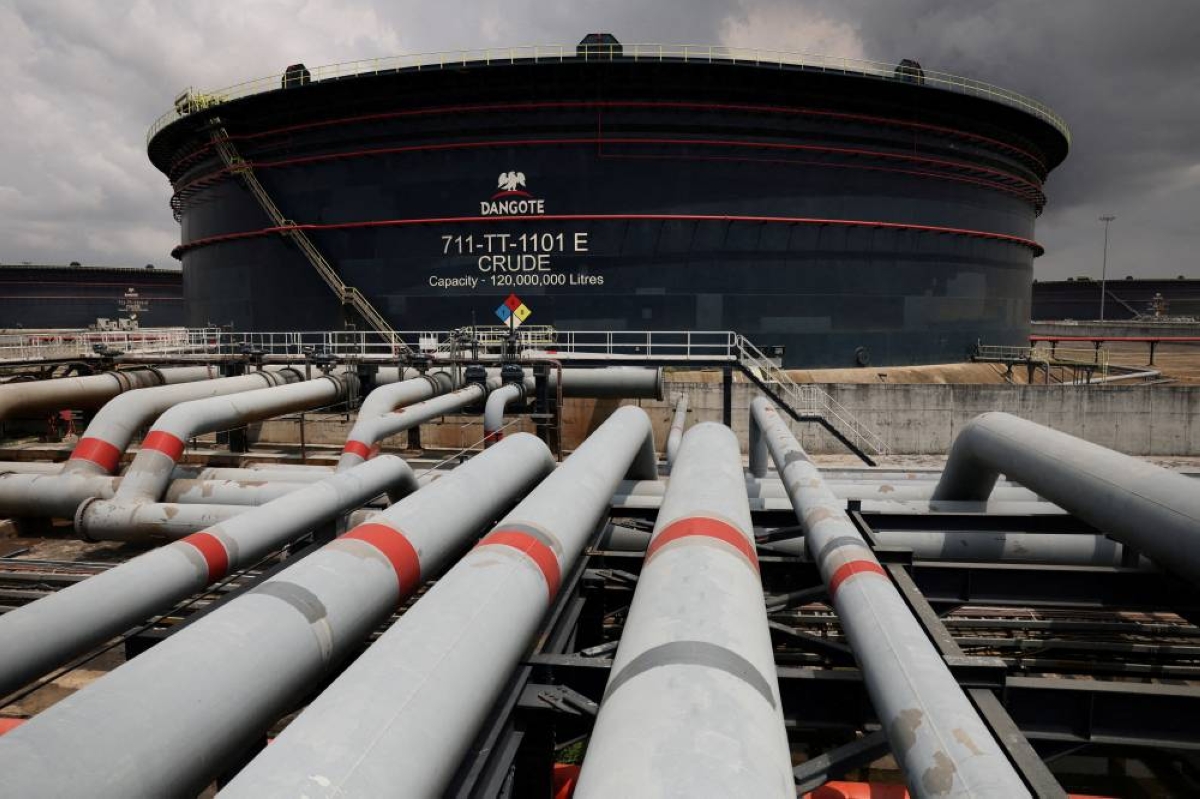
Nigeria’s giant Dangote refinery is benefiting from record margins for producing jet fuel that it is mostly selling abroad, while the domestic airlines it also supplies have threatened to stop flying because of the surge in fuel prices. The refinery, the largest on the continent, was built to turn Africa’s biggest oil producing country into a net exporter of refined products, end Nigeria’s reliance on fuel imports, and shield its economy from global energy shocks. It became fully operational at the start of this year and is producing at its maximum capacity of 650,000 barrels per day. That has improved local fuel availability but domestic fuel prices are still among the highest in Africa as Nigeria’s market is fully deregulated, meaning fuel prices are not subsidised by the government as they are in most African countries. The issue is further complicated by the state oil company’s long-standing debt repayment agreements that mean Dangote has to import most of its crude oil, making it easier to balance its books if it sells abroad.Industry body the Airline Operators of Nigeria said prices, taking logistics and storage costs into account, have climbed to 3,300 naira ($2.44) per litre, nearly triple the level in February before the start of the Iran war. Nigeria’s energy regulator said Dangote was selling jet fuel at 1,879 naira ($1.39) per litre, little changed from imported fuel prices of about 1,900 naira ($1.41) per litre delivered to Lagos earlier this month. The MiddleEastern conflict has led to unprecedented energy disruption and the risk of jet fuel shortages is pressing. Airlines around the world have hiked prices, added fuel surcharges and grounded planes. Nigerian airlines last week threatened to halt all flights, prompting the government on Thursday to approve measures including some relief on debts owed by local airlines and ordering talks to try to agree lower prices. Dangote, meanwhile, as a new, highly efficient refinery, has been able to take advantage of record margins for producing jet fuel from crude.Its profits could be even higher if it could rely on Nigerian crude and avoid almost all freight costs. State oil firm, the Nigerian National Petroleum Company Limited’s joint-venture crude, however, is tied to oil-backed loans and pre-export deals. That means much of Nigeria’s roughly 1.5 mn barrels per day of production goes to paying debts to international oil majors, banks and traders. The NNPC does not disclose its obligations, but analysts estimate they amount to about 400,000 bpd. Dangote Group Vice President Davekumar Edwin said Dangote imported most of its crude from the US, as well as some from other African producers and Brazil. He did not give precise figures. He said the bulk of the 24 mn litres of jet fuel it produces daily was shipped to Europe, although he also said the refinery largely supplied the needs of Nigerian airlines, which the aviation industry estimates at about 2.1 mn litres per day. As European buyers are willing to pay a premium ahead of the peak demand summer travel season, European imports from Nigeria have averaged 78,000 to 96,000 barrels per day in April so far, data from Kpler and LSEG showed, the highest on record.Alan Gelder, senior vice president for refining, chemicals and oil markets at Wood Mackenzie, said European refiners had earned about $15 per barrel. He estimated Dangote’s margins at more than double that as a result of access to Nigerian crude and the plant’s scale and sophistication.
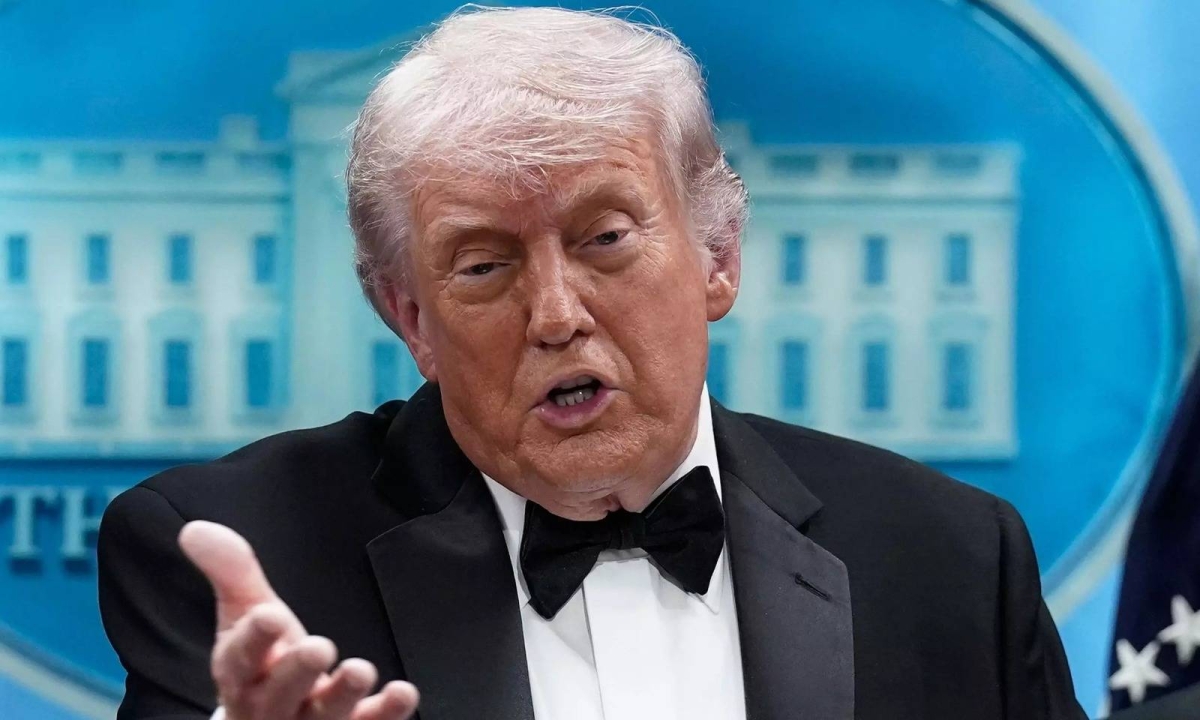
US President Donald Trump met with his top security advisers yesterday to discuss an Iranian proposal that would reportedly re-open the Strait of Hormuz as broader negotiations over the war continue, the White House said. When asked about the reported plan — which would see both Iran and the US lift their blockades ahead of further talks on the thorny issue of Tehran’s nuclear programme — spokeswoman Karoline Leavitt told a White House briefing that “the proposal was being discussed.” “Only because it’s been reported, I will confirm the president has met with his national security team this morning,” she said, refusing to say if Trump would accept the proposal.Secretary of State Marco Rubio meanwhile said Iran’s stance on the Strait of Hormuz, a key waterway through which a fifth of global oil and liquid natural gas normally transits, did not meet US demands. “If what they mean by opening the straits is, ‘yes, the straits are open as long as you co-ordinate with Iran, get our permission or we’ll blow you up and you pay us,’ that’s not opening the straits,” Rubio said in a Fox News interview. “They cannot normalise — nor can we tolerate them trying to normalise — a system in which the Iranians decide who gets to use an international waterway, and how much you have to pay them to use it,” he said. US outlet Axios had earlier reported that Trump would meet with his national security team to discuss an offer by Iran on re-opening the strait and postponing nuclear negotiations to a later stage.ABC News, citing two anonymous US officials, meanwhile reported that the deal fell short of Washington’s red lines.Leavitt told reporters that “the president’s red lines with respect to Iran have been made very, very clear, not just to the American public, but also to them as well.”
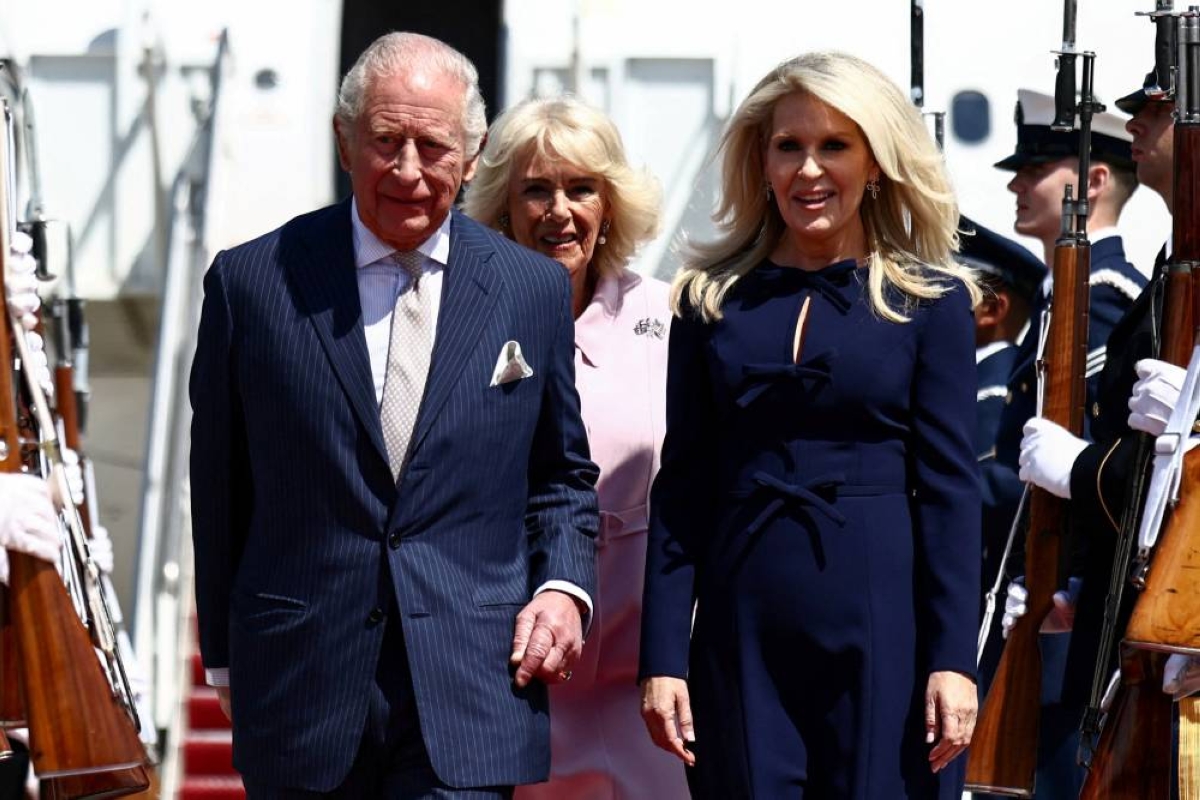
Britain’s King Charles III arrived in Washington yesterday for a high-stakes state visit aimed at salvaging frayed ties with Donald Trump, amid extra-tight security following an attack on a gala dinner attended by the US president. Tensions over the Iran war have rocked the so-called “special relationship” ahead of a trip that was meant to mark the United States’ 250th anniversary of independence from the British monarch’s ancestors. Charles and Queen Camilla will now be using their four-day visit — their first time on American soil since he became king in 2022 — to mount a diplomatic charm offensive targeting the royalty-obsessed Trump.The royal couple arrived at Joint Base Andrews near Washington on a plane with the Union Jack painted on the tail. Charles and Camilla then descended red-carpeted steps to be greeted by Britain’s ambassador Christian Turner and White House protocol chief Monica Crowley on the tarmac.White House Press Secretary Karoline Leavitt said yestserday the visit would “honour the long-standing and special relationship between the US and the United Kingdom.” Trump and his wife Melania will greet the British royals at the White House later yesterday before hosting them for tea and a tour of a new beehive installed by the First Lady.
Farmers around the world are facing the second surge in fertiliser prices in four years due to the Iran war. But with grain prices too low to cushion the blow from the deeper supply crunch this time around, many are rethinking planting plans, putting global food production at risk. The Middle East is a leading fertiliser production hub, and much of the global fertiliser trade typically passes through the Strait of Hormuz, which has seen traffic brought to a standstill by the conflict. Supplies of urea -- a nitrogen-based fertiliser -- from the world’s largest production facility in Qatar have been halted, and flows of sulphur and ammonia, common inputs for a range of fertilisers, have also been curbed. With a resolution of the conflict proving elusive, analysts, traders, fertiliser producers and agronomists are looking back at the last supply crisis, Russia’s 2022 invasion of Ukraine, worried that this time things could get even worse. “Back in 2022, a lot of the fertiliser was ultimately flowing through,” said Shawn Arita of the Agricultural Risk Policy Center at North Dakota State University. “It’s a much steeper supply crunch that we’re seeing now.” As fertiliser prices have jumped since the onset of the war in late February, urea has seen the sharpest price spike, reflecting the loss of the roughly one-third of globally traded volumes typically exported from the Gulf. Some are paying. India, the world’s largest rice producer and second-biggest wheat grower, has booked record volumes of urea in a single import tender, paying nearly twice as much as it did just two months ago. But such price levels are beyond the reach of many, analysts say. In 2022, high global grain prices helped farmers offset the steep increase in input costs caused by the Ukraine war. But ample harvests of grains and oilseeds in recent years have restrained crop prices. Chicago wheat prices are roughly half what they were four years ago, for example. Soybeans were nearly 50% higher than now. As a result, many growers today lack the revenue to absorb ballooning fertiliser bills. Nitrogen-based fertilisers such as urea must be applied each season for many crops and directly influence annual yields as well as quality parameters, including protein content in wheat. Farmers can cut back on other core nutrients, such as phosphate and potash, without immediate yield losses. At least 2mn metric tonnes of urea production -- equivalent to some 3% of annual seaborne trade -- have been lost since the conflict began, according to Sarah Marlow of commodity data provider Argus, as plants shut down in the Middle East as well as in India, Bangladesh and Russia. Nearly 1mn tonnes already loaded on vessels, meanwhile, remain stuck in the Gulf. Even if hostilities end soon and the Hormuz strait reopens, just clearing the queue will take weeks, said Mark Milam of commodity market intelligence firm ICIS. And fertiliser availability will likely remain constrained for months due to damage to Gulf production facilities and competition for limited alternative supplies. “It’s going to take a while to get back to normal,” said Stephen Nicholson, Rabobank’s head of North American grains and oilseeds. Many farms still have fertilisers on hand, while record harvests last year have boosted global grain stocks. So the immediate impact of the current crisis on global food supplies may be limited. In 2022, high fertiliser costs contributed to exacerbated hunger in poor, import-dependent countries, and analysts say regions like East Africa are again vulnerable. In Europe, spring planting decisions are shifting against input-intensive corn in countries including France, while reduced top-up nitrogen applications may trim protein content in this summer’s wheat harvest, analysts said. The larger risk, however, will come during autumn planting, when cash-strapped European farmers could cut overall grain area. “That’s why we’re starting to get a little worried about the 2027 harvest,” said Benoit Fayaud of Expana.
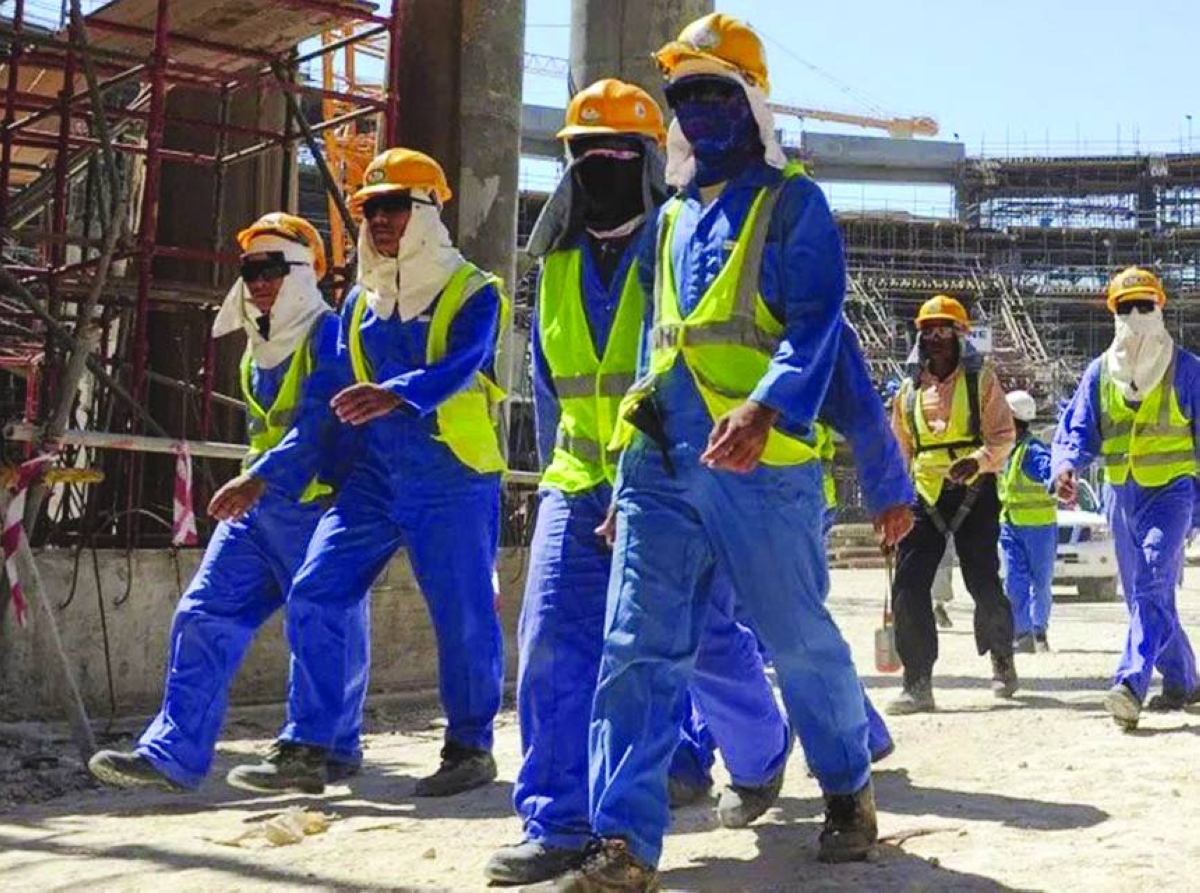
Qatar and the rest of the world celebrate the World Day for Safety and Health at Work, which falls annually on April 28, as part of the efforts made by the State to care for and protect workers, reinforce the concepts of occupational safety and health in workplaces, and encourage private sector establishments and governmental and semi-governmental bodies to place the safety of employees and workers at the top of their priorities. The State and its various institutions and agencies emphasise on all occasions the need for workers exposed to workplace hazards to receive comprehensive and integrated care, in accordance with human rights standards stipulated in all international agreements and conventions. On this occasion, the Ministry of Labour, in co-operation with the International Labour Organization (ILO), organized a virtual event on Sunday, as part of the ministry’s ongoing efforts to protect workers, consolidate a culture of occupational safety and health, and promote safe and sustainable work environments that support the mental health and well-being of workers. This year, the ministry’s event highlighted mental health in the workplace as one of the essential pillars for increasing productivity and institutional sustainability, in light of the rapid changes in the labour market and the challenges it imposes, which require the adoption of effective and integrated practices that enhance the well-being of workers and support their psychological and professional balance. On April 16, the ministry, represented by the Occupational Safety and Health Department, in co-operation with the Sheraton Grand Doha Resort and Convention Hotel, Doha Trading and Contracting Group, and Group Security System Certis International, organized awareness seminars targeting workers and employer representatives, with the participation of the Health Promotion Department at the Ministry of Public Health, and the Workers’ Support and Insurance Fund, to raise the level of preventive awareness among workers and employers and promote a culture of safety and awareness of workplace hazards regarding biological hazards in the workplace. The ministry affirmed that promoting preventive awareness is not only an option but a necessity, because it protects lives, reduces losses, and increases work efficiency, adding that investing in awareness and continuous training is a direct investment in human safety and the success of companies and workplaces. The annual World Day for Safety and Health at Work promotes the prevention of occupational accidents and diseases globally. It is an awareness campaign intended to focus international attention on the scale of the problem to promote and create a culture of health and safety that can help reduce the number of workplace-related deaths and injuries. The psychological and social work environment is determined by the work design, organization, management, and organizational practices that shape daily working conditions, indicating psychosocial factors, such as workload, working hours, role clarity, autonomy, support, and fair and transparent procedures, significantly impact the work experience and are reflected in employee safety, health, and performance. When psychological and social factors harm employees, they become hazards that must be addressed and managed, just like physical, chemical, and biological hazards, to ensure safe and healthy work environments. The International Labour Organisation (ILO) has commemorated World Day for Safety and Health at Work since 2003, emphasising the prevention of workplace accidents and diseases through its longstanding tripartite approach, which brings together governments, workers’ organizations, and employers’ organisations, as well as social dialogue. The ILO marks this occasion by publishing a global report focused on prevention, examining psychosocial factors across three levels: the job itself, how work is managed and organized, and the broader policies, practices, and procedures that govern work. According to the ILO report issued on April 22, more than 840,000 people die each year due to health conditions linked to psychosocial risks such as long working hours and job insecurity. These work-related risks are primarily associated with cardiovascular diseases and mental health disorders, including suicide. The report also shows that these risks account for the loss of nearly 45mn disability-adjusted life years annually, reflecting healthy years of life lost due to illness, disability, or premature death. They are also estimated to result in economic losses equivalent to 1.37% of GDP each year. The report, titled ‘The psychosocial working environment: Global developments and pathways for action’, highlights the growing impact of how work is designed, organized, and managed on workers’ safety and health. It warns that psychosocial risk factors, including long working hours, job insecurity, high demands coupled with low control, and workplace bullying and harassment, can create harmful work environments if not properly addressed. It further notes that while many psychosocial risks are not new, major shifts in the workplace, such as digitalisation, AI, remote work, and new employment patterns, are reshaping the psychosocial work environment. These changes may exacerbate existing risks or create new ones if not managed appropriately. At the same time, these challenges offering opportunities to improve work organization and increase flexibility, underscoring the need for proactive measures. Team Lead of the ILO’s Occupational Safety and Health Policy and Systems, Manal Azzi, said that psychosocial risks are among the most prominent challenges facing occupational safety and health of the modern worker. She stressed that improving the psychosocial work environment is essential not only for protecting workers’ mental and physical health but also for enhancing productivity, institutional performance, and sustainable economic development. The report echoed this by concluding that by proactively addressing these risks, countries and organizations can create healthier workplaces that benefit both workers and employers, while boosting productivity and economic resilience.

Al Sadd coach Roberto Mancini expressed deep pride after leading his side to the Qatar Stars League title for the third consecutive season on Monday, stressing that the achievement reflected 'the significant work carried out within the club throughout the campaign, as well as the team’s stability and continuous development'. On Monday Al Sadd beat Al Shamal 3-2 in the final round of the QSL campaign at Jassim Bin Hamad Stadium in Doha. Al Sadd have now won the league crown for the 19th time. Speaking after the title triumph, Mancini, 61, said on Monday: “First of all, I would like to congratulate the players, the technical and administrative staff, and Al Sadd fans on this important title. Winning the league for the third consecutive time is not easy; it is the result of daily hard work and great commitment from everyone within the team. From the beginning of the season, we knew the challenge would be difficult, but the players showed strong character and a winning mentality that helped us overcome every obstacle.” Mancini, who joined Al Sadd last November, added on Monday: “What distinguishes Al Sadd this season is that we did not rely on one player or a specific group. We had a complete team capable of finding solutions in different situations. We were the most consistent in terms of performance compared to other teams, and we were able to impose our playing style in most matches. This reflects the great work done by the players in daily training.” Mancini also noted that the title race was highly competitive, saying: “This season’s league was full of challenges, and all teams performed well. What made the difference for us was our high level of focus and constant desire to win. When you have a group that believes in what it does and works with a unified spirit, results come naturally in the end.” He concluded in a story posted on Al Sadd website: “I am also proud of the individual development many players have shown throughout the season. We saw clear improvement in physical, technical, and mental aspects, which is an important part of the team’s project. Success is not only about winning titles, but also about developing players and maintaining the team’s identity.” Related Story