World
Chinese, Taiwanese will unite, Xi tells Taiwan opposition leader

Chinese, Taiwanese will unite, Xi tells Taiwan opposition leader

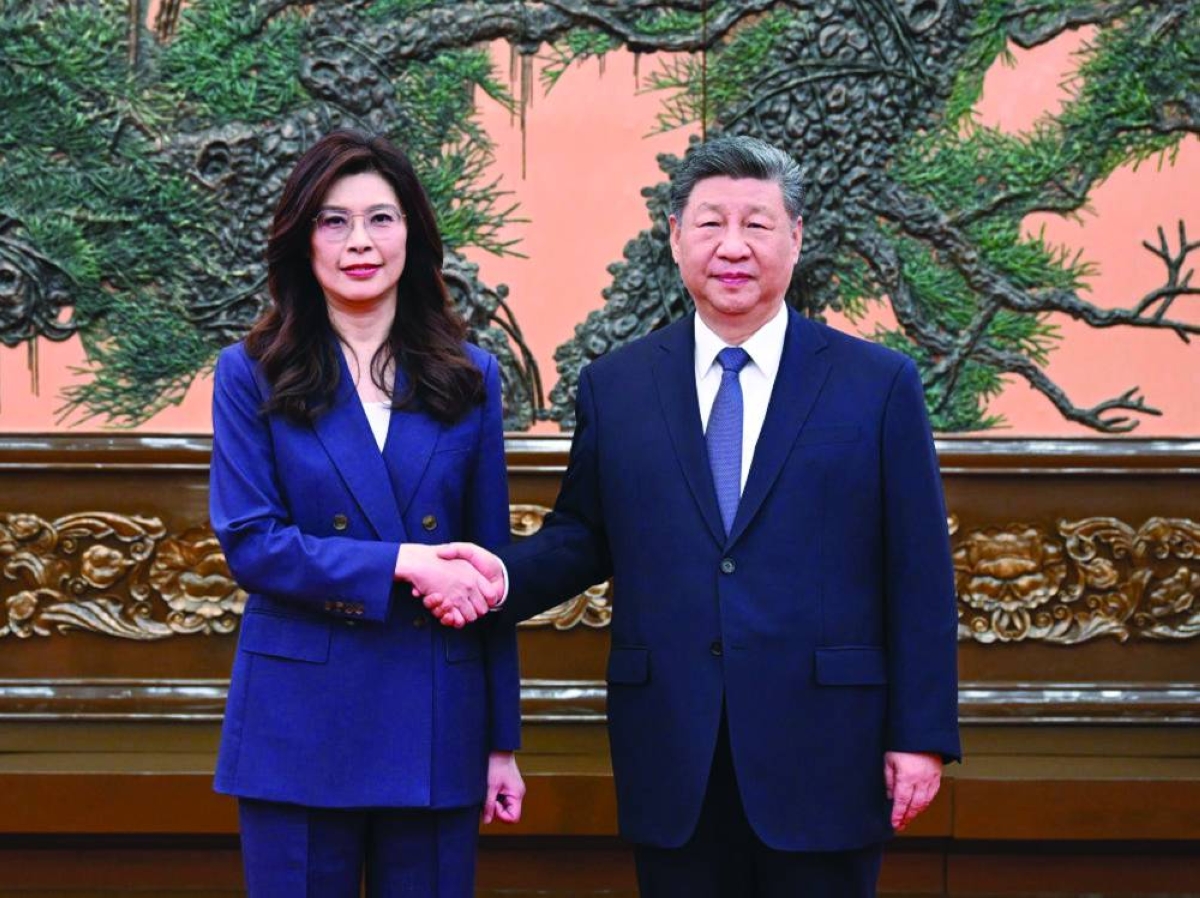
Kuomintang Chairperson Cheng Li-wun (left) shaking hands with Chinese President Xi Jinping at Great Hall of the People in Beijing, yesterday.(AFP) China's President Xi Jinping met Taiwan's opposition party leader Cheng Li-wun in Beijing yesterday, telling the visiting delegation he had "full confidence" that Taiwanese and Chinese people would be united.Kuomintang (KMT) chairwoman Cheng is the party's first leader to visit China in a decade, but her trip has sparked debate in Taiwan with critics accusing her of being too pro-Beijing.China severed high-level contact with Taiwan in 2016 after Tsai Ing-wen of the Democratic Progressive Party (DPP) won the presidency and rejected Beijing's claims that the self-ruled island is part of its territory.Xi told Cheng as the two met yesterday that "the general trend of compatriots on both sides of the Strait getting closer, edging nearer and becoming united will not change"."This is an inevitable part of history. We have full confidence in this," Xi said during the talks carried by Taiwanese media.He also said China was willing to strengthen dialogue with groups in Taiwan, including the KMT, on the "common political foundation of... opposing Taiwan independence".The KMT supports closer relations with China, which claims Taiwan is part of its territory and has threatened to use force to seize it.Cheng echoed Xi's stance at a press conference after their meeting, stressing the need for younger generations to understand "what challenges we face at this stage" and "how, by adhering to the 1992 Consensus and opposing Taiwan independence, we can avoid war".The so-called consensus suggests there is "one China" without specifying which is its rightful representative.Earlier, she told Xi that the Taiwan Strait would "no longer be a focal point of potential conflict" and "both sides should transcend political confrontation".She also said Xi had responded "positively" to her proposal that the sides work toward Taiwan participating in international organisations such as Interpol and regional trade agreements.A spokesman for Taiwan's ruling DPP said China should respect Taiwan's "commitment to freedom and democracy, rather than interfering in the choices of the Taiwanese people through division and inducement"."Differences between the two sides must be handled through peaceful and equal means, rather than by using suppression and intimidation," spokesman Lee Kuen-cheng said.Beijing has ramped up military pressure around Taiwan in recent years, conducting near-daily deployments of fighter jets and warships near the island and regular large-scale military drills.Taiwanese lawmakers have been at loggerheads over the government's plan to spend NT$1.25tn ($39bn) on defence, which has been stalled for months in parliament, controlled by opposition parties including the KMT.Cheng's trip comes a month before US President Donald Trump is scheduled to visit Beijing for a summit with Xi.The US has been piling pressure on Taiwanese opposition lawmakers to back a proposal for defence purchases, including US weapons, to deter a potential Chinese attack.Cheng has railed against the government's proposal, insisting "Taiwan isn't an ATM" and instead backing a KMT plan to allocate NT$380bn ($12bn) for US weapons with the option for more acquisitions.While KMT party members regularly fly to China for exchanges with officials, its last leader to visit was Hung Hsiu-chu in 2016.Cross-strait relations have worsened in particular since the election of Tsai's successor, Lai Ching-te, who Beijing considers a separatist.Lai said in a Facebook post yesterday that "China's... military threats in and around the Taiwan Strait and the island chain have severely undermined regional peace and stability".Cheng landed in Shanghai on Tuesday evening, saying shortly after her arrival that "the two sides of the Taiwan Strait are not doomed to war, as the international community has feared". 
World
Turkish ship docks for Somalia’s first offshore oil drilling

Turkish ship docks for Somalia’s first offshore oil drilling

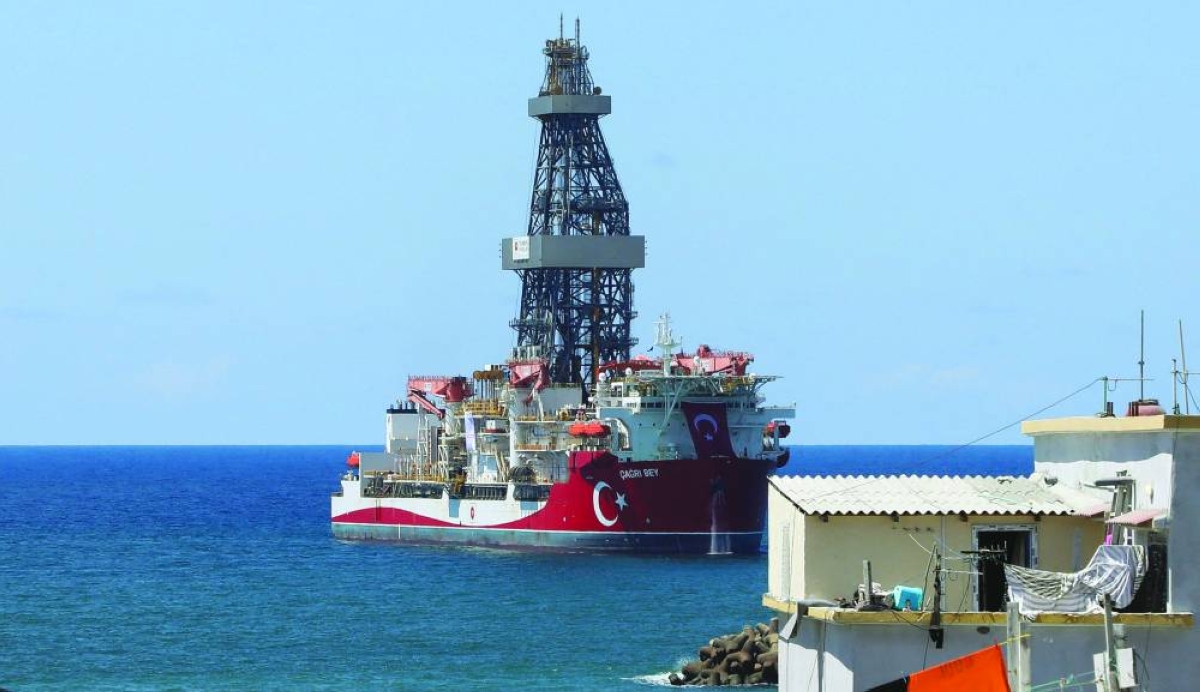
Turkish drilling vessel Cagri Bey, which is set to conduct Turkiye's first deep-sea drilling operation abroad, docks in the Indian Ocean near the Mogadishu sea port in Somalia, yesterday. (Reuters) A Turkish drilling ship docked at the port of Mogadishu yesterday ahead of Somalia's first offshore oil drilling project, the two countries announced.A hydrocarbon development deal signed in 2024 granted Turkiye's state-owned energy company the right to explore three offshore blocks of around 5,000 square kilometres each.In late 2024, another Turkish vessel carried out seismic surveys in the three blocks to identify drilling sites.The Cagri Bey, featuring a red bow emblazoned with a white star and crescent and topped by a drilling derrick, arrived in Somali waters Thursday and docked in the capital's port yesterday."It docked this (Friday) morning... the ship is very big, we have never seen anything like this at the port before," said Abshir Yare, a port employee.The vessel will carry out "Somalia's first-ever offshore drilling operations", the African nation's state news agency Sonna reported Thursday.It will also conduct Turkiye's "first overseas deep-sea drilling" operations outside its own waters, Turkish Energy Minister Alparslan Bayraktar said on X.Bayraktar was due to attend a ceremony at the Mogadishu port yesterday alongside Somali President Hassan Sheikh Mohamud, according to Sonna.Turkiye is one of Somalia's main military and economic partners, with Ankara inaugurating its largest overseas base in Mogadishu in 2017. 

Sports
Barcelona lodge UEFA complaint after Atletico loss

Barcelona lodge UEFA complaint after Atletico loss

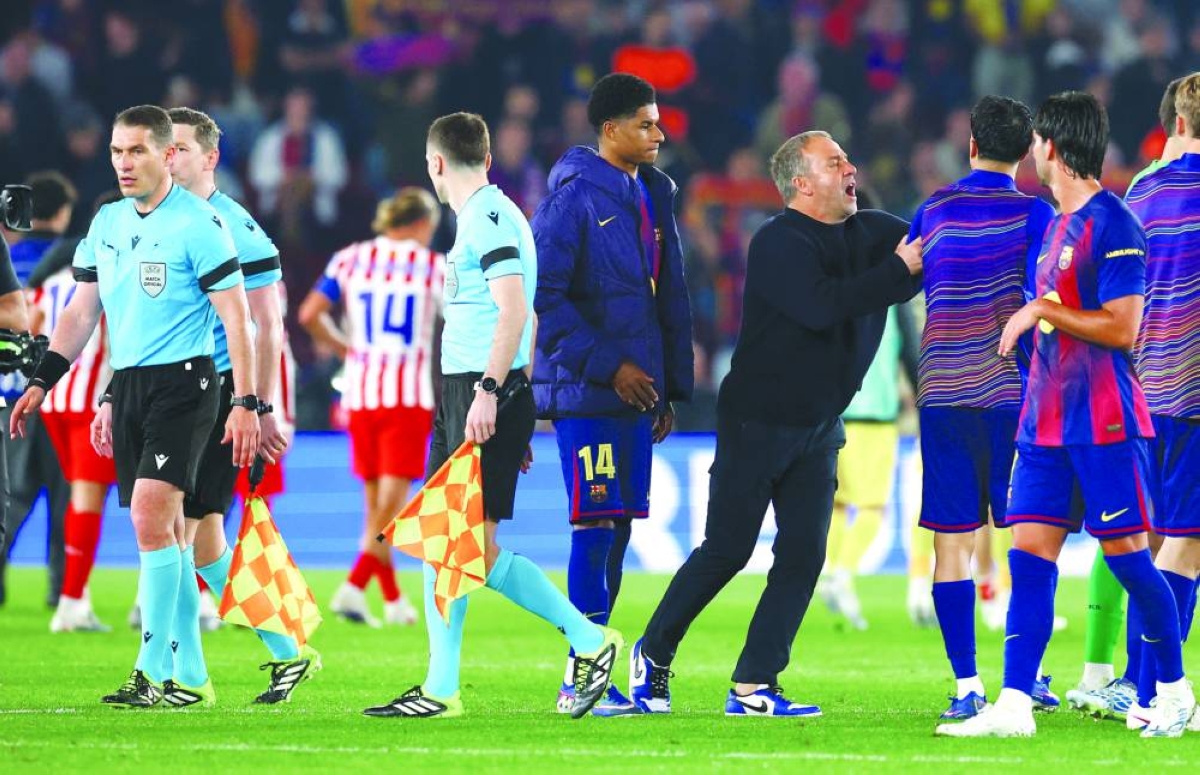
Barcelona coach Hansi Flick pushes away defender Joao Cancelo from referees after their loss to Atletico Madrid at the Camp Nou in Barcelona on Wednesday. (Reuters) Barcelona have carried their fury beyond the dugout and into UEFA’s inbox, lodging a formal complaint over ‌the officiating in their 2-0 home ​defeat by Atletico Madrid ‌in the Champions League quarter-final first leg. The ‌row centres on ‌an incident early in ‌the second half when Barca appealed for a penalty after Atletico goalkeeper Juan Musso appeared to have put the ball back into play from a goal kick before defender Marc Pubill handled it inside the six-yard box to retake it. Referee Istvan Kovacs waved play on and the VAR ​team did not summon him to the monitor, drawing furious reactions from the Barcelona bench. “Barcelona inform that the club ‌legal services have submitted a complaint ​to UEFA today regarding the events in ​the Champions League quarter-final first leg against Atletico Madrid,” the club said in an official statement. “The complaint centres around a specific action. In the 54th minute of the match, after play had been restarted correctly, an opponent player picked up the ball in their area without being shown the corresponding penalty,” ‌it added. “Barcelona understand that ‌this decision, along with a grave lack of intervention by VAR, represents a major error. Accordingly, the club has requested an investigation be opened, access to refereeing communications, and where applicable, official acknowledgment of the errors and the adoption of the relevant measures.” Interpretations of similar incidents have varied. In ​the Champions League quarter-finals in April 2024, the referee did not award a penalty to Bayern Munich after Arsenal defender Gabriel Magalhaes touched the ball following what appeared to be a restart from goalkeeper David Raya. Later in 2024, VAR intervened to award Club Brugge a penalty in a comparable exchange ‌involving Aston Villa ​goalkeeper Emiliano Martinez and defender Tyrone Mings. After the game, Barcelona manager Hansi Flick tore into the officiating, raging over ‌a second-half penalty call and Pau Cubarsi’s ​red card that left ‌his team a man down before halftime. “I don’t know why VAR hasn’t been used. The referee ... I think he’s brilliant. We all make mistakes, ‌but what’s the point of VAR? I ​just can’t understand it. It should have been ​a penalty, a second yellow and a red card as he already had a booking. This is exactly what shouldn’t happen,” Flick said. Atletico manager Diego Simeone saw it differently. “It’s a matter of common sense,” Simeone told reporters. “The referee saw it as it was. That Marc (Pubill) received what appeared to be a pass from his teammate to ‌start the move, the ‌referee saw it the same way as Marc saw it. Then we can look at as many situations as we like.” Barcelona had already been reduced to 10 men in the 44th minute when Cubarsi was sent off for hauling down Giuliano Simeone as the last man. Julian Alvarez brilliantly curled in the resulting free kick before ​the interval and Alexander Sorloth sealed the win after the break. Flick also questioned the dismissal. “I’m not sure if he made enough contact because the ball was behind him; I’m not entirely sure,” he said. “I don’t know. It might be, or it might not be. I don’t know if he touched him enough. But in other situations, when ‌the ball is ​touched by the hand, it’s very clear to me.”  Related Story

Sports
Robertson to leave Liverpool at end of season

Robertson to leave Liverpool at end of season

(FILES) Liverpool's Scottish defender #26 Andrew Robertson applauds the fans following the UEFA Champions League football match between Liverpool and Qarabag at Anfield in Liverpool, north west England on January 28, 2026. Left-back Andy Robertson

Sports
Al-Hadi, al-Suwaidi star at Hathab

Al-Hadi, al-Suwaidi star at Hathab

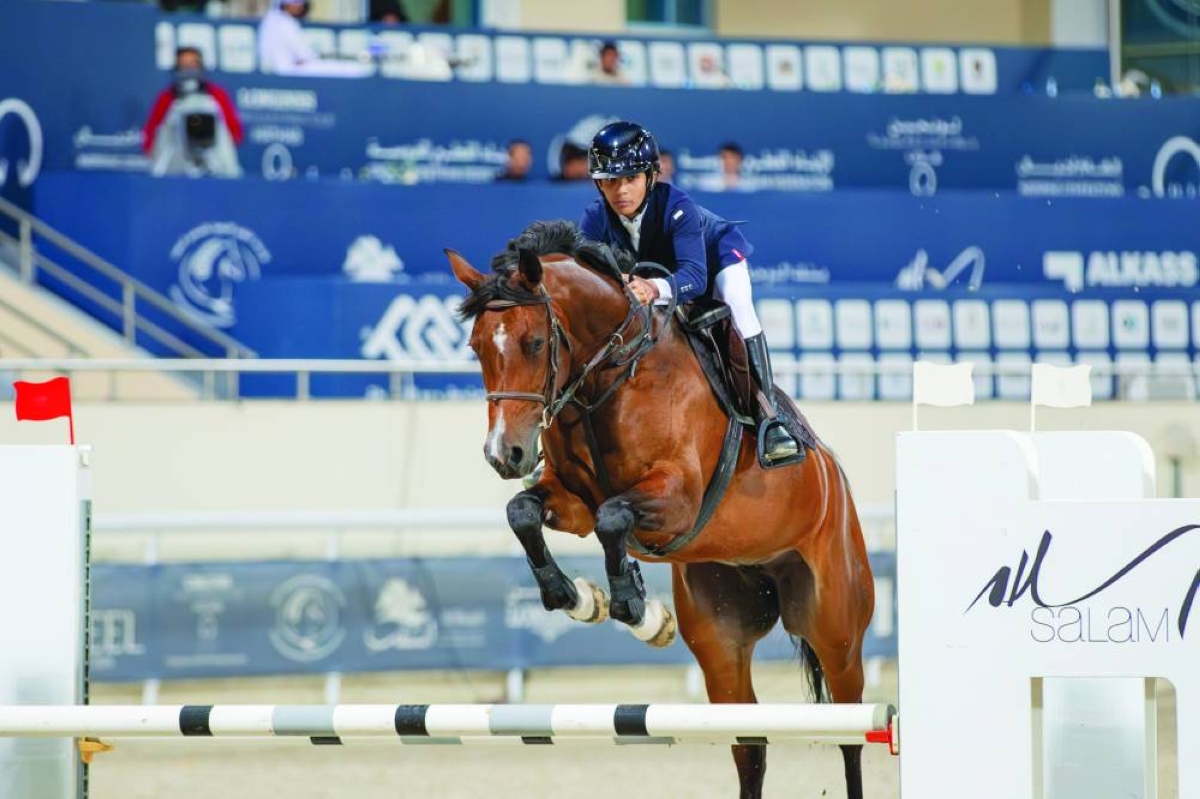
Qatar’s Sultan Jassim al-Suwaidi won the Amateur Tour at 100cm on Cat Ballou 27 in 26.79 seconds. The ninth edition of the Hathab Qatar Equestrian Tour resumed Thursday with the tenth round of the championship at the Qatar Equestrian Federation’s main arena. The Tour paused for the prestigious Doha Equestrian Tour, which wrapped up over the weekend. The three-day event features 14 rounds and saw over 65 riders competing in both the Amateur and Silver Tours. Saudi rider Khaled al-Hadi claimed first and third place on Carlton de Sauvageonn and Capoen in the

Sports
Sussex claims The Late Yousef Al Romaihi Cup

Sussex claims The Late Yousef Al Romaihi Cup

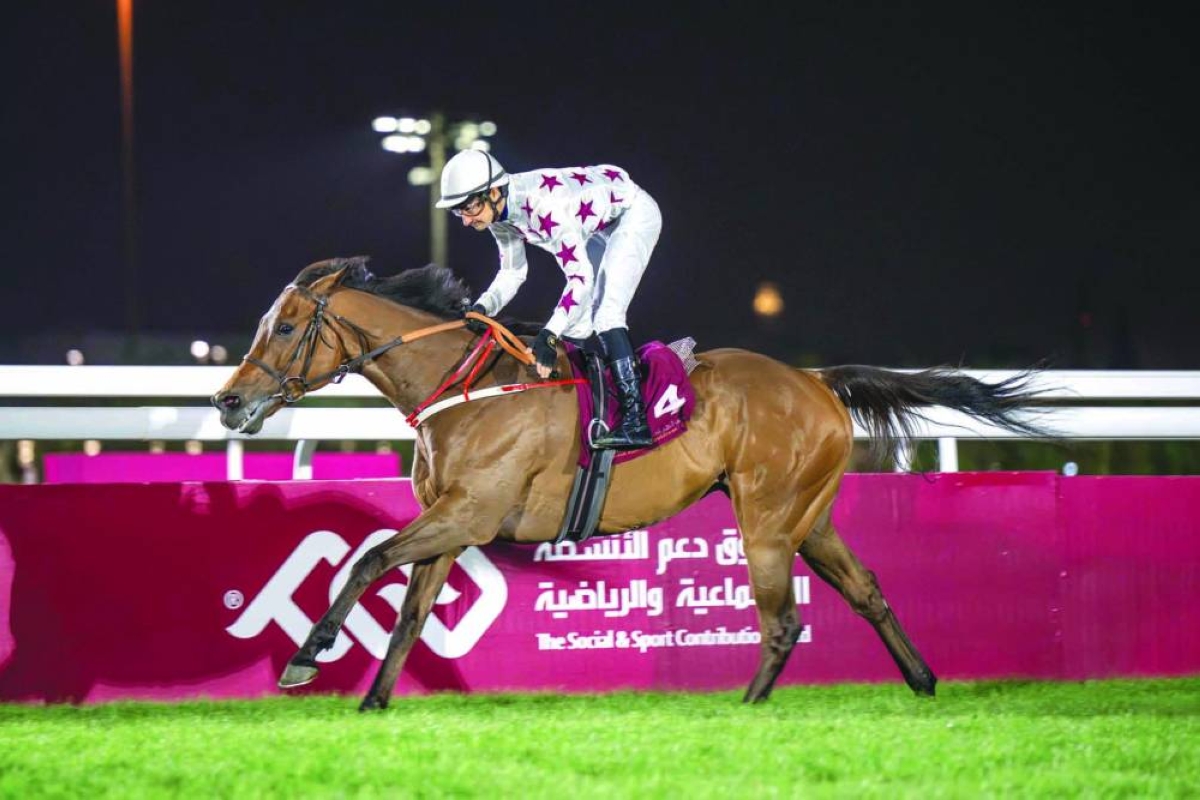
Jefferson Smith rides Sussex to victory. PICTURES: Juhaim Sussex delivered a commanding performance in the 3200m Thoroughbred Open Handicap, clinching The Late Yousef Al Romaihi Cup at Al Rayyan Racecourse Thursday. The seven-year-old bay gelding secured back-to-back wins this campaign, turning the race into a one-horse show with a pillar-to-post display. Always well clear of his rivals, Sussex powered home alone in the straight to win by a commanding 10 lengths. Connection of Sussex pose with the trophies. Under the care of M.H.K. al-Attiyah, he was partnered by Jefferson Smith. The meeting featured a total of 10 races. Always well clear of his rivals, Sussex travelled comfortably at the head of affairs and steadily increased his advantage throughout. While rivals and spectators alike may have expected him to weaken over the extended trip, the opposite unfolded, as he continued to find more with every stride, his strength and dominance becoming increasingly evident. In the home straight, he powered further clear without coming under any real pressure, sealing an emphatic and authoritative success. Foehn, representing Hamad Ramzan al-Naimi and handled by Hadi al-Ramzani, with Alberto Sanna aboard, finished best of the rest to take second, 2 1/5 lengths ahead of the Jassim al-Ghazali-trained Gulf Legend, who kept on for Sheikh Abdul Rahman Rashid al-Thani under Salem Alajmi to take third. The trophy was presented by Ali, Fahad, and Mubarak Yousef al-Romaihi, in the presence of Saad Ali al-Kubaisi, Deputy Director of the QREC Registration & Studbook Department. RESULTS 64th Al Rayyan Race Meeting – The Late Yousef Al Romaihi CupWINNERS: (Horse, Trainer, Jockey)1 - The Late Yousef Al Romaihi Cup - Thoroughbred Open Handicap (Class 2)Sussex, MHK al-Attiyah, Jefferson Smith2 - Purebred Arabian Maiden PlateLouvay De Mireval, Mohammed al-Ghazali, Marco Casamento3 - Purebred Arabian Maiden PlateBin Narain, Ahmed al-Jehani, Arnaud de Lepine4 - Local Thoroughbred Maiden PlateAyash, Ibrahim Saeed al-Malki, Marco Casamento5 - Thoroughbred Novice PlateEdgartown, Alban de Mieulle, Faleh Bughenaim6 - Thoroughbred Handicap (0-80)Court Poet, Nayef Batal al-Otibi, Salman Fahad al-Hajri7 - Purebred Arabian Handicap (60-80)Mejlad, Mohammed Ahmed al-Hajri, Salman Fahad al-Hajri8 - Purebred Arabian Graduation PlateDabida, Alban de Mieulle, Soufiane Saadi9: Local Thoroughbred Handicap (55-75)Best Way, Alban de Mieulle, Soufiane Saadi10 - Purebred Arabian Handicap (70-90)Mohimma, Jean de Mieulle, Faleh Bughanaim  Related Story

Sports
Nicklaus hopes to continue role as honorary starter

Nicklaus hopes to continue role as honorary starter

Honorary starter Jack Nicklaus of the United States follows his shot from the first tee during the first round of the 2026 Masters Tournament in Augusta, Georgia. (AFP) The 90th edition of the Masters Tournament officially began with the honorary starting threesome of Jack Nicklaus, Gary Player and Tom Watson Thursday.Shortly after sunrise at Augusta National Golf Club, the trio ‌of golfing legends emerged fromthe iconic clubhouse to a resounding applause ​from the patrons gathered on a ‌chilly Georgia morning.With a youthful exuberance that greatly belies his 90 ‌years of age, Player took the first ‌swing of the tournament and piped his ‌drive.“Getting to the first tee with the enthusiasm of all the people, which is an essential ingredient in life, I think - enthusiasm - the love they give you out there is quite remarkable,” he said.Player was followed by Nicklaus, 86, who had his son Jack Nicklaus Jr. working as his caddie. The six-time Masters champion astutely warned the gallery before hooking his shot over the crowd.“I don’t know what was running through my head other than not to hurt anyone,” Nicklaus quipped, adding that he ​had carpel tunnel surgery earlier this year and was primarily focused on holding onto the club. “That was my issue today. I’m fortunate that I got it over somebody’s head.”Watson, 76, followed with ‌a well-struck drive and the tournament was officially on.The trio ​has won a combined 11 Masters and made 140 collective appearances ​at the tournament, including 37 honorary starter ceremonies.Nicklaus was asked whether he intends to continue with being part of the tradition in future years. “As long as I can still hit the golf ball,” he said. “I played once this year, I played in February. I played once last year. I don’t really play golf anymore.“But it’s such a nice ceremony, and it’s a real honor to be invited. I hope to be able to do it as long as I can not kill anybody.”Player said the walk from the clubhouse to the first tee each ‌year evokes a flood of memories and ‌gratitude.“Funny enough how your mind goes back very quickly, and I thought of President Eisenhower, who I admired so much, who was a member of this club which started it off - how much I love coming back here every year of my life, an integral part of my life, and such a fantastic tournament,” he said.“I think the word, as you get older, is gratitude. Just to be able to be on that first tee is an honor.”Player is making his 68th visit to the ​Masters this week, a tournament he once called the fourth most important major on the golf calendar.That view has evolved steadily with the growth and evolution of the only major to be contested at the same venue every year.“They’ve evolved faster than any other tournament. It’s one of the greatest events in the world,” he said. “It’s one of the most beautiful places historically, and there’s nothing but admiration for what they’ve done.“Every year you come here, you’re absolutely in awe. Buildings that would take years to build, they ‌do in nine ​months. It’s quite remarkable. It’s now inundated with history, and it will go even from more strength to strength in the future.” 

World
All eyes on Islamabad as US, Iran set for talks

All eyes on Islamabad as US, Iran set for talks

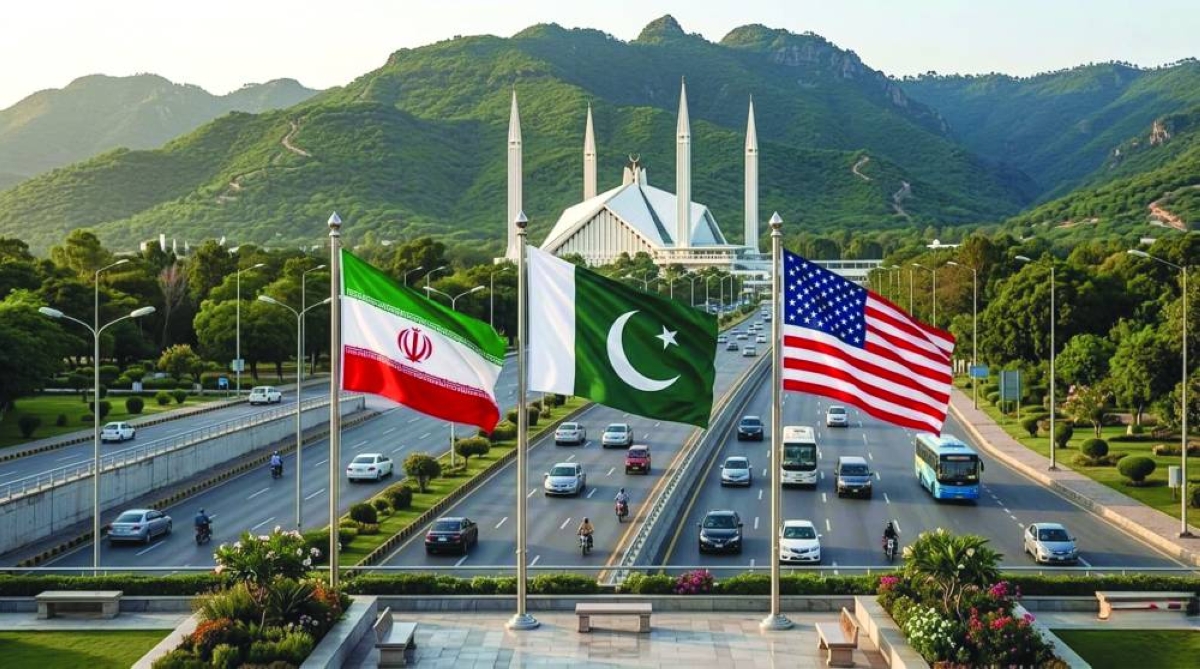
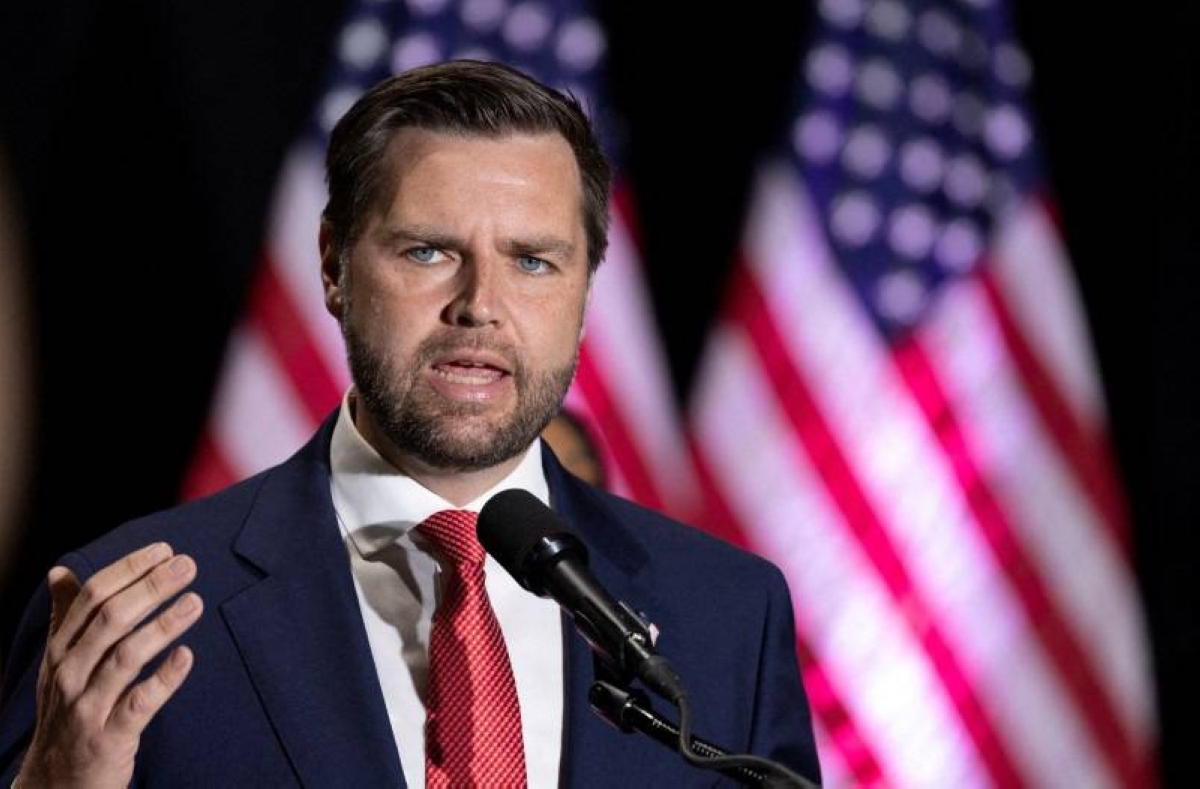
The world's attention will turn Friday to Islamabad, Pakistan, which will host the first public direct talks between the United States and Iran in many years.These talks are described as difficult and crucial due to the tense atmosphere, but according to observers, they represent a historic opportunity that could change the entire map of the Middle East, or could return the region to a spiral of tensions and conflicts if they fail.Delegations are expected to arrive in Islamabad Friday before negotiators formally sit down at the negotiating table Saturday, amid reports confirming that the 30-member US negotiating team has already arrived in Islamabad to review security arrangements.The White House stated that Vice President J.D. Vance would lead the American delegation in these negotiations, along with envoys Steve Wittkopf and Jared Kushner, while Tehran announced that its Foreign Minister Abbas Araghchi and Parliament Speaker Bagher Ghalibaf would lead the discussions in Islamabad, in the presence of mediators and several other figures.These negotiations come in the wake of a two-week ceasefire agreement between Washington and Tehran, brokered by Pakistan, which was announced early Wednesday. The truce, which averted imminent US strikes on Iran, was based on a ten-point Iranian proposal that Washington accepted as a general framework for talks.This round of negotiations will also take place in the wake of an unprecedented military escalation between the two sides, marked by mutual threats and attacks that have directly affected the security of the region and global shipping traffic.Despite the announcement of a temporary truce, events on the ground quickly deviated from the diplomatic messages. Within hours, the agreement was severely undermined, as Israeli warplanes launched what was described as the largest wave of airstrikes on Beirut, the Bekaa Valley, and southern Lebanon since the start of the conflict, targeting nearly 100 sites within minutes, resulting in the death and injury of hundreds of unarmed civilians. Hezbollah responded by targeting the Manara settlement in northern Israel with missiles, while Tehran threatened to retaliate against the Israeli attacks, signaling the collapse of the truce. Tehran declared that the issue of reopening the Strait of Hormuz would depend on full compliance with the ceasefire, including in Lebanon.Pakistan has condemned in the strongest terms the ongoing Israeli aggression against Lebanon, stressing that Israeli actions undermine international efforts to establish peace and stability in the region and constitute a flagrant violation of international law and basic humanitarian principles. Pakistan urged the international community to take urgent and concrete steps to end the Israeli aggression against Lebanon.While the White House confirmed that the ceasefire was limited to direct hostilities between the United States and Iran, and that Lebanon was not included, Iranian officials rejected this interpretation, stressing that a partial ceasefire was unacceptable, and Tehran threatened that it would withdraw from the ceasefire agreement if Israeli attacks on Lebanon continued.Iran had previously rejected a 15-point US list of demands, stating that it imposed broad restrictions on its nuclear program, missile capabilities, and regional alliances. Instead, it presented a 10-point counter-proposal emphasizing its sovereignty and calling for a broad de-escalation.The Iranian proposal also called for recognition of its right to uranium enrichment, the removal of primary and secondary US sanctions, the termination of UN resolutions, compensation for war damages, and a cessation of hostilities in all fronts, including Lebanon.On Wednesday, Qatar welcomed the ceasefire announcement between the United States and Iran, considering it an initial step towards de-escalation and stressing the urgent need to build upon it to prevent the spread of tension in the region.The Ministry of Foreign Affairs expressed, in a statement, Qatar's appreciation for the efforts of Pakistan, particularly those of Prime Minister Shahbaz Sharif and Chief of Army Staff, Field Marshal Asim Munir as well as all parties involved in mediation and good offices that contributed to achieving a ceasefire. The ministry emphasised the importance of full adherence to the ceasefire declaration to ensure the consolidation of the truce and create the conditions for dialogue.The ministry also stressed the necessity for Iran to immediately cease all hostile acts and practices that undermine regional stability and respect for the sovereignty of states, thereby preventing the recurrence of such violations. Furthermore, the Ministry emphasised the importance of guaranteeing the security of maritime routes and the freedom of navigation and international trade in accordance with international law, which contributes to maintaining regional stability and global supply chains.Despite the diplomatic momentum surrounding the Islamabad negotiations, observers warn that these talks face significant obstacles, as fundamental disagreements persist between the two sides. They consider this a historic opportunity to defuse a crisis that threatened to destabilise the Middle East and the global economy. They believe that the wide gap between Tehran's demands, as outlined in its ten-point plan, and Washington's strategic objectives makes reaching a final and comprehensive agreement within the two-week timeframe an extremely difficult task.They also noted that the success of this round of negotiations will depend heavily on the Pakistani mediator's ability to bridge the gaps and on both sides' willingness to make potentially difficult concessions to avoid sliding into a full-blown military confrontation.Pakistan declared an official holiday to facilitate the US-Iranian talks, and imposed strict security measures in the capital, Islamabad, deploying hundreds of police and paramilitary forces to secure the city before the two sides sit down at the negotiating table, awaiting results that could reshape the landscape in the Middle East and the world as a whole, whether towards complete detente or further complications.These are fears that observers and analysts can hardly deny, describing the Friday and Saturday round as a "decisive round" due to its profound and sensitive impact on the geopolitical and security situation in the region, and on the global economy, which is severely affected by the energy supply crisis caused by Iran's halting of navigation in the Strait of Hormuz.   Related Story

Entertainment
Karol G Was NOT Warned to Avoid ICE Comments at Coachella, Despite Reports

Karol G Was NOT Warned to Avoid ICE Comments at Coachella, Despite Reports

Karol G Free to Speak Out on ICE at Coachella ... Despite Reports She Was Warned Not To Published April 9, 2026 1:15 PM PDT Karol G isn’t just making Coachella headlines this week …

World
What is at stake in the Islamabad talks

What is at stake in the Islamabad talks

The US and Iran are set to hold peace talks in Pakistan, which has been mediating, but remain deeply divided on key issues, even though President Donald Trump has said proposals presented by Tehran were a "basis" for talks. Each side is sticking to competing demands for a deal to end the war, with the fate of shipping access through the Strait of Hormuz and Israel's war in Lebanon key issues to resolve. How the talks progress could shape the Middle East for generations. Where do both sides stand?An Iranian delegation is due in Islamabad for talks based on a 10-point proposal, which ⁠shows little overlap with a 15-point plan Washington previously put forward, suggesting there will be major gaps to bridge. For example, Iran's proposal includes a demand to enrich uranium, which Washington previously ruled out and Trump has insisted ⁠is non-negotiable. The 10 points also do not address Iran's missile capabilities, which Israel and the US have both said must be dramatically curtailed. Tehran has said its formidable missile arsenal is non-negotiable, although it is unclear how many of those weapons remain after the war. One Pakistani official in the region said Iran could expect to secure many of its demands, with a focus on reconstruction, reparations and sanctions relief, but could not expect to secure an agreement on uranium enrichment. What will top the agenda? Previous talks have focused on Iran's nuclear programme and missiles. Those issues have now been overshadowed by the fate of the Strait of Hormuz, a chokepoint through which a fifth of the world's oil and liquefied natural gas flows. Iran's effective closure of the waterway since the beginning of the war on February 28 has rattled the global economy, pushing up oil prices. Tehran has indicated that under a permanent peace deal, ⁠it would seek to charge a fee for ships transiting the strait, which is just 34 km (wide at its narrowest point between Iran and Oman. Trump had threatened to devastate Iran if Tehran did not agree to a ceasefire deal and to reopen the strait. There was no sign Iran had lifted its blockade of the waterway, which has caused the worst disruption to global energy supplies in history, and Tehran said there would be no deal as long as Israel was striking Lebanon. How do Iran and US plans compare? Iran's Supreme National Security Council said in a statement that Washington had agreed to accept Iran's 10-point plan and that "the United States has, in principle, committed to": non-aggression; continued Iranian control over the Strait of Hormuz; acceptance of enrichment; lifting all primary and secondary sanctions; termination of all resolutions passed by the UN Security Council and Board of Governors of the International Atomic Energy Agency; withdrawal of US combat forces from the region; and cessation of war on all fronts, including against the Islamic resistance in Lebanon. According to Israeli sources, Trump's ⁠15-point proposal, previously sent to Iran via Pakistan, called for removing Iran's stocks of highly enriched uranium, halting enrichment, curbing its ballistic missile ⁠programme and cutting off funding for regional allies.As the two ⁠sides prepare to hold negotiations, Trump vowed to retain military assets in the Middle East until a peace deal with Iran is reached and warned of a major escalation in fighting if it failed to comply. What are the chances of reaching a lasting settlement?Although Trump has declared victory, Washington did not achieve the aims he had announced to justify the war at its outset: to eliminate Iran's ability to attack its neighbours, destroy its nuclear programme and create conditions that would make it easier for Iranians to topple their government. Iran is unlikely to make major concessions on those points and it has indicated it can patiently keep on fighting, with the Strait of Hormuz giving it economic leverage over an enemy with superior firepower. What is Israel's position and where does Lebanon fit in?Israel, which has been pounding Iran's ally Hezbollah in Lebanon in a parallel conflict, sees Tehran as an existential threat. Israeli Prime Minister Benjamin Netanyahu would like regime change in Iran even though that would probably require boots on the ground and there are no guarantees of stability afterwards. The question of whether the ceasefire covers Israel's war against Hezbollah has become a sticking point that threatens the truce. The US and Israel say Lebanon is not included in the agreement, while Iranian President Masoud Pezeshkian has said a halt in hostilities in Lebanon was an essential condition of Tehran's deal with Washington. Israel said it had agreed to a ceasefire with Iran, but said the deal did not include halting military action in Lebanon. Related Story