Opinion
Europe’s energy crisis response avoids curbs on consumption, for now

Europe’s energy crisis response avoids curbs on consumption, for now

As the energy shock from the Iran war deepens, countries around the world from Australia to Egypt are looking to conserve fuel, be it through encouraging more remote work, limiting air travel, or promoting public transport. But not — ‌with a very few timid exceptions — in Europe. One reason is that the impact on the continent so far ​is not as severe as back in 2022, ‌when Russia invaded Ukraine and slashed gas supplies to Europe, triggering record-high prices and fears of shortages. Another factor is how ‌the cost of living and energy serve as political battlegrounds in ‌a region which saw the 2018 “yellow vests” protests in France ‌over a planned hike in diesel taxes, and where hard-right UK politicians have railed against local schemes to reduce emissions as “anti-car crusades”. For now, say analysts, governments are much keener to dish out money to shield households from rising fuel bills than to urge - or even require - them to use less energy. “Demand-reduction measures are kind of unpopular by essence, and policy-makers might not want to dedicate too much political clout to promoting this,” Phuc-Vinh Nguyen, head of the Paris-based Jacques Delors Energy Centre, told Reuters. Of the more than 180 policy measures pursued by European governments to address the energy shock, fewer than 10 largely voluntary ones are geared towards cutting energy consumption, Nguyen said of his centre’s findings. EU recommendations to governments published last week omitted measures to curb consumption — from organising car-free days to encouraging businesses to enforce more ​remote working — that were in an earlier draft seen by Reuters. A European Commission spokesperson did not immediately respond to a request for comment on the change. In total, European governments have so far committed nearly €14bn ($16.38bn) to measures responding to the energy crunch - a fraction of the roughly €500bn ‌they offered back in 2022 but still adding strain to overstretched public budgets. Moreover, the ​focus has been on blanket measures such as the fuel tax cuts seen in Germany, Spain, Poland and ​elsewhere, rather than targeting support to vulnerable households. In 2022 as gas prices hit record highs, EU and International Energy Agency (IEA) guidelines to curb energy use included home-working and reducing driving speed. Britain launched a public campaign on how to keep warm while saving energy in winter. But with European natural gas prices still far below 2022 levels and no fuel shortages so far, governments are holding back compared with Asian countries more dependent on Middle Eastern energy. “Hard measures and restrictions could lead to panic,” Poland’s Energy Minister Milosz Motyka ‌said this month of concerns such calls could spark ‌hoarding and so add to supply disruption. “We are making gentle suggestions and hope drivers will adapt to the current situation,” he said. That approach speaks both to how some Europeans bristle at being told to save energy rather than doing it voluntarily, and the need for well-crafted messages that resonate with people. In France, opinion polls taken before the current energy shock showed French drivers accept the rationale for driving slower to save fuel. But, noted Nguyen, enforced lower speed limits have tended to prove unpopular. “Unless you’ve got the public understanding the scale of some of the issues that we face as a nation ... you’re not really going to be able to land these messages about ‘now it’s the time to be frugal in the way we use fuel’,” Toby Harris, chair of Britain’s National Preparedness Commission, an independent advisory body, said. None of this means Europeans ​oppose energy conservation. An Irish energy curbs campaign in 2022 was associated with a 12% reduction in residential electricity use, the IEA says. In the winter after Russia’s invasion of Ukraine, one poll found that 90% of Germans were consciously saving heating energy. While governments may argue that the shock is not severe enough to go down the route of energy usage curbs, some say it would be prudent to do so anyway because it would lower prices now and help fill gas storage over the summer.    

World
US Supreme Court leans towards Trump’s move targeting immigrants

US Supreme Court leans towards Trump’s move targeting immigrants

The US Supreme Court appeared sympathetic Wednesday towards moves by President Donald Trump’s administration to strip humanitarian protections from hundreds of thousands of Haitian and Syrian immigrants, part of his signature immigration crackdown. The justices heard arguments in the administration’s appeal of rulings by federal judges in New ‌York and Washington, DC, halting its actions to terminate Temporary Protected Status, or TPS, previously provided by the US government to more than 350,000 people from Haiti and 6,100 ​from Syria. The legal dispute presents a test of Trump’s executive power and the Supreme Court’s traditional deference to presidents ‌on matters of immigration, national security and foreign policy. The court last year let the administration ‌end TPS for hundreds of thousands of Venezuelans. US Solicitor General D John Sauer, ‌arguing for the Trump administration, said the lawsuits challenging the TPS revocation are meritless and barred by federal law. The lawsuits before the Supreme Court “challenge the very kind of foreign policy-laden judgments that are traditionally entrusted to the political branches,” Sauer said. Revoking TPS and other humanitarian protections is part of Trump’s broader rollback of legal and illegal immigration since he returned to office in January 2025. In defending its actions on TPS, the administration has said such protections were always meant to be temporary. The United States first provided these protections to Haitians after a major earthquake in 2010 and to Syrians after their country descended into civil war in 2012. Under US law, TPS is a designation that allows migrants from countries stricken by war, natural disaster or other catastrophes to live and work in the United States while it is unsafe for them to return to their home countries. Ahilan Arulanantham, the lawyer representing the Syrian immigrants, said the administration’s position “contravenes the text, bedrock administrative law and common sense,” adding that “the government reads the statute like a blank check.” The administration has said it followed proper procedures, and has made the broader ​argument that courts cannot second-guess its TPS decisions in the first place, an assertion that if accepted by the court could doom challenges going forward. The law governing TPS “bars judicial review of both the (Department of Homeland Security) secretary’s ultimate decision, whether to designate, extend or terminate and of each antecedent step along the way to that determination,” Sauer told the justices. “That provision means what it says,” Sauer said, adding that “attempts to carve out exceptions ‌to the review bar would eviscerate it.” The Trump administration has drawn parallels between the revocation of TPS and Trump’s travel ban targeting several Muslim-majority countries during his first term, which the Supreme Court declined to block in a 2018 decision known as Trump v. Hawaii. Justice Sonia Sotomayor, one of the three liberal justices, said the administration’s position is at odds with the relevant federal statute and the US Constitution. “Congress could have said any termination of TPS status is unreviewable, but it didn’t,” Sotomayor said. The relevant statute may not allow a challenge to the “substantive conclusions” of whether TPS should be terminated, but it does seem to allow challenges to the procedural steps undertaken to get there, Sotomayor said. “What you are basically saying is Congress wrote a statute for no purpose,” Sotomayor said. Federal law, Sotomayor said, clearly “set forth procedural steps that had to be followed.” TPS recipients, until the termination, “are here lawfully with permission,” Sotomayor added. “They are entitled to due process, and now Congress has given them a process — it may not be a court process, but that’s okay, it’s a process — and you are saying it is ‌unreviewable whether the president has followed that process.” The Supreme Court has granted ‌the Republican president’s requests to immediately implement various hardline immigration policies while legal challenges continue to play out in courts. For instance, it let Trump deport immigrants to countries where they have no ties and let federal agents target people for deportation based in part on their race or language. The legal dispute could have wide implications, affecting 1.3 million immigrants from all 17 countries currently designated for TPS, according to the plaintiffs. Trump’s administration has sought to rescind the protections for 13 of those countries so far. Conservative Justice Brett Kavanaugh asked Sauer why Congress would have wanted to prohibit judicial review of TPS determinations. Sauer responded that revoking a TPS determination is “the sort of foreign policy-freighted decision that lies at the heartland” of the executive branch’s competence. “Those sort of determinations being second-guessed at the district courts - it’s almost like these district court judges (are) appointing themselves junior varsity secretaries of state,” Sauer said. Lower courts ruled against the TPS terminations, finding that administration officials failed to follow mandatory protocols to assess conditions in a country before ​revoking its designation. The Trump administration has argued that courts should not be second-guessing whether government agencies engaged in sufficient consultant with each other before terminating TPS. Conservative Justice Samuel Alito seemed to endorse that argument, saying “it is always going to be possible to raise procedural objections to what’s been done.” When TPS for Syrians was terminated, “there was some consultation,” Alito said. “It was very brief, and maybe it was not what one would hope for, but still.” At issue are actions taken last year by Kristi Noem, Trump’s former Department of Homeland Security secretary, to revoke the TPS designations for Syria and Haiti, stating that providing this status to them was contrary to US national interests.  Related Story

Sports
Pogacar wins opening full stage to take Tour de Romandie lead

Pogacar wins opening full stage to take Tour de Romandie lead

UAE Team Emirates-XRG’s Slovenian rider Tadej Pogacar celebrates as he crosses the finish line to win the first stage of the Tour of Romandie UCI cycling World tour, a 171.2 km loop from Martigny-Ville to

Opinion
Qatar’s Islamic banking expertise a valuable pathway for Uzbekistan

Qatar’s Islamic banking expertise a valuable pathway for Uzbekistan

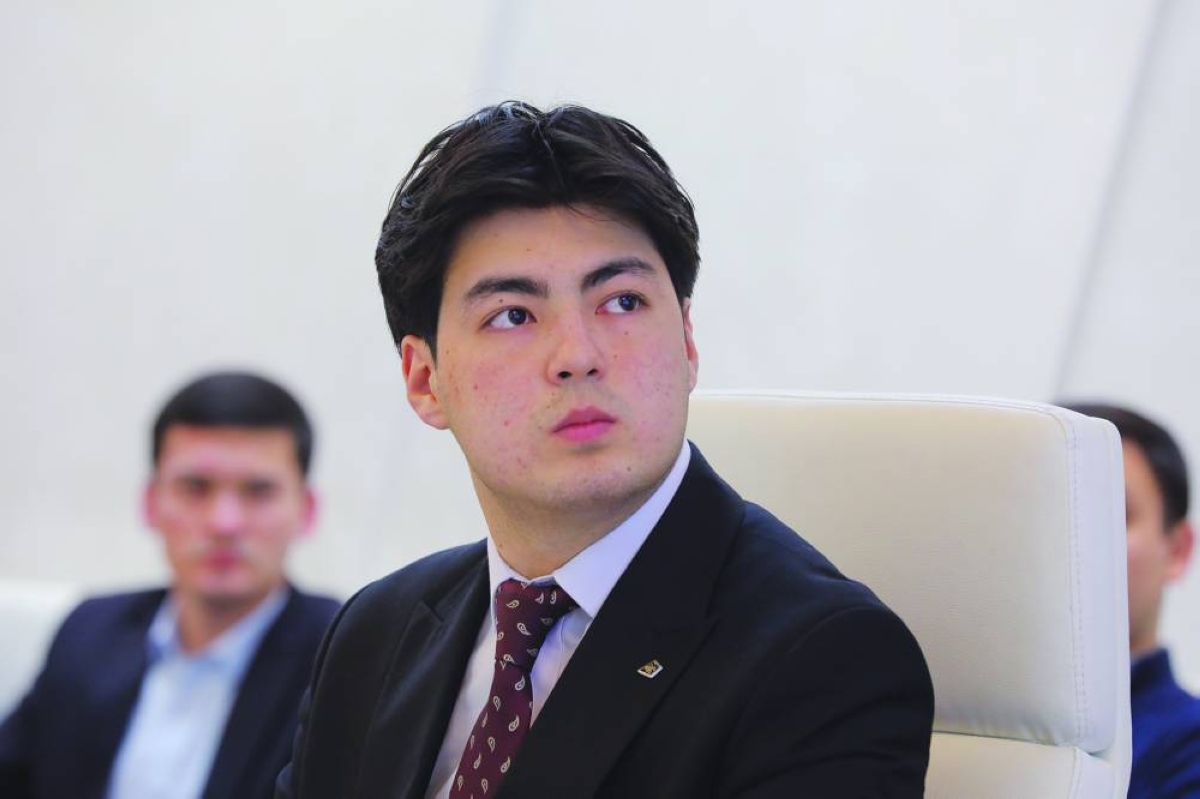
The Islamic financial system began its development in the early 1970s, and by 2026 the value of global Islamic financial market assets reached $6tn. According to the Annual State of the Global Islamic Economy (SGIE) Report, the average growth rate of assets in Islamic finance has been increasing at 5.5% per annum. For decades, Qatar has built one of the world’s most sophisticated Islamic financial ecosystems. With $190bn in assets and a compound annual growth rate of 6.4%, the country is positioning itself as a global hub for Islamic banking, underpinned by a strong regulatory framework and the authorities’ sustained commitment to sectoral development. Under the visionary leadership of HH the Amir Sheikh Tamim bin Hamad al-Thani, Qatar has been playing a significant role in regional and global Islamic finance industries, leveraging its strong financial infrastructure and strategic initiatives to promote development and innovation. Qatar’s prosperous Islamic finance industry makes up 27% of total financial system assets, hosting two of the region’s largest Islamic banks. Economic growth and diversification have been strong drivers of expansion. With a boost from hosting the FIFA World Cup in 2022, Qatar’s diversification efforts have significantly shifted its economic structure, with non-oil sectors contributing 64% to real GDP by Q3 2024, a rapid rise from 39% in 2013. The financial sector’s contribution also rose, from 5% to 8% of real GDP, according to the Qatar Islamic Finance Report 2025. The Third Financial Sector Strategic Plan, launched by the Qatar Central Bank in 2023, places strong emphasis on Islamic finance across four central pillars: banking, insurance, digital finance, and capital markets. Qatar ranks sixth globally in Islamic fintech by market size, with projections of $4.8bn by 2029. Recent recognition of Qatar Islamic Bank as a regional leader in SME banking further underscores the quality of its institutions. These achievements are underpinned by the strategic role of the Qatar Financial Centre (QFC) in shaping a supportive environment for Islamic finance. QFC’s business-friendly environment and common-law legal framework have attracted leading Islamic banks and fintechs. Thanks to these advantages and proactive initiatives such as fintech incubators and regulatory sandboxes, Qatar has been ranked among the top global hubs for Islamic finance, while QFC is among the top 10 global fintech hubs for Islamic finance. This environment of sustained achievement forms a compelling backdrop for the historic development now unfolding in Uzbekistan — one that warrants Qatar’s close attention. Uzbekistan opens a new chapterBy the initiative of President Shavkat Mirziyoyev, Uzbekistan reached a milestone by officially adopting a comprehensive Islamic banking law in March 2026 (No LRU-1126, dated 27.03.2026), establishing its first legal framework for Shariah-compliant finance. Developed by the Central Bank of Uzbekistan with the participation of domestic and international experts, the law incorporates international standards and best practices. The reform unlocks a large, untapped segment of Muslim household savings while positioning Uzbekistan to attract significant capital flows from Islamic financial markets across the GCC and Southeast Asia. As an Islamic Development Bank report notes, Uzbekistan’s young, digitally native population makes it a natural market for Islamic fintech — and a dual-track strategy of regulatory reform and digital infrastructure could enable it to leapfrog more mature markets. Uzbekistan Strategy 2030 provides a robust foundation for these aspirations. At least one Islamic commercial bank will be established in 2026, with two more planned for 2026–2030. The strategy is expected to attract an additional $1bn in investments and deposits by 2030. The Tashkent International Financial Centre (TIFC), now under establishment, is projected to attract $20bn–$25bn by 2030, add up to 1% to annual GDP growth, create 15,000 skilled jobs, and train 10,000 professionals. According to Islamic Development Bank reports, introducing Islamic finance in Uzbekistan will attract about $10bn in investment and create more than 100,000 jobs. Islamic banking in Uzbekistan now encompasses various financial instruments adhering to Shariah principles, including sukuk, which offer an alternative investment option emphasising asset-backed financing and profit-and-loss sharing arrangements. A key driver behind adoption is the aim to promote financial inclusion, catering to individuals and businesses with religious or ethical preferences for interest-free banking. The legislation amends the Tax Code, Civil Code, and seven other laws, while formally introducing concepts including Islamic banking activities, Islamic financial operations, financial standards, and investment deposits. It introduces the full suite of core Islamic instruments — from mudarabah (profit-sharing partnerships) to murabaha (deferred-sale financing) — giving Uzbekistan a complete toolkit from day one. New instruments including sukuk, Islamic PPP financing, and musharaka joint venture structures align Uzbekistan with centres such as Qatar, Saudi Arabia, UAE, Malaysia, and Indonesia. Prospects for Qatar-Uzbekistan initiativesBy merging Qatar’s robust financial resources and international networks with Uzbekistan’s expanding digital market and youthful, skilled workforce, the two countries can create fertile ground for collaboration. Potential areas include: 1. Uzbek-Qatari Islamic Digital Bank. Licensed under Uzbekistan’s new Islamic banking law and built with modern fintech tools — mobile apps, AI-driven credit scoring, blockchain-based sukuk issuance, and embedded finance. Qatar’s Islamic banking sector is led by world-class institutions like Qatar Islamic Bank and Qatar International Islamic Bank, and its fintech ecosystem is highly advanced.The Qatar Investment Authority and banks could provide funding and digital infrastructure, while Uzbek regulators offer incentives including VAT and tax exemptions on Islamic products, plus access to Uzbekistan’s 38mn-plus largely Muslim population. The venture would mobilise dormant domestic savings and attract at least $1bn in foreign Islamic investment as envisioned by Uzbekistan’s roadmap.The joint bank might use a turnkey digital core and fast licensing via the TIFC, launching with basic Shariah products and quickly adding fintech-enabled services such as Islamic digital wallets, online takaful, and robo-advisors for halal portfolios. Qatar’s fintech hub and QFC Innovation Dome, with experience incubating Islamic fintechs, could help integrate these technologies. 2. Strategic Partnership between TIFC and QFC. Under this agreement, the centres would exchange expertise, harmonise regulations, and jointly promote Islamic fintech. QFC offers 100% foreign ownership, fast licensing, fintech sandboxes and common-law regulations that have attracted global fintechs; TIFC could adapt these frameworks. Conversely, TIFC offers QFC a foothold into Central Asia. The partnership might create a joint Islamic Fintech Innovation Lab or co-host an annual GCC-Central Asia Islamic finance forum.The centres could cooperate on regulatory capacity-building, with Qatar’s regulators sharing experience in setting up Shariah governance and digital banking rules; cross-listing of firms, with QFC-based Islamic fintechs fast-tracked into TIFC markets and Uzbek fintechs setting up in QFC to raise Gulf capital; and joint training programmes for Uzbek bankers in Islamic finance and Qatari experts in Central Asian markets. 3. Qatar-Uzbekistan Islamic Investment Platform. A dedicated platform focused on channelling Qatari capital into high-impact sectors of Uzbekistan’s economy through Shariah-compliant instruments. Jointly managed by sovereign or semi-sovereign entities, it would utilise Qatar’s vast financial resources to fund infrastructure, agriculture, energy, and SME development projects. Structured through sukuk, private equity, and Islamic venture capital funds, the platform would ensure profitability and adherence to ethical investment principles.Central Asia can become a promising destination for Qatari capital within Doha’s policy of diversifying its investment portfolio. Inspired by successful cross-border initiatives in Southeast Asia and the Gulf, the platform would symbolise Qatar’s role as a catalyst for inclusive growth, serving as a long-term financial bridge between the two nations and deepening strategic ties across the Islamic world. ConclusionQatar’s remarkable expertise in Islamic finance and Uzbekistan’s forward-looking reforms form a powerful synergy that promises to redefine regional financial collaboration. As Uzbekistan opens its doors to Shariah-compliant innovation, Qatar stands as an exemplary partner — offering visionary leadership, capital strength, and global networks. Together, the two nations can build a dynamic bridge of shared prosperity, driving inclusive growth and advancing the Islamic banking frontier across Central Asia and beyond. The writer is a Legal Specialist. 

World
Italy recovers looted antiquities from US

Italy recovers looted antiquities from US

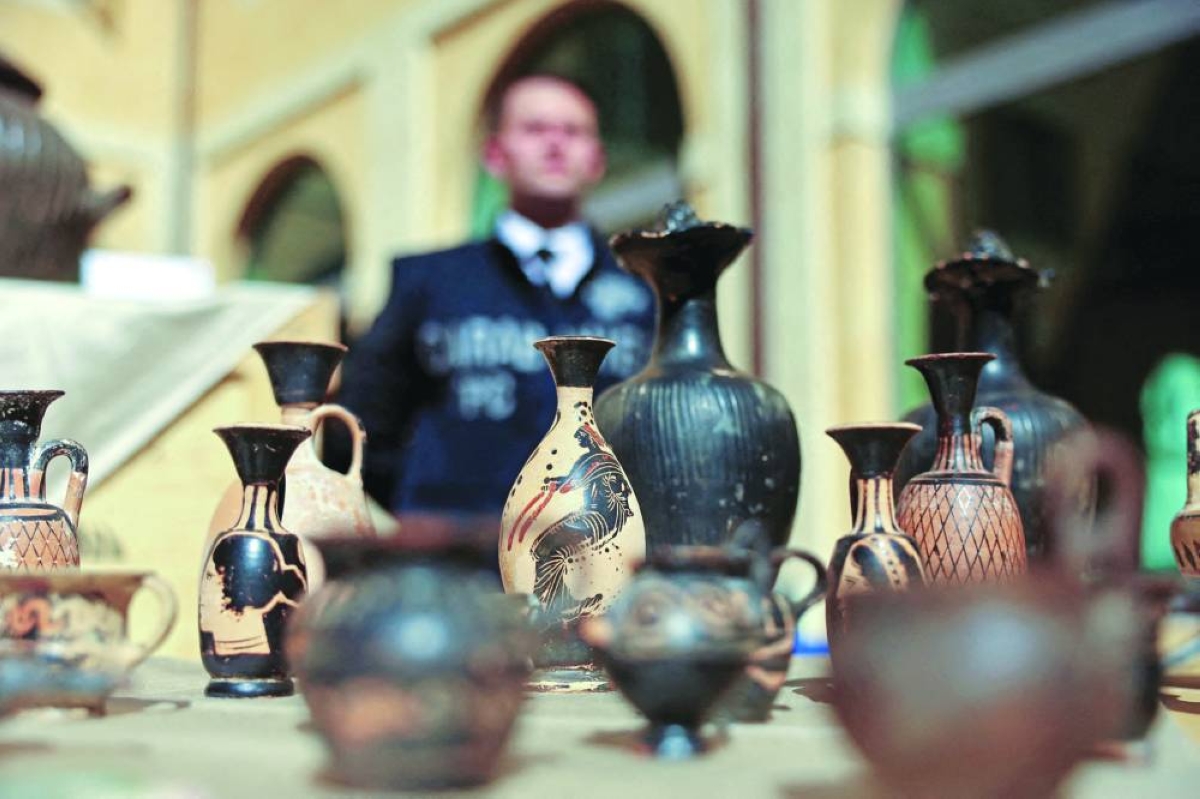
Artefacts recovered from the US following a repatriation operation are displayed during a presentation at the Carabinieri Command for the Protection of Cultural Heritage, in Rome, Wednesday. (Reuters) The US has handed back 337 antiquities looted from Italy in one of the largest recent ​returns of stolen cultural ‌property, officials said Wednesday, highlighting deepened co-operation between Rome ‌and Washington. The artefacts, ranging from ancient ‌Roman sculptures to Greek, Etruscan and Egyptian ‌pieces, were presented at the headquarters of Italy’s Carabinieri cultural protection unit following an array of investigations, many centred on New York. Italy has spent decades trying to curb a rampant trade in illicitly excavated antiquities, securing the repatriation of thousands of artefacts worth tens of millions of euros. The campaign has gained momentum in recent years, aided by online databases, advances in technology and closer co-operation with US authorities, particularly the Manhattan ​district attorney’s office, which found 221 objects of this latest haul. “There’s no country in the world that has history and culture like Italy, and the US ‌will always do whatever it takes to help bring ​these wonderful artefacts back to your very special country,” the ​US ambassador to Italy Tilman J. Fertitta told reporters. Among the most significant items unveiled Wednesday were a marble head of Alexander the Great dating to the first century AD, which was stolen from a Rome museum in 1960. Also recovered were a bronze sculpture looted from the Roman town of Herculaneum, two Egyptian basalt statues, Roman coins, jewellery, ceramics and architectural fragments spanning from the fifth century BC to the third century AD. Italian authorities said many of the objects were ‌taken from clandestine excavations or ‌stolen from cultural institutions before being funnelled into the international art market. “Protecting cultural heritage means defending memory, strengthening identity and passing on to future generations the value of culture as a universal public good,” said Italian Culture Minister Alessandro Giuli. Italy and the US last year renewed a memorandum of understanding tightening US import restrictions on Italian archaeological material, strengthening customs controls and expanding information-sharing. The US is one of the main markets for ​global antiquities, with an array of auction houses, private collectors and museums interested in acquiring rare artefacts. “Sometimes they do not pay enough attention as to why these antiques are up for sale. That can be a very costly mistake,” said an official from the Culture Ministry, who was not authorised to talk to the press. “We know what is missing and are getting much better at finding it,” she added, predicting more returns in the ‌future. The recovered objects will ​now be studied and, where possible, returned to their places of origin across Italy.  Related Story

Sports
Qatar ends campaign with two gold and one silver

Qatar ends campaign with two gold and one silver

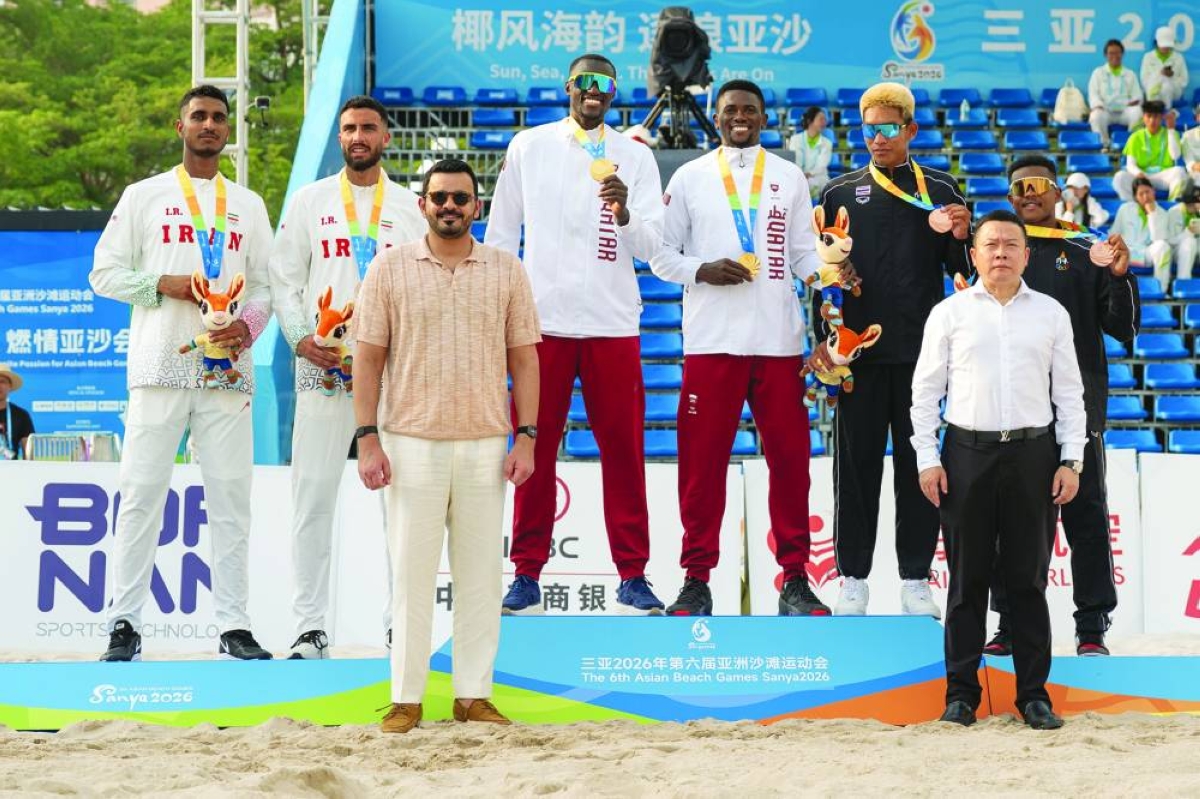
Qatari teams wrapped up their campaign at the Asian Beach Games – Sanya 2026 in style, finishing with an impressive haul of two gold medals in 3x3 basketball and beach volleyball, along with a silver in beach handball, further cementing their status as a dominant force on the continental stage. Tokyo Olympic bronze medallist Cherif Younousse and Ahmed Tijan delivered a standout performance, clinching beach volleyball gold with a commanding straight-sets victory over Iran in the final 2-0 (21–15, 21–12). The duo showcased remarkable consistency throughout the tournament, topping Group B unbeaten before powering past the Maldives, Uzbekistan, and China in the knockout rounds, and defeating Thailand in the semi-finals on their way to the title. Thailand went on to secure bronze after a 2–0 win against Oman. This triumph adds another chapter to Qatar’s strong legacy in regional beach volleyball, building on their success at the Asian Beach Games 2014 and the Asian Beach Games 2016, where they claimed gold and silver respectively. Qatar Volleyball Federation President Ali Ghanem al-Kuwari dedicated the achievement to the nation’s leadership, stating: “We dedicate this gold medal to His Highness the Amir Sheikh Tamim bin Hamad al-Thani and His Excellency Sheikh Joaan bin Hamad al-Thani, in recognition of their unwavering support and patronage of sport. We also dedicate this success to the Qatari people, who consistently stand behind their national teams. This accomplishment is the result of a long-term vision built on sustained effort and careful planning.” He added: “The leadership of Sheikh Joaan has played a pivotal role in elevating Qatar’s sporting presence across Asia, positively influencing volleyball and other disciplines. It has strengthened the country’s reputation as a key contributor to the development of sport on the continent, while instilling greater confidence in our national teams as they compete on the international stage.” Qatar’s men’s 3x3 basketball team were also crowned champions after a commanding 21-10 victory over Thailand in the final, capping an outstanding run at the tournament. Qatar opened the knockout stage with a hard-fought 18-16 win against China in a fast-paced, high-intensity semi-final, before carrying that momentum into a one-sided final where they controlled proceedings from start to finish. Thailand had booked their place in the final with a narrow 20–18 victory over the Philippines, while China secured the bronze medal after defeating the Philippines 21-13 in the third-place play-off. Despite the physical and mental demands of playing multiple matches in a single day, the Qatari side displayed remarkable composure. Their trademark fast tempo, sharp execution, and ability to capitalise on scoring opportunities proved decisive as they sealed a well-deserved gold medal. Qatar’s path to the title was built on a flawless group-stage performance, where they topped Group C with victories over Bahrain, Kazakhstan, and India. They then maintained their strong form with a convincing win over Iran in the quarter-finals, setting the stage for their golden finish.In the women’s competition, Qatar exited in the second round after a loss to Singapore, having advanced from the group stage with a third-place finish. Following the victory, Mohammed Saad al-Meghaiseeb, President of the Federation, dedicated the achievement to Qatar’s leadership, noting that the team fully deserved the title based on their performances throughout the tournament. He highlighted that this marks Qatar’s third consecutive gold medal in 3x3 basketball at the Asian Beach Games, following earlier triumphs in 2014 and 2016. He said the victory reflects the players’ high level of preparation and professionalism, particularly in handling the demanding format of multiple decisive matches in a single day. Their discipline, focus, and consistency, he said, were key factors behind the team’s success. Meanwhile, Qatar’s handball team won the silver medal after losing 2-1 to Iran in the final Wednesday. The achievement capped a strong tournament campaign. Qatar opened their run with victories over Pakistan, Oman, Bangladesh, Mongolia, and Jordan, before topping their group with a win over Thailand. They then defeated Bahrain in the semi-finals to reach the final. Thailand secured bronze after defeating Bahrain 2-0 in the third-place match. The Qatari beach handball team remains one of the strongest sides on the continental and international stage, with a decorated record that includes Asian Beach Games titles in 2012 (China), 2014 (Thailand), and 2016 (Vietnam). They also won silver at the 2022 World Games and bronze medals at the World Championship in 2014 and 2016, underlining their sustained competitiveness across major tournaments.  Related Story

World
QF students reflect on Education City’s resilience, support, continuity

QF students reflect on Education City’s resilience, support, continuity

When regional tensions escalated, students across Qatar Foundation’s (QF) Education City found themselves navigating uncertainty, disruption, and concern. For many students, the greatest difficulty came in the early days, when the future felt unclear and routines suddenly shifted. During this intense period, QF ensured to safeguard its community through clear communication and swift co-ordination, while ensuring academic continuity during a challenging period. Usama Aliyu, a PhD candidate in Genomics and Precision Medicine at QF’s Hamad Bin Khalifa University (HBKU), described the initial moments as “deeply unsettling”. He said: “The biggest challenge was the initial panic and not knowing what might happen next and how it could affect our academic life and safety.” Beyond personal concerns, Aliyu also carried responsibilities as a student leader, acting as a link between students and administrators. “I was supporting others, answering questions, and providing reassurance, often without having complete information myself. Being the bridge between students and management during such a tense period required composure, clarity, and emotional resilience.” With families of students watching events unfold from afar, Aliyu feels that studying abroad during a time of regional tension carries additional emotional responsibility. “My main concern was reassuring my family that we were safe, despite what they were seeing on international news. Balancing their concerns while staying focused on my studies required emotional strength, but the strong support system at QF made that much easier.” For Kareem Fanous, a final-year medical student at Weill Cornell Medicine–Qatar, QF partner university, the uncertainty came at a particularly critical moment. “Being so close to graduation, there was constant concern about how the situation would evolve and impact the remainder of the semester,” he said. Fanous explains that logistical changes compounded these concerns. “Rapid transitions to online learning and multiple evacuations from student housing highlighted how unpredictable the situation was.” Despite these challenges, Fanous emphasised that Qatar Foundation’s response played a significant role in reducing anxiety and maintaining order, describing clear and frequent communication as “a recurring theme across student experiences”. Ameer Shamyl Ahmed, a Pakistani student completing his Master’s degree in Islam and Global Affairs at HBKU’s College of Islamic Studies this year, shared that the support he received went far beyond operational measures. Having lived in Qatar for two years, he noted that Student Housing at Education City demonstrated exceptional flexibility and care throughout the period. He also emphasised the value of community building efforts. “Initiatives such as creating gaming areas and organising small gatherings, including group Suhour and Iftar during Ramadan, offered moments of comfort and normalcy during a challenging time.” A similar sense of disruption was felt by Aya Abdelhamid, an Information Systems student at Carnegie Mellon University in Qatar and a Class of 2026 graduate. Born and raised in Qatar, Abdelhamid had spent most of her life immersed in a vibrant campus and social environment. Abdelhamid echoed QF’s consistent presence throughout the transition. “What I really appreciated was how responsive QF was,” she said. “It never felt like we were left to figure things out on our own.” “Even beyond academics, just knowing there were support systems in place made a big difference during such an uncertain time,” she added.  Related Story

Entertainment
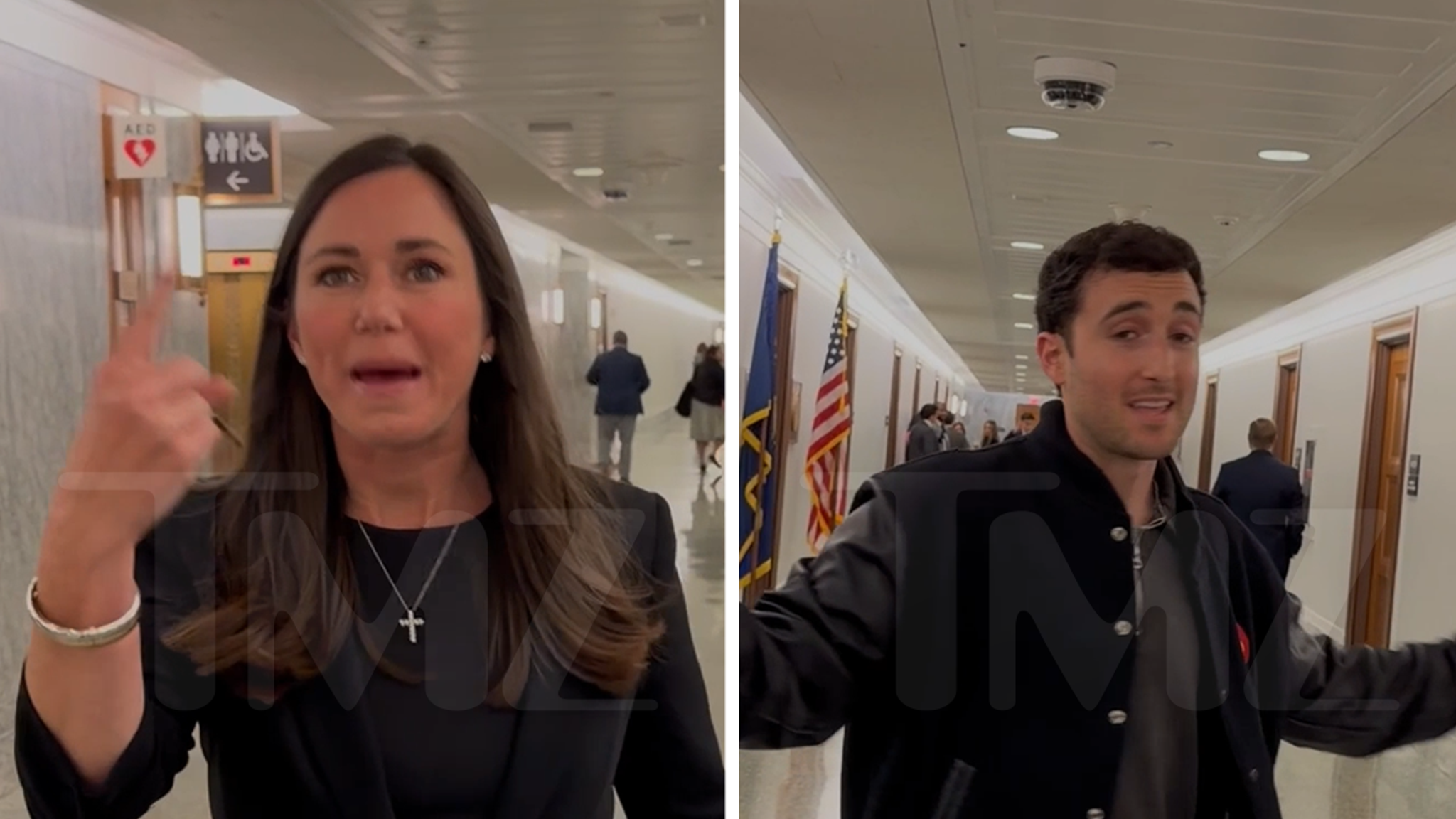
Senator Katie Britt To Go on D.C. Date with Jacob!!!

Senator Katie Britt To Go on D.C. Date with Jacob!!!

Senator Katie Britt Hot Date with Jacob in the Works!!! Published April 29, 2026 1:55 PM PDT Play video content Our own Jacob is both bold and beautiful, because with a new haircut, he mustered

News
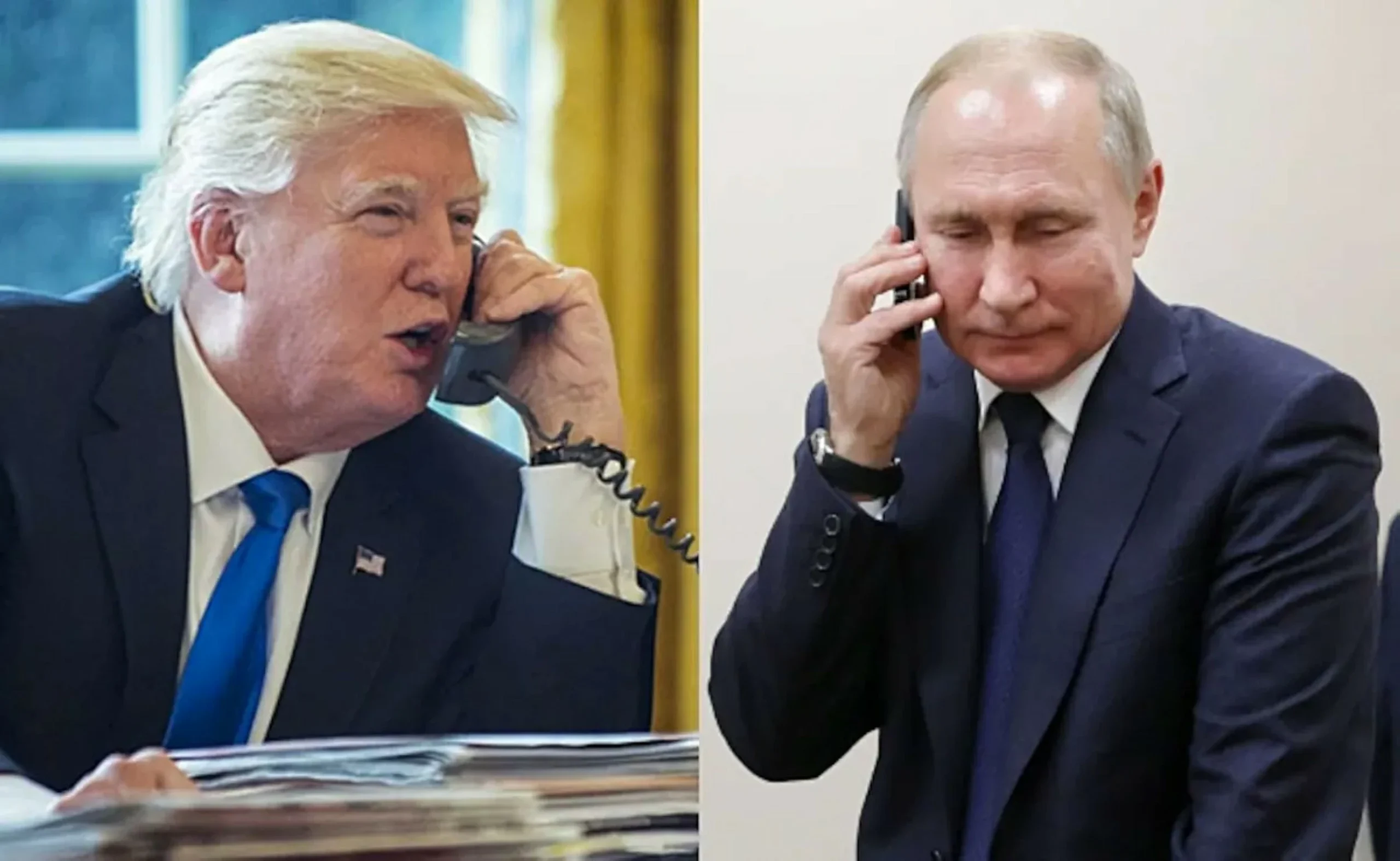
Putin, Trump discuss Iran and Ukraine in phone call: Kremlin

Putin, Trump discuss Iran and Ukraine in phone call: Kremlin

Russian President Vladimir Putin spoke by phone with US counterpart Donald Trump, Kremlin aide Yuri Ushakov said on Wednesday, adding the two leaders discussed the Middle East war and Ukraine.The call lasted more than 90

Entertainment
Sinbad Taking the Stage For First Show Since Debilitating 2020 Stroke

Sinbad Taking the Stage For First Show Since Debilitating 2020 Stroke

Sinbad I'm Going Back on Stage ... Its Been a Long Road to Recovery!!! Published April 29, 2026 12:39 PM PDT Play video content It's been more than five years since the iconic comic-actor Sinbad