World
Ukrainian drones strike Russia’s Ust-Luga port again, sources say oil terminal hit

Ukrainian drones strike Russia’s Ust-Luga port again, sources say oil terminal hit

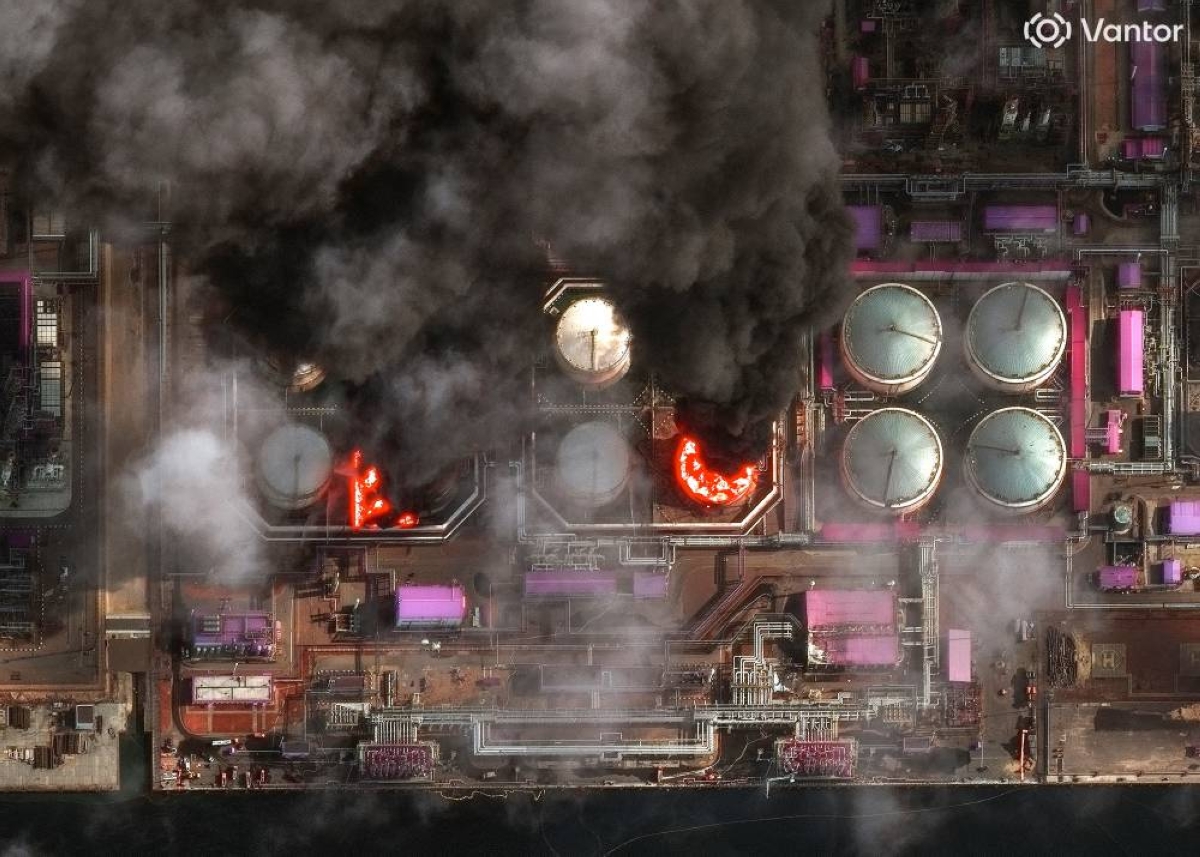
A satellite near-infrared image shows smoke rising from oil storage tanks at Russia's Baltic Sea port of Ust-Luga, which was struck multiple times in Ukrainian attacks, in Ust-Luga, Russia. (Reuters) Ukrainian ​drones Tuesday struck Russia's ‌Baltic Sea port of Ust-Luga for the fifth time in ‌10 days, ⁠and industry sources ‌told Reuters an oil loading terminal ‌was hit, likely adding to Russia's difficulties in exporting crude.Kyiv has stepped ⁠up attacks on Russia's oil export infrastructure over the past month, launching its heaviest drone strikes of the more than four-year war against the Baltic ports of Ust-Luga and Primorsk.At least 40% of Russia's oil export capacity has been halted due to drone attacks, a disputed strike on a major pipeline and the seizure of tankers, according to ​Reuters calculations based on market data.Ukrainian President Volodymyr Zelensky said on Monday that some of Kyiv's allies had sent "signals" about the possibility of scaling back its long-range ‌strikes on Russia's oil sector ⁠as global energy prices ​have surged due to the Iran war.Regional governor Alexander Drozdenko said three people, including two children, were treated for injuries, and several buildings had been damaged in the overnight attacks.In a message on Telegram at 0409 GMT, he said air-raid alerts in the region had been lifted but gave no details on damage to the port.He later said that the aftermath of the attack on Ust-Luga had been "eliminated" or dealt with. He said the supply of hot water and heating to residential and other ‌units in the region were ‌restored.Kremlin spokesman Dmitry Peskov called ⁠the strikes "terrorist attacks," adding that Russia was working on protecting its critical ⁠infrastructure."This doesn't mean these ⁠facilities can be 100% protected from such terrorist attacks. However, intensive work is being carried out, and this applies not only to the port... but to all other critical infrastructure facilities," he told a daily conference call with reporters.Three industry sources told Reuters Ukrainian drones struck crude oil loading facilities operated ​by Russian pipeline monopoly Transneft in the latest attack. Transneft did not immediately reply to a request for comment.Ust-Luga, on the south-eastern shore of the Gulf of Finland, is a sprawling complex of oil-processing facilities and export terminals handling crude oil and oil products.According to source-based data, the port exported 32.9mn metric tonnes of oil products last year. It typically handles about 700,000 barrels of crude oil per day.Authorities say Ust-Luga ‌was hit on ​March 22, 25, 27, 29 and 31, forcing suspensions of export operations.  Related Story

World
Detained Niger president’s fate unclear nearly three years on

Detained Niger president’s fate unclear nearly three years on

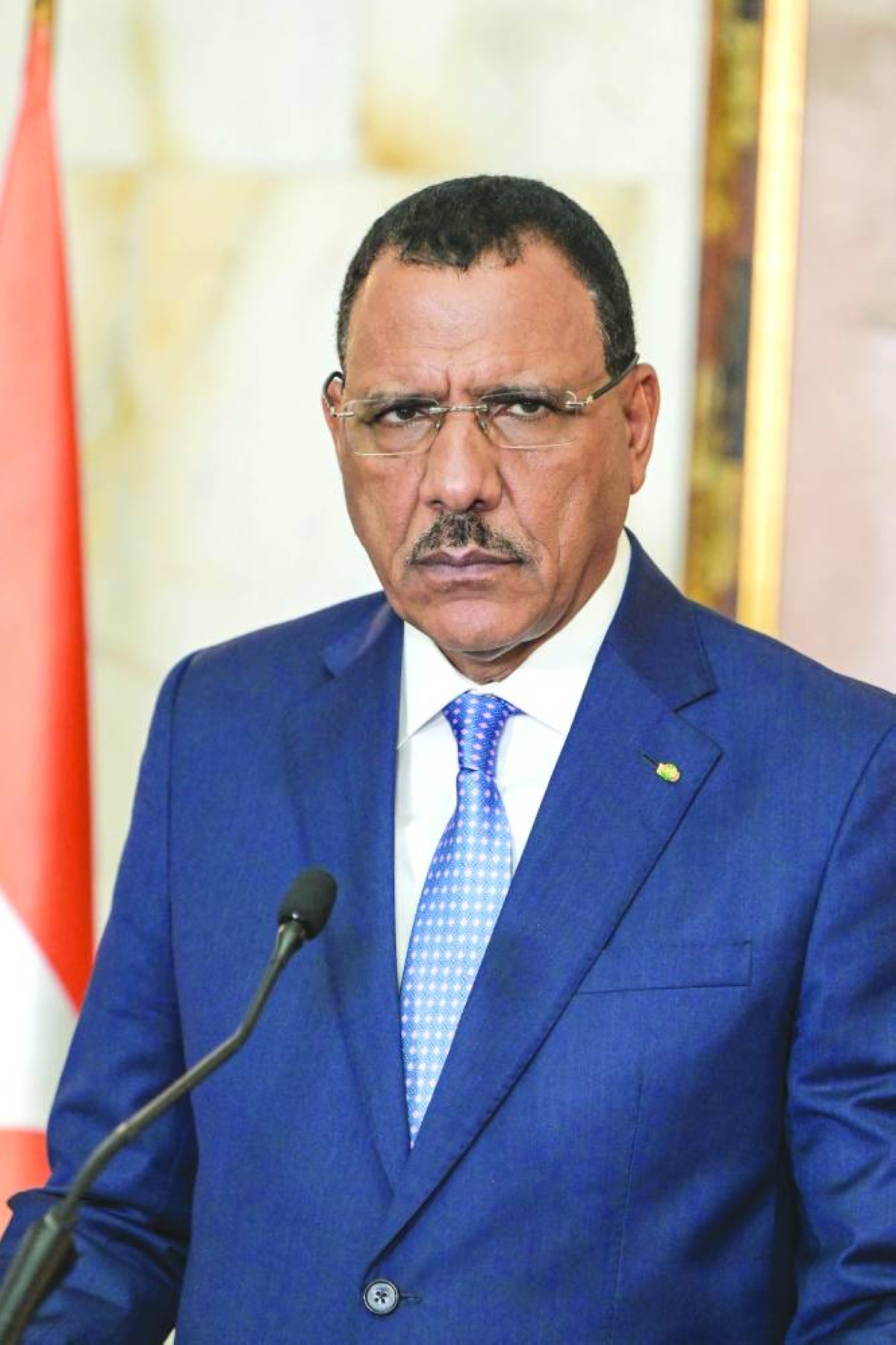
File Picture: Niger's President Mohamed Bazoum holds a press conference with Ivorian President after a meeting at the presidential palace in Abidjan, on June 23, 2022. The term of Nigerien President Mohamed Bazoum, overthrown in

World
UK’s King Charles III to pay state visit to US in late April

UK’s King Charles III to pay state visit to US in late April

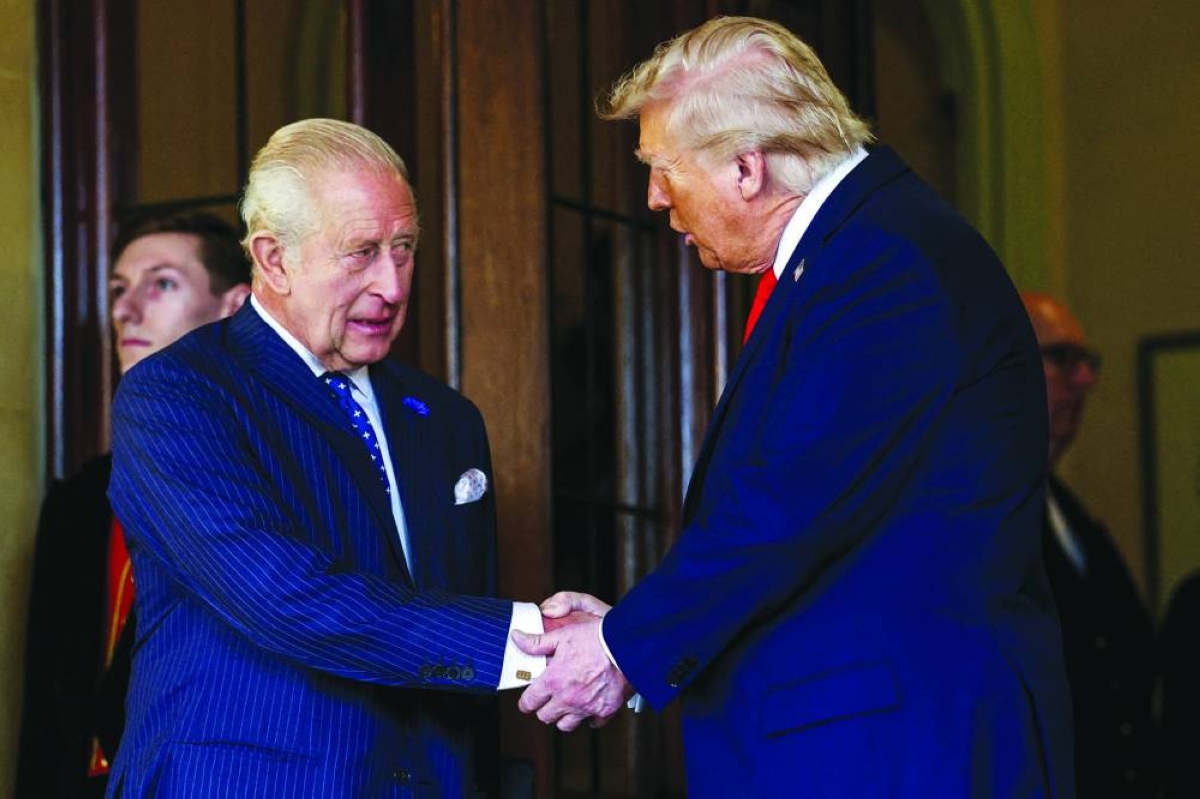
US President Donald Trump shakes hands with Britain's King Charles, as Trump departs Windsor Castle, in Windsor. (Reuters/File Photo) King Charles III will visit the US in late April, Buckingham Palace announced Tuesday, despite some calls for the trip to be cancelled or delayed amid strains over the Iran war.Confirmation of the monarch's first state visit to the US comes at a rocky time for the so-called US-UK "special relationship", with US President Donald Trump repeatedly criticising Prime Minister Keir Starmer's reticence over the US-Israel war against Tehran.But Trump, whose mother came from Scotland and is a big fan of the British monarchy, welcomed news of the visit as "TERRIFIC".The US leader posted on his Truth Social platform that the trip would take place on April 27-30 and include a "beautiful Banquet Dinner at the White House on the evening of April 28th"."I look forward to spending time with the King, whom I greatly respect. It will be TERRIFIC!" he added.The visit will come as the US marks its 250th anniversary of independence and will be followed by an official visit by the king to Bermuda, a British Overseas Territory.Washington's envoy to Britain, Warren Stephens, warned last week it would be a "big mistake" for the US visit to be cancelled.Trump has repeatedly railed against Starmer since the start of the war, accusing him of not doing enough to support the US."This is not Winston Churchill that we're dealing with," Trump said earlier this month, after Starmer initially declined to let US warplanes fly from UK bases to strike Iran."I'm disappointed with Keir," Trump has also said, slamming Starmer's "big mistake".Trump also caused offence with recent remarks about UK troops' participation in Afghanistan.The visit will be Charles's first trip to the US as king, after he hosted Trump for a lavish state visit last September.The mercurial US president has frequently expressed admiration for Britain's royal family, which treated him to a full state dinner at Windsor Castle, military parades and a flyover during last year's visit.— Soft power diplomacy —It was an unprecedented second state visit for Trump, who was also hosted in 2019 by the late queen Elizabeth II before her death.But in his latest broadside aimed at Starmer's government, Trump told countries like Britain to secure the Strait of Hormuz themselves because "the USA won't be there to help you anymore, just like you weren't there for us".A YouGov poll published on Thursday found nearly half of British citizens opposed the king's visit to the US, with only a third saying it should go ahead.Emily Thornberry, a senior MP in Starmer's ruling Labour party, said earlier this month it would be "safer to delay" the trip.She warned Charles and Camilla could be left feeling "embarrassed" because of the ongoing conflict."Why are we rewarding Donald Trump with a state visit from our king?" asked Ed Davey, leader of the minority opposition Liberal Democrats party.The last British monarch to make a state visit to the US was Queen Elizabeth II in 2007.That visit was the last of four made by the late queen whose visit in 1991 included an address to Congress.The royal family's soft power diplomacy is viewed as an important way of engaging with Trump.Charles helped smooth Starmer's visit to the White House last year by signing a letter inviting Trump to visit the UK which the prime minister handed to the president in the Oval Office.In front of the TV cameras a beaming US president read the invitation and declared the king "a beautiful man, a wonderful man".  Related Story

World
London mayor asks diplomats to push back against Trump’s ‘lies’ about UK capital

London mayor asks diplomats to push back against Trump’s ‘lies’ about UK capital

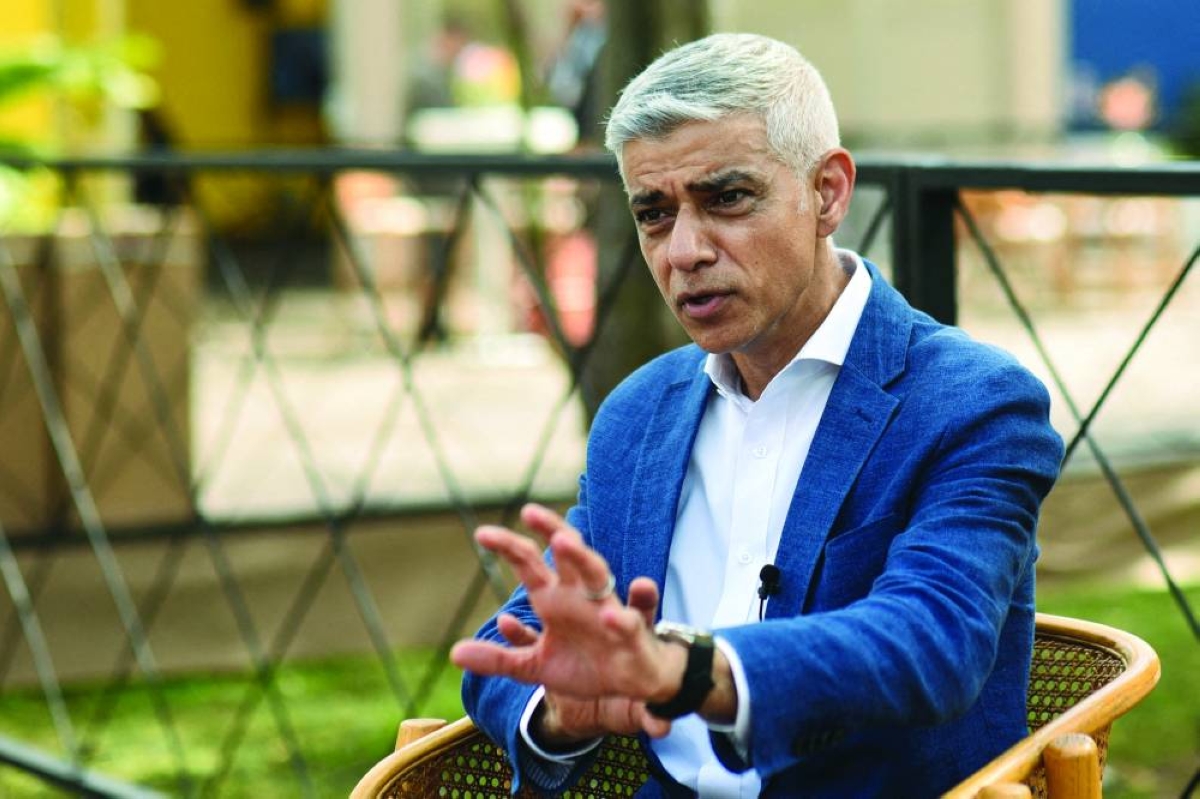
Mayor of London and co-chair of C40 Cities, Sadiq Khan, speaks during an interview as he attends the COP30 Local Leaders Forum at the Museum of Modern Art in Rio de Janeiro, Brazil. (Reuters/File Photo)

World
Spain busts ‘maze-like’ drug tunnel to Morocco

Spain busts ‘maze-like’ drug tunnel to Morocco

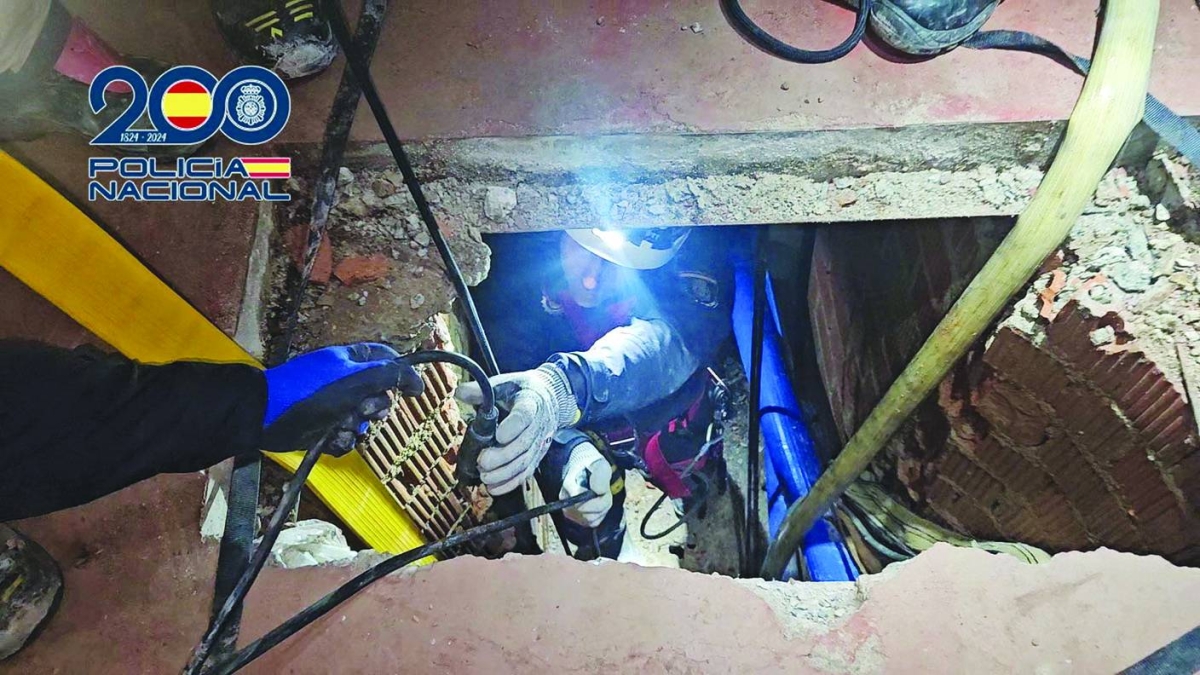
A person works inside a tunnel that was used to bring tonnes of hashish from Morrocco into Spain, in Ceuta, Spain, in an undated picture released Tuesday. (Reuters) Spanish police Tuesday said they had uncovered a technologically sophisticated and "maze-like" underground tunnel used to smuggle tonnes of hashish from Morocco to Spain's North African exclave of Ceuta and Europe.The investigation found the site in Ceuta concealed under an industrial warehouse that was protected by pumping and soundproofing systems to avoid detection, police said in a statement.The bottom of the three-level tunnel, which led directly to Morocco, resembled "a maze typical of a mine", equipped with trolleys "that moved on a rail system of complex construction and characteristic of perfectly designed feats of engineering".The bales of hashish were prepared and stored on the middle level, from where they were lifted "thanks to a system of cranes and pulleys designed to move heavy loads", the police said.The entire structure is 19 metres (62 feet) deep, but investigators cannot determine how long the tunnel is "because it is flooded", the officer responsible for the operation, Antonio Martinez, explained at a press conference.The tunnel, measuring 1.2 metres high and 80 centimetres wide, was "well-equipped" and "purpose-built" by "an extremely powerful organisation" that contacted other groups to transport the drug in speedboats and fishing vessels, he added.Police began their investigation in February 2025, seizing more than 17 tonnes of hashish and 1.4 million euros ($1.6 million) in cash in various operations in Ceuta and mainland Spain over several months.They also made 27 arrests, including the network's two suspected leaders.One of them, based in Morocco and held on March 26, is also suspected of running another drug tunnel police dismantled in Ceuta last year.Spain's close ties with Latin America and proximity to Morocco, a top cannabis producer, make it a key entry point for drugs into Europe.Its small Mediterranean coastal exclaves of Ceuta and Melilla, adjacent to Morocco, share the European Union's only land borders with Africa.  Related Story

World
Seized weapons on display after India declares end to Maoist insurgency

Seized weapons on display after India declares end to Maoist insurgency

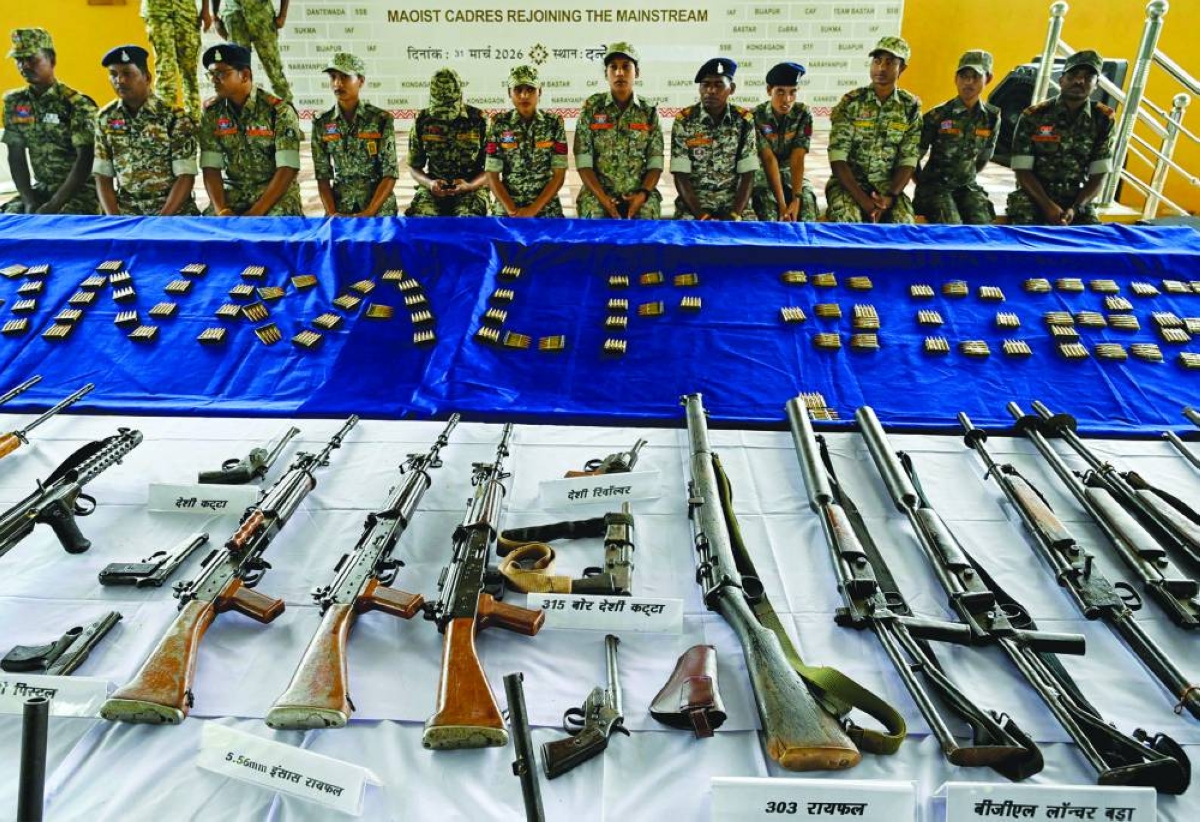
Weapons seized from Maoist rebels and fighters upon their surrender are displayed at a police facility in Dantewada in Chhattisgarh state's Bastar division Tuesday. (AFP) Indian police Tuesday displayed large caches of arms and ammunition seized from Maoist rebels, a day after officials declared the six-decade-long insurgency was over following a sustained security crackdown.Over the last two years, India stepped up its campaign against the last remnants of the Naxalite rebellion, named after the village in the Himalayan foothills where the Maoist-inspired insurgency began nearly six decades ago.The rebellion controlled nearly a third of the country with an estimated 15,000 to 20,000 fighters at its peak in the mid-2000s.It has since been dramatically weakened, with most remaining armed cadres confined to the Bastar region of central Chhattisgarh state — a vast, mineral-rich expanse of dense forests and hills.In Bastar's Dantewada district Tuesday, police laid out a haul of weapons ranging from crude, country-made mortars to carbine rifles looted from security forces.Rather than marking victory with a parade, officials said the display was intended to signal the rebels were "joining the mainstream".Five former insurgents were presented copies of India's constitution during the event.Bastar police chief P Sundarraj told AFP the strength of the insurgency had fallen to "single digits", down from nearly 4,000 fighters less than half a decade ago."Mission 2026 is coming to an end," Sundarraj said, referring to the government's long-promised deadline of defeating the rebellion by March 31, 2026."There will be a new beginning from April 2026 onwards."Sundarraj said the surrendered rebels were being given new civilian identities through vocational training and rehabilitation programmes."Earlier someone was in the armed squad (but now) they will be identified as a tractor driver or an electrician," he said. "Our focus is to get their violent past to be changed into a new identity."At one such rehabilitation centre, women were seen knitting blouses while men welded metal salvaged from discarded electric rickshaws to build park benches."I will hopefully set up my own tailoring shop back in the village," said 19-year-old Kope Madvi, who quit the insurgency after six years as an armed fighter.Others said they longed for a simple life away from conflict."I just want to go back home, farm and feed my family," said Vijay Oyam, 26.More than 12,000 rebels, soldiers and civilians have died in the conflict since a handful of villagers rose up against their feudal lords in 1967.The Maoists said they were fighting for the rights of marginalised indigenous people in forest regions, where mining companies also eye valuable resources.  Related Story

World
EU top diplomats visit Bucha to mark 2022 massacre

EU top diplomats visit Bucha to mark 2022 massacre

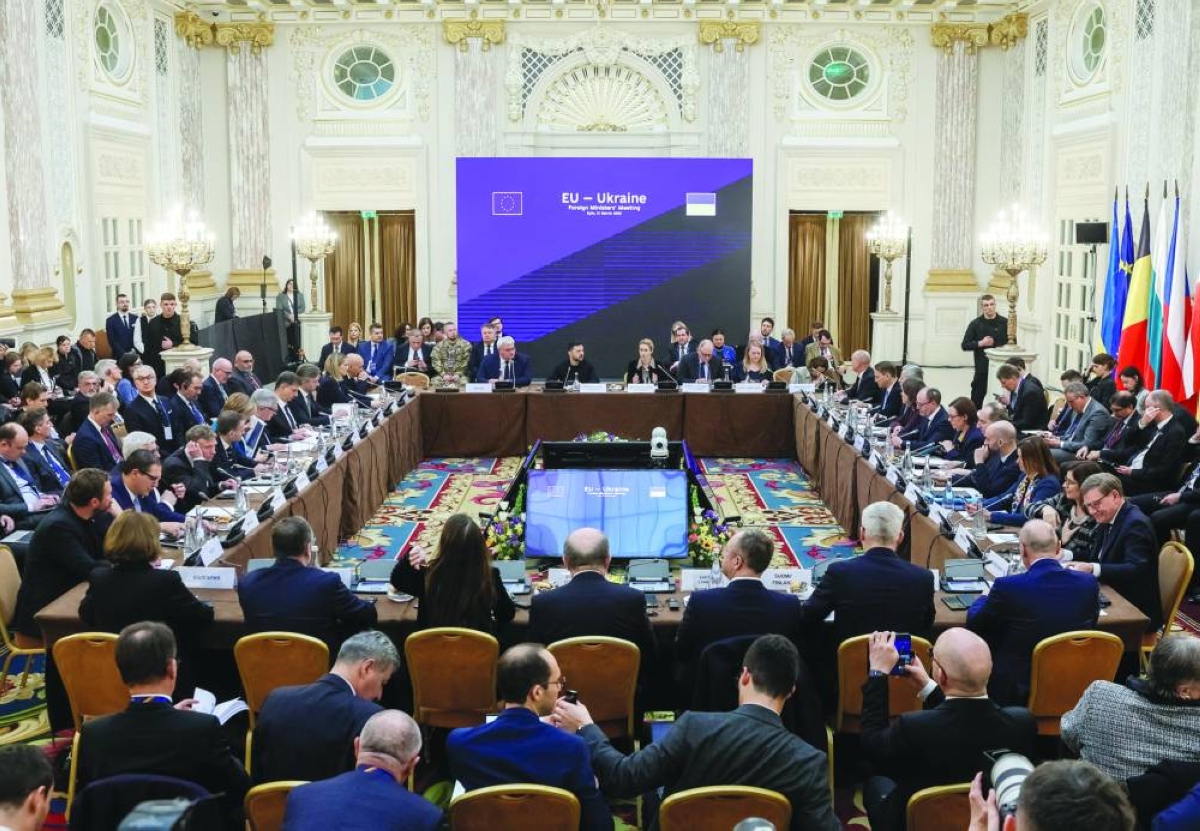
Ukrainian President Volodymyr Zelensky, Ukrainian Foreign Minister Andrii Sybiha, European Union High Representative for Foreign Affairs and Security Policy Kaja Kallas and Foreign Ministers of the EU member states attend an informal EU-Ukraine Foreign Ministers'

Opinion
The global significance of China’s 2026 Two Sessions

The global significance of China’s 2026 Two Sessions

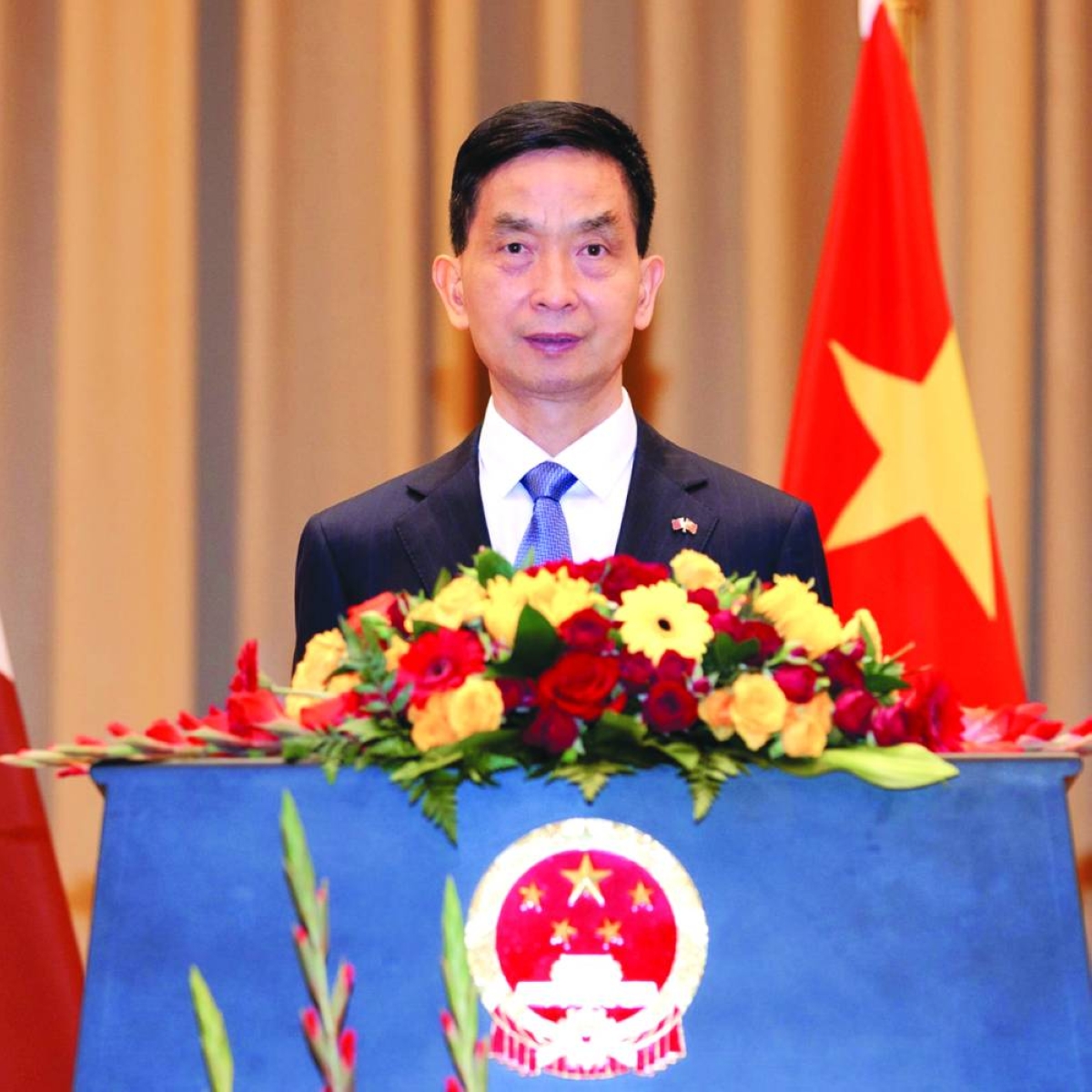
The Fourth Session of the 14th National People’s Congress (NPC) of China and the Fourth Session of the 14th National Committee of the Chinese People’s Political Consultative Conference (CPPCC) (collectively known as “the Two Sessions”) were successfully held last month in Beijing. The Two Sessions conducted in-depth discussions on major issues such as economic and social development and improvements in people’s livelihood, reviewed and approved key documents including the 2026 Government Work Report, made authoritative assessments of China’s economic performance, and set clear development goals for 2026. The most notable outcome was the approval of the 15th Five-Year Plan, which proposes 20 key indicators across five areas, outlines a series of major strategic tasks in 16 fields and identifies 109 major projects. The Plan provides a top-level blueprint for China’s development over the next five years. During the two sessions, President Xi Jinping, also General Secretary of the Communist Party of China (CPC), engaged in-depth exchanges with the deputies of the NPC and members of the CPPCC, discussing major state affairs together. He made a series of important instructions on developing new quality productive forces based on local conditions, expanding high-level opening-up, advancing the Healthy China initiative, and exercising full and rigorous governance over the CPC. These instructions provided clear guidance for advancing economic and social development during the period of the 15th Five-Year Plan, and demonstrated China’s firm determination and confidence in pursuing openness and cooperation with the world. The Two Sessions have not only outlined a grand blueprint for China’s development in the new era, but also provided an important window for the world to understand the pulse of China’s development in the following aspects. First, China’s scientific and technological innovation is fostering new global momentum for development. In recent years, China has emerged as a global leader in new energy vehicles and photovoltaic industries, achieved continuous breakthroughs in fields such as artificial intelligence and quantum technology, and proactively cultivated future industries like bio-manufacturing and embodied intelligence. Innovation is now the core engine driving China’s economic growth. The Two Sessions have underscored the need to lead with scientific and technological innovation and anchor development in the real economy, promoting the transformation and upgrading of traditional industries, the expansion of emerging industries, and the forward-looking layout of future industries. China’s total R&D spending is expected to grow by more than 7% annually during the period of the 15th Five-Year Plan. Emerging sectors, including new energy, new materials, aerospace, and low-altitude economy, are poised to give rise to multiple trillion-yuan-scale markets, contributing to sustained global economic progress amid a new wave of technological revolution. Secondly, China’s opening-up has created new channels for global cooperation and connectivity. Currently, China is the primary trading partner for over 160 countries and regions. It has remained the world’s second-largest import market for 17 consecutive years, and has contributed more than $300 billion in taxes to host countries through outbound investment over the past five years. The Two Sessions reiterated that China will continue to pursue win-win cooperation, further expand high-level opening-up, steadily advance institutional opening, expand market access and openness, particularly in services, continuously improve the environment for foreign investment, and advance high-quality Belt and Road cooperation. China remains committed to working with all countries to jointly grow and fairly share the benefits of economic globalization, complement each other’s strengths and share opportunities through openness, and achieve mutual development and shared success through integrated interests. Thirdly, China’s resilience has bolstered new confidence in global development and stability. China’s economy has maintained an average annual growth rate of 5.4% over the past five years, contributing approximately 30% to global economic growth, exceeding the combined total of the G7 countries. China’s economic increment exceeds 5 trillion yuan each year, equivalent to the GDP of a medium-sized country. Amid a complex and volatile international environment, the 15th Five-Year Plan has signaled stable macroeconomic policies and continued deep reforms, demonstrating China’s ability to maintain long-term planning and policy continuity. This highlights the strong resilience and institutional advantages of China’s economy, sending renewed confidence and hope to the world. Committed to building a community with a shared future for humanity, China will continue to pursue the Chinese path of modernisation, developing itself while benefiting the world, and injecting steady momentum into global prosperity through its high-quality development. Fourthly, China’s diplomacy offers a new approach to de-escalating turbulent situations. The current war on Iran is one of the focal points in international affairs. China has expressed its deep concerns over the conflicts spilling over into neighbouring countries. At the foreign minister’s press conference during the Two Sessions, Wang Yi, the Chinese foreign minister, elaborated on China’s position, proposing five fundamental principles: respect for national sovereignty, refraining from the abuse of force, adherence to non-interference in internal affairs, pursuing political settlement of hot-spot issues, and the constructive role of major powers. These principles reflect not only China’s call for peace, but also the shared aspiration of the vast majority of the international community. Since the very first day of the conflict, China has made concrete and active efforts to promote ceasefire and peace, with Foreign Minister Wang Yi holding extensive communications and consultations with foreign ministers, including HE Prime Minister and Minister of Foreign Affairs Sheikh Mohammed bin Abdulrahman al-Thani. The Chinese Special Envoy on the Middle East Issue, Zhai Jun, has also engaged in shuttle diplomacy across the Gulf region. As a sincere friend and strategic partner of Middle Eastern countries, China stands ready to work with Qatar and other regional partners to implement the Global Security Initiative, restore order to the Middle East, and bring tranquility to its people. This year marks the beginning of China’s 15th Five-Year Plan period. Under the strategic guidance of President Xi Jinping and His Highness Sheikh Tamim bin Hamad al-Thani, the China-Qatar strategic partnership has gone through 12 golden years of development. The 15th Five-Year Plan will serve as the “golden key” to unlock the next golden era of the China-Qatar strategic partnership. Looking ahead, China is ready to work with Qatar to uphold the spirit of China-Arab friendship, enhance the alignment of development strategies, deepen the strategic partnership, comprehensively advance exchanges and cooperation in various fields and at all levels, and write a new chapter of win-win cooperation.    

World
US airports returning to normal as TSA staff get their salaries

US airports returning to normal as TSA staff get their salaries

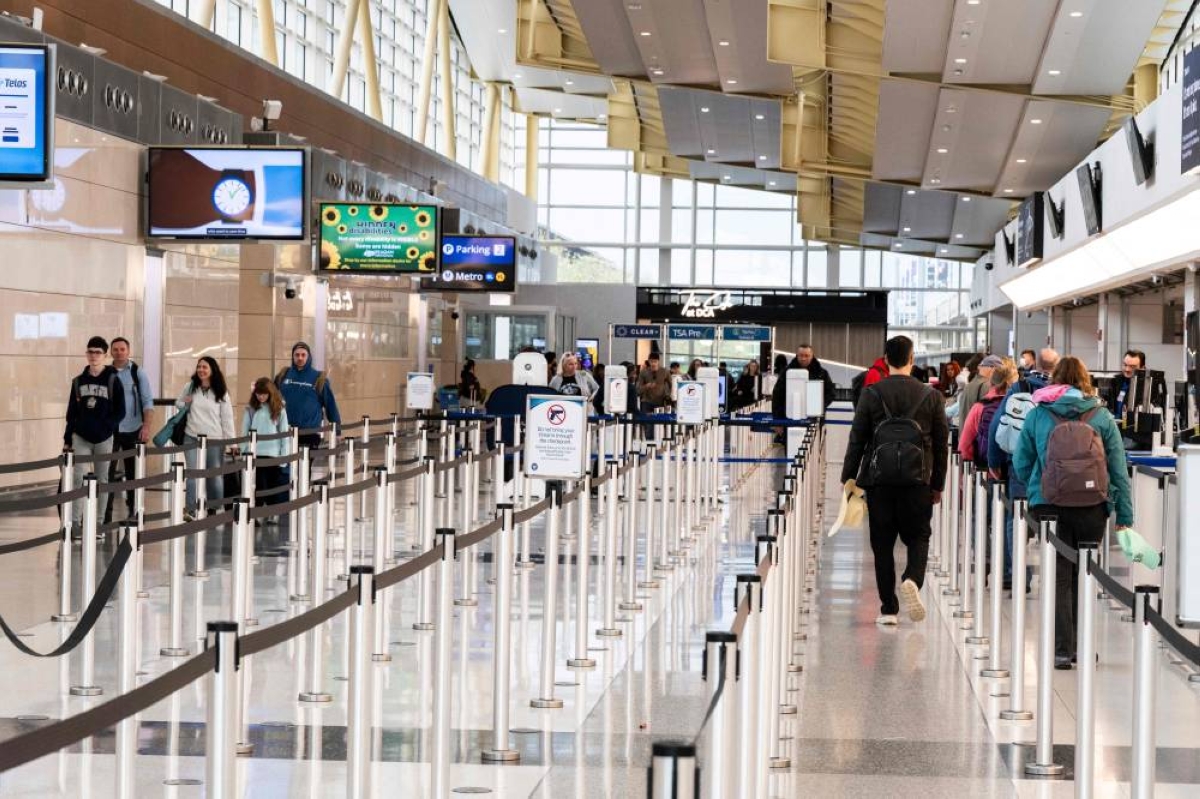
Travelers walk through near empty TSA screening corridors at Ronald Reagan International Airport in Washington, DC, yesterday. – AFP  Major US airports that suffered massive disruptions for weeks after 50,000 Transportation Security Administration (TSA) security officers went unpaid since mid-February say operations are returning to normal. Airports in Baltimore, Houston, New York, New Orleans and Dallas, which have all experienced massive delays in recent weeks, all reported very short lines yesterday. The standoff brought chaos and in some cases security lines topping four hours, the longest in the TSA’s nearly 25-year history. President Donald Trump signed an emergency directive on Friday ordering TSA workers to get paid despite a failure of Congress to end the 45-day-old partial government shutdown and the Department of Homeland Security (DHS) said workers are to be paid from the start of the week. Some workers reported on social media that paycheques arrived in their bank accounts early yesterday. Yesterday the union that represents federal workers said pay had started flowing.“They haven’t received all their back pay, but they have started seeing their payments,” said Johnny Jones, secretary-treasurer of the American Federation of Government Employees TSA Council 100. Absences on Friday hit a high since the shutdown began with about 3,560, or 12.4% of workers, not showing up, and massive lines were reported at many major airports.More than 500 airport security officers have quit since February. More than a third of workers did not show on Friday at New York JFK.Baltimore, Atlanta and New Orleans and 45% of workers did not show up on Friday at Houston’s two airports. Democrats in Congress have held up funding for the DHS while demanding changes in rules governing its immigration operations, after agents in Minneapolis shot and killed US citizens Renee Good and Alex Pretti. Congressional Democrats had proposed funding the TSA separately while negotiating over reforms on how Immigration and Customs Enforcement (ICE) agents operate. Republican leaders in the US House of Representatives on Friday rejected a bipartisan Senate compromise to end the six-week deadlock over DHS funding and passed a bill to fund all of the DHS. Airports are grappling with a school spring-break travel surge with about 5% higher volume than last year’s. Hundreds of US immigration agents and Homeland Security Investigations (HIS) officers began deploying at 14 US airports last week to aid security screening and the White House said they would remain in place until operations returned to normal.The DHS funding lapse entered its 45th day yesterday, a record in the United States, although government shutdowns typically impact broader segments of the federal workforce. 

Opinion
title

title

title