World
US claims, Iran denies talks after Trump postpones energy strikes

US claims, Iran denies talks after Trump postpones energy strikes

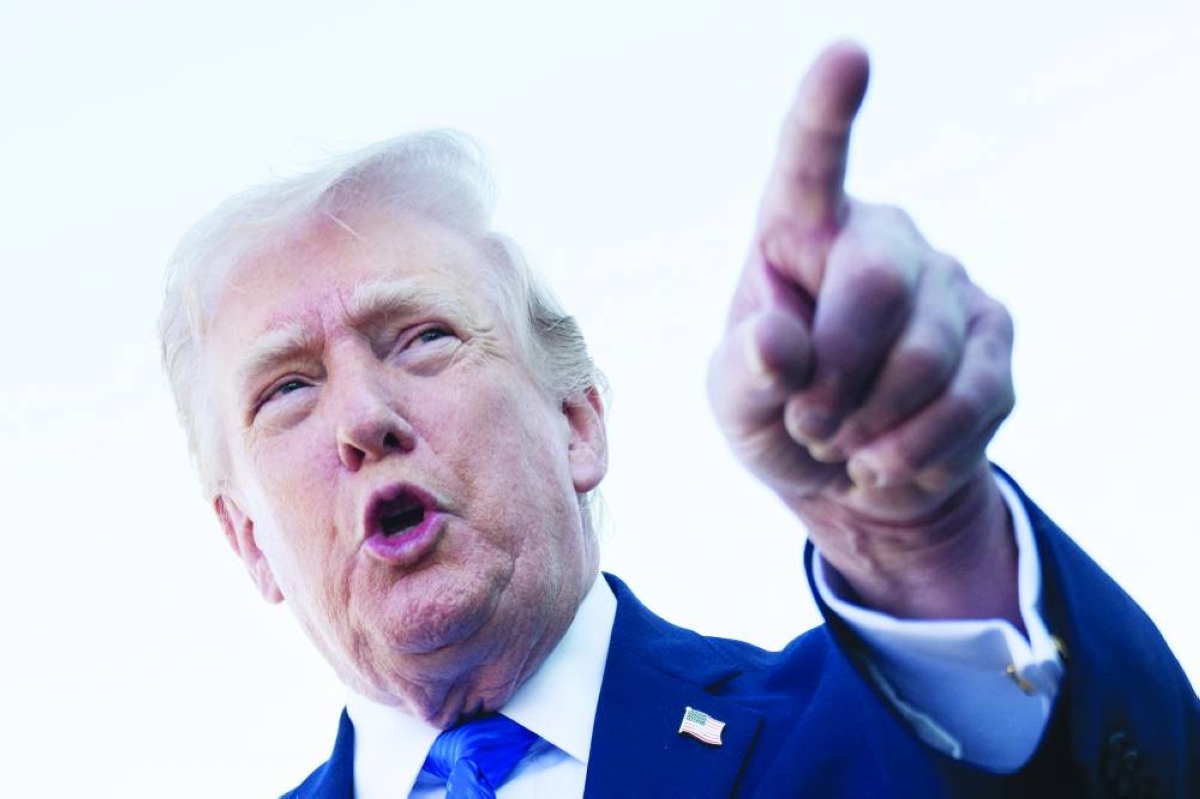
US President Donald Trump speaks to reporters before boarding Air Force One at Palm Beach International Airport in West Palm Beach, Florida. (AFP) Iran denied Monday that it had engaged in negotiations with the United States, after President Donald Trump ‌postponed a threat to bomb Iran's power grid because of what he described as productive talks with unidentified Iranian officials.Trump wrote early ​in the US morning on his Truth ‌Social platform that the US and Iran had held "very good and productive" conversations about a "complete and total resolution of hostilities in the ‌Middle East".As a result, he ⁠said, he was postponing a ‌plan to hit Iran's energy grid for five days. His announcement ‌sent share prices sharply higher and oil prices sharply lower, a sudden reversal to a market swoon caused by his weekend threats and Iran's vows to ⁠respond.He later told reporters that his special envoy Steve Witkoff and son-in-law Jared Kushner, who had been negotiating with Iran before the war, had held discussions with a top Iranian official into the evening on Sunday that were to continue Monday."We have had very, very strong talks. We'll see where they lead. We have major points of agreement, I would say, almost all points of agreement," he told reporters before departing Florida for Memphis.In Memphis he said Washington had been negotiating with Iran "for a long time, and this time they mean business," adding: "I think it could very well end up being a good deal for everybody."He did not identify the Iranian official in touch with Witkoff and Kushner, but said: "We're ​dealing with the man who I believe is the most respected and the leader.""We're dealing with some people that I find to be very reasonable, very solid. The people within know who they are. They're very respected, and maybe one of them will be exactly what we're looking for."Iran's powerful parliament ‌speaker Mohammad Baqer Qalibaf said on X that there ⁠had been no such talks ​with the United States, and ridiculed the suggestion as an attempt to rig financial markets."No negotiations have been held with ​the US, and fakenews is used to manipulate the financial and oil markets and escape the quagmire in which the US and Israel are trapped," he wrote."Iranian people demand complete and remorseful punishment of the aggressors. All Iranian officials stand firmly behind their supreme leader and people until this goal is achieved."Iran's elite Revolutionary Guards said they were launching fresh attacks on US targets, and described Trump's words as "psychological operations" that were "worn out"."The contradictory behaviour of the US president does not cause us any negligence on the war front or the continuation of the battle with the hostile enemy," the Guards said in a statement.Although there was no immediate confirmation that talks had already taken place as described by Trump, there were indications of outreach, with third countries acting as potential mediators or helping to set up contacts. Iran's foreign ministry described initiatives to reduce tensions, without giving further details.A Pakistani official and a second source said talks on ending the war could be held in Pakistan ‌as soon as this week.The Pakistani official said US ‌Vice President JD Vance, as well as Witkoff and Kushner, ⁠were expected to meet Iranian officials in Islamabad. A second Pakistani official said Islamabad was relaying messages between the United States and Iran.An Israeli official and ⁠two other sources familiar with the matter said the interlocutor on the ⁠Iranian side was Qalibaf, the parliament speaker, who has become increasingly influential.A European official said there had been no direct negotiations between the US and Iran but Egypt, Pakistan and Gulf states were relaying messages.Trump's announcement that he was holding off on his plan to hit Iran's grid abruptly reversed a plunge in global markets, which had shuddered Monday in Asia and Europe and had been on course to open sharply lower in the United States following the weekend threats.Iran had responded to Trump's threats by saying it would hammer the infrastructure of US allies in the Middle East, raising the prospect ​that an extreme disruption to global energy supplies could last longer than previously expected.The respite sent the Brent crude oil benchmark tumbling around 8% to about $103 a barrel. Iran has effectively closed the key Strait of Hormuz, through which about a fifth of global oil and liquefied natural gas flows. Trump has demanded Iran open the strait, but Tehran says it will not do so until the United States and Israel call off their attacks.  Related Story
World
Vietnam, Russia advance plans for first nuclear power plant

Vietnam, Russia advance plans for first nuclear power plant

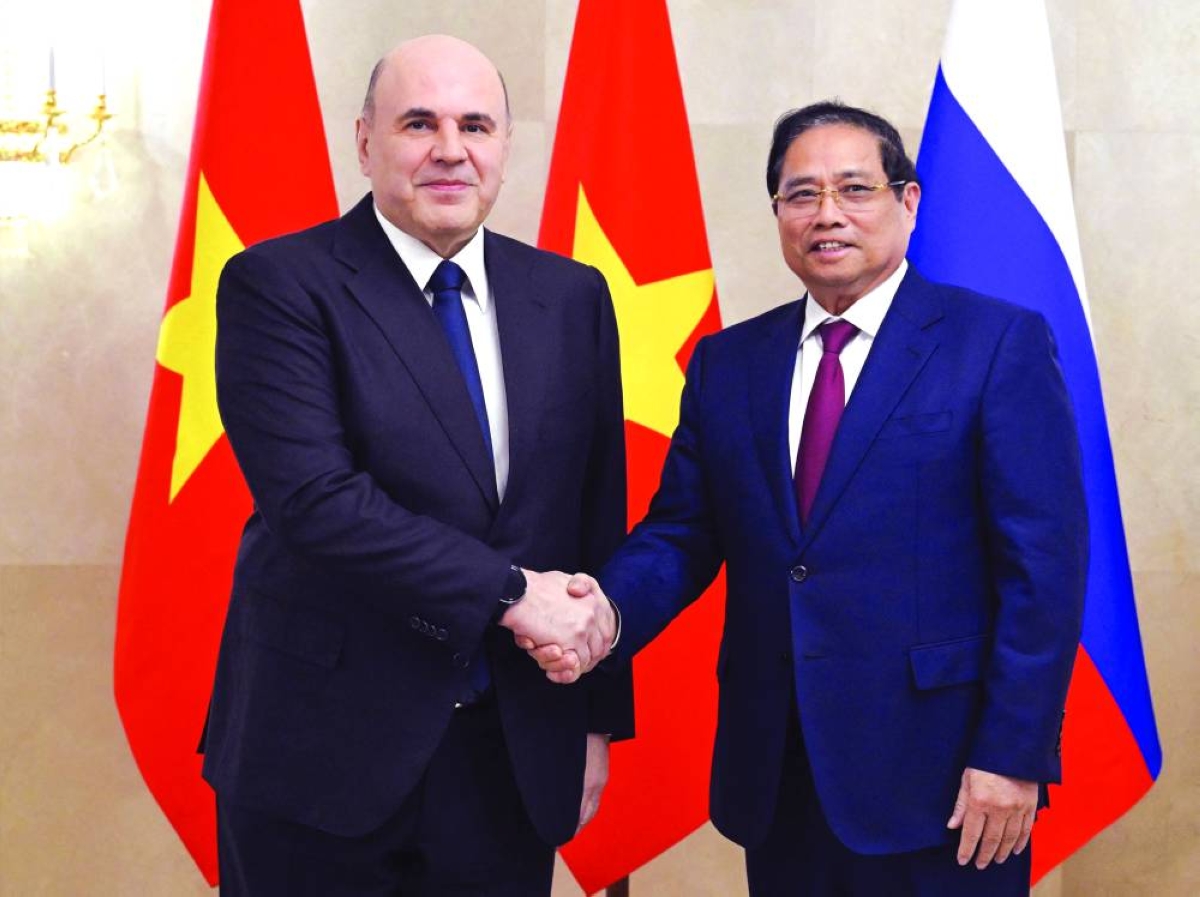
Vietnam and Russia Monday signed a co-operation agreement on the construction of Vietnam's first nuclear power plant, Russia's Rosatom nuclear agency said Monday.Prime Minister Pham Minh Chinh was visiting energy-rich Russia as Vietnam seeks to shore up its fuel reserves at a time of disruption to energy supplies caused by the war in the Middle East, sparking fears of fuel shortages around the world.Since the US-Israeli war against Iran began in late February, the cost of 95-octane petrol and diesel in Vietnam, a manufacturing hub, has soared by 50% and 70% respectively.The agreement lays out the legal framework for the construction of two reactors with a total output of 2,400MW at Vietnam's proposed Ninh Thuan nuclear power plant, Rostam said.Rosatom head Alexey Likhachev said the agreement would be the 'foundation for a long-term industrial partnership, which will strengthen Vietnam's energy independence and open up new opportunities for economic growth'.No timeline was given for when construction would start or when the plant might come online.Moscow and Hanoi had initially agreed to build the Ninh Thuan 1 atomic power station back in 2010, but later decided to suspend construction.Another agreement between Russia's top liquefied natural gas (LNG) producer Novatek and a Vietnamese buyer was also signed recently, Novatek's CEO Leonid Mikhelson said Monday.'We have been in negotiations with potential buyers for over five years, and have very recently signed a preliminary supply agreement with one of them. We are ready to commence deliveries at the earliest opportunity,' he told state broadcaster Rossiya 24, without naming the customer.Russia and Vietnam have also signed a deal on oil and gas production in both countries, the TASS state news agency reported, citing Russian Prime Minister Mikhail Mishustin, without giving details. 

World
China urges US, Israel to stop military action in Middle East, warns of ‘vicious cycle’

China urges US, Israel to stop military action in Middle East, warns of ‘vicious cycle’

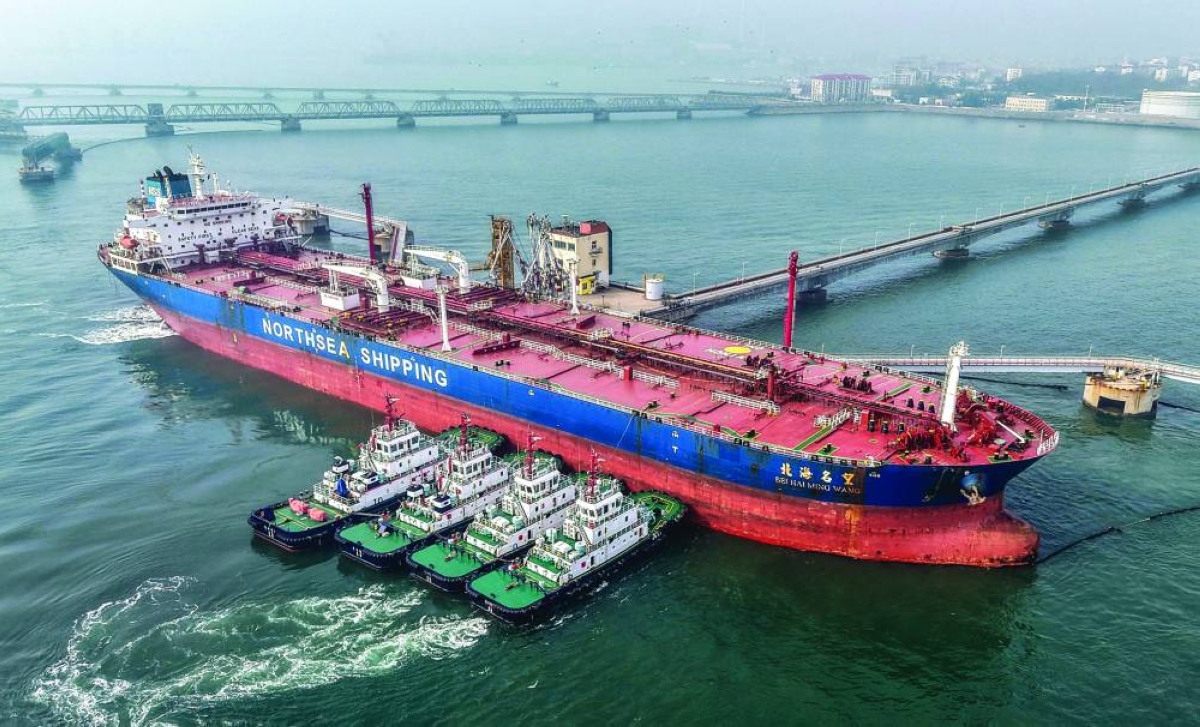
Tugboats move a crude oil tanker to its berth at the oil terminal at the port in Qingdao, in China’s eastern Shandong province Monday. (AFP) China Monday urged ​all parties involved in the Middle ‌East conflict, particularly the US and Israel, to cease military operations, warning of a "vicious ‌cycle" in a ⁠war that analysts say ‌if prolonged, could undermine global growth and weaken ‌demand for Chinese exports."The one who tied the bell must be the one to untie ⁠it," said Chinese special envoy to the Middle East Zhai Jun at a briefing after his shuttle-diplomacy trip that included stops in Saudi Arabia, the United Arab Emirates and Kuwait.In a separate briefing, foreign ministry spokesperson Lin Jian cautioned that the use of force would only lead to a "vicious cycle" and that the war should not have been started."Should the hostilities continue to spread and intensify, the entire region will be plunged into chaos," he said."The ​lessons of the past are not far behind us," the Chinese foreign ministry said Monday in a reply to Reuters seeking comment on the Iraq War anniversary last week."The war 23 years ago brought profound ‌suffering to the Iraqi people and had ⁠a serious impact ​on the Middle East," the statement said.Last Friday marked the 23rd anniversary of the ​Iraq War, in which US-led forces invaded the country to oust Saddam Hussein, partly on claims that his government possessed weapons of mass destruction. Though the regime fell quickly, Iraq sank into years of chaos and instability, in a war estimated to have killed more than 100,000 people, cost the US trillions of dollars and created a power vacuum that saw the rise of the Islamic State terrorist group."The war 23 years later on Iran has caused severe losses to the Iranian people, and the spillover and spread of the conflict have also affected the entire region," the ministry said.Trump on Saturday imposed a 48-hour deadline on Tehran to reopen ‌the Strait of Hormuz to all ‌shipping, threatening to destroy Iranian power plants ⁠otherwise.Iranian attacks have effectively closed the key waterway which carries a fifth of global oil and liquefied ⁠natural gas, causing the worst oil crisis ⁠since the 1970s.While Beijing did not detail its concerns, a prolonged conflict could weigh on China's export outlook.Emerging markets – key drivers of Chinese export growth – are particularly vulnerable due to limited oil reserves and sensitivity to rising energy costs."Weakening growth in China's emerging market trading partners will likely weigh on Chinese exports to these countries in the coming quarters," Goldman Sachs's Hui Shan said in a report about the near-term risks ​to China's economy.China is relatively better positioned to absorb higher oil prices with coal accounting for about 60% of its energy mix, ample oil stockpiles and imports via the Strait of Hormuz, representing only around 5% of total energy consumption.Still, rising oil and gas prices could lift inflation and end producer price deflation, according to the chief China economist. The bank has cut its forecast for China's second-quarter growth and raised its inflation outlook for 2026. Asked whether China had pressed Iran to ensure safe passage for Chinese vessels and oil shipments through the strait, foreign ministry spokesperson Lin said Beijing remains ‌in communication with all parties and ​is committed to easing tensions.  Related Story

World
North Korea’s Kim reappointed as president of state affairs

North Korea’s Kim reappointed as president of state affairs

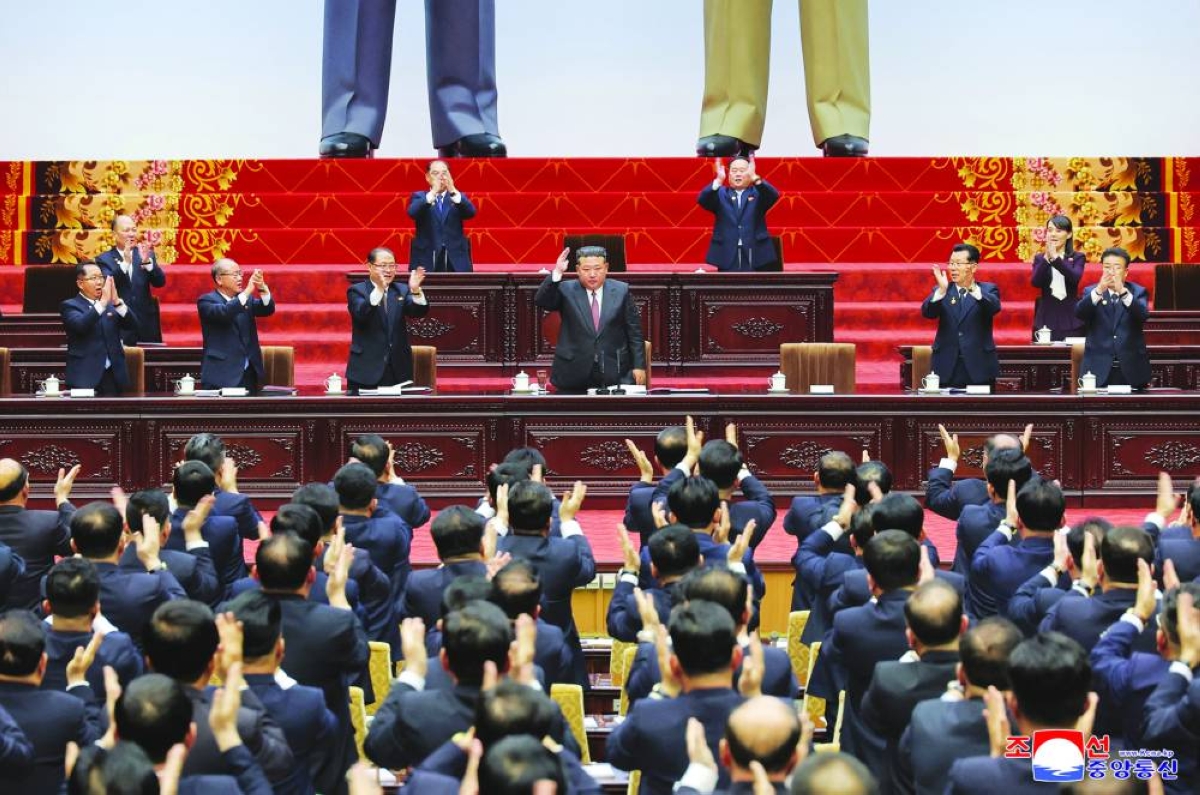
North Korean leader Kim Jong-un receives applause as he attends the first session of the Supreme People's Assembly, where state media reports he is reappointed as president of state affairs, in Pyongyang, North Korea, March

Opinion
Conflict, contracts and uncertainty: Why force majeure clauses matter more than ever

Conflict, contracts and uncertainty: Why force majeure clauses matter more than ever

When conflict erupts, the first disruptions are often measured not only in geopolitical headlines but also in legal notices. Within just two days of the current crisis in the Middle East, contractors involved in major infrastructure projects in Qatar had begun issuing and receiving force majeure notices.This rapid response reflects a deeper reality about doing business in a region impacted by global politics. Large-scale infrastructure projects, from transport networks to energy facilities, are often planned years in advance and involve billions of dollars in investment. Yet geopolitical events can change the operating environment overnight. When they do, one contractual mechanism quickly moves from the fine print to the forefront: force majeure.The term ‘force majeure,’ meaning ‘superior force,’ originates in French civil law but has become a standard feature in international construction contracts. It allows a party to suspend or avoid certain contractual obligations when extraordinary events beyond its control, such as war, natural disasters or terrorism, prevent performance.For contractors and developers operating in the Middle East today, reviewing these provisions is not merely a legal technicality. It is an urgent commercial necessity. In the absence of an explicit force majeure clause, parties may find themselves with limited protection when external events disrupt their ability to perform a contract.Under English common law, for example, the doctrine of frustration may excuse performance if an unforeseen event fundamentally changes the nature of the contract. However, this doctrine applies only in narrow circumstances. By contrast, the Qatar Civil Code expressly recognises the concept of force majeure under Article 188. Even so, most construction contracts include their own detailed force majeure provisions to clarify how risk will be allocated when extraordinary events occur.At the heart of every force majeure clause lies a definition of what qualifies as a force majeure event. Some contracts adopt a broad formulation, referring to any event beyond the reasonable control of the affected party. Others rely on more detailed lists of qualifying events such as war, floods, earthquakes, or terrorist attacks. Both approaches have advantages and risks.A narrowly drafted list may fail to capture unforeseen crises, leaving parties exposed if a disruption falls outside the specified categories. On the other hand, overly broad definitions can create uncertainty about when the clause should legitimately apply. As a result, many modern construction contracts combine the two approaches: listing anticipated events while also including broader ‘catch-all’ language to capture similar circumstances that the parties may not have predicted. But identifying a qualifying event is only the first step.To rely on force majeure, a party must usually demonstrate several key elements. The event must have prevented, hindered, or delayed performance of contractual obligations. It must be beyond the party’s control. And the party must show that it could not reasonably have avoided or mitigated the consequences. This last requirement is particularly important.Force majeure is not a remedy for commercial inconvenience. A contractor cannot rely on the clause simply because a project has become more expensive or difficult. Courts and arbitral tribunals will typically expect evidence that reasonable steps were taken to mitigate the impact of the disruption.Equally critical are the procedural requirements contained in most contracts. Force majeure clauses usually require the affected party to notify its counterparty within a specified timeframe. These notices must explain the nature of the event and how it is preventing performance. In practical terms, this means that failing to comply with the notice requirements, even during a crisis, may prevent a party from relying on force majeure at all. In fast-moving situations such as regional conflict, this can create significant legal risk.When properly invoked, the most common consequence of force majeure is the temporary suspension of contractual obligations. In effect, the contract is paused while the disruptive event continues to prevent performance. If the disruption persists for a prolonged period, however, termination may follow.Many construction contracts allow either party to terminate the agreement after six to twelve months of sustained force majeure. In those circumstances, contractors are typically paid for work completed and may recover certain costs, such as demobilisation expenses, but they rarely receive compensation for lost profits. These scenarios frequently give rise to disputes, particularly regarding the valuation of completed work and the costs incurred before termination, so careful documentation of project progress and costs can be critical evidence if disagreements later arise.The current regional crisis serves as a stark reminder that even the most carefully negotiated contracts operate within a broader geopolitical environment. Infrastructure development across the Middle East continues to accelerate, but global tensions mean that disruption can never be entirely ruled out.In this context, force majeure clauses are far more than standard boilerplate. They are essential tools for managing risk in an unpredictable world. For companies operating in the region’s construction sector, understanding how these clauses work, and ensuring they are drafted and invoked correctly, may ultimately determine whether a crisis results in a manageable delay or a costly legal dispute.Matthew Williams is Counsel at Crowell & Moring in Doha. With more than a decade of experience in Qatar, he advises on construction, project finance and arbitration matters across the region.  Related Story

Sports
Alcaraz eyes clay court season after early Miami exit

Alcaraz eyes clay court season after early Miami exit

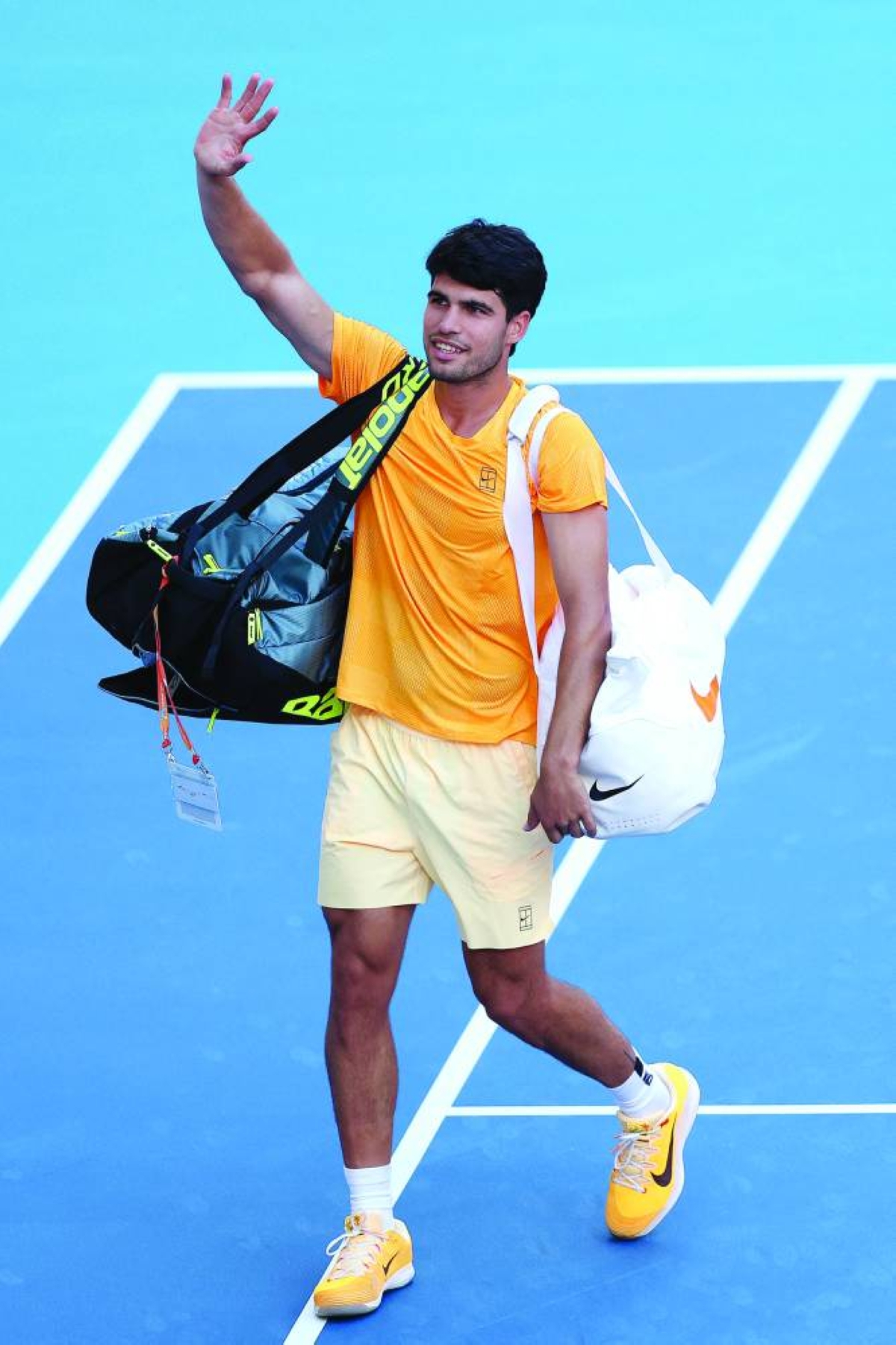
MIAMI GARDENS, FLORIDA - MARCH 22: Carlos Alcaraz of Spain leaves the court after losing to Sebastian Korda of the United States on Day 6 of the Miami Open Presented by Itau at Hard Rock

World
Britain says Cyprus base will not be part of UK-US self-defence deal

Britain says Cyprus base will not be part of UK-US self-defence deal

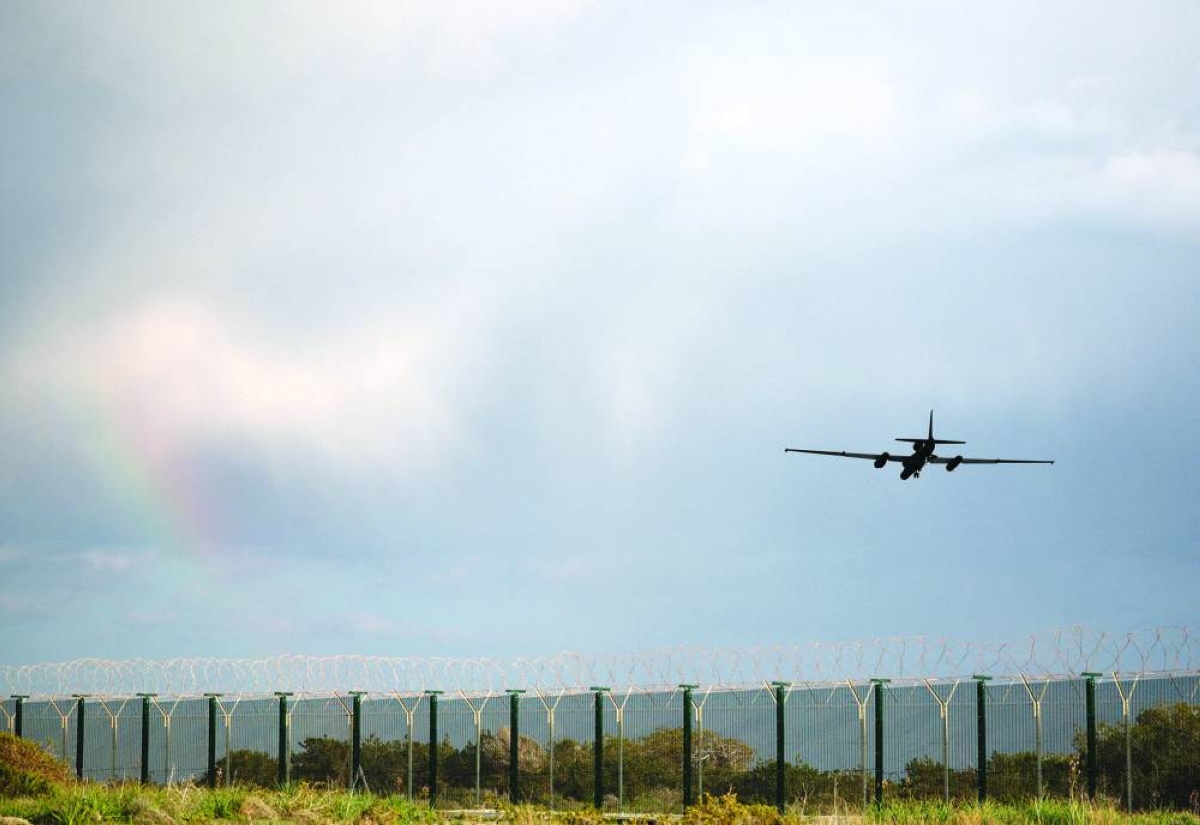
Britain said its Akrotiri airbase in Cyprus would not be involved in ‌its defensive agreement with the United States to use ​UK bases, after a ‌call on Saturday between Prime Minister Keir Starmer ‌and Cypriot President Nikos Christodoulides. The ‌UK government gave authorisation ‌on Friday for the US to use RAF Fairford in England and Diego Garcia, a joint US-UK base in the Indian Ocean, to carry out defensive strikes on Iranian missile sites attacking ships in the Strait of Hormuz. “RAF Akrotiri would not be involved in the UK’s continuation of its agreement with the US to use UK bases in ​collective self defence of the region,” a spokesperson for Starmer’s office said in a British readout of the call with Christodoulides. An Iranian-type ‌Shahed drone caused slight damage on March ​2 when it hit facilities at the Akrotiri airbase ​in southern Cyprus, with two others later intercepted. There have been no further known security incidents on the island, where Britain retained sovereignty over two bases when it granted its former colony independence in 1960. A Cypriot government spokesperson said in a statement that Starmer had reiterated “that the security of the Republic of Cyprus is fundamental to the United Kingdom and, to that end, a decision has ‌been taken to enhance ‌the means contributing to the preventive measures already in place”. “Finally, the Prime Minister reiterated that the British Bases in Cyprus will not be used for any offensive military operations,” the Cypriot government spokesperson added.Separately, a source at Britain’s defence ministry said an Iranian ballistic missile attack towards Diego Garcia had occurred before the UK gave the US its latest authorisation. British ​Foreign Secretary Yvette Cooper told British media on Saturday that the government’s policy on the US-Israeli-war on Iran remained defensive. “We will provide defensive support against these reckless Iranian threats, but we have not been and we continue not to be involved in offensive action and we want to see the swiftest possible resolution,” she said. “We will not be drawn into a ‌wider conflict,” ​she added. 

World
Airports rush to feed unpaid TSA workers as belts tighten

Airports rush to feed unpaid TSA workers as belts tighten

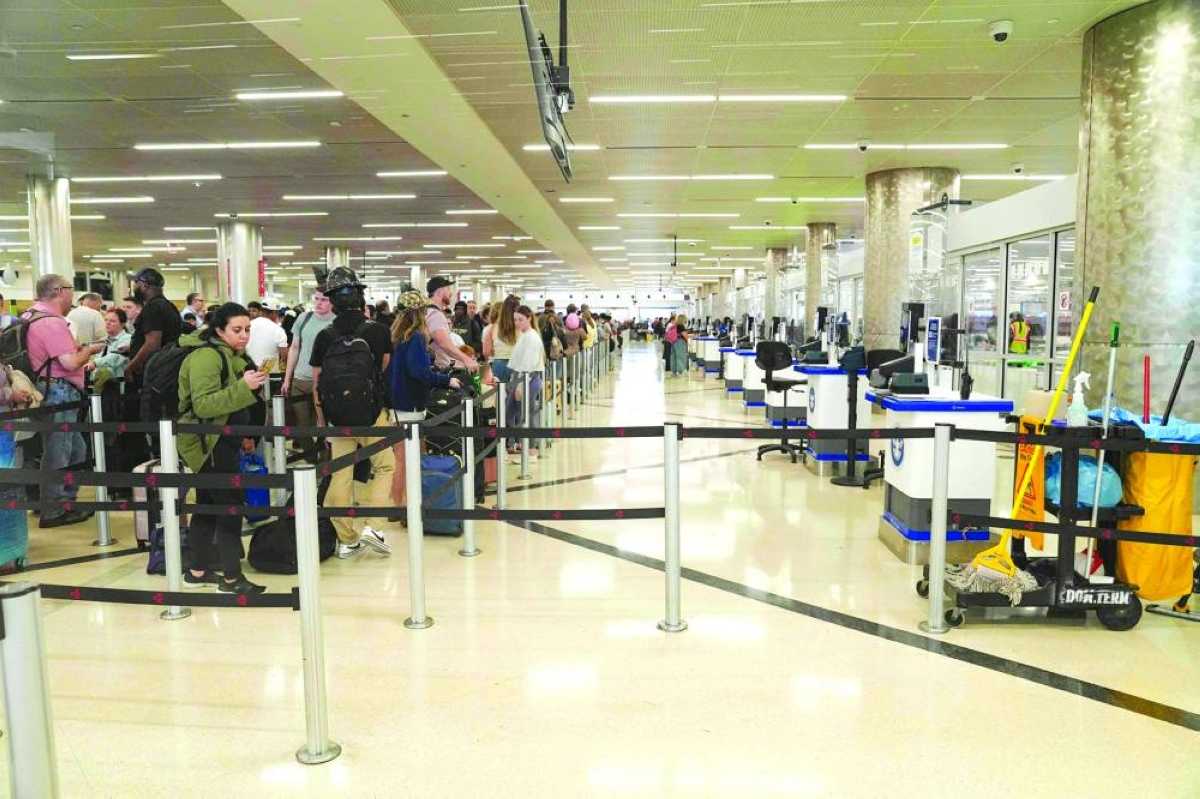
TSA desks sit empty as travellers stand in long lines at Atlanta Hartsfield-Jackson International Airport Sunday in Atlanta, Georgia. (AFP) As government funding for the US Department of Homeland Security remains frozen in Congress, airports are running ‌food drives and accepting donations for security screeners enduring their second stretch without pay in the ​last six months. Transportation Security Administration officers ‌scrimped and pinched pennies during last year’s 43-day government shutdown, and many of those 50,000 ‌workers are still paying off debts as the current ‌funding lapse for the TSA’s parent agency, the Department ‌of Homeland Security, has stretched to five weeks. Those workers are six days away from missing a second full paycheck, but are being pressured to show up as screening times at some airports stretch on for hours. “The 43-day shutdown in the fall, a lot of TSA officers didn’t get paid for 50 days. So they’re not recovered from that and that was only two or three months ago,” said Kimberly Kraynak-Lambert, trustee of Pittsburgh’s local chapter of the American Federation of Government Employees union, which represents government workers. Airports and officials are scrambling to help TSA staffers make ends meet to forestall a sharp rise in absences ​from screeners, who earn an average of $61,000 annually, according to federal data. Rebecca Wolf, president of AFGE Local 1127, who represents TSA officers at 47 airports across several western US states, said struggling workers are taking on side gigs like ‌making Amazon deliveries or driving for Lyft and Uber. “Many have gone ​and applied for food stamps within their states,” she said. “I have a couple of officers ​in one of my states that they’re actually sleeping in their car and one has been evicted already.” DHS acknowledged the screeners’ hardships, with a spokesperson saying that “Democrats must reopen DHS now.” The union is alerting members nationwide to food drives and free pantries for groceries. Airports like Minneapolis-St. Paul and Phoenix are accepting donations such as gasoline gift cards, food, or essentials like baby goods. Seattle-Tacoma’s airport has opened a food pantry, while at Dallas Fort Worth International, supervisors are bringing food to checkpoints twice a week. Atlanta’s Hartsfield-Jackson Airport is giving out vouchers for one free meal per shift as TSA officers “continue to show up every day to protect millions of travellers, even as they face uncertainty at home,” said Atlanta Mayor Andre Dickens, in ‌a statement. Screeners are also getting free ‌parking and public transport passes. It is unclear when funding will be restored. Democrats in Congress in February agreed to fund most of the government in exchange for withholding funds from DHS following the high-profile killings of two US residents in Minnesota by immigration authorities. Senate Majority Leader John Thune told reporters on Friday that a bipartisan group of senators have narrowed the remaining issues in the DHS funding talks, but it is not clear when they will reach a deal. “A Transportation Security Officer selling plasma to keep the lights on is unconscionable. Tens of thousands of families turning to food banks because Congress refuses to do its ​job is a national disgrace,” said Everett Kelley, national president of the AFGE. Officials have noted that small US airports may have to shut due to a shortage of security screeners. So far, 366 TSA officers have quit their jobs since the shutdown began, according to DHS. Workers presenting letters from DHS to creditors asking for late fees to be waived or for payments to be deferred are finding less leniency this time around, said Kraynak-Lambert of Pittsburgh’s AFGE 332. Union officials say workers who call in sick must show proof with a note from a doctor.  Related Story

World
Japan ski resort faces strains of global acclaim

Japan ski resort faces strains of global acclaim

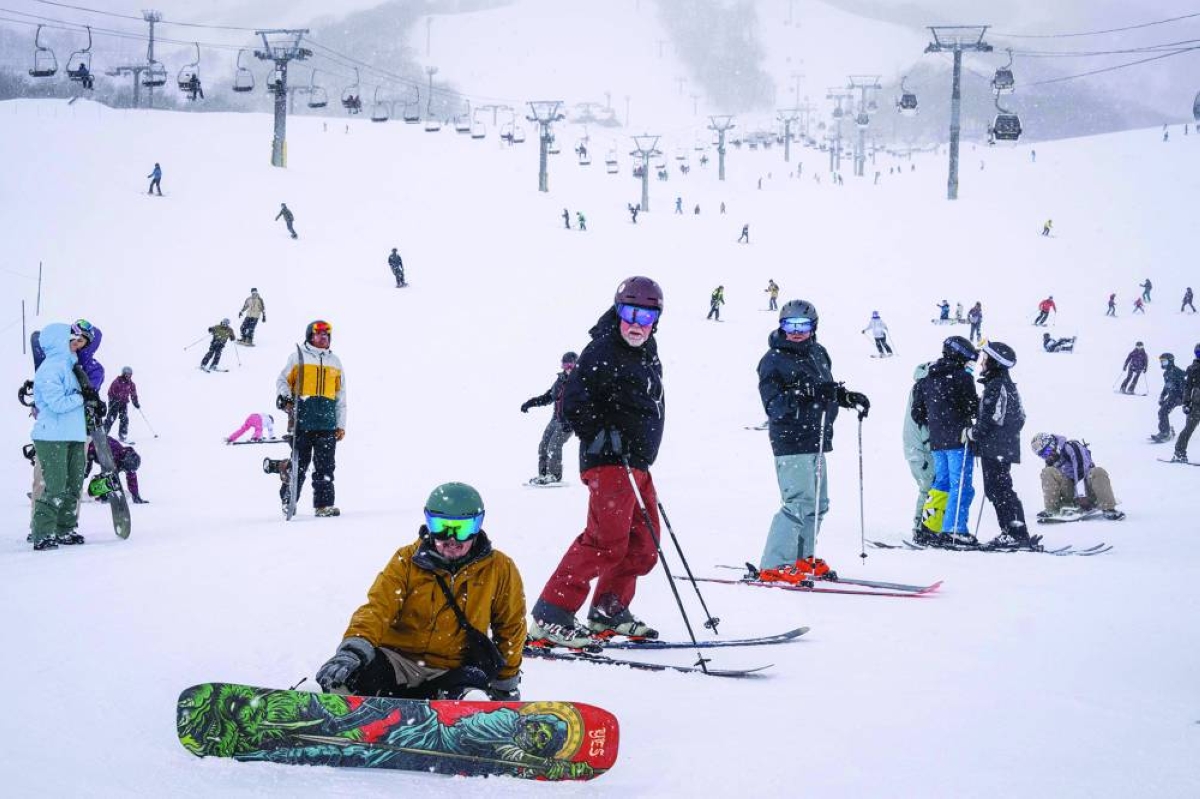
Beneath the powder snow at internationally popular Japanese ski resort Niseko, anxiety is mounting among residents over soaring prices and a massive influx of overseas workers. At a time when Prime Minister Sanae Takaichi is talking tough on immigration, upscale Niseko has never been more popular with seasonal workers, investors and skiers from across the globe. The snow “is the best in the world”, said Gideon Masters, a 29-year-old Australian tourist. “It’s just soft, powder fluff. You can pick it up with your bare hands, it doesn’t even feel cold... It’s just a shame that it’s become so populated,” he told AFP at the foot of the slopes, snowboard in hand. Built in the 1960s on the northern island of Hokkaido, the resort began attracting foreigners, mainly Australians, in the 1990s and became a popular destination after the 9/11 attacks in 2001 for those wanting to avoid the US. They gradually opened more shops and acquired property, and were later joined by Asian investors from Hong Kong, Malaysia and Singapore, among others, pushing land prices ever higher. In Hirafu, one of the four resorts that make up Niseko, land prices jumped 70% between 2020 and 2025. “If ski resorts in Japan had stayed the way they used to be, they would never have gained such worldwide renown,” said Hiroshi Hasegawa, director of a local real estate agency. “It’s thanks to the taste and sensibilities of Australians and New Zealanders that this town has grown.” They are no longer alone, with “funds based in tax havens and all kinds of investors (who) have started pouring money in. Hollywood stars and artists come here, and owners of multinationals are buying second homes,” he added. “All of this is driving prices up even further,” a trend that will likely continue, according to the agent. Unaffordable for locals For residents, inflated property prices and living costs are leaving a bitter taste. “Land is being sold at prices that are no longer affordable for locals,” explained 42-year-old Masatoshi Saito, who runs a painting company. “In the supermarket, you find luxury products, sea urchins or Dom Perignon champagne, and vegetables have become extremely expensive,” pushing some people to do their shopping in a neighbouring town. To attract staff, hotels and restaurants are raising wages, but local businesses are struggling to keep up. “In construction, paying that much is very difficult because market prices are fixed. Raising wages is a huge risk for bosses,” Saito said. Meanwhile, “care workers sometimes prefer jobs in hotels,” which pay better, creating a risk of labour shortages in social services”, warned Hasegawa. Driven by tourist demand, the region sees thousands of seasonal workers arrive each year, most of them foreigners. In Kutchan, a large town in the area, the non-Japanese population doubles in winter to 3,000 people from 70 countries, making up nearly 20%of residents. “Young people in their twenties come here from all over the world (...), which creates a very lively atmosphere,” but also causes problems with neighbours, admitted Kutchan Mayor Kazushi Monji. Saito and other residents, meanwhile, have complained about littering. A plan to build housing for 1,200 foreign workers that was approved last autumn sparked outcry among locals. “Cultures are different, not to mention the language barrier,” the mayor said, urging “mutual support and consideration”. ‘Harmonious coexistence’Reflecting growing anti-immigration sentiment, the far-right “Japanese First” Sanseito party made gains in February’s general election. Prime Minister Takaichi, meanwhile, has promised tougher rules for foreigners in the name of “harmonious coexistence” between communities. Her government is proposing stricter checks on foreigners entering the country, lengths of stay and illegal work. It also wants to revise rules on land purchases by foreigners for “national security” reasons. While acknowledging the need to adapt legislation to current realities, Monji rejects “the somewhat extreme view” that foreigners could “take over”. The interest Niseko is generating “boosts the economy and greatly contributes to the town’s development”, Kutchan’s mayor said. And with births falling again in 2025 for the tenth year in a row in Japan, the country desperately needs foreign workers. Hokkaido is experiencing extreme polarisation, hosting both the localities that saw the sharpest land-price increases in the country last year due to tourism and foreign investment, and those where prices fell the most, due to population decline. “If we want to share the beauty of this region with the whole world, we must move beyond nationality divides,” Monji said.  Related Story

Entertainment
Taylor Frankie Paul Wears ‘Can’t Wait to Sleep With You’ Sweatshirt

Taylor Frankie Paul Wears ‘Can’t Wait to Sleep With You’ Sweatshirt

Taylor Frankie Paul "can't wait to sleep with you" ... at least according to a sweatshirt she was snapped wearing over the weekend. Check out the pic -- TFP was out and about in Utah