World
Pakistan’s blossom season brings calm in a troubled world

Pakistan’s blossom season brings calm in a troubled world

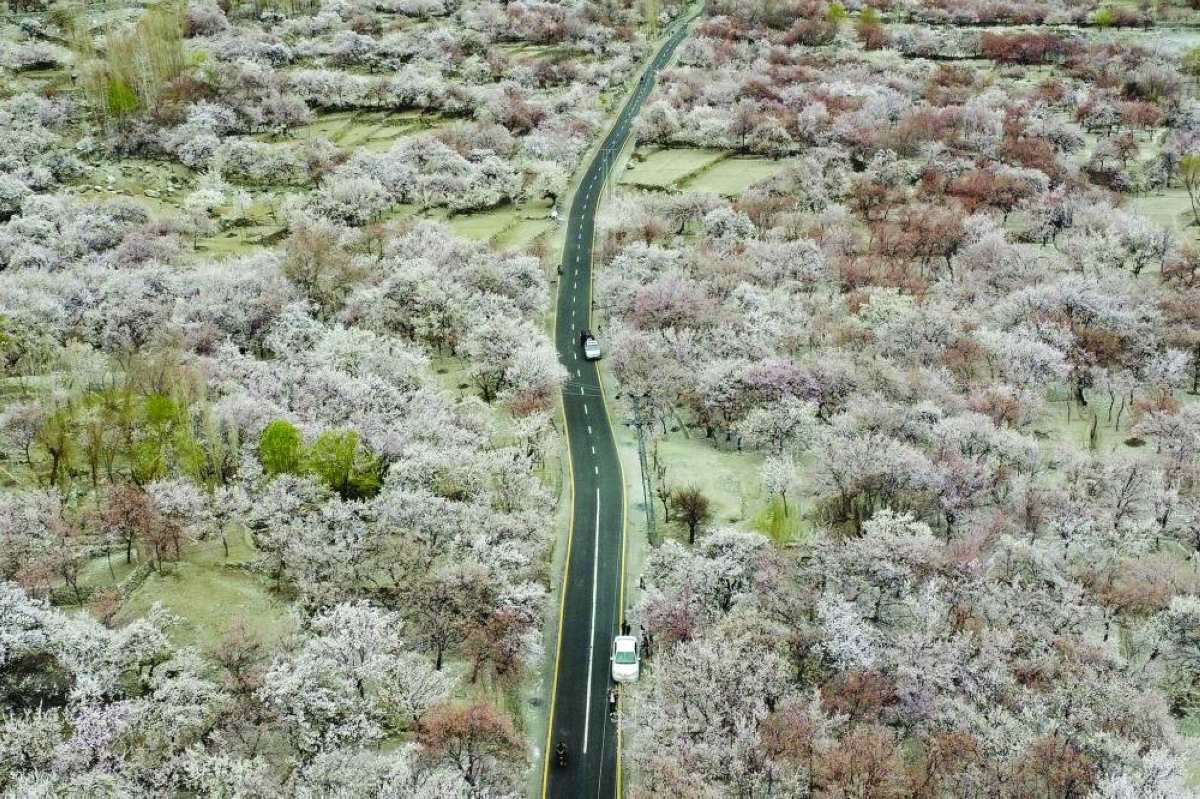
Commuters ride past apricot blossom trees at Ghanche district in Gilgit-Baltistan region. (AFP) The harsh days of winter are over in Pakistan's high north and while snow still tops the towering peaks that dominate the landscape, spring has arrived in the foothills.But this year, visitors who have come to witness the region's cherry and apricot blossoms see it as the perfect tonic to the war in the Middle East and its knock-on effects."There's war going on all over the world right now. It's petrol crisis, this and that, everything has become more expensive, everyone is in a depression," Hatib, 27, from Pakistan's biggest city, Karachi, told AFP."But to get out of depression, you need to step outside, go out somewhere for a bit, see places, explore, and relax the mind," he said.The blossoms that turn bare trees into a vibrant shade of pink carpet the thawing farmland of Gilgit-Baltistan from late March every year, marking renewal and the promise of fruit harvests to come for local people."The best part is when these flowers are falling. It literally feels like a dream," Hatib said.The region, home to about 1.7mn people, has some of the world's highest mountains, including K2, which soars to 8,611 metres (28,251 feet) — second only to Mount Everest.The jagged mountain ranges, high-altitude lakes and glaciers of Gilgit-Baltistan are a magnet for the daring and adventurous.But more sedate visitors can instead take selfies in the orchards of the flowering deep valleys, under a clear blue sky with only the chirrup of birdsong and the bleat of foraging goats to break the surrounding silence."No matter how much inflation there is in Pakistan today, no matter how much petrol prices are going up, tourists still don't want to miss the cherry blossom and apricot blossom season," said local visitor Maria Akbar, 29."Even if we have to spend extra money, it's not a problem, but we'll enjoy this view.""Things like cherry blossom and apricot blossom are what make Gilgit-Baltistan unique compared to all other regions," added Junaid Ahmed, 31."Tourists from all over the world come to enjoy this season. As you can see around me how beautiful it is, the beautiful view of these cherry and apricot blossoms is right before your eyes."  Related Story

World
Pakistan, Afghanistan open fresh talks in China to end conflict, say sources

Pakistan, Afghanistan open fresh talks in China to end conflict, say sources

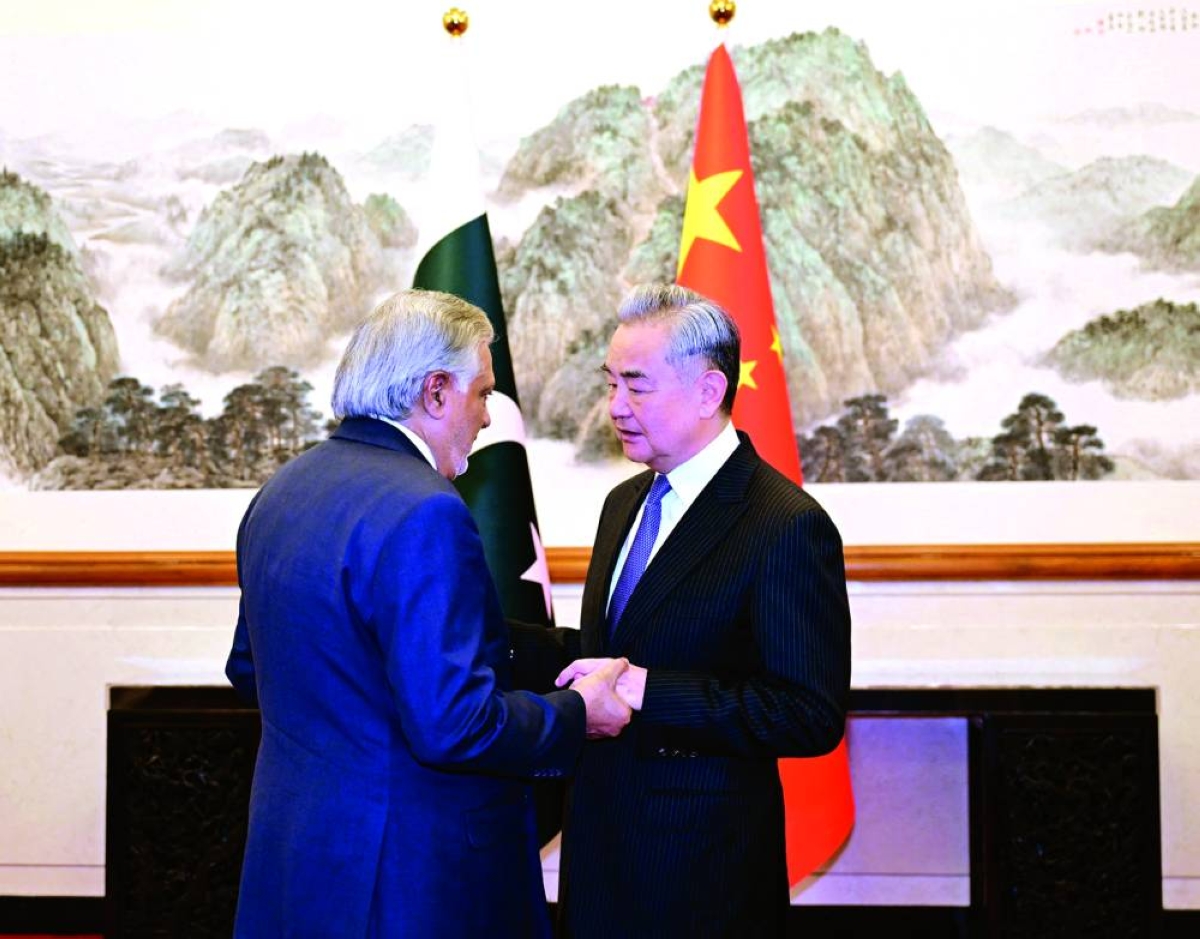
Afghanistan ​and Pakistan have opened ‌a new round of talks in China to end the deadliest ‌fighting between ⁠two Muslim nations since ‌the Taliban returned to power ‌in 2021, sources said Wednesday.Beijing has been trying to mediate a negotiated ⁠settlement to the conflict, which has claimed heavy losses on both sides, although many more on the Afghanistan side, since Pakistan launched air strikes in late February.Islamabad accuses the Taliban of harbouring and supporting militants who carry out attacks inside Pakistan. Kabul denies that claim, saying the militancy is Pakistan's domestic problem. The new round of talks coincides with Pakistani ​Foreign Minister Ishaq Dar's visit to Beijing to seek Chinese support for Islamabad's initiative to broker a peace deal between the US and Iran.Foreign and defence ministry delegates ‌from both countries have travelled to ⁠the northwestern ​Chinese city of Urumqi, four sources in Pakistan and Kabul said.The ​four spoke on condition of anonymity because they were not authorised to disclose the information, saying the talks involved mid-level officials.Pakistan's foreign ministry and the Kabul administration did not respond to requests for comment.The talks will focus on a potential ceasefire and on the reopening of border crossings to allow trade and travel, they said, adding that the new round of talks was a Chinese initiative.'Our top leadership agreed with them and decided to participate in the process,' a Taliban leader ‌in Kabul said.Both sides ‌traded heavy fire this week ⁠after a temporary ceasefire along their 2,600-km (1,600-mile) border.The pause in hostilities was announced ⁠for the Islamic festival of ⁠Eid al-Fitr, and was also requested by Turkiye, Qatar and Saudi Arabia, which Islamabad ended last week, saying it was responding to an attack from the Afghan side.Afghanistan has not yet announced officially whether the ceasefire was still holding on its side. Kabul said more than 400 people were killed in ​a Pakistani air strike on a drug rehabilitation centre in Kabul last month before the neighbours suspended the fighting. A Reuters reporter counted more than 100 bodies at one hospital after the air strike.Pakistan has rejected the Taliban's statements about the strike, saying it 'precisely targeted military installations and terrorist support infrastructure'.The Chinese mediation efforts come as Qatar, Saudi Arabia and Turkiye, who hosted talks between Pakistan and Afghanistan during previous clashes in October, find themselves embroiled ‌in the US and Israeli ​war on Iran. 

World
'Dozens' killed in Burundi after arsenal fire

'Dozens' killed in Burundi after arsenal fire

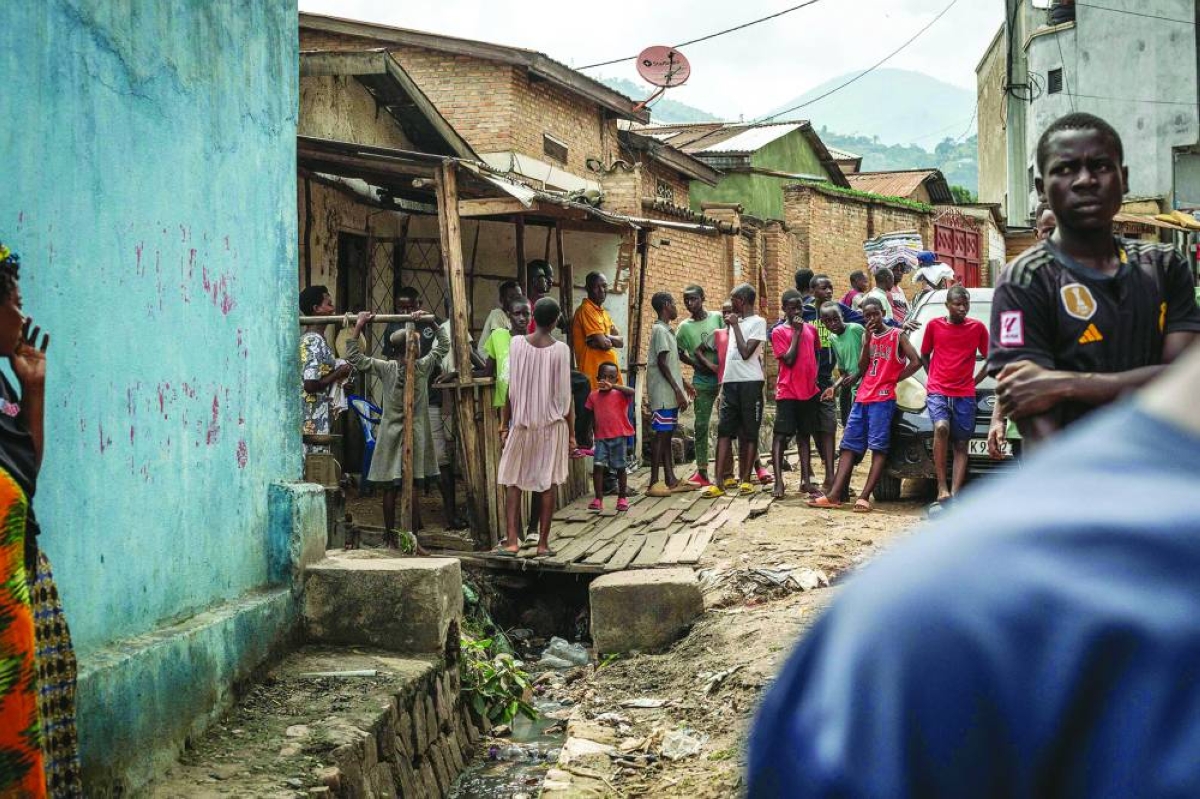
Explosions that ripped through the city of Bujumbura after a fire in a military arsenal have killed several dozen people in the Burundian economic capital, security sources said Wednesday.The explosions erupted late on Tuesday at the main ammunition depot of the Burundi National Defence Force (FDNB) in Musaga, a southern suburb of Bujumbura.An army spokesman said the cause was an 'electrical accident'.In videos seen by AFP, clouds of smoke loomed over the neighbourhood during the blast, sending panic through the city of more than a mn people.'It is impossible to establish a toll for the moment, but dozens and dozens of people have been killed, and there are hundreds or even thousands of injured,' a high-ranking army officer told AFP Wednesday.A senior police officer present at the site said the detonation broke out 'where heavy weapons and ammunitions are stored, which is why we immediately heard large explosions'.'There are dozens of dead, but the toll may be higher,' the senior police officer said.The arsenal in Musaga is located in a densely populated area and adjoins the Higher Institute for Military Cadres (ISCAM), where aspiring army officers are trained and housed.It also houses numerous army logistics depots and is next to another military base, Muha camp, and the central Mpimba prison.A source at Mpimba prison told AFP that eight inmates were killed and several others injured, who were taken to hospital by the Red Cross early Wednesday.Authorities have yet to provide casualty figures, and a Western diplomat speaking to AFP on condition of anonymity expressed doubt that 'there will be transparent communication'.'The regime here is very reluctant to communicate about deaths, especially military ones,' he said.Burundi, ranked by the World Bank as the world's poorest country by GDP per capita in 2023, has faced years of deep economic crises. The most recent saw a severe fuel shortage that has paralysed the nation for the past three years.Spageon Ngabo, director of the online bloggers' platform Yaga Burundi, said around 10 deaths had been reported by citizens to his organisation.'We haven't finished counting yet,' Ngabo said.The senior police officer, who joined the firefighting team late Tuesday, said efforts were immediately slowed by a water shortage.He said property had been destroyed by the 'massive inferno' and that the 'base camp was reduced to ashes'.On Wednesday afternoon, fire and smoke could still be seen, according to the police officer.Residents in surrounding neighbourhoods fled their homes at night, the officer said, as fire-triggered projectiles landed nearby.A witness speaking to AFP called the scenes 'horrible', adding that a projectile tore through a neighbour's bedroom, killing him.President Evariste Ndayishimiye, in a message on X, expressed his 'sympathy' to 'all those who have been victims of the fire'.Burundian authorities have urged citizens to report unexploded munitions by phone, warning: 'Be careful and do not touch.'On social media, dozens of posts showed children being searched for by parents who lost track of them while fleeing. 

World
SA farmers grapple with rising diesel costs as harvest season approaches

SA farmers grapple with rising diesel costs as harvest season approaches

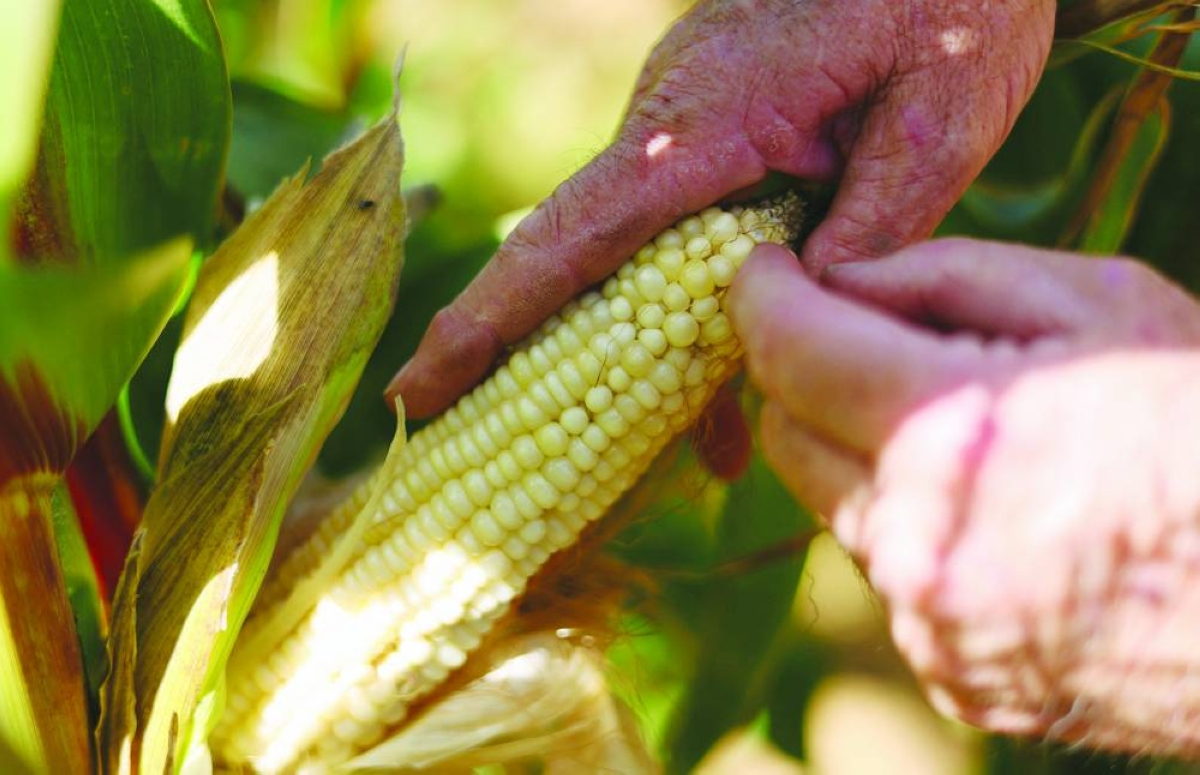
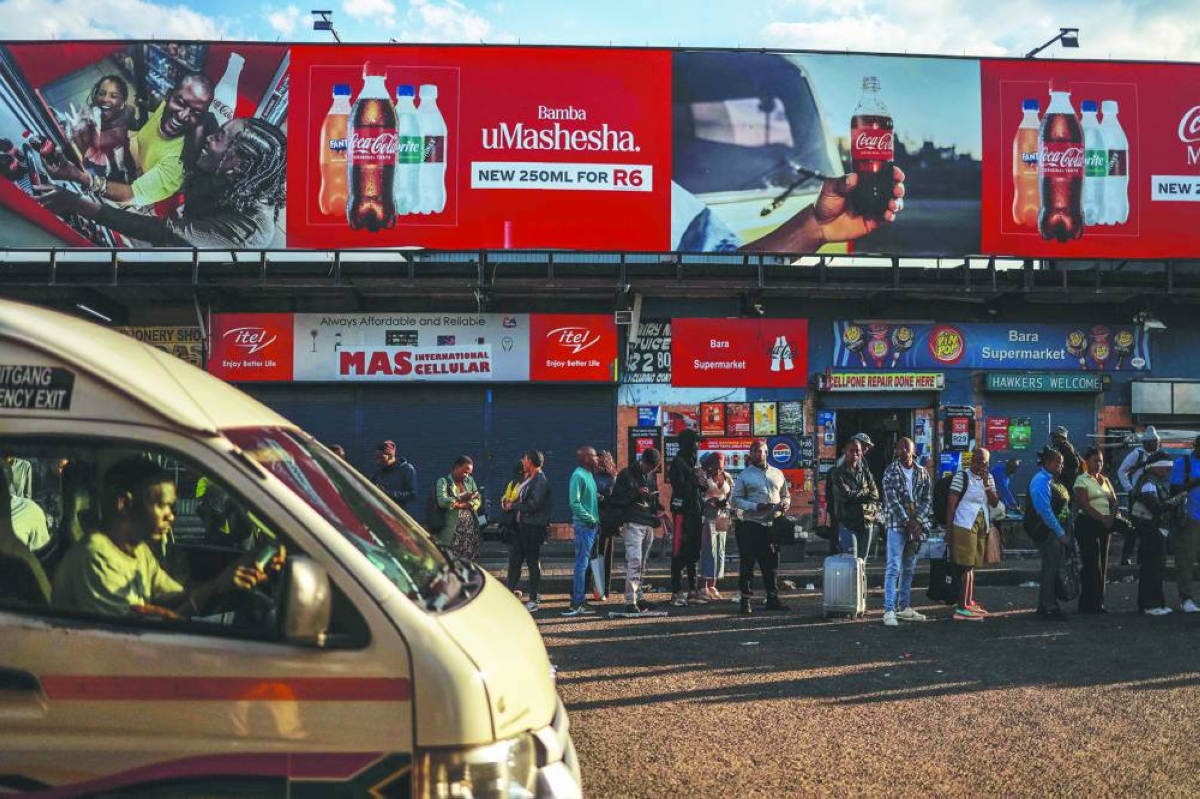
Derek Mathews watches as an old fuel pump fills a ​tractor with diesel on his ‌1,700-hectare arable farm in South Africa's North West Province. He frets ‌over a nagging ⁠concern: how to ‌secure and afford more fuel supplies before ‌harvesting starts.'It's terribly expensive to buy fuel at the moment, but the question I ⁠need to answer right now is can I get fuel?' Mathews, 64, told Reuters.Farmers in South Africa and many other countries are struggling with a double price blow — fuel and fertiliser costs have shot up as the US-Israeli war against Iran stifles key energy transit routes like the Strait of Hormuz.While South African government officials and fuel industry executives have assured that the country's stocks ​are sufficient for April, farmers say suppliers are grappling with higher demand, logistics constraints and hoarding of diesel.Mathews, who purchased 20,000 litres of diesel in February at 18 rand a litre, ‌said he had about 12,000 ⁠litres left by March ​30, or six days' worth of fuel for his farm as ​he prepares to harvest his sunflower and maize crops.According to a March survey by agricultural body AgriSA, slightly fewer than half of farmers surveyed had difficulty sourcing diesel. Others managed inadequate purchases of between 50 and 500 litres.'It's the uncertainty that keeps you awake,' AgriSA CEO Johann Kotze said, adding that disinformation about fuel supplies has induced panic buying.Mathews, who also produces dry beans and peanuts, ordered more diesel in March, by which time the price was 24 rand a litre, but the supplier ‌has yet to deliver it.Diesel ‌prices are not strictly regulated in ⁠South Africa. However, the government said Wednesday that it will temporarily intervene to ⁠cushion sharp fuel hikes by ⁠lowering the general fuel levy by 3 rand for April.In its latest fuel adjustment, the government said that diesel wholesale prices will rise by up to 7.51 rand a litre on April 1 to just under 26 rand, while petrol prices will rise by 3.06 rand a litre.For now, South Africa has sufficient crop production to keep a ​lid on food prices.'South Africa had a favourable agricultural season and has ample supplies that should contain excessive price increases,' Wandile Sihlobo, chief economist at Agricultural Business Chamber of South Africa, said during a Citibank client call on March 25.Mathews, however, fears that could change if the war in the Middle East leads to a prolonged rise in fuel prices.'If fuel prices remain at these elevated levels, with already depleted profit margins it doesn't make any financial sense at all to grow maize,' ‌he said of ​a food staple in South Africa. 

World
Fuel prices surge in Africa as Iran war hits supply

Fuel prices surge in Africa as Iran war hits supply

African governments have imposed sharp ‌fuel price increases as the Iran war sends global ​oil prices surging and ‌threatens to spark inflation across the continent.African countries import most ‌of their ⁠petroleum products, leaving ‌many highly vulnerable to supply disruptions.South ‌Africa, one of the continent's largest economies, Wednesday reduced its ⁠fuel levy for one month to help curb further prices rises in April, after trade unions and business groups pressured the government to intervene.CONSIDERING FURTHER STEPSIn Ghana, the National Petroleum Authority raised mandatory minimum price floors for the April 1-15 pricing window, pushing petrol prices up around 15% to 13.30 cedis ($1.21) per litre (0.26 U.S. ​gallon) and diesel up roughly 19% to 17.10 cedis.President John Mahama said on Monday that the government was considering steps to cushion consumers, including reducing ‌fuel margins and reviewing a ⁠recently imposed levy ​on petroleum products.He also raised the prospect of a formal ​supply agreement with Nigeria's Dangote refinery to secure alternative sources of refined petroleum. Ghana imports about 70% of its refined fuel.In Malawi, the Energy Regulatory Authority (MERA) imposed even steeper increases, raising petrol prices by 34% to 6,672 kwacha ($3.89) per litre and diesel by 35% to 6,687 kwacha from Wednesday.Petrol and diesel jumped by 42% and 87% between January and March on a free-on-board basis, MERA said, and that suppliers had shifted to fortnightly pricing averages.Tanzania's ‌Energy and Water Utility Regulatory ‌Authority has set a new ⁠petrol price cap of 3,820 shillings ($1.49) per litre in Dar-es-Salaam, up 33% ⁠from March. Diesel also ⁠rose 33% to 3,802 shillings.The regulator said fuel supply remained adequate to meet the country's needs.Mauritania Wednesday raised petrol by 15.3% and diesel by 10%. Economic Affairs Minister Abdallah Ould Souleymane, who compared the situation to the 1973 oil crisis, said the government would offset the ​impact on vulnerable households by raising the minimum wage and providing cash transfers to low-income families.Gambia increased fuel prices by 18.79% for petrol and 12.20% for diesel Wednesday, a finance ministry official told Reuters.Authorities in Botswana and Mali have also announced sharp fuel price increases.  Related Story

Opinion
Pakistan’s diplomatic tightrope in search of Middle East peace

Pakistan’s diplomatic tightrope in search of Middle East peace

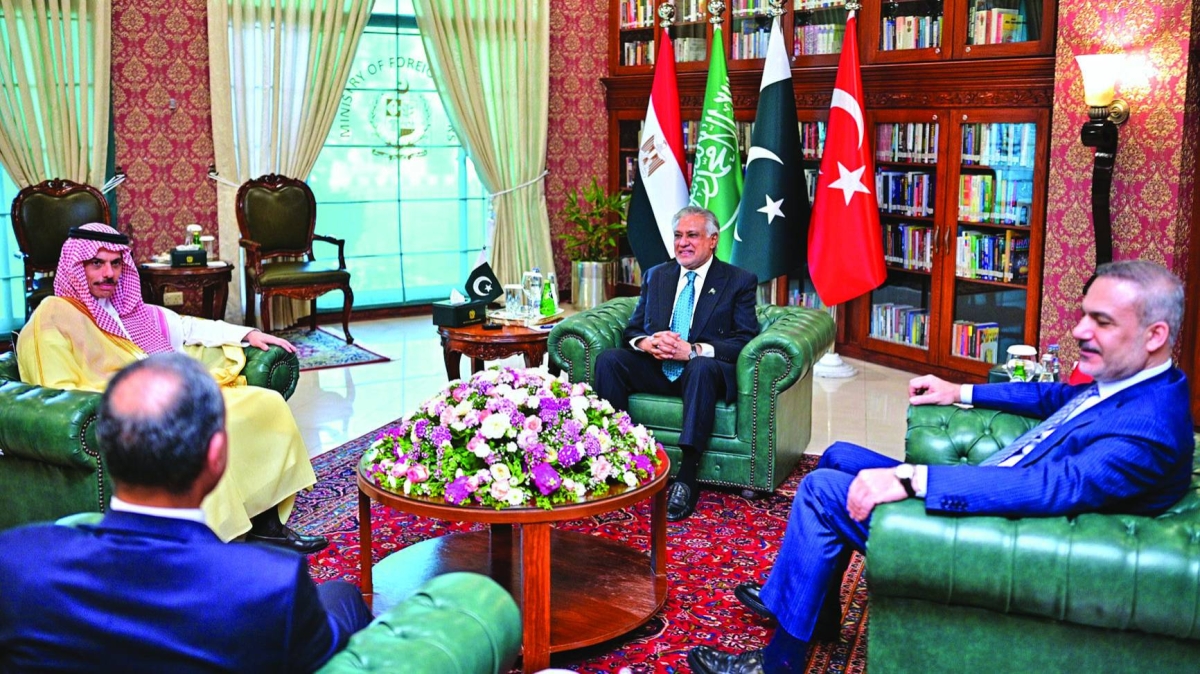
In 1971, a specially arranged Pakistan International Airlines aircraft carried US National Security Adviser Henry Kissinger on a clandestine journey from Islamabad to Peking — an unpublicised flight that redrew the geometry of global power. That secret mission ultimately paved the way for President Richard Nixon’s historic visit to China, unlocking a realignment that defined the Cold War’s final decades.  More than half a century later, Pakistan again finds itself standing at a similar inflection point — this time in full public view. Its foreign minister, Ishaq Dar, retraced parts of that corridor to Beijing the other day amid a rapidly escalating conflict between the United States, Israel, and Iran that has disrupted global energy markets and strained great-power relations. The parallel is not just symbolic. It reflects a recurring structural reality: Pakistan’s unique ability — and perilous challenge — to act as a bridge in times of geopolitical fracture. Over the past week, Islamabad has quietly re-emerged as a convening point in the Middle East crisis. On March 29, Pakistan hosted a quadrilateral meeting of the foreign ministers of Saudi Arabia, Türkiye, and Egypt, marking a rare alignment among regional heavyweights. The meeting signalled not just concern over the war’s regional fallout but also a coordinated diplomatic push toward de-escalation. Following the talks, Dar revealed that both Washington and Tehran had expressed “confidence” in Pakistan’s capacity to facilitate engagement where both sides were prepared to consider “meaningful negotiations” hosted in Islamabad. The joint endorsement was unprecedented in recent Middle Eastern diplomacy, where mutual distrust has long blocked even indirect communication. “War benefits none,” Dar told reporters, stressing that “the unity of the Muslim world and the pursuit of peace through dialogue must take precedence over all else.” His statement followed consultations with visiting ministers who, discussed proposals to reopen the Strait of Hormuz, which Iran had effectively closed to shipping after US and Israeli strikes that began on February 28. Pakistan’s mediation credentials did not materialise overnight. They are rooted in precedent as much as proximity. From its secret facilitation of the US-China rapprochement in 1971 to its behind-the-scenes role during the US-Taliban negotiations in Doha five decades later, Islamabad has often served as a diplomatic bridge when formal pathways collapsed. Its geography — straddling South Asia, the Gulf, and Central Asia — gives Islamabad a natural vantage point. But geography alone does not guarantee influence. What has historically distinguished Pakistan is its ability to maintain working relations across ideological divides: deep strategic coordination with Beijing, a sometimes fragile but enduring relationship with Washington, pragmatic ties with Tehran, and strong security partnerships with Riyadh. Few capitals can claim that spread. Fewer still can exercise it amid simultaneous crises. The next step in Pakistan’s evolving role came two days later in Beijing. Dar’s one-day visit at the invitation of Chinese Foreign Minister Wang Yi culminated in the joint release of a five-point initiative for restoring peace and stability in the Gulf and Middle East. The plan called for an immediate ceasefire, a halt to attacks on civilians and critical infrastructure — including energy, desalination, and power facilities — and the reopening of the Strait of Hormuz to secure global energy supply lines. “The sovereignty, territorial integrity, and security of Iran and other Gulf states must be safeguarded,” the joint statement said. “Dialogue and diplomacy remain the only viable means to resolve disputes.” Wang Yi praised Pakistan’s “untiring efforts and mediation diplomacy,” emphasising that restoring freedom of navigation through Hormuz was not simply a matter of regional security but of global economic survival. He described the initiative as part of a growing “China-Pakistan community with a shared future,” hinting at a long-term alignment between Beijing’s economic imperatives and Islamabad’s regional influence. For China, whose economy depends heavily on Iranian crude imports and whose Belt and Road energy corridors traverse Pakistan, stable shipping routes are non negotiable. The inclusion of Hormuz in the framework’s language reflects that urgency. The underlying calculus is not only geopolitical — it is deeply economic. China’s dependence on Iranian oil, coupled with its dominance in rare earth processing, intersects with American vulnerabilities in supply chains crucial to defence, semiconductor production, and clean energy transition. A prolonged blockade of Hormuz threatens to derail both energy security and inflation control in Western economies, intensifying US pressure to find an off ramp. For Islamabad, this emerging energy security matrix provides both opportunity and risk. The ability to convey a US origin fifteen point ceasefire proposal to Tehran underscores Pakistan’s usefulness to both Washington and Beijing. Yet it also places the country in a cross current, balancing between competing strategic priorities while trying to avoid being turned into an instrument of either. Diplomatic signals suggest that time is increasingly scarce with military posturing continuing in the Gulf. Against this backdrop, Pakistan’s proposal for confidence building measures — including monitored energy shipments and humanitarian corridors — seeks to slow a slide toward full scale confrontation. But success depends on sequencing: trust must precede negotiation, and yet delays heighten the risk of irreversible escalation. That delicate balance is why both Beijing and Islamabad are pressing for early engagement, citing the symbolic power of initiating a ceasefire. “Every hour lost brings new dangers,” Dar reportedly told Wang Yi, according to diplomatic notes. “Peace is still possible — but the clock is ticking.” The historical echo is unmistakable. In 1971, Pakistan’s facilitation produced the Nixon Mao handshake — an act of creative diplomacy that redefined global power alignments for half a century. Today, Islamabad’s task is not to enable a rapprochement between two superpowers but to stabilise a multi actor conflict threatening vital global trade arteries. Whether this latest initiative succeeds may ultimately matter less than the fact that Pakistan is again attempting to operate within this narrow corridor of opportunity. The distinction between a facilitator and a true mediator will hinge on whether Islamabad can influence outcomes rather than merely transmit messages. Still, the optics alone are significant. A nuclear armed state of 240mn people, situated at the crossroads of Asia and the Middle East, is once again demonstrating its capacity to shape diplomatic currents far beyond its borders. It is a reminder of continuity: how Pakistan’s geography, its alliances, and its persistent diplomatic instinct to mediate place it at recurring pivot points of history. As the Gulf crisis deepens, Islamabad’s challenge is to transform that position from symbolic to substantive — to convert access into agency, communication into consensus. The writer is Deputy Managing Editor 

World
South Africa deploys military to Cape Town townships hit by crime

South Africa deploys military to Cape Town townships hit by crime

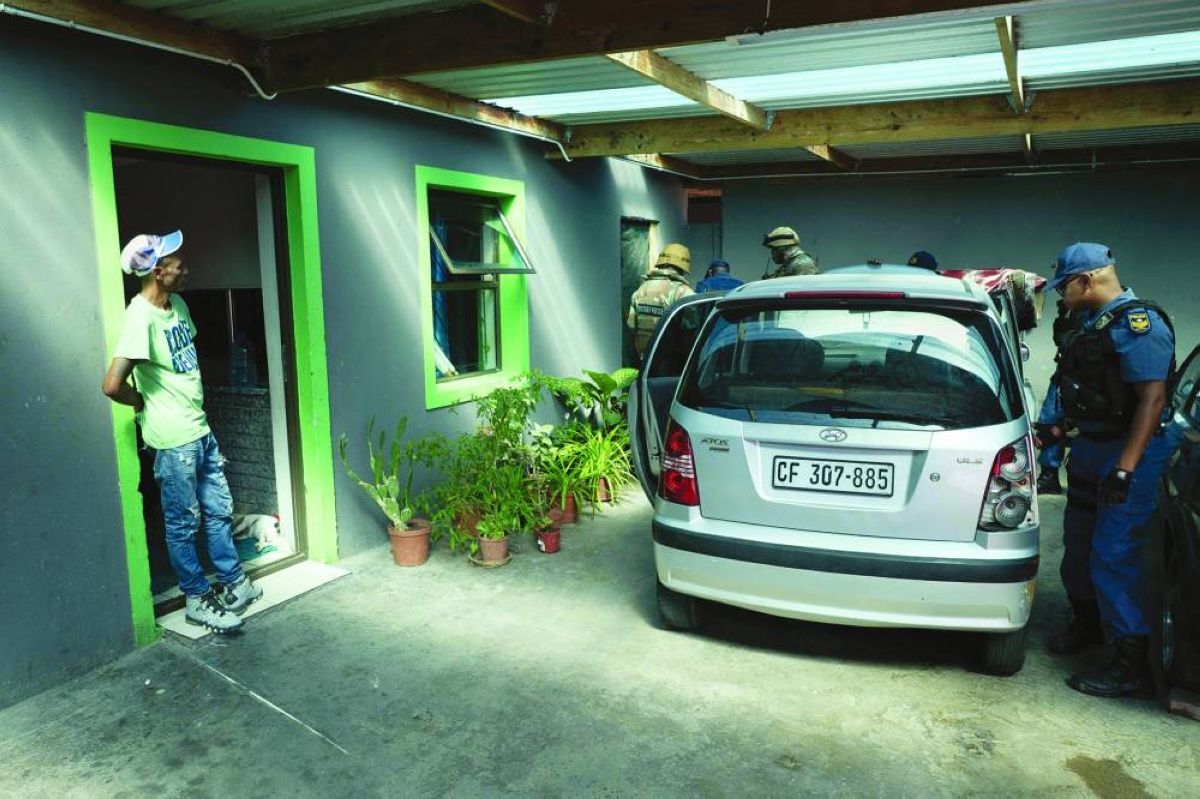
South African soldiers moved into gang-ridden Cape Town townships Wednesday, as two people were killed in fresh violence, nearly 50 days after the president ordered the deployment.Troops in full combat gear and carrying assault rifles stepped from armoured vehicles that arrived with sirens blaring in Mitchells Plain, a neighbourhood in the Cape Flats.The low-lying area, nestled between tourist magnet Cape Town and the scenic winelands, is a hotspot for murder and plagued by gang turf wars and retaliatory attacks.Two men, aged 25 and 33, were shot and killed in a 5 am (0300 GMT) attack in the neighbouring sprawling area of Hanover Park.Earlier, around 2:45 am, a 27-year-old man was wounded in a separate shooting in Mitchells Plain.'I am afraid for my children,' said a 65-year-old grandmother on condition of anonymity, suspecting her backyard was being used as a night lookout.'All night, I don't sleep,' she said, adding that her daughter leaving at 4 am makes her 'so anxious.'Shootings happen at all hours, including when children are going to and coming from school, said 69-year-old retiree Malvin Gordan.The deployment was a welcome relief, he said, with the troop's 'presence alone' forcing gang members to stand back.The Cape Flats saw one of its deadliest weeks last August when police recorded 59 murders in seven days.The violence and elsewhere prompted President Cyril Ramaphosa in February to announce the deployment to boost the country's struggling police force, saying crime was one of the biggest threats facing South Africa.Excluding countries at war, South Africa has one of the world's highest homicide rates, with an average of 60 killings reported each day.Codenamed 'Operation Prosper,' the deployment will last a year and cover five of the nine provinces, including Gauteng, home to the financial capital Johannesburg, according to a plan presented to parliament.It mobilises more than 2,200 soldiers to support police in tackling the surge in crime and illegal mining.South Africa has repeatedly turned to the army in times of crisis, from enforcing strict Covid-19 lockdowns in 2020 to deploying troops during the deadly riots sparked by the jailing of ex-president Jacob Zuma in 2021.Soldiers were also sent into the streets in 2023 after a wave of truck burnings raised fears of wider unrest. In 2019, around 1,300 soldiers were deployed to back up police in the gang-afflicted Cape Flats areas surrounding Cape Town. 

Opinion
China was ready for an oil shock and now investors are reaping rewards

China was ready for an oil shock and now investors are reaping rewards

China’s readiness for an energy shock has helped its financial markets to turn in a world-beating month and has global investors looking to boost their exposure as the Iran ‌war drags on. Oil stockpiles and resilient energy supply chains have been behind the performance in stocks, bonds and ​the yuan and money managers and dealers ‌say it is starting to drive a positive view about the economy and buying tech and consumer ‌companies. Since the US and Israel’s ⁠war on Iran all but ‌stopped the movement of oil and gas from the ‌Arabian Gulf late in February, soaring oil prices have upended global markets. Over that period, China’s benchmark CSI300 equity index has fallen about ⁠4.6%, compared with losses deeper than 10% in India, Japan and South Korea and an almost 8% decline for the S&P 500. The yuan is the steadiest in Asia against the dollar — remaining flat through March — and China’s debt market is without peer, holding firm as other credit markets have sunk. By holding up in a month where there have been few places for investors to hide, the moves have added to the case for owning China as both a short-term shelter and longer-run ballast for global portfolios, which have taken a drubbing of late. “The uniqueness of China’s energy dependence is the differentiation factor,” said ​Jacky Tang, chief investment officer for emerging markets at Deutsche Bank’s Private Bank. “Because of this, investors prefer to allocate to Chinese assets at this point relative to other markets ... they realised the resilience.” Tang said his portfolio was slightly overweight on China and that some clients were gradually switching ‌some technology exposure to China from Japan and ⁠South Korea. Paradoxically, ​China is the world’s largest importer of oil that passes through the Strait of Hormuz and also ​one of the best placed to weather the waterway’s closure. Domestic production, a freeze on fuel exports and a pipeline network allow it to diversify away from seaborne imports and source oil and gas from Russia, central Asia and Myanmar. It also boasts an electric vehicle fleet about as large as the rest of the world’s combined, oil stockpiles estimated at seven months of imports and an electricity grid that is almost insulated from imports thanks to domestic coal and renewables. At the same time inflation is low — so the economy can absorb higher prices — while recent indicators have shown improvement. So relative to the rest of the world, what had been a steady growth outlook is suddenly looking impressive. “We feel (the) domestic China economy is going to stay robust, whatever happens,” said William Yuen, a Hong Kong-based investment director at Invesco, who added some exposure to ‌tech and consumer firms last month. “It may have ‌its little ups and downs, but comparing to ⁠a lot of other economies in the world, there will be some sort of buffer given how diversified, how self-sustaining the economy has become.” There are other attractive tailwinds and sectors. Investors have ⁠already scooped up stocks in China’s renewables industry, a bet on worldwide demand for solar panels, batteries and green energy equipment to reduce dependence on fossil fuels. The wall of household savings stashed in bank deposits has kept downward pressure on bond yields. And investors say they believe Chinese authorities are standing by to keep things steady, citing a recent regulatory crackdown aimed at market stability and selling from state investment funds last year, leaving them ready to prop up stocks if they fall. “The ‘slow bull market’ remains the mantra,” said Christopher Wood, Jefferies’ ​global head of equity strategy, in a note. “The goal remains clear: For the stock market to replace the deflating property market as the main source of wealth generation.”     

Sports
Zaman gets 2-match ban for ball tampering

Zaman gets 2-match ban for ball tampering

Fakhar Zaman of Lahore Qalandars prepares to start a training session in Lahore. Pakistan international Fakhar Zaman has been banned for two matches after being found guilty of ball tampering during the country’s showpiece T20 league, cricket bosses said Tuesday.The 35-year-old opener was seen on video footage altering the condition of the ball during his team Lahore Qalandars’ match against Karachi Kings in Lahore on Sunday night.“Zaman has been suspended for two Pakistan Super League (PSL) matches after he was found guilty of a Level 3 offence for tampering the ball,” the Pakistan Cricket Board (PCB) said in a statement.The PCB charged Zaman, who denied ball tampering, at a disciplinary hearing with match referee Roshan Mahanama of Sri Lanka.Mahanama viewed television footage which showed Qalandars’ players Zaman, skipper Shaheen Shah Afridi and Haris Rauf, and umpire Faisal Afridi inspecting the condition of the ball.The umpire awarded five penalty runs against Qalandars, who lost the match by four wickets.Earlier, fast bowler Naseem Shah was slapped with the biggest fine in Pakistan cricket history after criticising a politician on social media.Shah’s whopping $71,500 punishment is the latest incident to rock the PSL during a turbulent opening week.Fellow fast bowler Shaheen was also fined $3,500 for breaking the tournament’s tight security protocols.The PSL is taking place behind closed doors without fans - and only at two venues instead of six - because of fuel supply concerns caused by the Iran war.Naseem, who plays for Rawalpindiz, aimed a barb at Punjab chief minister Maryam Nawaz, who was the guest of honour at a slimmed-down PSL opening ceremony before last Thursday’s match between Qalandars and Hyderabad Kingsmen.In a post on X, swiftly deleted after being widely shared, Naseem mocked Nawaz’s arrival, saying: “Why is she treated like the Queen at Lord’s?”He later claimed his account had been hacked, but the PCB did not agree and ordered him to appear before a three-man disciplinary committee.Naseem apologised before the committee imposed the record fine.Afridi was fined by the Qalandars for breaching security protocols at his team hotel in Lahore, one of two host cities along with Karachi for this year’s tournament.Punjab Police said Afridi was refused permission to take visitors to teammate Sikander Raza’s room but did so anyway.  Related Story

Sports
What a player! Growing calls for Suryavanshi to make India debut

What a player! Growing calls for Suryavanshi to make India debut

Rajasthan Royals' Vaibhav Suryavanshi plays a shot during the 2026 IPL match against Chennai Super Kings in Guwahati on March 30, 2026. (AFP) There were growing calls Tuesday for teenager Vaibhav Suryavanshi to be fast-tracked into India’s senior national team after slamming a 17-ball 52 to launch his IPL season.The batsman turned 15 last week, making him eligible to represent India under International Cricket Council rules, having already starred for his country at youth level.On Monday he smacked four fours and five sixes as Rajasthan Royals chased down a target of 128 with 7.5 overs to spare against Chennai Super Kings in Guwahati.The teenager made history in last year’s IPL in a dazzling debut season highlighted by a 35-ball century, the second fastest in the history of the T20 tournament.Spin bowling great Anil Kumble compared Suryavanshi to batting legend Sachin Tendulkar, who made his full international debut aged 16.“Yes, absolutely. If a player shows this level of consistency, he should be fast-tracked, just like Sachin Tendulkar,” Kumble said on JioHotstar.Suryavanshi has already made his mark at youth international level, hammering 175 off just 80 balls as India beat England in the Under-19 World Cup final in February. Former India batter Ambati Rayudu described Suryavanshi as “a cut above a lot of youngsters in the country”.“He’s a talent that will definitely do wonders for Indian cricket,” Rayudu said on ESPNcricinfo. “I don’t know when, but definitely in the future.” Inside the Rajasthan Royals camp, the leadership group has been focused on shielding the prodigy from the pressures of early fame.“What I tell him is that you’re going to play 14 games (in this season’s IPL) and regardless of what goes on in the game, it shouldn’t bother you,” captain Riyan Parag said.“What goes around in the media shouldn’t bother you.”He added following Monday’s latest eye-catching display: “Like everyone in the stands, we also had this feeling of ‘wow’, wondering how he is able to do this.“He is a talent and I am very glad that he is in our team, and not the opponent’s,” he said.  Related Story