Entertainment
ÉTERNE Founder Chloé Bartoli Shares What to Keep (and Toss) for Your Spring 2026 Closet Cleanout

ÉTERNE Founder Chloé Bartoli Shares What to Keep (and Toss) for Your Spring 2026 Closet Cleanout

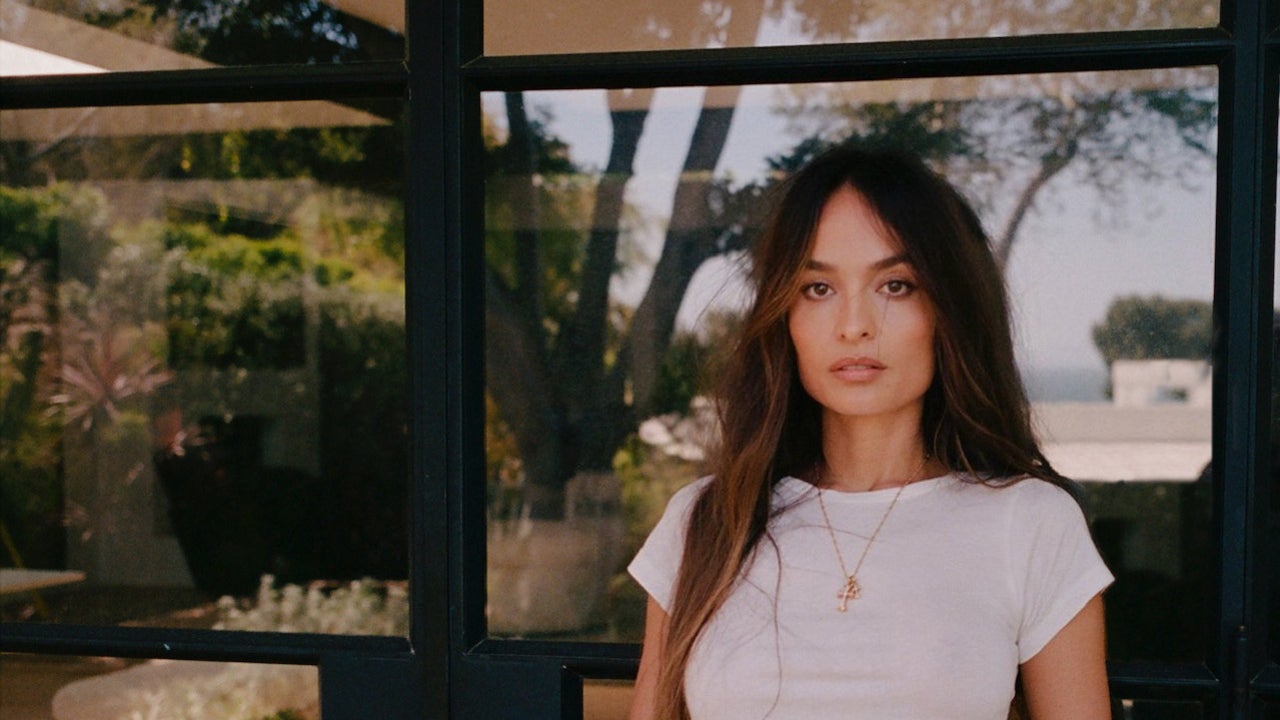
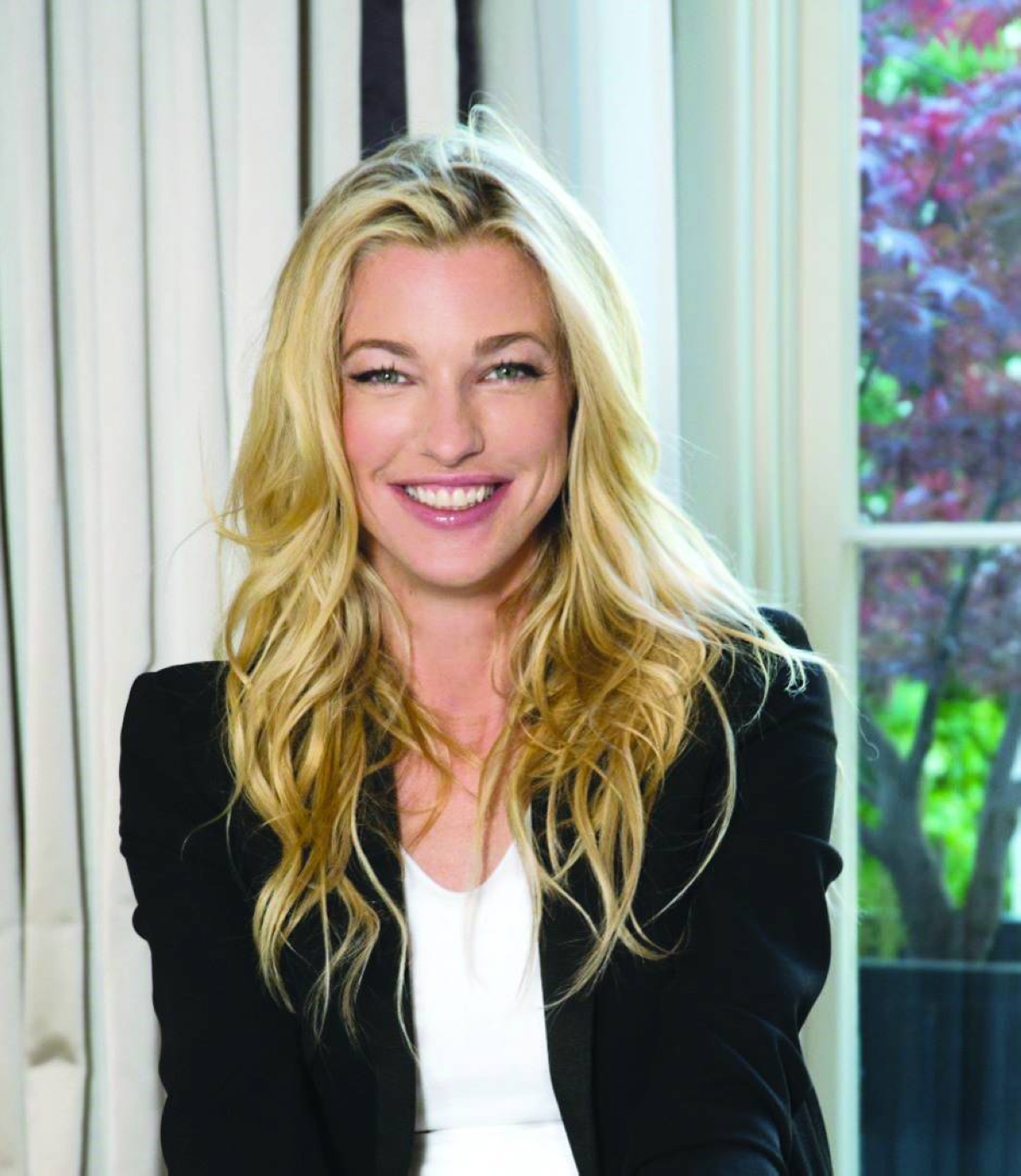
Spring cleaning just got way chicer. Celebrity stylist Chloé Bartoli, who’s dressed everyone from Selena Gomez to Shay Mitchell and Miranda Kerr, knows exactly how to build an effortless, off-duty look. And with her brand ÉTERNE,

Entertainment
Celebrity Stylist Chloé Bartoli Shares What to Keep (and Toss) for Your Spring 2026 Closet Cleanout

Celebrity Stylist Chloé Bartoli Shares What to Keep (and Toss) for Your Spring 2026 Closet Cleanout

Spring cleaning just got way chicer. Celebrity stylist Chloé Bartoli, who’s dressed everyone from Selena Gomez to Shay Mitchell and Miranda Kerr, knows exactly how to build an effortless, off-duty look. And with her brand ÉTERNE,

Entertainment
Cyndi Lauper’s Son Declyn Allegedly Sexually Assaulted Woman, New Lawsuit Claims

Cyndi Lauper’s Son Declyn Allegedly Sexually Assaulted Woman, New Lawsuit Claims

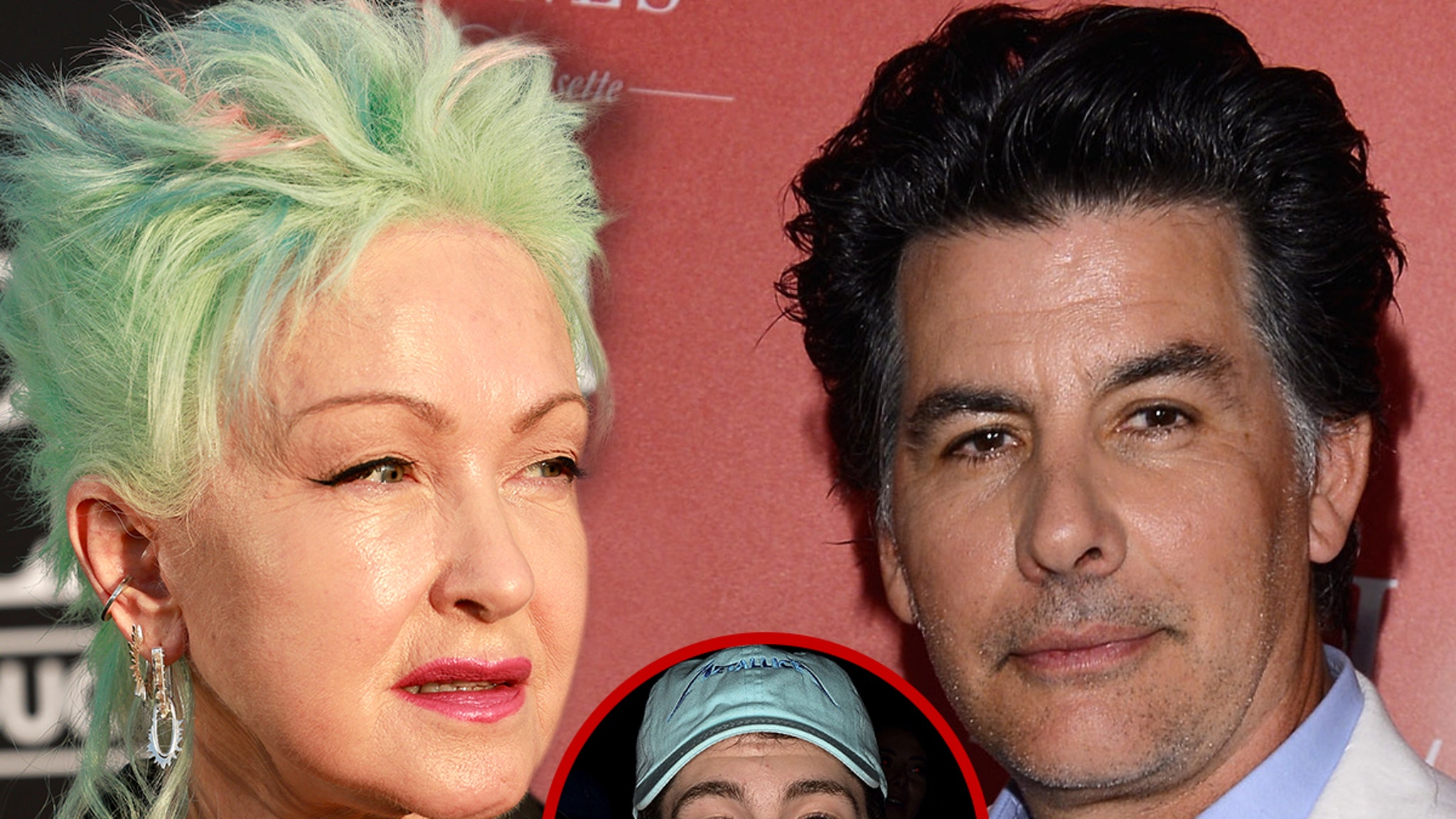
Cyndi Lauper's son, rapper Declyn "Dex" Lauper, sexually assaulted a woman in a New York City apartment after she refused to perform oral sex on him ... at least according to a new lawsuit. The

Entertainment
Lindsie Chrisley’s Boyfriend Asks Todd Chrisley for Permission to Marry His Daughter

Lindsie Chrisley’s Boyfriend Asks Todd Chrisley for Permission to Marry His Daughter

"Southern Tea" podcast host Lindsie Chrisley and her boyfriend, David Landsman, are engaged ... and it looks like he popped the question by upholding an old-fashioned tradition! In an Instagram story posted Monday, David shared

Entertainment
Puka Nacua Accused Of Biting Woman, Saying ‘F*** The Jews’, Rams WR Adamantly Denies

Puka Nacua Accused Of Biting Woman, Saying ‘F*** The Jews’, Rams WR Adamantly Denies

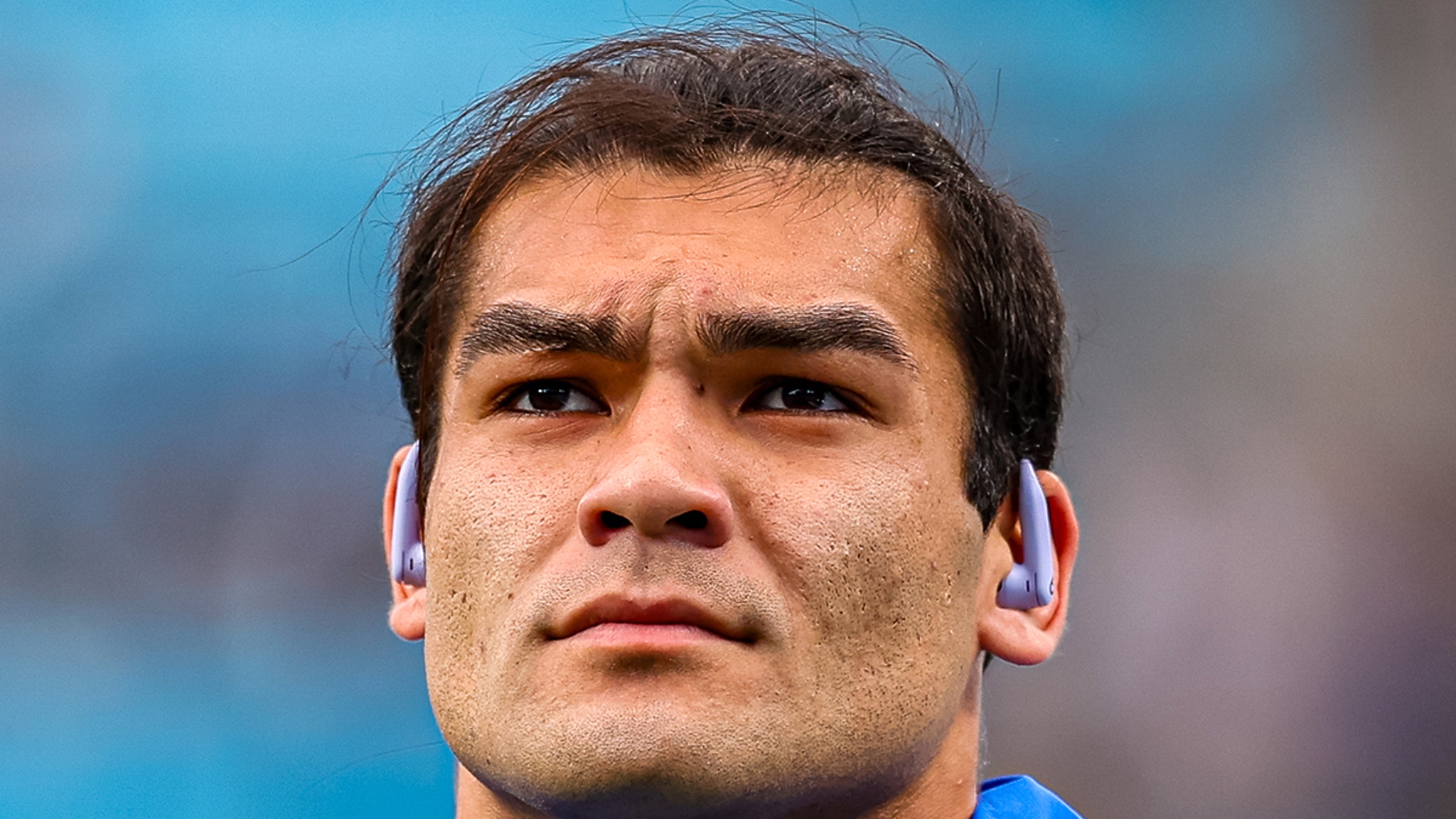
Puka Nacua Allegedly Bit Woman, Said 'F*** The Jews' ... Rams Star Adamantly Denies Published March 24, 2026 3:51 PM PDT A woman in Los Angeles claims Puka Nacua made an antisemitic comment, and later

Entertainment
Ex-Menudo Member Draco Rosa’s Ex-Wife Says He Owes Her More Than $200K

Ex-Menudo Member Draco Rosa’s Ex-Wife Says He Owes Her More Than $200K

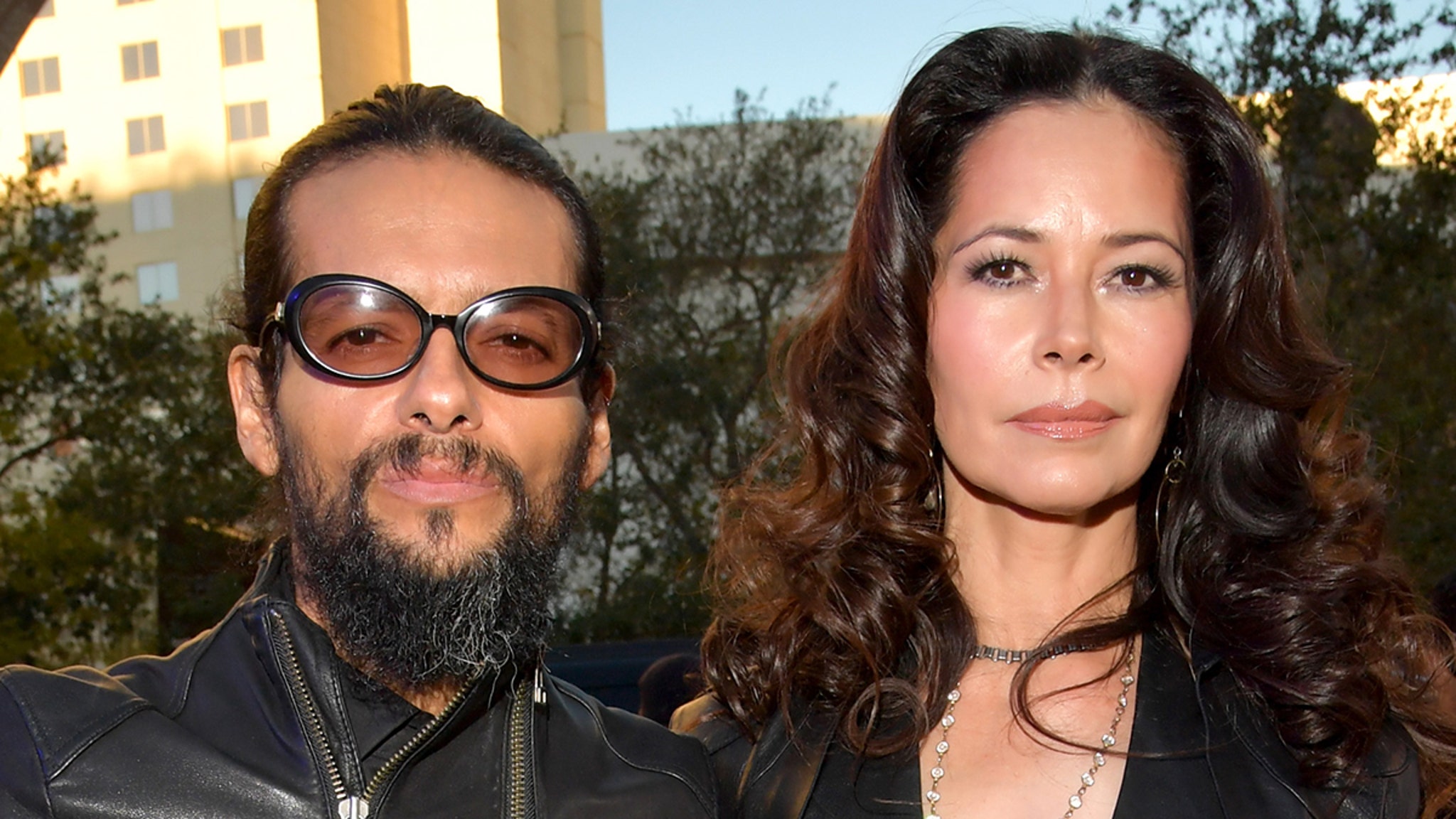
Draco Rosa's Ex-Wife He's Trying to Stiff Me Out Of My Divorce Money!!! Published March 24, 2026 2:50 PM PDT Former Menudo member Draco Rosa is being dragged into another court battle with his ex-wife,

Sports
‘Illustrious’ Salah to leave Liverpool at the end of the season

‘Illustrious’ Salah to leave Liverpool at the end of the season

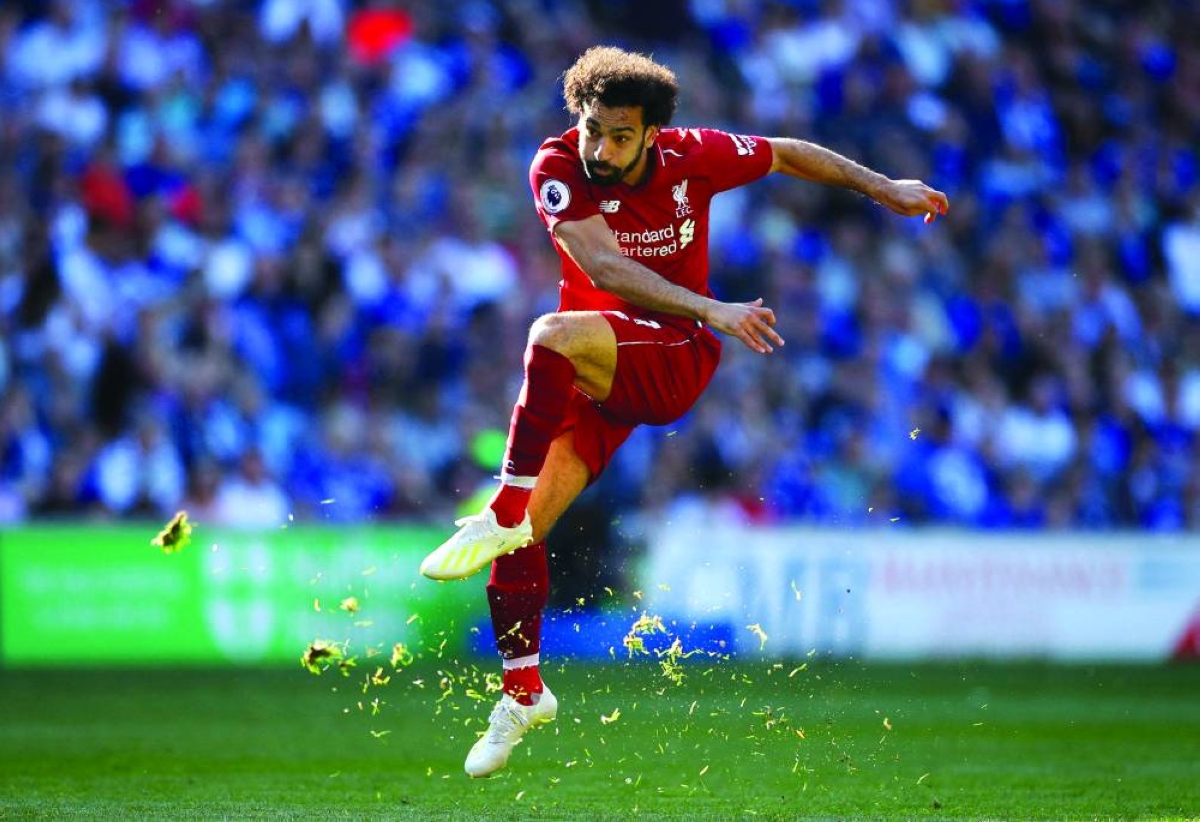
Soccer Football - Premier League - Cardiff City v Liverpool - Cardiff City Stadium, Cardiff, Britain - April 21, 2019 Liverpool's Mohamed Salah shoots at goal. Reuters Mohamed Salah will leave Premier League champions Liverpool at the end of the season, the Egypt forward announced as he started a farewell to what the club said were nine "illustrious" years at Anfield.The 33-year-old arrived at Anfield from Roma in 2017 before making 435 appearances for Liverpool, scoring 255 goals to leave him third on the Reds' all-time leading goalscorers chart. He has also won the Premier League Golden Boot award on four occasions while starring for Liverpool in both their 2019/20 and 2024/25 title triumphs as well as lifting the 2019 Champions League trophy.His Liverpool honours also include a Club World Cup, UEFA Super Cup, FA Cup and two League Cups. But the currently injured Salah has scored just five Premier League goals so far this this season, compared with 29 in last term's title-winning campaign.And his Anfield future became the subject of intense speculation after a dramatic bust-up with Liverpool manager Arne Slot in December. He accused Liverpool of throwing him "under the bus" after he was benched for three games in a row and said he had no relationship with the Dutch boss.Salah, in a video on social media featuring highlights of his time with Liverpool, said: "Hello everyone. Unfortunately, the day has come. This is the first part of my farewell. I will be leaving Liverpool at the end of the season. I wanted to start by saying that I never imagined how deeply this club, this city, these people would become part of my life. Liverpool is not just a football club. It's a passion, it's a history, it's a spirit. I can't explain in words to anyone not of this club."Salah, a free agent at the end of the season, added: "We celebrated victory, we won the most important trophies and we fought together through the hardest time in our life. I want to thank everyone who was part of this club throughout my time here, especially the team-mates past and present."And to the fans, I don't have enough words. The support you showed me through the best time of my career, and you stood by me in the toughest times. It's something I will never forget and something I will take with me always. Leaving is never easy. You gave me the best time of my life. I will be always one of you. This club will always be my home, to me and to my family. Thank you for everything. Because of all of you, I will never walk alone," insisted Salah in a reference to the Liverpool fans' chant.Liverpool said on their website: "Mohamed Salah is to bring the curtain down on his illustrious career with Liverpool at the end of the 2025-26 season. The forward has reached an agreement with the Reds that will see him close a remarkable nine-year chapter at Anfield. With plenty still left to play for this season, Salah is firmly focused on trying to achieve the best possible finish to the campaign for Liverpool and, therefore, the time to fully celebrate his legacy and achievements will follow later in the year when he bids farewell to Anfield," they added.Salah was forced off at Anfield last week after scoring in Liverpool's 4-0 victory against Galatasary, which sealed their place in the Champions League quarter-finals. In-form Salah had scored in three of his past four starts after an uncharacteristic lean spell but missed last weekend's 2-1 loss at Brighton, a blow to fifth-placed Liverpool's hopes of qualifying for next season's Champions League.  Related Story

Opinion
The power of sport in a fractured world

The power of sport in a fractured world

At moments of geopolitical tension, sport can feel peripheral. When headlines are dominated by conflict and economic uncertainty, stadiums and competitions can seem far removed from the serious business of international affairs. But sport has always operated on a different timeline from politics. Major tournaments, leagues and sporting infrastructure are planned years in advance. Decisions taken today will shape the sporting landscape long after the current moment of instability has passed. The region is steadily positioning itself as a centre for global sport, not only by hosting major events but by building the infrastructure and ecosystems that sustain them. That long horizon is precisely what makes sport valuable in turbulent times. Sport is one of the few global systems that continues to function even when politics fractures. It creates spaces where countries can still meet, compete and collaborate even when political relationships are strained. The playing field has often provided one of the rare arenas where rivalry can coexist with shared rules and mutual respect. Across the Middle East, that long-term perspective is becoming increasingly visible. The region is steadily positioning itself as a centre for global sport, not only by hosting major events but by building the infrastructure and ecosystems that sustain them. Qatar’s experience over the past decade illustrates how deliberate that approach can be. Investments in stadiums, training facilities and youth development ahead of the FIFA World Cup 2022 created not only a tournament but a lasting sporting platform that continues to attract international competitions and regional events. The calendar for 2026 alone illustrates the scale of that ambition. In May, Doha will host the Gulf Co-operation Council Games, bringing together athletes from across the region. In January, Saudi Arabia staged the AFC Under-23 Asian Cup, which showcased the next generation of football talent from across the continent. Later in the year Riyadh will welcome competitors for the Asian Indoor and Martial Arts Games, while Dubai’s long-established Dubai World Cup will once again draw global attention to the emirate. These events are not isolated moments. They form part of a broader strategic arc. Stadiums, training facilities, youth academies and broadcast partnerships are all part of an ecosystem designed to support sport not just as entertainment, but as an industry and a cultural platform. In that sense, sport sits at the intersection of diplomacy, identity and economic development. Investors working at the intersection of technology, infrastructure and sport are increasingly coming to see sport as one of the most underdeveloped sectors of the global economy. The real opportunity is not simply in events or media rights. It lies in the systems that support them: leagues, talent pathways, facilities, technology and new forms of fan engagement. One of the most significant shifts in global sport over the past decade has been the rise of women’s competitions. Audiences are expanding rapidly, commercial partners are paying closer attention and new leagues are emerging across multiple disciplines. For investors and sporting institutions alike, this creates a rare opportunity to build a more balanced ecosystem from the outset. The infrastructure built today will determine how professional sport evolves over the coming decades. The Middle East is well placed to play an important role in that evolution. Countries across the region have demonstrated their ability to host world-class sporting events and build the facilities required to sustain them. In places like Qatar, where sport has been integrated into broader national development strategies, the emphasis has increasingly shifted from hosting individual tournaments to building a durable sporting ecosystem that supports athletes, fans and communities over the long term. This is where the long cycles of sport matter most. Even as the world moves through a period of political uncertainty, the sporting calendar continues to advance. Athletes are training, leagues are expanding and new generations of fans are emerging. The events planned for the coming years will shape how sport is experienced by millions. In that sense, investing in sport during difficult times is not a distraction from global challenges. It is a way of preparing for what comes next. When the current turbulence eventually passes, the arenas, competitions and institutions being built today will still be there. And in those spaces, nations that may disagree politically will still meet on the same field, governed by the same rules. In a divided world, that may be one of sport’s most enduring contributions.Nicole Junkermann is an international investor focused on technology, sports and media. She leads NJF Holdings, a global investment group, and its sports platform Gameday by NJF Holdings, which invests in sports leagues, media rights and technology-driven fan engagement. Her work in the sector focuses on building long-term sports infrastructure and expanding the commercial and global reach of professional leagues.  Related Story

Sports
Duckett pulls out of IPL to focus on England career, risks two-season ban

Duckett pulls out of IPL to focus on England career, risks two-season ban

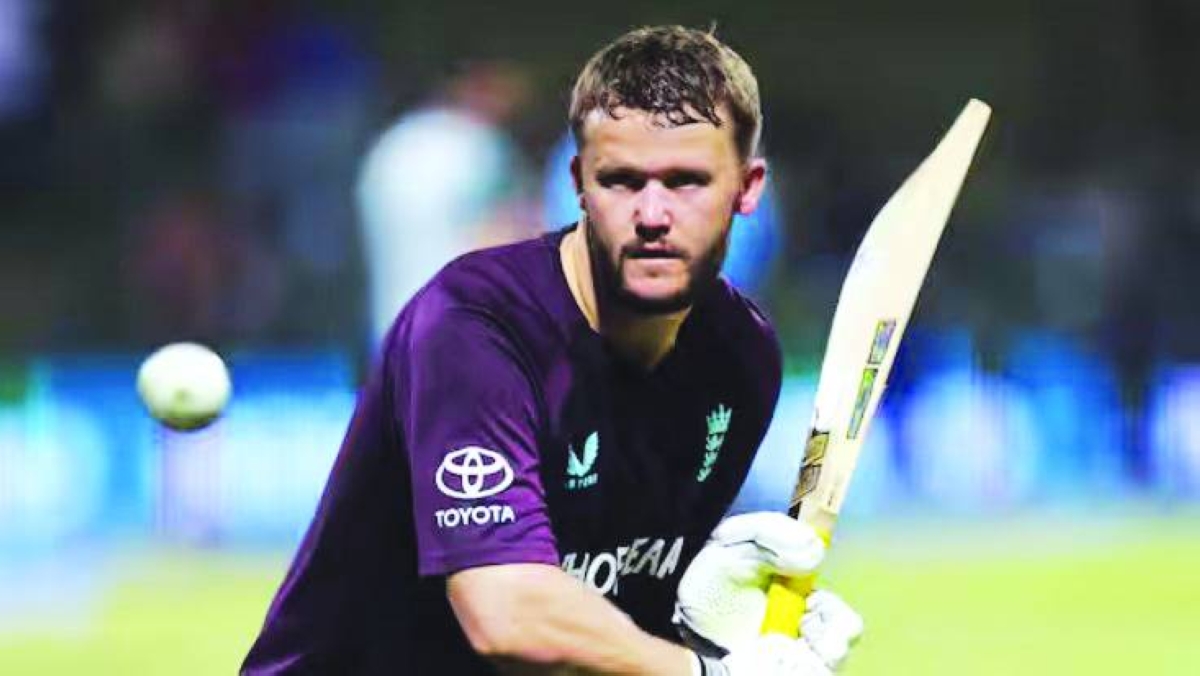
England opener Ben Duckett has withdrawn from the Indian Premier League (IPL) four days before the start of the ‌tournament to focus on his international ​career, a decision ‌that could leave him facing a ‌two-season ban from ‌the league. The 31-year-old, who ‌scored 202 runs at an average of 20.20 during the Ashes, was bought by Delhi Capitals for Rs20mn ($213,167) at the auction. Under IPL rules, any player who registers for the auction, is picked by a franchise and makes himself unavailable before the ​start of the season can be barred from participating in the tournament and the player auction ‌for two seasons. “I have made the ​extremely difficult decision to withdraw from ​the IPL. I have given this a lot of thought and it has not been an easy choice,” Duckett wrote on Instagram. “Representing England is something I have dreamed of since I was a child, and I want to give everything I can to English cricket. To do ‌that, I need ‌to ensure I am in the best possible place physically and mentally ahead of the summer. “I would like to sincerely apologise to everyone at Delhi. I was genuinely very excited about the opportunity to represent the franchise, and I fully appreciate the time and ​planning that goes into building a squad. “I am sorry for any disruption my decision may cause. I would also like to apologise to all the fans, as I know how much the team means to everyone in Delhi.” The IPL runs from March 28 to ‌May 31. 

Opinion
War and hunger: Iran conflict is disrupting global food supply chain

War and hunger: Iran conflict is disrupting global food supply chain

Nearing one month, the US-Israeli war with Iran has cut off important sources of energy and fertilisers that are key inputs in the production of grains, vegetables and meat. The conflict is sending shockwaves through the global food industry — from growers to packaging firms and distributors — with major implications for food security and living standards. Farmers whose crop yields were already squeezed by bouts of extreme weather now face having to pay more for those crucial inputs and are likely to pass on the cost to consumers through higher prices. The Gulf region has become a significant producer of nitrogen fertilisers in recent decades, and the Strait of Hormuz was handling about a third of the global trade before the war broke out. The conflict has severely disrupted exports from the region, sending prices soaring and farmers scrambling to secure enough of the products while they can. The war is also disrupting production of nitrogen fertilisers in other parts of the world as the conflict has affected supplies of their key ingredient: natural gas. This has led fertiliser manufacturers in countries such as India and Bangladesh to reduce output. There are signs that soaring gas prices are also putting European production under strain. Nitrogen fertilisers underpin roughly half of global food production by supplying plants with nutrients that support their growth. The sudden loss of supply of both chemicals and fuel compounds the problem. India, for example, is heavily reliant on urea and LNG imported via the Strait. Australia, meanwhile, has plenty of LNG but gets more than a third of its fertiliser from the Middle East as well as much of the diesel needed to deliver and apply it. Disruption of the Strait of Hormuz and the Red Sea shipping routes has raised freight costs and lengthened transit times for grains, oilseeds and fertilisers. Even short journeys face an impact as higher fuel prices make land transportation costlier. Before the war broke out, food inflation around the world was generally expected to ease this year. Food commodity costs are still well below their peak of March 2022 following Russia’s full-scale invasion of Ukraine, but the impact of the war is starting to feed through official price gauges. In Turkiye, consumers were reportedly paying about a third more for their vegetables, before the conflict started. The full impact is likely to take some time to materialise. Food prices tend to respond to prolonged energy shocks, not short spikes, and the effect on grocery prices is typically indirect and delayed, according to David Ortega, a professor of food economics at Michigan State University. Modern agriculture is an energy-intensive industry, relying on large amounts of fuel to power machinery used for sowing, harvesting and tending to livestock in sprawling pastures. Without this supply, farming calendars honed over generations could easily be disrupted. If farmers can’t get enough diesel, sowing could be delayed or reduced. Mature crops left in the ground would deteriorate, while the cost of processing and transporting produce after harvest would also increase. Import-dependent countries in Asia, Africa, and Latin America are particularly exposed to fertiliser shortages and rising input costs, the Food and Agriculture Organisation said on March 15. While farmers in rich nations can count on support from their governments, concerns are mounting over some of the poorest economies. Higher food prices will complicate efforts by central banks to get a post-pandemic wave of inflation back under control. The situation also presents a challenge for politicians, especially in emerging-market economies where food eats up a greater proportion of household incomes than it does in more industrialised nations. As many as 45mn more people could face acute hunger if the conflict in Iran doesn’t ease by the middle of the year, taking the total number to a record high, the UN World Food Programme has warned.