admin
admin 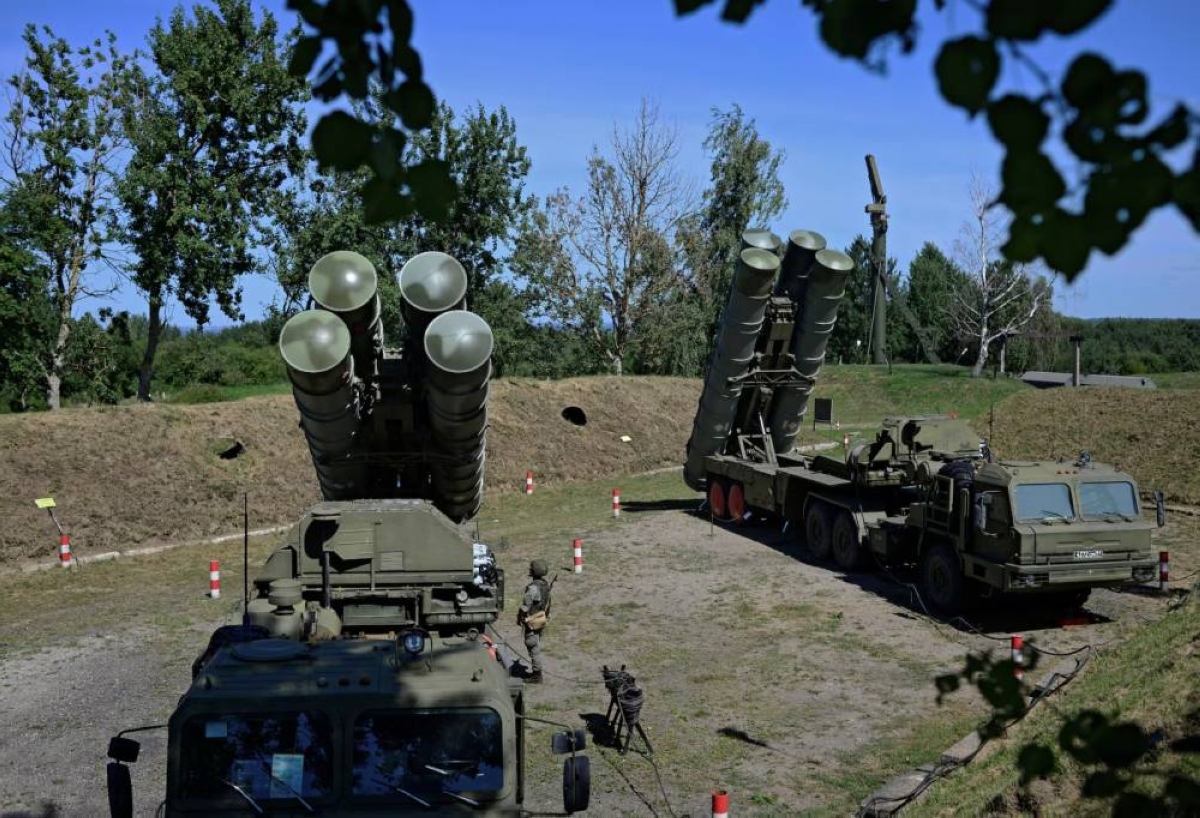
India approved proposals worth $25bn yesterday to buy transport aircraft, Russian S-400 missile systems and remotely piloted strike aircraft as it pushes its military modernisation and replenishes equipment after its conflict with Pakistan.
The decision comes on the back of another major approval last month worth $40bn to purchase more French Rafale fighter jets for the air force and Boeing P-8I reconnaissance aircraft for the navy.
Yesterday’s approvals also covered purchases of armoured piercing tank ammunition, gun systems and aerial surveillance systems for the army, increasing the life of the Sukhoi-30 fighter jets operated by the air force, and hovercraft for the coastguard, a statement from the defence ministry said.
Separately, the ministry also signed a 4.45 billion rupees ($47mn) contract yesterday with Russia’s JSC Rosoboronexport to acquire Tunguska air defence missile systems for the army.
In all, India has approved 55 proposals worth 6.73tn rupees ($71bn) and signed contracts for another 503 proposals amounting to 2.28tn rupees in the fiscal year ending March 31, the statement said, adding that both were the highest in a fiscal year.
India is the world’s fifth-largest military spender and the second-largest arms importer after Ukraine, according to latest data from the Stockholm International Peace Research Institute.
It has for decades been modernising its mostly Soviet-era equipment and increasingly looking to new sources including France, Israel, the US and Germany. In recent years, it has pushed to manufacture everything from guns and drones to fighter jets and submarines at home, either on its own or in collaboration with foreign partners. Last year, India and Pakistan were involved in a fierce four-day military conflict, their worst in decades, after an attack on Hindu tourists in Indian Kashmir. New Delhi said the militant attackers were from Pakistan. Pakistan denied the accusations.
India’s ties with China have also been testy and they were locked in a military stand-off in the Himalayas for more than four years before they agreed to pull back in 2024 and repair relations.