admin
admin 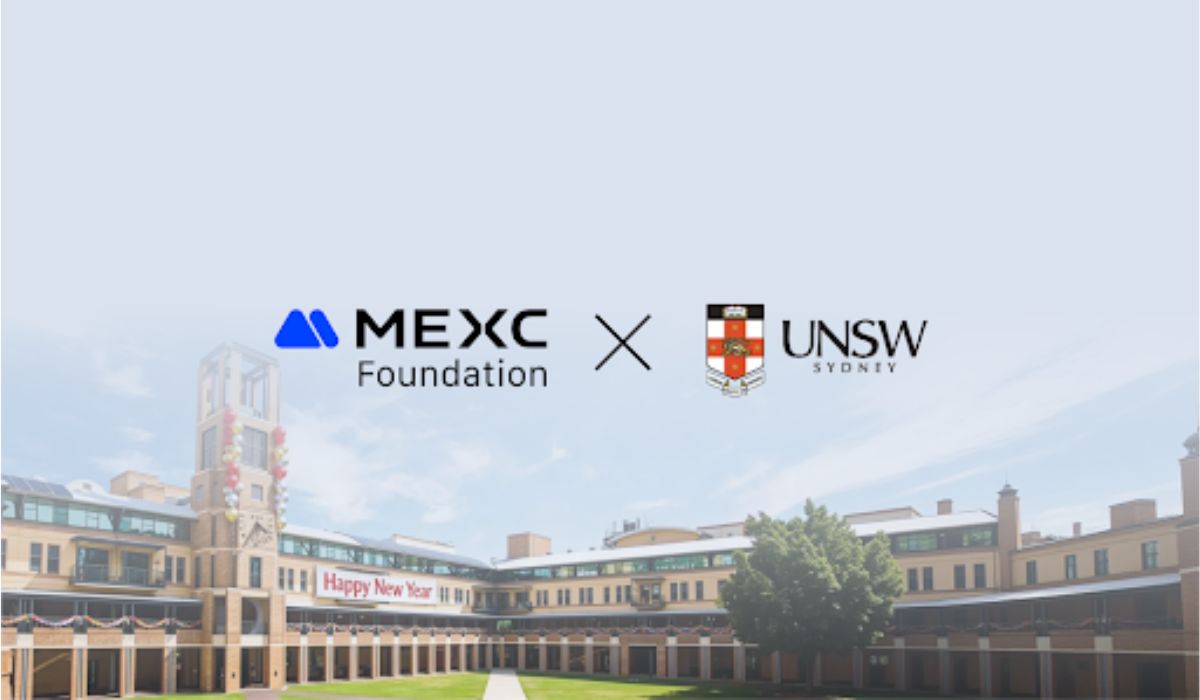
MEXC Foundation and the University Network for Cryptocurrency & Blockchain have launched a university-focused Web3 education initiative at the University of New South Wales, signalling a push to cultivate blockchain and digital-asset talent among students. The programme, branded MEXCampus, was introduced during an event at the Roundhouse on the UNSW campus in Sydney and positions the digital-asset exchange’s philanthropic arm as an official partner in a student-driven network promoting cryptocurrency education.
Announcement of the initiative marked the start of a structured trader development programme designed to provide university students with practical exposure to blockchain technology, digital-asset trading strategies and broader Web3 ecosystems. Organisers said the effort is intended to blend academic engagement with industry participation, offering training sessions, workshops and networking opportunities for students interested in decentralised finance and digital markets.
Partnership between the MEXC Foundation and the University Network for Cryptocurrency & Blockchain reflects growing interest among technology companies in building educational pipelines tied to emerging financial technologies. Digital-asset firms increasingly view universities as a strategic entry point for nurturing developers, analysts and traders capable of navigating blockchain-based markets.
Students attending the launch event were introduced to a curriculum that will include trading simulations, blockchain fundamentals and mentorship programmes delivered by industry professionals. The initiative also plans to host hackathons and research collaborations aimed at exploring practical applications of decentralised technologies, ranging from tokenised assets to smart-contract development.
Organisers described the programme as an attempt to bridge the gap between academic theory and the rapidly evolving digital-asset industry. Cryptocurrency markets have expanded from niche online communities into a sector attracting institutional investors, financial regulators and technology firms, creating demand for specialised skills that many universities are only beginning to address formally.
Australia has emerged as a notable testing ground for such initiatives. Universities across the country have expanded research in blockchain engineering, fintech regulation and decentralised systems as governments and financial institutions examine potential uses for distributed ledger technologies. The University of New South Wales has built a reputation as a leading centre for technology research, making it an attractive location for a pilot programme aimed at students.
Representatives involved in the launch emphasised that the project is not limited to theoretical learning. Participants are expected to gain hands-on experience analysing market behaviour, designing trading strategies and understanding risk management in volatile digital-asset environments. Structured workshops will introduce students to algorithmic trading concepts and data-driven decision-making, skills increasingly valued by exchanges and fintech firms.
MEXC Foundation said the broader goal is to create a global network of university communities focused on Web3 innovation. The foundation has supported educational initiatives, research grants and developer programmes intended to accelerate adoption of blockchain technology. Through the MEXCampus model, the organisation aims to expand engagement with student groups while promoting responsible participation in digital-asset markets.
Interest in Web3 education has grown alongside the expansion of decentralised finance platforms and tokenised applications. Blockchain-based systems allow transactions, data storage and asset ownership to be managed through distributed networks rather than centralised intermediaries. Advocates argue that such frameworks could reshape industries ranging from finance and gaming to supply-chain management.
Critics, however, point to persistent volatility in cryptocurrency markets and concerns over consumer protection, regulatory oversight and speculative behaviour. Education programmes linked to trading platforms therefore face scrutiny over how they address financial risk and ensure students understand the complexities of digital-asset investing.
Organisers involved in the UNSW programme said the curriculum will emphasise risk awareness and regulatory frameworks alongside technical training. Sessions are expected to explore how national and international authorities approach oversight of digital assets, including compliance obligations for exchanges and market participants.
The University Network for Cryptocurrency & Blockchain operates as a student-driven organisation connecting blockchain clubs and research groups across universities. Its collaboration with industry partners is intended to provide practical exposure while encouraging academic exploration of decentralised technologies.
Events associated with MEXCampus are expected to expand beyond the launch gathering, with a calendar of educational sessions and community activities planned throughout the academic year. Students participating in the programme may also gain opportunities to collaborate with developers and entrepreneurs working in blockchain start-ups and fintech ventures.
Digital-asset companies have intensified outreach to universities during the past decade as competition for skilled blockchain developers and analysts has grown. Many exchanges, venture funds and technology firms now sponsor campus initiatives, hackathons and academic research in an effort to build early connections with emerging talent.