admin
admin 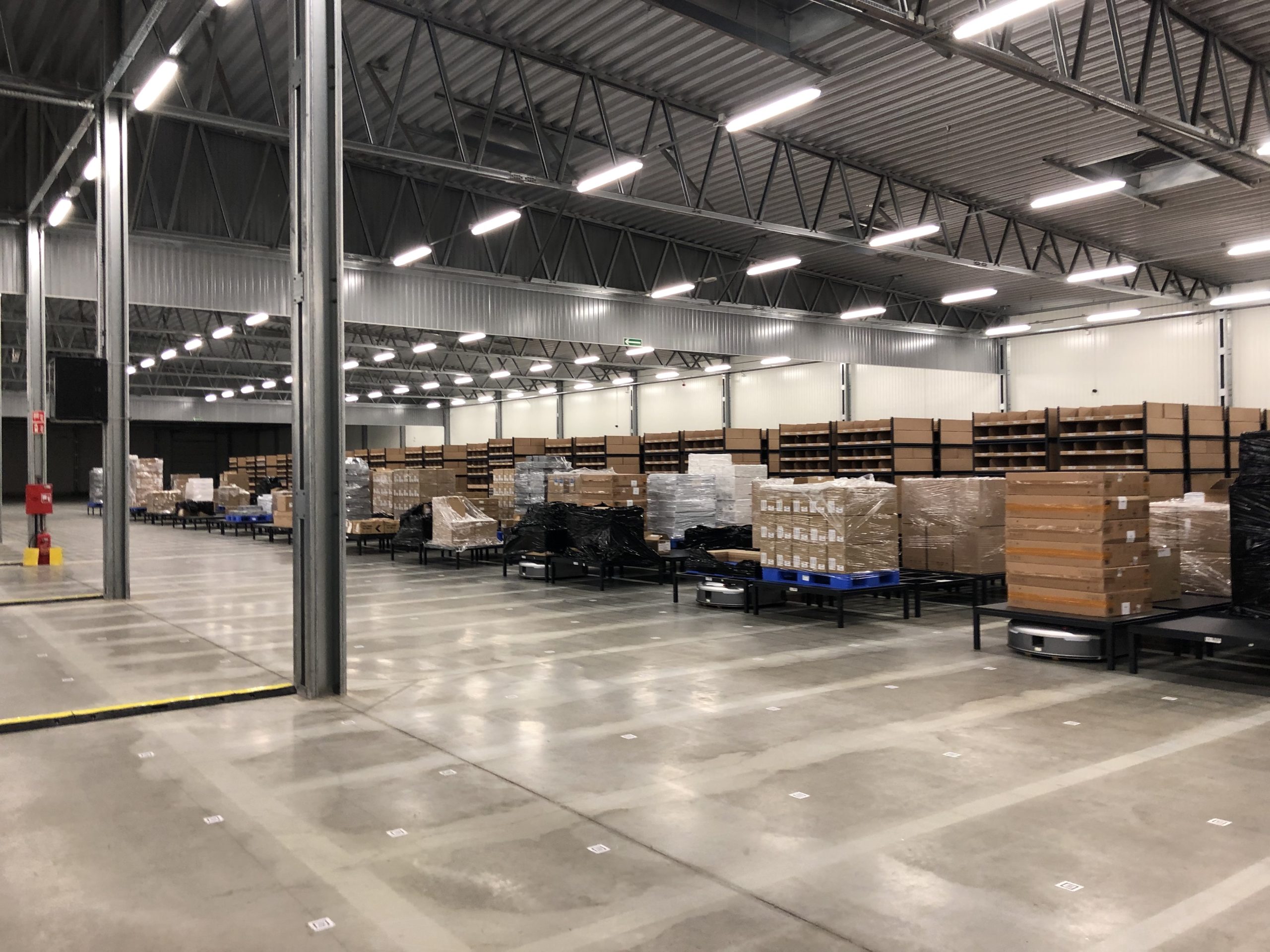
JD. com has launched a sweeping push into Europe, opening its online retail platform across several major markets including the United Kingdom, marking a strategic attempt by the Chinese e-commerce giant to compete with Amazon and diversify beyond its highly competitive domestic market.
The company introduced its international marketplace under the Joybuy brand in the UK, Germany, France, the Netherlands, Belgium and Luxembourg, offering a wide range of products such as electronics, home appliances, beauty items, groceries and household goods. The launch places JD. com in direct competition with Amazon and other fast-growing online retailers as global e-commerce companies intensify their battle for customers in Europe’s lucrative digital retail sector.
JD. com is positioning speed and logistics as the central pillars of its European strategy. The company said orders placed before late morning can reach customers the same day in major urban areas, while purchases made late in the evening will arrive the following day. The delivery model is supported by an extensive infrastructure network that includes dozens of warehouses and fulfilment centres across the continent, enabling the retailer to maintain direct control over distribution rather than relying solely on third-party logistics providers.
Coverage at launch extends to more than 15 million households across Europe and the UK, signalling a significant operational footprint from the outset. Free delivery is offered for orders exceeding £29 or €29, while a subscription programme known as JoyPlus provides unlimited delivery for a monthly fee of £3.99 or €3.99, positioning the service as a lower-priced alternative to Amazon Prime.
Company executives argue that JD. com’s vertically integrated logistics system—long considered a competitive advantage in China—will differentiate it in European markets where delivery speed has become a major factor in consumer purchasing decisions. Unlike many online marketplaces that operate asset-light models, JD. com manages its own warehouses, supply chain technology and last-mile distribution network, allowing tighter control over inventory and delivery schedules.
Joybuy’s marketplace will also host branded storefronts for international manufacturers including L’Oréal, Braun, De’Longhi, BRITA and Bodum, indicating a focus on partnerships with established consumer brands as the platform builds credibility among European shoppers. By combining branded products with competitive pricing and faster delivery, JD. com hopes to attract customers who have grown accustomed to Amazon’s ecosystem but remain sensitive to cost and convenience.
Expansion into Europe reflects broader changes within the Chinese e-commerce industry. Domestic retail competition has intensified as companies such as Alibaba, Pinduoduo and Meituan battle for market share, while slower consumer spending growth has pressured companies to explore overseas opportunities. For JD. com, internationalisation has become a strategic priority as it seeks to diversify revenue streams and replicate the logistics-driven retail model that propelled its growth at home.
The European move also follows a series of earlier initiatives aimed at establishing a foothold in the region. JD. com previously launched the Ochama omnichannel retail concept in the Netherlands and expanded automated warehouse operations across parts of Europe. At the same time, the company explored acquisitions that would provide access to established retail networks, including discussions involving British electrical retailer Currys and Argos, though those negotiations ultimately did not produce a deal.
Another major step involved an agreement to acquire German electronics retailer Ceconomy, the parent company of MediaMarkt and Saturn. The transaction, valued at about €2.2 billion, would grant JD. com a deeper presence in Europe’s electronics retail sector and potentially link its online marketplace with an extensive network of physical stores across the continent.
Analysts view JD. com’s strategy as part of a broader wave of Chinese digital commerce companies seeking growth abroad. Platforms such as Temu and Shein have expanded rapidly in Western markets by leveraging global supply chains and competitive pricing. However, JD. com is attempting to distinguish itself through logistics infrastructure and product authenticity rather than purely discount-driven models.
Europe represents a complex but attractive target. The region’s large consumer base, strong logistics networks and high internet penetration create fertile conditions for online retail expansion. Yet the market is already dominated by established players including Amazon, which operates extensive fulfilment centres and delivery networks across the UK and continental Europe.
Competition is therefore expected to centre on delivery speed, pricing and product selection. JD. com’s ability to replicate the high-efficiency logistics system developed in China will be closely watched by industry observers, particularly as European consumers increasingly prioritise rapid delivery and reliable service.
For JD. com founder Liu Qiangdong, the expansion marks another phase in the company’s transformation from a domestic electronics retailer into a global digital commerce platform. Established in Beijing as a small electronics shop before transitioning online in the early 2000s, JD. com has grown into one of the world’s largest e-commerce companies by emphasising supply chain technology and direct sales rather than a purely marketplace model.
Executives describe the European launch as a long-term investment aimed at building brand recognition and operational scale. The platform’s rollout across multiple countries simultaneously underscores the company’s ambition to establish a continent-wide presence rather than entering markets gradually.
Industry analysts say the success of JD. com’s European venture will depend not only on logistics performance but also on regulatory compliance, consumer trust and the ability to compete with entrenched rivals. European regulators have intensified scrutiny of cross-border e-commerce platforms over issues such as product safety, environmental impact and competition policy, factors that could shape the trajectory of JD. com’s expansion.