admin
admin 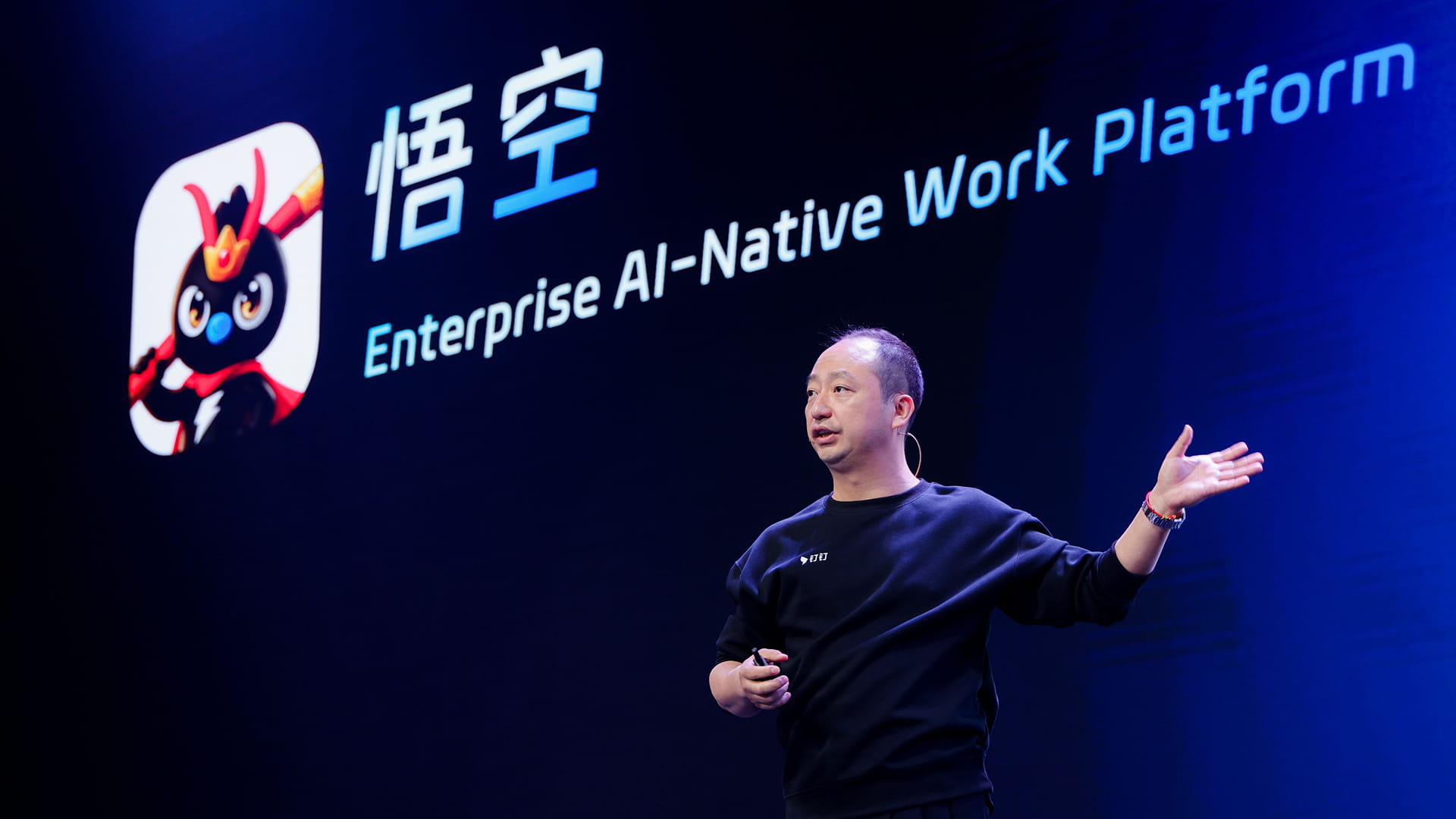
Alibaba has launched Qwen3.6-Plus, the latest entry in its Qwen model family, positioning it as a tool built to help companies move from chat-based assistants to AI systems that can execute multi-step work across coding, reasoning and visual tasks. The release lands as the group deepens its push into agentic AI for both enterprise clients and consumer applications, with the model set to power Alibaba Cloud’s Model Studio as well as its wider AI ecosystem.
Alibaba said Qwen3.6-Plus is designed for “real world agents”, with a one-million-token context window by default and improvements aimed at repository-level engineering work and multimodal reasoning. That framing matters because the competition in AI has shifted from headline model releases to the harder question of deployment: whether systems can take actions inside business processes rather than simply generate text. Alibaba is trying to answer that question by tying model development more closely to products that businesses and consumers already use.
For enterprise customers, the clearest link is Wukong, the company’s AI-native platform unveiled in March 2026. Alibaba has described Wukong as an enterprise system able to coordinate multiple agents inside a single interface, handling tasks such as document editing, spreadsheet work, meeting transcription and research support. Reuters reported that Wukong was launched as part of a wider rush among Chinese technology companies to turn AI agents into practical workplace tools, while Alibaba’s own materials cast it as a bridge between large language models and day-to-day corporate workflows. Qwen3.6-Plus is now being folded into that effort.
That enterprise emphasis does not stand alone. Alibaba has already been testing how agentic AI works in consumer settings through Qwen App, which it upgraded in January to handle tasks such as ordering food, planning travel and completing payments inside the chat interface. The company said the app crossed 100 million monthly active users within two months of its public beta launch in November 2025. Reuters confirmed the January rollout and said the upgrade reflected Alibaba’s effort to push harder into consumer-facing AI after earlier focusing more heavily on enterprise services through its cloud division.
Taken together, the January Qwen App upgrade, the March Wukong launch and the April Qwen3.6-Plus release show a clearer pattern in Alibaba’s AI strategy. It is no longer presenting models as isolated technical milestones. Instead, it is building a stack in which the foundation model, the enterprise platform and the user-facing applications reinforce one another. That approach could help Alibaba monetise its AI work more effectively, particularly at a time when investors are watching how large model developers turn research spending into durable revenue.
There is also a notable shift in product philosophy. Alibaba’s Qwen brand became widely known through open models, yet Qwen3.6-Plus is being presented as a hosted, closed-source offering. The Edge Malaysia reported that it is the company’s third closed-source AI model in this new phase, even as Alibaba continues to say it will keep releasing open models in other areas. The commercial logic is straightforward: hosted proprietary systems give Alibaba tighter control over access, pricing and enterprise integration. The trade-off is that some developers who prefer downloadable models may see less flexibility than they would from open releases.
Competitive pressure is another part of the story. China’s AI sector has become increasingly crowded, with Alibaba, ByteDance, Tencent, Zhipu and others all trying to turn generative AI into usable products. Reuters has noted that the race is no longer just about benchmarking against foreign rivals, but about embedding AI into services people and businesses already rely on. Alibaba’s answer appears to be a blend of cloud distribution, workplace integration and ecosystem reach through tools linked to Taobao, Alipay, Fliggy, Amap and DingTalk.
For companies weighing adoption, Qwen3.6-Plus will be judged less by launch-day claims than by whether it reduces labour, speeds software work and operates reliably inside regulated corporate environments. Alibaba says Wukong is built on enterprise-grade security infrastructure, a signal that governance and control are central to its sales pitch. That will matter, because agentic systems that can edit documents, move data between tools or trigger transactions raise more operational and compliance concerns than ordinary chatbots.