admin
admin 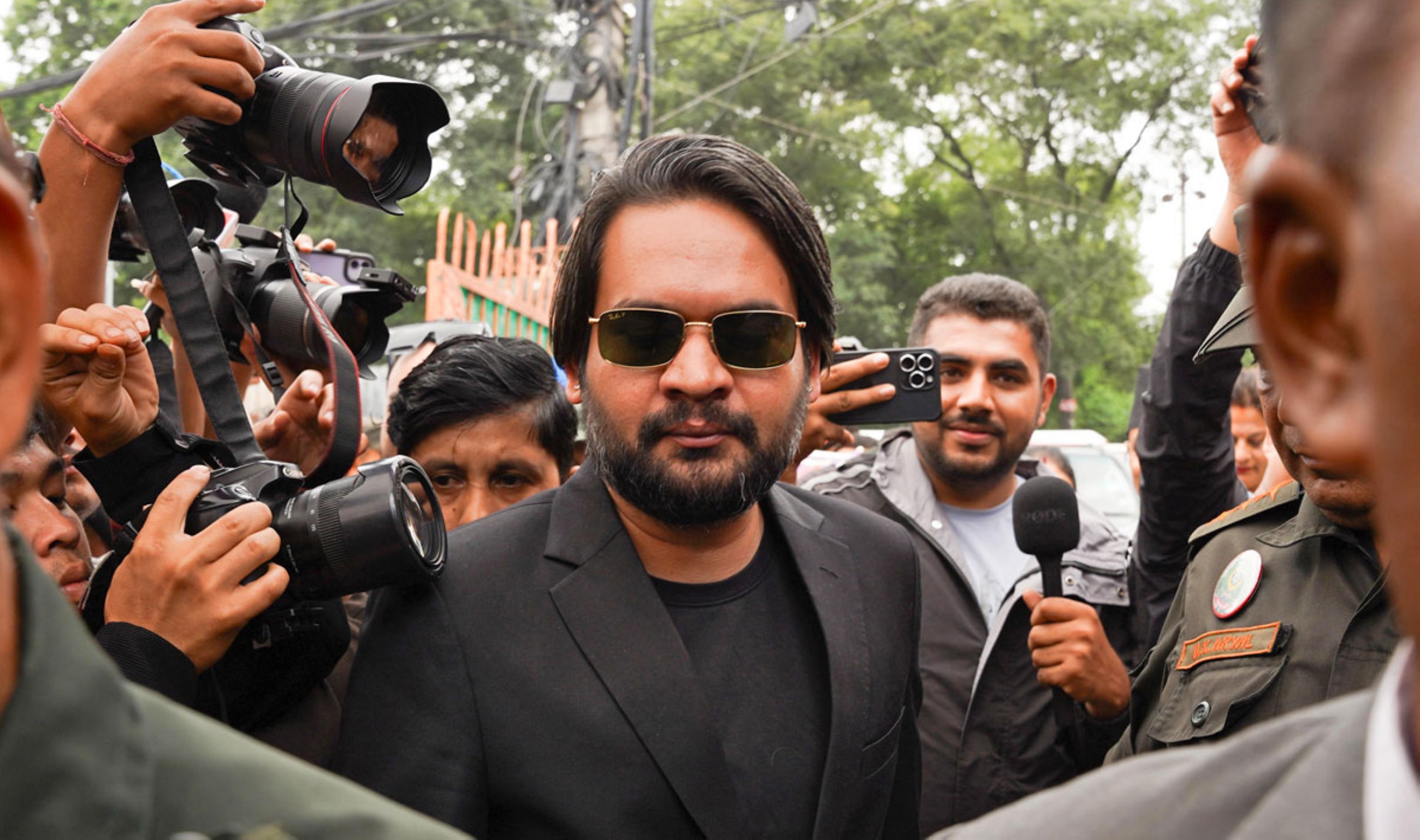
Balen Shah is a rap musician and thousands of Nepalese youth hero-worship him. After bringing down the government of Prime Minister K.P. Sharma Oli, the young protesters wanted Shah to take over power. He refused, and former Supreme Court Chief Justice Sushila Karki took charge.
With elections due on March 5, Shah is contesting from Jhapa-5, from where Oli is his main opponent. Jhapa-5 is the bastion of the Communist Party of Nepal – Unified Marxist Leninist (CPN-UML). Balen is fighting the election as a candidate of Rastriya Swatantra Party (RSP), which was formed four years ago. If he wins, and he may, then he will be the next prime minister of Nepal.
It is something that Nepal’s youth ardently want. Balen shot into prominence in 2013 when he became the country’s rap icon, and in 2022 he won the mayoral election of Kathmandu, the capital of the country. He broke the grip of the entrenched political parties in the country. When student protests against nepotism and corruption of the country’s politicians broke out in September 2025, Balen supported the protesters. Journalist Pranaya Rana points to the reasons for Balen’s popularity.
He says, “Young Nepalis see him as decisive actor, who is not beholden to traditional political or business interests. Many admire his macho public persona, and his willingness to take on entrenched political patronage networks.”
Nepal has a young population, with 40 per cent of them below the age of 35. The rise of the young generation as political participants has changed the rulebook of power politics. Many of them are born in this century, and they are frustrated by the lack of economic development and rise in political corruption. Many of the youth do not see any future as they do not have jobs, and the costs of living are on the rise.
With no visionary politician with an economic blueprint for the future, the youth are forced to take to the streets. This anger of the youth has taken the older politicians – most of Nepal’s political leaders are in their 70s – by surprise because they assumed that people will remain passive even if the situation is deteriorating. The outburst of people’s anger is something that the political leaders have not anticipated, and this has played out in Sri Lanka in 2022, in Bangladesh in 2024 and in Nepal in 2025.
The reason that young people are protesting so vehemently is due to the fact that almost all of them are on the social media through the mobile phones – on Instagram, on Tik-Tok, on WhatsApp and on X. The communication is instant and protests happen at lightning speed. This instantaneous response of the young has stumped the political leaders in their old age who have not understood the implications of the technological and social revolution that social media has brought about. Governments cannot any more take the patience of the people for granted. If they do not respond to a crisis situation, then the people will just march on to the streets.
It also means that the new set of politicians who are catapulted into positions of power cannot hope to forget the people who had entrusted them with the responsibility of governance. They will face the same challenge that the older generation had faced – popular protests on the streets. They will not wait till it is time for next elections. Balen Shah in Nepal is indeed riding the wave of popularity and goodwill, but he has the big responsibility of delivering on the promises. Balen faces a tough challenge even as he succeeds. Right now, he has asserted that Nepal should not give any importance to the big powers like China, India and the United States. It is intoxicating rhetoric, but it would take a lot of effort and tact to make Nepal independent economically and politically.