admin
admin 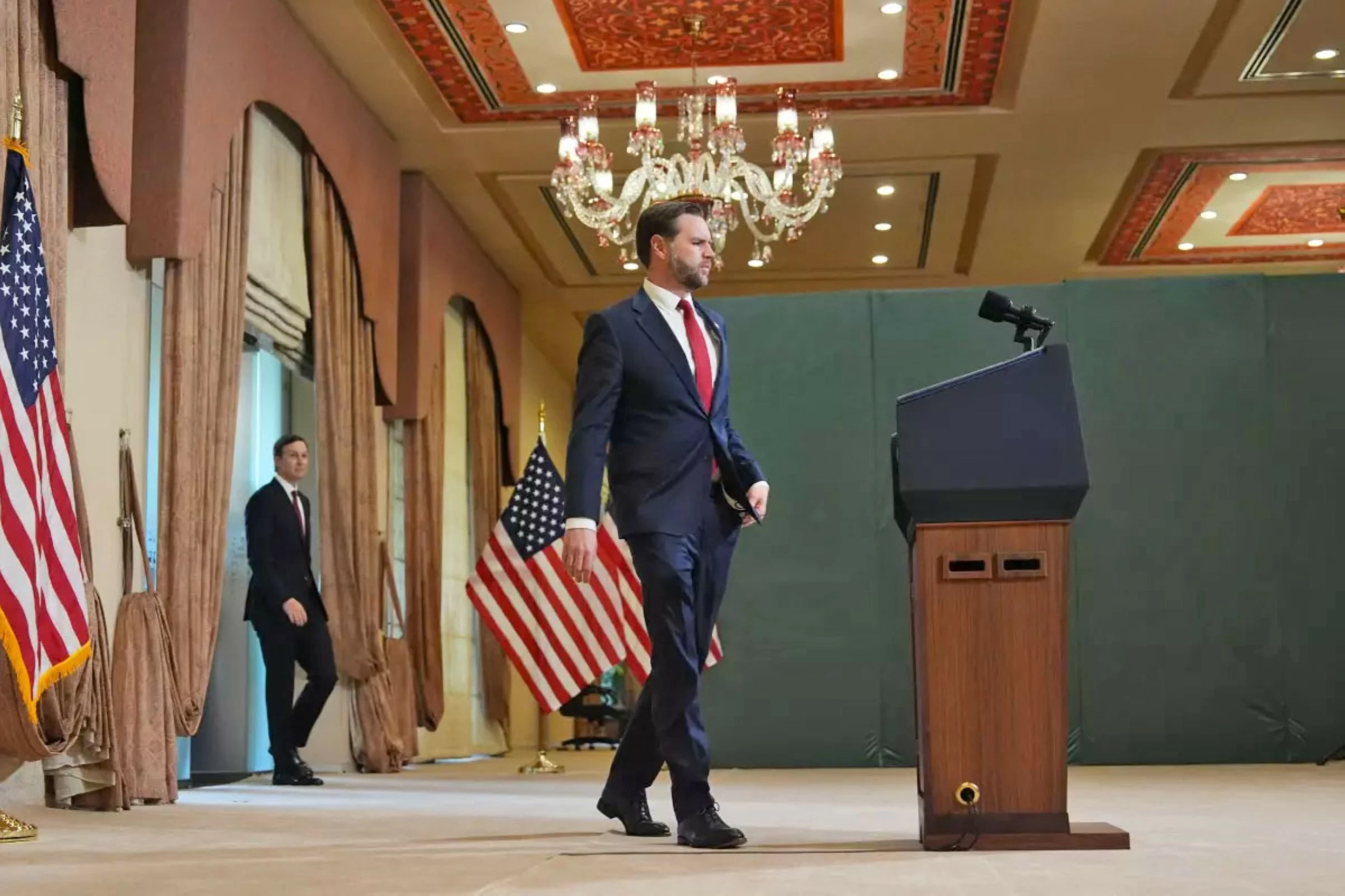
The war launched on Iran on Feb.28 by the US and Israel has no victor, no vanquished. And, no end. Ceasefire talks held on Saturday in Islamabad marked a pause in the conflict but were not translated into a talks on a peace deal. They were the first high-level talks since the current regime took power in 1979 and counted as an historic occasion as US Vice President JD Vance and Iranian Parliamentary Speaker Mohammad Bagher Ghalibaf were involved. Both sides did some boasting. President Donald Trump said the US would not attack Iran as the ceasefire is a “total and complete victory.” Iran also claimed victory, saying that Tehran had brought the enemy to a “crushing defeat.” Nevertheless, Trump described the 10-point Iranian proposal as “a workable basis on which to negotiate.”
This “war of choice” is illegal under the UN Charter and international law because neither the US nor Israel risked an imminent attack by Iran. Ignoring this prohibition, the US and Israel waged their war on Iran in the expectation that it would last four or five days and end with Iran’s complete surrender. Instead, the war has consumed six weeks and threatened to continue until one side or the other called a halt. A brief halt was called by the international community with Pakistan, Egypt and Turkey leading efforts to secure the two-week ceasefire which failed to provide a period for negotiations to end the conflict. Weary of warfare, US President Donald Trump may have done this unilaterally when he declared, “We won!”
The US, the global superpower, and Israel, the regional hegemon, had four declared war aims: Iran’s unconditional surrender, regime change, elimination of Iran’s nuclear potential and “obliterating” Iran’s missiles, launchers, drones, arms factories and navy. The US and Israel failed to secure Iran’s capitulation and effect regime change. Iran’s conventional weapons and arms factories have been damaged, destroyed or used for defence. Although Israel and the US bombed and “obliterated” Iran’s three main nuclear facilities last June, the current campaign could restart covert efforts by Iran to secure nuclear weapons. This would count as an own goal.
While Iran’s regime remains in office it has been weakened. Senior figures who survived assassination are hardliners seeking revenge. Iran’s supreme leader Ayatollah Ali Khamenei was killed by the US/Israel at the outset of the war, but this could be a second own goal as he had the stature to make the serious concessions needed to achieve peace. Furthermore, he had issued a fatwa (religious ruling) forbidding nuclear weapons. This died with him. His son Mojtaba was seriously wounded and has not appeared in public but remains de facto in charge. Iran’s ballistic missile and drone arsenal has been depleted by use and bombing. Its navy has been knocked out and its Revolutionary Guards (IRGC) and Basij forces have sustained losses but have rallied.
The IRGC is now in control in Tehran and exerts leverage over the oil chokepoint Strait of Hormuz, which has been closed to nearly all traffic and will remain closed. The Trump administration clearly did not predict this possibility when joining with Israeli Prime Minister Binyamin Netanyahu to make war on Iran. While this war has been his goal for 40 years, he all too clearly did not predict this politico-economic fallout and its implications for the world.
The Strait has given Iran a major grip on 20 per cent of global oil and liquified natural gas which are shipped through Hormuz. Trump has demanded the full reopening of Hormuz to shipping but this has been delayed because Iran sewed mines in and around Hormuz and cannot identify their locations. While tethered mines can be found and dealt with, floating mines remain a risk because they move with the tides. The US abandoned its fleet of minesweepers years ago and must recruit and rely on such deminers from Europe and elsewhere.
Trump made another major mistake a week ago when he threatened to destroy Iranian civilisation as his words have stirred Iranian nationalism and boosted support for the regime although millions of Iranians have long protested against their rulers and despite the fact that tens of thousands have died and been wounded and arrested. Iranians take pride in their 6,000 years of civilisation and do not take kindly to messages from raw politicians from a country 250 years old.
Iran has submitted 10 demands as its price for an end to the war. These include a commitment not to wage war on Iran, recognition of Iranian national sovereignty and ownership of Hormuz, compensation for war losses, an end to sanctions, and reconciliation with the international community. Tehran also insists that Oman and Iran would be allowed to collect tolls of up to two million dollars from each ship passing through Hormuz. Iran would use the money to rebuild after the war. Since Israel and the US bombed and claimed to have “obliterated” Iran’s nuclear sites at Nantaz, Fordow and Isfahan last June, there was no point for the US to raise the nuclear issue during the negotiations and use the lack of agreement on it as a reason to discontinue the talks. Tehran seems to have set the nuclear issue aside for the time being although Iran has argued it is within its right to enrich uranium under international treaties.