admin
admin 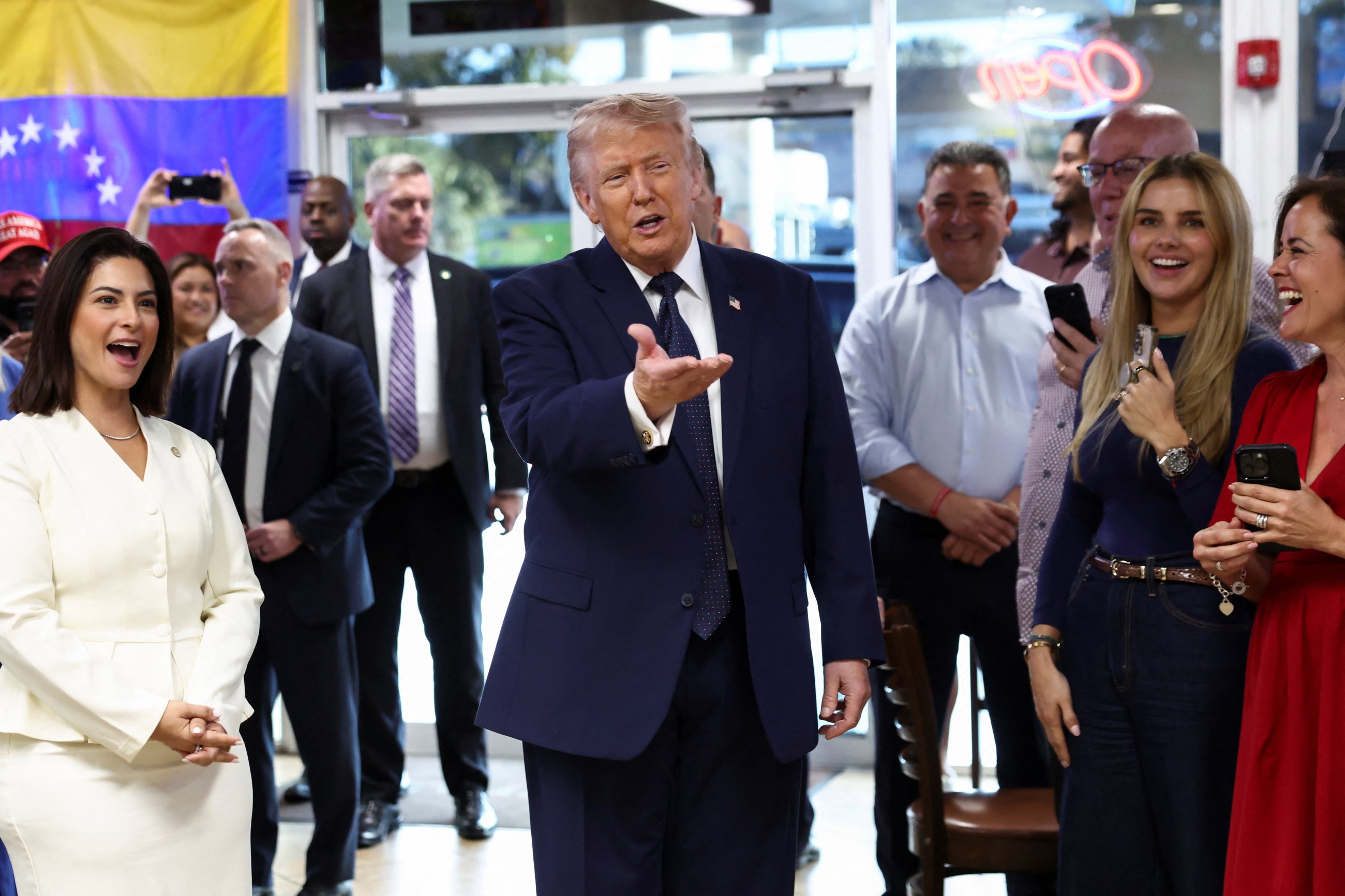
The dollar steadied against major currencies on Tuesday after retreating earlier, following comments from US President Donald Trump that the Iran war could end “very soon.”
At 157.73 yen and $1.1632 per euro, the greenback was mostly firm in Asian trade, down from Monday peaks. Global markets were sent into a frenzy on Monday on worries that a prolonged Iran conflict could trigger a global energy shock.
Iran’s Revolutionary Guards dismissed Trump’s remarks as “nonsense.”
Brent crude futures traded at $93 a barrel, well above pre-war levels, but beneath highs that were near $120 on Monday.
“Our sense is that we haven’t seen the end of the volatility … there’s still the potential for events to trigger bouts of risk aversion,” said Rodrigo Catril, senior currency strategist at National Australia Bank in Sydney.
“We’re cautious in the sense that it may not be as simple as just declaring the end of the war … and it’s unclear to us whether the Iranian regime would be interested in de-escalating,” he said.
The risk-sensitive Aussie weakened 0.2% to $0.7063 and the kiwi dollar was down 0.4% at $0.5912.
The dollar has been traders’ shelter-of-choice as US and Israeli attacks on Iran have all but frozen oil and gas exports through the Strait of Hormuz, sendingenergy prices soaring.
Investors are worried that could curtail global growth by acting as a tax on business and consumption, while at the same time pushing central banks away from easing rates.
Sterling recovered from a Monday dip to hold at $1.3434.
A Deutsche Bank analysis on Monday suggested larger market moves out of risky assets could require oil prices to stay at higher levels, a policy pivot from central banks and tangible signs of a broader economic slowdown.
“How close are we to meeting those thresholds? Much closer than a week ago,” said strategist Henry Allen.
“But on several metrics we aren’t quite there yet, which explains why equities aren’t yet seeing bear-market declines, like we saw in 2022,” he said, referring to the aftermath of an energy shock triggered by Russia’s invasion of Ukraine.
Reuters