admin
admin Dr Khalifa Musabah Al Tunaiji, Chairman of the Department of Agriculture and Livestock and CEO of the Production Establishment (EKTIFA), affirmed that the UAE’s food security system has achieved high-level success.
He said the department and the establishment operate within a broader national framework under the Emirates Food Security Council (EFSC), working in an integrated and coordinated manner with all members.
He stressed the close cooperation with the Ministries of Industry and Advanced Technology, Economy and Tourism, and Climate Change and Environment, as well as EFSC, in managing the country’s strategic food reserves through high-level coordination meetings to ensure food security under all circumstances.
In an interview with Emirates News Agency (WAM), he noted that the UAE adopts proactive plans to achieve food security, having demonstrated strong resilience during the COVID-19 pandemic, the Russia-Ukraine crisis and drought conditions affecting key supply countries.
He added that the country currently maintains sufficient food reserves for up to six months, covering both primary commodities and animal feed, ensuring preparedness for any emergency.
Al Tunaiji said EKTIFA is operating at full capacity, with all resources dedicated to the local market.
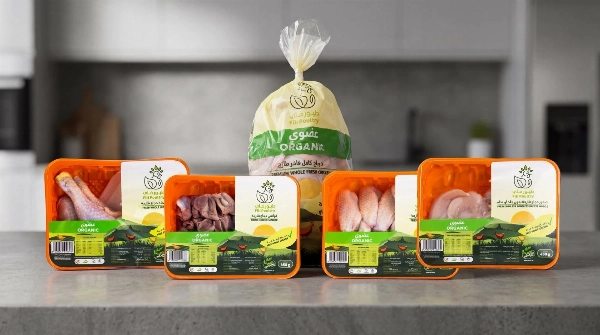
Milk production has reached 130,000 litres per day and is expected to rise to 300,000 litres daily by 2029, serving more than one million people. Poultry production currently stands at 7,000 birds per day, with plans to increase to 16,000 birds and eventually to 25,000 to 26,000 birds daily.
He noted that, in line with the directives of His Highness Dr Sheikh Sultan Bin Mohammed Al Qasimi, Supreme Council Member and Ruler of Sharjah, production is being increased, with additional land allocated for future expansions, raising output to between 25,000 and 26,000 birds per day.
He added that, with regard to vegetables and fruits, the department, through the Gheras farms, supplies the market daily with all seasonal produce.
He added that, in implementation of the directives of the Ruler of Sharjah, the department plans, in support of the country’s food production chains, to introduce 140 food products to local markets during this year and next.
These will include a wide range of dairy products, cheeses, butter and animal fats, in a project that reflects Sheikh Sultan’s emphasis on shifting from hydrogenated vegetable oils to natural animal-based fats in food production, in addition to producing various types of baked goods.
He added that EKTIFA’s organic products are competitively priced to ensure accessibility for consumers, in line with the Ruler’s directives.
Among upcoming products is a high-protein milk targeting athletes, containing 43 percent natural protein compared to 34 percent currently available in the market, as well as Greek yoghurt.
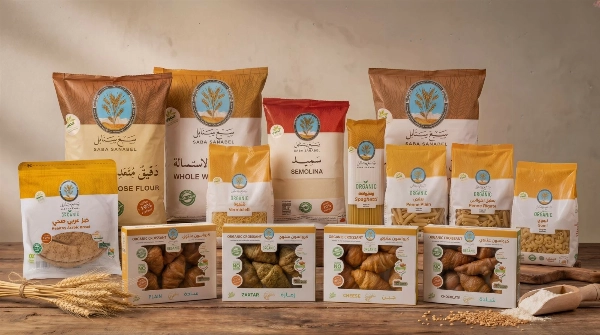
Al Tunaiji highlighted ongoing efforts to establish factories for cheese, butter, ghee, ketchup, tomato paste and fruit jam, noting that all production inputs are sourced within the EKTIFA system to support a circular economy and ensure high nutritional value.
He said the slaughterhouse and poultry processing plant are in the final stages of completion and are expected to be operational by the end of May, alongside a nearly completed animal feed factory.
The Minister also referred to the Hasad project, a joint initiative between the department and local farmers, focusing on contract farming to better regulate agricultural production and distribution, prevent market oversupply and ensure fair pricing.
The UAE continues to consolidate its global position in food security and sustainable food systems through strategic projects and innovative initiatives that combine technology, investment and financing.
These efforts aim to build an integrated food sector that enhances the nation’s competitiveness both regionally and internationally.
These initiatives are advancing through close cooperation between the public and private sectors under a national vision that seeks to achieve self-sufficiency and strengthen the resilience of food supply chains.
In Abu Dhabi, the food and beverage sector has witnessed record growth, underscoring the emirate’s standing as a leading regional hub for the food industry.
WAM