admin
admin 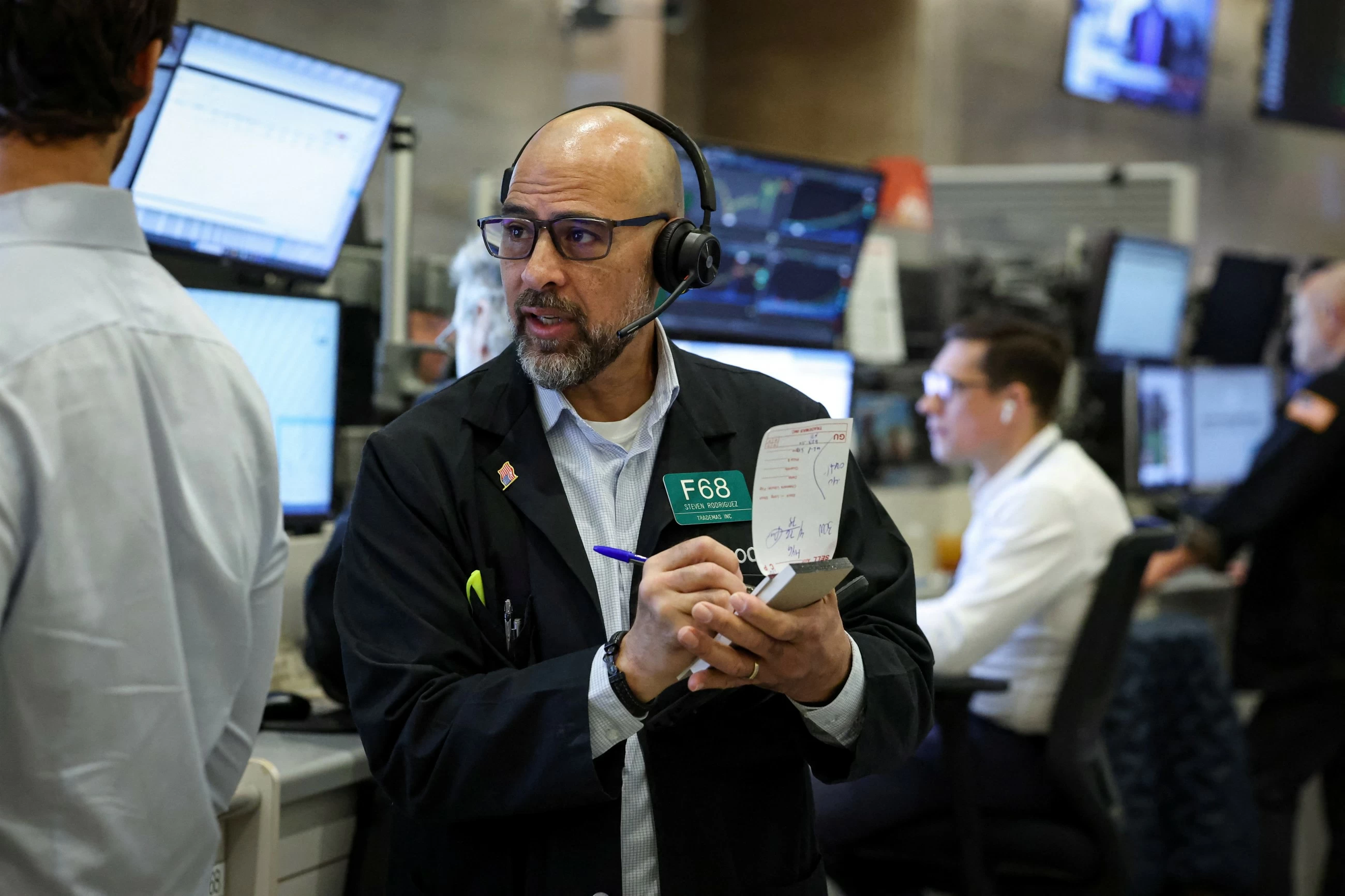
Global stocks rebounded from a four-month low on Monday after US President Donald Trump announced he would order the military to postpone any strikes against Iranian power plants and energy infrastructure, easing fears over the repercussions of a deeper oil shock. The comments came hours ahead of a deadline that threatened further escalation in the conflict, now in its fourth week. Trump added in a post on his Truth Social platform that the US and Iran had had “VERY GOOD AND PRODUCTIVE” conversations over the past two days about a “COMPLETE AND TOTAL RESOLUTION OF HOSTILITIES IN THE MIDDLE EAST”.
Oil prices tumbled by more than 8%, the dollar fell against other major currencies and government borrowing costs also eased. “The market woke up to some potentially good news out of the Middle East on Monday. But follow-through on any relief rally will likely require tangible follow-through on the geopolitical front,” said Chris Larkin, managing director of trading and investing at E*TRADE from Morgan Stanley.
Trump said the postponement followed productive conversations with Iran. But Iran’s Tasnim news agency, citing an Iranian official, said that the Strait of Hormuz would not return to pre-war conditions and energy markets would remain unsettled, adding that no negotiations with the US were under way.
US crude fell 8.58% to $89.80 a barrel and Brent fell to $101.89 per barrel, down 9.14% on the day.
Government bond yields, which had risen ahead of Trump’s comments on expectations for central bank rate hikes in Europe, moved lower.
The Dow Jones Industrial Average rose 1,021.70 points, or 2.24%, to 46,599.17, the S&P 500 rose 136.26 points, or 2.09%, to 6,642.74 and the Nasdaq Composite rose 493.02 points, or 2.28%, to 22,140.63. MSCI’s gauge of stocks across the globe rose 13.03 points, or 1.31%, to 994.34. The pan-European STOXX 600 indexrose 1.87%.
Britain’s 2-year bond yield, which has borne the brunt of a bond selloff since the start of the conflict, was last down 21 basis points on the day at 4.359%, having risen 13 bps earlier. The 10-year yield dropped from its highest since 2008.
Investors trimmed their bets on Bank of England rate hikes, now pricing in two hikes by year-end versus more than three earlier on Monday, while they also cut expectations for the European Central Bank.
In the US, two-year and 10-year Treasury yields were 5 to 6 basis points lower, with the 10-year yield last at 4.344%.
The dollar was broadly soft, having traded higher against most other currencies until the headline hit.
The euro was last up 0.4% at $1.1616.
“It’s clearly jawboning in the face of the meltdown that we’ve seen. We’re seeing a bit of a knee-jerk reaction to this positive news,” said Elias Haddad, global head of markets strategy at Brown Brothers Harriman.
“There’s certainly room for a bit of an unwind in the fear trade. A more sustained rally in risk assets will depend
Oil prices tumbled and European stock markets rebounded Monday in volatile trading as US President Donald Trump suddenly ordered a halt to strikes on Iranian energy infrastructure after claiming “very good” talks with Tehran.
Crude futures plunged more than 14 per cent after Trump’s comments on his Truth Social platform, a sharp contrast to his threatening talk over the weekend.
However they later pulled back to trade down around eight per cent as Iran denied negotiations had taken place.
“We need to wait for more clarity,” UBS commodities analyst Giovanni Staunovo told AFP, as European gas prices declined four per cent.
Asian and European stock markets had kicked off the new week with sharp losses. However following Asia’s close and Trump’s update, European equities rallied. All three of Wall Street’s major indices jumped higher at the opening bell and were trading up more than one per cent.
The rebound lost some steam after Iranian media said there had been no talks between Tehran and Washington.
“It’s incredibly difficult to trade these markets when Trump is swinging between massive escalation and declaring peace/victory… but the market is happy for now that we do not enter a new phase of danger,” said Saxo UK investor strategist, Neil Wilson.
Analyst Patrick O’Hare at Briefing.com said the stock market “is reading between the lines of everything and is sensing an off-ramp moment, sooner rather than later.”
Ahead of Trump’s update, the International Energy Agency warned of the worst global energy crisis in decades.
Trump on Saturday gave Iran 48 hours to reopen the Strait of Hormuz to shipping or face the destruction of its energy infrastructure.
The ultimatum came as the waterway − through which a fifth of global oil and liquefied natural gas flows − remained effectively closed.
Iran warned Hormuz “will be completely closed” should Trump act on his threat.
Observers have raised the prospect of surging inflation as oil prices remain far above pre-war levels despite Monday’s plunge.
This in turn could see central banks hike interest rates, potentially triggering a fresh cost-of-living crisis.
Disruption to fertiliser shipments has fanned concerns about global food security.
The prospect of higher borrowing costs has hammered the price of non-yielding gold but the precious metal recovered some of its losses after Trump’s latest comments, which also reversed the direction of the dollar.
As Wall Street opened for trade, the greenback dropped against the euro, British pound and yen, having earlier risen.
Yields on 10-year government bonds, which have been surging on inflation concerns, pulled back slightly.
“As government bonds… see yields rise, it makes gold less attractive given that gold pays no interest,” said Susannah Streeter, chief investment strategist at Wealth Club.
“Investors who have made losses elsewhere in volatile markets are selling to cover positions.”
Israel has said the Middle East war could last several more weeks, with its military expanding ground operations in Lebanon against Iran-backed militant group Hezbollah.
Agencies