admin
admin 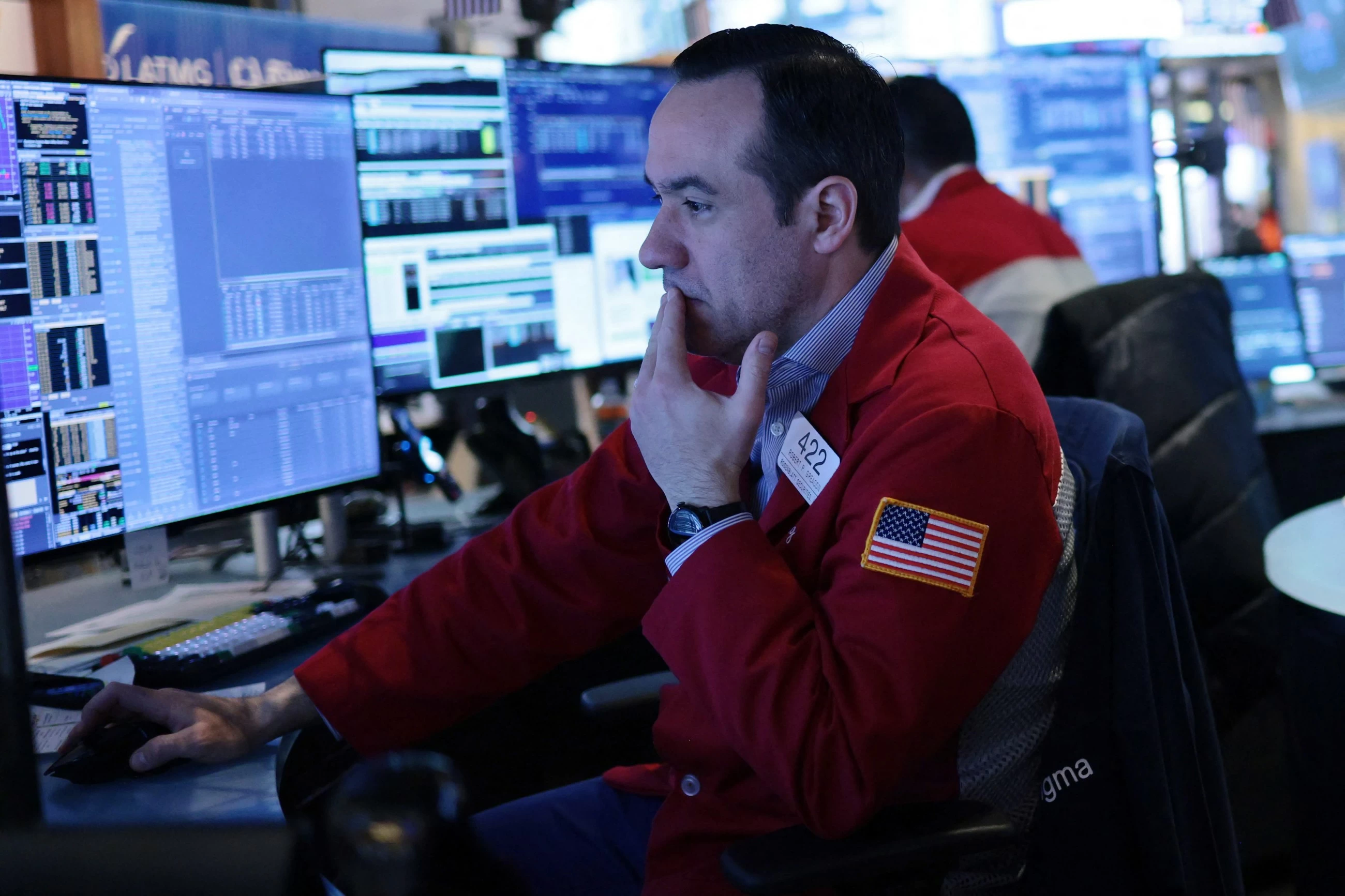
Oil surged and stocks fell on Thursday after Donald Trump threatened more heavy strikes on Iran and offered no solution to reopening the key Strait of Hormuz.
Investors found little solace in the US president’s address to the nation, in which he again urged countries dependent on the waterway for energy supplies to reopen it themselves.
“Trump’s comments injected fresh volatility into financial markets,” said Patrick Munnelly, a market strategist at Tickmill Group. “Although Trump assured that the waterway would reopen ‘naturally’ once tensions eased, he provided no timeline or details.” Signs of de-escalation had buoyed markets in recent sessions, but Trump’s late Wednesday televised speech dashed those hopes.
International oil benchmark, Brent North Sea crude, which had fallen below $100 a barrel ahead of Trump’s speech, went on to rally around eight per cent to above $109 per barrel.
The three major New York equity indexes opened more than one per cent lower.
In mid-afternoon trading in Europe, Frankfurt’s stock market shed more than two per cent. Paris dropped over one per cent, even as oil giant TotalEnergies was up three per cent on reports it made a one billion dollar profit in March trading petroleum products.
London dipped about half a per cent, helped by gains of over three per cent for the share prices of energy heavyweights BP and Shell.
“Market sentiment has deteriorated overnight after Trump’s much anticipated address delivered little to nothing new on potential timelines or conditions for ending hostilities against Iran,” said Deutsche Bank managing director Jim Reid.
“There was no signal of the US seeking an imminent offramp out of the war.” The dollar, seen as a safe haven investment, rose strongly against major rivals.
Earlier in the day, Tokyo closed down more than two per cent and Hong Kong and Shanghai also fell.
Trump’s claims that Washington and Tehran were in peace talks have been denied by the Islamic republic, which insists the Strait of Hormuz will remain closed to the country’s “enemies”.
Britain was hosting talks featuring some 40 nations Thursday to discuss how to reopen the waterway, through which a fifth of global oil normally travels.
World Bank Managing Director Paschal Donohoe said he was fearful about the global economic impact of the crisis.
“We are extremely concerned regarding the effect that this will have on inflation, on jobs and on food security,” he told AFP as the Bank partners with the International Monetary Fund and International Energy Agency to coordinate aid responses.
Stocks are dropping and oil prices are soaring after President Donald Trump vowed the US will continue to attack Iran and failed to offer a clear timetable for ending the conflict in the Middle East. The S&P 500 fell 1.2% and the Dow sank 600 points and the Nasdaq dropped 1.7%. The price of US crude oil jumped more than 10% to above $110. Trump did not mention a looming deadline he set for Iran to open the Strait of Hormuz, the critical waterway for global oil and gas transport. Thursday is the last day of trading on Wall Street this week with with the stock market closed on Good Friday.
Oil rose more than 10% and US futures tumbled Thursday after President Donald Trump said in his first national address since the Iran war began that the United States will escalate its campaign in the coming weeks.
Futures for the S&P 500 tumbled 1.5% before the opening bell, while futures for the Dow Jones Industrial Average lost 1.4%. Nasdaq futures slid 2%.
Thursday is the last day of trading this week due to the Good Friday holiday. Markets have not posted a weekly gain since the war began in late February.
A spokesman for Iran’s military insisted Thursday that Tehran maintains hidden stockpiles of arms, munitions and production facilities.
“The centers you think you have targeted are insignificant, and our strategic military productions take place in locations of which you have no knowledge and will never reach,” Lt. Col. Ebrahim Zolfaghari claimed.
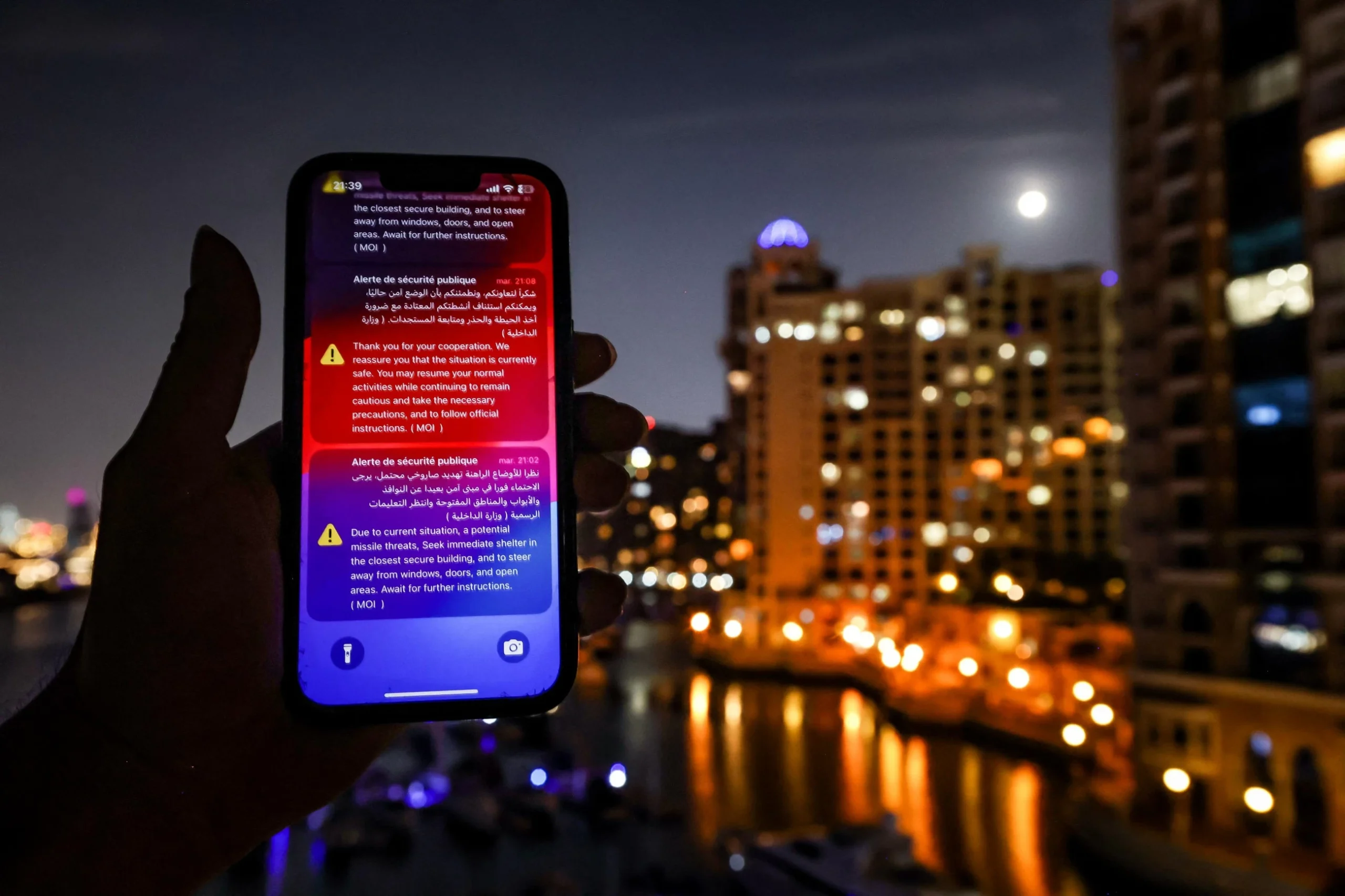
Just before Trump began his address – in which he said US “core strategic objectives are nearing completion” – explosions were heard in Dubai as air defenses worked to intercept an Iranian missile barrage.
Trump did not mention a looming deadline he set for Iran to open the Strait of Hormuz, the critical waterway for global oil and gas transport, after he threatened Iran earlier with US attacks on its energy infrastructure if the strait was not reopened. He did not offer a clear path to end the supply disruptions that have sent energy prices soaring.
Oil prices shot sharply higher following Trump’s remarks. The price US crude on Thursday actually shot higher than the type of crude that has been bottled up by the near closure of the Strait of Hormuz.
Benchmark US crude rose $10.11 to $110.24 a barrel outpacing Brent, the international benchmark. Brent jumped more than 8% to $109.38.
“The market has shown disappointment because the speech President Trump made was far less than what the market expected,” said Takashi Hiroki, chief strategist at Monex in Tokyo. “There were no concrete details about the end of the hostilities with Iran.” “What the market wants is a clear outline for the ceasefire,” he said.
In overnight equities trading, General Motors slid more than 2% after the automaker reported a nearly 10% decline in first quarter sales. That dragged most automakers lower early Thursday as several others prepare to post their latest results.
At midday in Europe, Britain’s FTSE 100 was down 0.6%, France’s CAC 40 fell 1.3%, and Germany’s DAX lost 2.4%.
Asian shares closed lower. Tokyo’s Nikkei 225 was down 2.4% to 52,463.27 on Thursday. South Korea’s Kospi lost 4.5% to 5,234.05, also after government data showed consumer prices in March rose 2.2% from a year earlier on soaring fuel costs.
Hong Kong’s Hang Seng fell 0.7% to 25,116.53, the Shanghai Composite index was down 0.7% to 3,919.29.
Agencies